
Species
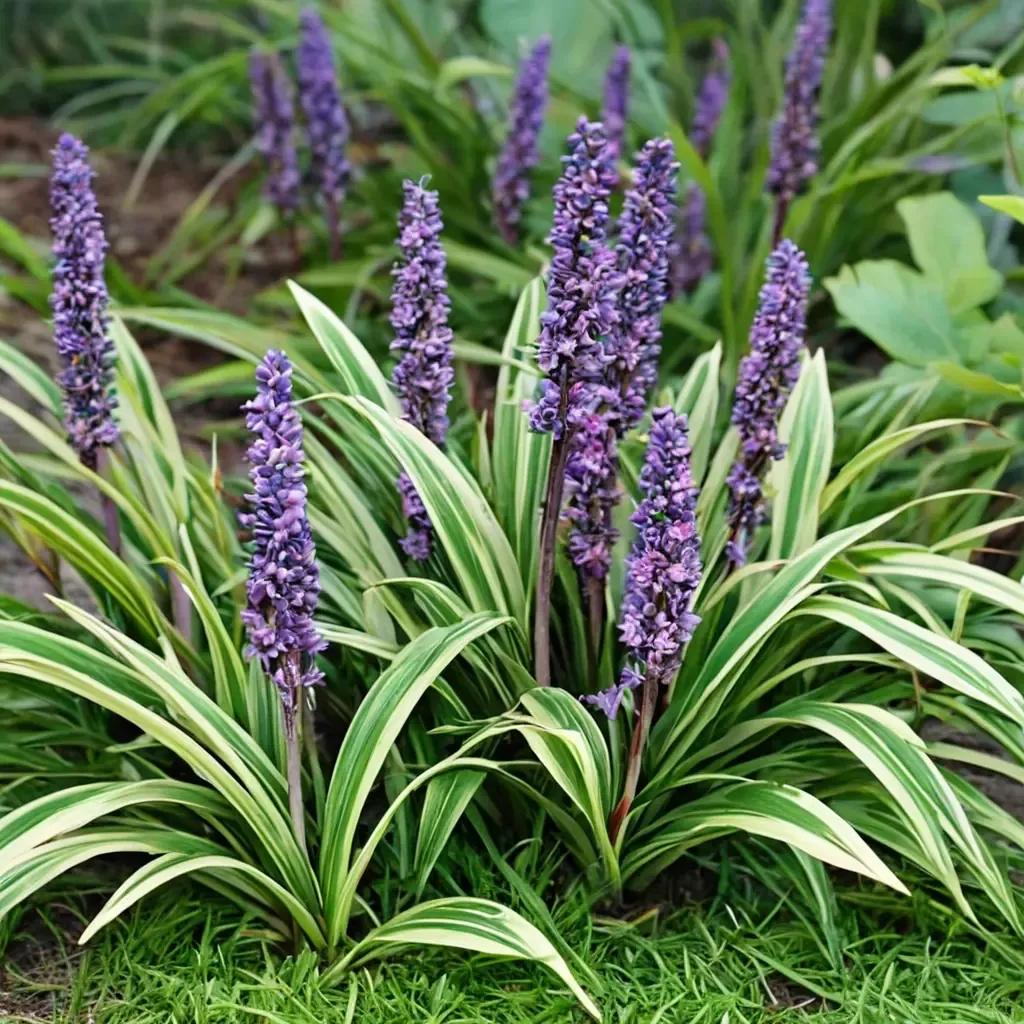 Liriope muscariLilyturf
16 other cultivars
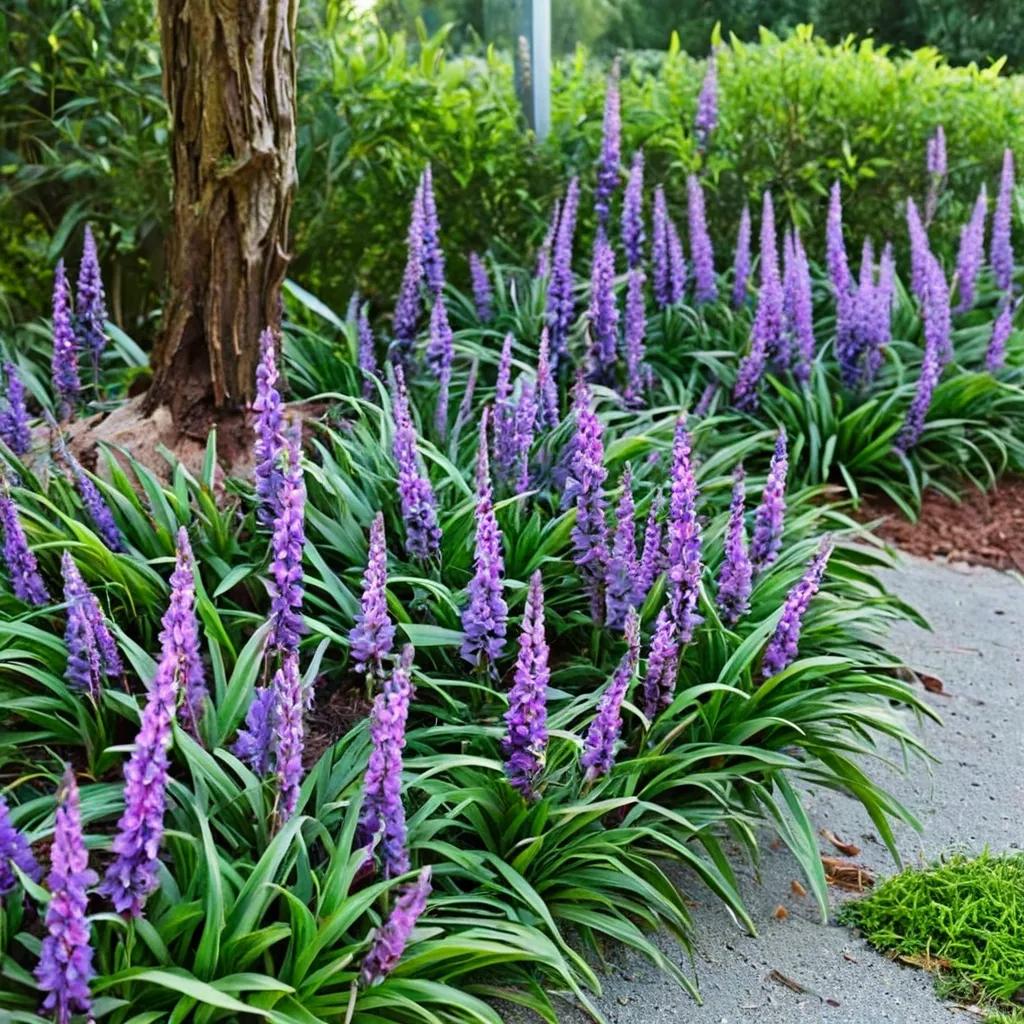 ‘Big Blue’Liriope muscari Big Blue
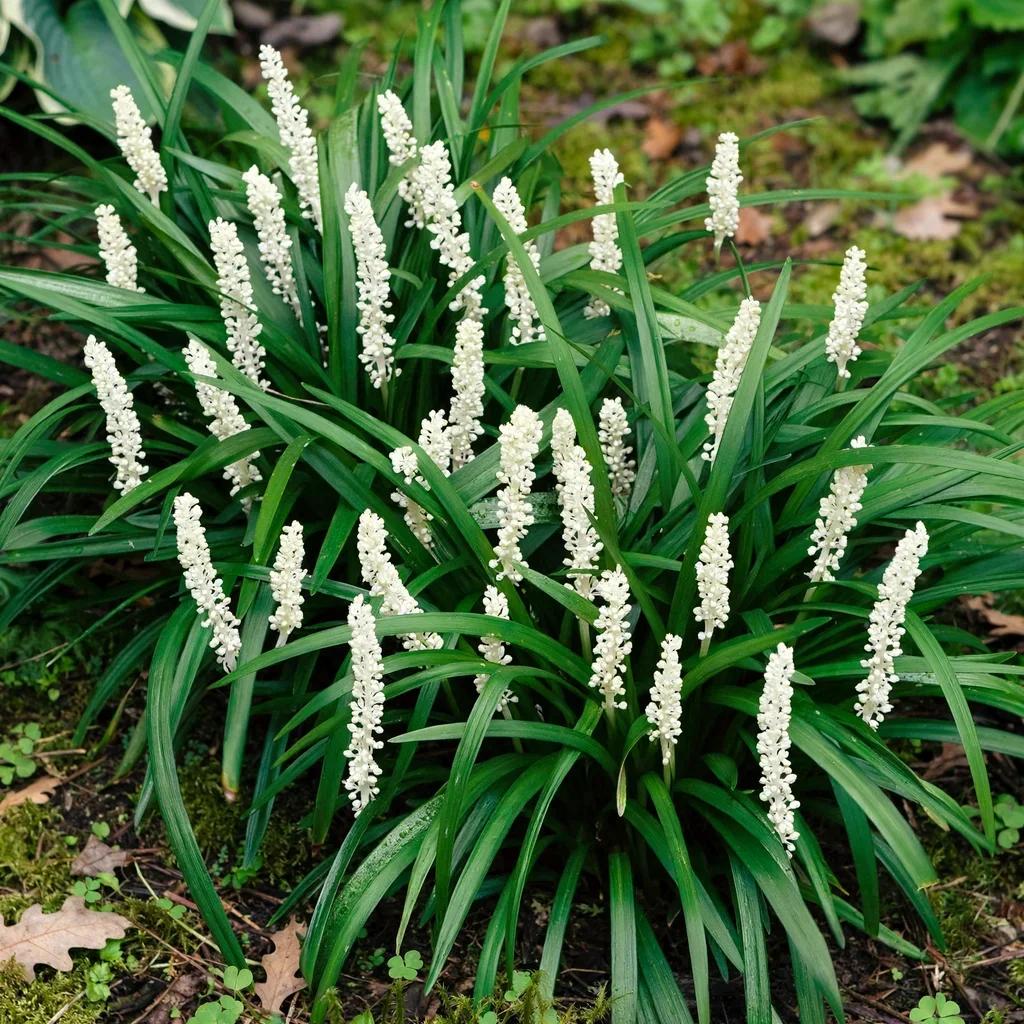 ‘Monroe White’Liriope muscari Monroe White
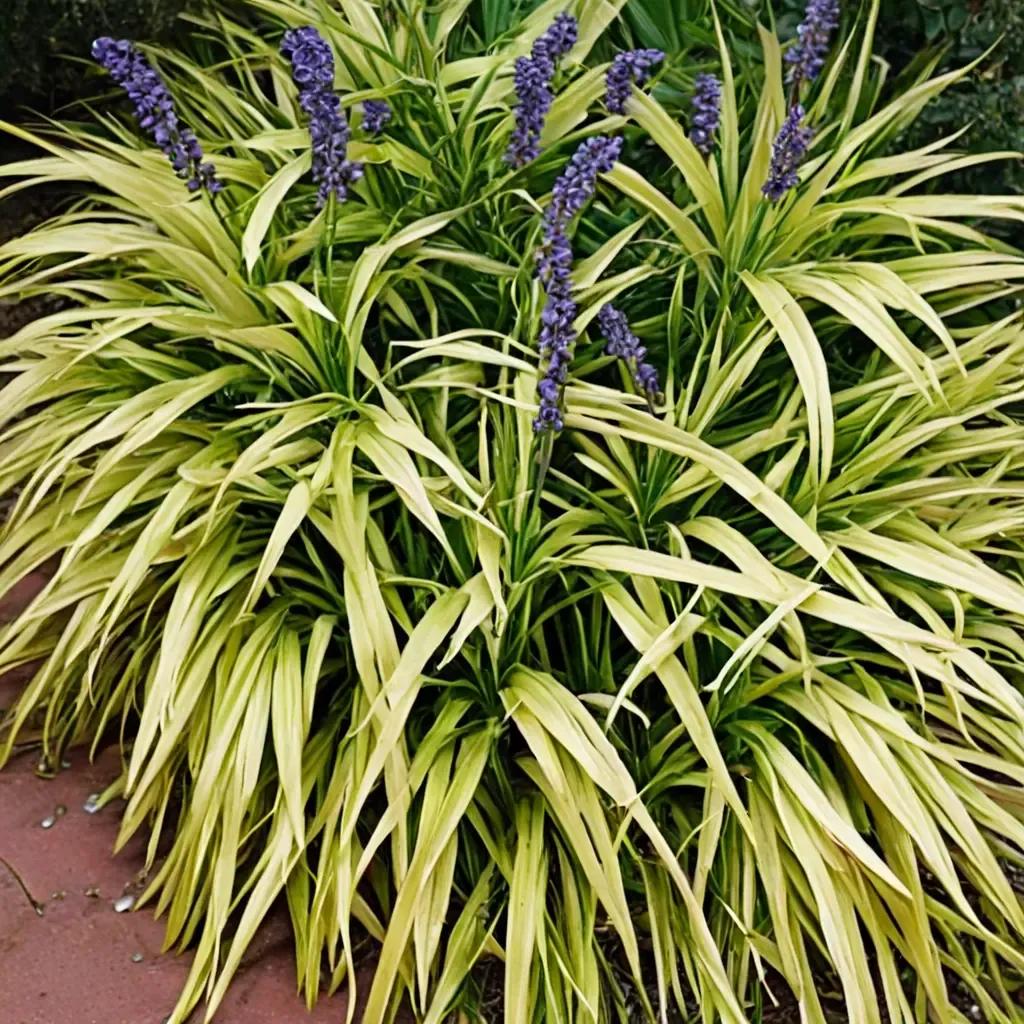 ‘Peedee Ingot’Peedee Ingot Lilyturf
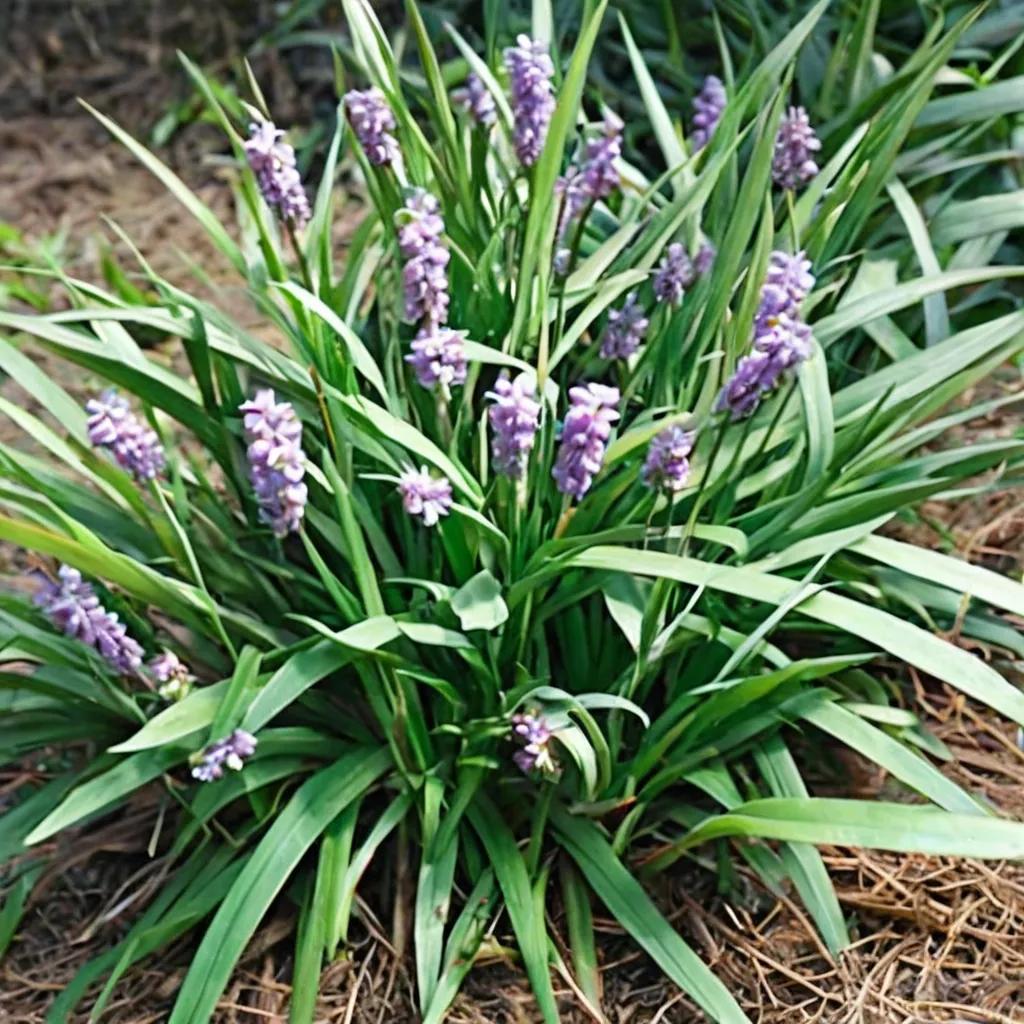 ‘Densiflora’Densiflora Lilyturf
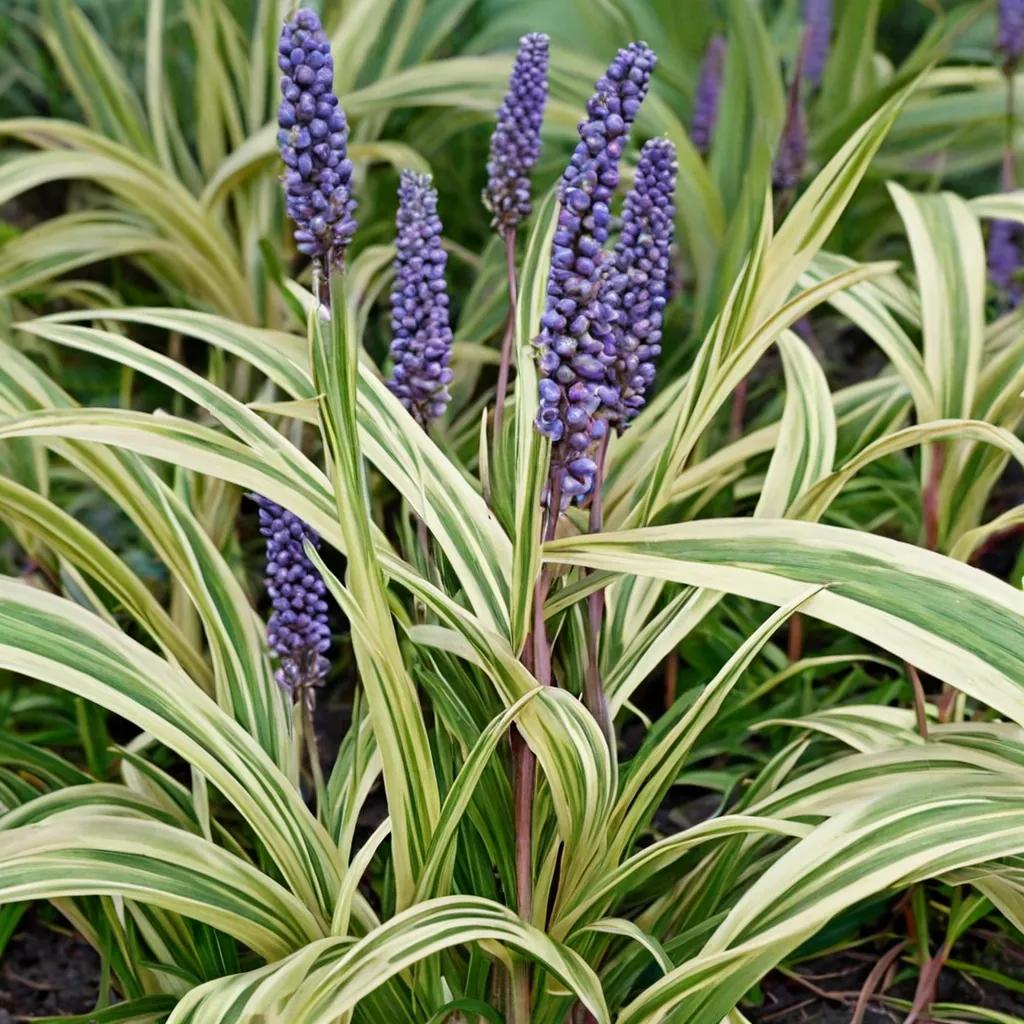 ‘Variegated’Variegated Lilyturf
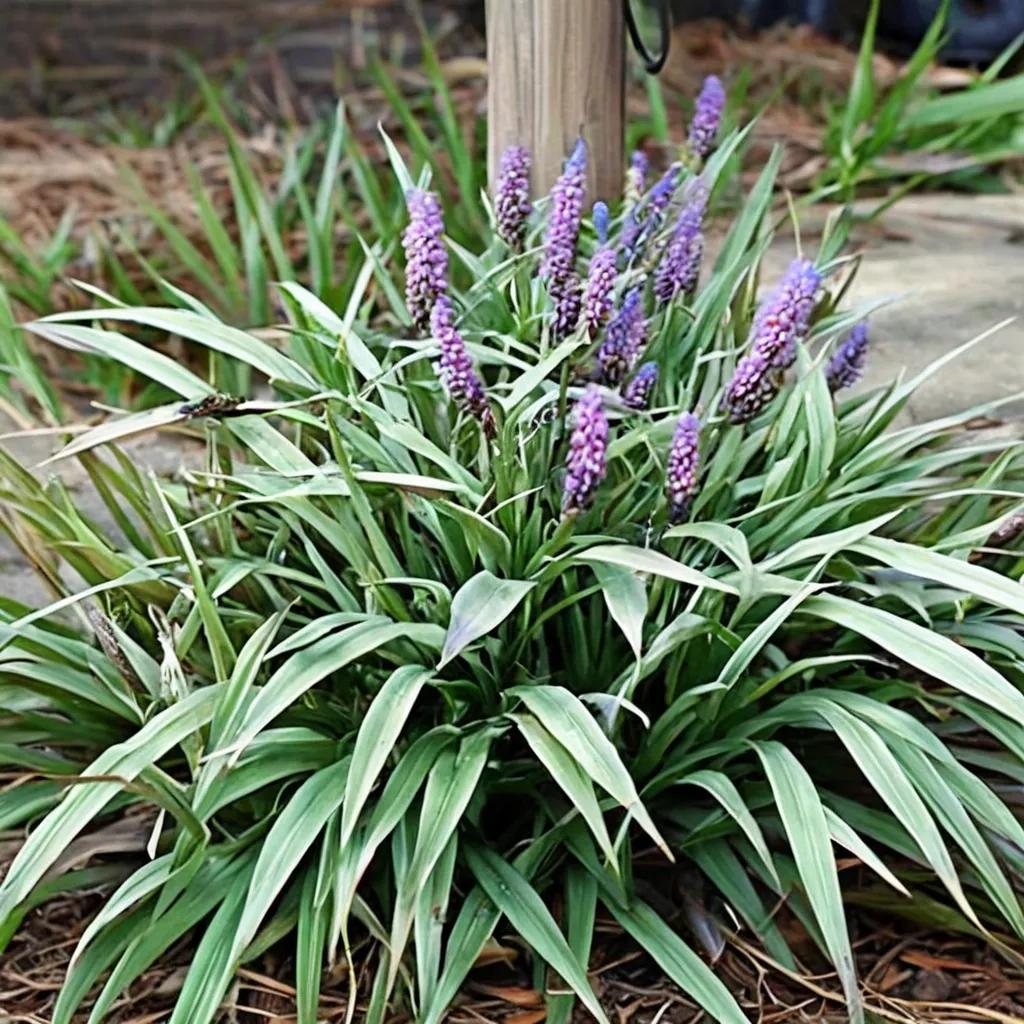 ‘Silver Midget’Liriope muscari Silver Midget
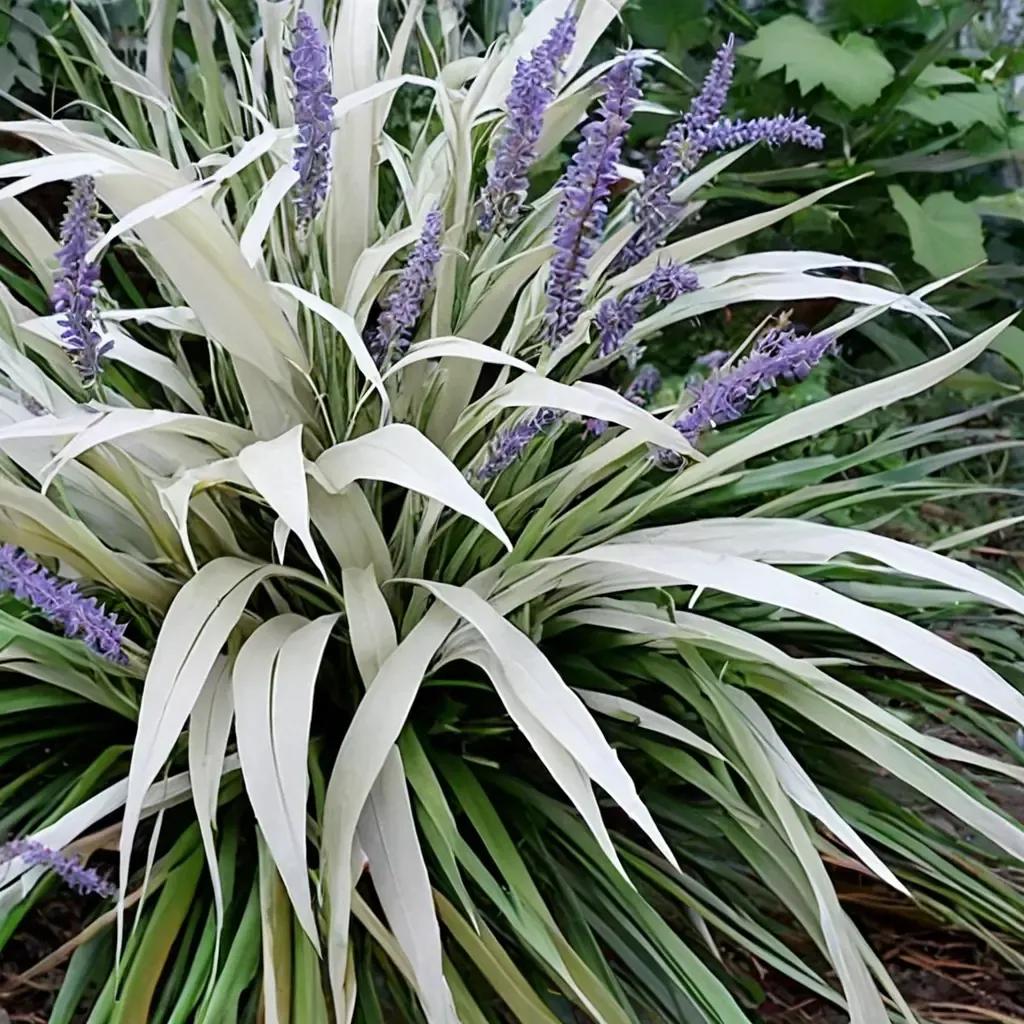 ‘Okina’Okina Lilyturf
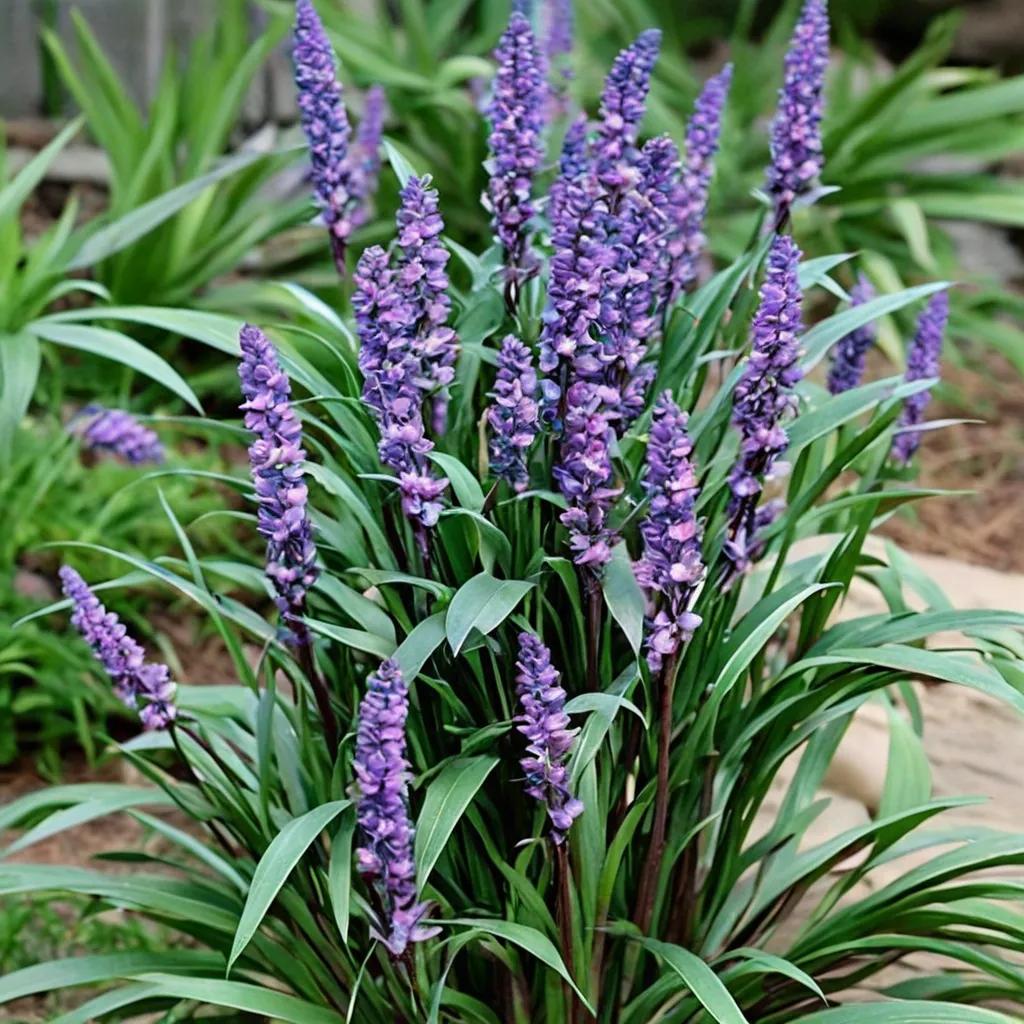 ‘Royal Purple’Royal Purple Lilyturf
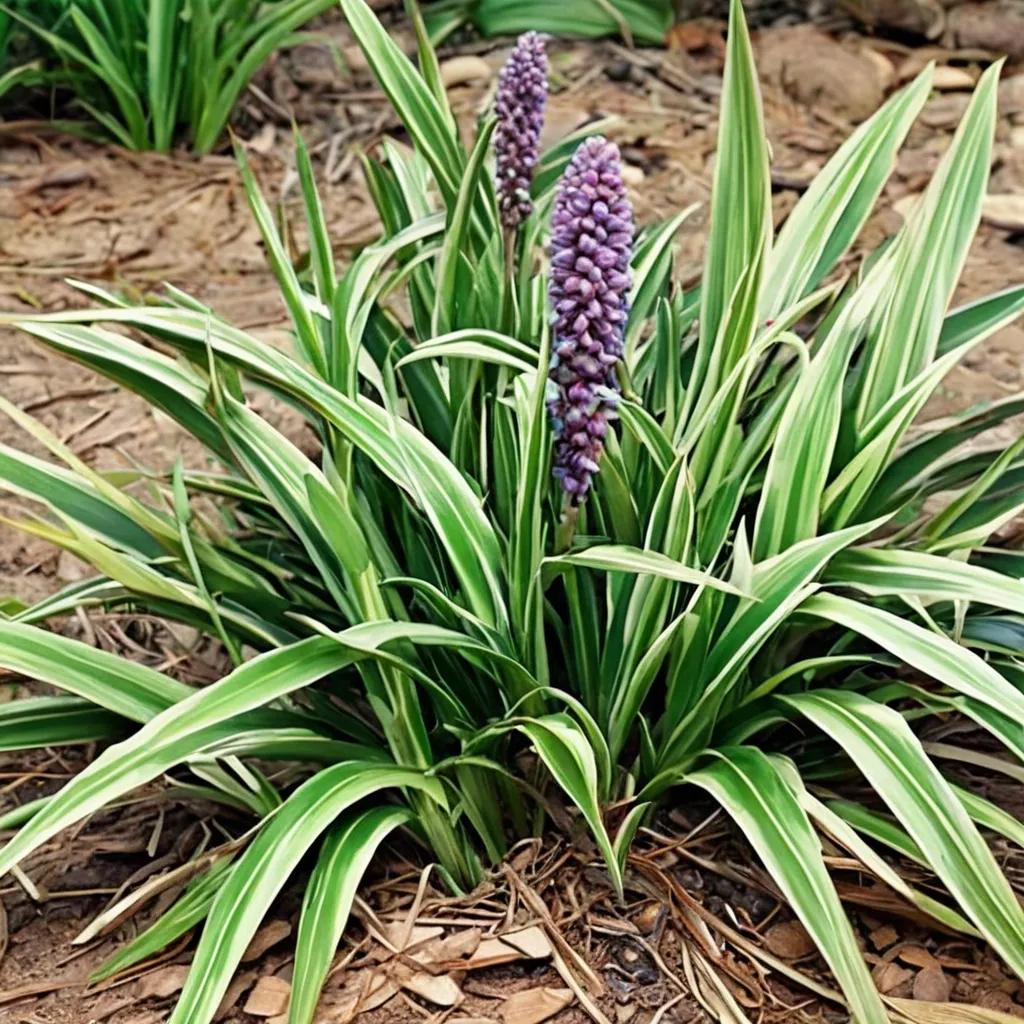 ‘John Burch’John Burch Lilyturf
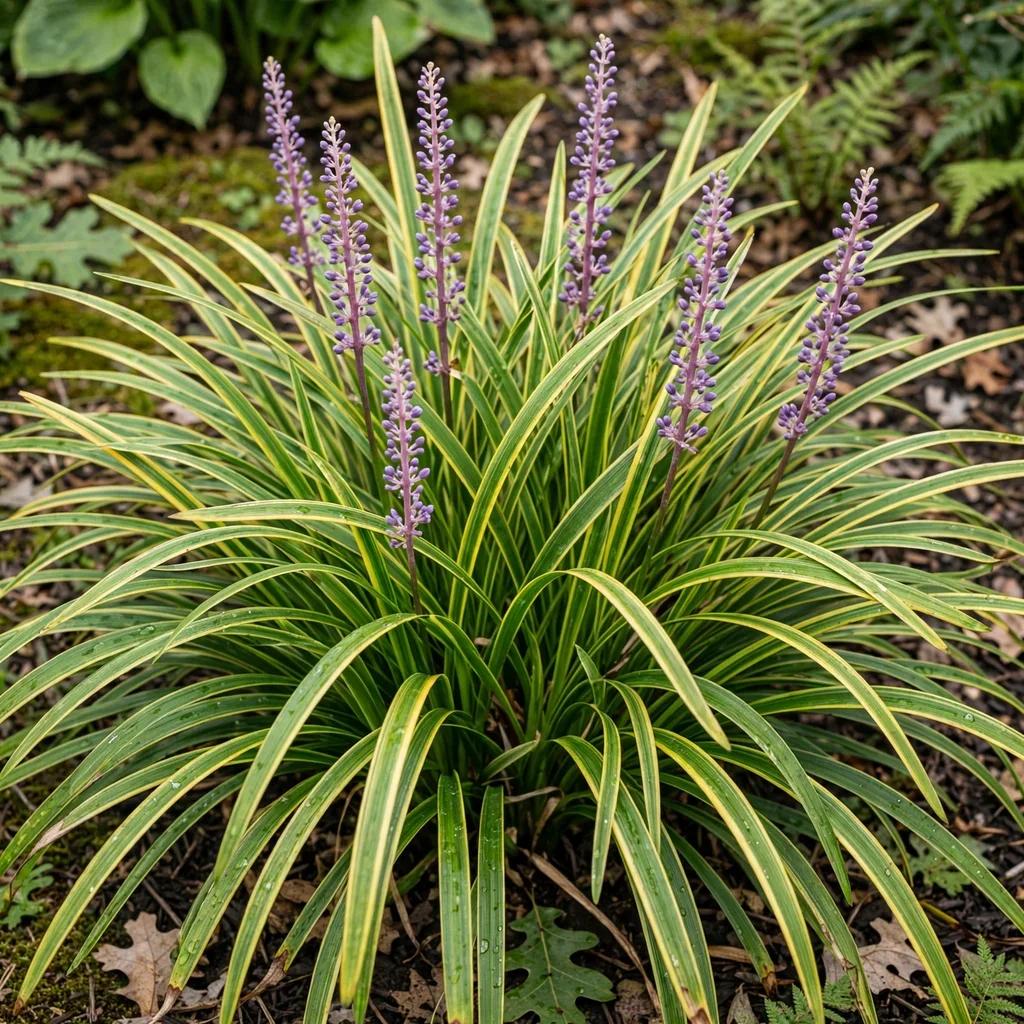 ‘Gold Band’Liriope muscari Gold Band
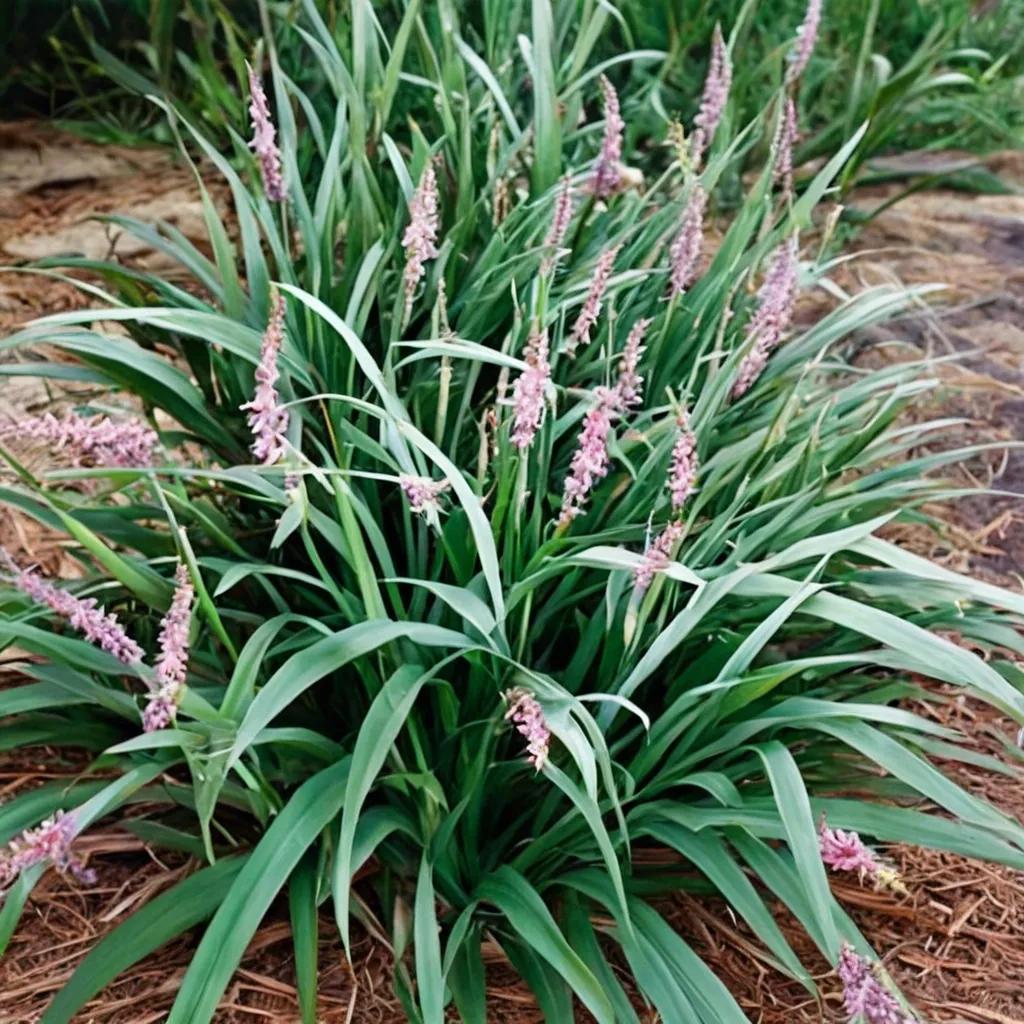 ‘Samantha’Samantha Lilyturf
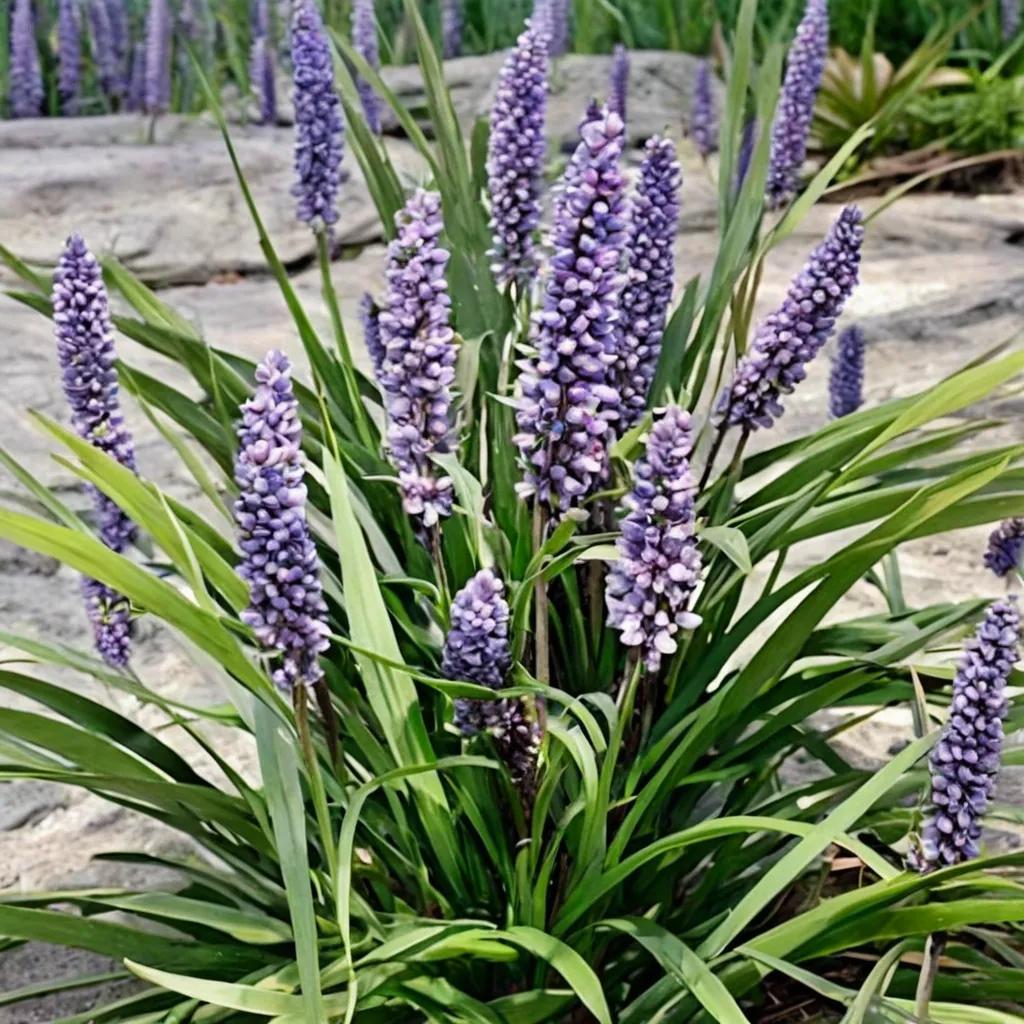 ‘Ingwersen’Ingwersen's Lilyturf
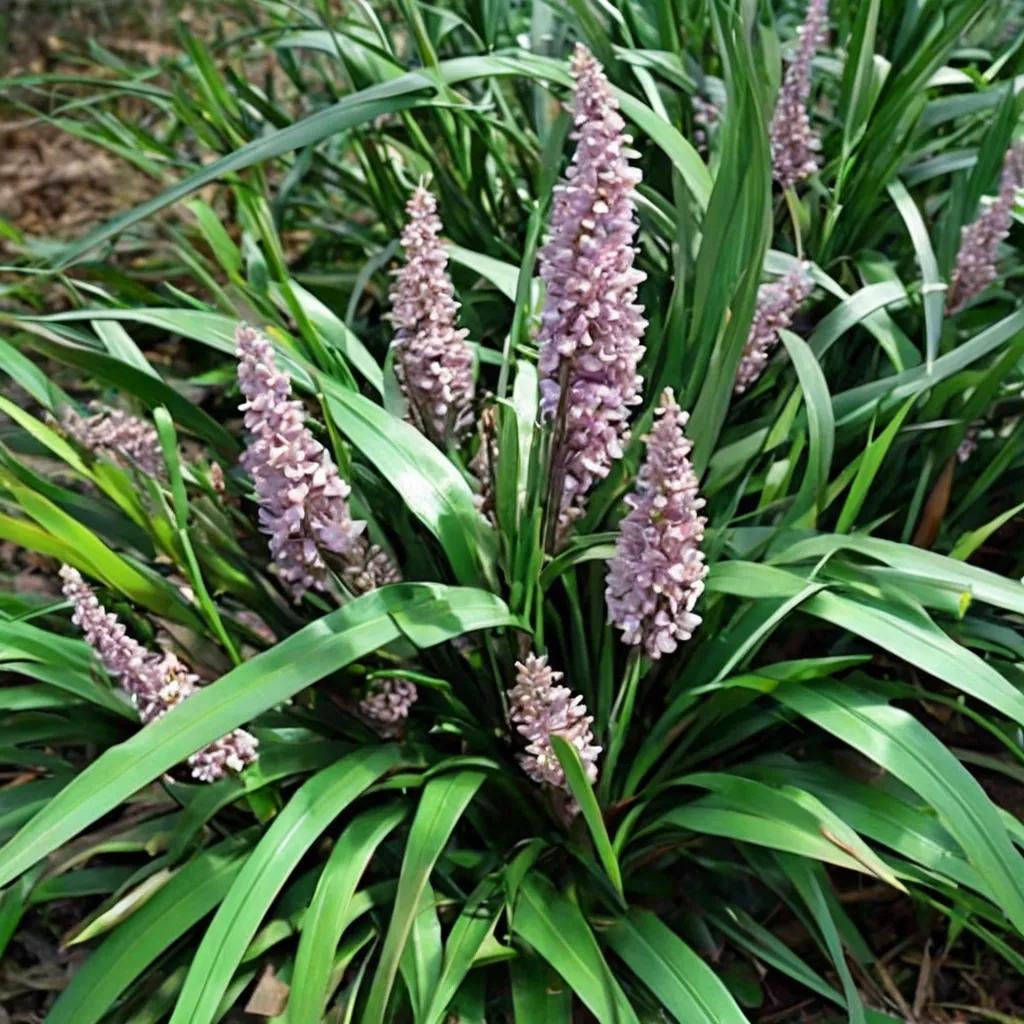 ‘Christmas Tree’Lilyturf 'Christmas Tree'
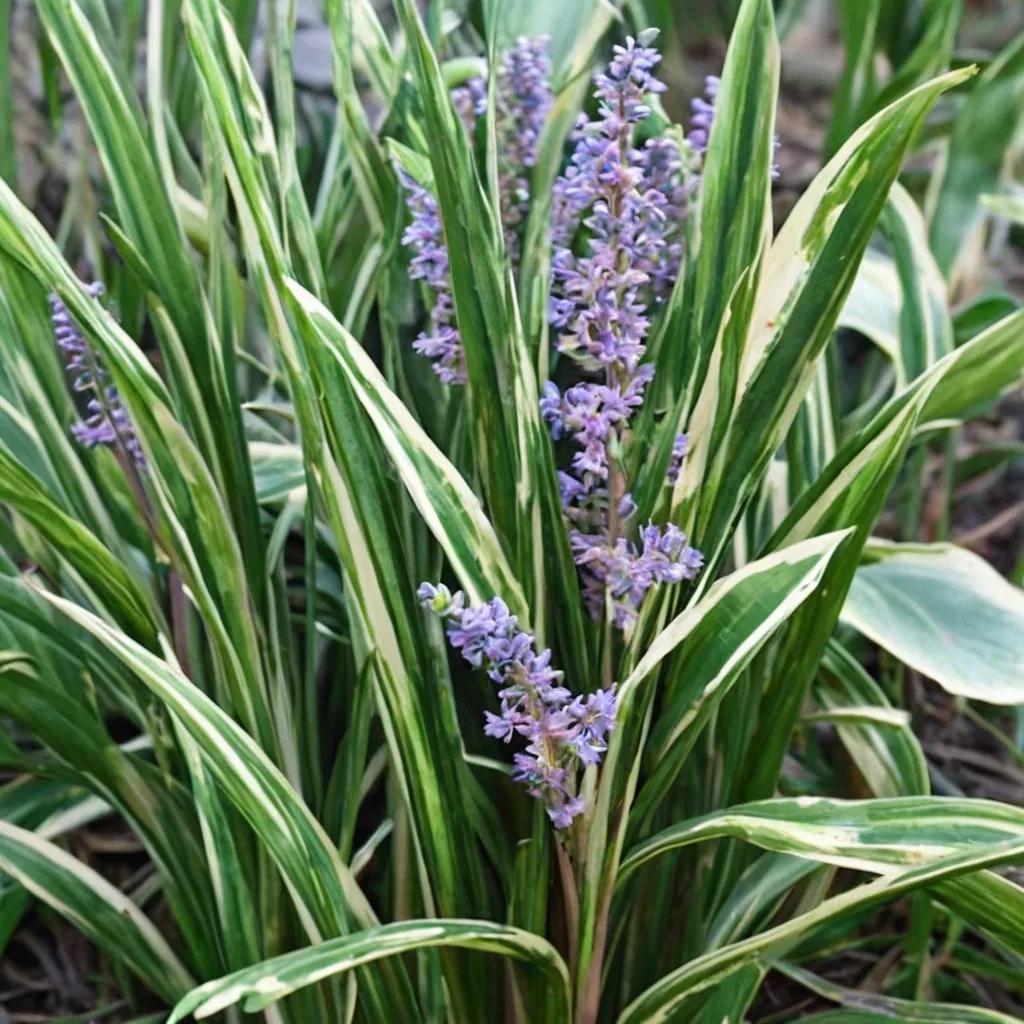 ‘Sideswiped’Liriope muscari Sideswiped
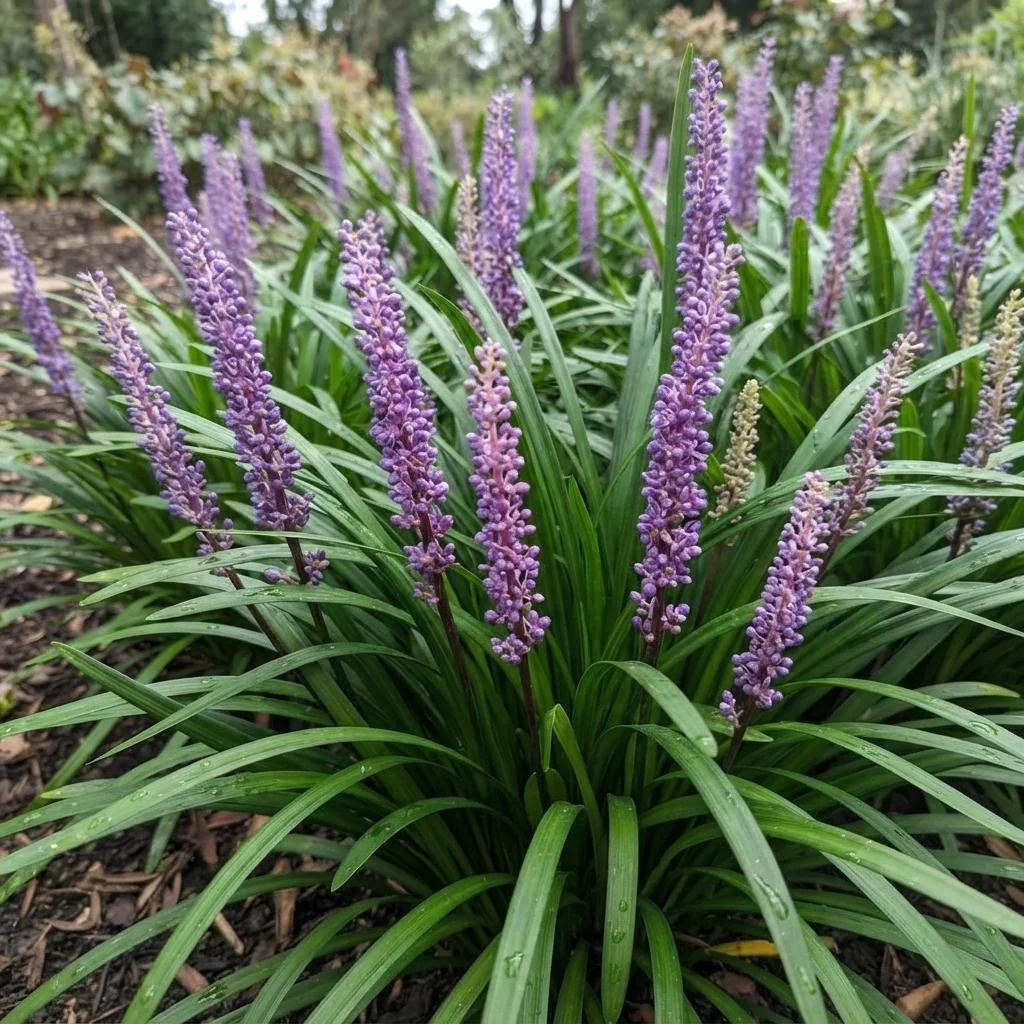 ‘Evergreen Giant’Giant Lilyturf
 ‘Just Right’Lilyturf
The Story
Plant Bio
Liriope muscari is an evergreen, tuberous-rooted perennial forming dense, structural clumps of arching, strap-like leaves. Erect, slender spikes of tiered flower whorls rise above the dark green foliage in late summer, followed by dark blue-black berries.
'Amethyst' is a patented, sterile selection distinguished by its ultra-compact growth habit and deep violet-purple flower spikes held exceptionally high above the foliage canopy. The glossy foliage retains its dark green color through the winter months better than older wild forms.
Uses & Benefits:
Essentials
At a Glance
Plant Type
Perennial
Height
18"
Width
18"
Light
Full Sun, Partial Sun, Shade
Zones
5, 6, 7, 8, 9, 10
Water
Low to moderate
Humidity
High
Lifespan
Perennial
Native To
East Asia
Toxicity
Mildly toxic if ingested
Bloom period
Late summer – Autumn
In flower about 4 months of the year
Planting
How to Grow
- Plant in well-drained soil in any exposure from full sun to deep shade, ensuring the crown sits level with the surrounding soil.
- Water regularly during the first growing season to establish a deep, drought-tolerant root system.
- Apply a light layer of organic mulch around the base of the clump to retain moisture and suppress weeds.
- Mow or cut the foliage back to the ground in late winter to make room for clean, fresh spring growth.
Pro Tip
Cut the entire clump back to ground level once a year in late winter before the spring flush emerges; shearing the foliage mid-season or trimming it into rounded balls results in patchy, stunted growth.
Keep It Thriving
Care Guide
Do
- Cut the foliage back to the ground in late winter before new shoots appear.
- Plant in well-drained beds to prevent crown and root rot.
- Apply a light application of slow-release fertilizer in early spring.
Don't
- Do not allow the soil to remain waterlogged or sit in standing water.
- Do not prune or shear the foliage during the active summer growing season.
- Do not plant the crown too deep, which invites fungal rot.
Seasonal Care Calendar
| Task | Jan | Feb | Mar | Apr | May | Jun | Jul | Aug | Sep | Oct | Nov | Dec |
|---|---|---|---|---|---|---|---|---|---|---|---|---|
| Divide | ||||||||||||
| Fertilize | ||||||||||||
| Pest Check | ||||||||||||
| Prune |
Watch Out For
Pests & Diseases
Common Pests
Common Diseases
In the Garden
Landscape Uses & Companions
Landscape Uses
Companion Plants
Multiply
Propagation Methods
Good to Know
Common Questions
Big Blue Lilyturf questions
What zones can Big Blue Lilyturf grow in?
Big Blue Lilyturf is hardy in USDA Zones 5–10. Inside that range it survives winter in the ground; outside it, grow it as an annual or a container plant you protect.
Is Big Blue Lilyturf deer resistant?
Yes — Big Blue Lilyturf is rated deer-resistant. Deer typically pass it over, though extreme hunger can override any plant's defenses.
When does Big Blue Lilyturf bloom?
Big Blue Lilyturf typically blooms in late summer through autumn. Exact timing shifts a week or two with your zone — Sow's bloom calendar maps it to your garden.
Does Big Blue Lilyturf need full sun?
Big Blue Lilyturf does best in full sun to part shade. In hot climates, afternoon shade keeps blooms fresher longer.
Is Big Blue Lilyturf drought tolerant?
Yes — once established (usually after the first full season), Big Blue Lilyturf handles dry spells with minimal watering. Water deeply its first year to build the root system that makes that possible.
More Liriope to compare
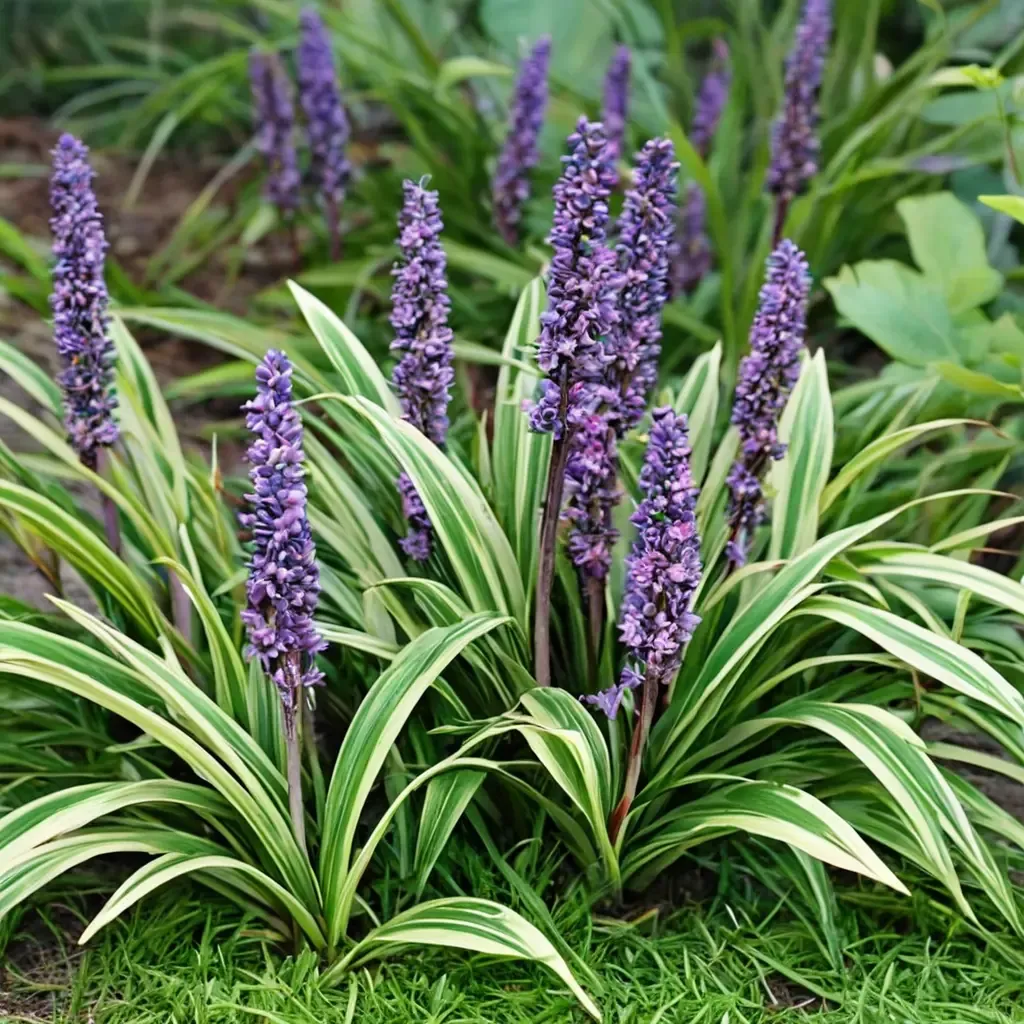
Lilyturf
Liriope muscari
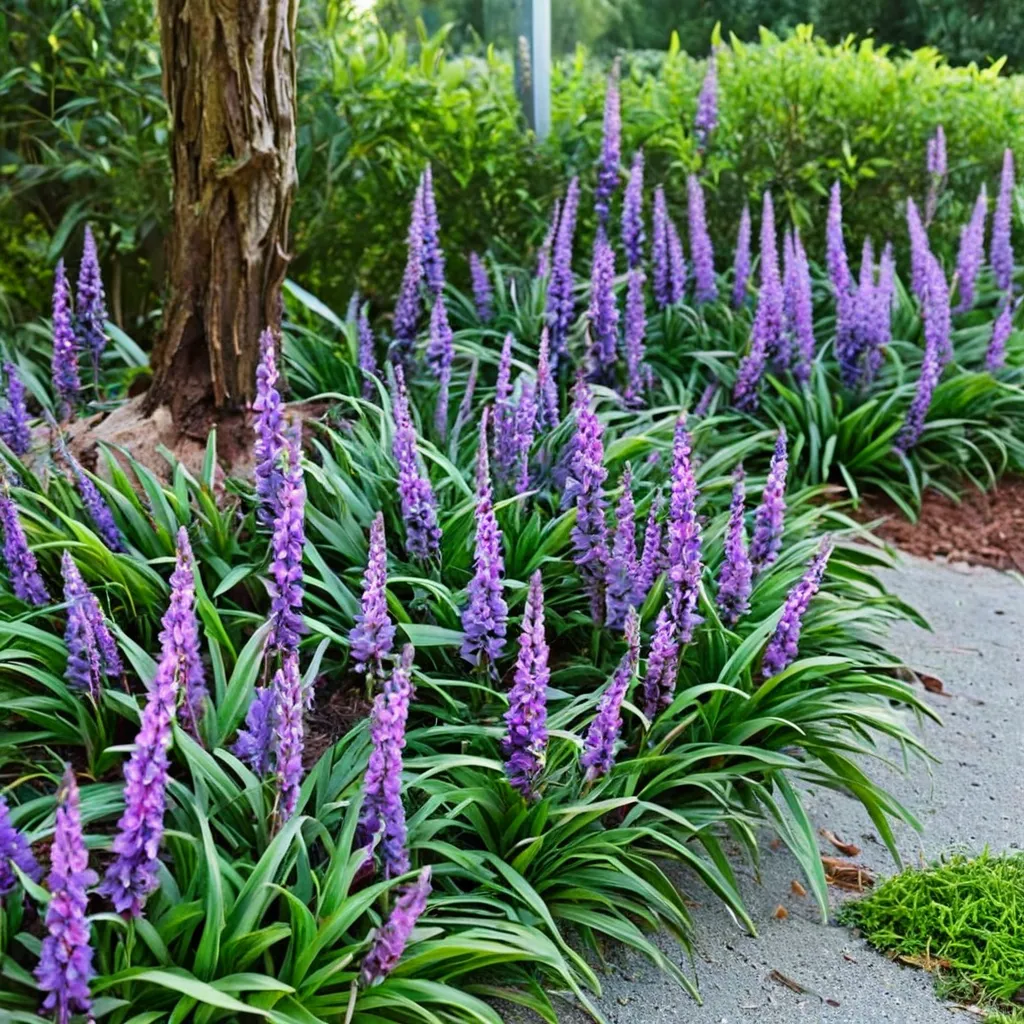
Liriope muscari Big Blue
Liriope muscari 'Big Blue'
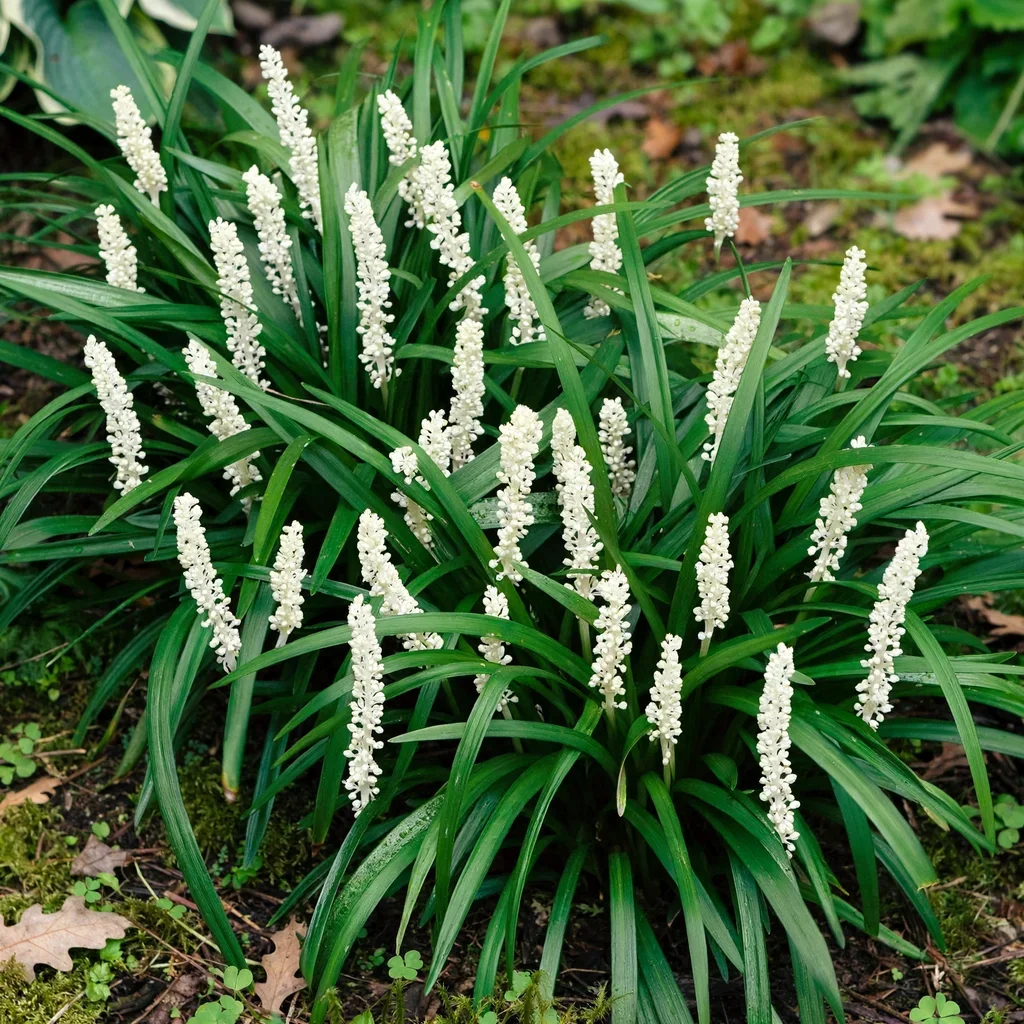
Liriope muscari Monroe White
Liriope muscari 'Monroe White'
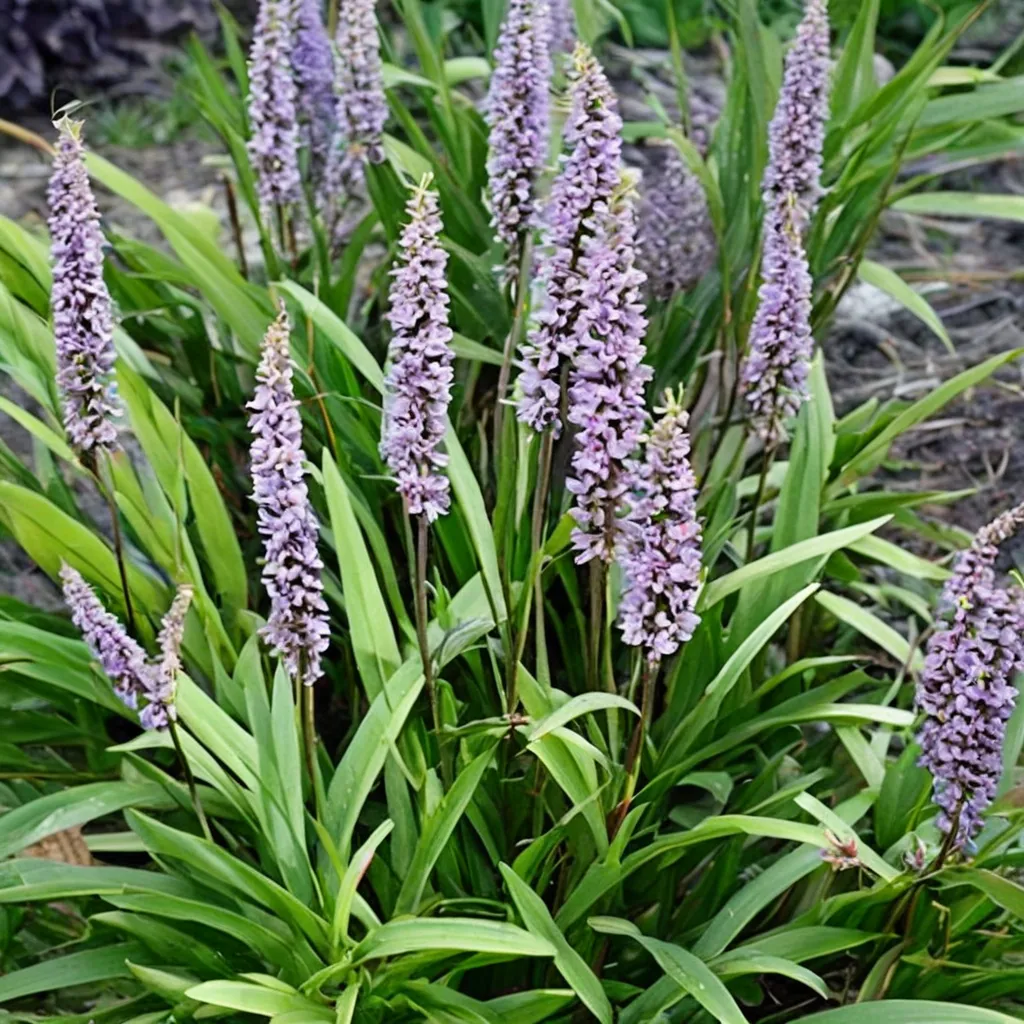
Bingo Lilyturf
Liriope platyphylla 'Bingo'
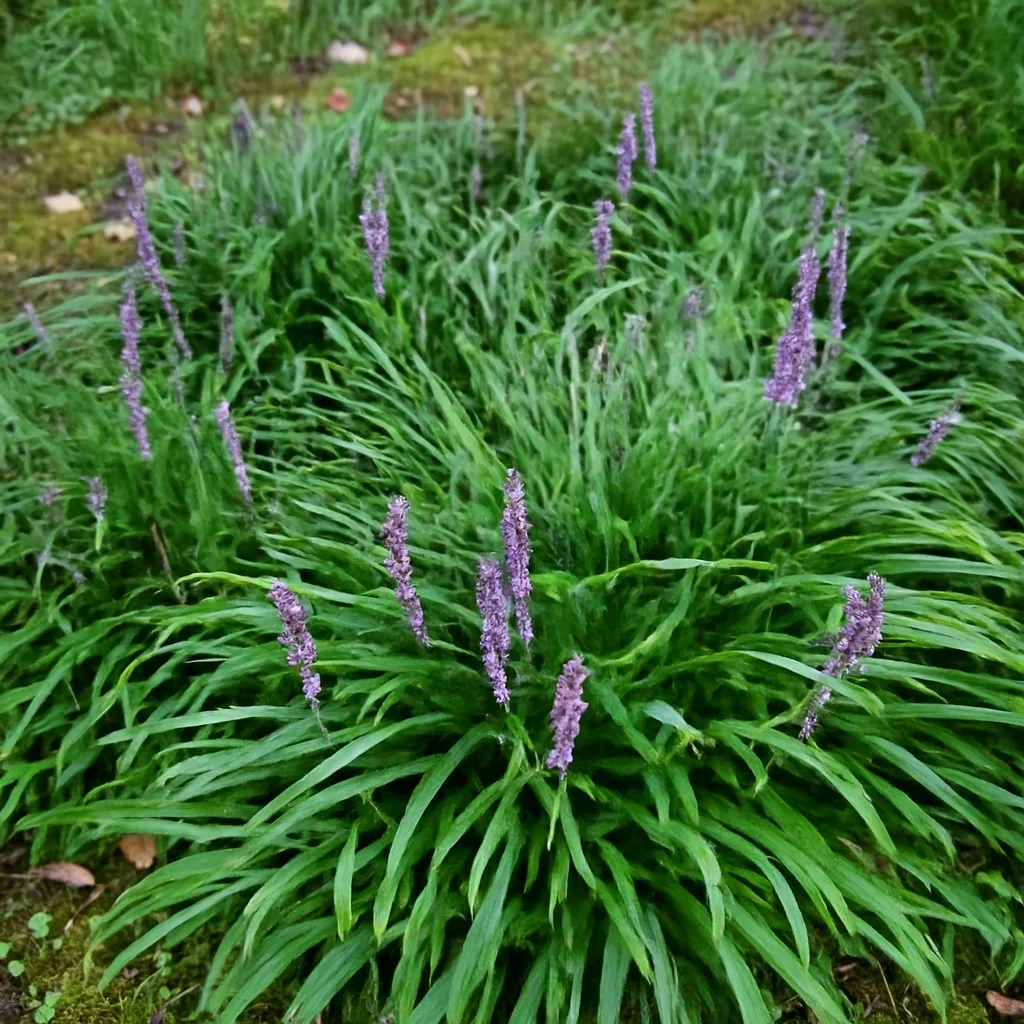
Creeping Lilyturf
Liriope spicata
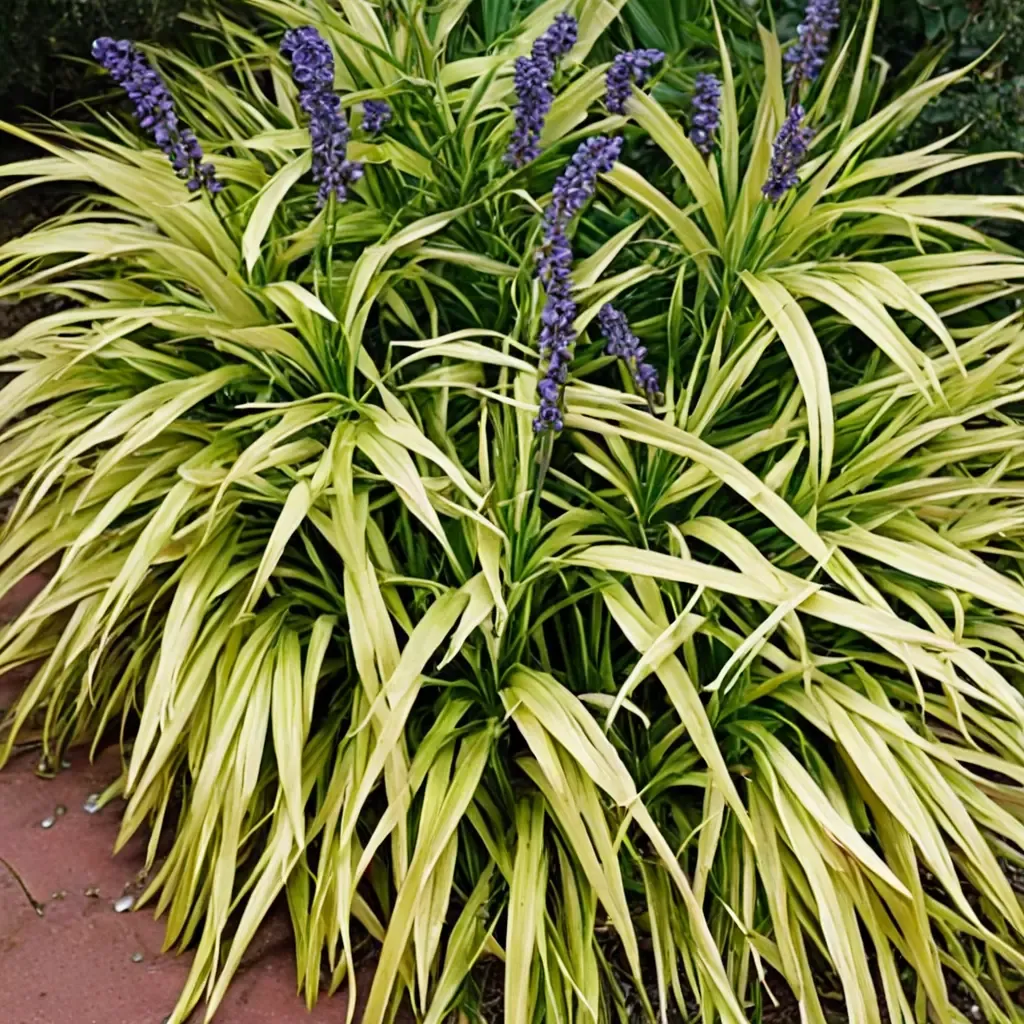
Peedee Ingot Lilyturf
Liriope muscari 'Peedee Ingot'
Keep exploring
Explore the genus
Grow Big Blue Lilyturf with confidence
See it in a design of your actual yard, get zone-matched care reminders, and track it season by season in your garden journal.