The Story
Plant Bio
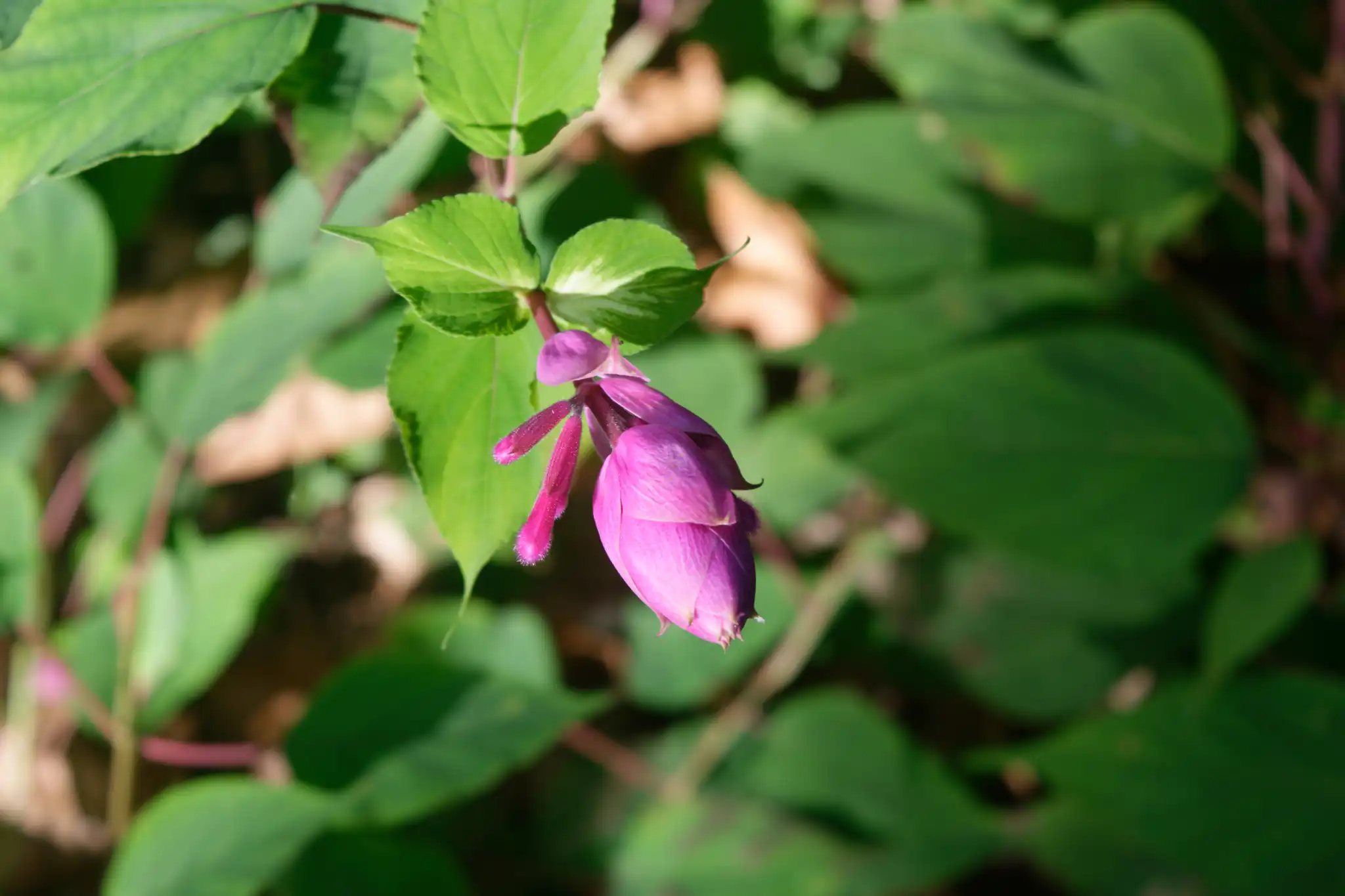
Salvia involucrata, known as roseleaf sage, is an upright, coarse-textured perennial herb native to Mexico and Central America that grows up to five feet tall. It produces terminal spike-like racemes of deep pink to magenta flowers enveloped by large, colorful bracts that drop off as the blossoms open.
The species is distinguished by its mid-green, heart-shaped leaves featuring prominent beetroot-red or purplish hues along the veins and leaf stems. Large, inflated floral buds resemble rounded rosebuds before expanding into tubular flowers that attract hummingbirds, bees, and butterflies.
Uses & Benefits:
Essentials
At a Glance
Plant Type
Perennial
Height
60"
Width
48"
Light
Full Sun, Partial Sun
Zones
8, 9, 10
Water
Moderate
Humidity
Tolerates summer humidity
Lifespan
Perennial
Native To
North America (Mexico, Guatemala)
Toxicity
Non-toxic
Bloom period
Late summer – Fall
In flower about 4 months of the year
Planting
How to Grow
- Select a planting site in full sun to partial shade with fertile, humus-rich soil that drains rapidly.
- Dig a hole twice the width of the root ball and incorporate organic compost to improve soil structure and drainage.
- Set the plant at the same depth as its nursery container, backfill with soil, and water thoroughly to settle the roots.
- Apply a thick layer of organic mulch around the base to retain moisture and protect the root crown from winter cold.
Pro Tip
Avoid pruning into old, leafless woody stems during the active growing season, as these branches lack dormant buds and will fail to regenerate. Instead, cut the entire plant back cleanly to the live crown or basal framework in early spring after the last hard frost.
Keep It Thriving
Care Guide
Do
- Water regularly during the active growing season to maintain consistent soil moisture.
- Prune the stems back to the ground or basal crown in early spring before new growth begins.
- Apply a balanced, slow-release organic fertilizer or compost mulch in spring.
Don't
- Do not allow the soil to remain waterlogged, as stagnant winter wetness will rot the root crown.
- Do not cut back into old, bare, woody stems during summer, which prevents regeneration.
- Do not plant in heavy, compacted clay without amending it for high drainage.
Seasonal Care Calendar
| Task | Jan | Feb | Mar | Apr | May | Jun | Jul | Aug | Sep | Oct | Nov | Dec |
|---|---|---|---|---|---|---|---|---|---|---|---|---|
| Fertilize | ||||||||||||
| Pest Check | ||||||||||||
| Propagate | ||||||||||||
| Prune | ||||||||||||
| Winter Prep |
Watch Out For
Pests & Diseases
Common Pests
Common Diseases
In the Garden
Landscape Uses & Companions
Landscape Uses
Companion Plants
Multiply
Propagation Methods
Good to Know
Common Questions
Roseleaf Sage questions
What zones can Roseleaf Sage grow in?
Roseleaf Sage is hardy in USDA Zones 8–10. Inside that range it survives winter in the ground; outside it, grow it as an annual or a container plant you protect.
Is Roseleaf Sage deer resistant?
Yes — Roseleaf Sage is rated deer-resistant. Deer typically pass it over, though extreme hunger can override any plant's defenses.
When does Roseleaf Sage bloom?
Roseleaf Sage typically blooms in late summer through fall. Exact timing shifts a week or two with your zone — Sow's bloom calendar maps it to your garden.
Does Roseleaf Sage need full sun?
Roseleaf Sage does best in full sun to part shade. In hot climates, afternoon shade keeps blooms fresher longer.
More Salvia to compare
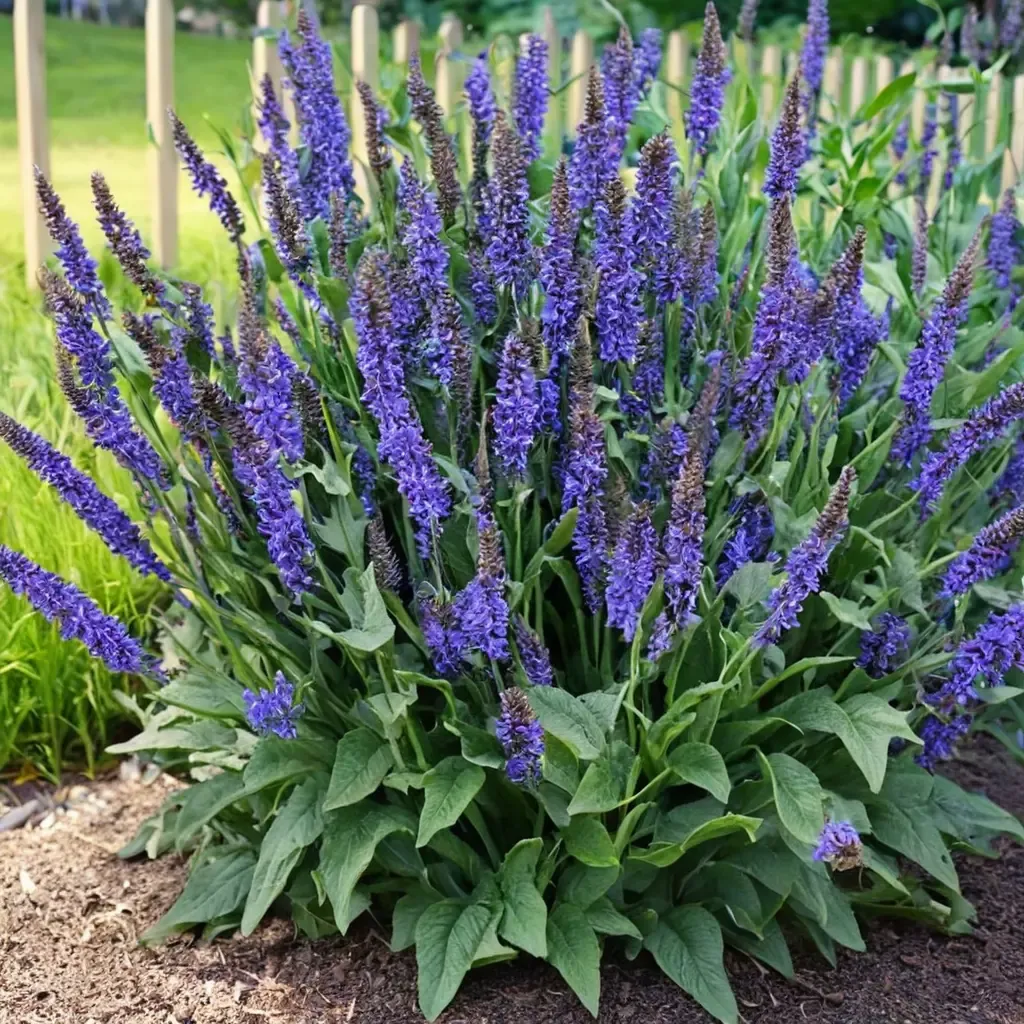
May Night Sage
Salvia nemorosa 'May Night'
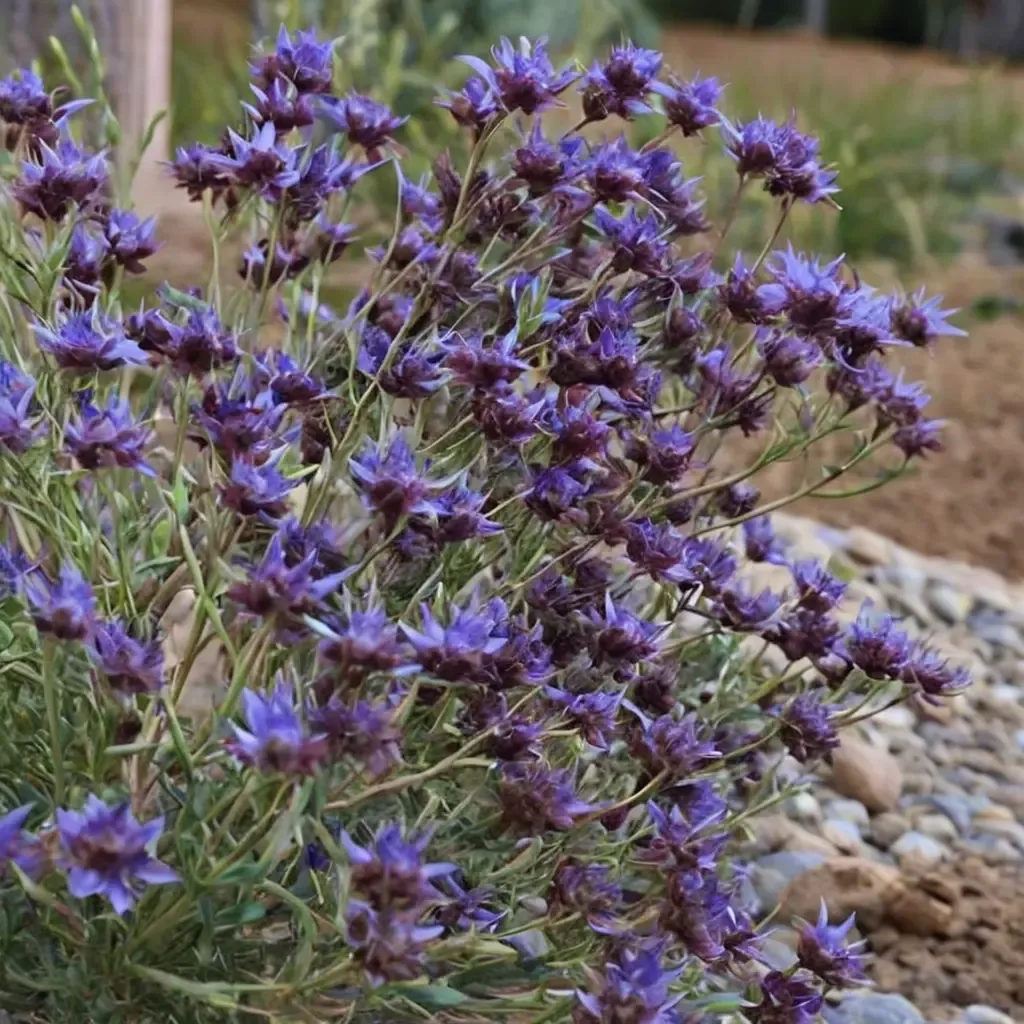
Celestial Blue Sage Wood Sage
Salvia nemorosa 'Celestial Blue'
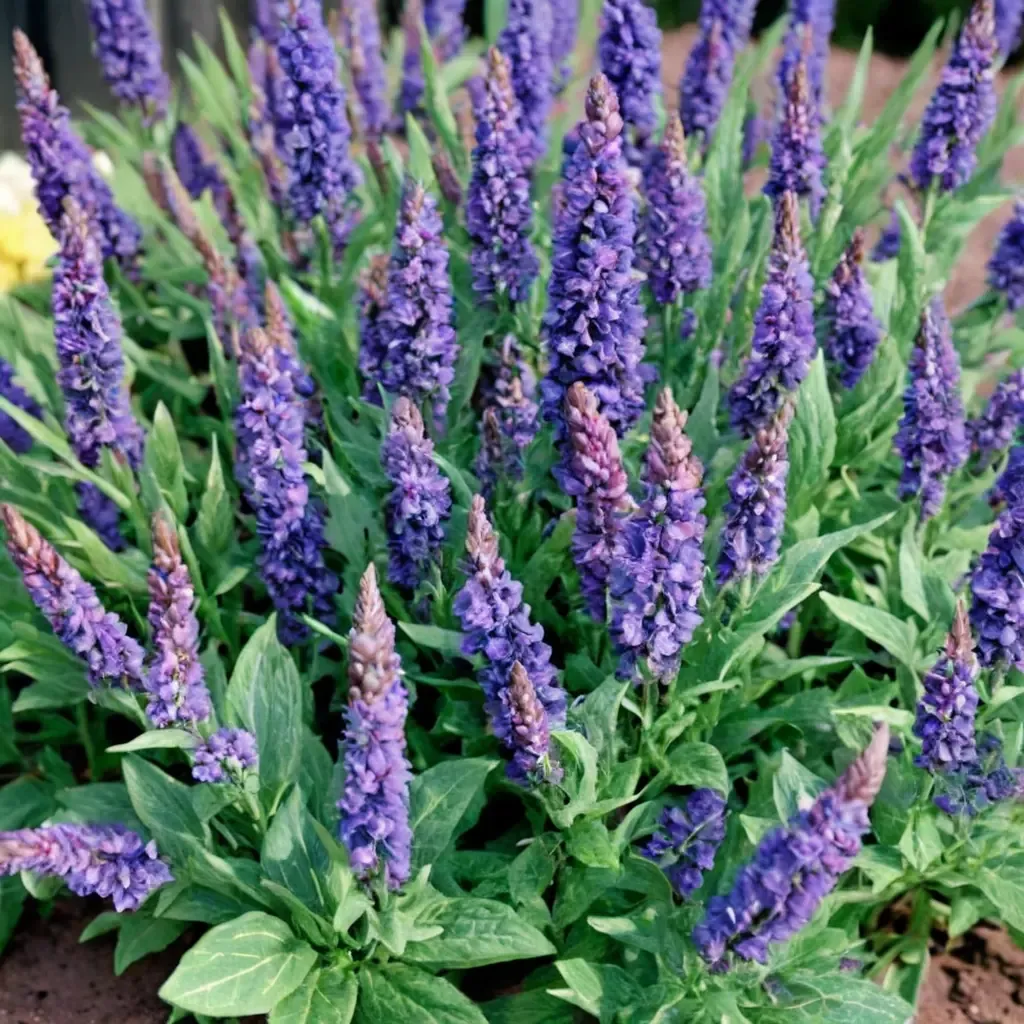
Marcus Woodland Sage
Salvia nemorosa 'Marcus'
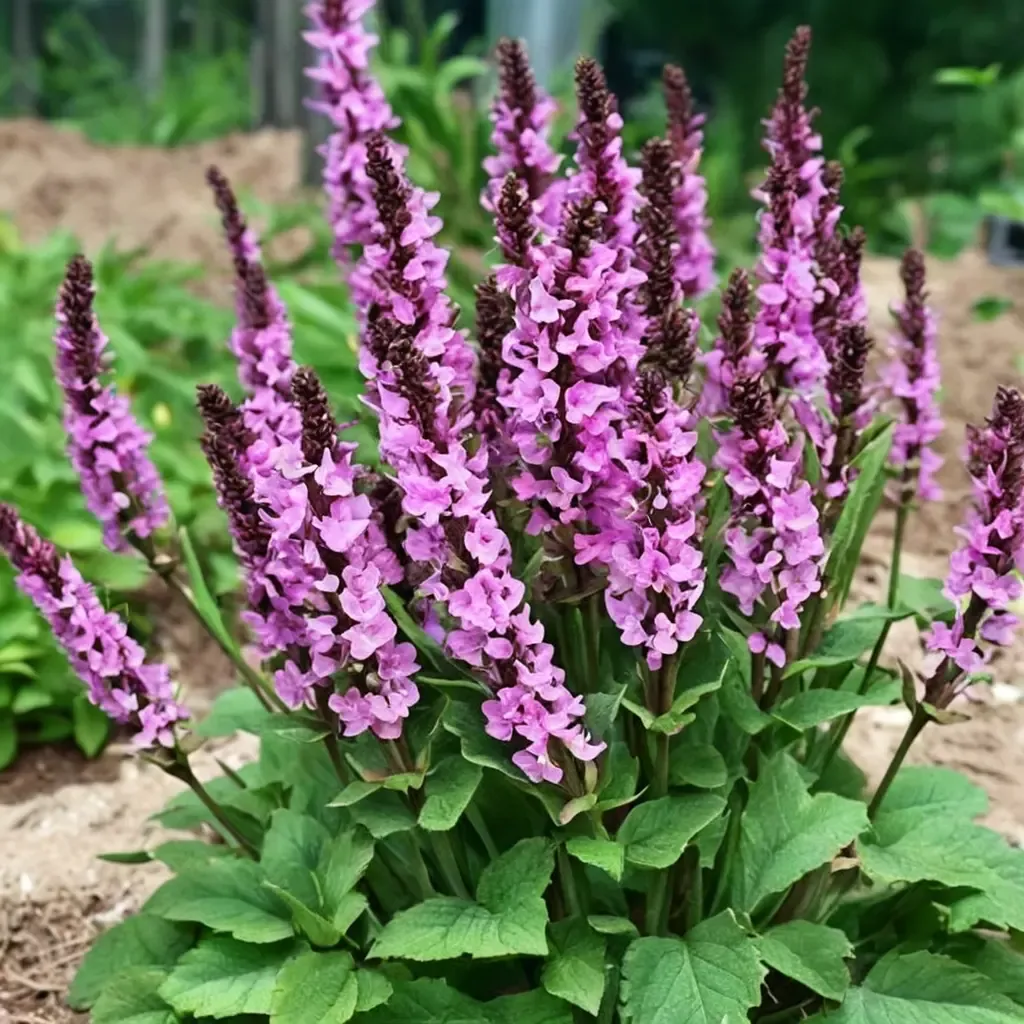
Rose Marvel Sage
Salvia nemorosa 'Rose Marvel'
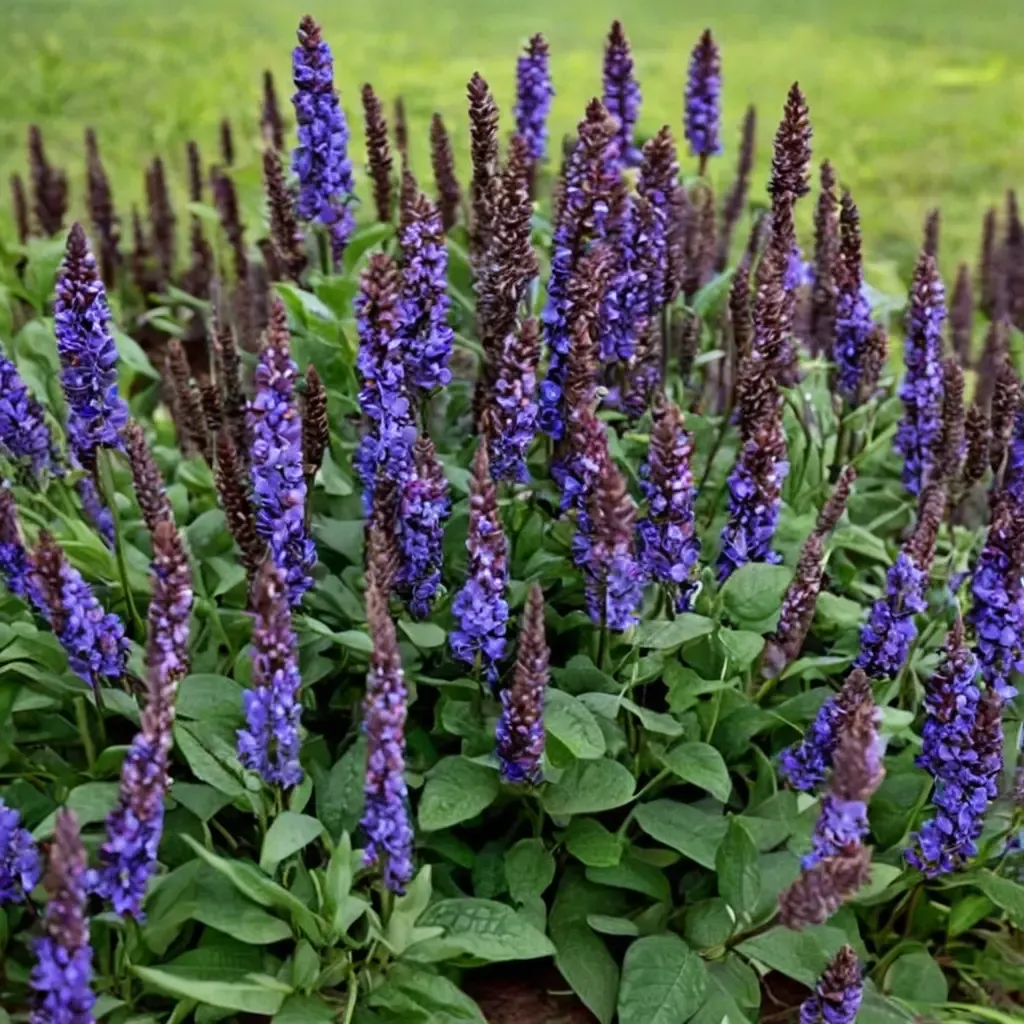
Bumbleblue Sage
Salvia nemorosa 'Bumbleblue'
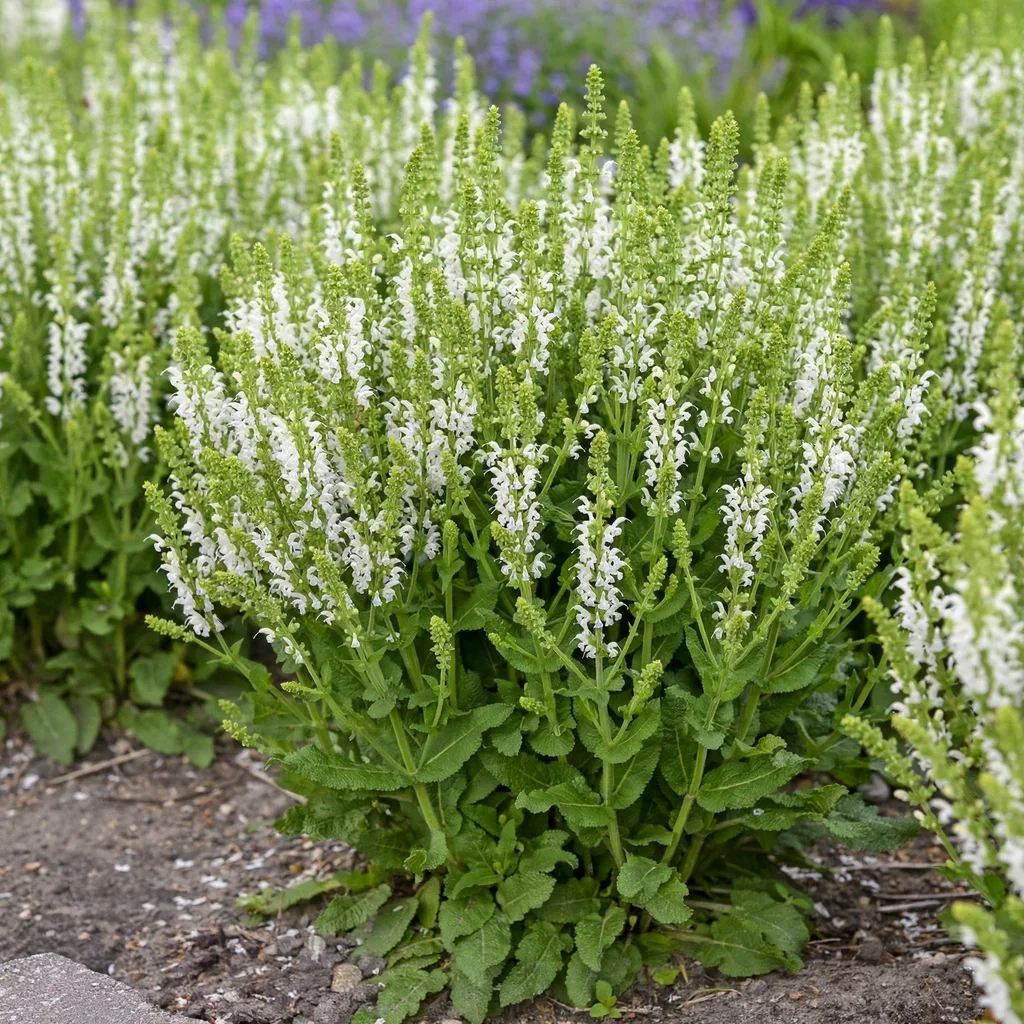
White Profusion Salvia
Salvia x hybrida 'White Profusion'
Keep exploring
Explore the genus
Hardy in your zone?
Grow Roseleaf Sage with confidence
See it in a design of your actual yard, get zone-matched care reminders, and track it season by season in your garden journal.