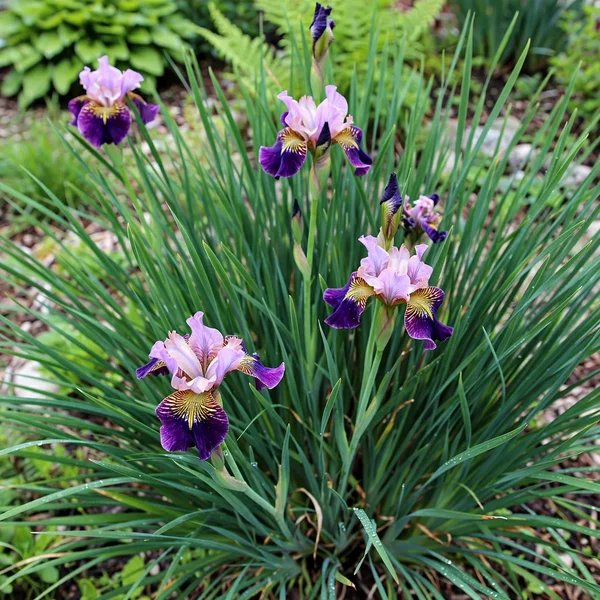
Species
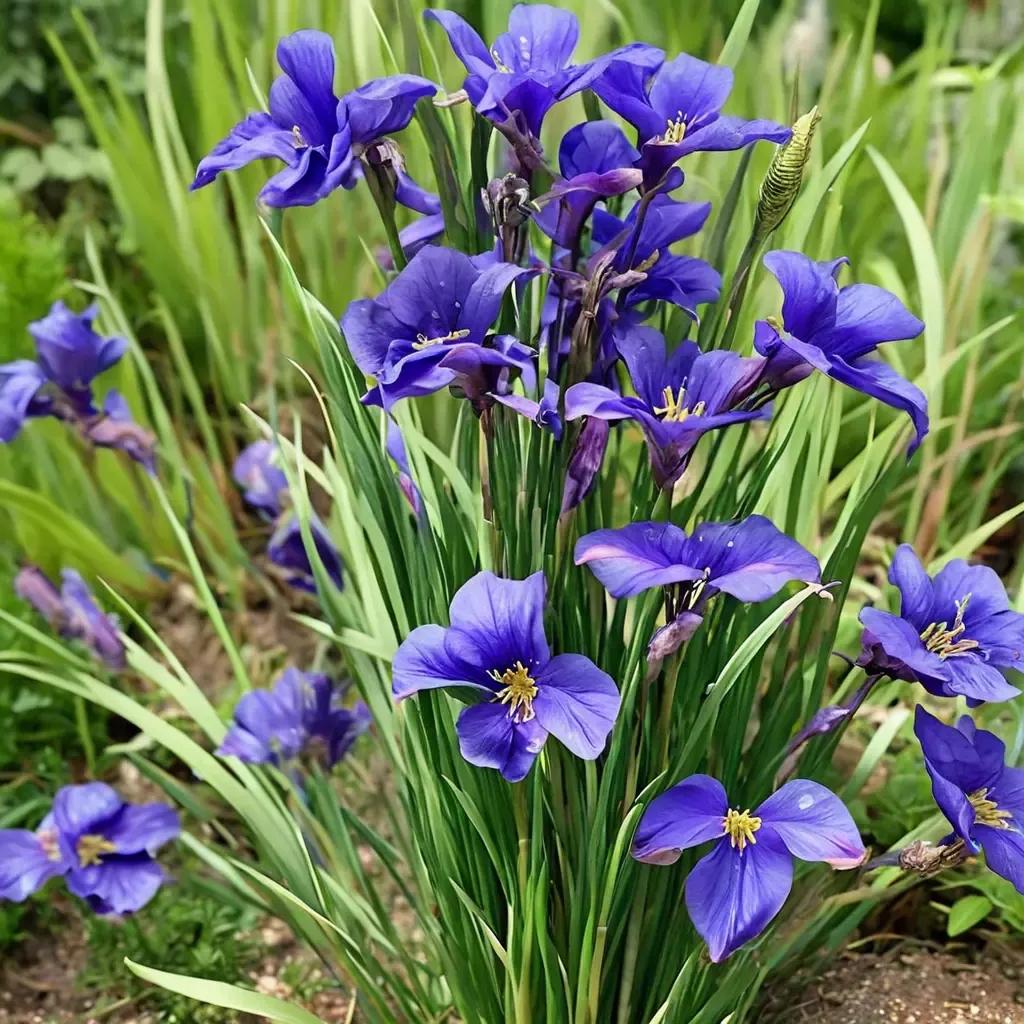 Iris sibiricaSiberian Iris
26 other cultivars
 ‘Immortality’Immortality Tall Bearded Iris
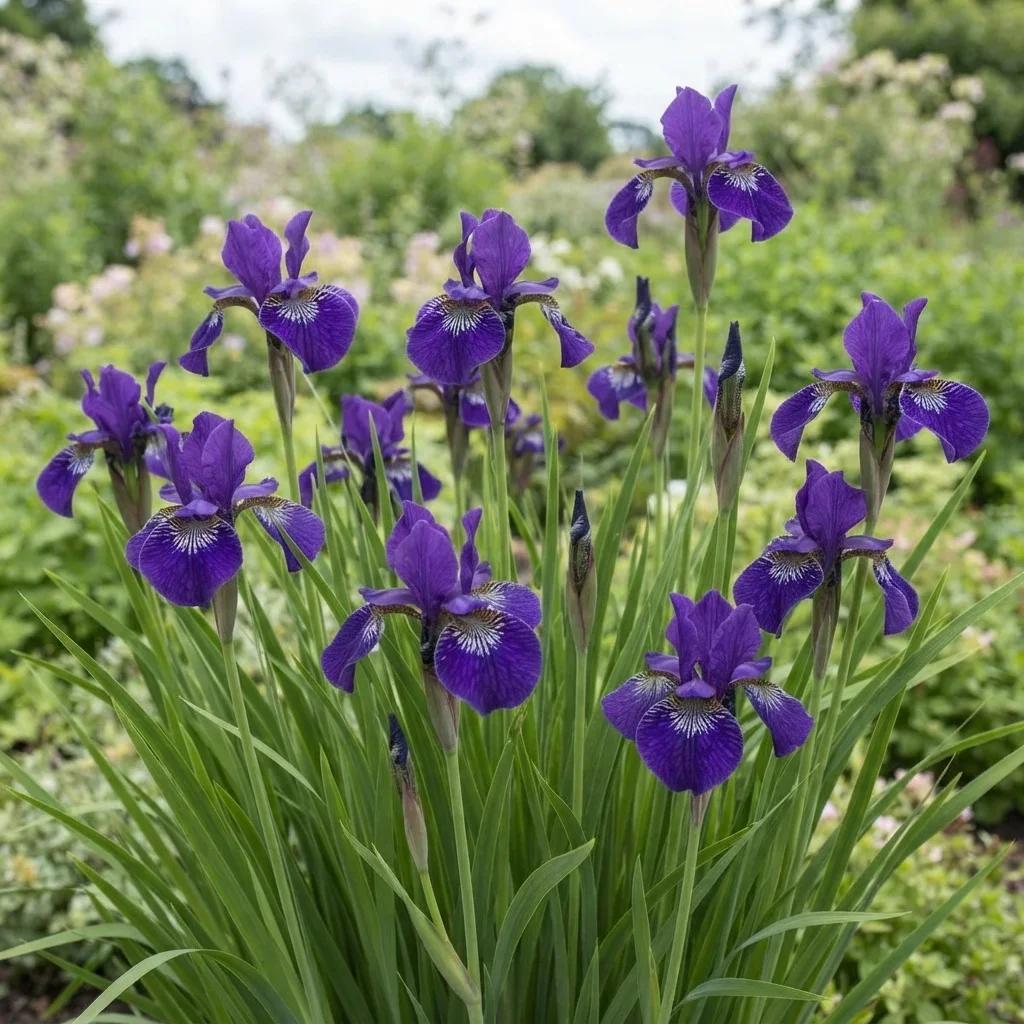 ‘Ruffled Velvet’Ruffled Velvet Siberian Iris
 ‘Silver Edge’Siberian Iris 'Silver Edge'
 ‘Charming Billy’Charming Billy Siberian Iris
 ‘Welcome Return’Siberian Iris 'Welcome Return'
 ‘Purring Tiger’Siberian Iris 'Purring Tiger'
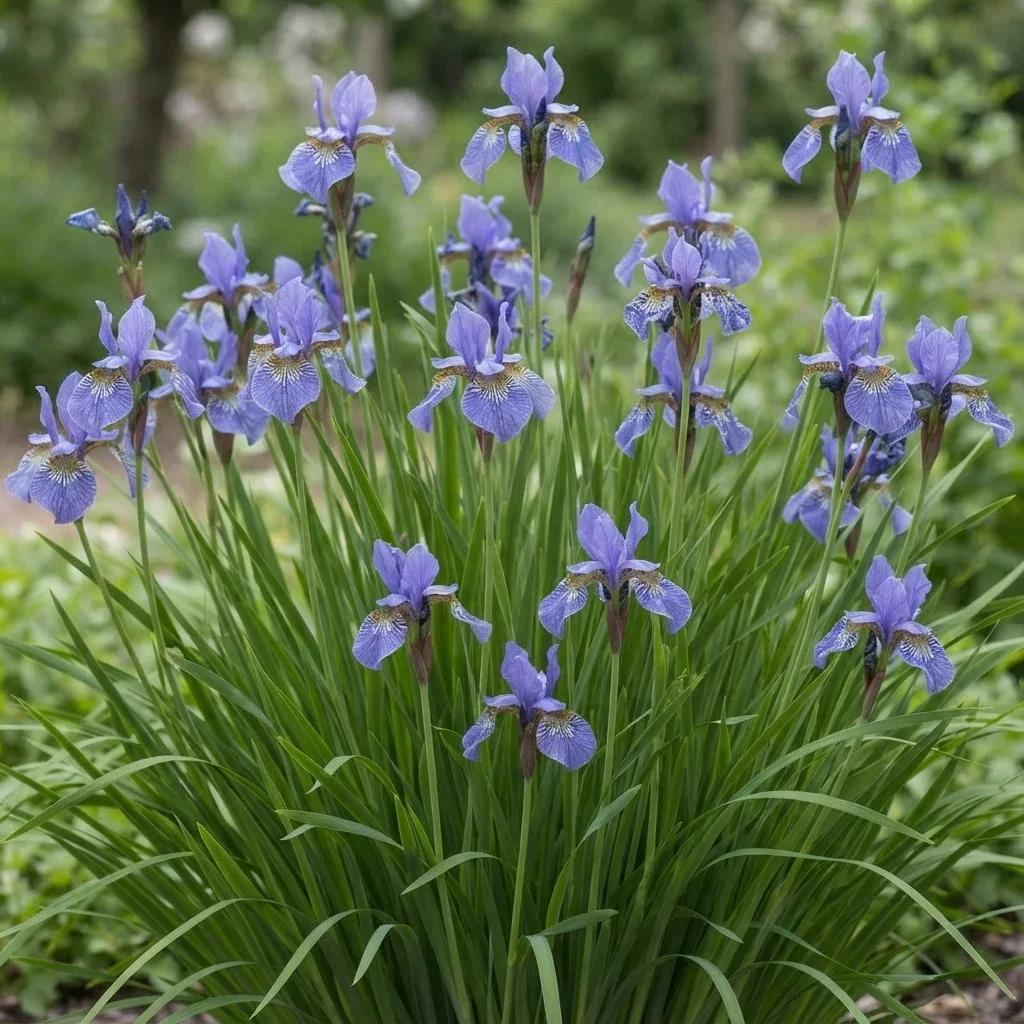 ‘Perry’Siberian Iris 'Perry's Blue'
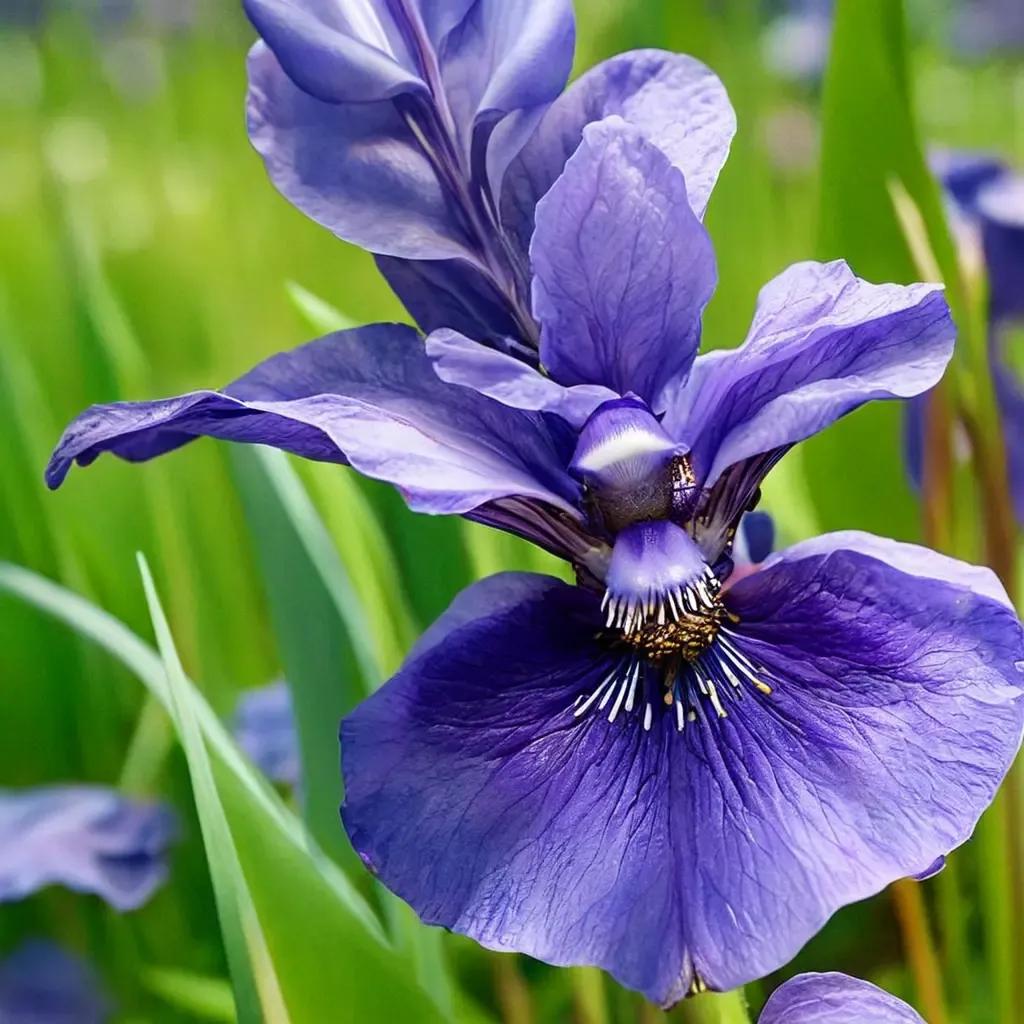 ‘Blue Sapphire’Siberian Iris 'Blue Sapphire'
 ‘Snow Queen’Siberian Iris Snow Queen Iris
 ‘Caesar’Caesar Siberian Iris
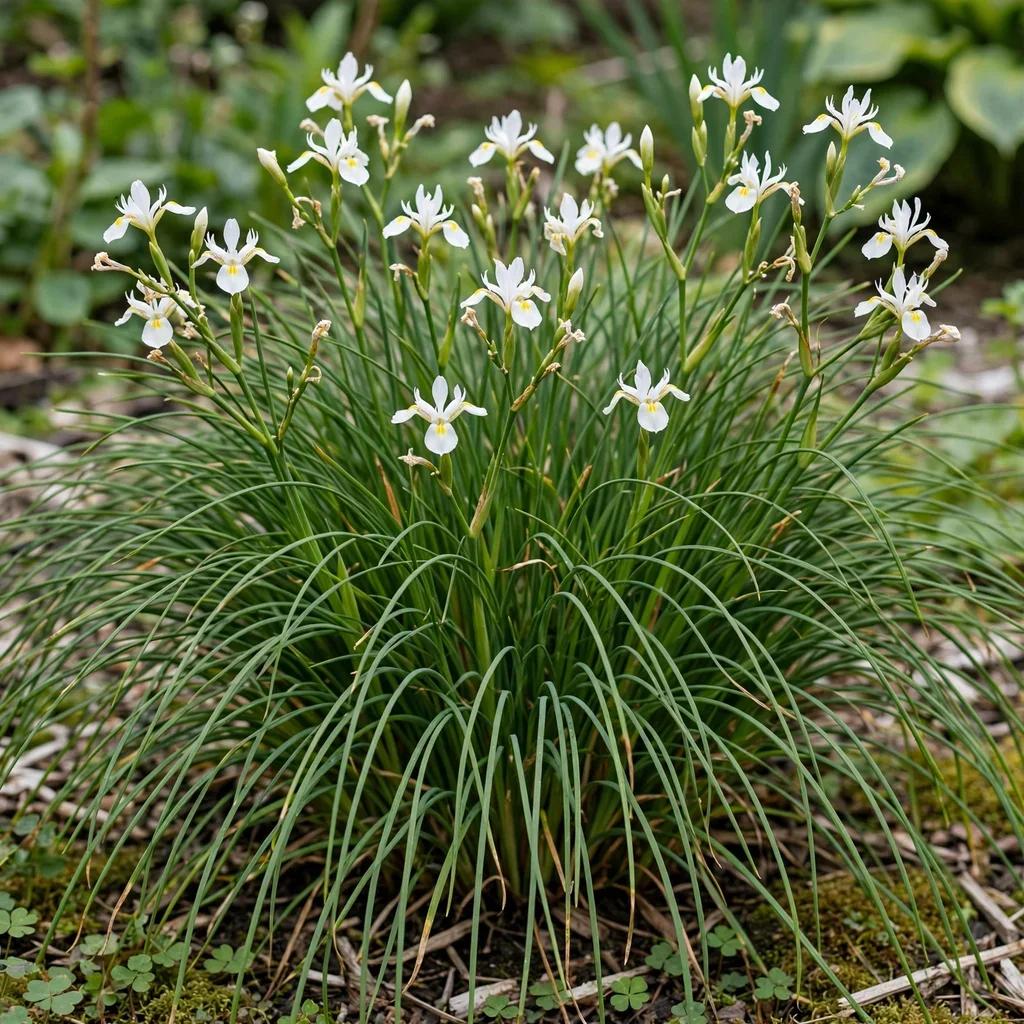 ‘Little White’Siberian Iris Little White
 ‘Shirley Pope’Siberian Iris 'Shirley Pope'
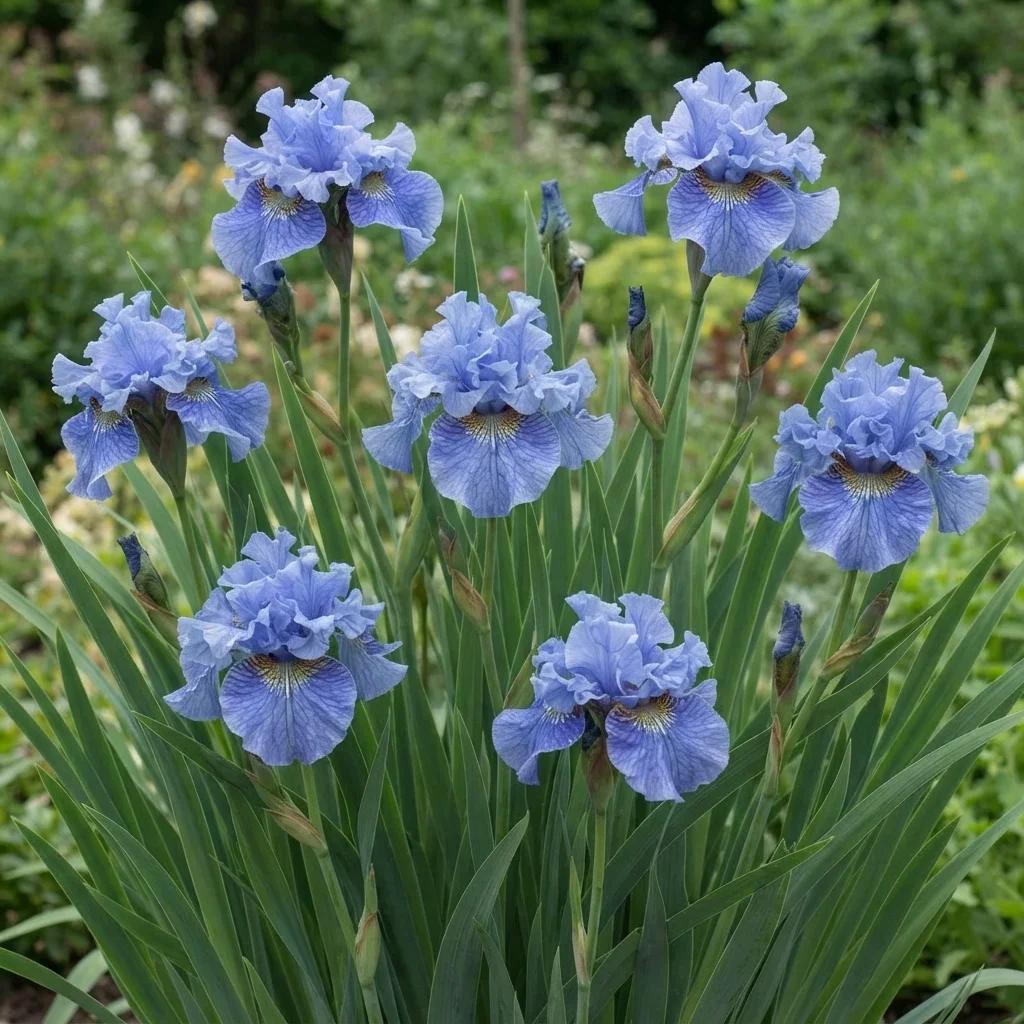 ‘Mission Bay’Siberian Iris 'Mission Bay'
 ‘Cloud Ballet’Cloud Ballet Siberian Iris
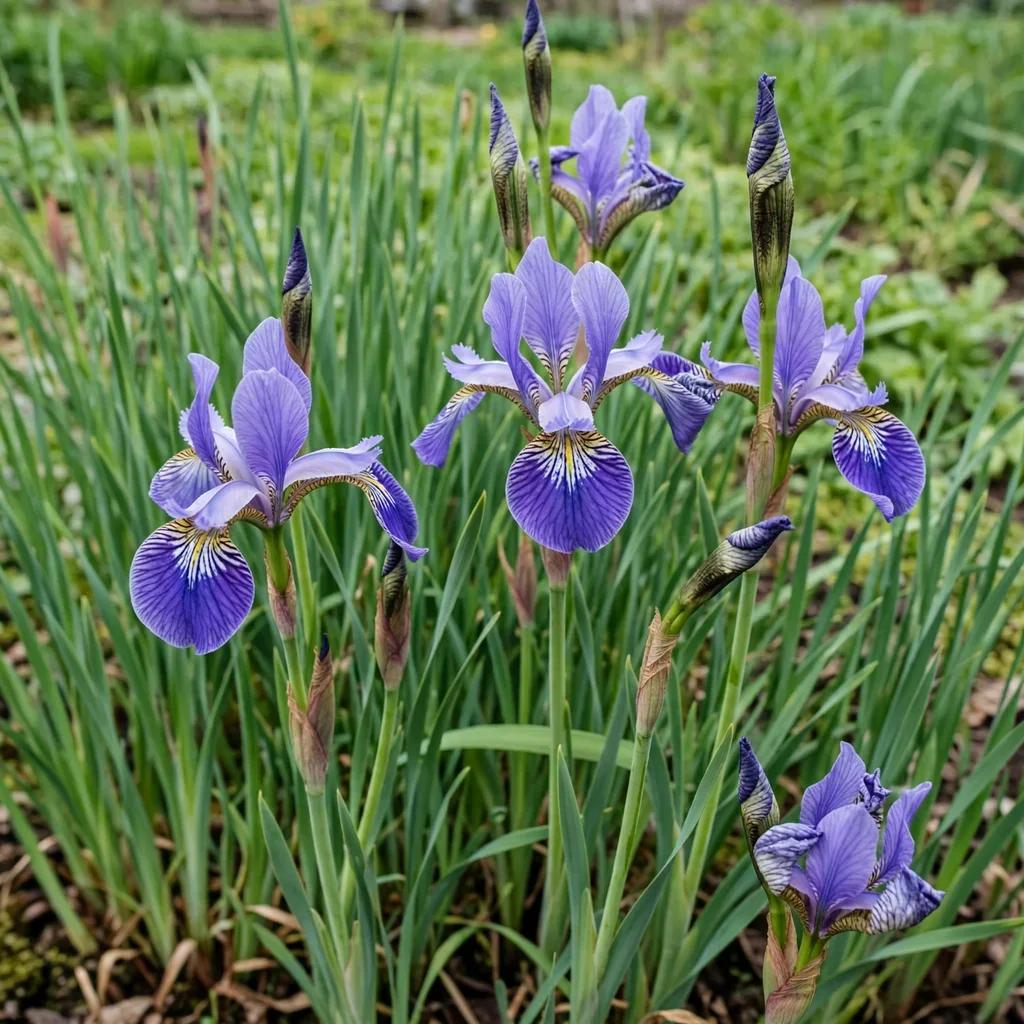 ‘Absolute Crush’Absolute Crush Siberian Iris
 ‘Blue King’Siberian Iris Blue King
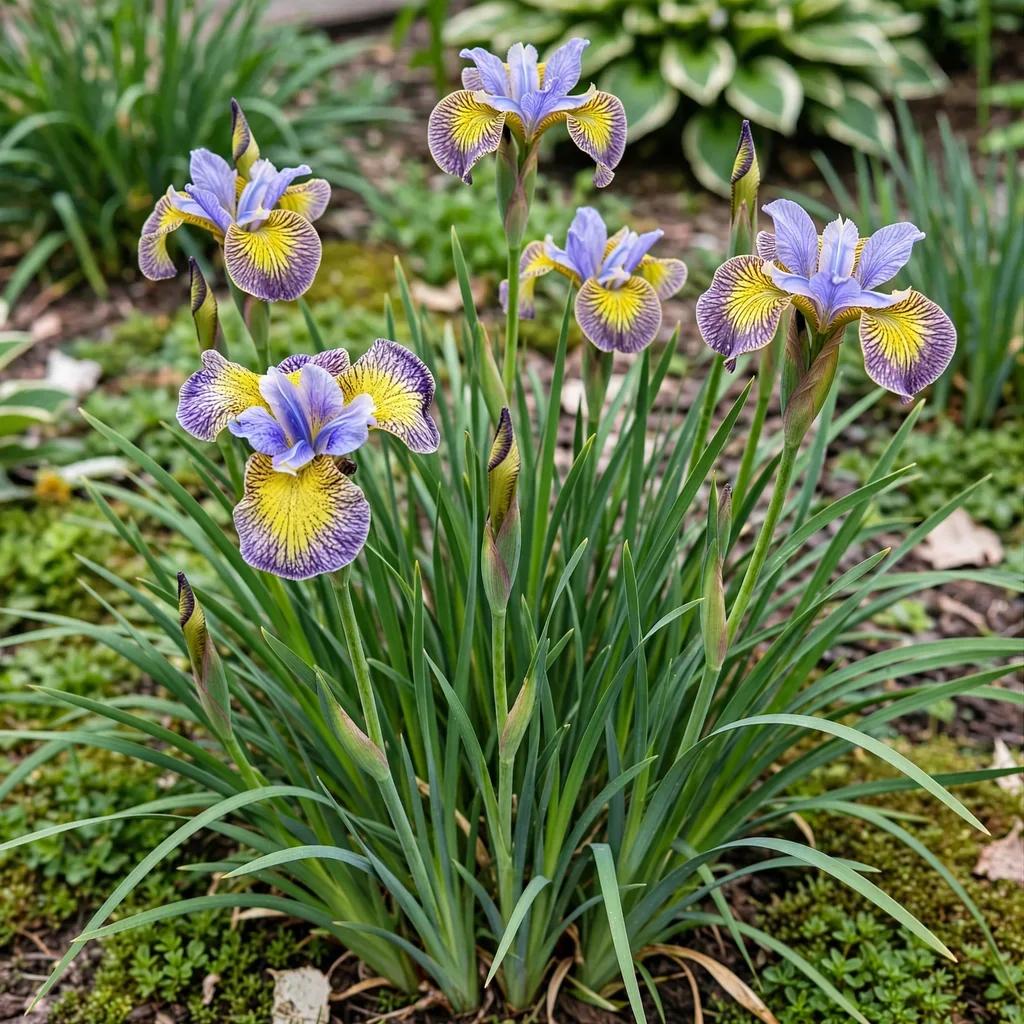 ‘Uncorked’Siberian Iris Uncorked
 ‘Roaring Jelly’Siberian Iris Roaring Jelly
 ‘How Audacious’Siberian Iris 'How Audacious'
 ‘Sunfisher’Siberian Iris 'Sunfisher'
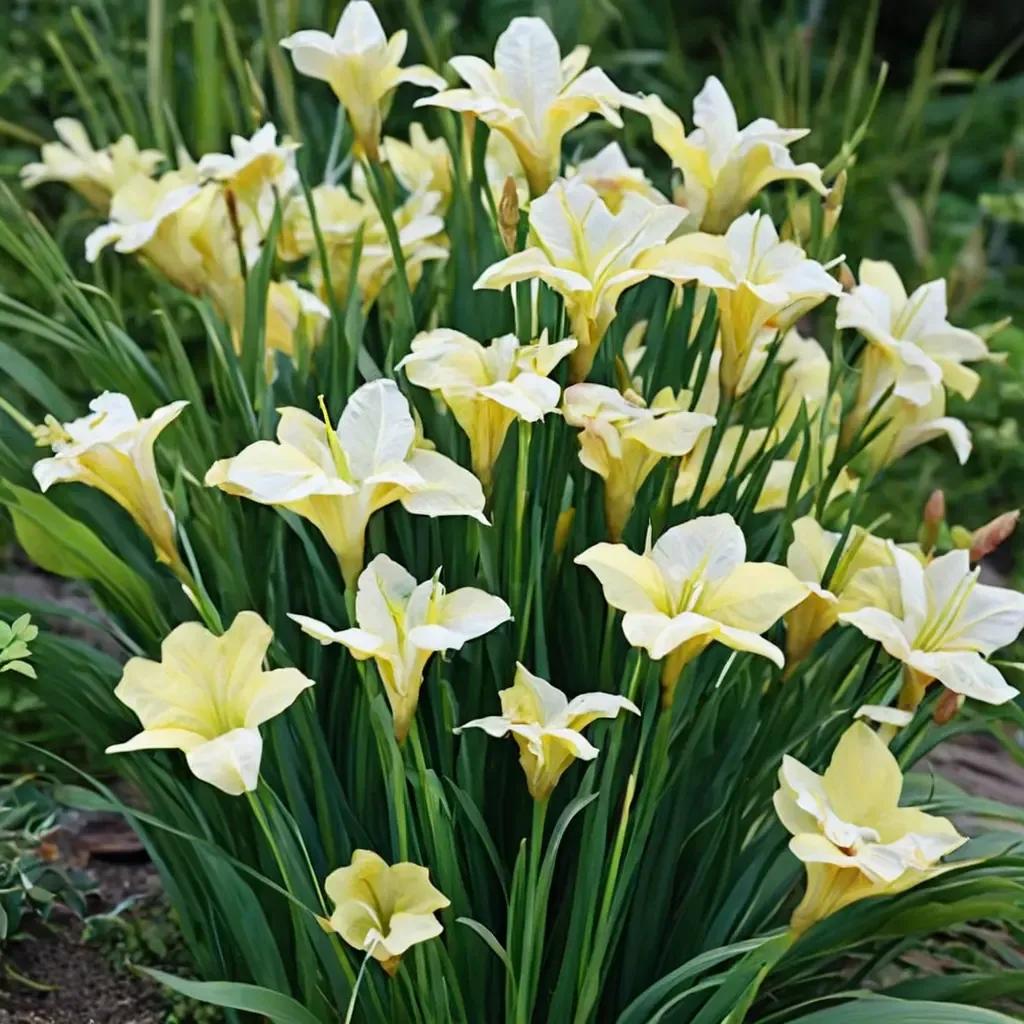 ‘Butter and Sugar’Butter and Sugar Siberian Iris
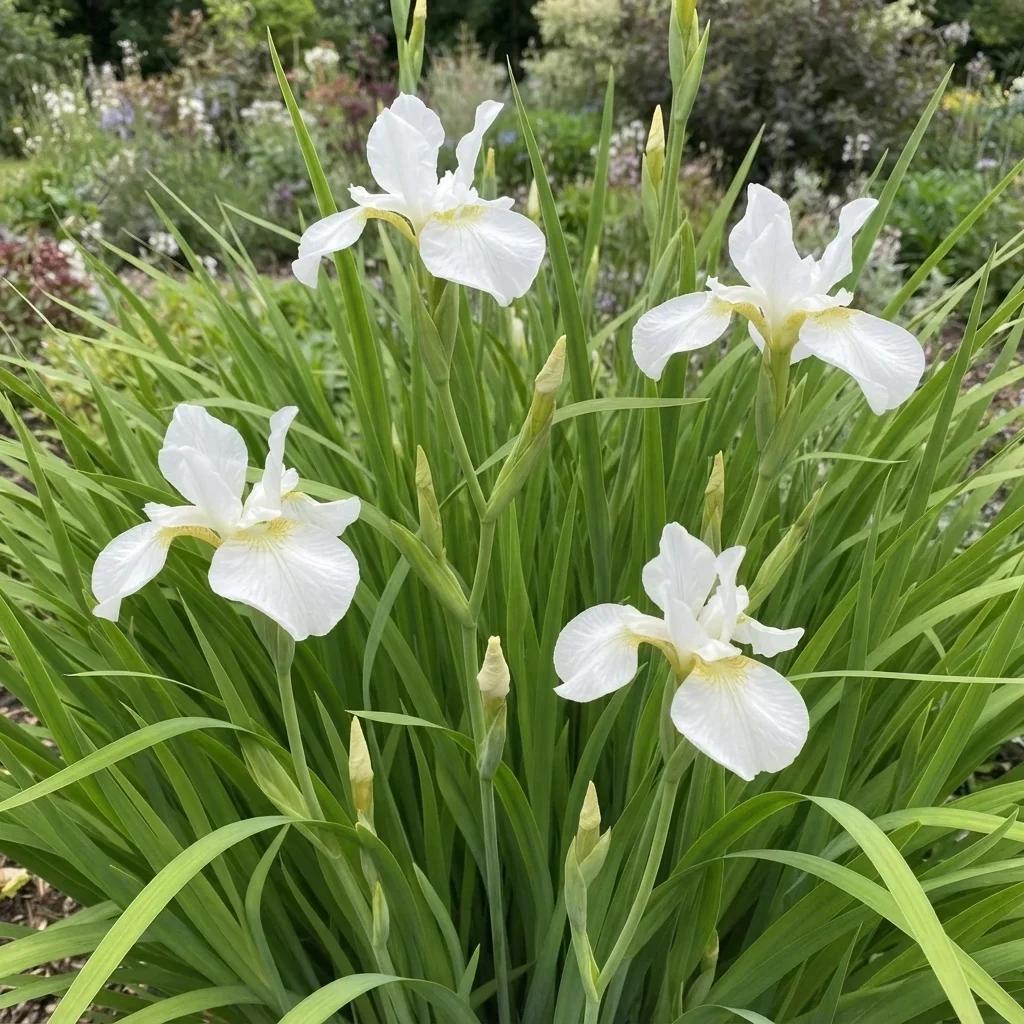 ‘White Swirl’Siberian Iris 'White Swirl'
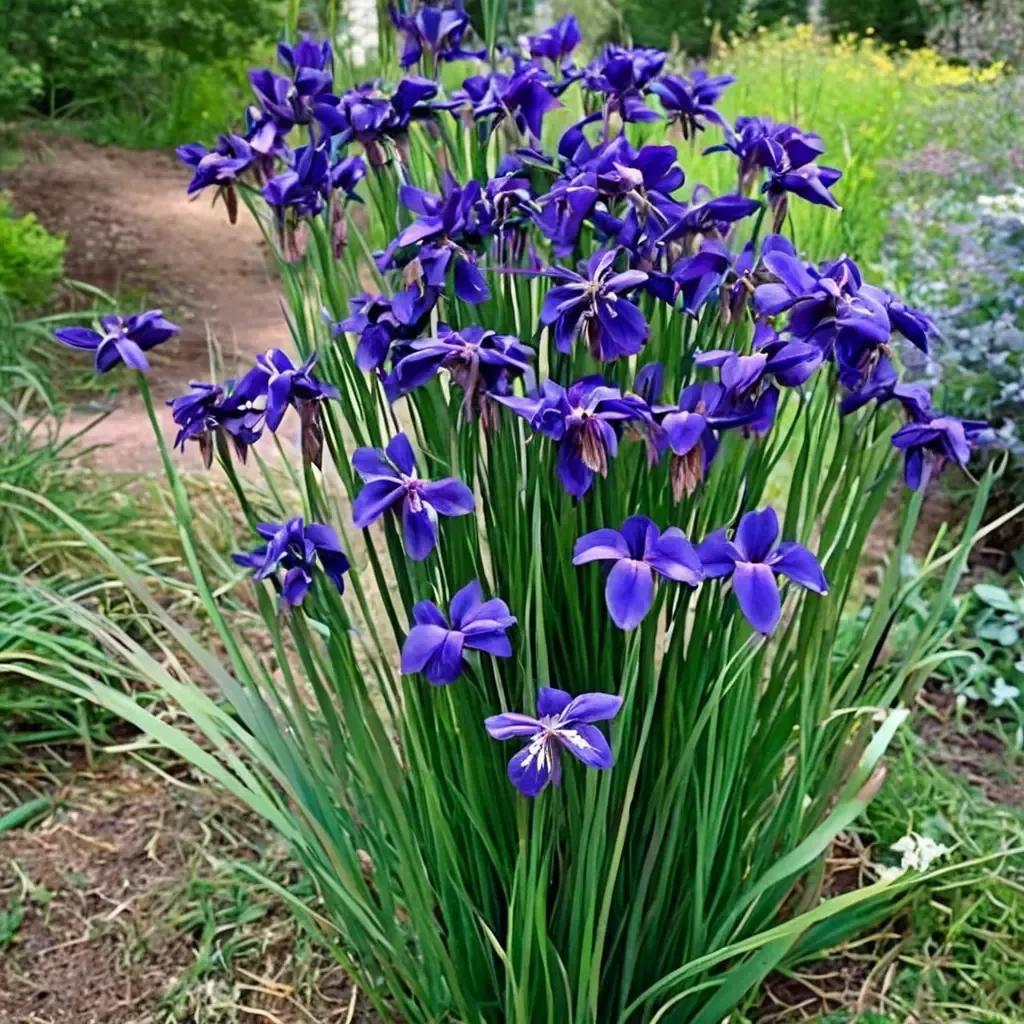 ‘That’That Siberian Iris
 ‘About Town’Siberian Iris 'About Town'
 ‘Solar Energy’Siberian Iris Solar Energy
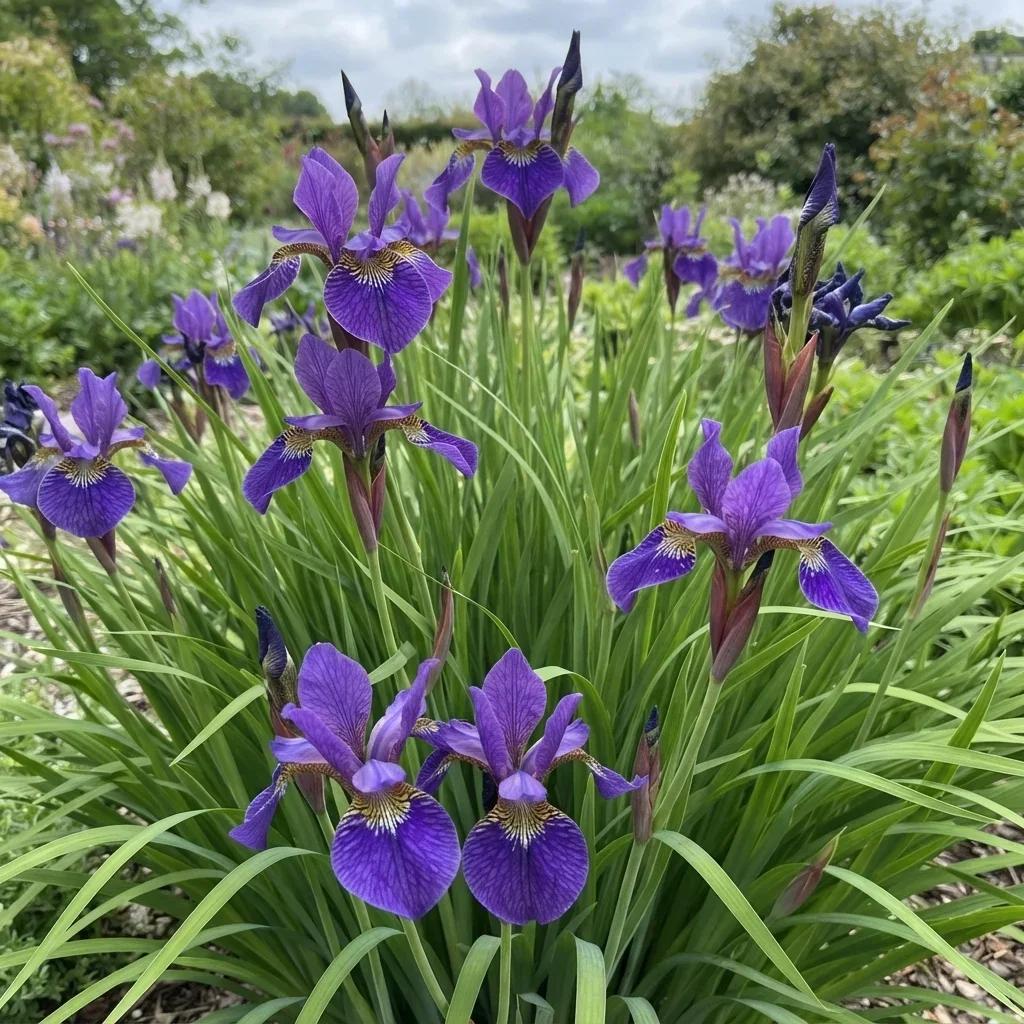 ‘June Krauss’June Krauss Siberian Iris
The Story
Plant Bio
Iris siberica 'On Mulberry Street' is a perennial iris known for its tall, slender foliage and intricate blue flowers.
This cultivar stands out due to its vibrant blue color and blooming earlier in the season compared to other Siberian irises.
Uses & Benefits:
Essentials
At a Glance
Plant Type
Perennial
Height
34"
Width
24"
Light
Full Sun, Partial Sun
Zones
4, 5, 6, 7, 8
Water
Moderate
Humidity
Average
Lifespan
10+ years
Native To
Siberia
Toxicity
Toxic to pets if ingested
Bloom period
Late spring – Early summer
In flower about 2 months of the year
Planting
How to Grow
- Tuck seeds into moist, well-drained soil in early fall for natural stratification.
- Mist cuttings regularly to maintain humidity and promote root development.
- Plant rhizomes in spring, spacing them 12 inches apart for optimal growth.
- Water deeply after planting and keep soil consistently moist during active growth.
- Fertilize with a balanced fertilizer in early spring to encourage blooming.
- Mulch around plants to retain soil moisture and suppress weeds.
Pro Tip
Use well-draining soil and avoid overwatering to prevent root rot.
Keep It Thriving
Care Guide
Do
- Water regularly during dry spells 💧
- Deadhead spent blooms to encourage reblooming 🌸
- Divide clumps every 3-4 years to maintain vigor
- Apply a balanced fertilizer in early spring
- Mulch to retain soil moisture
Don't
- Avoid overwatering, which can cause root rot ❌
- Do not plant in heavy, waterlogged soil
- Refrain from removing all foliage at once in fall
- Avoid fertilizing late in the season
- Never ignore signs of pests or diseases
Seasonal Care Calendar
| Task | Jan | Feb | Mar | Apr | May | Jun | Jul | Aug | Sep | Oct | Nov | Dec |
|---|---|---|---|---|---|---|---|---|---|---|---|---|
| Divide | ||||||||||||
| Fertilize | ||||||||||||
| Plant | ||||||||||||
| Spring Cleanup |
Watch Out For
Pests & Diseases
Common Pests
Common Diseases
In the Garden
Landscape Uses & Companions
Landscape Uses
Companion Plants
Multiply
Propagation Methods
Good to Know
Common Questions
On Mulberry Street Siberian Iris questions
What zones can On Mulberry Street Siberian Iris grow in?
On Mulberry Street Siberian Iris is hardy in USDA Zones 4–8. Inside that range it survives winter in the ground; outside it, grow it as an annual or a container plant you protect.
Is On Mulberry Street Siberian Iris deer resistant?
Yes — On Mulberry Street Siberian Iris is rated deer-resistant. Deer typically pass it over, though extreme hunger can override any plant's defenses.
When does On Mulberry Street Siberian Iris bloom?
On Mulberry Street Siberian Iris typically blooms in late spring through early summer. Exact timing shifts a week or two with your zone — Sow's bloom calendar maps it to your garden.
Does On Mulberry Street Siberian Iris need full sun?
On Mulberry Street Siberian Iris does best in full sun to part shade. In hot climates, afternoon shade keeps blooms fresher longer.
More Iris to compare
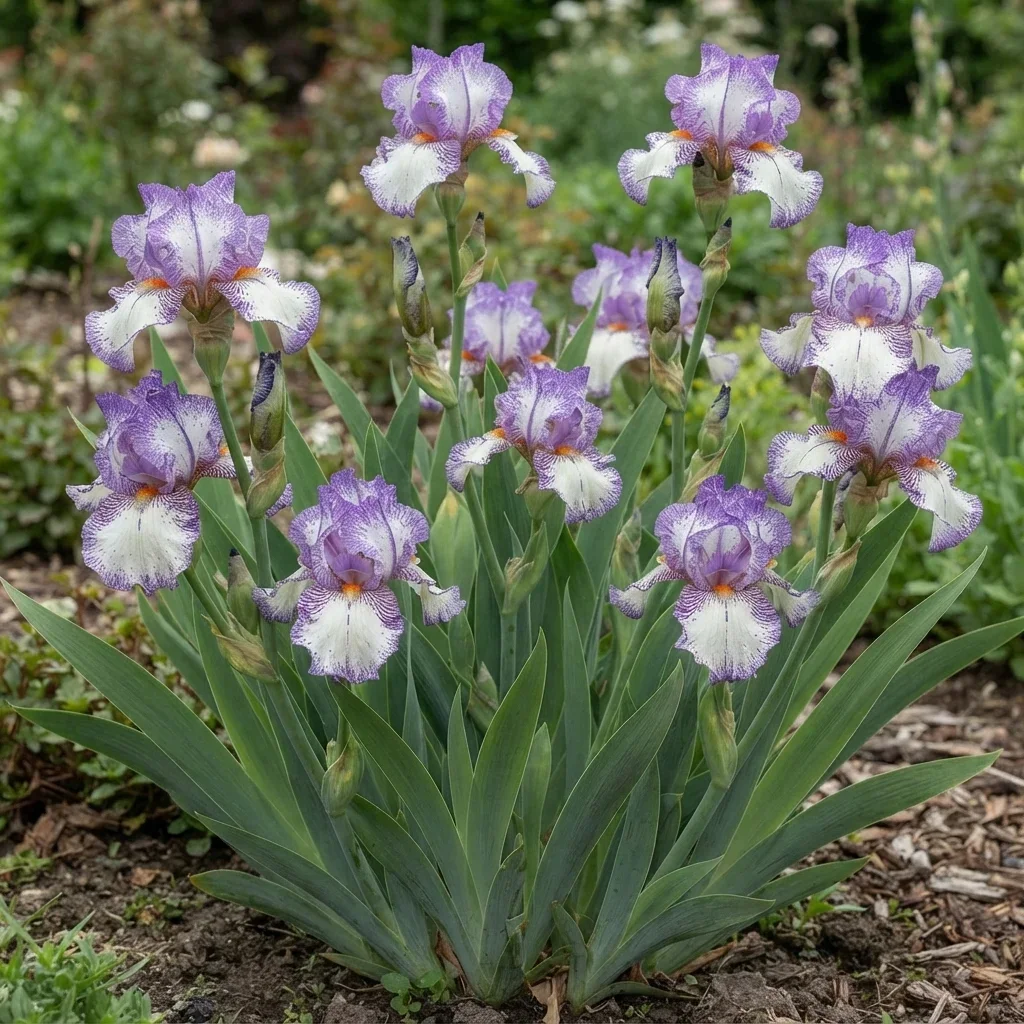
German Iris Bearded Iris
Iris x germanica 'Mix'
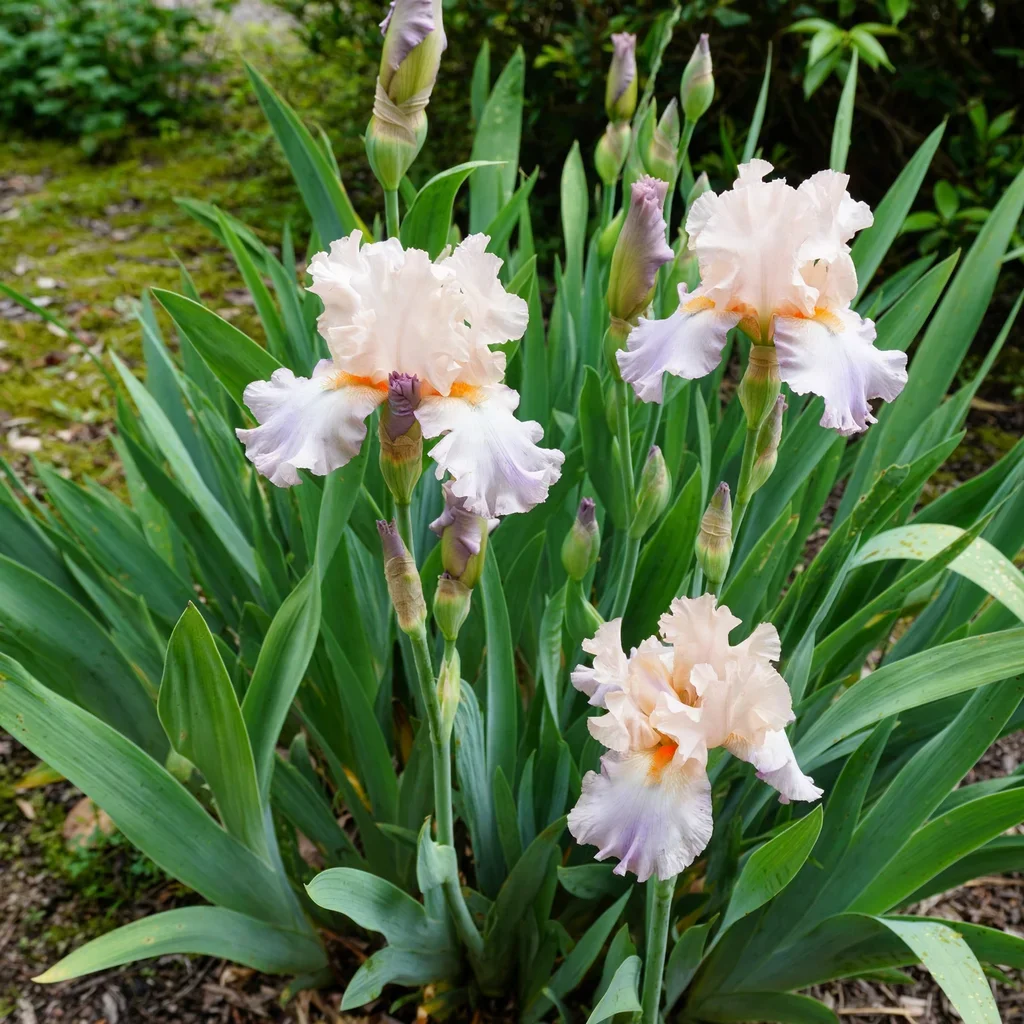
Celebration Song Iris
Iris tenuissima 'Celebration Song'
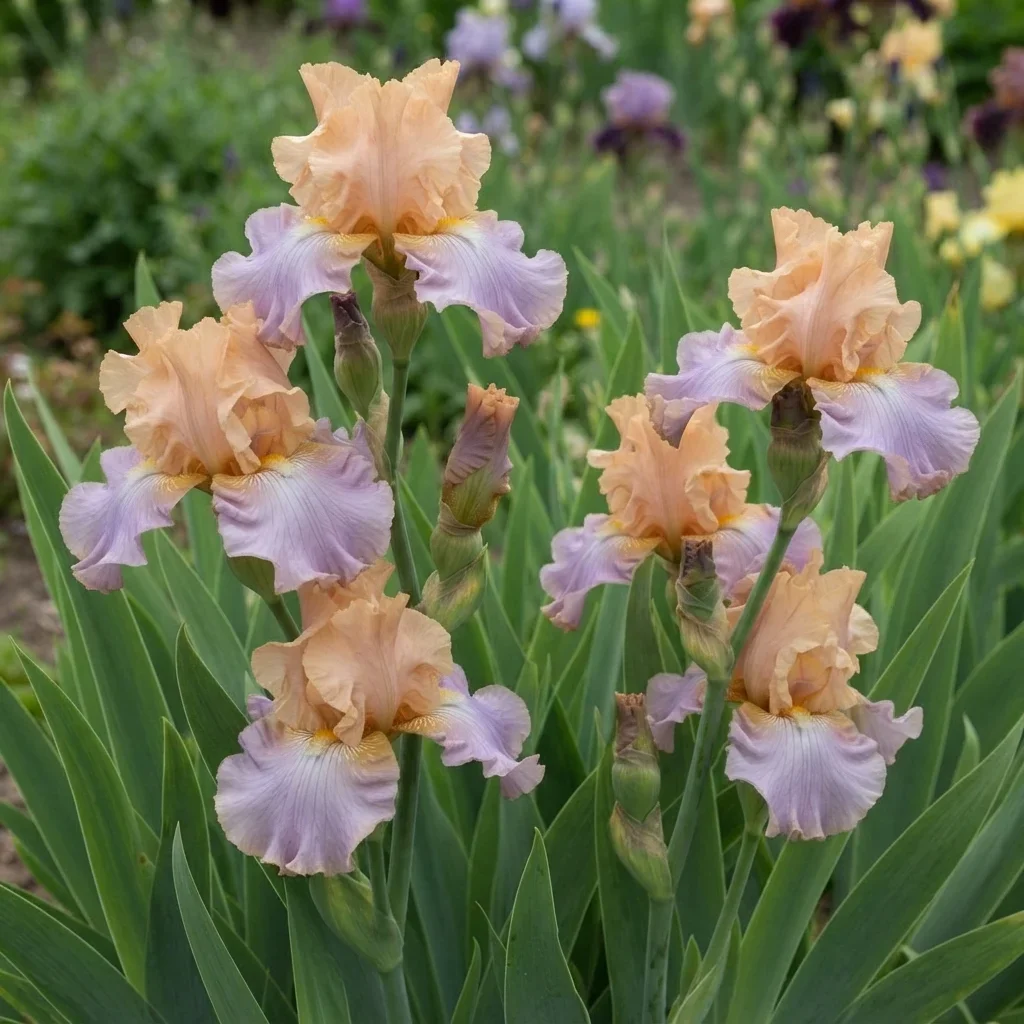
Poem of Ecstasy German Iris
Iris x germanica 'Poem Of Ecstasy'
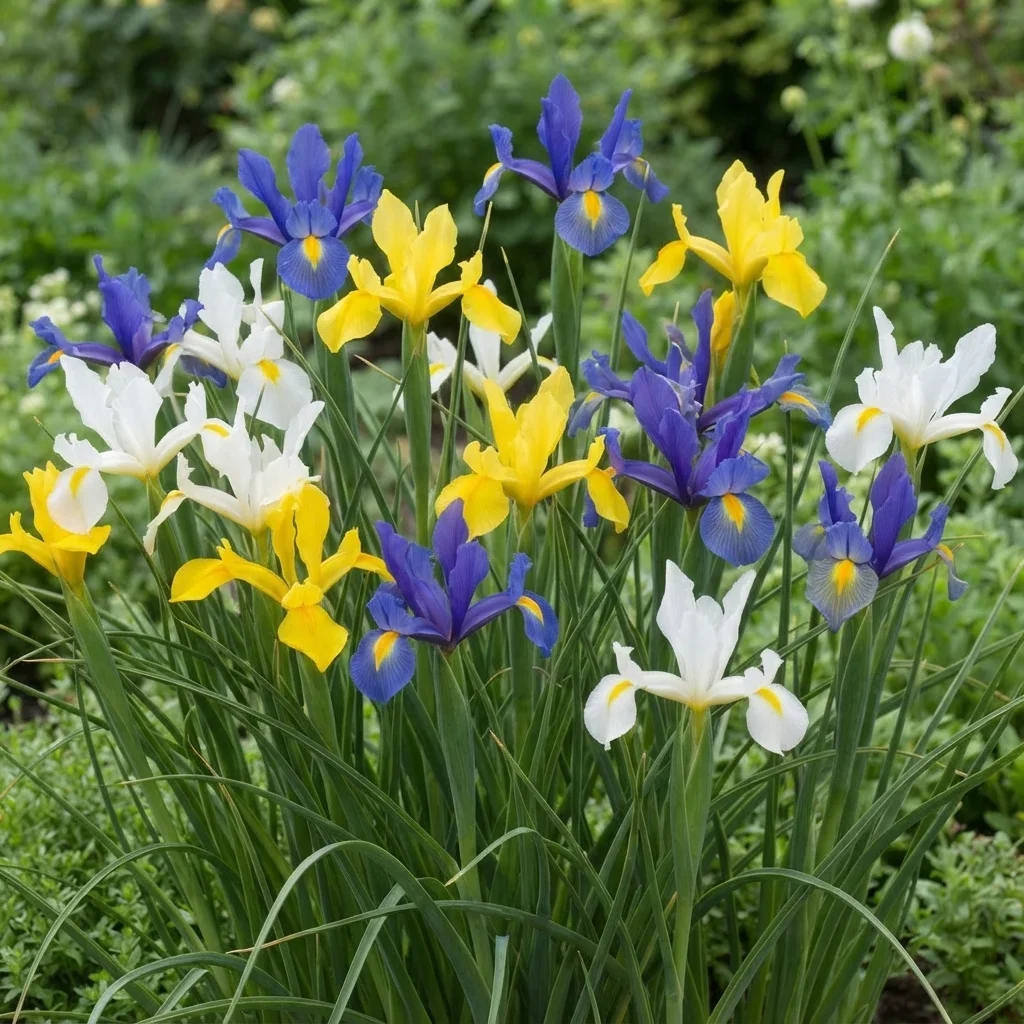
Dutch Iris Mix
Iris x hollandica 'Mix'
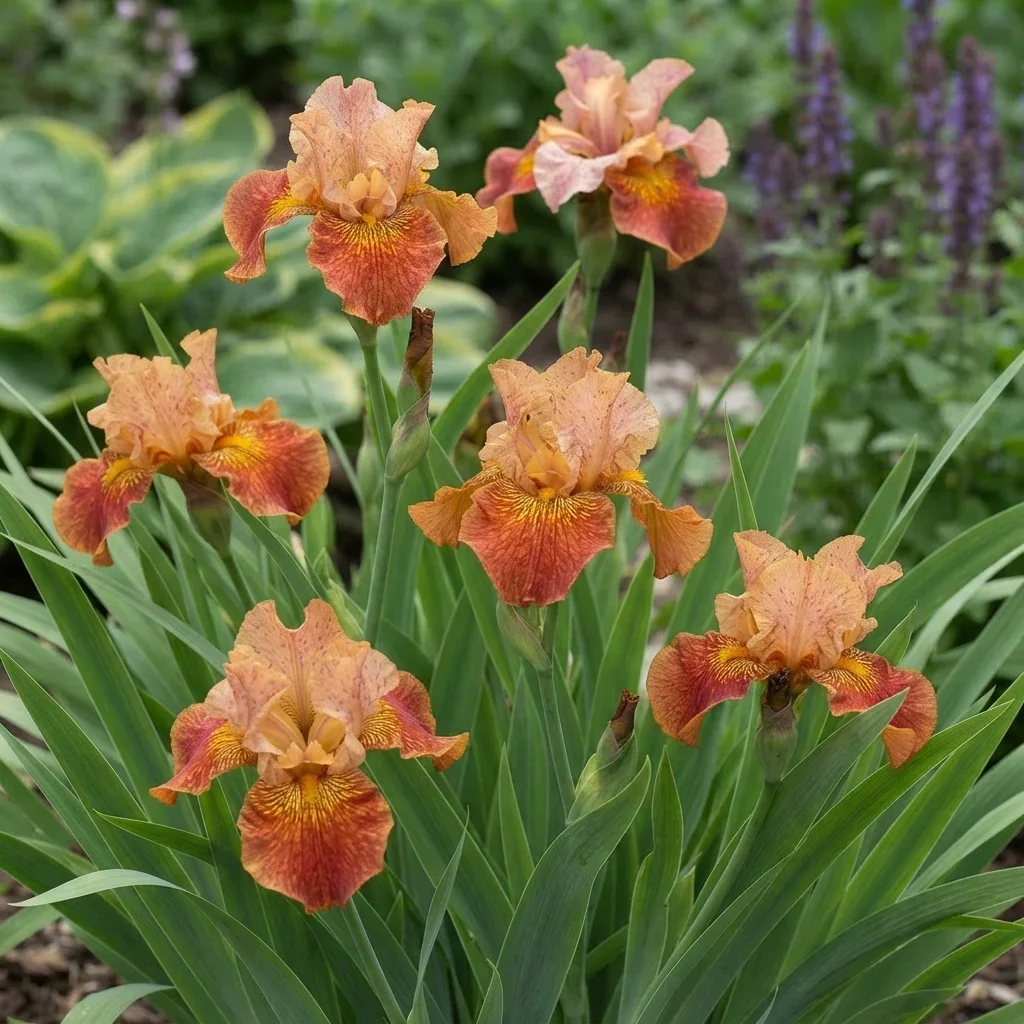
Siberian Iris 'Paprikash'
Iris x hybrida 'Paprikash'
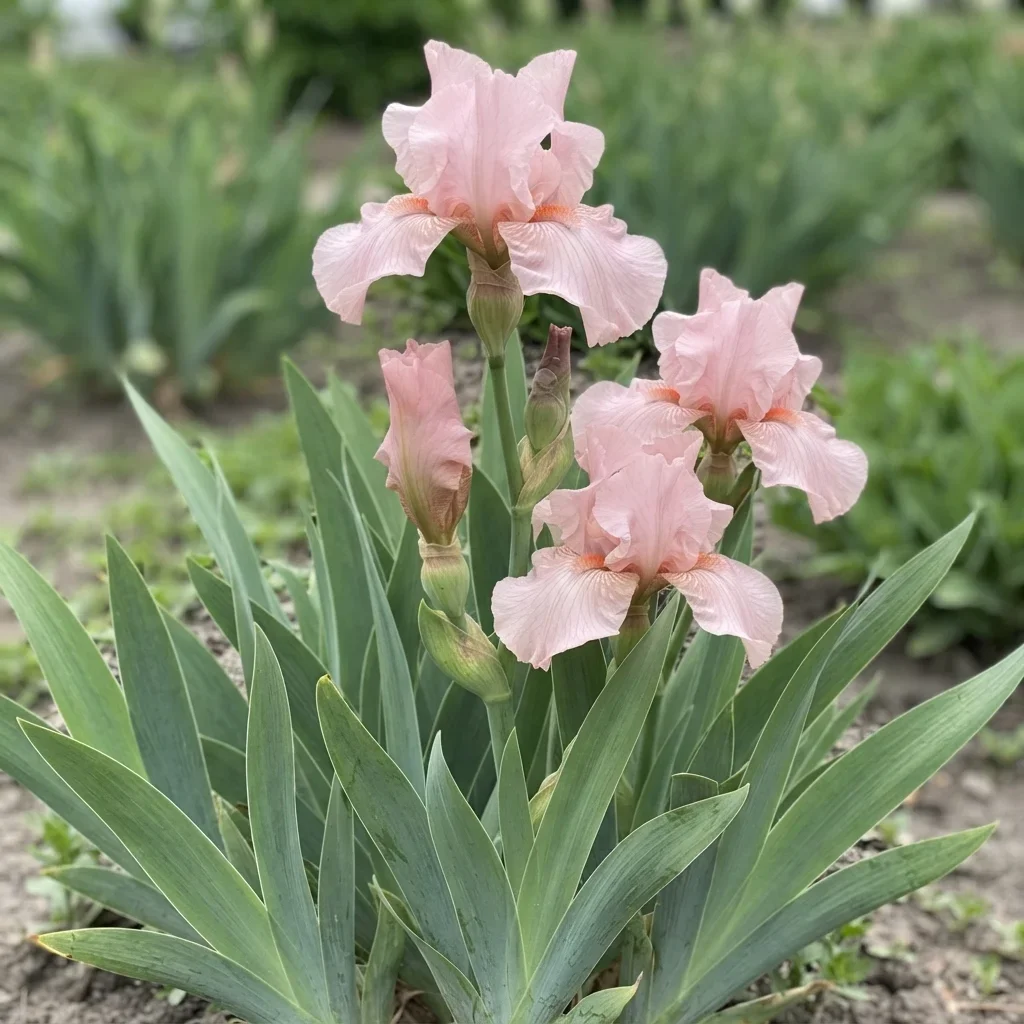
Baboon Bottom Bearded Iris
Iris x germanica 'Baboon Bottom Bearded'
Keep exploring
Explore the genus
Hardy in your zone?
Grow On Mulberry Street Siberian Iris with confidence
See it in a design of your actual yard, get zone-matched care reminders, and track it season by season in your garden journal.