The Story
Plant Bio
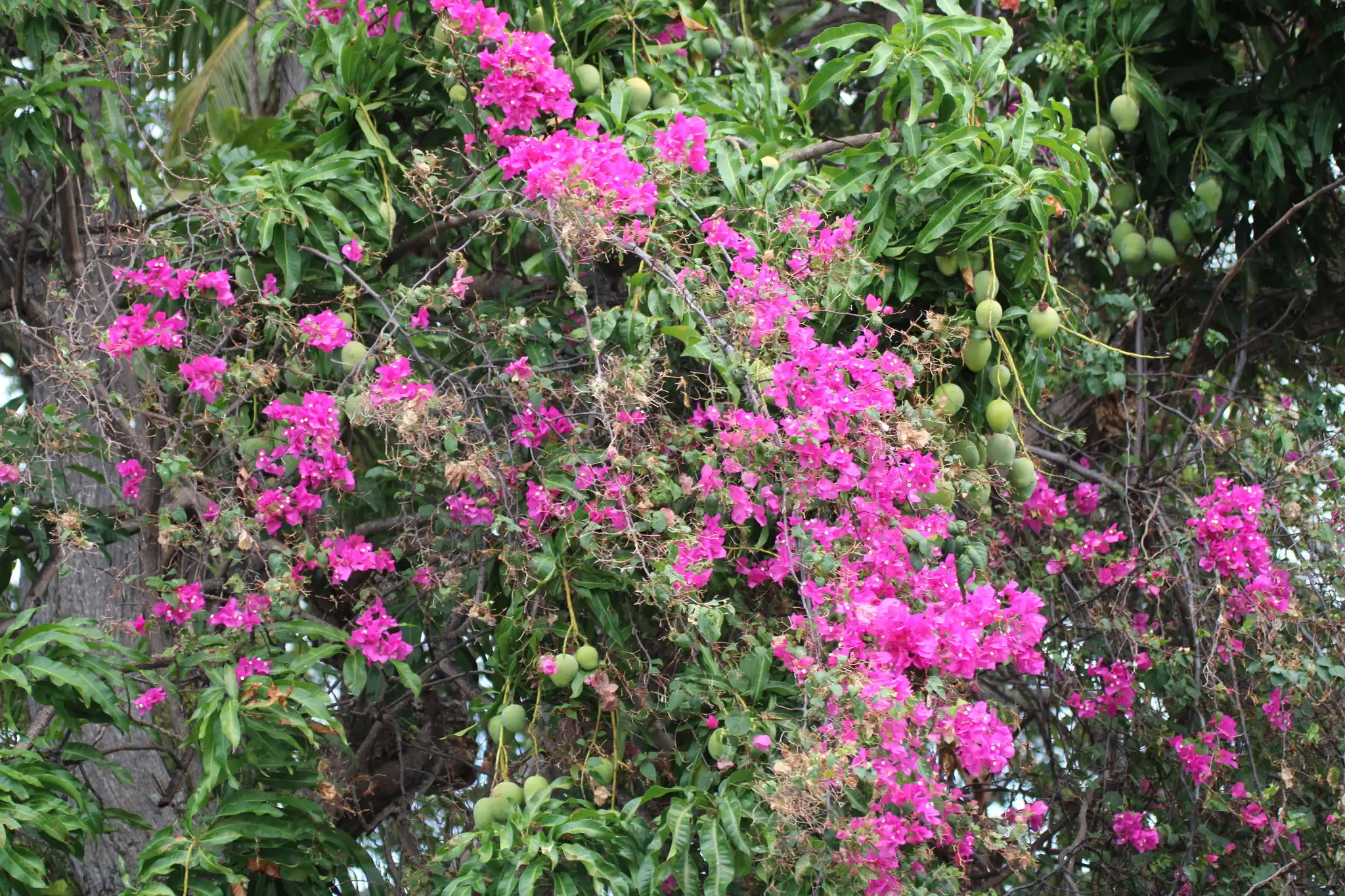
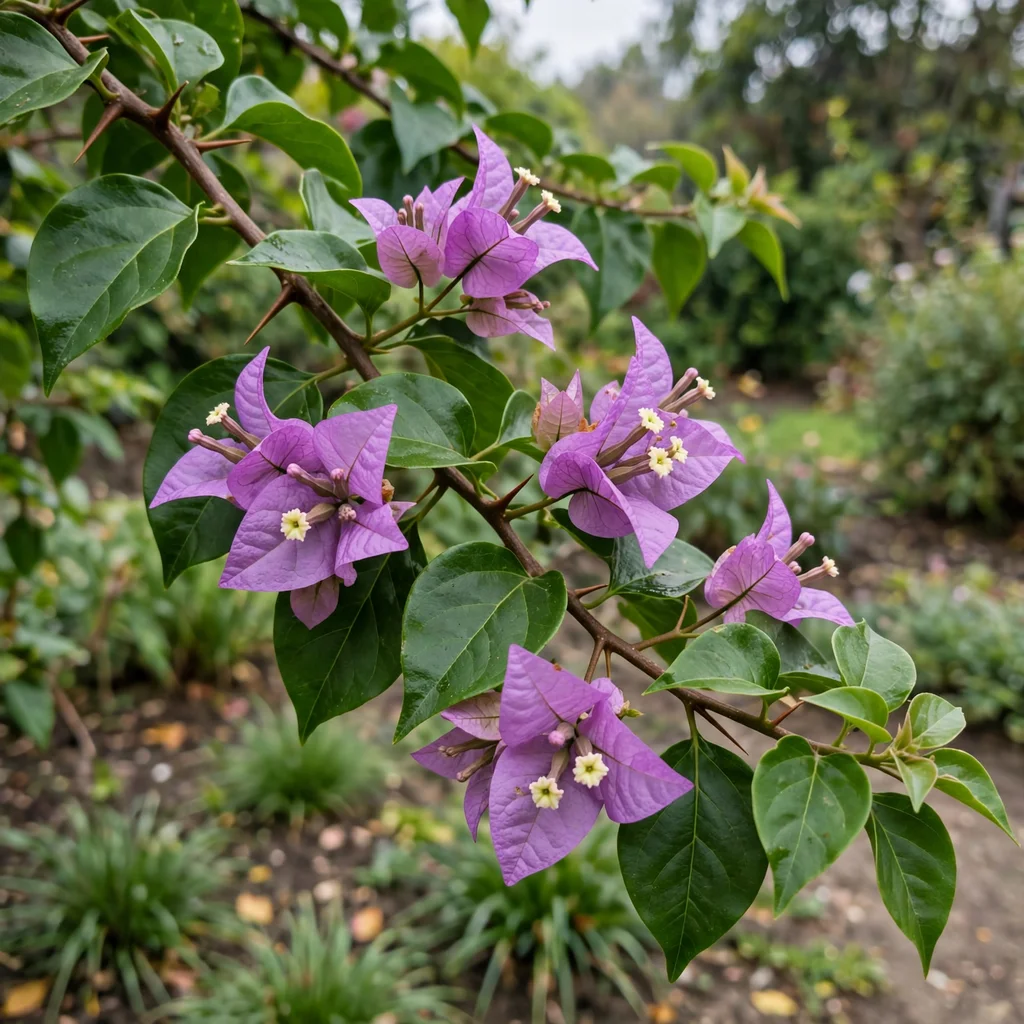
Bougainvillea spectabilis is a vigorous, scrambling woody vine native to South America, characterized by stout, curved thorns in the leaf axils and pubescent stems. The true flowers are small, tubular, and creamy-white, but they are surrounded by large, papery, brightly colored bracts that provide the primary visual display.
This species is distinguished from other bougainvilleas by its distinctly hairy or pubescent foliage and stems, which feel soft to the touch on new growth. The colorful bracts occur in shades of purple, red, pink, orange, or white and appear in dense clusters throughout the warmer months.
Uses & Benefits:
Essentials
At a Glance
Plant Type
Vine
Height
480"
Width
354"
Light
Full Sun
Zones
9, 10
Water
Low
Humidity
Moderate
Lifespan
Perennial
Native To
South America
Toxicity
Mild skin irritant (sap)
Bloom period
Spring – Fall
In flower about 9 months of the year
Planting
How to Grow
- Select a planting site that receives at least six hours of direct sunlight daily to ensure heavy flowering.
- Plant in well-draining, moderately fertile, sandy or loamy soil with a slightly acidic to neutral pH.
- Water deeply but infrequently, allowing the soil to dry out completely between waterings to prevent root rot.
- Apply a balanced fertilizer sparingly in spring, avoiding high-nitrogen mixes that suppress bloom production.
Pro Tip
Prune immediately after a flowering flush to encourage new blooming wood, and avoid shearing blindly into old, leafless stems which lack the dormant buds needed to regenerate.
Keep It Thriving
Care Guide
Do
- Allow the soil to dry out completely between waterings to trigger heavier blooming.
- Prune immediately after a flowering cycle to shape the vine and encourage new growth.
- Wear thick gloves when handling the plant to protect against sharp, painful thorns.
Don't
- Do not overwater or plant in soggy, poorly draining soils, which causes root rot.
- Do not apply high-nitrogen fertilizers, which produce lush green leaves instead of colorful bracts.
- Do not shear blindly into old, leafless woody stems where new buds cannot break.
Seasonal Care Calendar
| Task | Jan | Feb | Mar | Apr | May | Jun | Jul | Aug | Sep | Oct | Nov | Dec |
|---|---|---|---|---|---|---|---|---|---|---|---|---|
| Fertilize | ||||||||||||
| Pest Check | ||||||||||||
| Prune | ||||||||||||
| Winter Prep |
Watch Out For
Pests & Diseases
Common Pests
Common Diseases
In the Garden
Landscape Uses & Companions
Landscape Uses
Multiply
Propagation Methods
Good to Know
Common Questions
Great Bougainvillea questions
What zones can Great Bougainvillea grow in?
Great Bougainvillea is hardy in USDA Zones 9–10. Inside that range it survives winter in the ground; outside it, grow it as an annual or a container plant you protect.
When does Great Bougainvillea bloom?
Great Bougainvillea typically blooms in spring through fall. Exact timing shifts a week or two with your zone — Sow's bloom calendar maps it to your garden.
Does Great Bougainvillea need full sun?
Great Bougainvillea does best in full sun (6+ hours).
Is Great Bougainvillea drought tolerant?
Yes — once established (usually after the first full season), Great Bougainvillea handles dry spells with minimal watering. Water deeply its first year to build the root system that makes that possible.
More Bougainvillea to compare
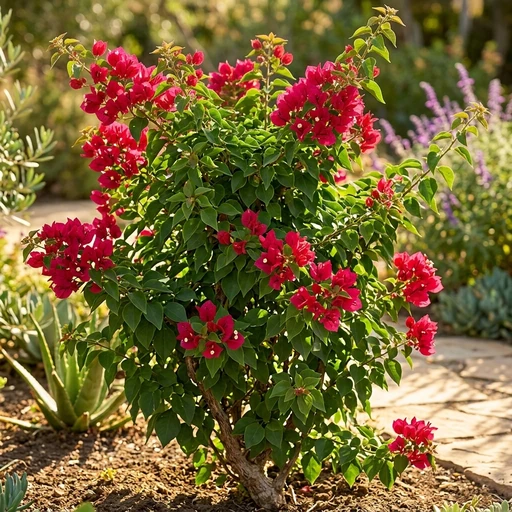
Barbara Karst Bougainvillea
Bougainvillea x hybrida 'Barbara Karst'
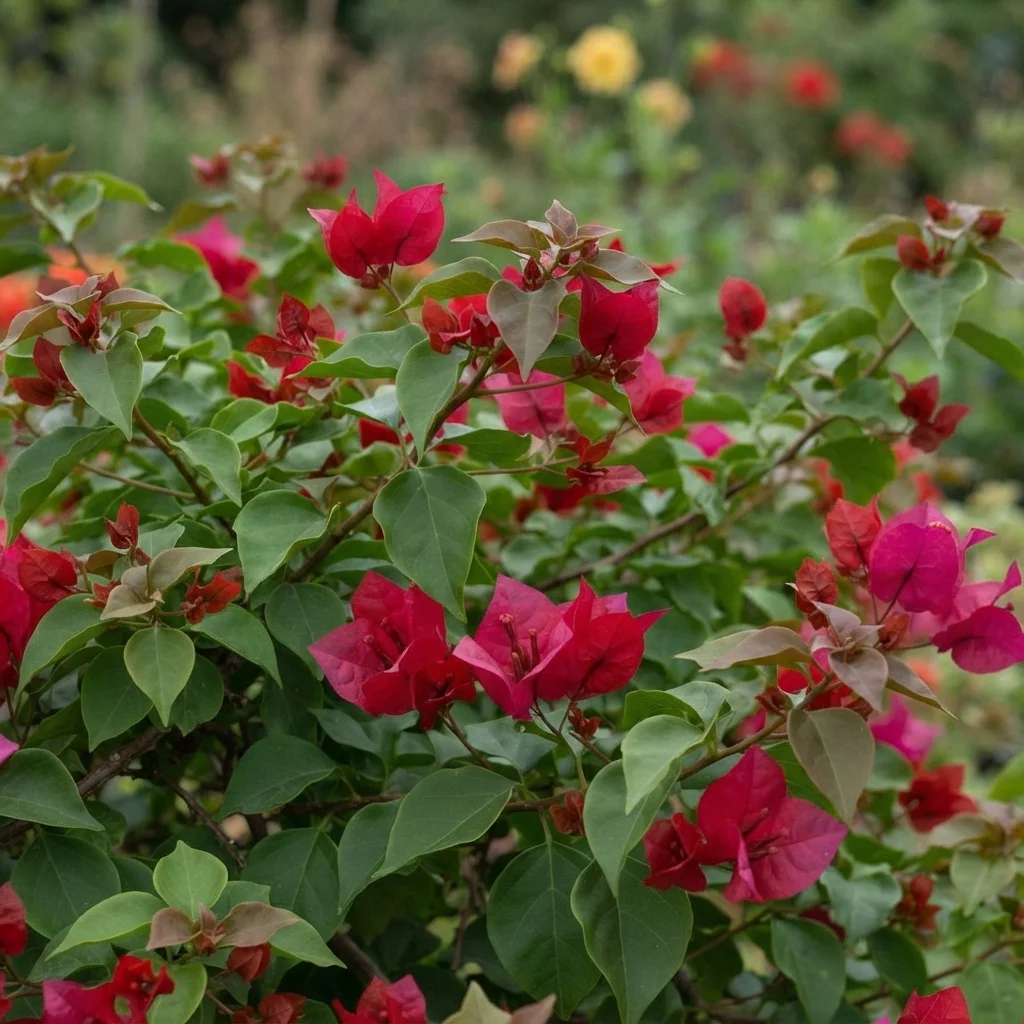
Scarlet O'Hara Bougainvillea
Bougainvillea glabra 'Scarlett O'Hara'
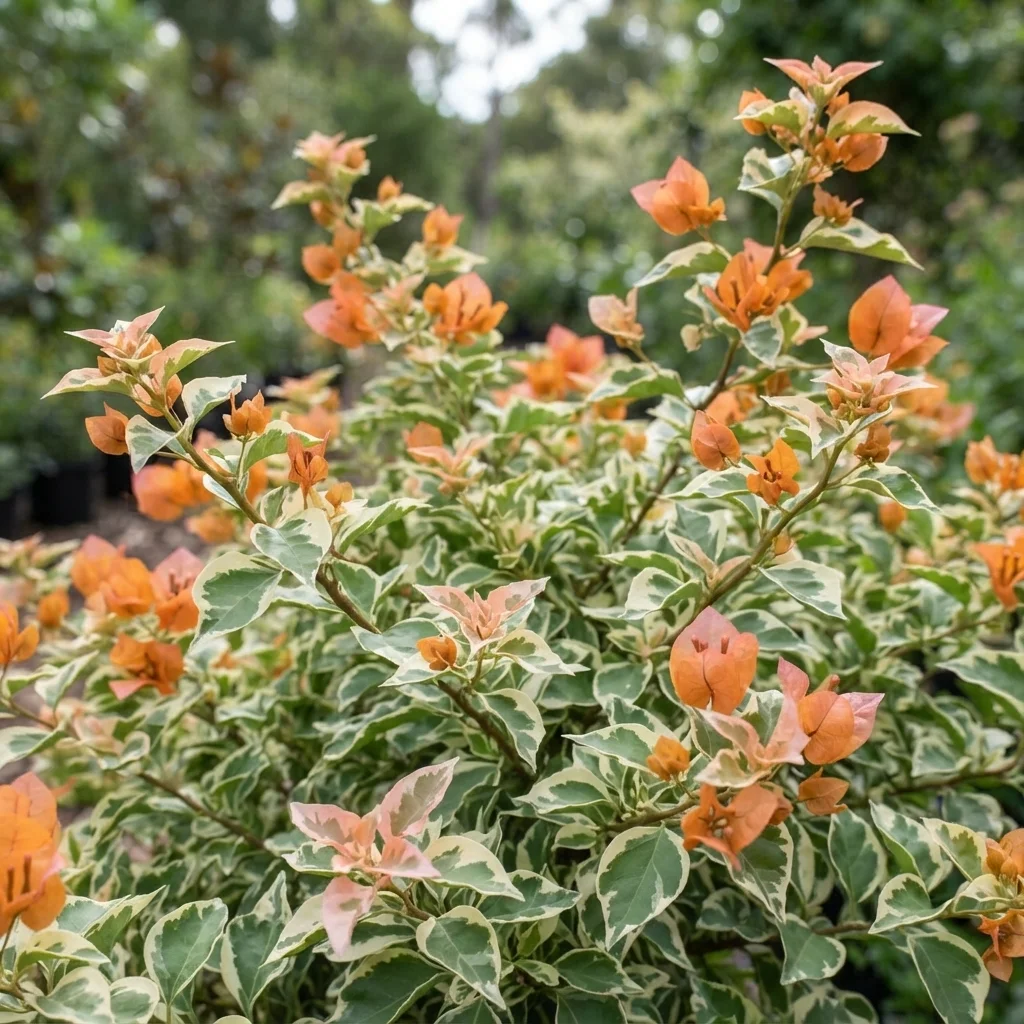
Bengal Orange Bougainvillea
Bougainvillea x hybrida 'Bengal Orange'
Bougainvillea
Bougainvillea glabra
Keep exploring
Explore the genus
Hardy in your zone?
Grow Great Bougainvillea with confidence
See it in a design of your actual yard, get zone-matched care reminders, and track it season by season in your garden journal.