The Story
Plant Bio
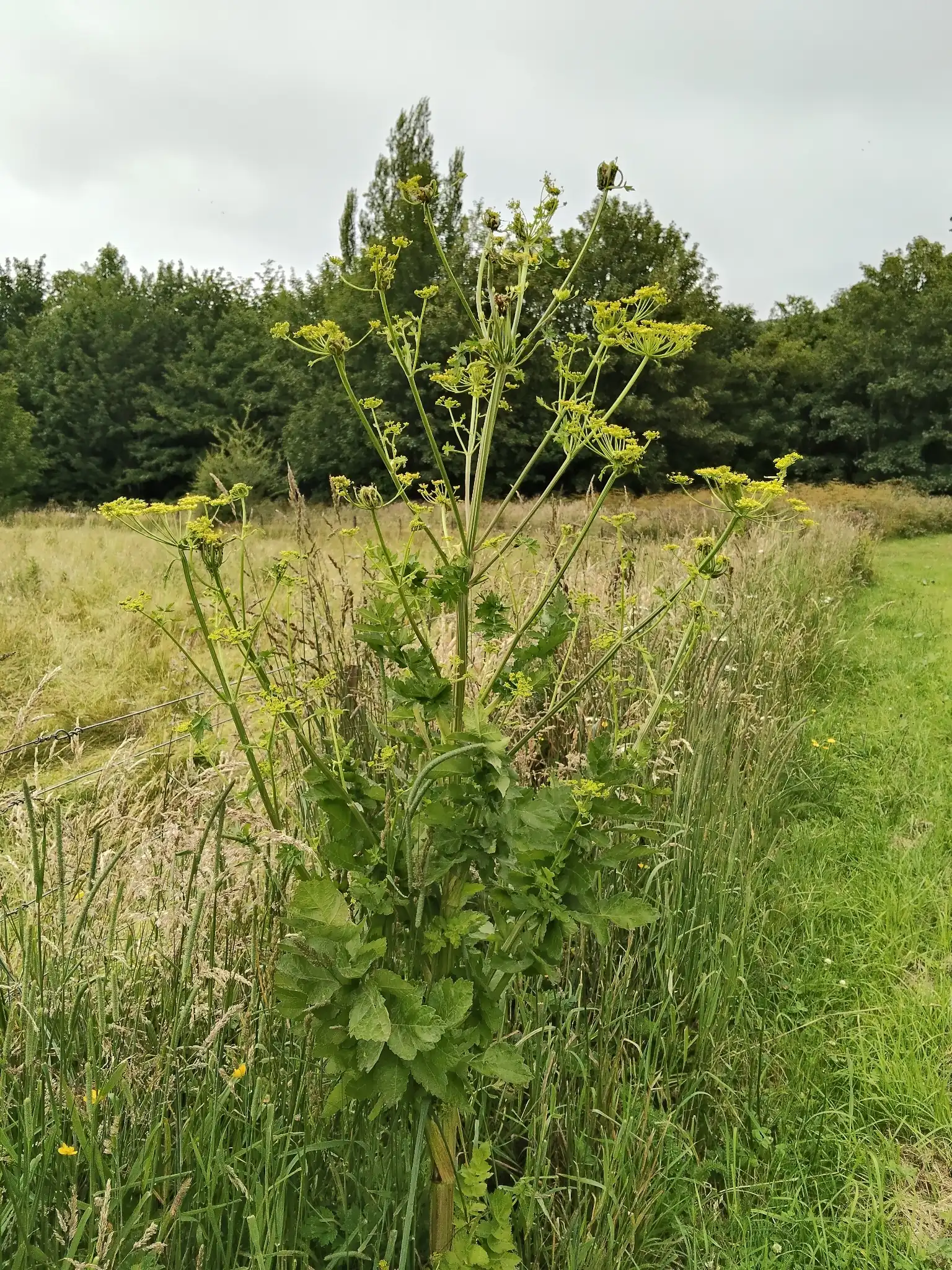
Pastinaca sativa is a stout biennial herb cultivated for its sweet, fleshy taproot and characterized by a strongly grooved, hollow flowering stem. In its first year, the plant forms a low basal rosette of bright green, pinnately compound leaves, followed in the second year by yellow compound umbels.
The foliage and stems contain furocoumarins that cause severe phytophotodermatitis when skin exposed to the sap is subjected to sunlight. Exposure to freezing winter temperatures is necessary to convert starches in the taproot into sugars, optimizing the crop's flavor.
Uses & Benefits:
Essentials
At a Glance
Plant Type
Fruit Vegetable
Height
71"
Width
24"
Light
Full Sun
Zones
4, 5, 6, 7, 8, 9
Water
Moderate
Humidity
Moderate
Lifespan
Biennial
Native To
Eurasia
Toxicity
Skin Irritant
Bloom period
Late spring – Early summer
In flower about 2 months of the year
Planting
How to Grow
- Sow seeds directly into deep, loose, well-drained loam in early spring or fall, planting them one-half inch deep.
- Keep the seedbed consistently moist for up to three weeks, as germination is slow and irregular.
- Thin seedlings to a spacing of three to six inches apart once they develop their first true leaves.
- Water deeply during dry spells to maintain steady growth, and harvest the roots after several hard frosts have sweetened them.
Pro Tip
Always sow seeds directly into their permanent beds, as the taproots deform or fork immediately if subjected to transplant shock.
Keep It Thriving
Care Guide
Do
- Wear long sleeves, gloves, and protective eyewear when harvesting or weeding around the foliage.
- Sow only fresh seed from the current year's harvest to ensure adequate germination rates.
- Leave roots in the ground through winter frosts to maximize their sweetness before harvesting.
Don't
- Do not transplant seedlings, as any disturbance to the young taproot causes permanent deformation.
- Do not apply high-nitrogen fertilizers, which stimulate excessive leaf growth at the expense of root development.
- Do not allow the plant to set seed if growing near natural areas, as it escapes easily to become a noxious weed.
Seasonal Care Calendar
| Task | Jan | Feb | Mar | Apr | May | Jun | Jul | Aug | Sep | Oct | Nov | Dec |
|---|---|---|---|---|---|---|---|---|---|---|---|---|
| Harvest | ||||||||||||
| Mulch | ||||||||||||
| Pest Check | ||||||||||||
| Plant |
Watch Out For
Pests & Diseases
Common Pests
Common Diseases
In the Garden
Landscape Uses & Companions
Landscape Uses
Companion Plants
Multiply
Propagation Methods
Good to Know
Common Questions
Parsnip questions
What zones can Parsnip grow in?
Parsnip is hardy in USDA Zones 4–9. Inside that range it survives winter in the ground; outside it, grow it as an annual or a container plant you protect.
Is Parsnip deer resistant?
Not reliably. Deer may browse Parsnip, especially tender spring growth — plan on repellents or fencing where pressure is high.
When does Parsnip bloom?
Parsnip typically blooms in late spring through early summer. Exact timing shifts a week or two with your zone — Sow's bloom calendar maps it to your garden.
Does Parsnip need full sun?
Parsnip does best in full sun (6+ hours).
Is Parsnip drought tolerant?
Yes — once established (usually after the first full season), Parsnip handles dry spells with minimal watering. Water deeply its first year to build the root system that makes that possible.
Keep exploring
Explore the genus
Grow Parsnip with confidence
See it in a design of your actual yard, get zone-matched care reminders, and track it season by season in your garden journal.