Also known as Frogfruit · 23 saves
Phyla
Phyla, the genus most gardeners know as frogfruit. We track 4 varieties; the ones most used by real gardeners.
The 4 most-saved Phyla varieties
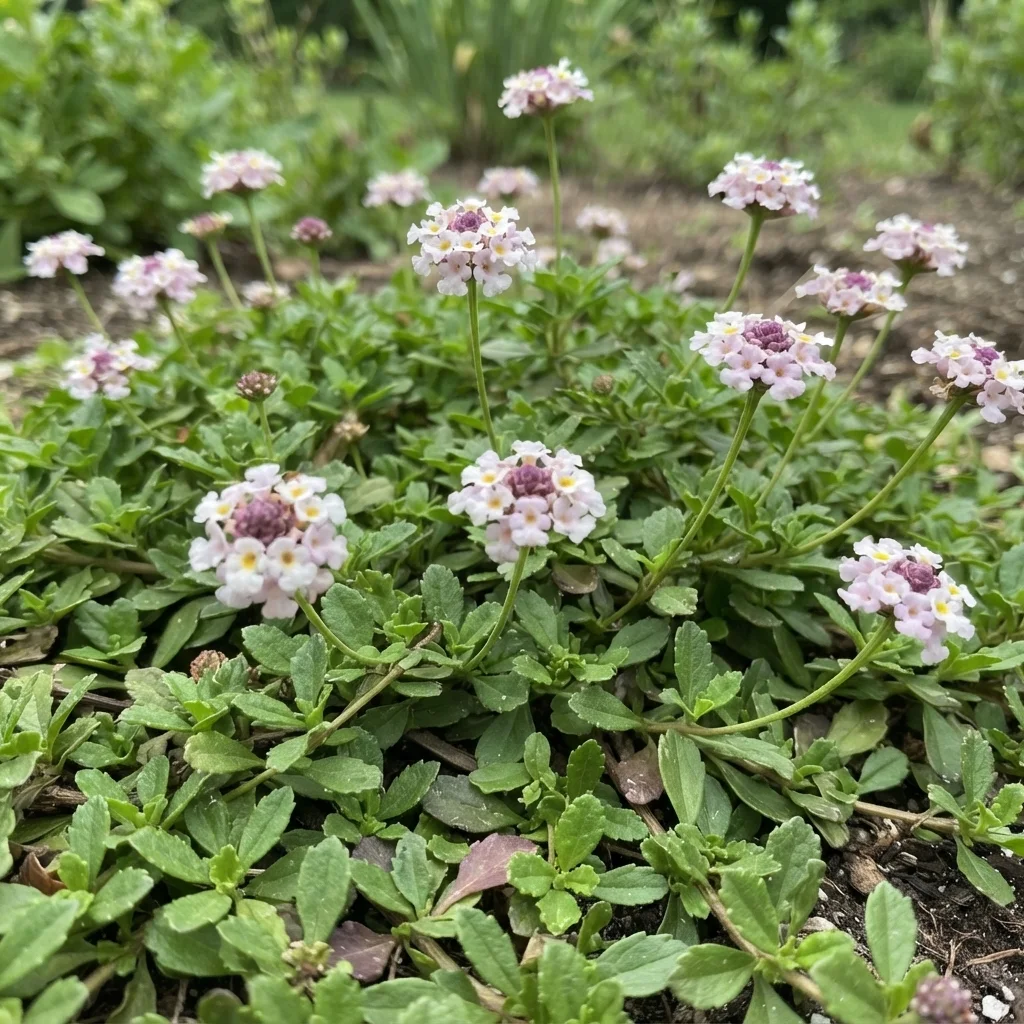
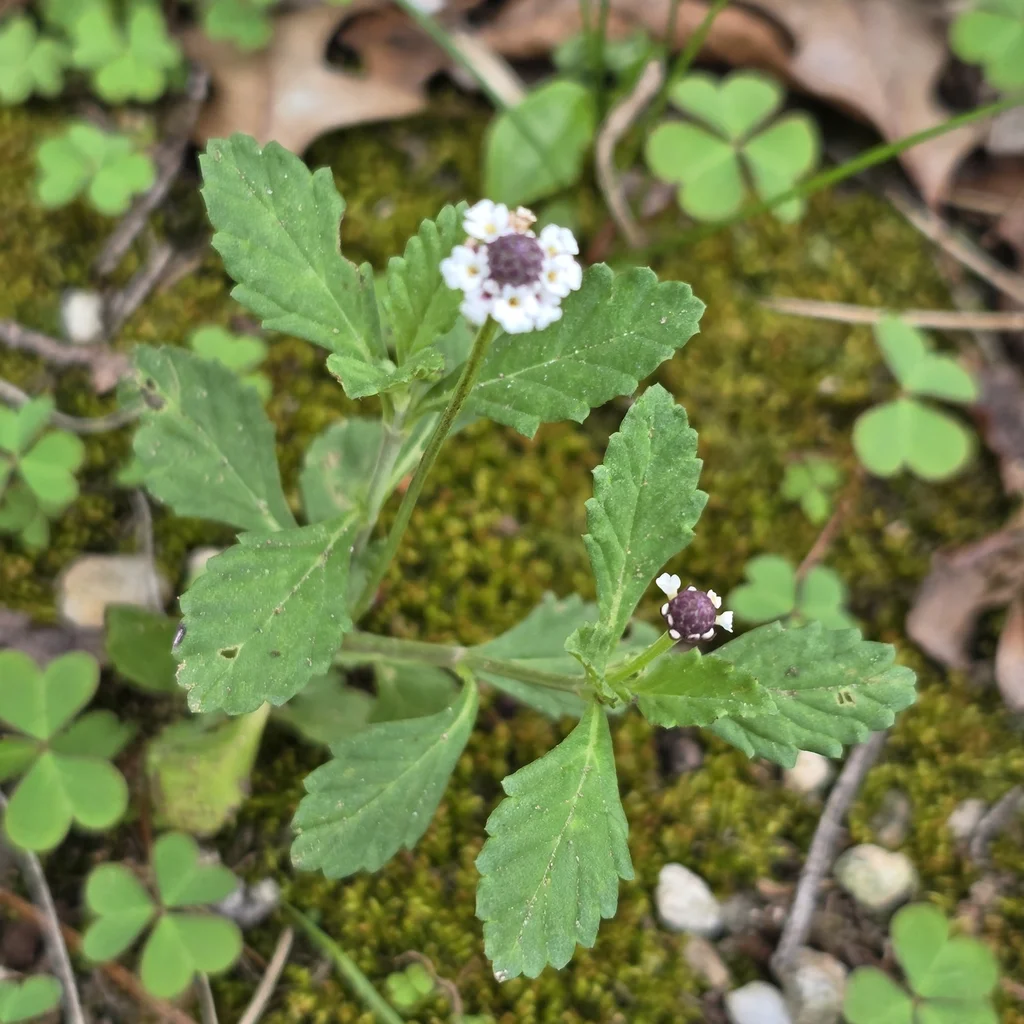
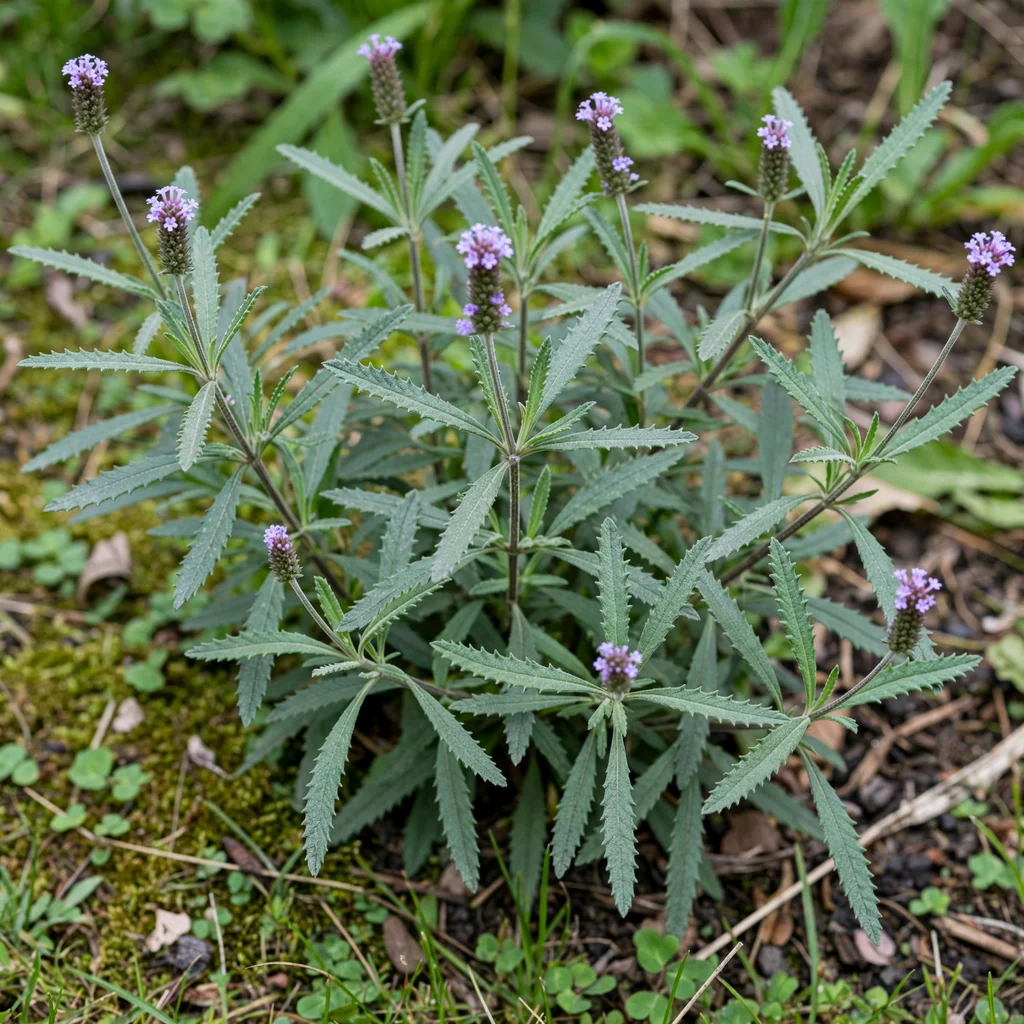
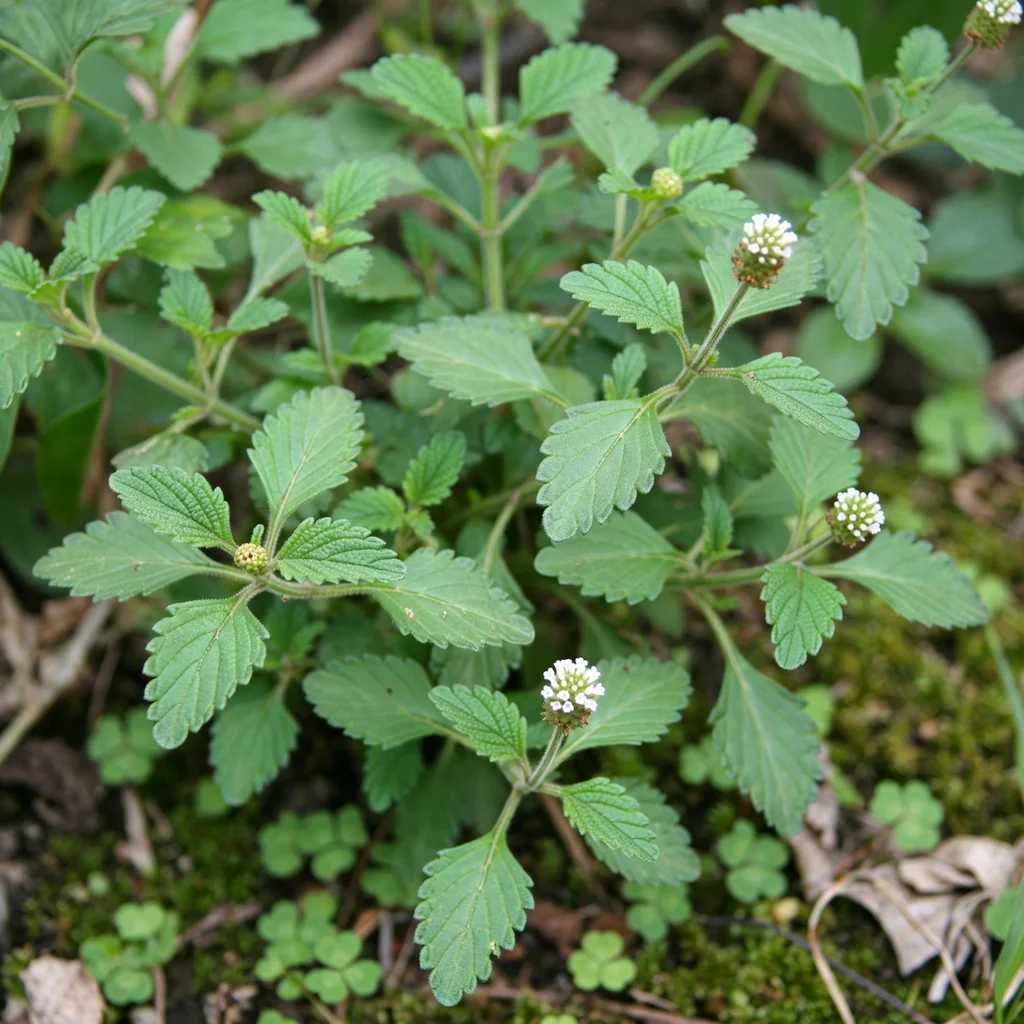
4 species of Phyla
Each one is a parent of the varieties above.
Track your Phyla in Sow
Save the Phyla you grow and get care reminders timed to your zone.
How to grow Phyla
Whats common across all Phyla varieties in our catalog — drawn from the care records of the 4 most-grown of them.
The Phyla year
- PlantApril and May100% of varieties
Install plugs or potted plants during the mild temperatures of spring or early fall.
- Check for PestsJune–August100% of varieties
Inspect the dense foliage for spider mites and aphids during hot, dry periods.
- PruneApril and June75% of varieties
Mow or trim lightly to maintain a low, dense lawn-like profile.
- Winter PrepNovember75% of varieties
Allow the plant to die back naturally after the first frost; it will resprout from the roots in spring.
- PropagateJune and July50% of varieties
Root stem cuttings or pinned sections to fill gaps.


Do
- Allow the soil to dry out between waterings once the root system is established.
- Trim the edges regularly if planting near garden beds to prevent stolons from invading adjacent soil.
- Keep the planting area weeded until the stolons knit together into a dense, weed-suppressing mat.
- Do give 6+ hours of sun and good airflow to keep stems short and leafy.
- Do pinch and trim stragglers to force side shoots.
Avoid
- Do not over-fertilize, as high nitrogen levels cause leggy, weak growth and reduce drought tolerance.
- Do not plant in deep, wet shade where the lack of sunlight invites powdery mildew and root rot.
- Do not scalp the plants back to bare, leafless woody stems when mowing.
- Do not plant in shade or constantly wet soil; stems turn woody and sparse.
What goes wrong with Phyla
| Problem | What you'll see | What to do |
|---|---|---|
| Aphids | Clusters of small, soft-bodied insects on tender new growth, accompanied by sticky honeydew. | Knock them off with a sharp spray of water or apply horticultural oil if the infestation is severe. |
| Spider mites | Fine webbing on foliage and stippled, yellowing leaves during hot, dry weather. | Blast the underside of the foliage with a strong stream of water or apply insecticidal soap. |
| Whiteflies | Small white flies lift off when disturbed; leaves yellow and lose vigor. | Remove worst leaves and treat undersides with insecticidal soap. |
| Slugs and snails | Irregular holes chewed in the young foliage and trailing stems. | Handpick pests during damp evenings or apply organic iron phosphate baits around the perimeter of the planting. |
| Powdery mildew | A white, powdery fungal coating on the leaf surfaces, usually in damp, shaded conditions. | Thin the growth to improve air circulation and relocate the plants to a sunnier position. |
| Root rot | Wilting, yellowing foliage and mushy, blackened roots, typically occurring in poorly drained, shaded sites. | Improve soil drainage, reduce watering, and ensure the plant receives adequate sunlight. |
| Leaf spot | Dark spots on wet foliage during prolonged rain. | Improve air flow by thinning edges and avoid overhead watering. |
Making more Phyla
Stolon Division
- Locate a healthy runner that has rooted at the leaf nodes.
- Sever the runner from the parent plant using sharp shears.
- Dig up the rooted node, keeping the surrounding soil intact.
- Replant the division immediately into moist soil at the same depth.
Seed
- Sow seed on the surface of moist seed mix after frost, pressing in without covering.
- Keep at 70-75F with bright light and even moisture until germination.
- Thin to one seedling per cell once true leaves form.
- Harden off and transplant after nights stay above 50F.
Phyla questions
How many types of Phyla are there?
The Sow catalog tracks 4 distinct Phyla varieties. The most popular — ranked by 23 real gardeners — are shown first above.
What zones does Phyla grow in?
Across its varieties, Phyla covers USDA Zones 4–10. Individual varieties differ — each plant page lists its exact range, and Sow filters the catalog to your zone automatically.
When does Phyla bloom?
Most Phyla varieties bloom from spring to fall.
Which Phyla should I choose?
Start from the most-saved varieties above — popularity across thousands of gardens is a strong signal of reliability — then filter by your zone and sun. In the Sow app you can preview any of them in a photo of your actual yard before you buy.