Garden hybrid
This is a garden hybrid, bred from more than one wild species, so it has no single species page of its own.
6 other cultivars


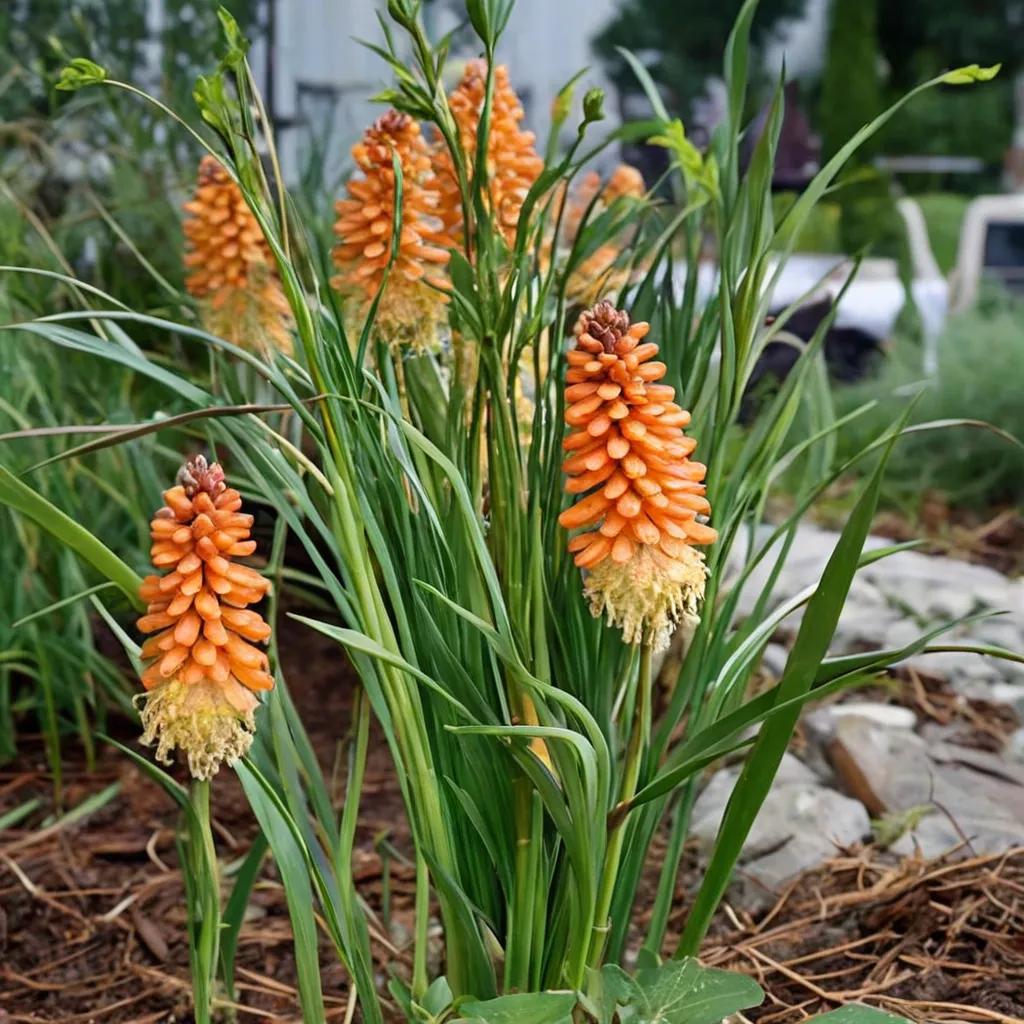
The Story
Plant Bio
Kniphofia is a genus of clump-forming, rhizomatous perennials native to the grasslands and mountain regions of Africa. They produce upright, unbranched scapes topped with dense, terminal racemes of tubular flowers that open from the bottom upward.
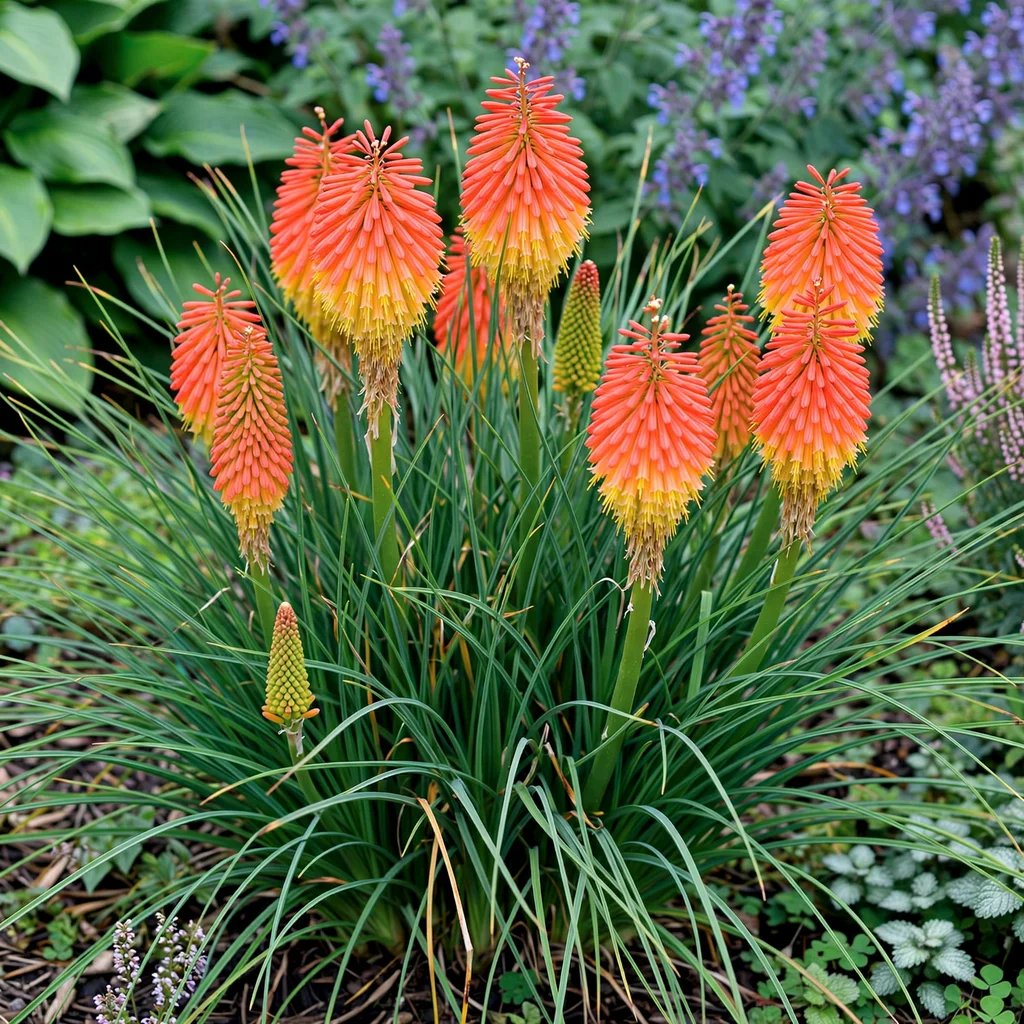
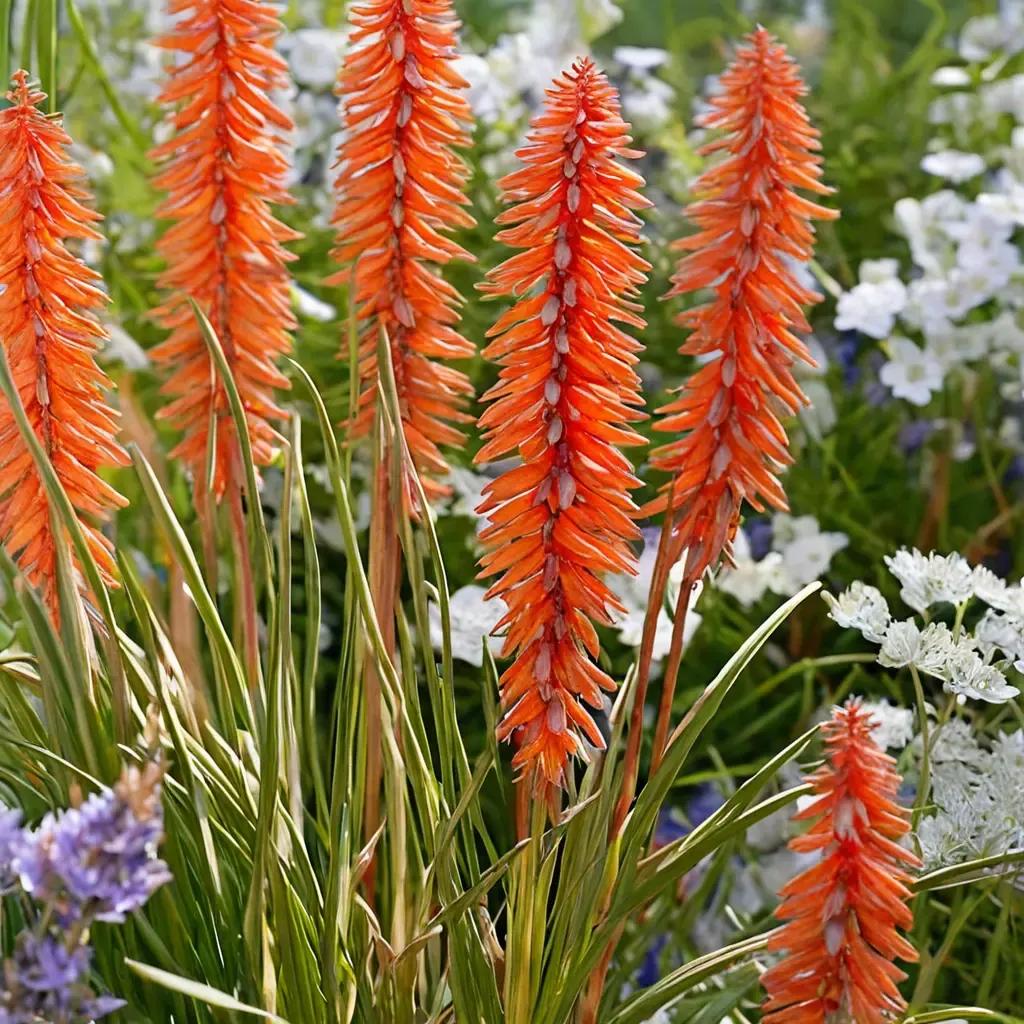
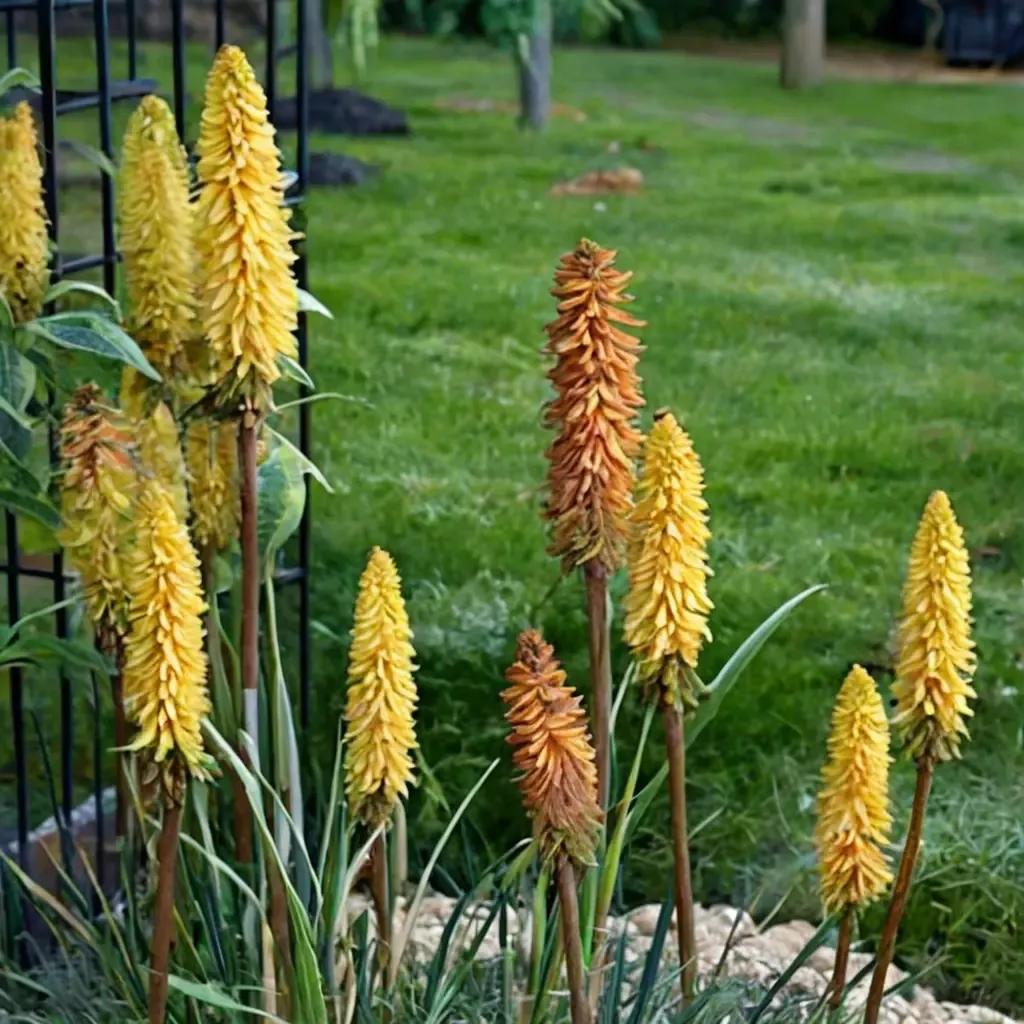
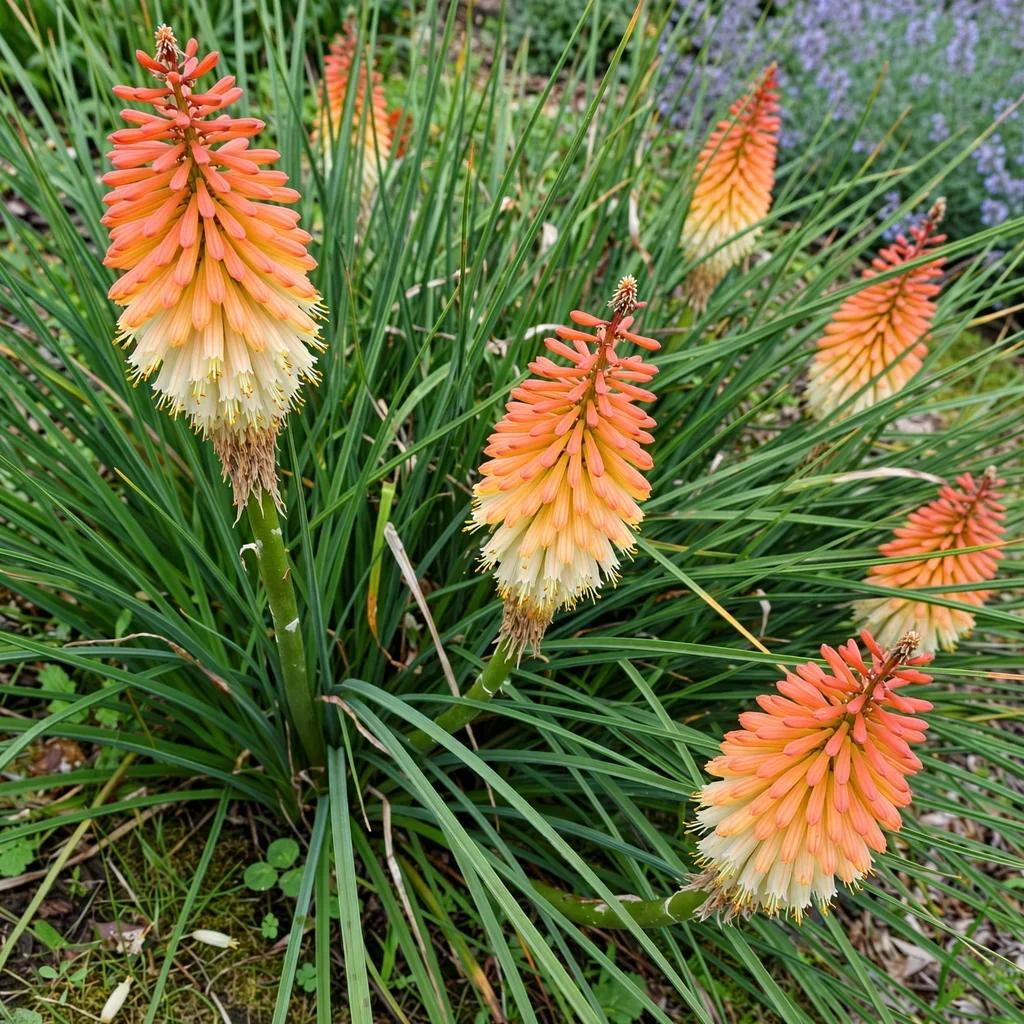
'Papaya Popsicle' is a compact, dwarf cultivar from the Popsicle series featuring a neat, grass-like habit of narrow, arching leaves. The two-tone flower spikes emerge coral-red and mature to a warm papaya-orange and cream-yellow from early summer through fall.
Uses & Benefits:
Bred from more than one wild species, so it has no species page of its own.
Essentials
At a Glance
Plant Type
Perennial
Height
24"
Width
18"
Light
Full Sun, Partial Sun
Zones
6, 7, 8, 9
Water
Low to Moderate
Humidity
Moderate
Lifespan
Perennial
Native To
Africa (genus)
Toxicity
Non-toxic
Bloom period
Early summer – Early fall
In flower about 4 months of the year
Marketplace
Where to Buy
Shipping costs Year-round shipping Free shipping
Planting
How to Grow
- Select a site in full sun with exceptionally well-draining, sandy or loamy soil.
- Dig a hole twice the width of the root ball and install the plant so the crown sits level with or slightly above the surrounding soil.
- Water thoroughly at planting and maintain moderate moisture until the root system is established.
- Apply a thin layer of organic mulch around the base, keeping it clear of the immediate crown to prevent moisture retention.
Pro Tip
In Zone 6, tie the grassy foliage loosely together over the crown in late fall to form a protective canopy that prevents winter water and ice from pooling in the center.
Keep It Thriving
Care Guide
Do
- Cut back spent flower spikes to the base of the plant to stimulate continuous re-blooming.
- Ensure the soil drains rapidly, particularly during the winter months when wet crowns are susceptible to rot.
- Apply a balanced, slow-release fertilizer in early spring as new growth begins.
Don't
- Do not plant in heavy, poorly draining clay soils that retain water around the roots.
- Do not divide the plant frequently, as the fleshy root system dislikes soil disturbance.
- Do not prune hard into old, leafless woody tissue at the base of the crowns.
Seasonal Care Calendar
| Task | Jan | Feb | Mar | Apr | May | Jun | Jul | Aug | Sep | Oct | Nov | Dec |
|---|---|---|---|---|---|---|---|---|---|---|---|---|
| Deadhead | ||||||||||||
| Divide | ||||||||||||
| Fertilize | ||||||||||||
| Spring Cleanup | ||||||||||||
| Winter Prep |
Watch Out For
Pests & Diseases
Common Pests
Common Diseases
In the Garden
Landscape Uses & Companions
Landscape Uses
Multiply
Propagation Methods
Good to Know
Common Questions
Red Hot Poker questions
What zones can Red Hot Poker grow in?
Red Hot Poker is hardy in USDA Zones 6–9. Inside that range it survives winter in the ground; outside it, grow it as an annual or a container plant you protect.
Is Red Hot Poker deer resistant?
Yes — Red Hot Poker is rated deer-resistant. Deer typically pass it over, though extreme hunger can override any plant's defenses.
When does Red Hot Poker bloom?
Red Hot Poker typically blooms in early summer through early fall. Exact timing shifts a week or two with your zone — Sow's bloom calendar maps it to your garden.
Does Red Hot Poker need full sun?
Red Hot Poker does best in full sun to part shade. In hot climates, afternoon shade keeps blooms fresher longer.
Is Red Hot Poker drought tolerant?
Yes — once established (usually after the first full season), Red Hot Poker handles dry spells with minimal watering. Water deeply its first year to build the root system that makes that possible.
More Kniphofia to compare
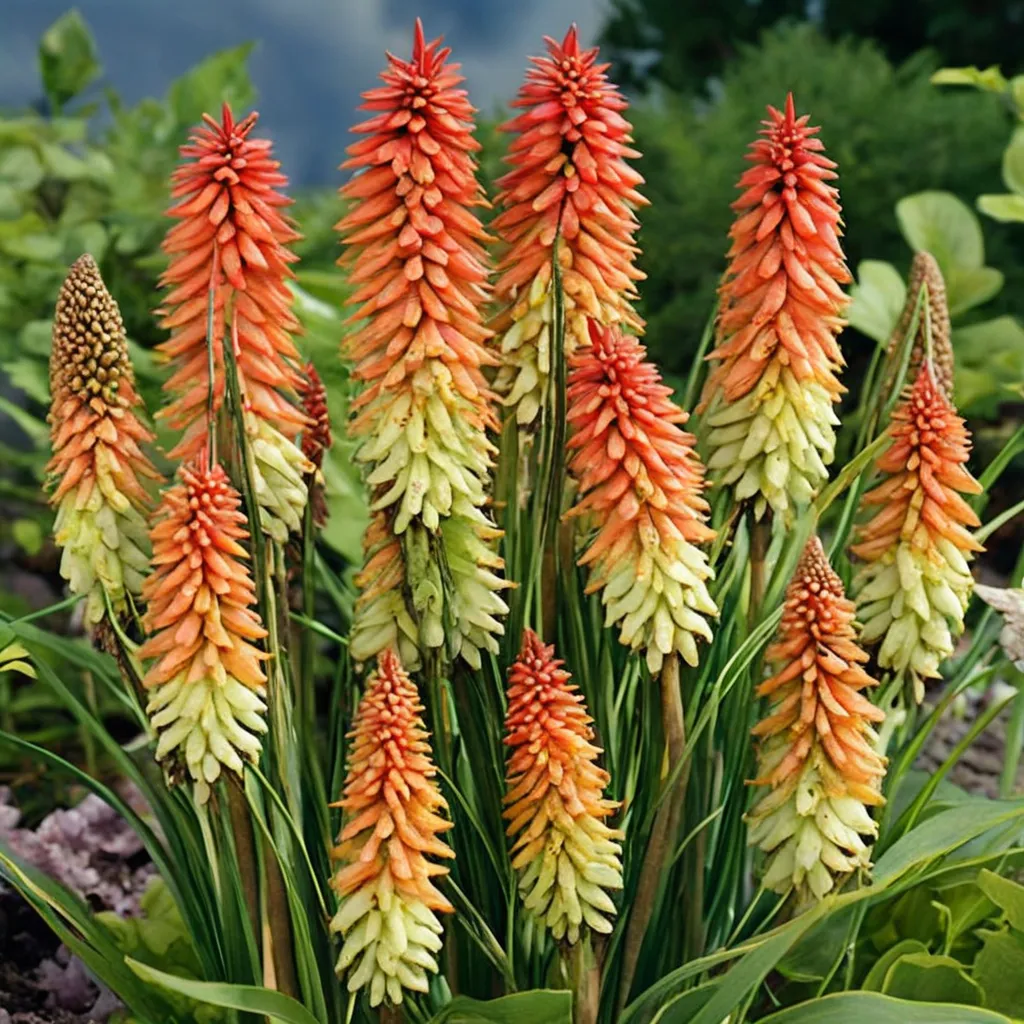
Flamenco Red Hot Poker
Kniphofia uvaria 'Flamenco'
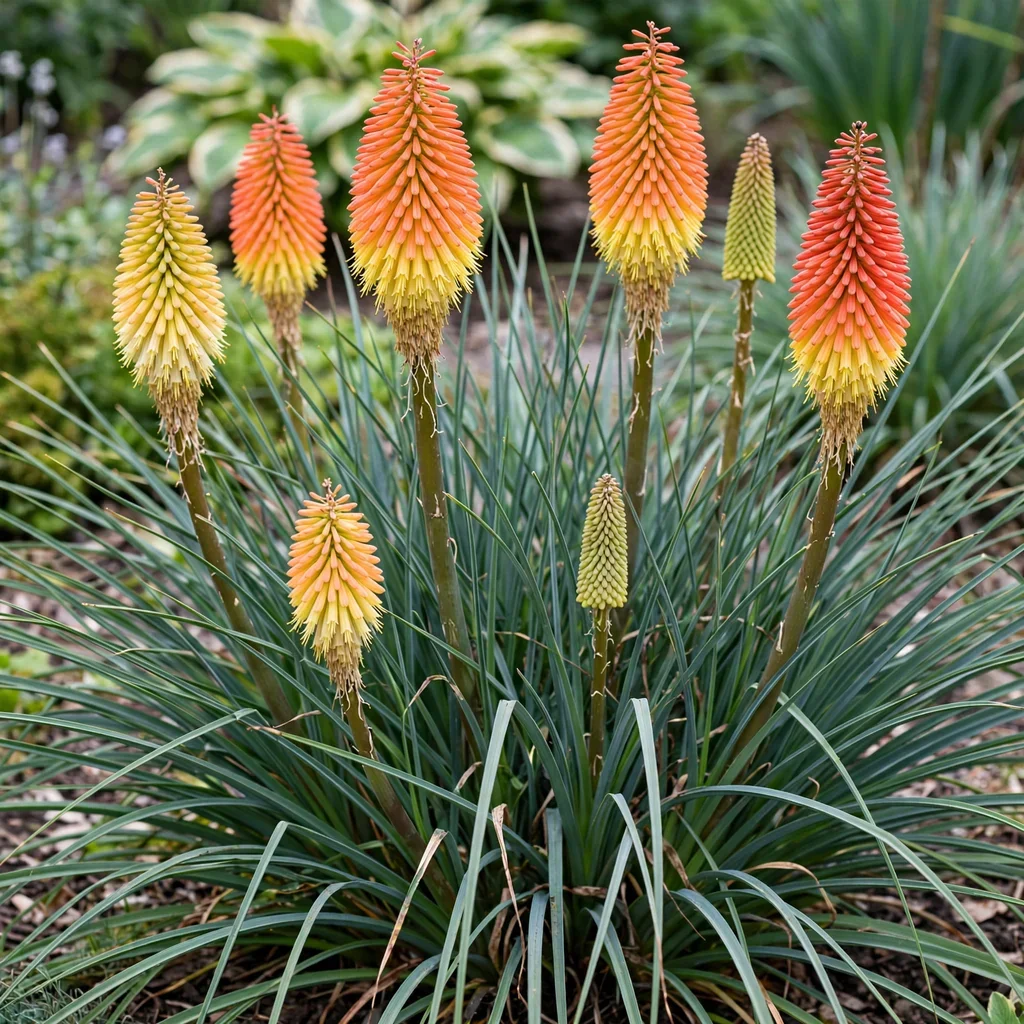
Border Ballet Red Hot Poker
Kniphofia uvaria 'Border Ballet'
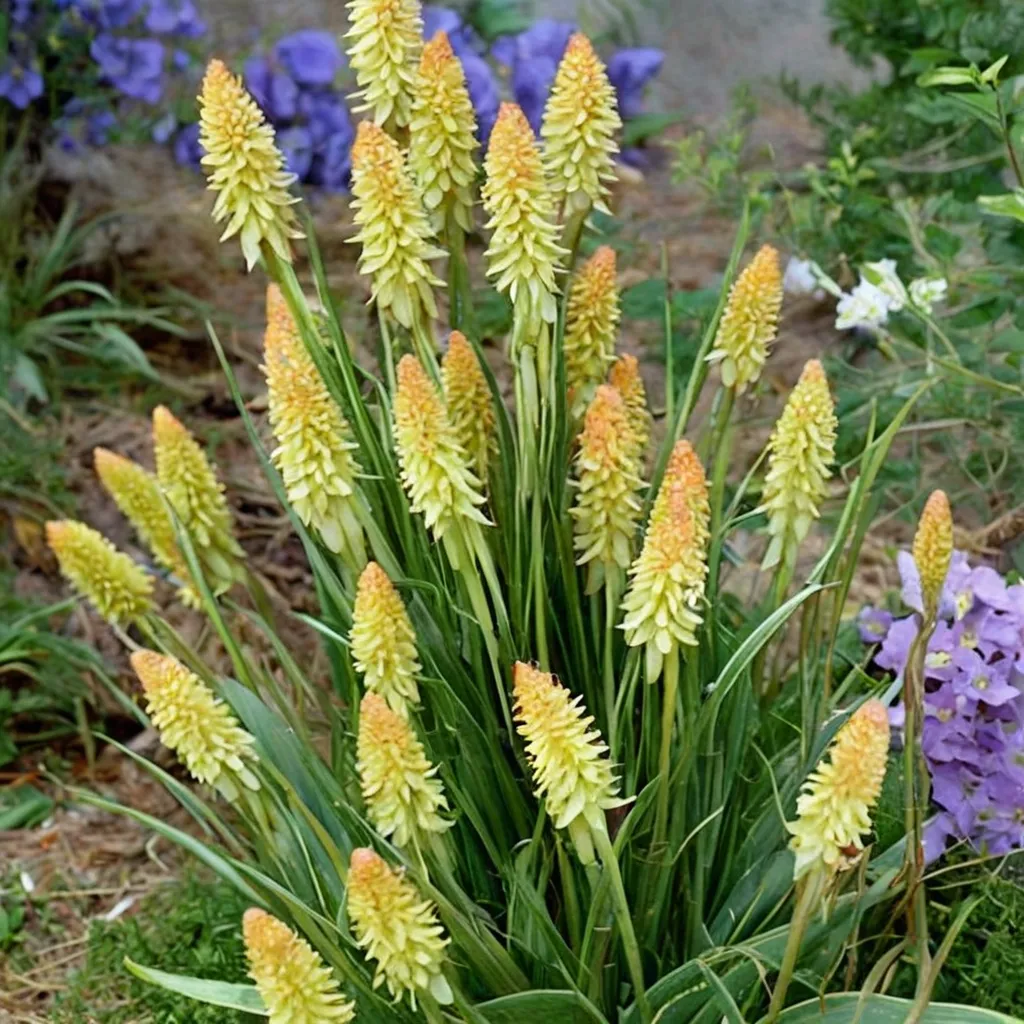
Candlelight Red Hot Poker
Kniphofia uvaria 'Candlelight'
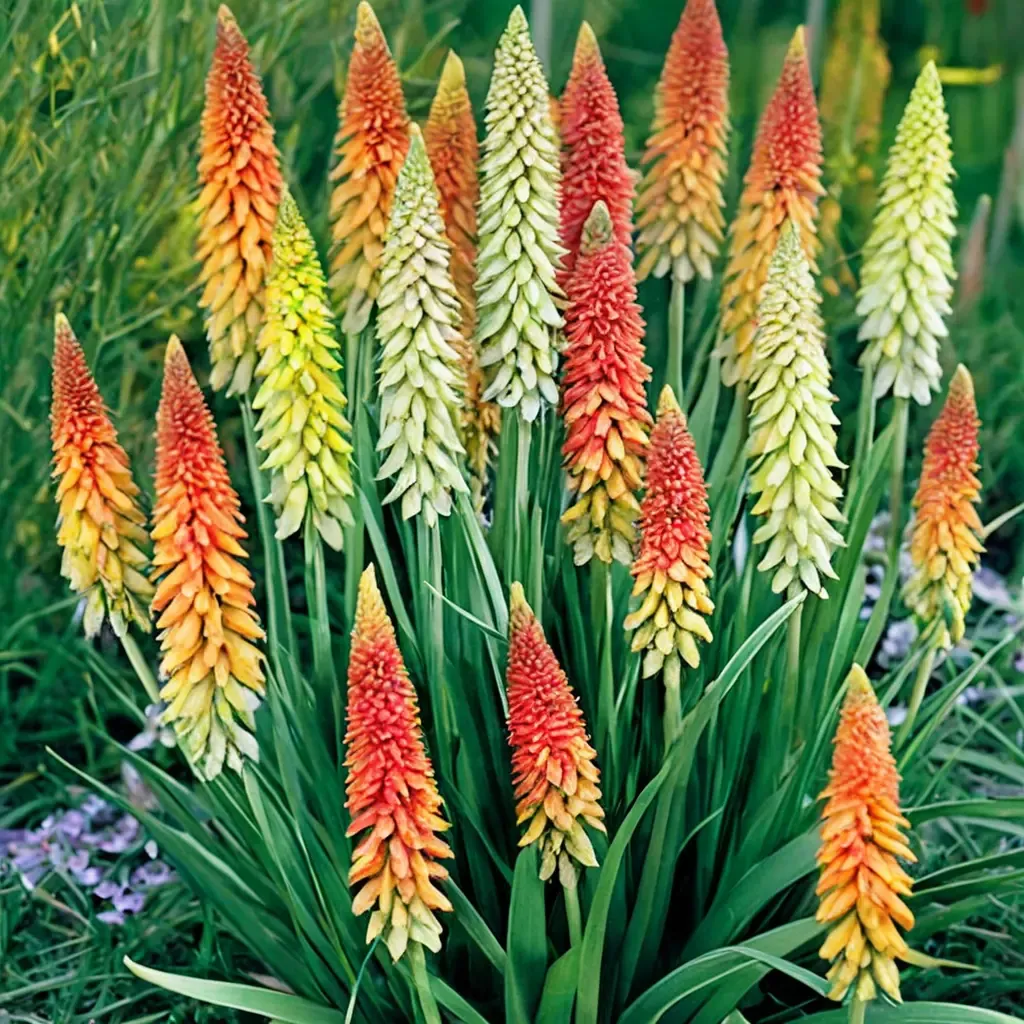
Red Hot Poker Mix
Kniphofia uvaria 'Mix'
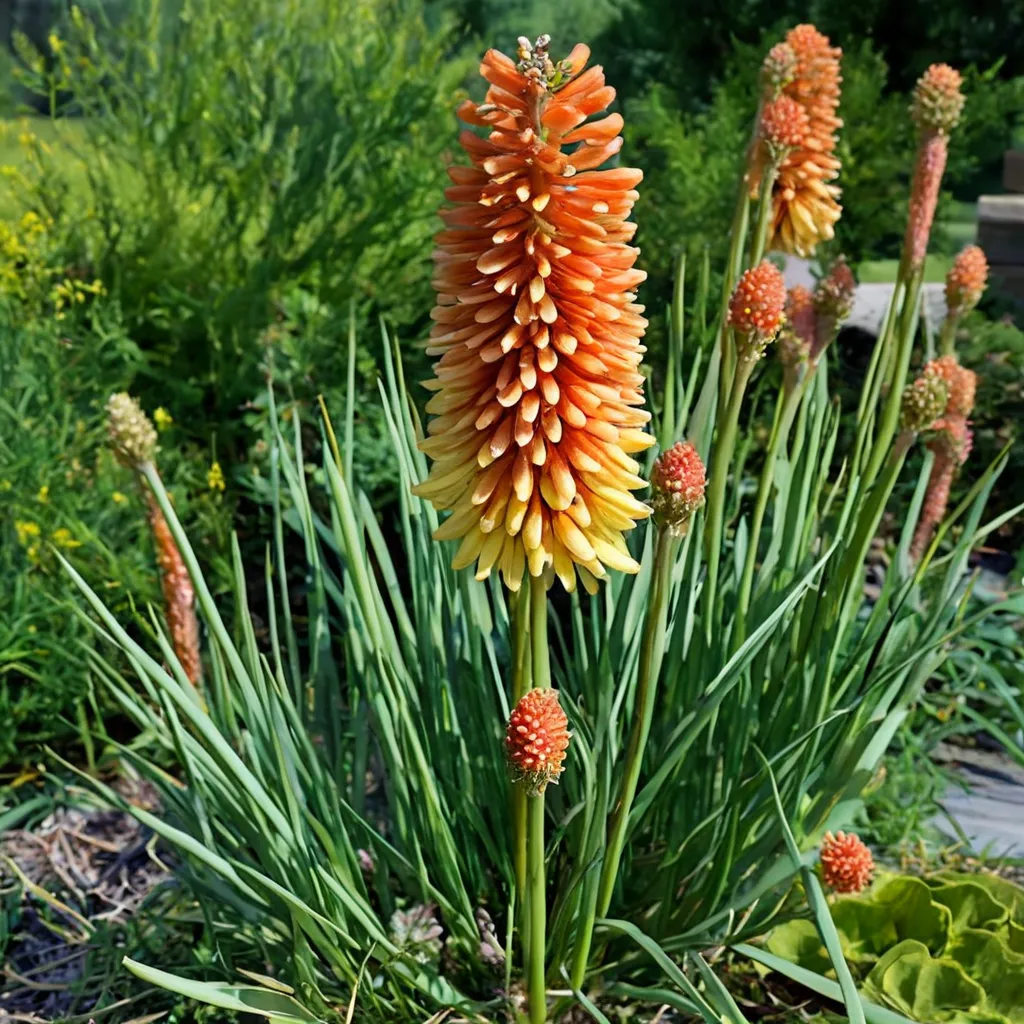
Fairyland Red Hot Poker
Kniphofia uvaria 'Fairyland Hybrids'
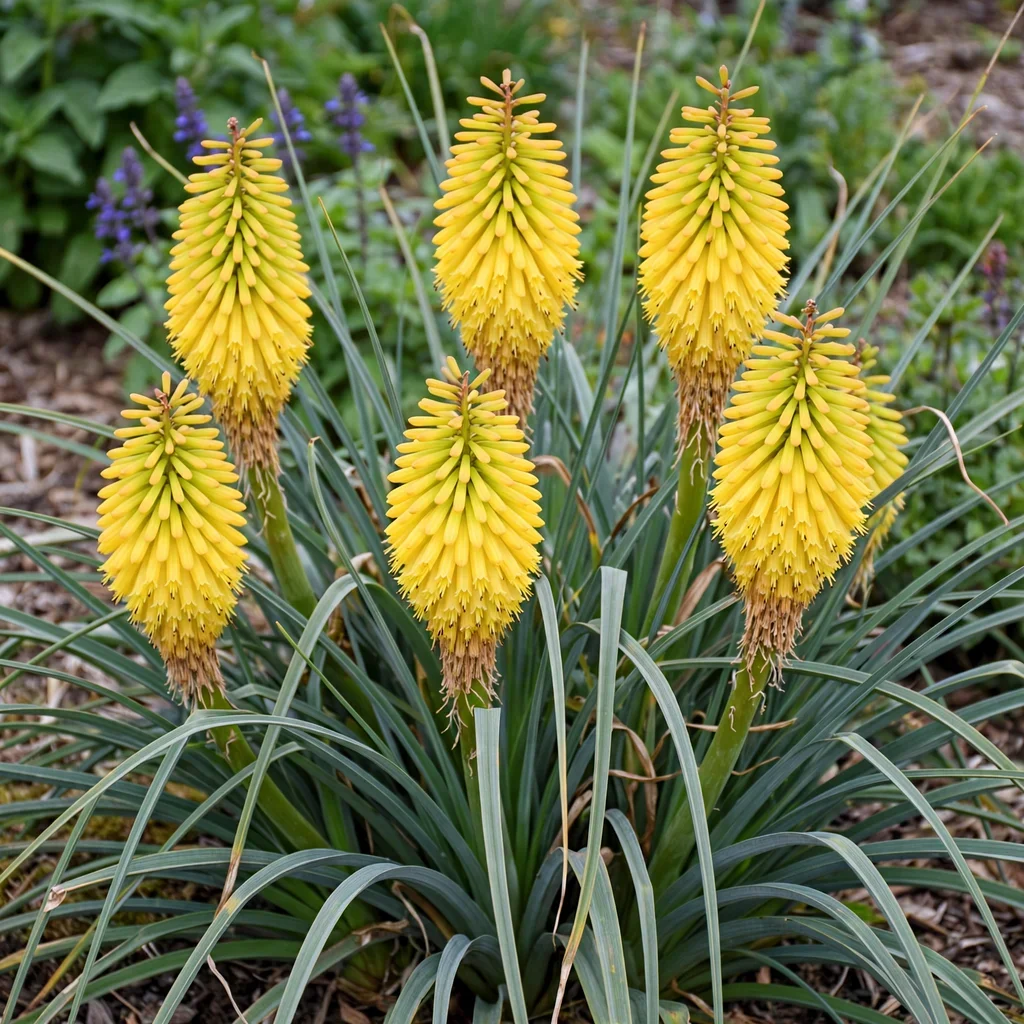
Gold Rush Red Hot Poker
Kniphofia uvaria 'Gold Rush'
Keep exploring
Explore the genus
Hardy in your zone?
Grow Red Hot Poker with confidence
See it in a design of your actual yard, get zone-matched care reminders, and track it season by season in your garden journal.