The Story
Plant Bio
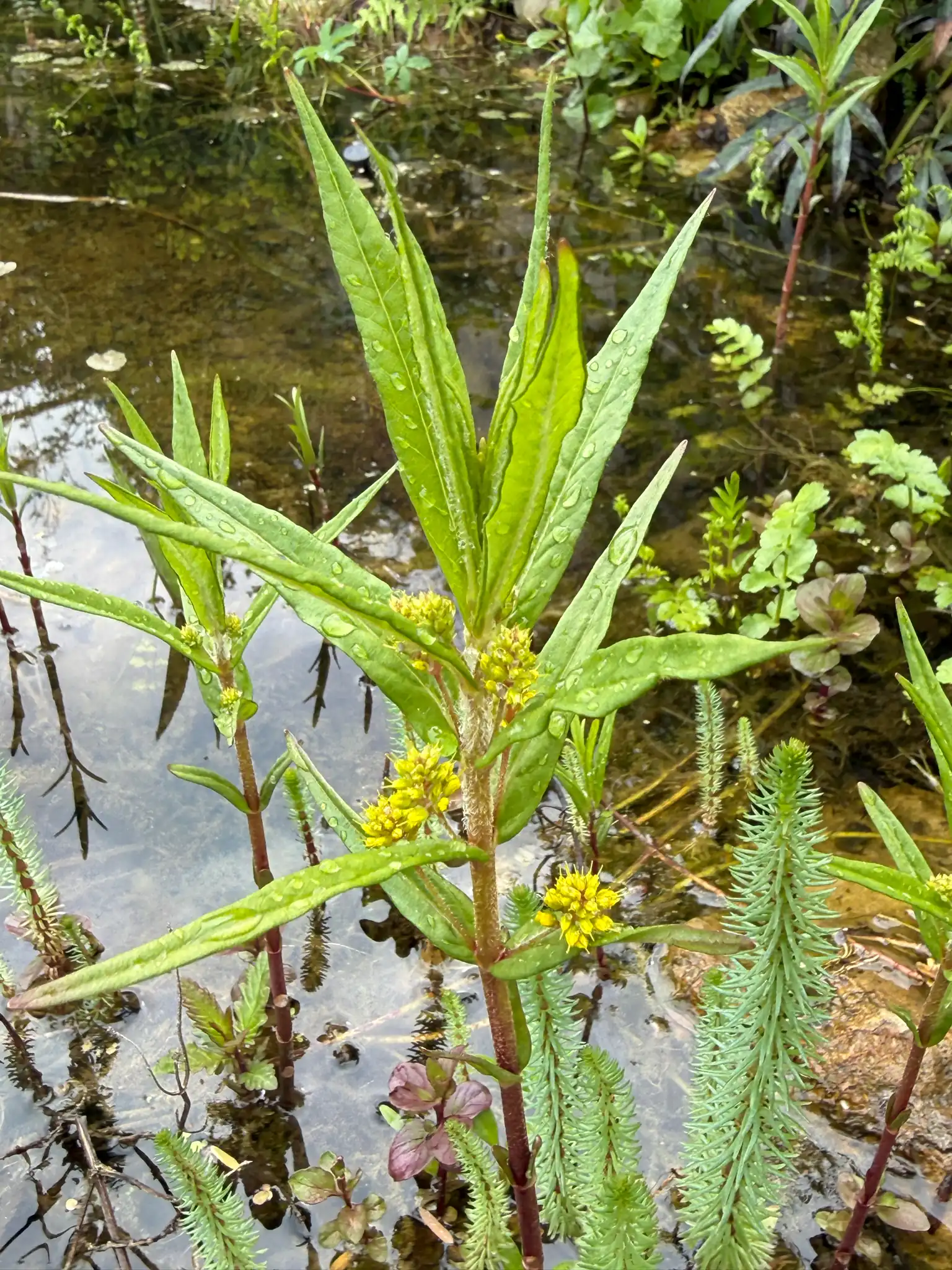
Lysimachia thyrsiflora, known as tufted loosestrife, is an upright herbaceous wetland perennial native to northern temperate regions across North America, Europe, and Asia. It produces unbranched stems lined with opposite, lanceolate leaves that bear distinct reddish or dark gland dots on their surfaces.
Unlike invasive garden loosestrifes that carry flower spikes at the stem tips, this native specialist forms dense, bushy clusters of small yellow flowers in the leaf axils along the mid-stem. The star-like blooms feature reddish-brown dotted yellow petals with prominent stamens, appearing from late spring through mid-summer.
Uses & Benefits:
Essentials
At a Glance
Plant Type
Perennial
Height
39"
Width
24"
Light
Full Sun, Partial Sun
Zones
4, 5, 6, 7, 8
Water
High / Saturated
Humidity
High
Lifespan
Perennial
Native To
North America, Europe, Asia
Toxicity
Non-toxic
Bloom period
Late spring – Mid summer
In flower about 3 months of the year
Planting
How to Grow
- Select a site in full sun to partial shade with humus-rich, wet soil or shallow standing water up to eight inches deep.
- Set bare-root divisions or potted plants into the mud so the crown sits level with or slightly below the water surface.
- Keep soil continuously saturated during establishment, never allowing the root zone to dry out.
- Divide spreading clumps every few years in spring or fall if growth becomes congested.
Pro Tip
Plant in continuously wet or saturated soil, or submerge pots in up to eight inches of standing water; soil drying causes immediate leaf browning and stem dieback.
Keep It Thriving
Care Guide
Do
- Maintain submerged or continuously wet soil conditions around the roots.
- Divide overgrown rhizomatous clumps in spring or fall to manage spreading.
Don't
- Do not allow the soil bed or container to dry out during the growing season.
- Do not prune severely into old, leafless rhizomes at the base of the plant.
Seasonal Care Calendar
| Task | Jan | Feb | Mar | Apr | May | Jun | Jul | Aug | Sep | Oct | Nov | Dec |
|---|---|---|---|---|---|---|---|---|---|---|---|---|
| Divide | ||||||||||||
| Pest Check | ||||||||||||
| Plant | ||||||||||||
| Prune |
Watch Out For
Pests & Diseases
Common Pests
Common Diseases
In the Garden
Landscape Uses & Companions
Landscape Uses
Companion Plants
Multiply
Propagation Methods
Good to Know
Common Questions
Tufted Loosestrife questions
What zones can Tufted Loosestrife grow in?
Tufted Loosestrife is hardy in USDA Zones 4–8. Inside that range it survives winter in the ground; outside it, grow it as an annual or a container plant you protect.
Is Tufted Loosestrife deer resistant?
Yes — Tufted Loosestrife is rated deer-resistant. Deer typically pass it over, though extreme hunger can override any plant's defenses.
When does Tufted Loosestrife bloom?
Tufted Loosestrife typically blooms in late spring through mid summer. Exact timing shifts a week or two with your zone — Sow's bloom calendar maps it to your garden.
Does Tufted Loosestrife need full sun?
Tufted Loosestrife does best in full sun to part shade. In hot climates, afternoon shade keeps blooms fresher longer.
More Lysimachia to compare
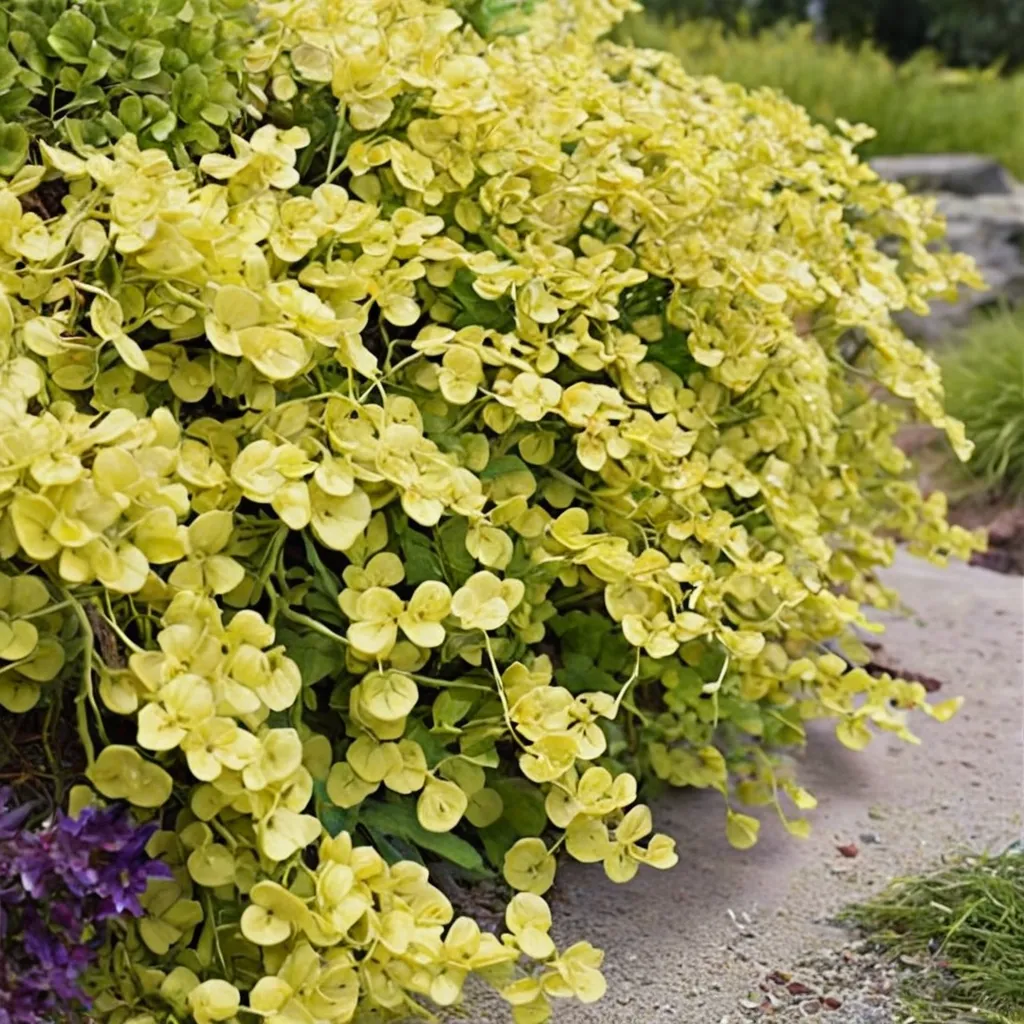
Goldilocks Golden Creeping Jenny
Lysimachia nummularia 'Goldilocks'
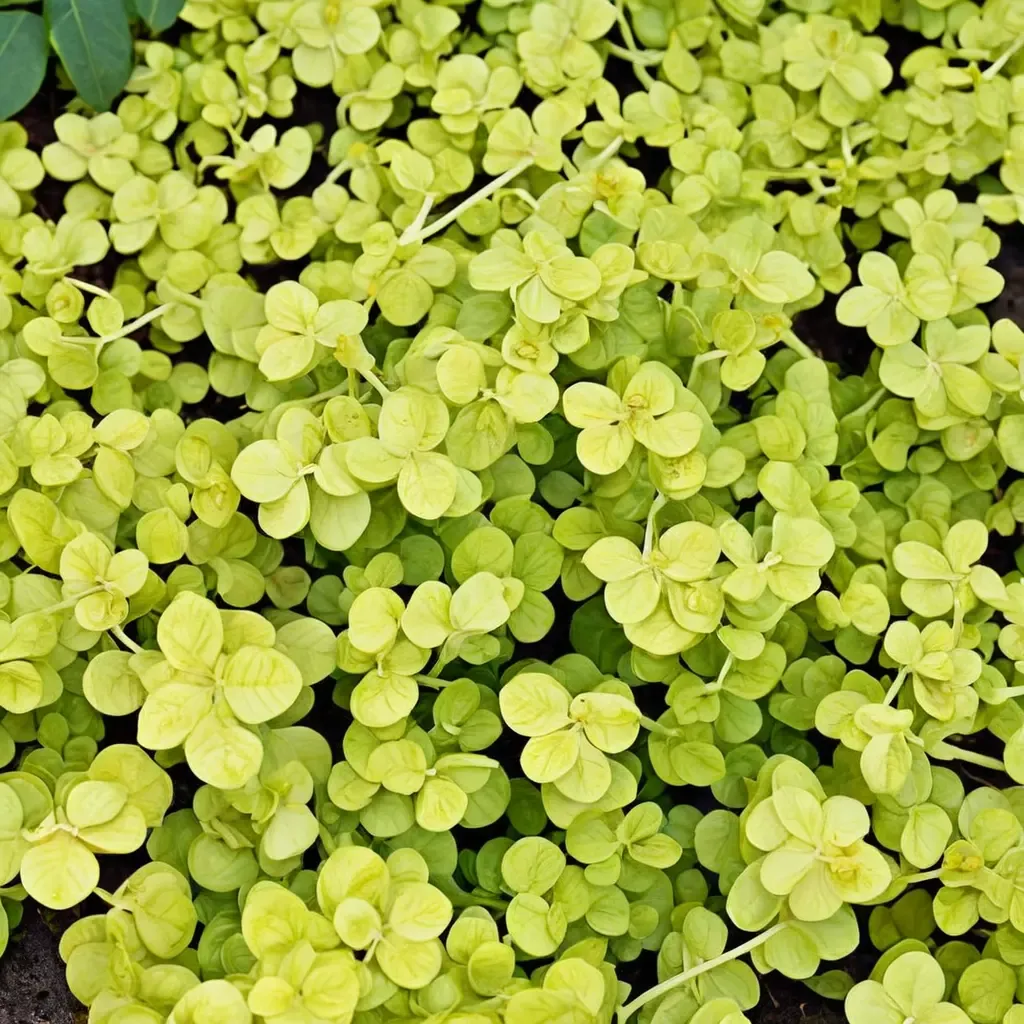
Golden Moneywort
Lysimachia nummularia 'Aurea'
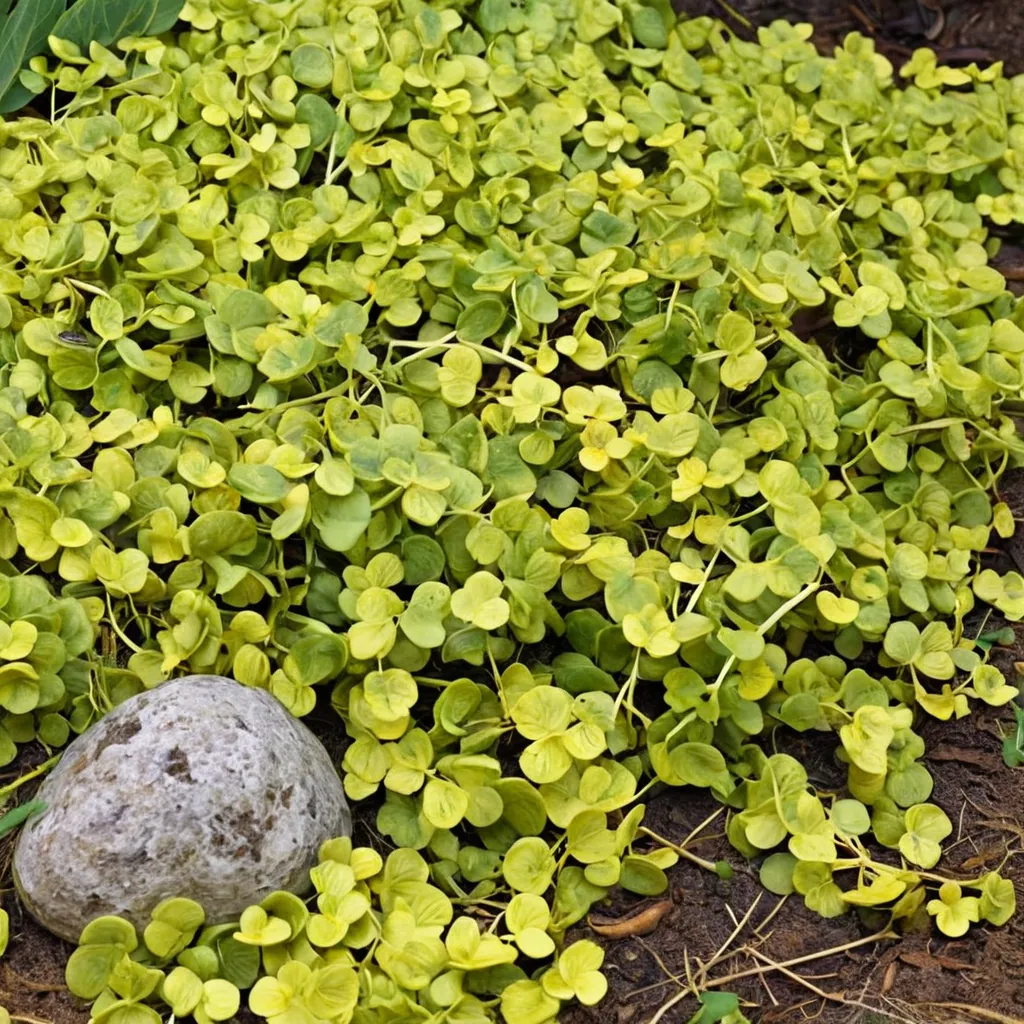
Golden Creeping Jenny
Lysimachia nummularia 'Golden'
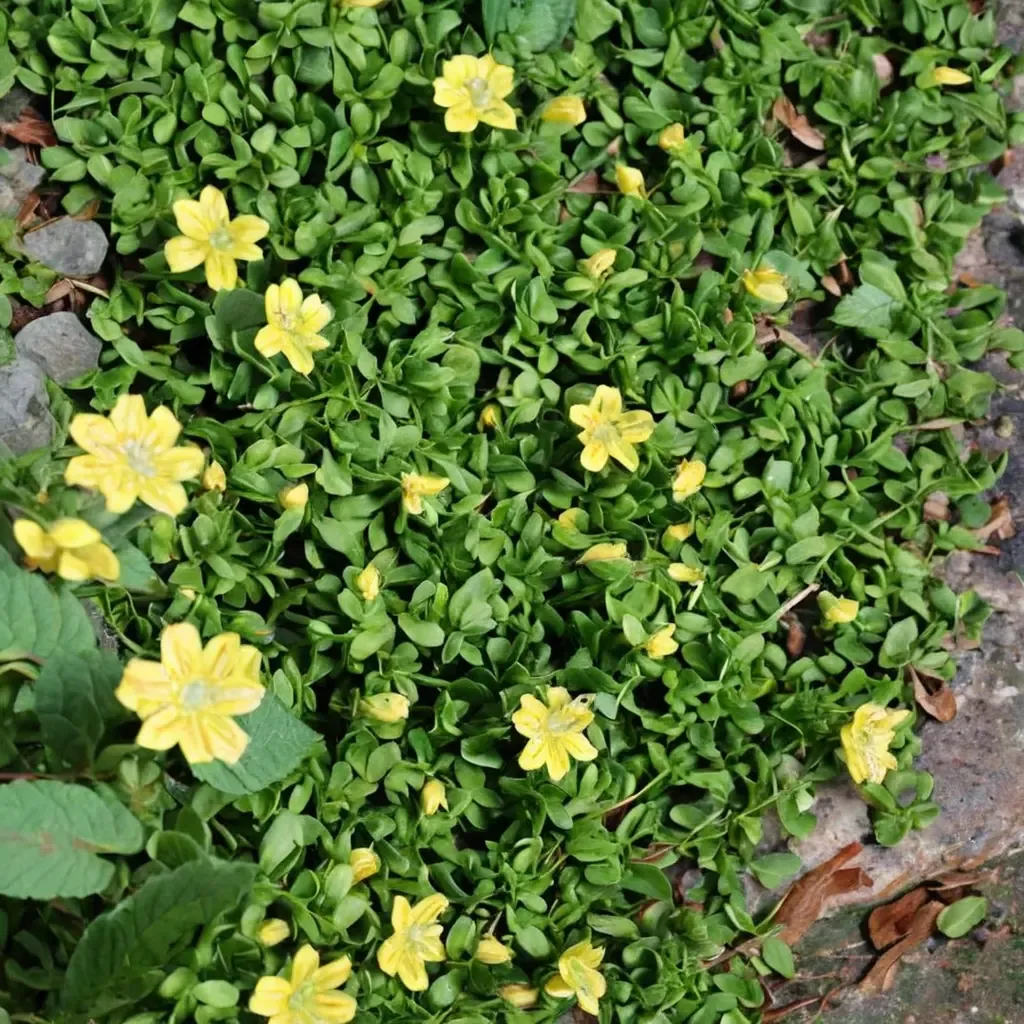
Miniature Creeping Jenny
Lysimachia japonica 'Minutissima'
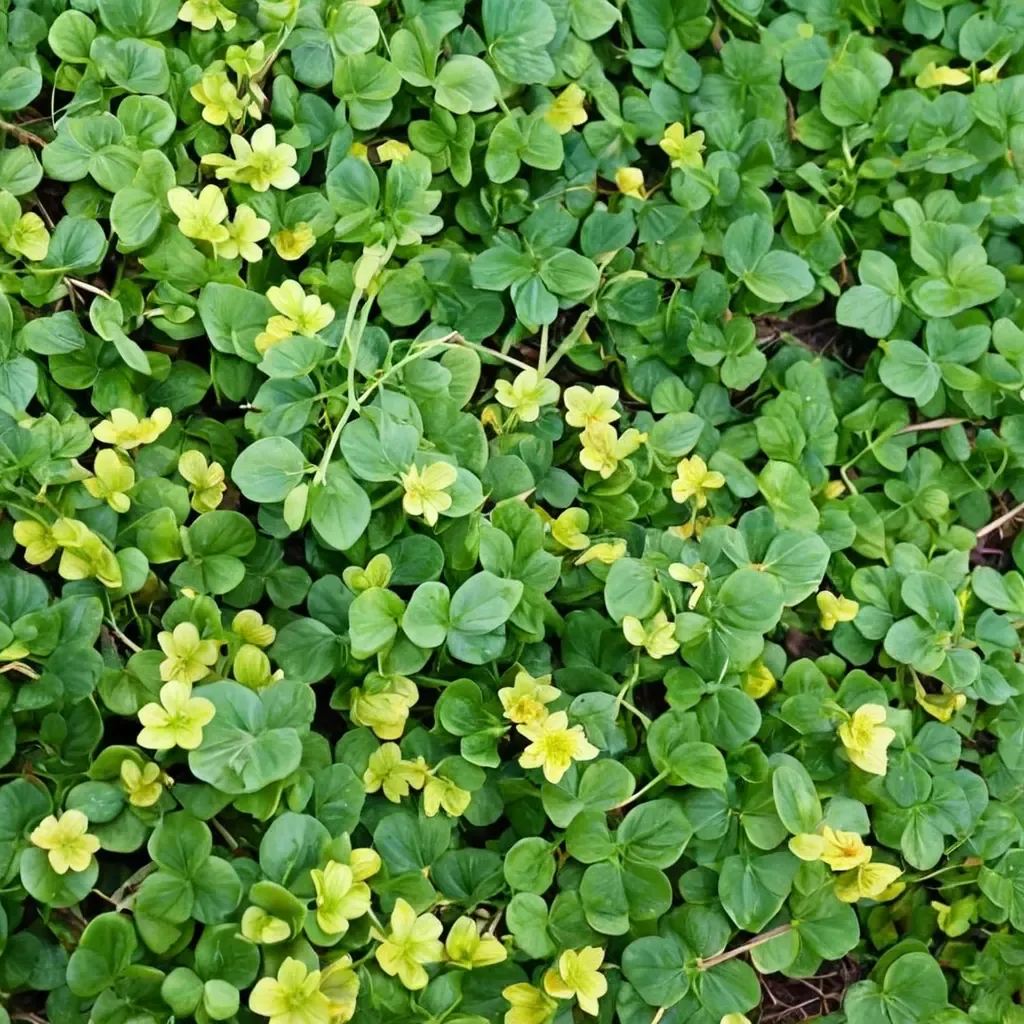
Creeping Jenny
Lysimachia nummularia
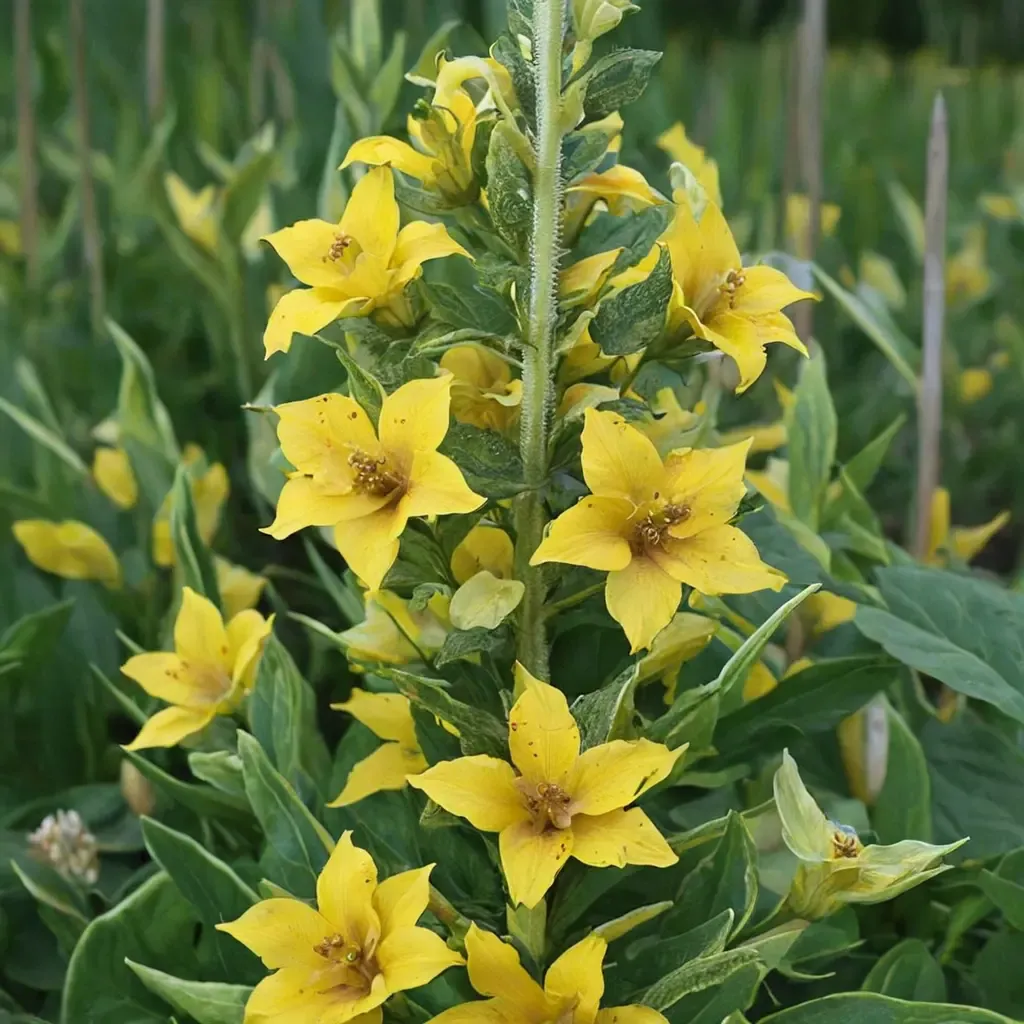
Yellow Loosestrife
Lysimachia punctata
Keep exploring
Explore the genus
Hardy in your zone?
Grow Tufted Loosestrife with confidence
See it in a design of your actual yard, get zone-matched care reminders, and track it season by season in your garden journal.