Also known as Cattail · 2 saves
Typha
Typha, the genus most gardeners know as cattail. We track 3 varieties; the ones most used by real gardeners.
The 3 most-saved Typha varieties
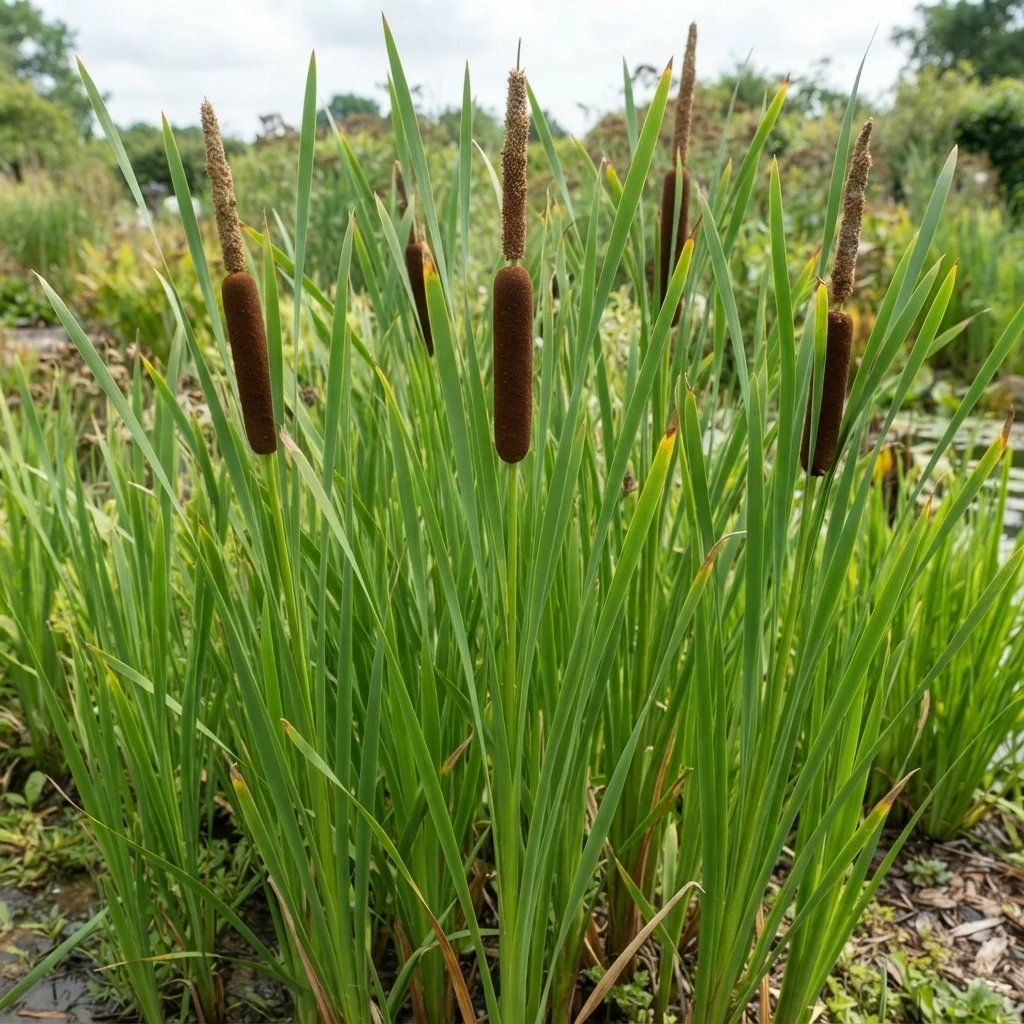
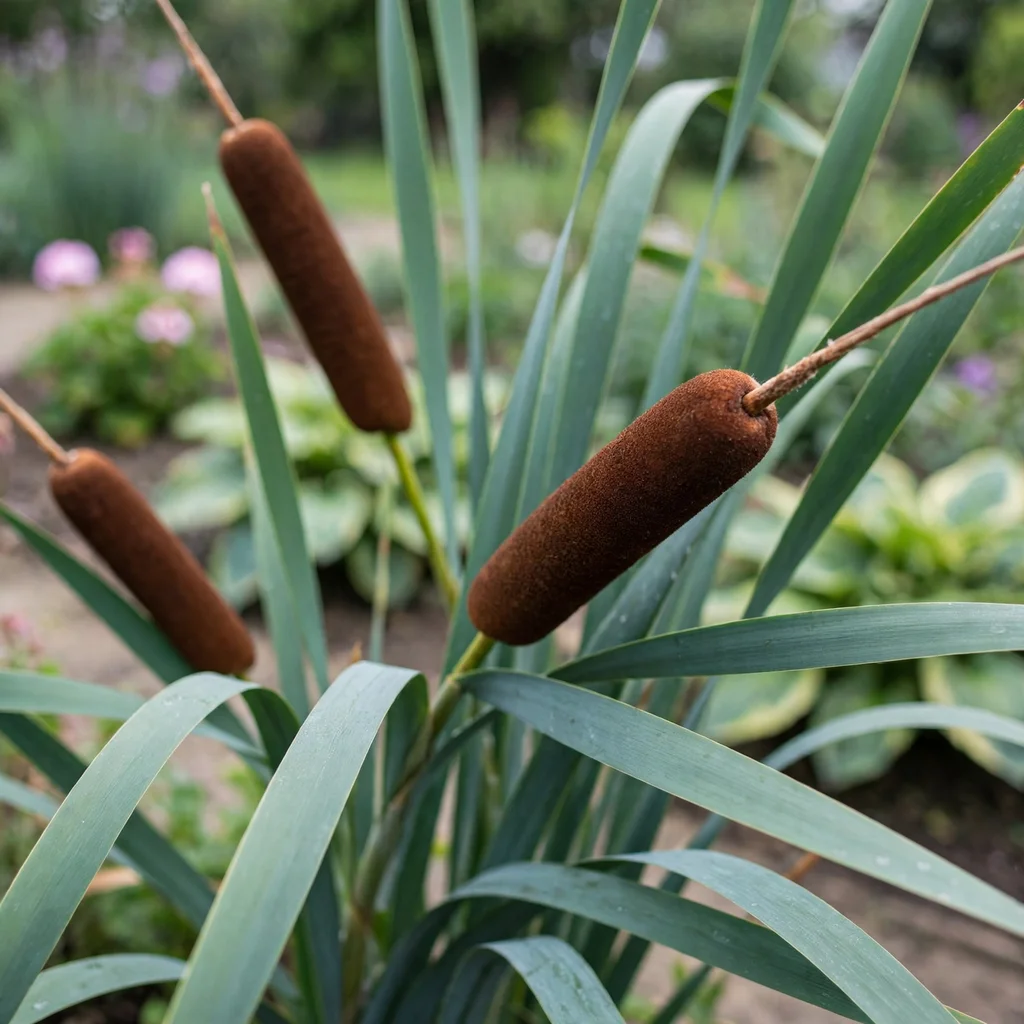
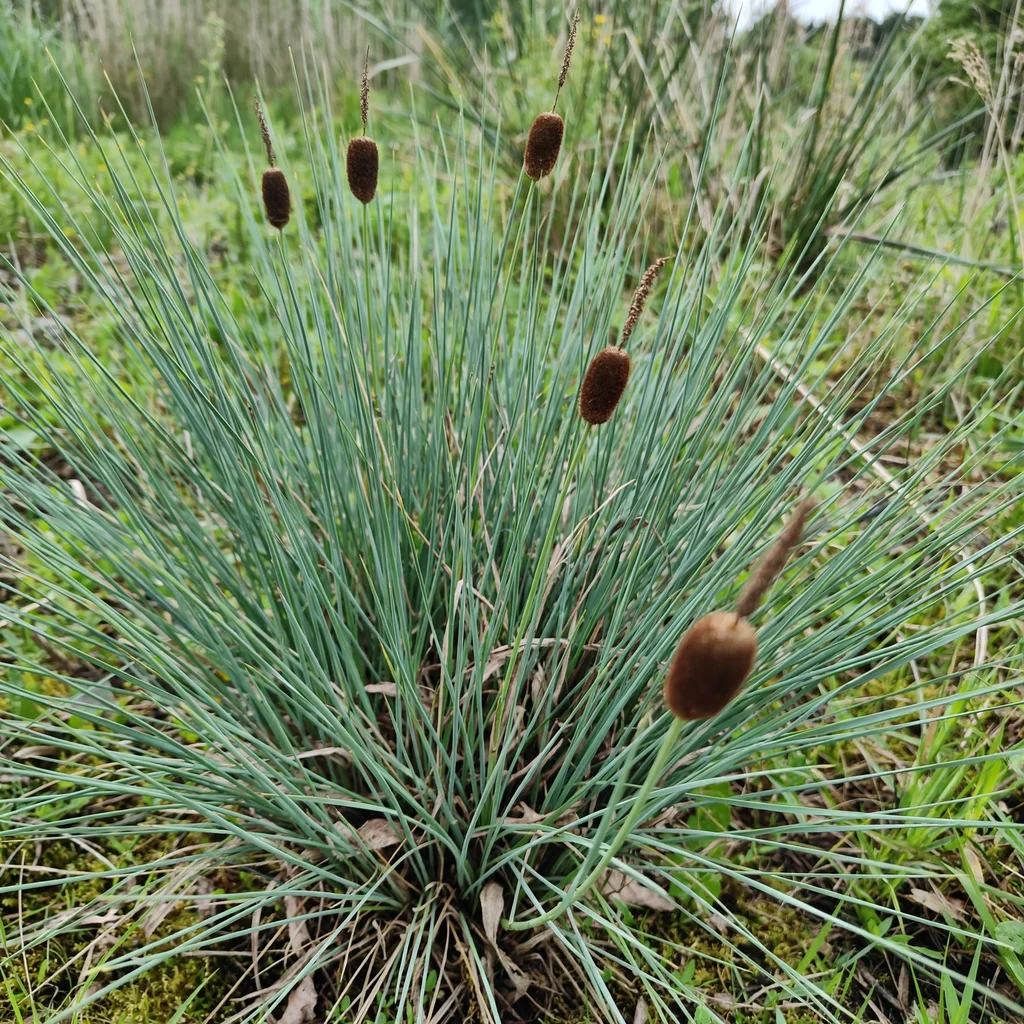
3 species of Typha
Each one is a parent of the varieties above.
Track your Typha in Sow
Save the Typha you grow and get care reminders timed to your zone.
How to grow Typha
Whats common across all Typha varieties in our catalog — drawn from the care records of the 3 most-grown of them.
The Typha year
- DivideMarch and April100% of varieties
Lift and divide congested rhizomes to control spread or propagate new plants.
- Check for PestsJune and July100% of varieties
Inspect stems for boring caterpillars and wipe away aphid colonies on new shoots.
- Winter PrepNovember and December67% of varieties
Leave standing foliage intact through winter to provide wildlife cover and protect the crown from deep freezing.
- Spring CleanupMarch and April67% of varieties
Cut dead brown foliage and spent flower spikes back to the water line before new growth emerges.


Do
- Grow in full sun to ensure strong stem development and abundant flowering.
- Keep the soil constantly saturated or submerged, as drying out kills the root system.
- Use heavy, solid-sided pots to prevent the sharp rhizomes from escaping into the wider pond.
- Grow in heavy-duty containment pots to control the aggressive rhizomatous spread.
- Cut dead foliage back to the water level once a year in late winter.
Avoid
- Do not plant directly into unlined earth ponds or near flexible pond liners.
- Do not prune into live, green tissue during the active summer growing season.
- Do not handle the leaves roughly without gloves, as the sharp margins can cause skin cuts.
- Do not plant directly into unlined garden ponds or earth-bottomed features without root barriers.
What goes wrong with Typha
| Problem | What you'll see | What to do |
|---|---|---|
| Aphids | Clusters of small, soft-bodied insects on new green growth, causing minor leaf curling. | Blast the foliage with a strong stream of water to dislodge them; chemical controls are rarely necessary. |
| Spider mites | Fine webbing and stippling on the leaves during hot, dry periods. | Increase local humidity or wash the foliage thoroughly with water. |
| Cattail caterpillar (Bellura densa) | Larvae bore into the stems, causing localized wilting and collapse of the upper foliage. | Cut and remove affected stems below the water line to destroy the larvae inside. |
| Mammalian herbivores | Chewed foliage and damaged stems from deer or muskrats. | Install physical barriers or adjust water levels to discourage access. |
| Leaf spot fungi | Brown or black lesions appearing on the strap-like leaves during warm, humid weather. | Prune away heavily spotted leaves in late winter; the fungus rarely impacts the overall vigor of the plant. |
| Root rot | Decaying rhizomes and yellowing foliage under stagnant, low-oxygen water conditions. | Ensure some water movement or maintain appropriate water hygiene. |
| Fungal leaf spot | Small, dark spots on the foliage, typically occurring under poor air circulation. | Prune away affected leaves and improve spacing around the water feature. |
Making more Typha
Division
- Dig up established rhizomes in early spring before new growth begins.
- Cut the rhizomes into sections, ensuring each piece has at least one viable bud.
- Plant the divisions immediately into containers filled with heavy soil.
- Keep the soil saturated or shallowly submerged until new shoots emerge.
Rhizome Division
- Dig up an established clump in early spring just as new green growth begins to emerge.
- Use a sharp spade or knife to slice the thick rhizomes into sections, ensuring each piece has at least one healthy growth bud.
- Trim back any damaged roots or old foliage to clean up the division.
- Replant the divisions immediately into saturated soil or heavy containers at their original depth.
Typha questions
How many types of Typha are there?
The Sow catalog tracks 3 distinct Typha varieties. The most popular — ranked by 2 real gardeners — are shown first above.
What zones does Typha grow in?
Across its varieties, Typha covers USDA Zones 4–10. Individual varieties differ — each plant page lists its exact range, and Sow filters the catalog to your zone automatically.
When does Typha bloom?
Most Typha varieties bloom in spring, summer. Staggering early, mid, and late varieties extends the genus's season in one bed.
Which Typha should I choose?
Start from the most-saved varieties above — popularity across thousands of gardens is a strong signal of reliability — then filter by your zone and sun. In the Sow app you can preview any of them in a photo of your actual yard before you buy.