The Story
Plant Bio
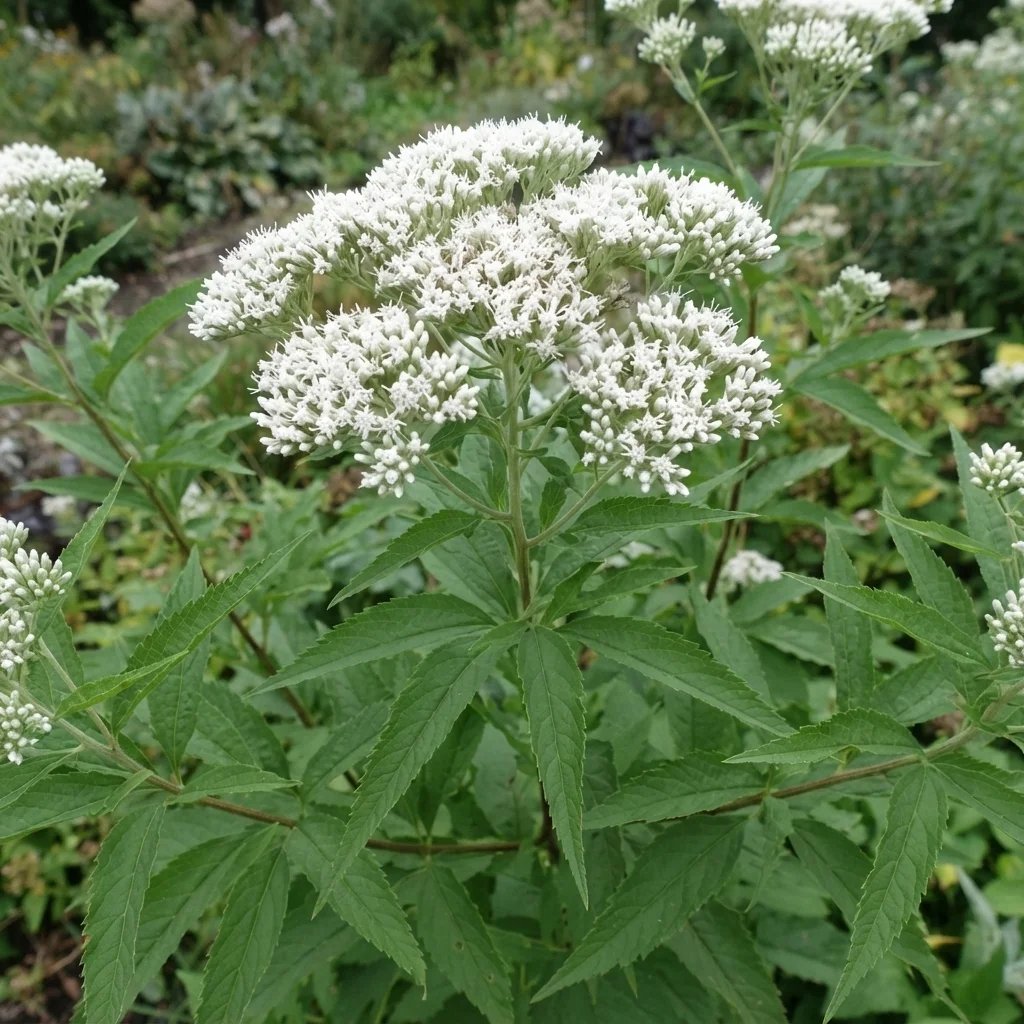
Eupatorium serotinum, commonly known as late boneset, is a clump-forming herbaceous perennial native to North America that reaches heights of three to six feet. The erect, rough-textured stems branch near the top to support flat-topped clusters of small, fuzzy white flowers from late summer through fall.
This species is distinguished by its opposite, lanceolate leaves with sharply serrate margins and its exceptional value to native pollinators late in the season. Unlike some related species, it adapts readily to clay loam and wet alluvial soils, making it highly resilient in damp or seasonally flooded areas.
Uses & Benefits:
Essentials
At a Glance
Plant Type
Perennial
Height
72"
Width
48"
Light
Full Sun, Partial Sun
Zones
5, 6, 7, 8, 9
Water
Moist
Humidity
High
Lifespan
Perennial
Native To
North America
Toxicity
Mildly toxic if ingested
Bloom period
Late summer – Fall
In flower about 4 months of the year
Planting
How to Grow
- Select a planting site in full sun to partial shade with moist, well-draining soil.
- Space plants 24 to 36 inches apart to allow for their mature clump-forming width and ensure good air circulation.
- Water regularly after planting to keep the soil consistently moist until the root system is fully established.
- Refrain from applying heavy fertilizers, as overly rich soils cause the tall stems to become leggy and fall over.
Pro Tip
Avoid cutting stems back in mid-summer as this disrupts the autumn bloom cycle; instead, leave the dead stalks through winter to protect the crown and cut them to the ground in late winter.
Keep It Thriving
Care Guide
Do
- Cut dead stems back to ground level in late winter or early spring before new growth emerges.
- Divide established root clumps every three to four years in early spring if the center becomes congested.
- Ensure adequate spacing between plants to promote air circulation and prevent powdery mildew.
Don't
- Do not prune or cut back stems during the mid-summer active growing season, which ruins the fall bloom.
- Do not over-fertilize, as rich soils lead to weak, floppy stem growth.
- Do not plant in dry, sandy soils without supplemental moisture, as severe drought causes foliage quality to decline.
Seasonal Care Calendar
| Task | Jan | Feb | Mar | Apr | May | Jun | Jul | Aug | Sep | Oct | Nov | Dec |
|---|---|---|---|---|---|---|---|---|---|---|---|---|
| Deadhead | ||||||||||||
| Divide | ||||||||||||
| Pest Check | ||||||||||||
| Spring Cleanup |
Watch Out For
Pests & Diseases
Common Pests
Common Diseases
In the Garden
Landscape Uses & Companions
Landscape Uses
Companion Plants
Multiply
Propagation Methods
Good to Know
Common Questions
Late Boneset questions
What zones can Late Boneset grow in?
Late Boneset is hardy in USDA Zones 5–9. Inside that range it survives winter in the ground; outside it, grow it as an annual or a container plant you protect.
When does Late Boneset bloom?
Late Boneset typically blooms in late summer through fall. Exact timing shifts a week or two with your zone — Sow's bloom calendar maps it to your garden.
Does Late Boneset need full sun?
Late Boneset does best in full sun to part shade. In hot climates, afternoon shade keeps blooms fresher longer.
Is Late Boneset drought tolerant?
Yes — once established (usually after the first full season), Late Boneset handles dry spells with minimal watering. Water deeply its first year to build the root system that makes that possible.
More Eupatorium to compare
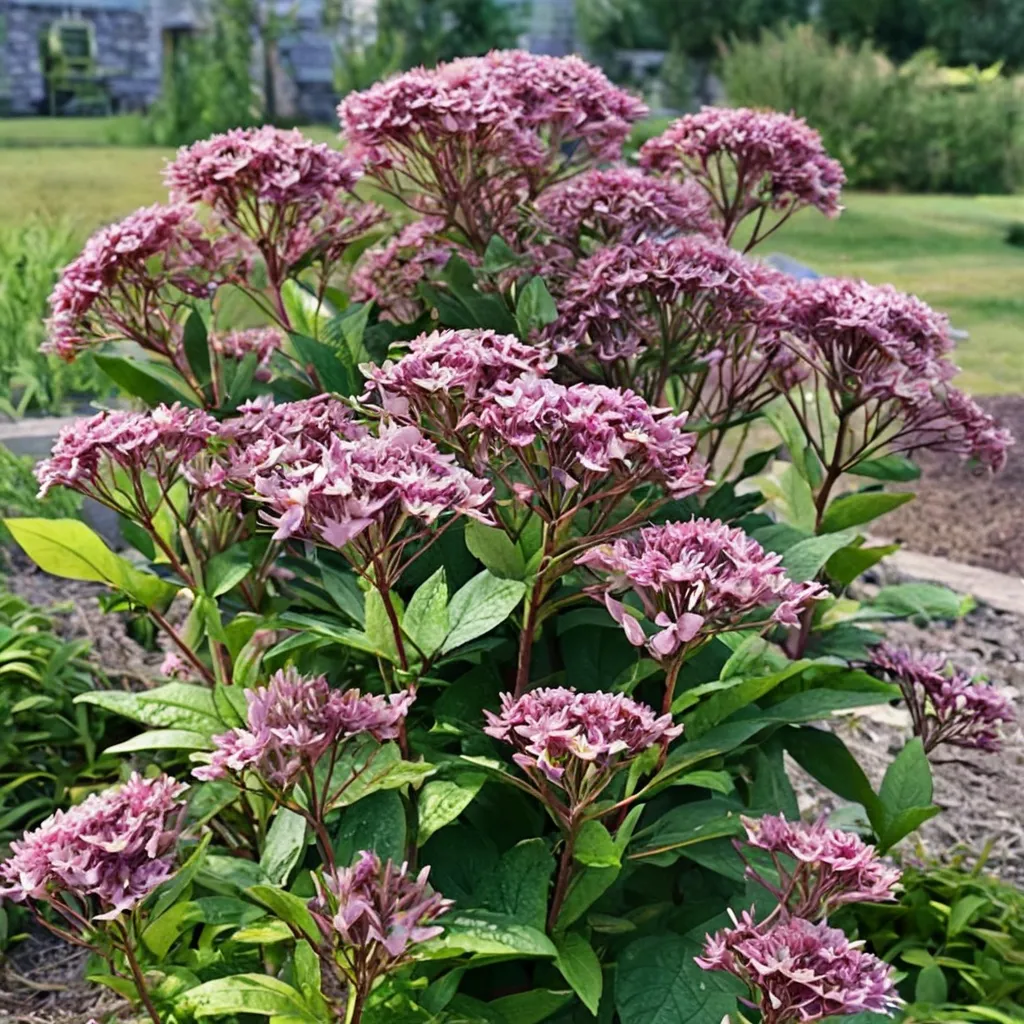
Joe Pye Weed Euphoria Ruby
Eupatorium purpureum 'Euphoria Ruby'
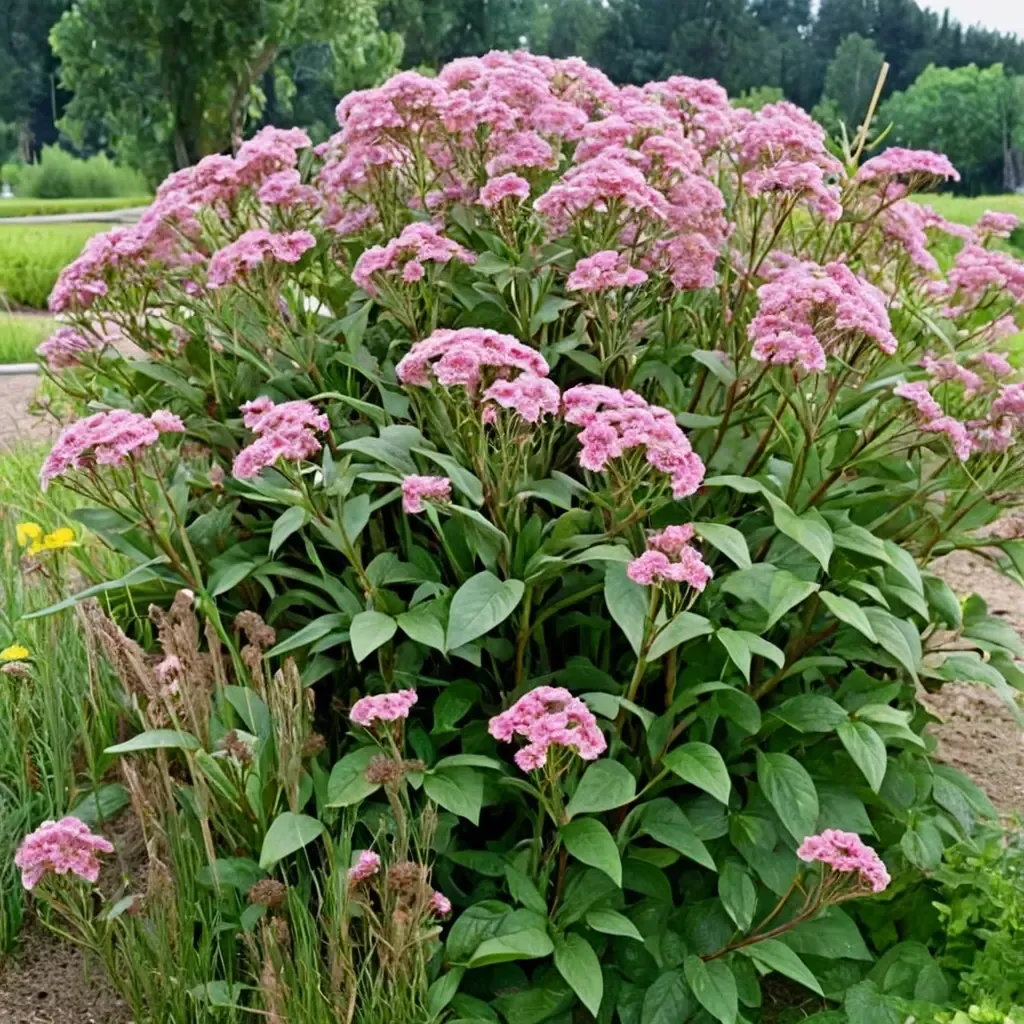
Spotted Joe-Pye Weed
Eupatorium maculatum
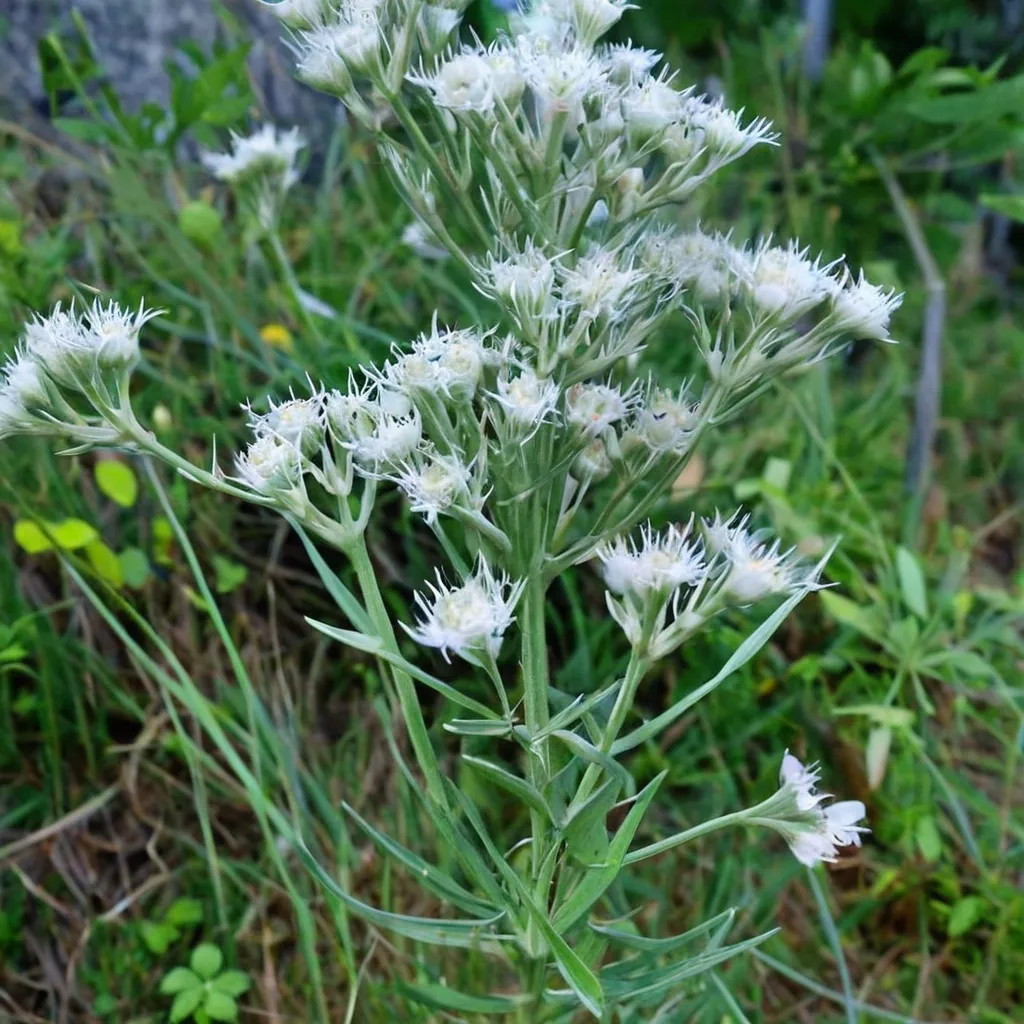
Hyssop-leaved Thoroughwort
Eupatorium hyssopifolium
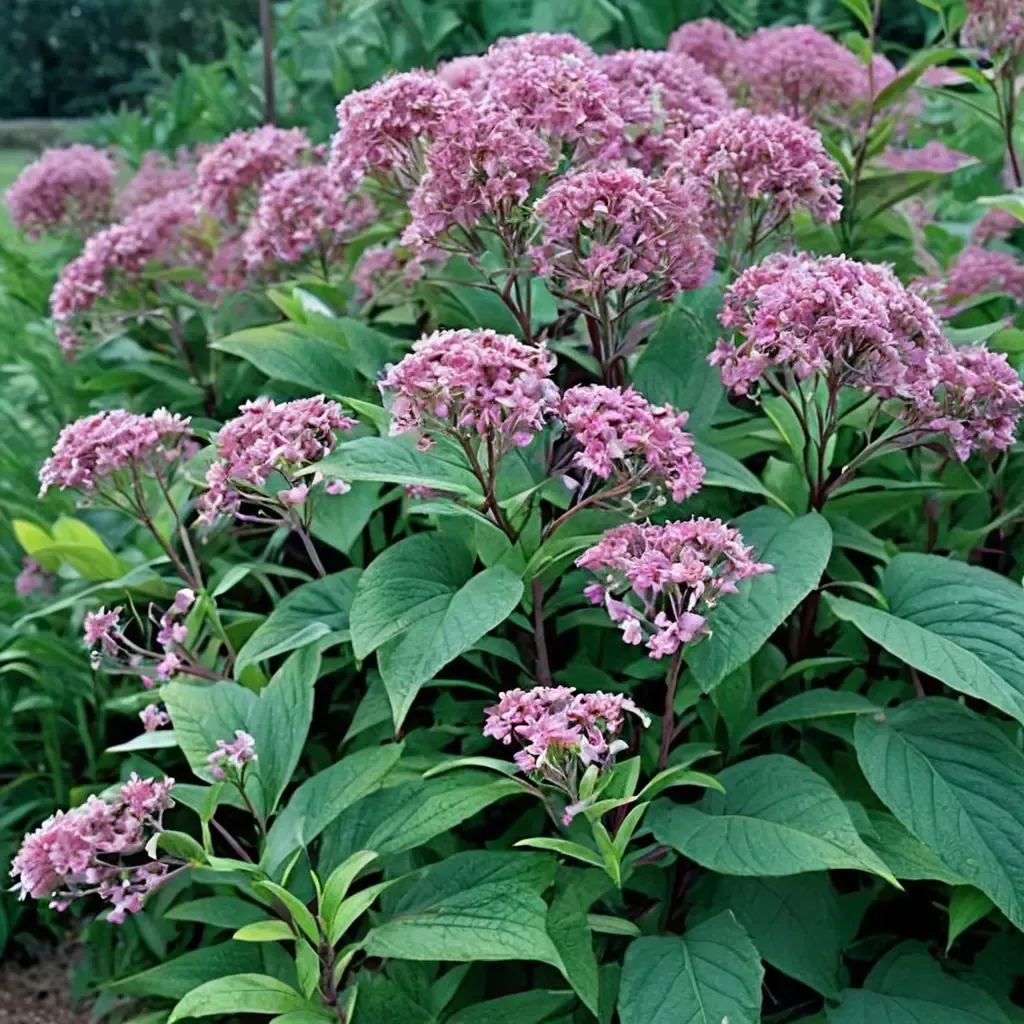
Gateway Joe-Pye Weed
Eupatorium maculatum 'Gateway'
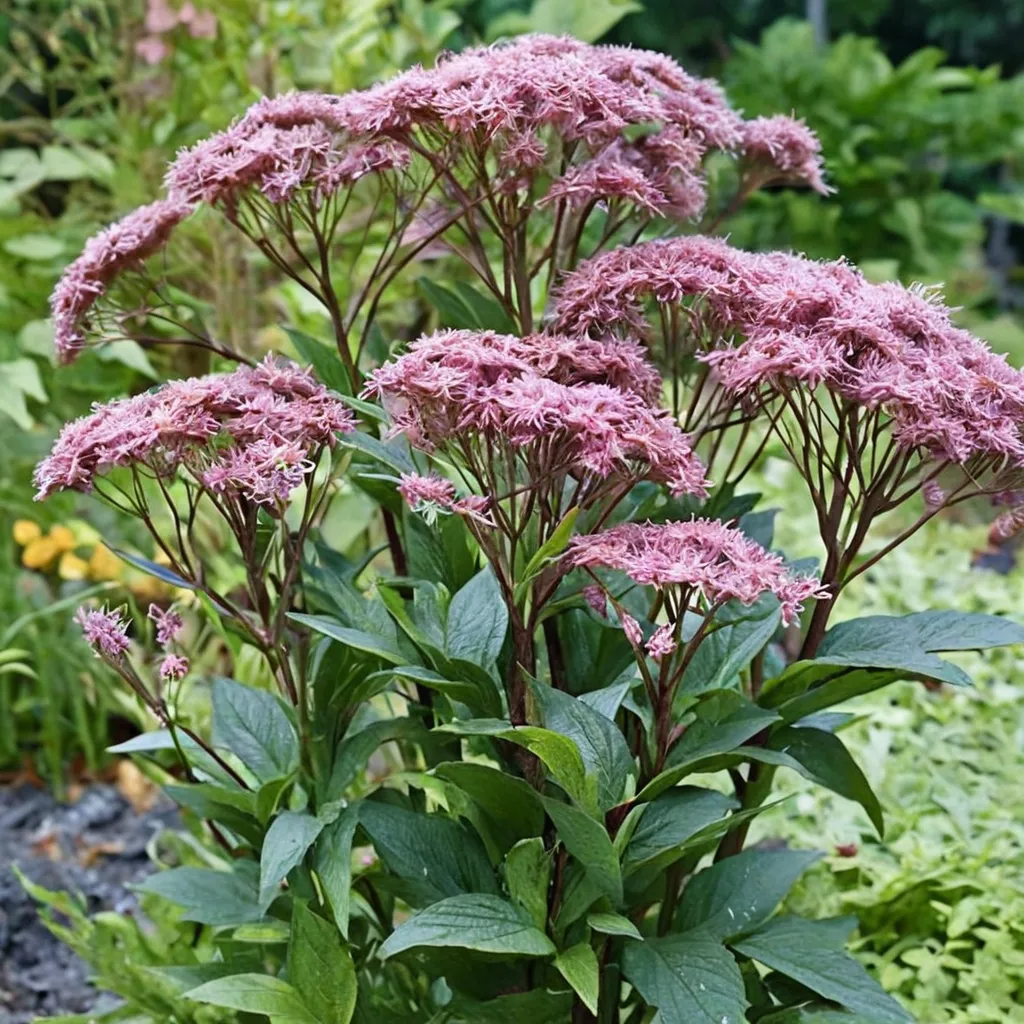
Baby Joe Pye Weed
Eupatorium dubium 'Baby Joe'
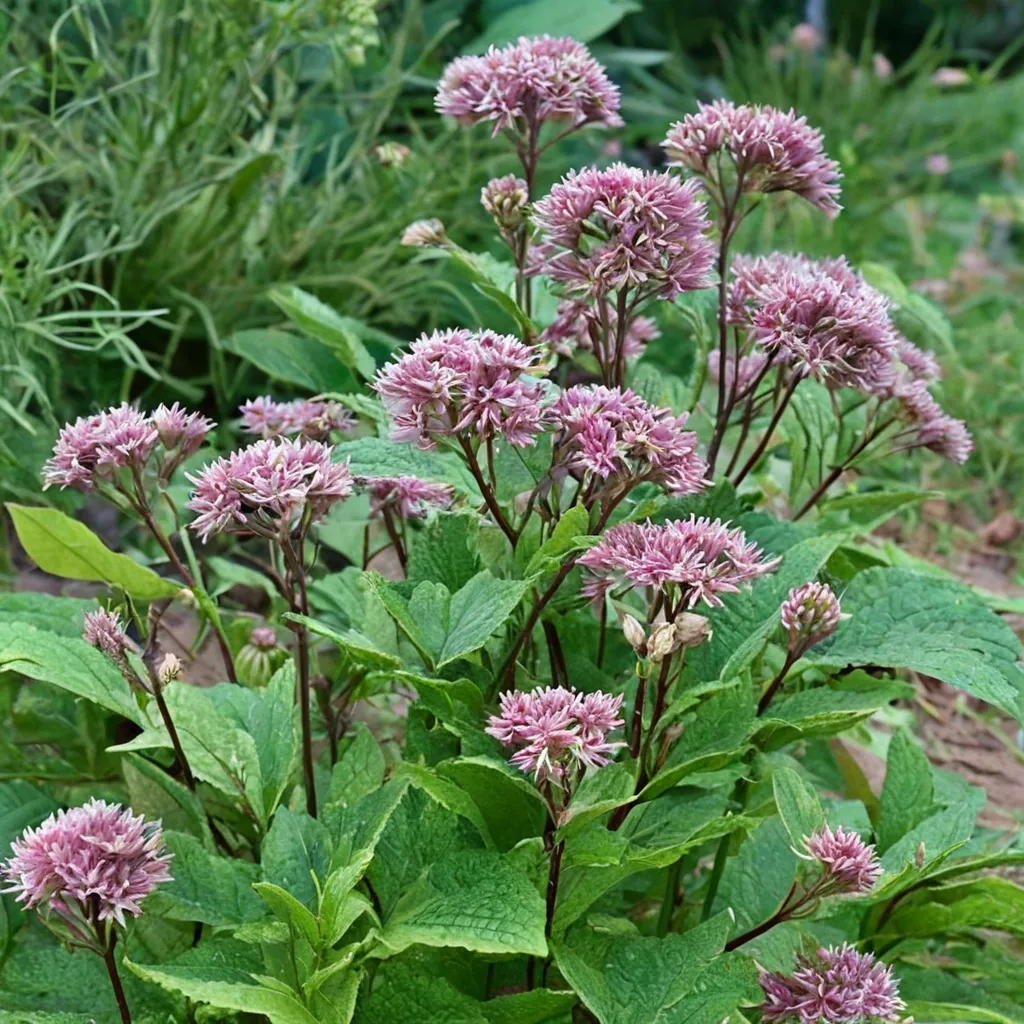
Red Dwarf Joe Pye Weed
Eupatorium maculatum 'Red Dwarf'
Keep exploring
Explore the genus
Hardy in your zone?
Grow Late Boneset with confidence
See it in a design of your actual yard, get zone-matched care reminders, and track it season by season in your garden journal.