Also known as Blazing Star · 1.3k saves
Liatris
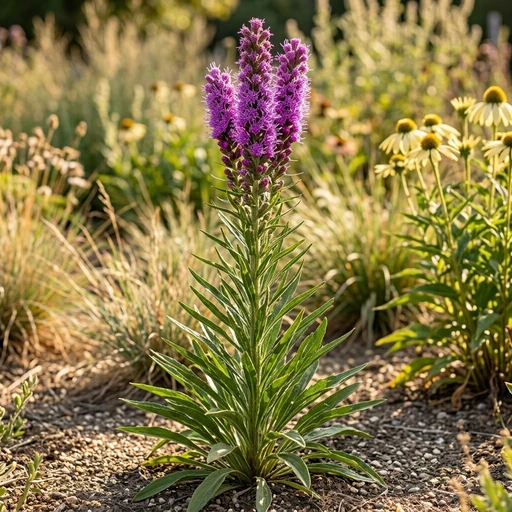
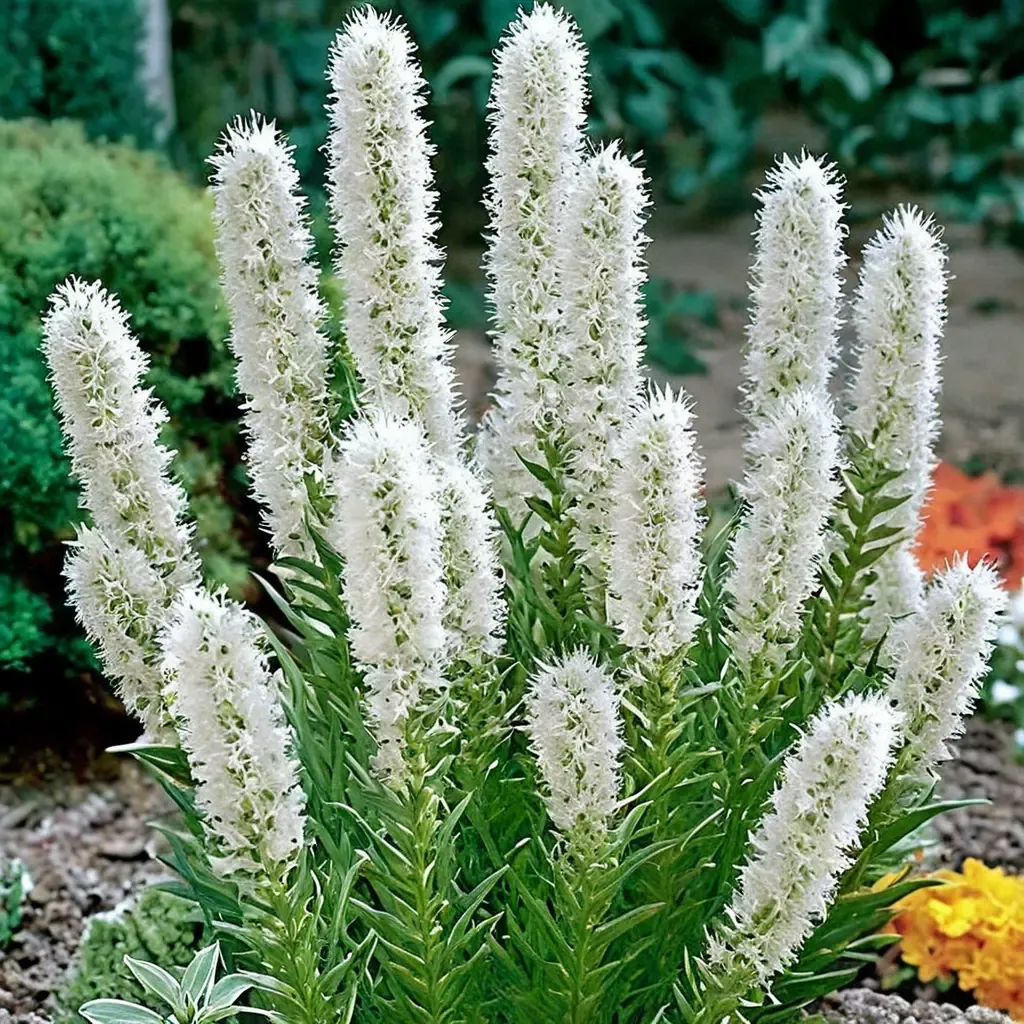
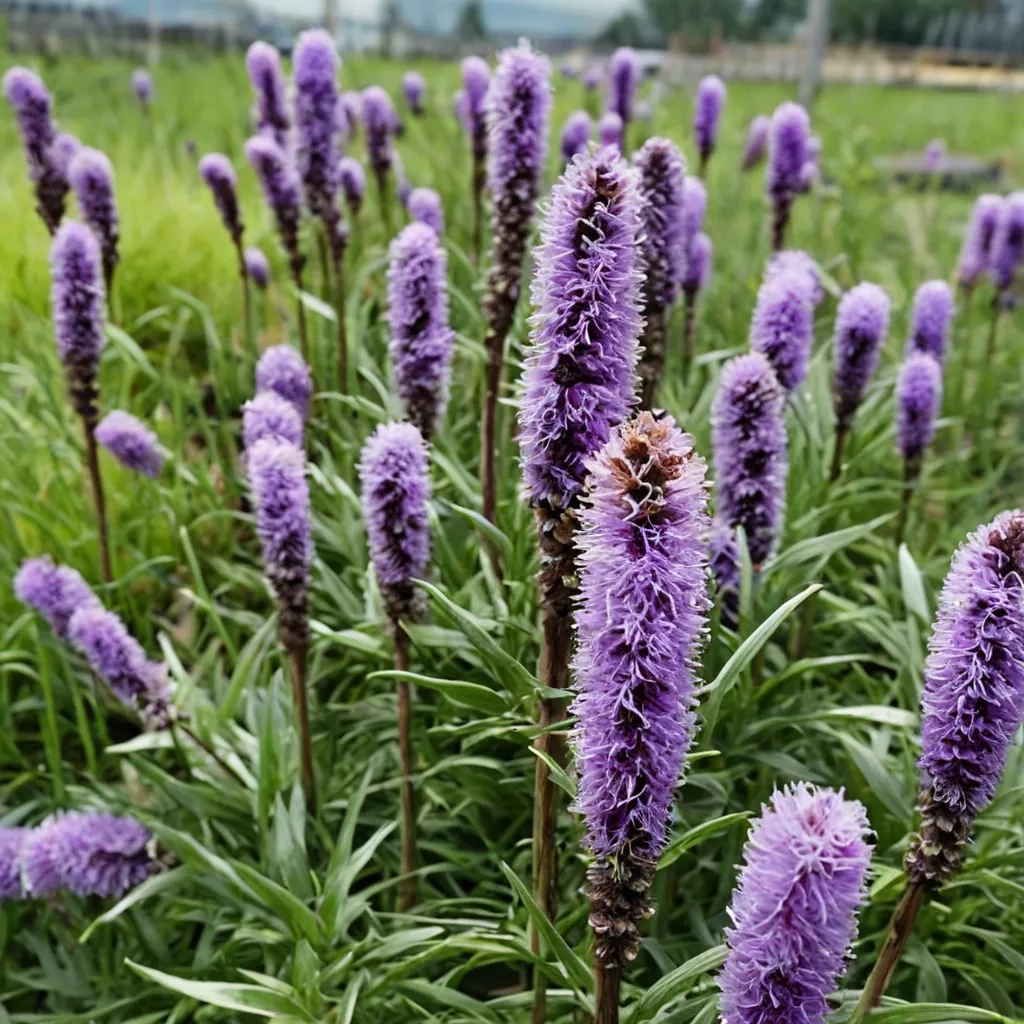
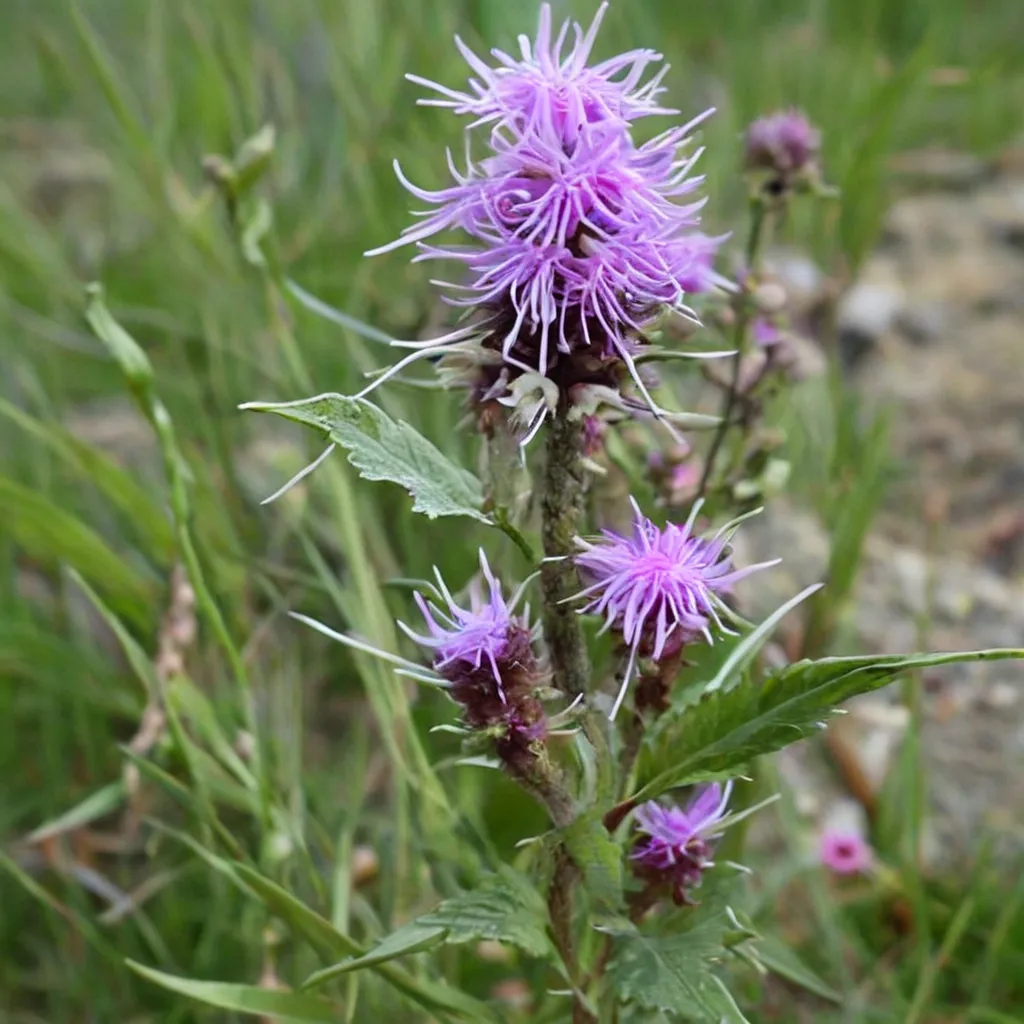
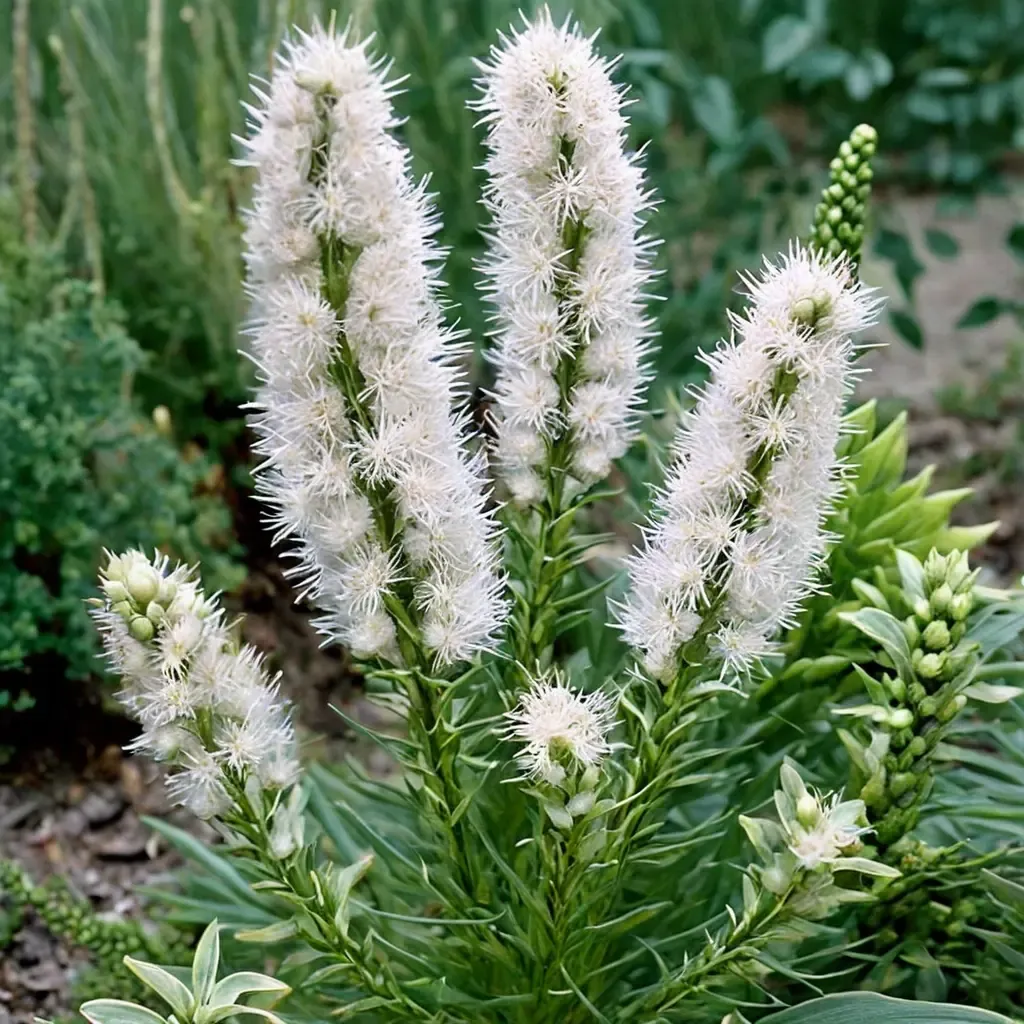
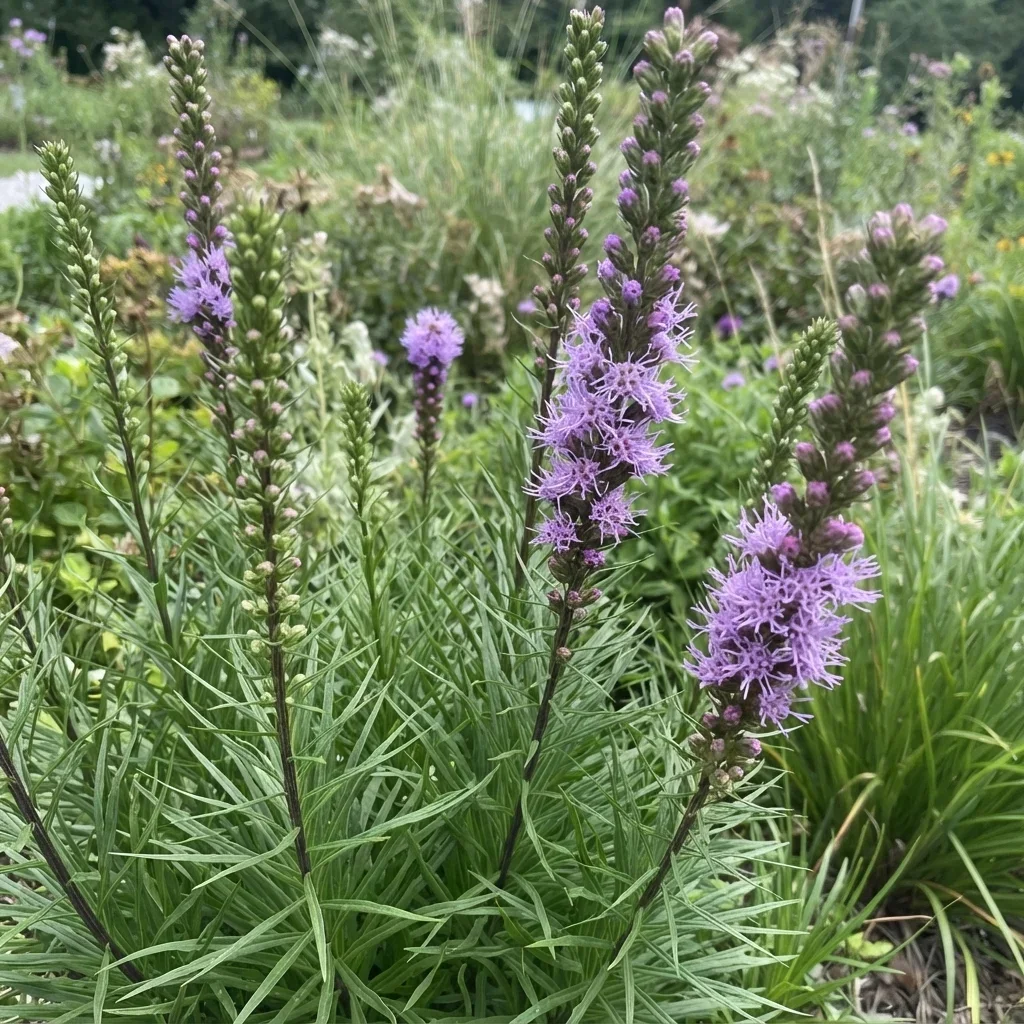
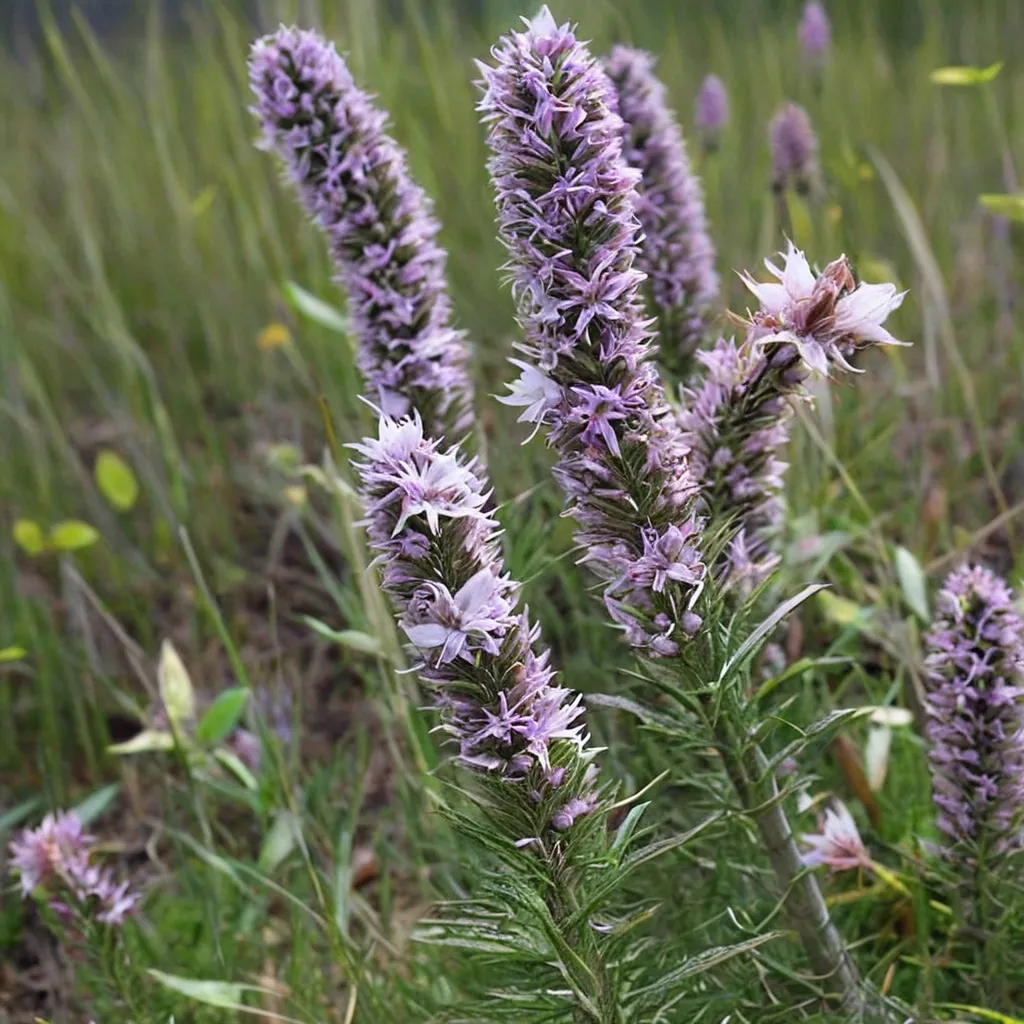
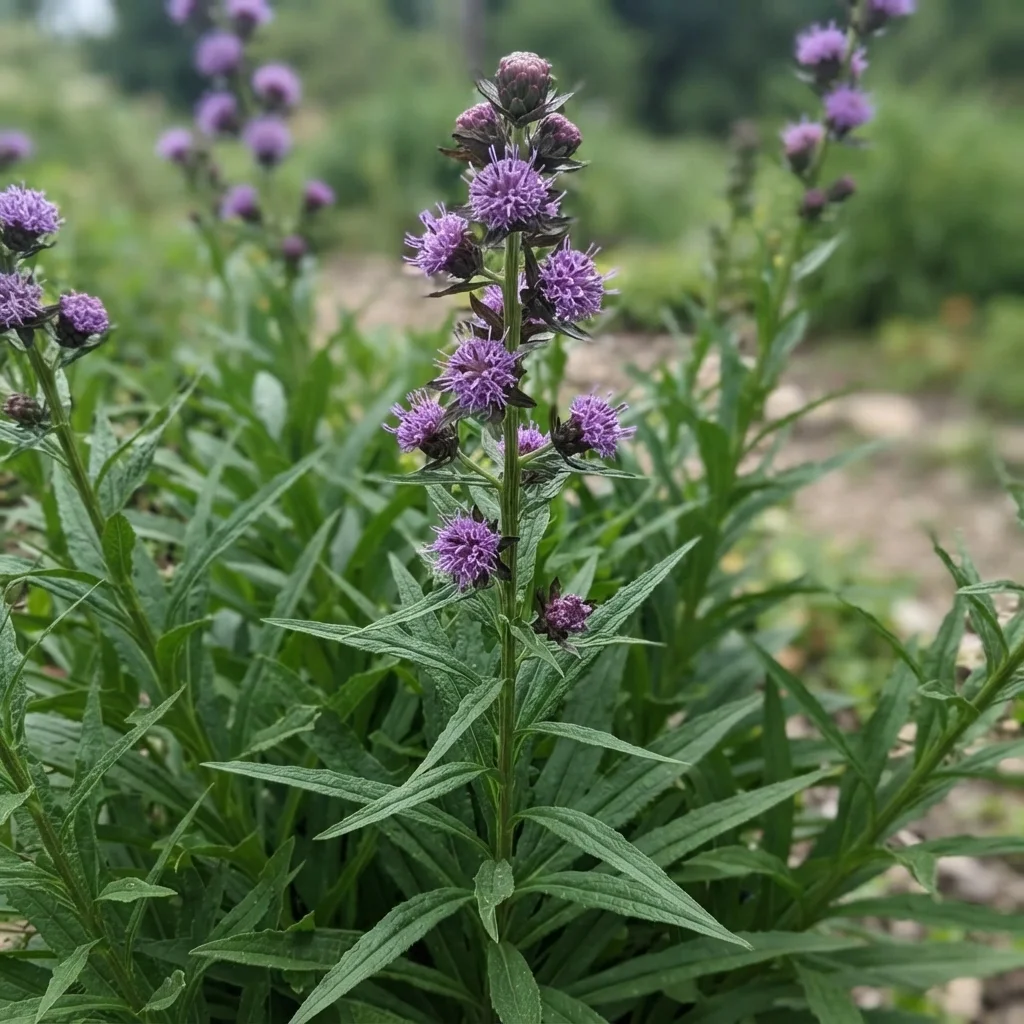
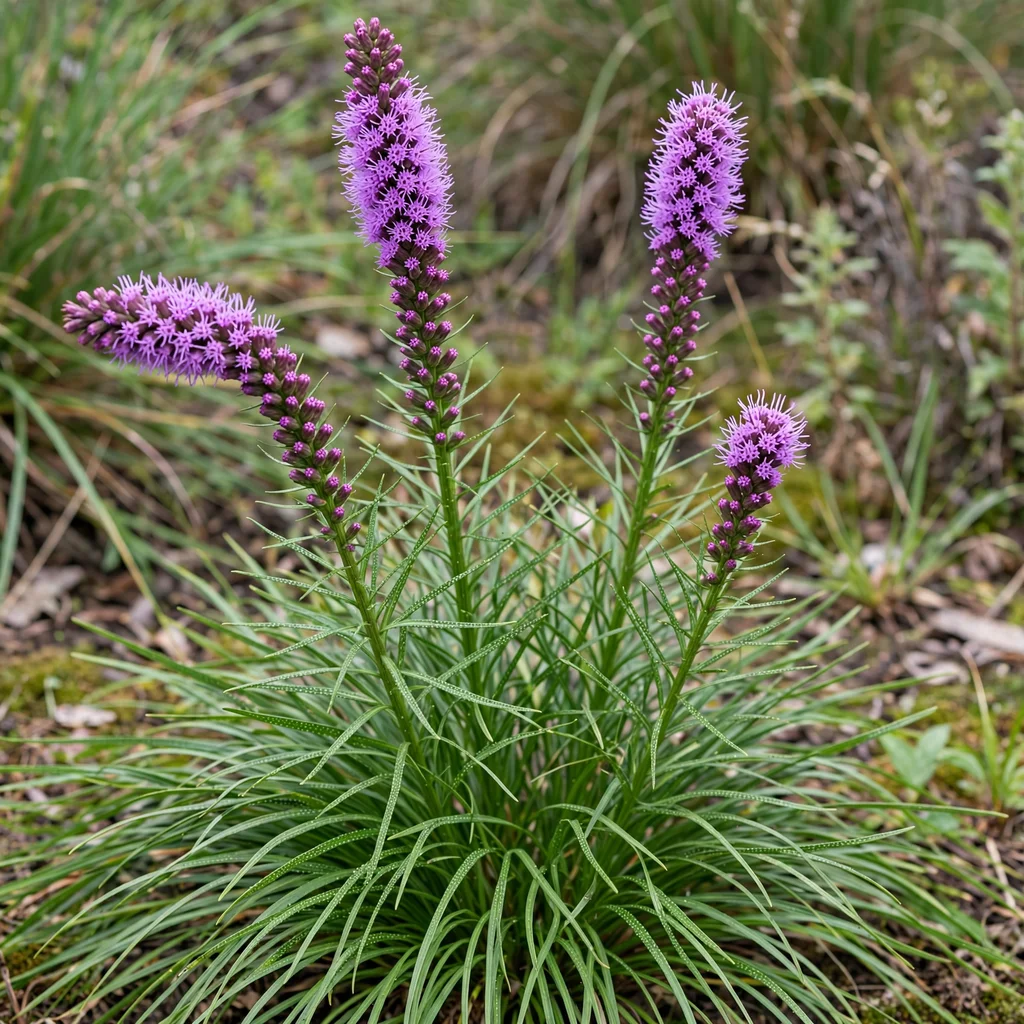
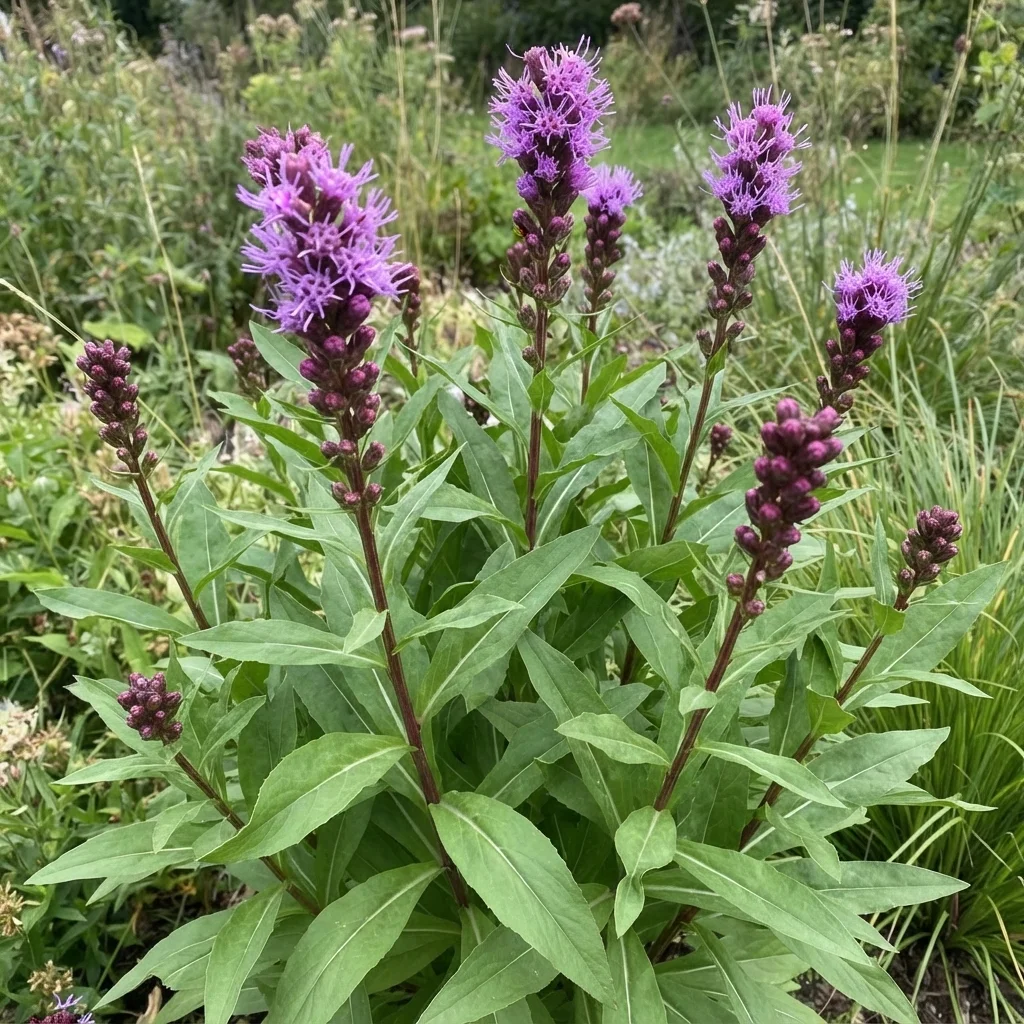
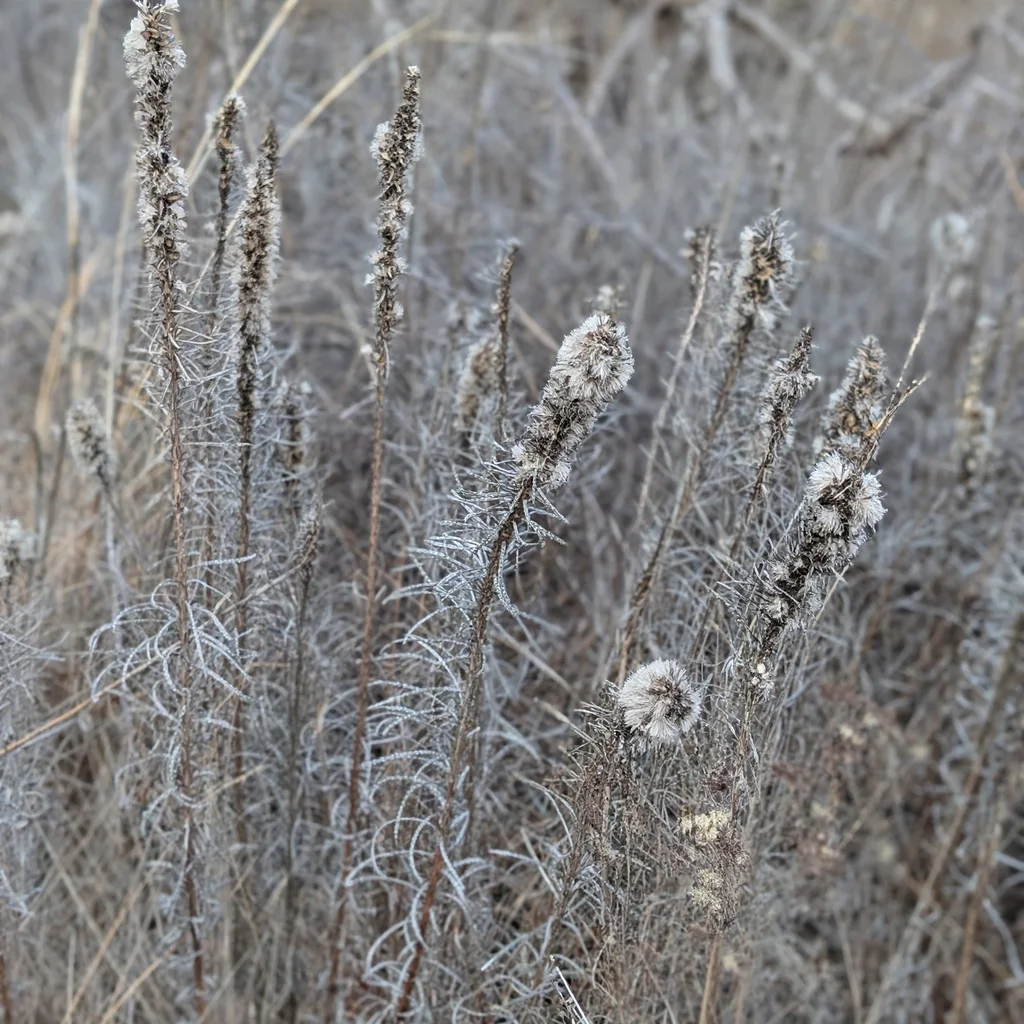
Liatris, the genus most gardeners know as blazing star. We track 16 varieties; the ones most used by real gardeners.
The 15 most-saved Liatris varieties
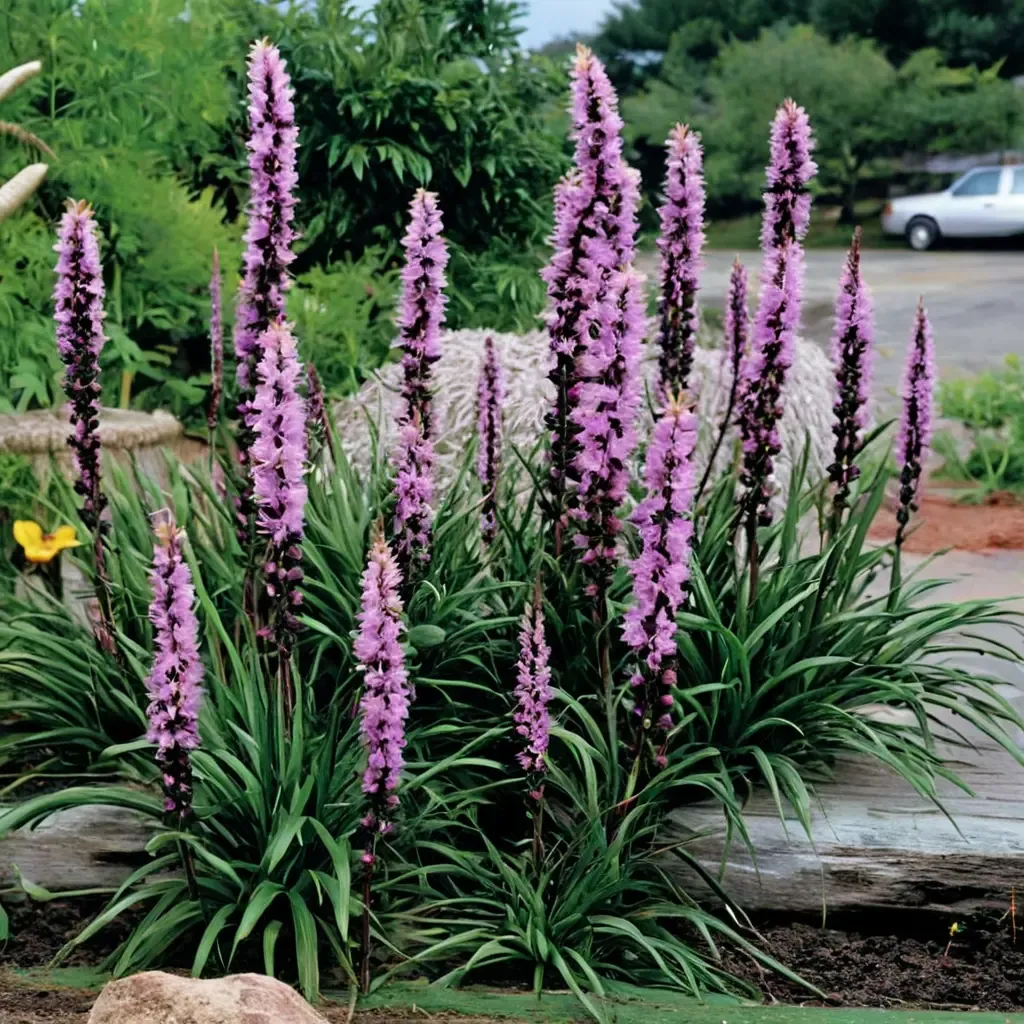
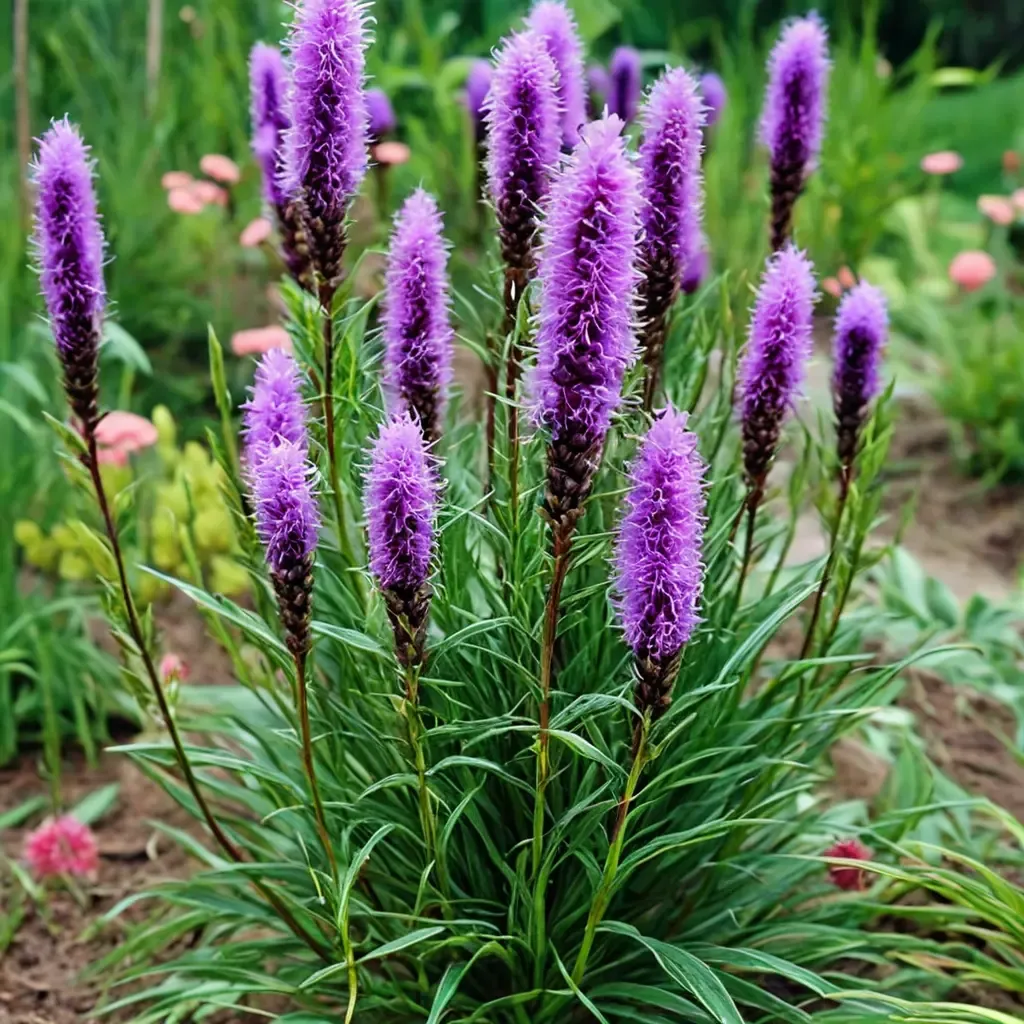
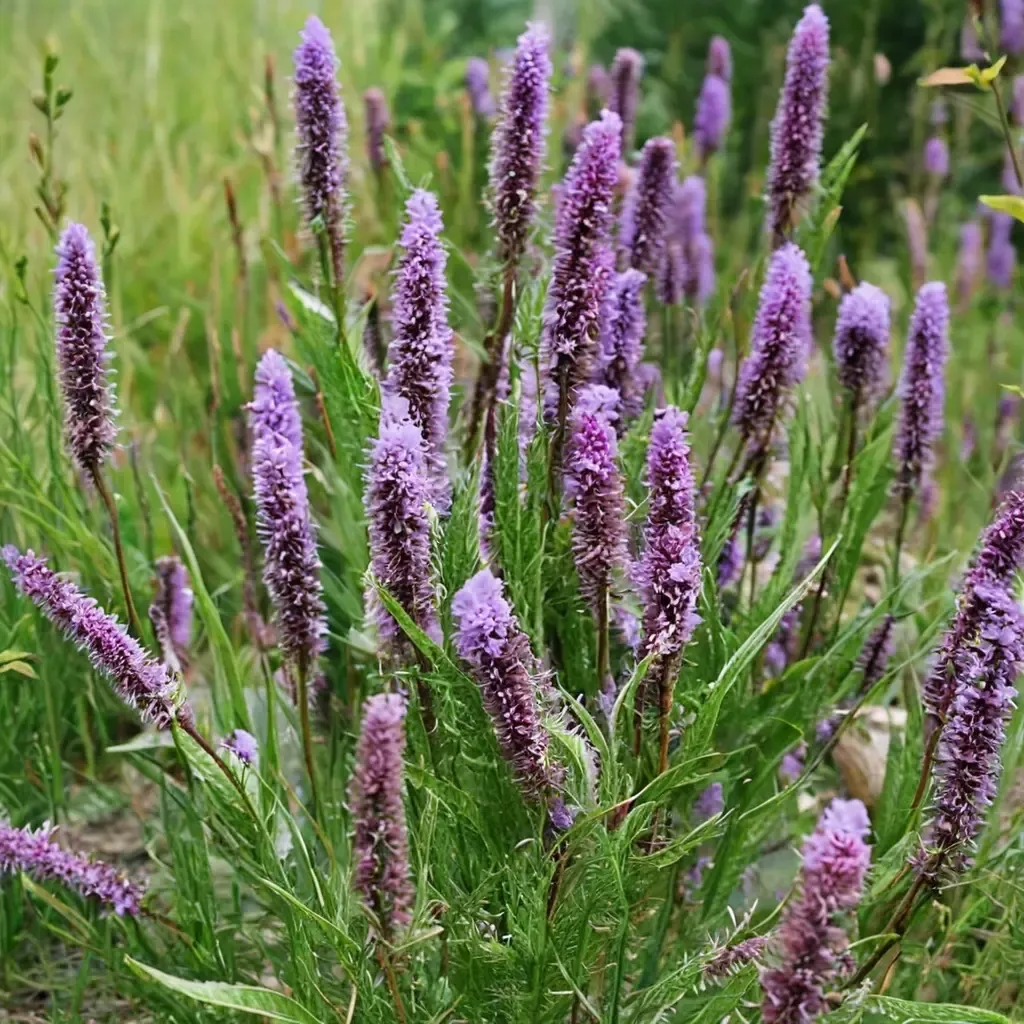
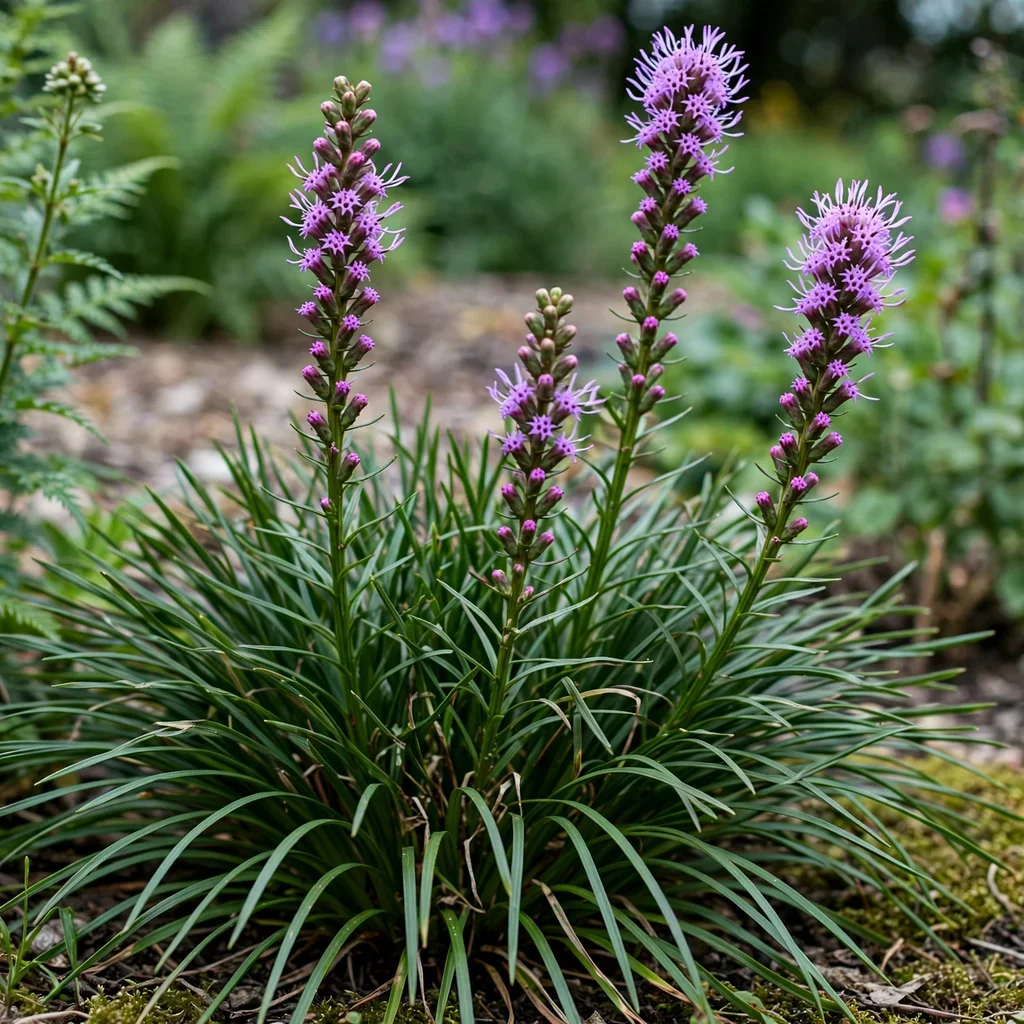
Browse all 16 Liatris varieties →
7 species of Liatris
Each one is a parent of the varieties above.
Track your Liatris in Sow
Save the Liatris you grow and get care reminders timed to your zone.
How to grow Liatris
Whats common across all Liatris varieties in our catalog — drawn from the care records of the 16 most-grown of them.
The Liatris year
- PlantApril, May, October and November94% of varieties
Plant bare root or containerized plants in spring or early fall
- Spring CleanupMarch and April94% of varieties
Cut back old flower stalks and dead foliage before new growth starts
- DivideMarch, April and October75% of varieties
Divide clumps every 3-4 years if flowering decreases
- Check for PestsJune and July31% of varieties
Monitor young growth for deer or rabbit browsing and apply repellents if needed.


Do
- Deadhead spent flowers to encourage more blooms
- Water deeply during dry spells 🌱
- Mulch to retain soil moisture and regulate temperature
- Water regularly during dry spells 💧
- Water during dry spells 🌱
Avoid
- Avoid overwatering to prevent root rot ❌
- Overwater, which can cause root rot ❌
- Do not disturb roots excessively during dividing
- Refrain from fertilizing late in the season
What goes wrong with Liatris
| Problem | What you'll see | What to do |
|---|---|---|
| Aphids | Sticky residue and distorted leaves | Use insecticidal soap or neem oil |
| Spider mites | Fine webbing and speckled leaves | Increase humidity and spray with insecticidal soap |
| Deer and Rabbits | Chewed foliage and clipped young flower stems, particularly in early spring. | Protect young emerging shoots with physical cages or apply organic scent-based repellents. |
| Flower Moth Caterpillars | Damaged flower buds and hollowed-out seed heads containing small larvae. | Accept minor damage to preserve native insect life cycles, or manually remove visible caterpillars. |
| Powdery mildew | White powder on leaves | Improve air circulation and apply fungicide |
| Powdery Mildew | White, powdery fungal coating on the surfaces of the leaves during humid weather. | Space plants to ensure excellent air circulation and water only at the base of the plant. |
| Root rot | Wilting and browning at base | Improve drainage and avoid overwatering |
Making more Liatris
Seed
- Collect dry seeds from mature flower heads in late autumn.
- Sow seeds in pots and subject them to moist cold stratification for sixty days.
- Move pots to a warm, bright location in early spring to trigger germination.
- Grow seedlings in containers for one season before transplanting into the garden.
Division
- Divide mature plants in early spring or late fall.
- Replant divisions immediately for best results.
Liatris questions
How many types of Liatris are there?
The Sow catalog tracks 16 distinct Liatris varieties. The most popular — ranked by 1.3k real gardeners — are shown first above.
What zones does Liatris grow in?
Across its varieties, Liatris covers USDA Zones 4–9. Individual varieties differ — each plant page lists its exact range, and Sow filters the catalog to your zone automatically.
When does Liatris bloom?
Most Liatris varieties bloom in mid-summer, mid to late summer, late summer. Staggering early, mid, and late varieties extends the genus's season in one bed.
Which Liatris should I choose?
Start from the most-saved varieties above — popularity across thousands of gardens is a strong signal of reliability — then filter by your zone and sun. In the Sow app you can preview any of them in a photo of your actual yard before you buy.