
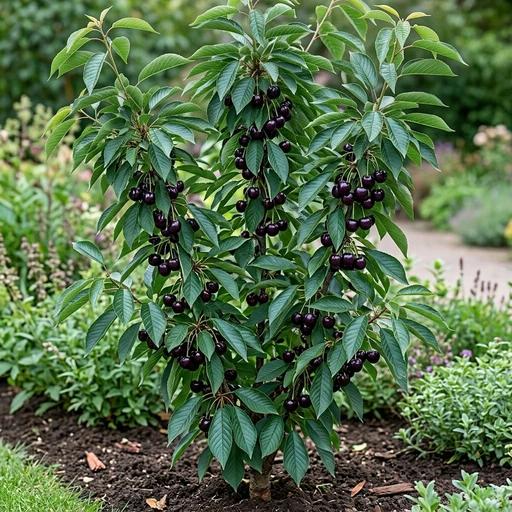
The Story
Plant Bio
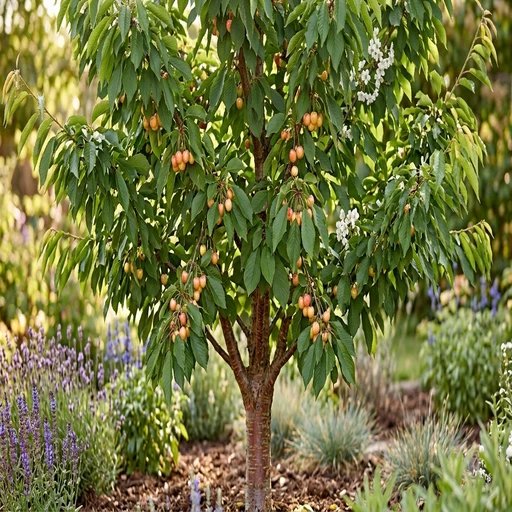
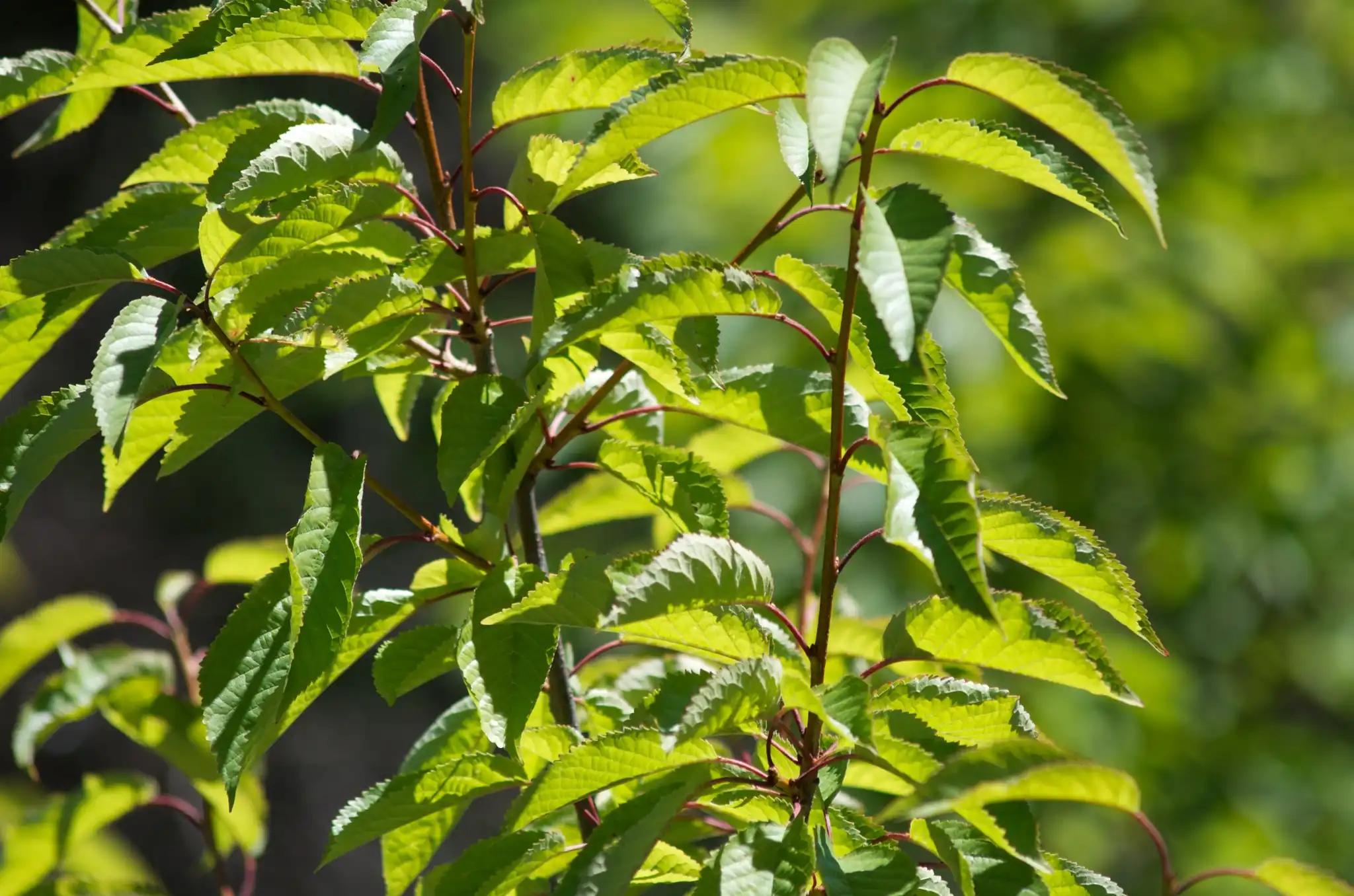
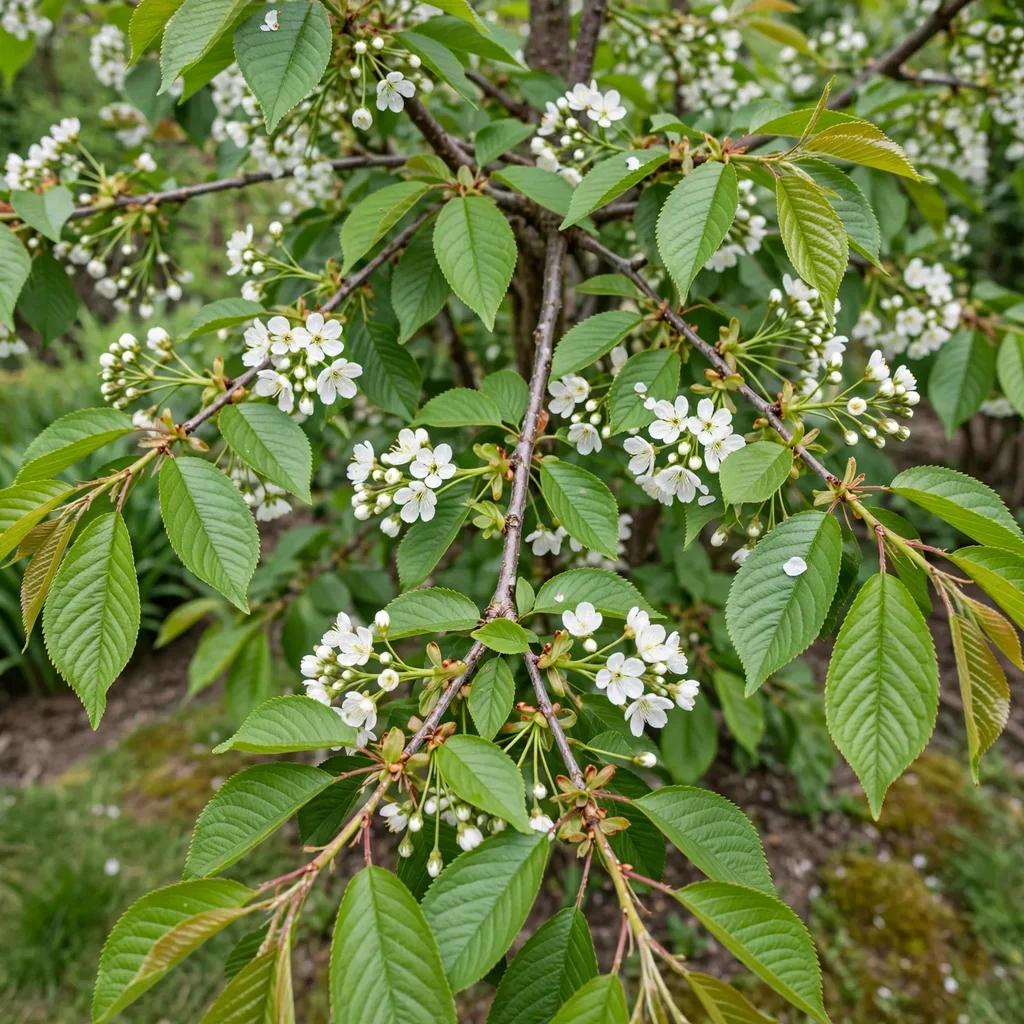
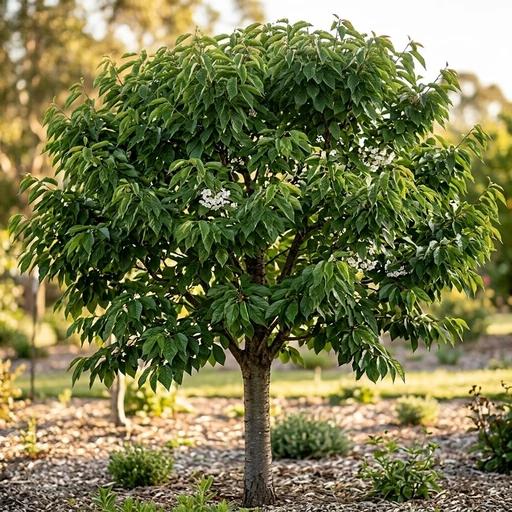
Prunus avium, the sweet cherry, is a deciduous tree cultivated for its delicious fruit and its beautiful spring blossoms. Trees are typically upright and spreading, requiring a compatible pollinator to produce fruit.
'Rainier' is a premium sweet cherry cultivar known for its exceptionally large, sweet, yellow-blushed-red fruit with firm, clear flesh. It is a heavy producer but requires a pollinator and is susceptible to cracking in rain.
Uses & Benefits:
Essentials
At a Glance
Plant Type
Tree
Height
216"
Width
180"
Light
Full Sun
Zones
5, 6, 7, 8
Water
Medium
Humidity
Moderate to low
Lifespan
Medium-lived tree
Native To
Europe, Western Asia
Toxicity
Stems, leaves, and seeds are toxic if ingested
Bloom period
Mid-spring – Late spring
In flower about 2 months of the year
Marketplace
Where to Buy
Shipping costs Year-round shipping Free shipping
Planting
How to Grow
- Select a site in full sun with fertile, well-drained soil.
- Plant in early spring or fall.
- Dig a hole wide enough for roots to spread out.
- Set the tree with the graft union 2-3 inches above the soil line.
- Backfill, gently firming the soil, and water well.
- Stake the young tree for the first year if in a windy site.
Pro Tip
Net the tree as fruit ripens to protect the delicious cherries from birds.
Keep It Thriving
Care Guide
Do
- Provide excellent air circulation.
- Water regularly, especially when fruit is developing.
- Prune annually to maintain an open, productive structure.
- Plant with a compatible pollinator variety.
Don't
- Don't plant in heavy, poorly drained clay soil.
- Don't allow water to stand around the roots.
- Don't neglect pest and disease monitoring.
Seasonal Care Calendar
| Task | Jan | Feb | Mar | Apr | May | Jun | Jul | Aug | Sep | Oct | Nov | Dec |
|---|---|---|---|---|---|---|---|---|---|---|---|---|
| Fertilize | ||||||||||||
| Harvest | ||||||||||||
| Prune | ||||||||||||
| Spray |
Watch Out For
Pests & Diseases
Common Pests
Common Diseases
In the Garden
Landscape Uses & Companions
Landscape Uses
Companion Plants
Multiply
Propagation Methods
Good to Know
Common Questions
Rainier Cherry questions
What zones can Rainier Cherry grow in?
Rainier Cherry is hardy in USDA Zones 5–8. Inside that range it survives winter in the ground; outside it, grow it as an annual or a container plant you protect.
Is Rainier Cherry deer resistant?
Not reliably. Deer may browse Rainier Cherry, especially tender spring growth — plan on repellents or fencing where pressure is high.
When does Rainier Cherry bloom?
Rainier Cherry typically blooms in mid-spring through late spring. Exact timing shifts a week or two with your zone — Sow's bloom calendar maps it to your garden.
Does Rainier Cherry need full sun?
Rainier Cherry does best in full sun (6+ hours).
More Prunus to compare
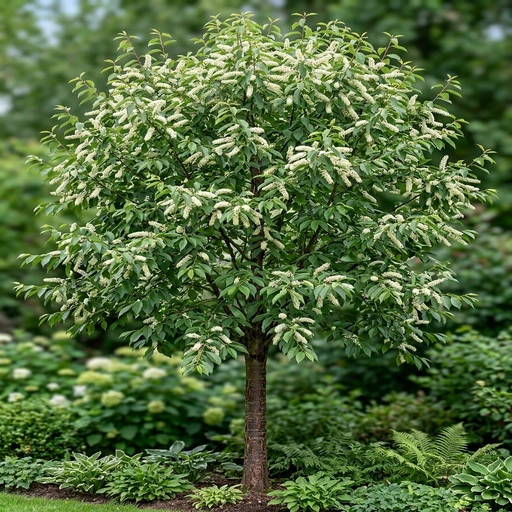
Black Cherry
Prunus serotina
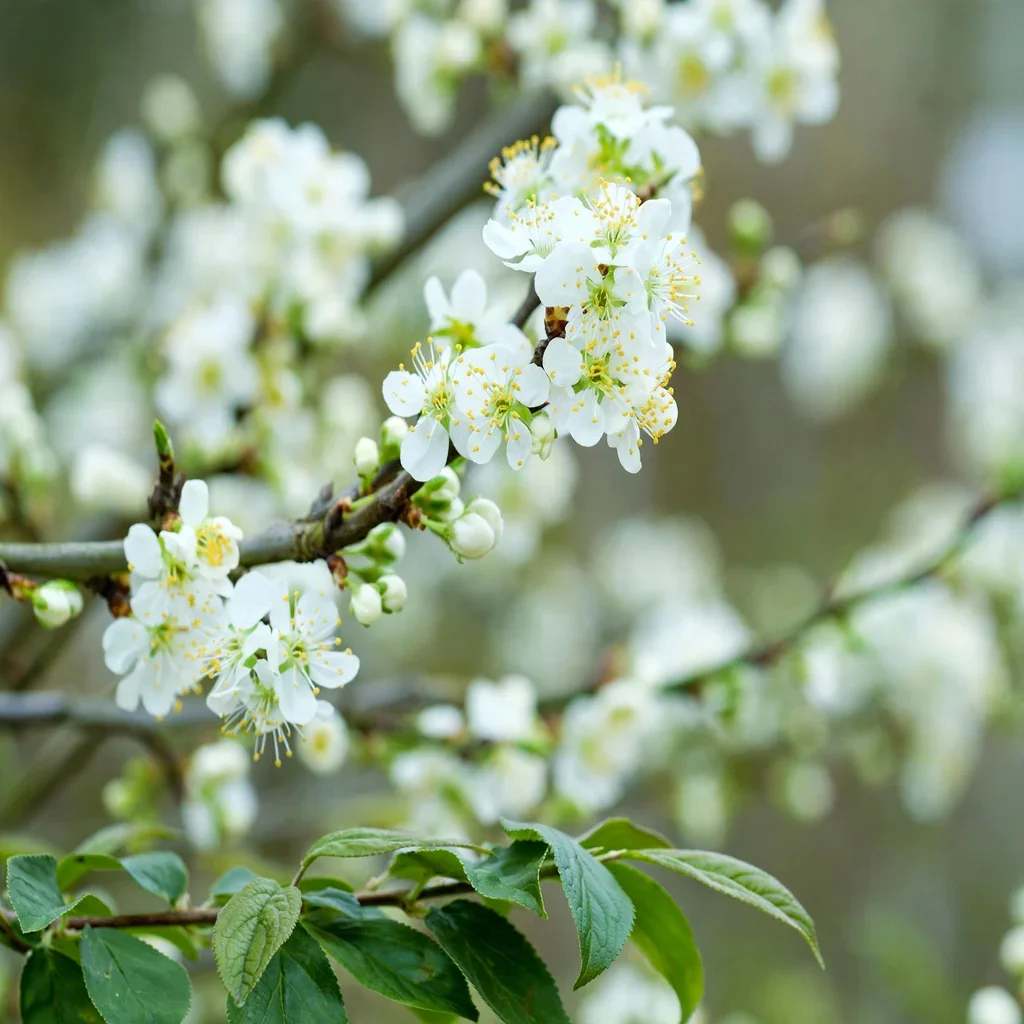
Sugar Plum
Prunus domestica 'Sugar Plum'
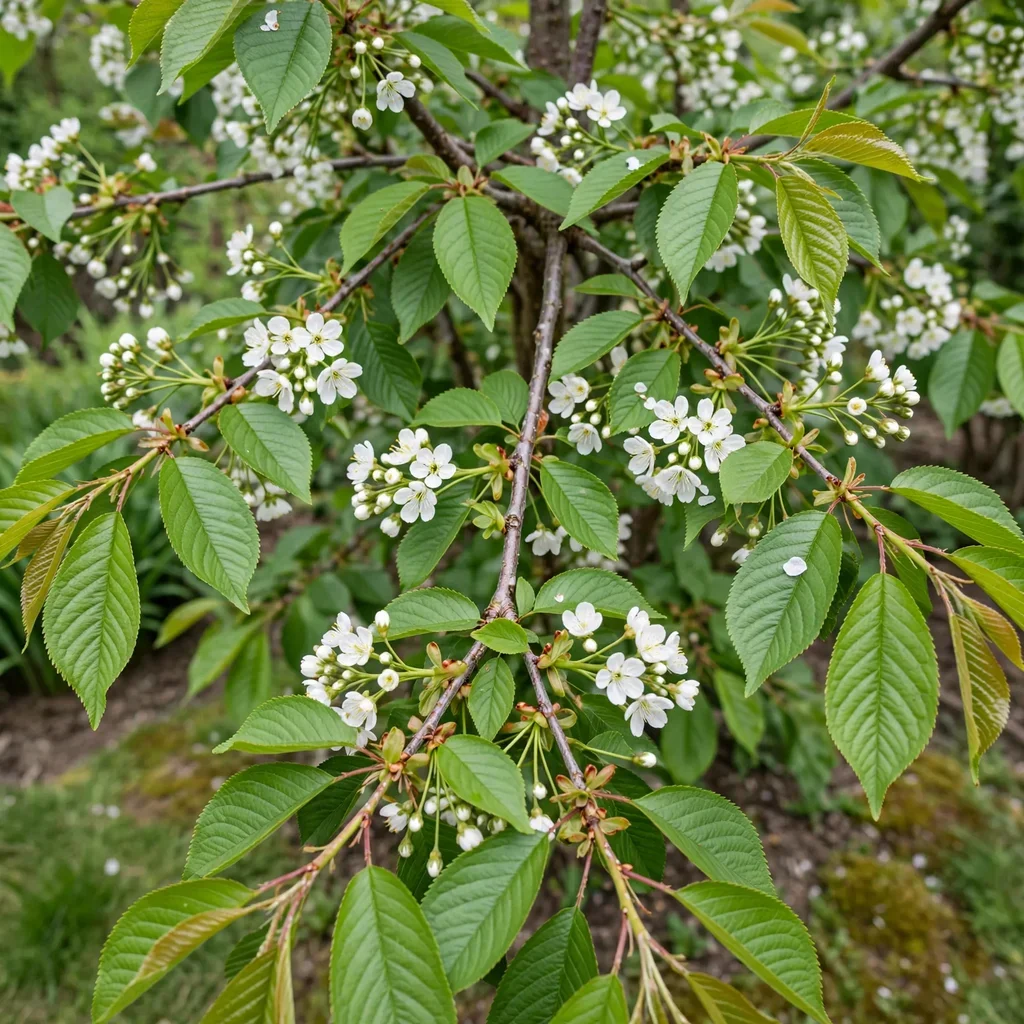
Sweet Cherry
Prunus avium 'Mix'
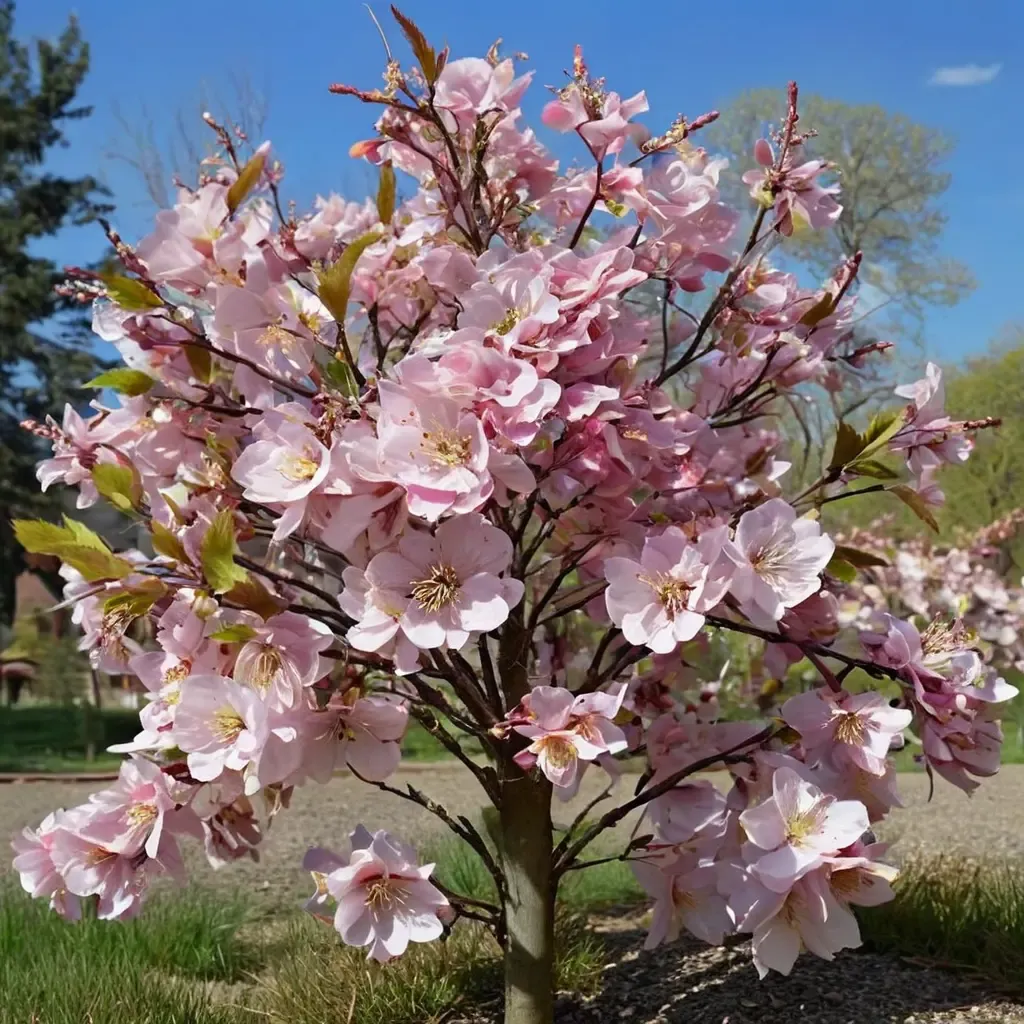
Japanese Flowering Cherry
Prunus serrulata
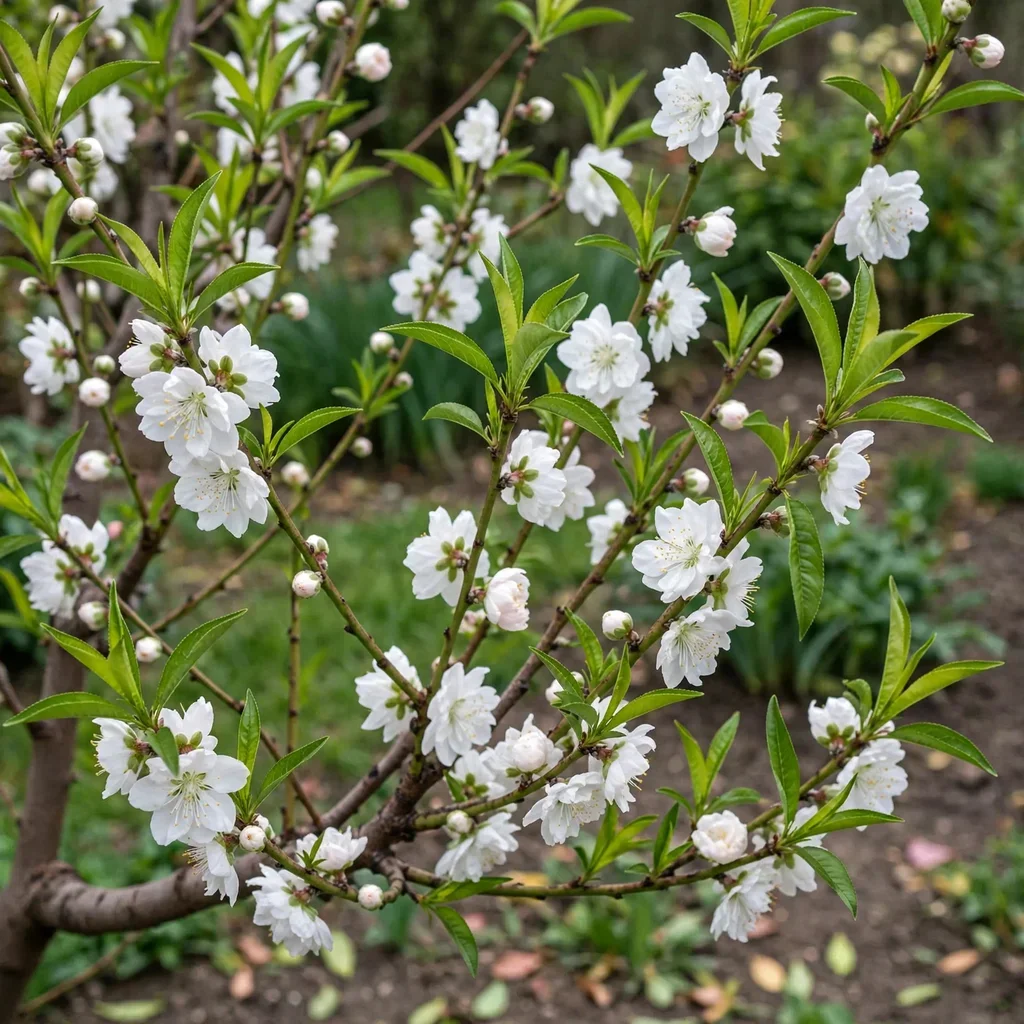
Feiching Tao White Peach
Prunus persica 'Feiching Tao White'
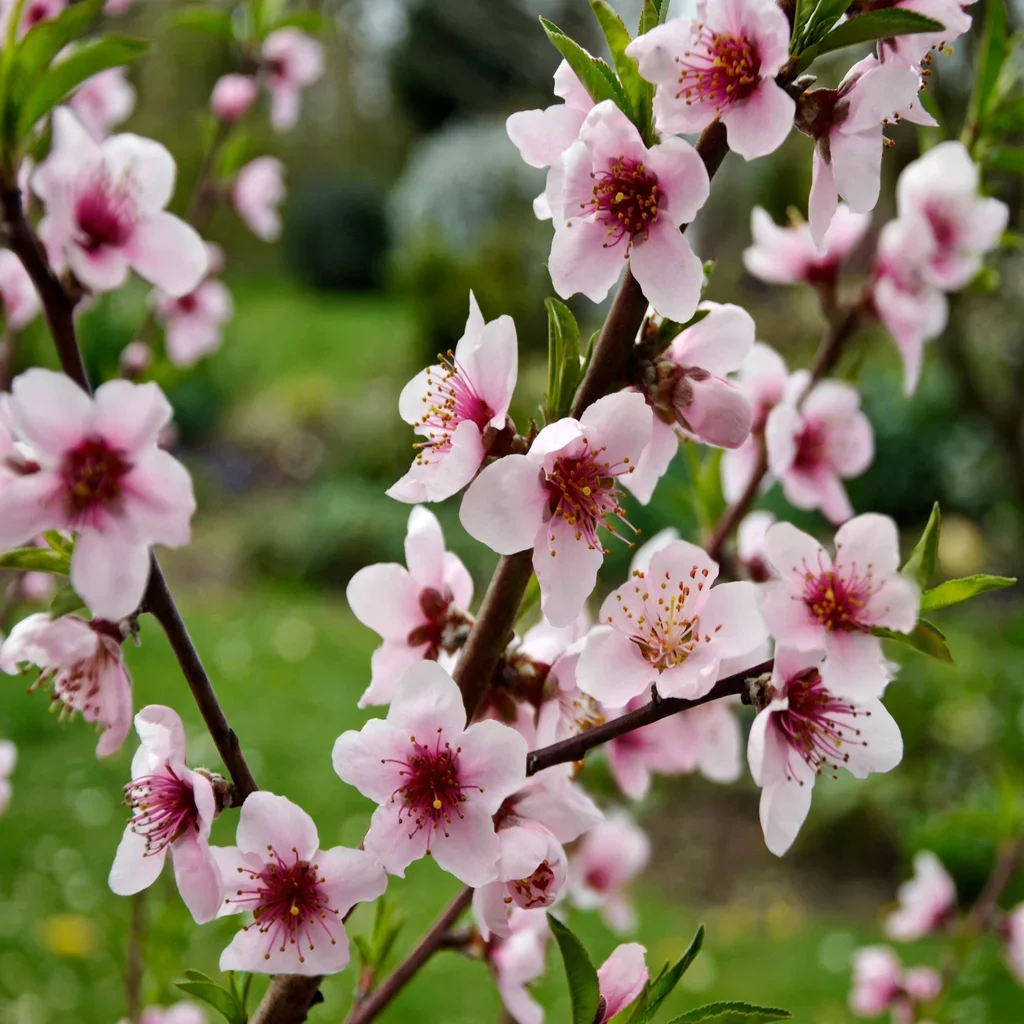
Hale Haven Peach
Prunus persica 'Hale Haven'
Keep exploring
Explore the genus
Hardy in your zone?
Grow Rainier Cherry with confidence
See it in a design of your actual yard, get zone-matched care reminders, and track it season by season in your garden journal.