
The Story
Plant Bio
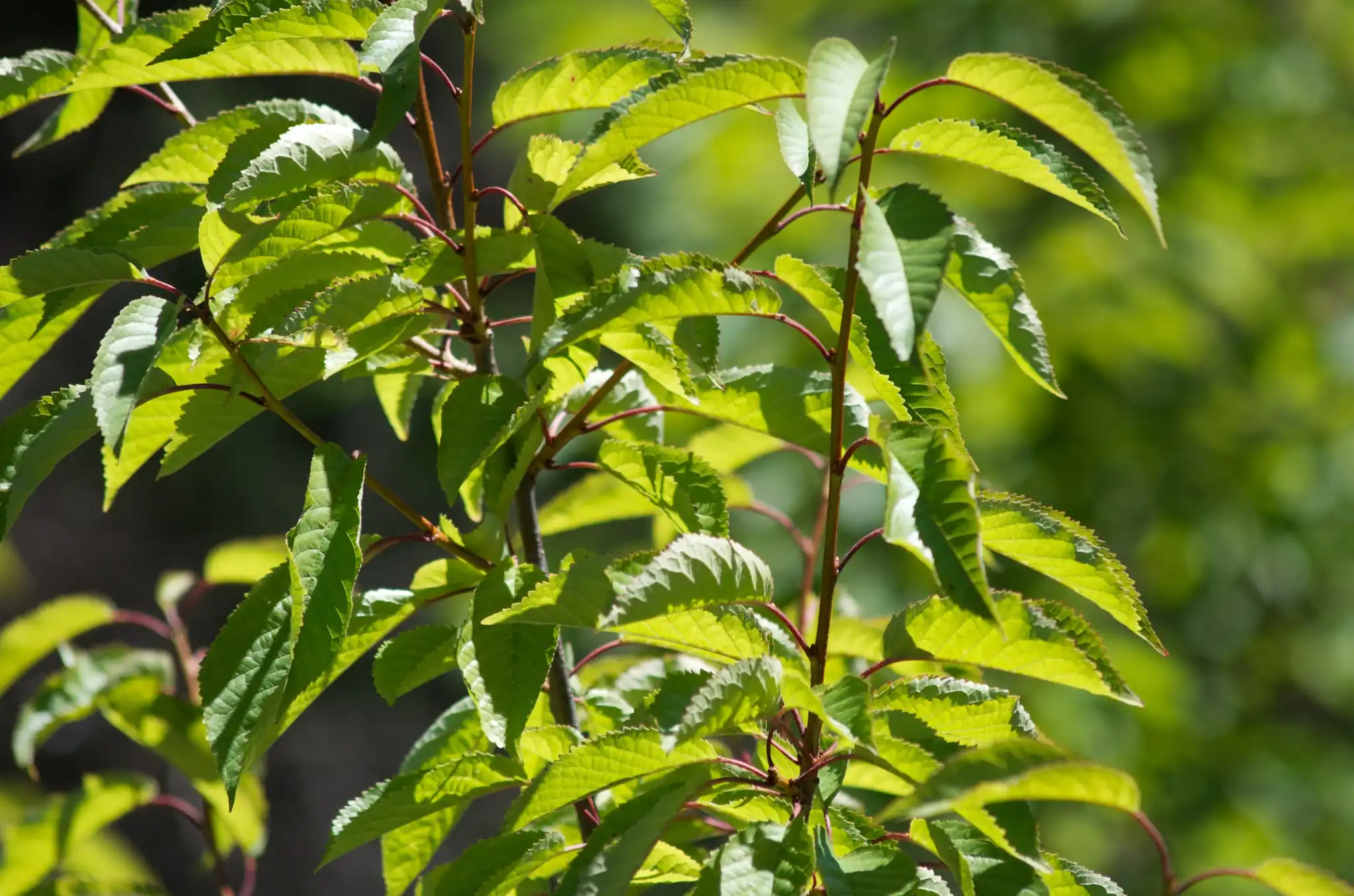
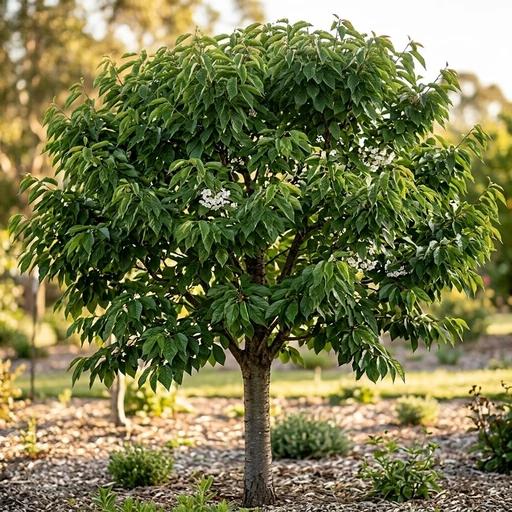
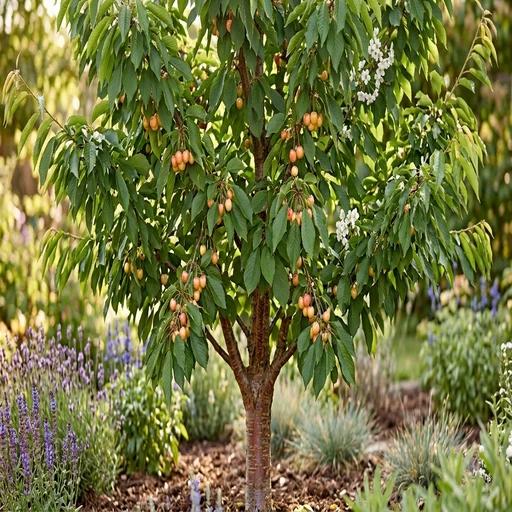
Prunus avium, sweet or wild cherry, is a deciduous tree from Europe, Afghanistan and North Africa, upright and columnar to conical in youth and broadening with age. Elliptical serrated leaves 1 to 3 in long carry two small red glands at the base of the blade. Distinct horizontal lenticels band the glossy reddish-brown bark.
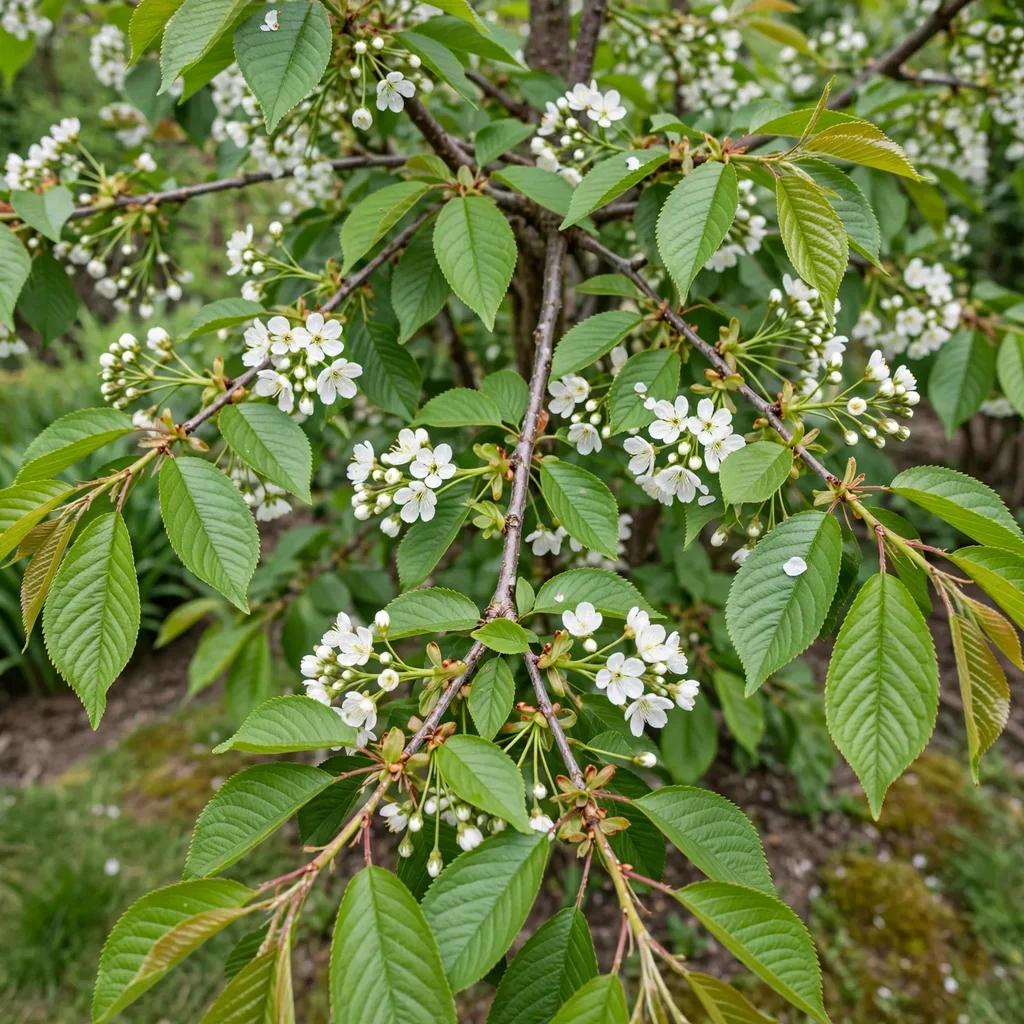
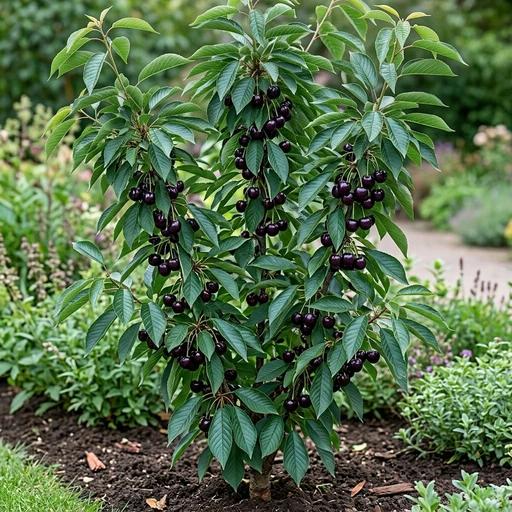
Clusters of white five-petalled flowers 1 to 1.5 in across open with the leaves in spring, followed by fleshy yellow through red to purple-red fruit on long stems. Most cultivars need a compatible pollination partner. The bark's peeling horizontal bands make it recognisable in winter, and it hosts eastern tiger swallowtail larvae.
Uses & Benefits:
Essentials
At a Glance
Plant Type
Fruit Vegetable
Height
360"
Width
300"
Light
Full Sun
Zones
5, 6, 7, 8
Water
Medium; even moisture with free drainage
Humidity
Prefers drier air; wet springs worsen canker
Lifespan
Moderate; 40 to 60 years in cultivation
Native To
Europe, western Asia and North Africa
Toxicity
Fruit is edible; leaves, bark and stones are toxic
Marketplace
Where to Buy
Shipping costs Year-round shipping Free shipping
Planting
How to Grow
- Choose a site in full sun with free-draining, fertile soil.
- Select a rootstock sized to your space; standards make large trees.
- Check the cultivar's pollination group and plant a partner if needed.
- Plant while dormant, keeping the graft union above soil level.
- Prune only in dry summer weather, never in winter.
- Net ripening fruit if birds are taking the crop.
Pro Tip
Prune cherries in dry summer weather only; winter cuts invite silver leaf and bacterial canker into the open wounds.
Keep It Thriving
Care Guide
Do
- Prune in dry weather between late spring and midsummer ✂️
- Plant a compatible pollination partner unless the cultivar is self-fertile 🌸
- Net trees as the fruit begins to colour 🐦
- Keep the ground clear and mulched around young trees 🌿
Don't
- Do not prune in winter or wet weather ❌
- Do not eat the leaves, bark or crushed stones ❌
- Do not plant in heavy, poorly drained ground ❌
Seasonal Care Calendar
| Task | Jan | Feb | Mar | Apr | May | Jun | Jul | Aug | Sep | Oct | Nov | Dec |
|---|---|---|---|---|---|---|---|---|---|---|---|---|
| Harvest And Netting | ||||||||||||
| Summer Pruning |
Watch Out For
Pests & Diseases
Common Pests
Common Diseases
In the Garden
Landscape Uses & Companions
Landscape Uses
Multiply
Propagation Methods
Good to Know
Common Questions
Sweet Cherry questions
What zones can Sweet Cherry grow in?
Sweet Cherry is hardy in USDA Zones 5–8. Inside that range it survives winter in the ground; outside it, grow it as an annual or a container plant you protect.
Is Sweet Cherry deer resistant?
Not reliably. Deer may browse Sweet Cherry, especially tender spring growth — plan on repellents or fencing where pressure is high.
When does Sweet Cherry bloom?
Sweet Cherry typically blooms in mid-spring, with the leaves through late spring. Exact timing shifts a week or two with your zone — Sow's bloom calendar maps it to your garden.
Does Sweet Cherry need full sun?
Sweet Cherry does best in full sun (6+ hours).
More Prunus to compare
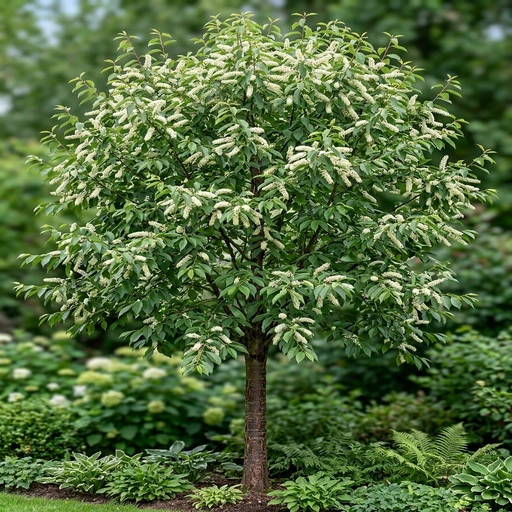
Black Cherry
Prunus serotina
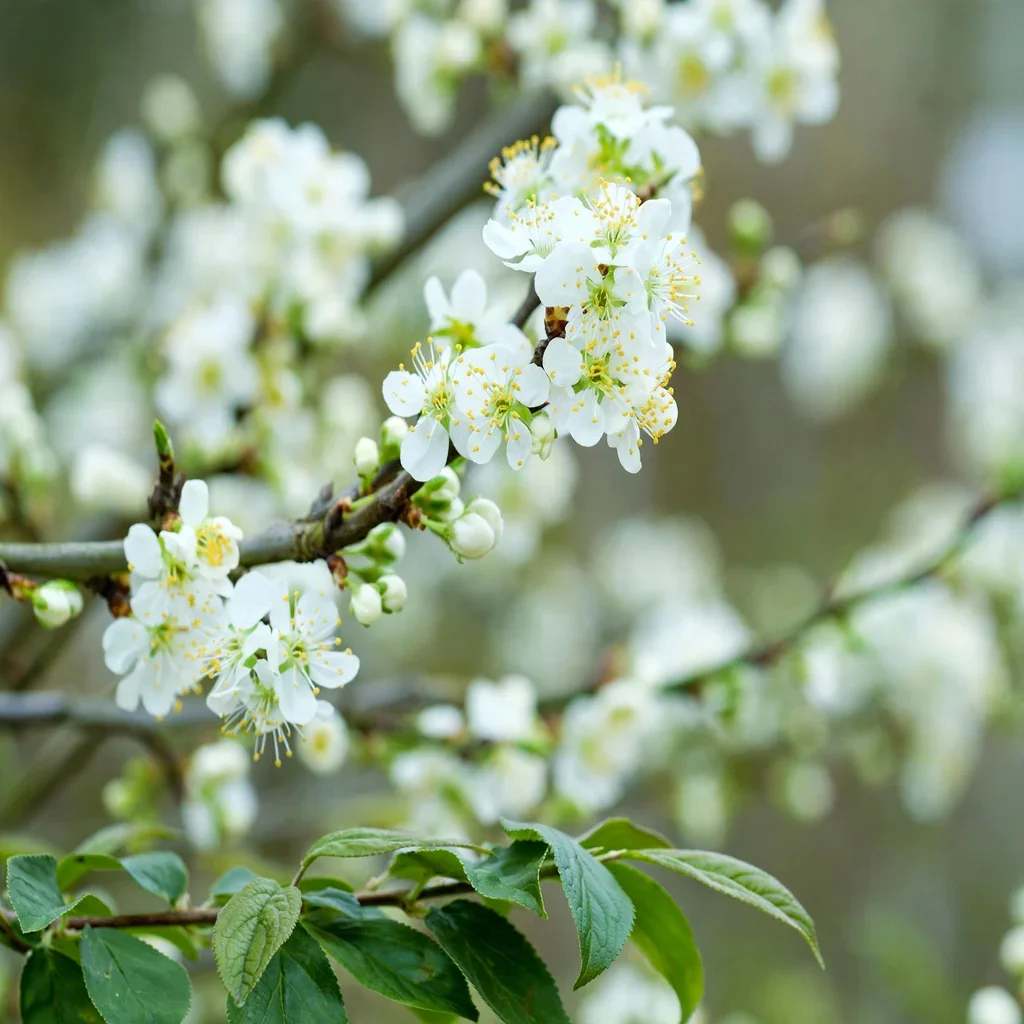
Sugar Plum
Prunus domestica 'Sugar Plum'
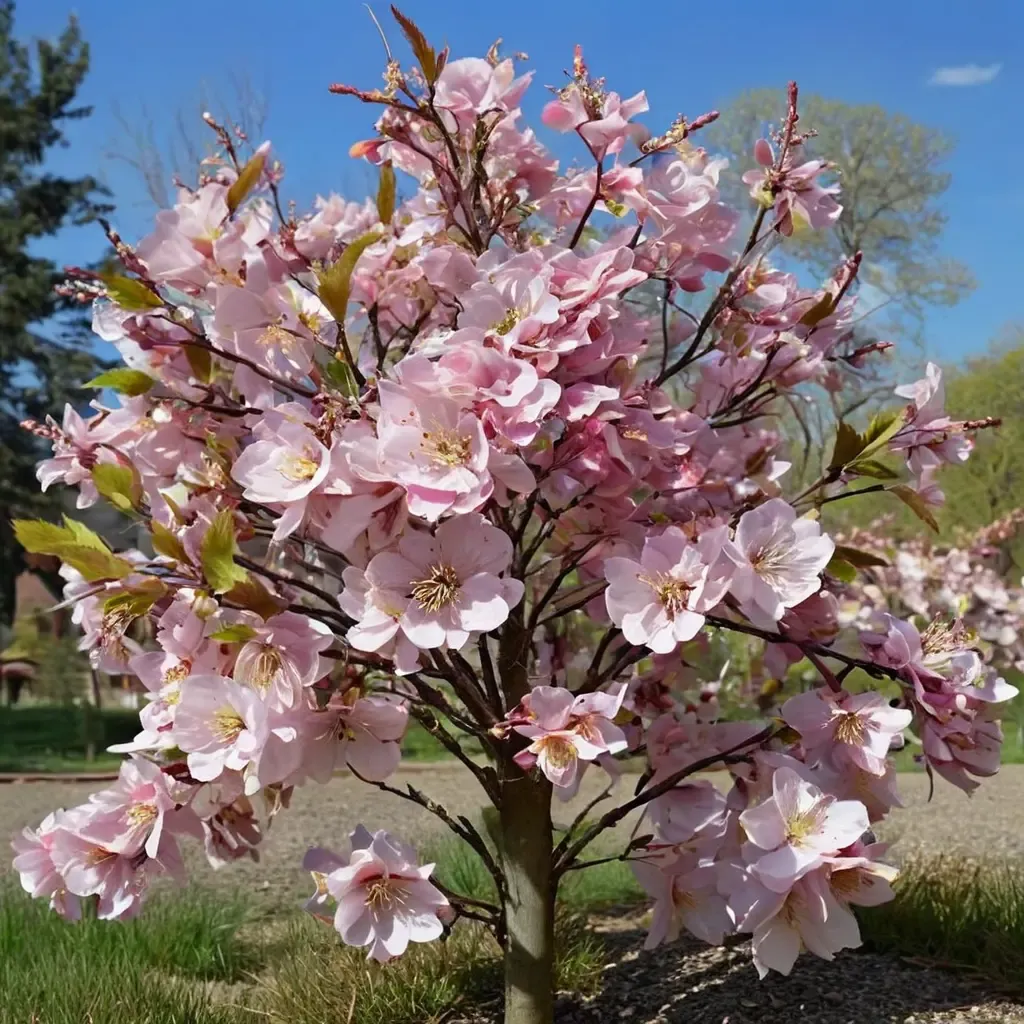
Japanese Flowering Cherry
Prunus serrulata
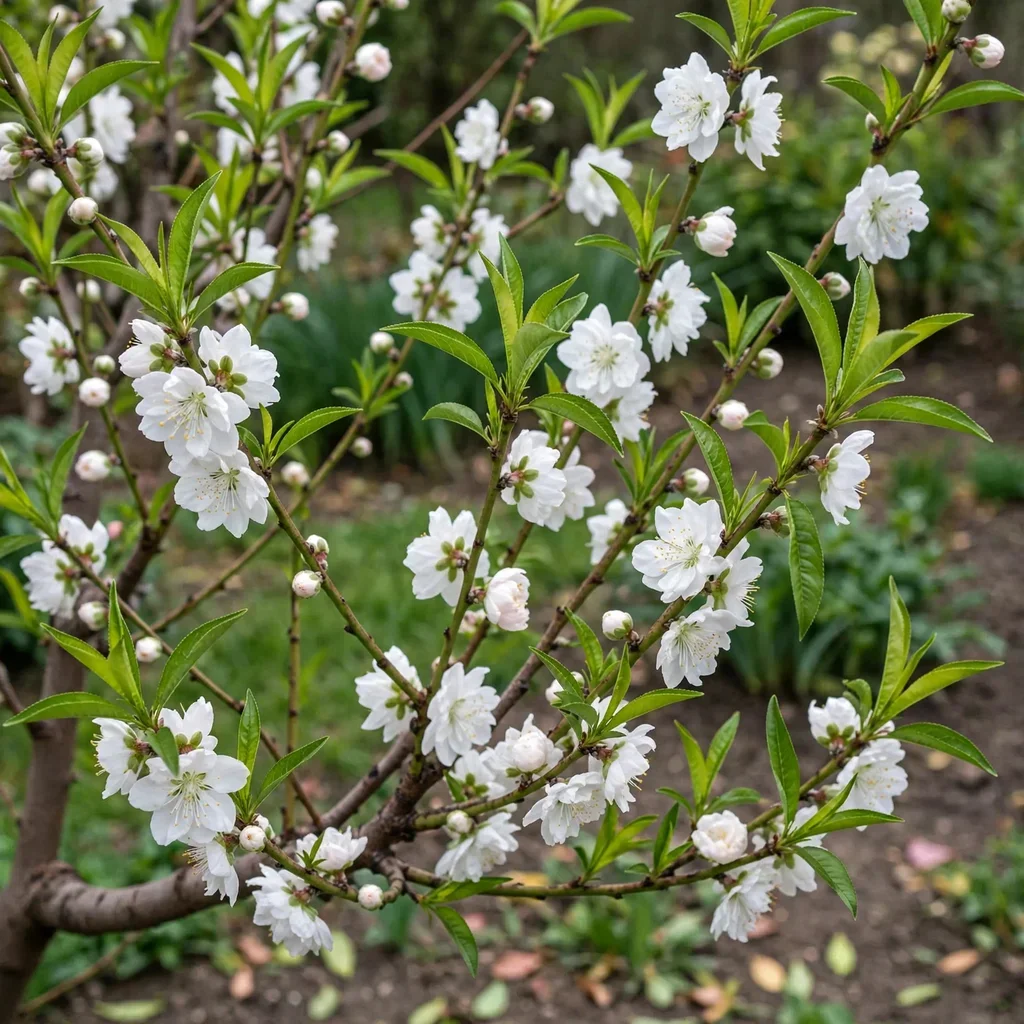
Feiching Tao White Peach
Prunus persica 'Feiching Tao White'
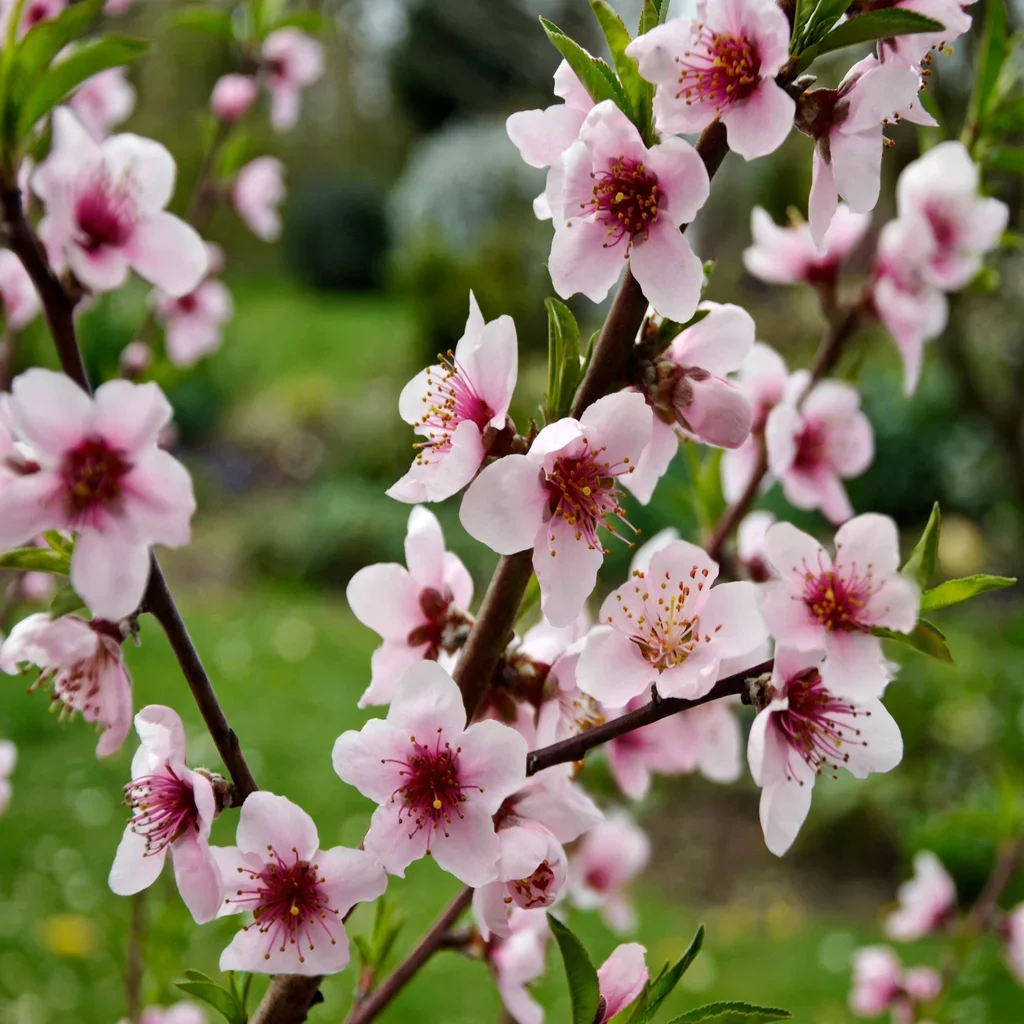
Hale Haven Peach
Prunus persica 'Hale Haven'
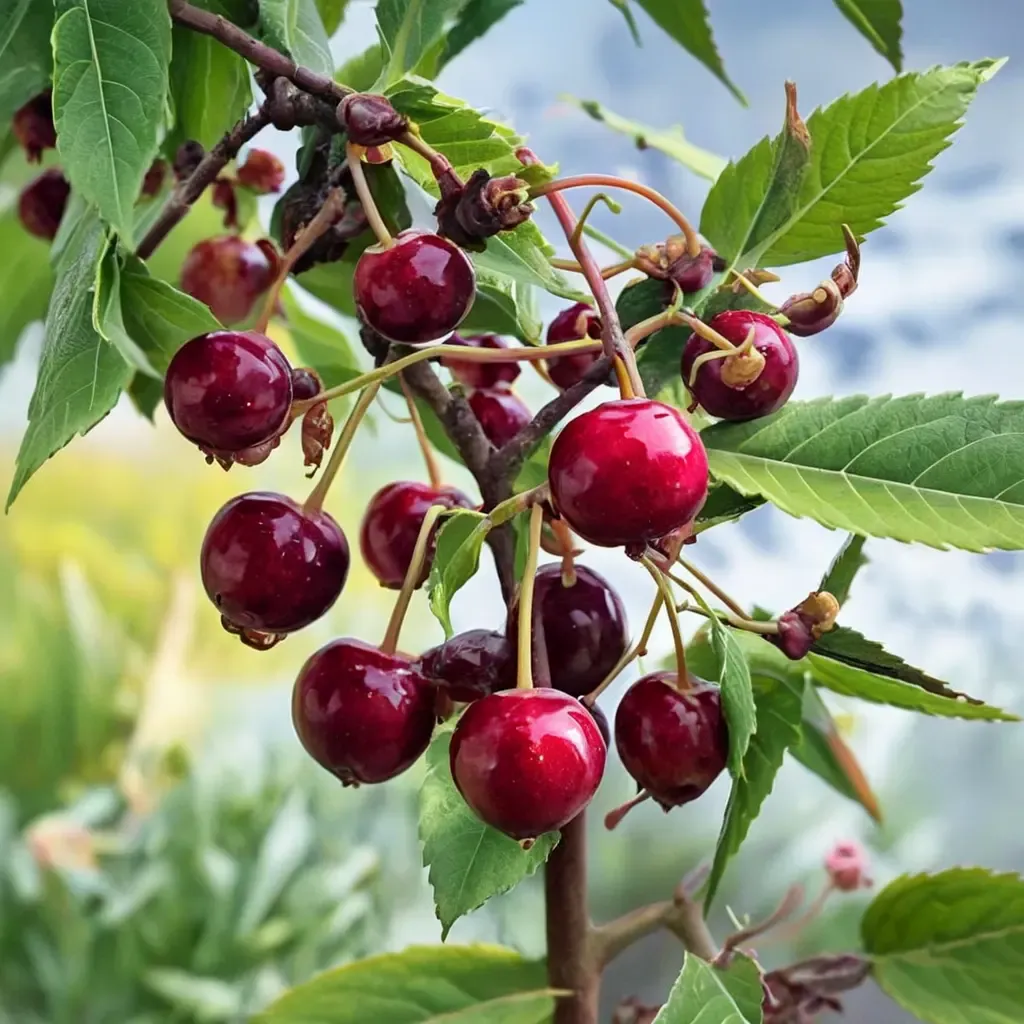
Juliet Cherry
Prunus cerasus 'Juliet'
Keep exploring
Explore the genus
Hardy in your zone?
Grow Sweet Cherry with confidence
See it in a design of your actual yard, get zone-matched care reminders, and track it season by season in your garden journal.