The Story
Plant Bio
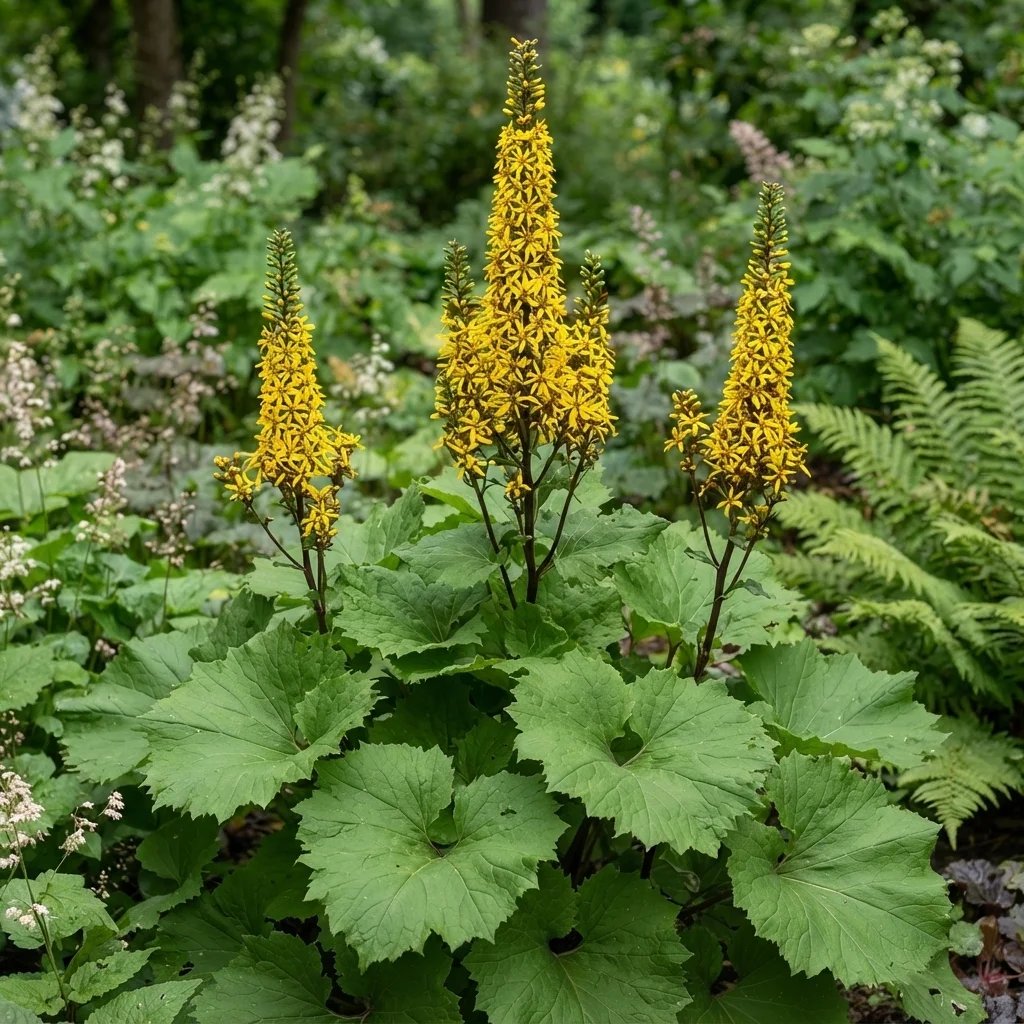
Ligularia wilsoniana is a robust, clump-forming deciduous perennial native to the moist mountain woodlands of China, valued for its architectural stature and massive foliage. The leathery, rounded basal leaves reach up to 20 inches across on sturdy stalks, giving rise to towering, narrow spikes of golden-yellow flowers in midsummer.
This species is distinguished by its exceptionally tall, unbranched flower spikes that rise up to seven feet on rigid, dark purplish stems. The bold, coarsely toothed leaves emerge a fresh green, providing a dramatic structural element in wet, shaded garden areas.
Uses & Benefits:
Essentials
At a Glance
Plant Type
Perennial
Height
84"
Width
60"
Light
Partial Sun, Shade
Zones
4, 5, 6, 7, 8
Water
High
Humidity
Moderate to high
Lifespan
Perennial
Native To
China
Toxicity
Toxic to pets and humans if ingested; sap may cause mild skin irritation
Bloom period
Midsummer – Autumn
In flower about 5 months of the year
Planting
How to Grow
- Select a site in partial to full shade with rich, organic soil that retains moisture.
- Amend the planting area deeply with compost or leaf mold to improve water retention and soil structure.
- Dig a hole twice the width of the root ball and set the crown level with the surrounding soil surface.
- Water thoroughly immediately after planting and maintain a thick layer of organic mulch to preserve soil moisture.
Pro Tip
Plant in rich, humus-heavy soil that remains consistently moist, as even brief dry spells cause the massive leaves to wilt dramatically. While it thrives in wet soils, avoid stagnant, oxygen-starved muck to prevent root rot.
Keep It Thriving
Care Guide
Do
- Keep the soil consistently moist to wet, especially during hot summer afternoons.
- Apply a layer of organic compost or balanced slow-release fertilizer around the base in early spring.
- Divide established clumps every three to four years in early spring to maintain plant vigor.
- Wear gloves when handling the plant if you have sensitive skin, as the sap can cause mild contact dermatitis.
Don't
- Never allow the soil to dry out completely, which triggers rapid and severe leaf wilting.
- Do not plant in full sun or exposed locations where hot afternoon sun will scorch the foliage.
- Do not prune or shear live green foliage during the active summer growing season.
- Avoid planting in stagnant, poorly drained muck where oxygen levels are depleted.
Seasonal Care Calendar
| Task | Jan | Feb | Mar | Apr | May | Jun | Jul | Aug | Sep | Oct | Nov | Dec |
|---|---|---|---|---|---|---|---|---|---|---|---|---|
| Divide | ||||||||||||
| Fertilize | ||||||||||||
| Pest Check | ||||||||||||
| Spring Cleanup | ||||||||||||
| Winter Prep |
Watch Out For
Pests & Diseases
Common Pests
Common Diseases
In the Garden
Landscape Uses & Companions
Landscape Uses
Multiply
Propagation Methods
Good to Know
Common Questions
Wilson's Leopard Plant questions
What zones can Wilson's Leopard Plant grow in?
Wilson's Leopard Plant is hardy in USDA Zones 4–8. Inside that range it survives winter in the ground; outside it, grow it as an annual or a container plant you protect.
Is Wilson's Leopard Plant deer resistant?
Not reliably. Deer may browse Wilson's Leopard Plant, especially tender spring growth — plan on repellents or fencing where pressure is high.
When does Wilson's Leopard Plant bloom?
Wilson's Leopard Plant typically blooms in midsummer through autumn. Exact timing shifts a week or two with your zone — Sow's bloom calendar maps it to your garden.
Does Wilson's Leopard Plant need full sun?
Wilson's Leopard Plant does best in part shade.
More Ligularia to compare
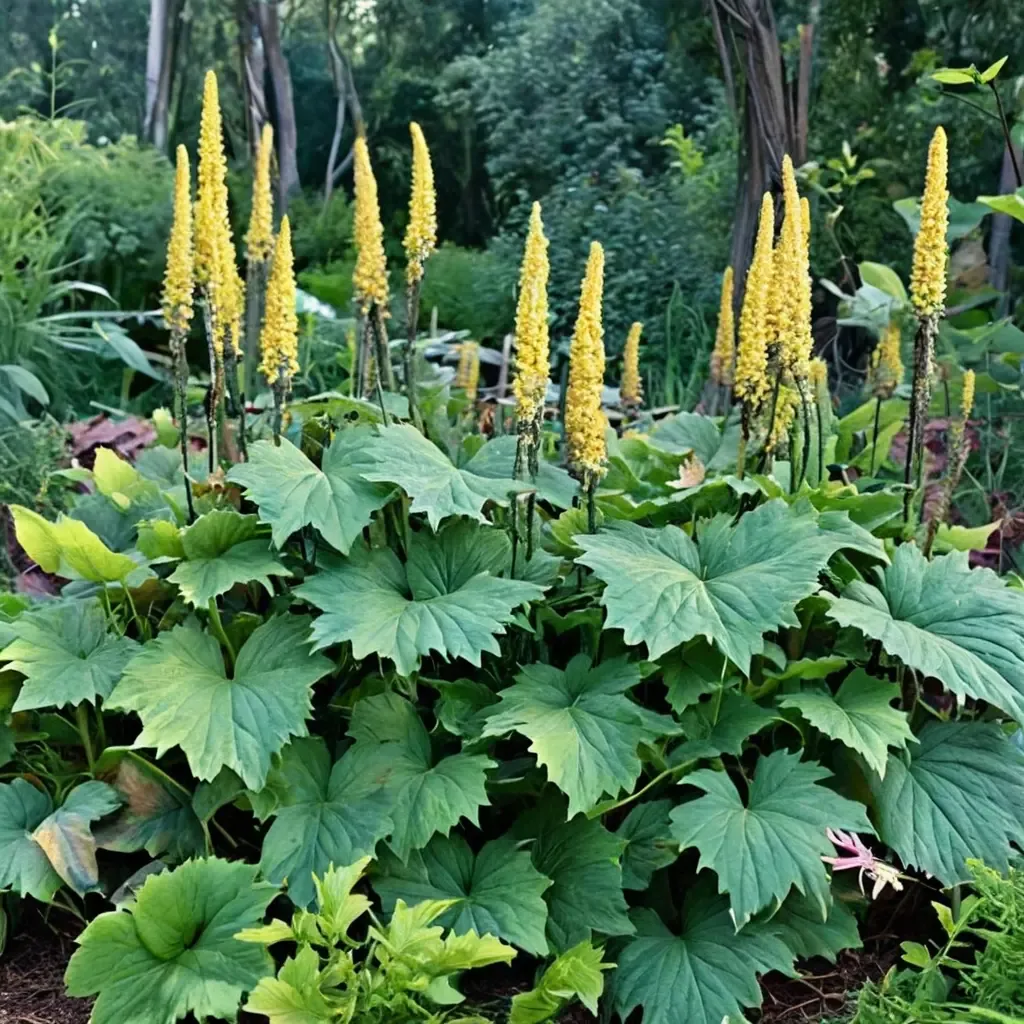
Narrow-spiked Ligularia
Ligularia stenocephala
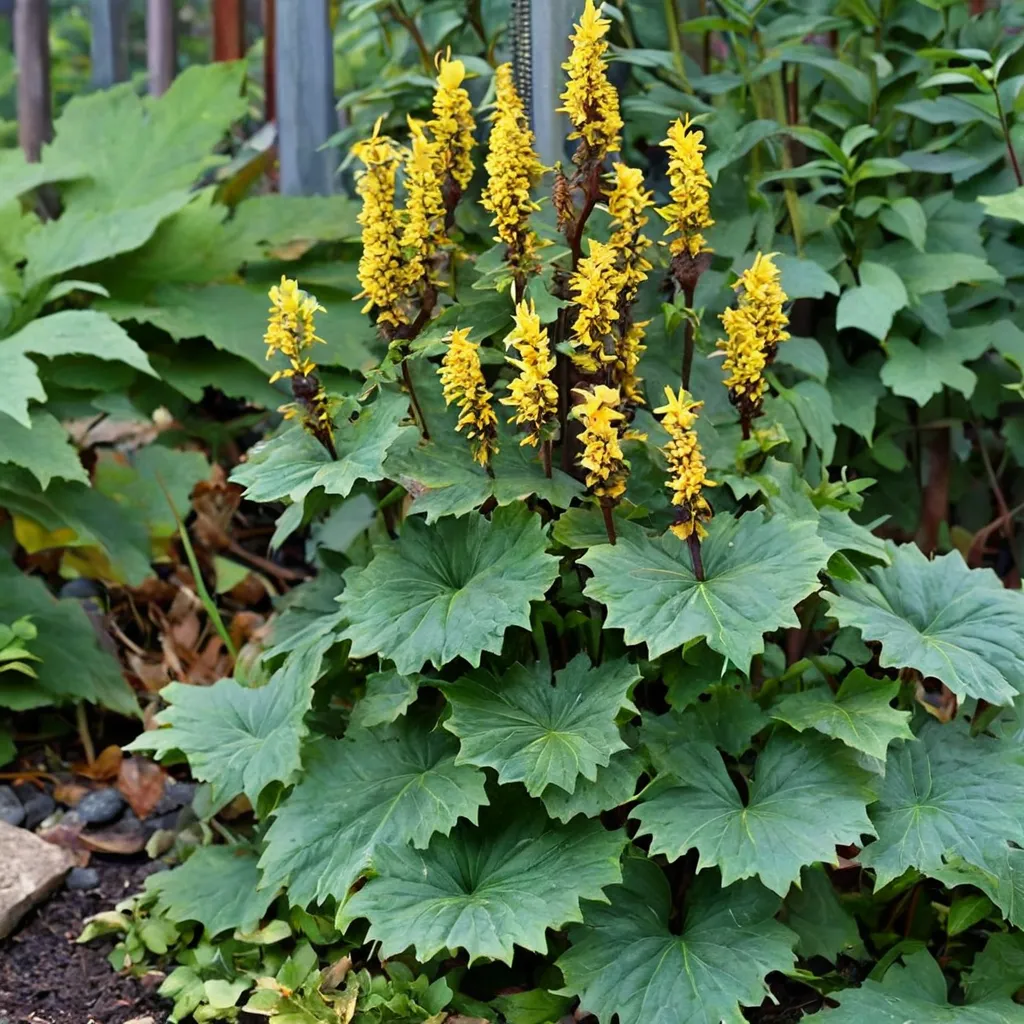
Ligularia Bottle Rocket
Ligularia x hybrida 'Bottle Rocket'
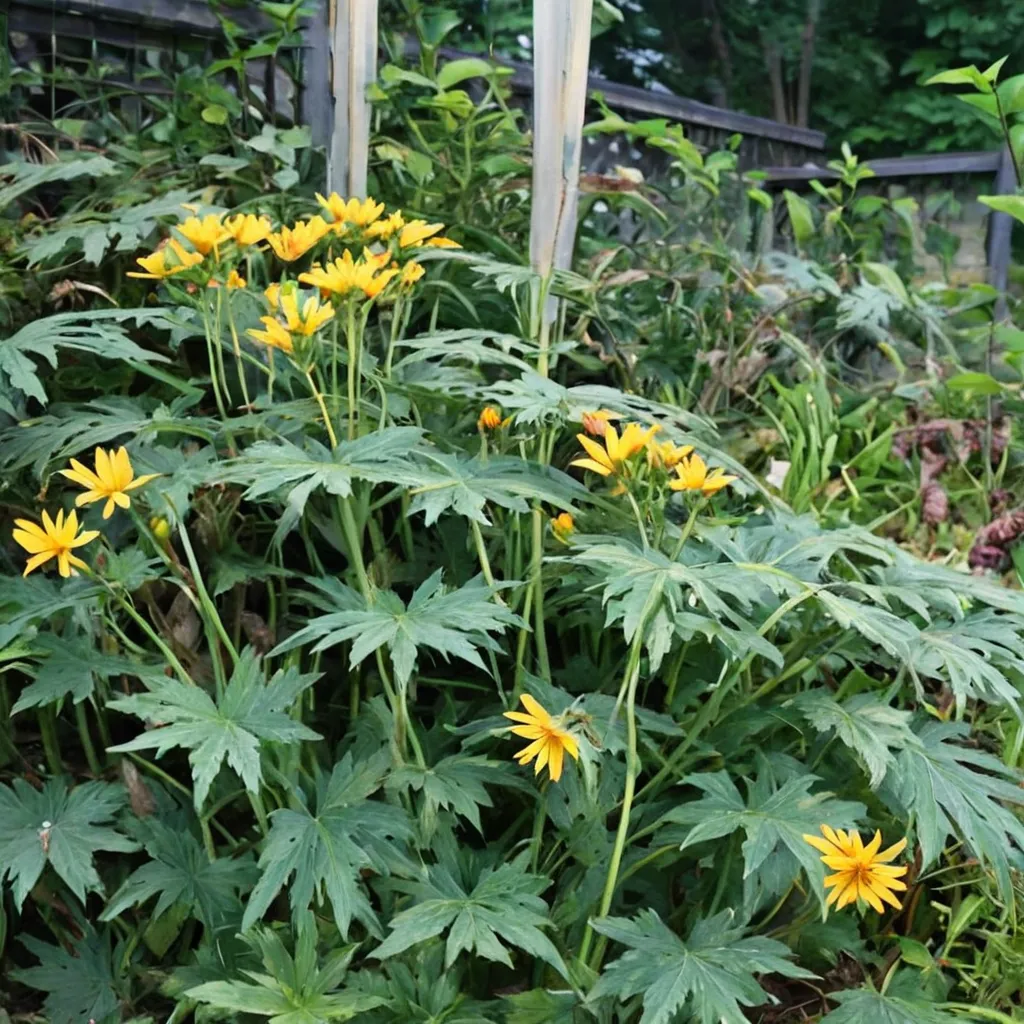
Japanese Ligularia
Ligularia japonica
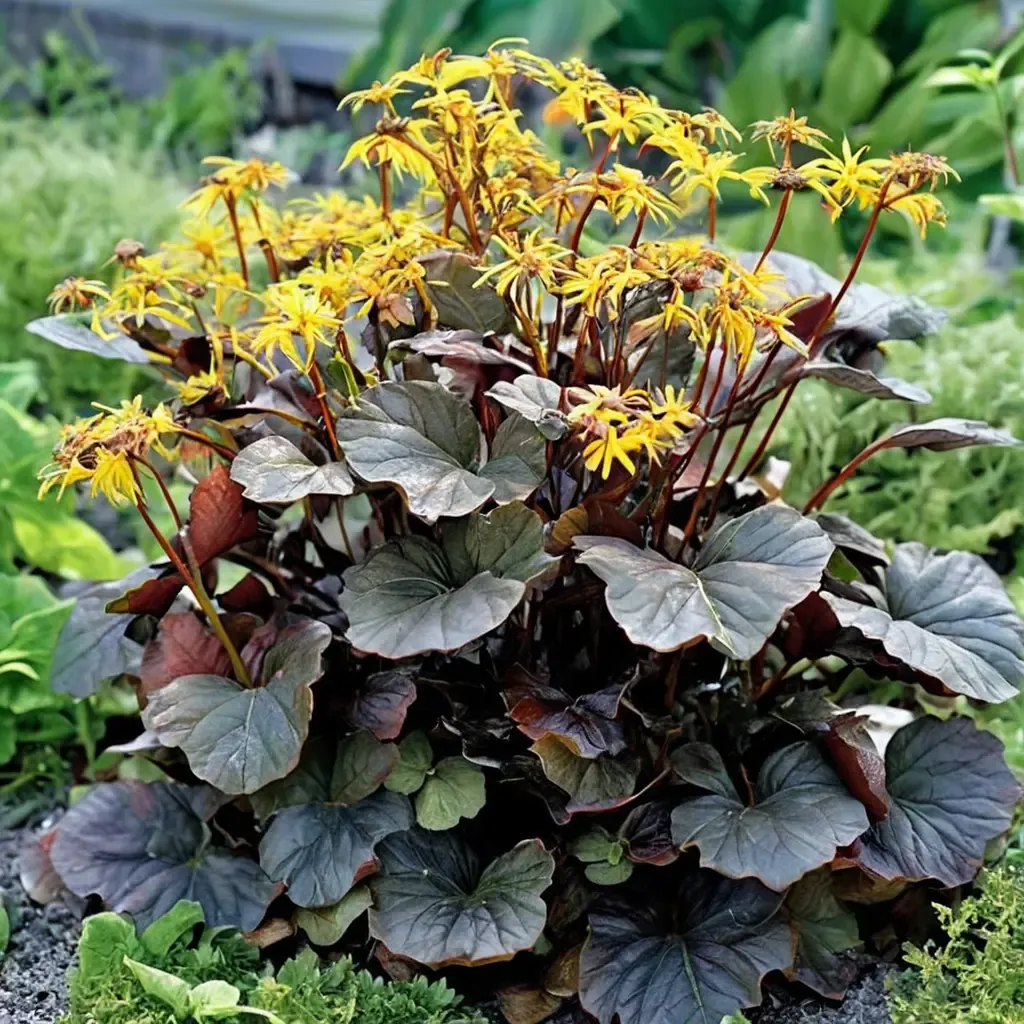
Pandora Leopard Plant
Ligularia dentata 'Pandora'
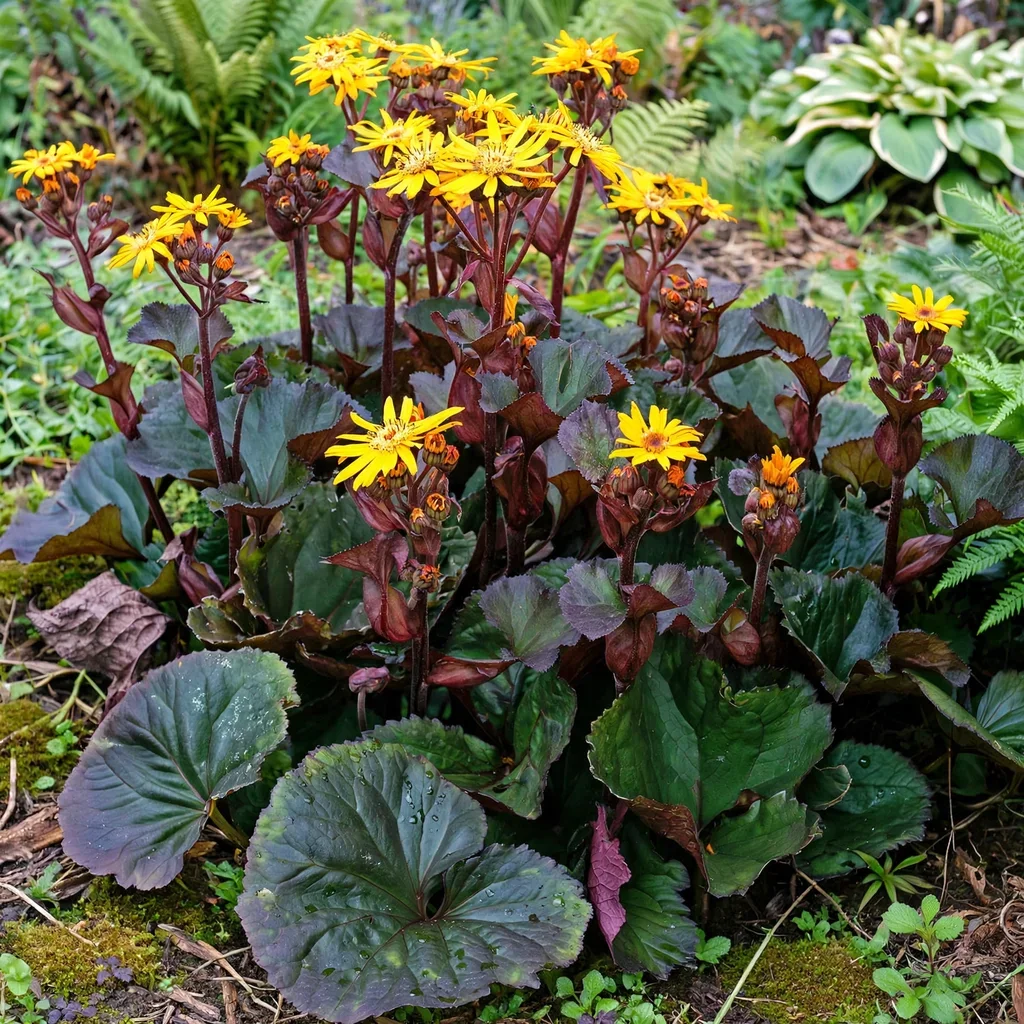
BBQ Banana Ligularia
Ligularia dentata 'BBQ Banana'
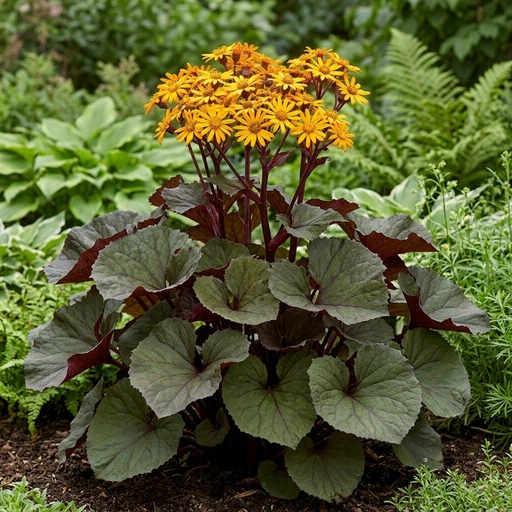
Desdemona Bigleaf Ligularia
Ligularia dentata 'Desdemona'
Keep exploring
Explore the genus
Hardy in your zone?
Grow Wilson's Leopard Plant with confidence
See it in a design of your actual yard, get zone-matched care reminders, and track it season by season in your garden journal.