The Story
Plant Bio
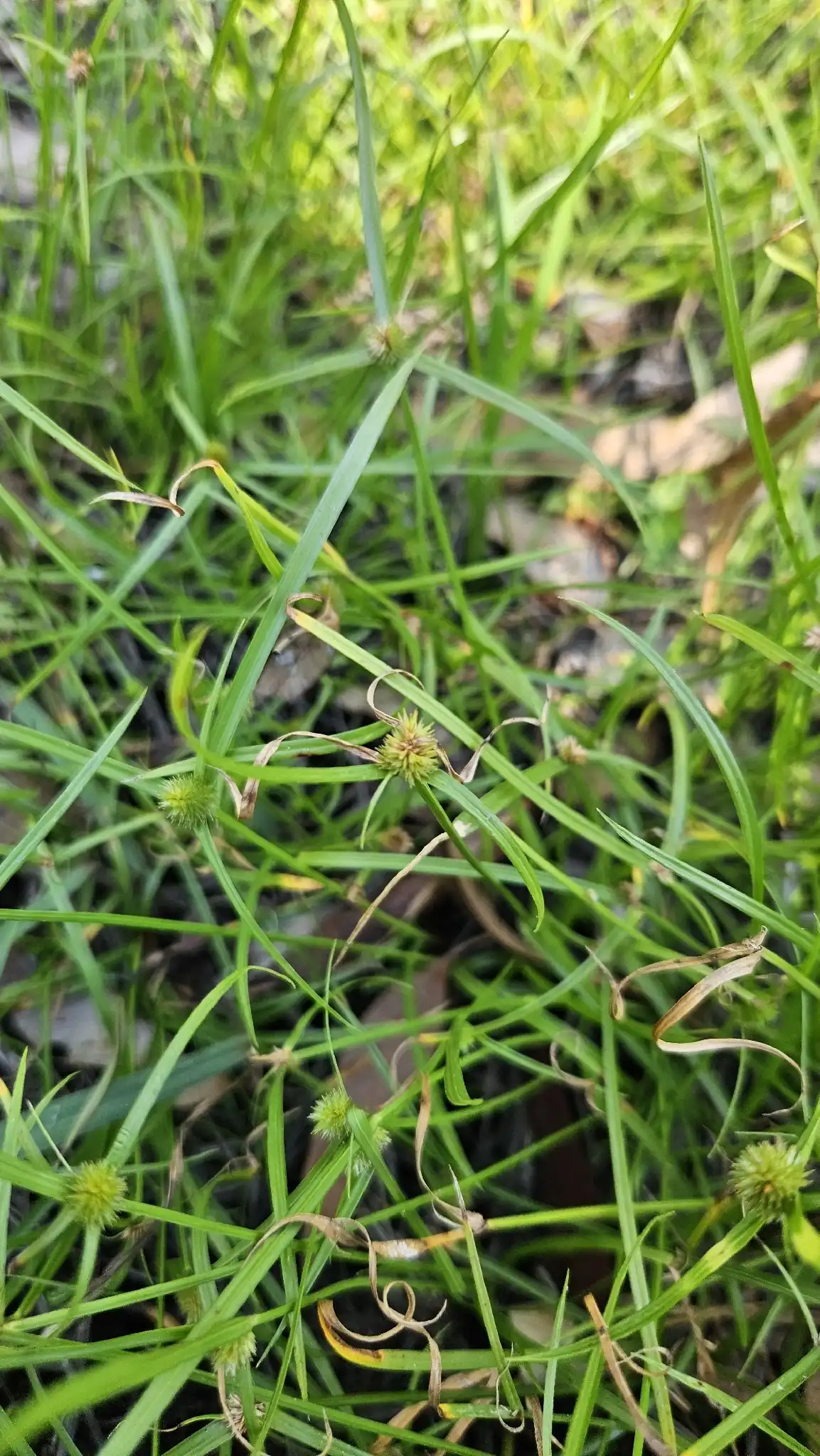
Cyperus brevifolius, commonly known as shortleaf spikesedge, is a low-growing, rhizomatous perennial sedge native to tropical and subtropical regions worldwide, including the southeastern United States. It forms dense, interconnected mats via creeping pinkish-brown underground rhizomes that root at the nodes, producing upright, slender, triangular stems.
The shiny green, linear leaves are considerably shorter than the flowering stems, with vibrant green new growth emerging in spring. In summer and fall, the stems are topped by compact, egg-shaped, pale green terminal spikelets that contain roughly 100 tiny, wind-pollinated flowers.
Uses & Benefits:
Essentials
At a Glance
Plant Type
Perennial
Height
16"
Width
36"
Light
Full Sun, Partial Sun
Zones
8, 9, 10
Water
High
Humidity
High
Lifespan
Perennial
Native To
Pantropical
Toxicity
Non-toxic
Bloom period
Summer – Fall
In flower about 6 months of the year
Planting
How to Grow
- Select a site in full sun to partial shade with consistently moist to wet soil.
- Plant container specimens or plugs directly into wet sand, loam, or clay substrates.
- Maintain high soil moisture, as the plant suffers and goes dormant during extended dry periods.
- Avoid applying standard lawn fertilizers, which will stimulate the sedge's growth at the expense of surrounding vegetation.
Pro Tip
Manual eradication requires extracting every segment of the creeping pinkish-brown rhizome network; any fragments left behind in the soil will rapidly regenerate.
Keep It Thriving
Care Guide
Do
- Keep the soil consistently moist or wet to support healthy growth.
- Extract the entire underground rhizome network completely if attempting manual removal.
- Grow in containers if you wish to restrict its aggressive, spreading habit.
Don't
- Do not allow the soil to dry out completely, as the plant has low drought tolerance.
- Do not use standard selective broadleaf herbicides, as they are ineffective and can eliminate competing turfgrass.
- Do not leave rhizome fragments in the soil during weeding, as they regenerate rapidly.
Seasonal Care Calendar
| Task | Jan | Feb | Mar | Apr | May | Jun | Jul | Aug | Sep | Oct | Nov | Dec |
|---|---|---|---|---|---|---|---|---|---|---|---|---|
| Pest Check | ||||||||||||
| Plant | ||||||||||||
| Propagate | ||||||||||||
| Winter Prep |
Watch Out For
Pests & Diseases
Common Pests
Common Diseases
In the Garden
Landscape Uses & Companions
Landscape Uses
Companion Plants
Multiply
Propagation Methods
Good to Know
Common Questions
Shortleaf Spikesedge questions
What zones can Shortleaf Spikesedge grow in?
Shortleaf Spikesedge is hardy in USDA Zones 8–10. Inside that range it survives winter in the ground; outside it, grow it as an annual or a container plant you protect.
When does Shortleaf Spikesedge bloom?
Shortleaf Spikesedge typically blooms in summer through fall. Exact timing shifts a week or two with your zone — Sow's bloom calendar maps it to your garden.
Does Shortleaf Spikesedge need full sun?
Shortleaf Spikesedge does best in full sun to part shade. In hot climates, afternoon shade keeps blooms fresher longer.
More Cyperus to compare
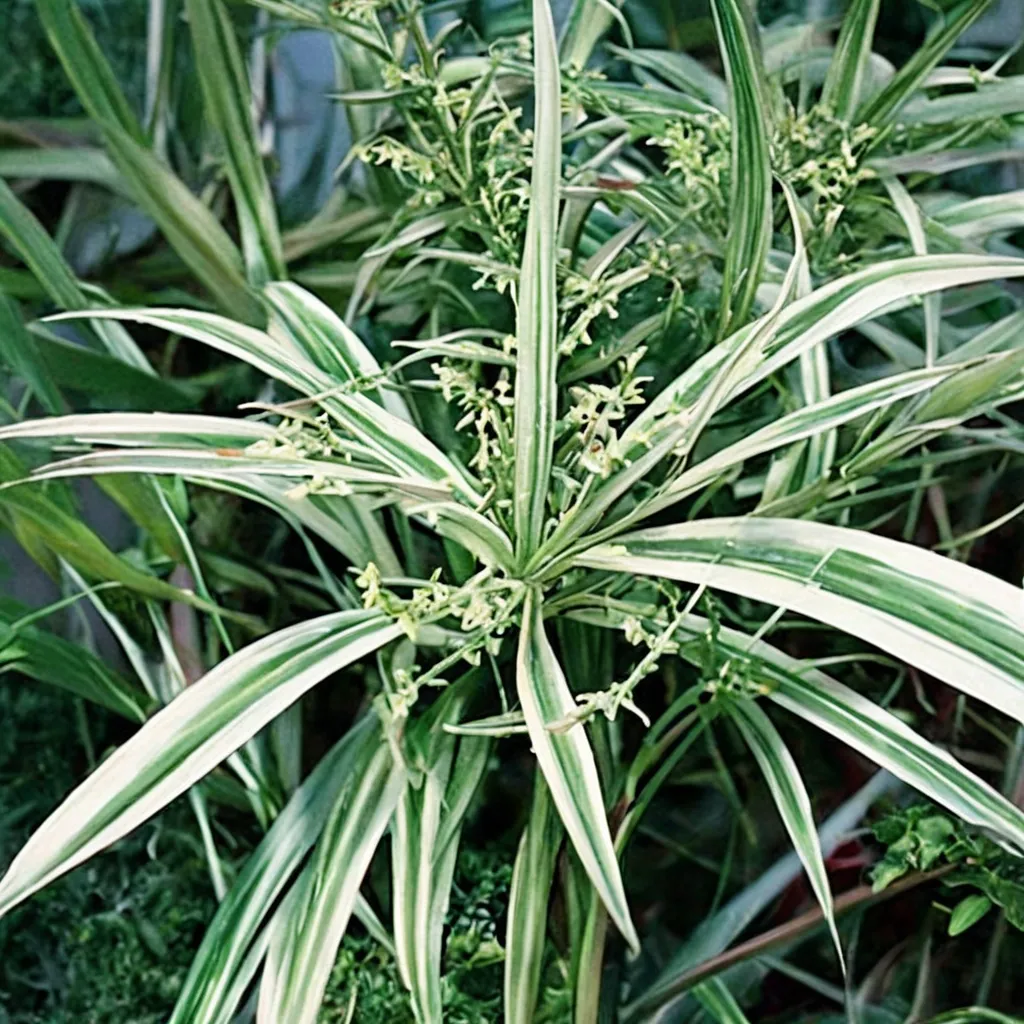
Variegated Dwarf Umbrella Grass
Cyperus albostriatus 'Variegatus'
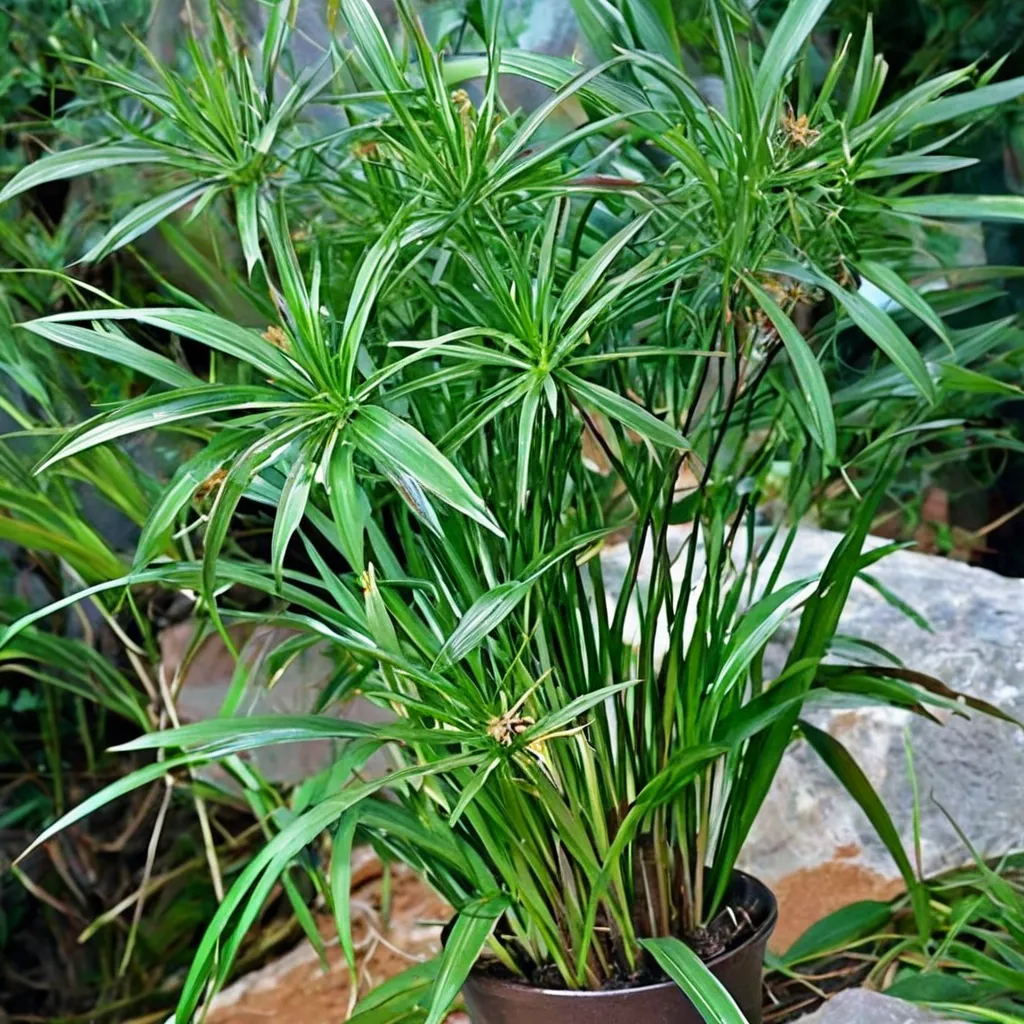
Umbrella Plant
Cyperus alternifolius
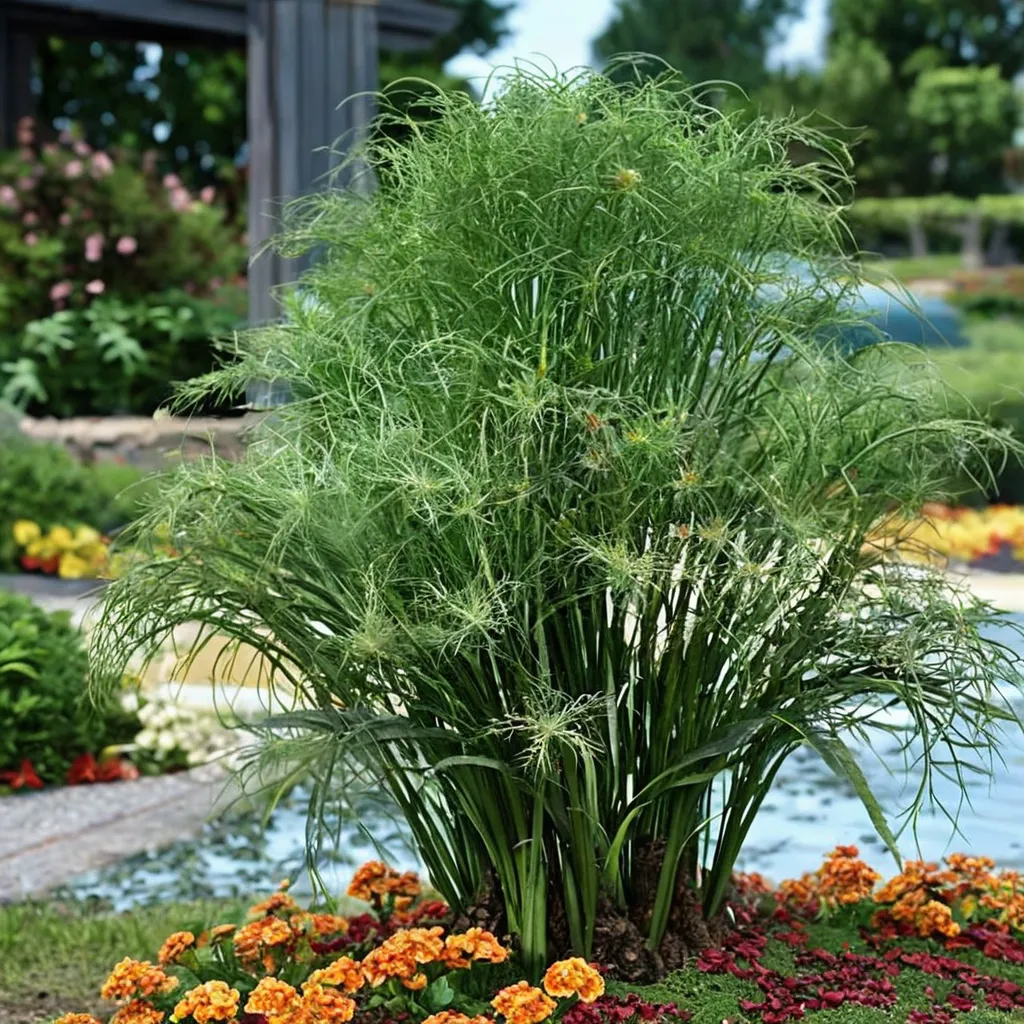
King Tut Papyrus
Cyperus papyrus 'King Tut'
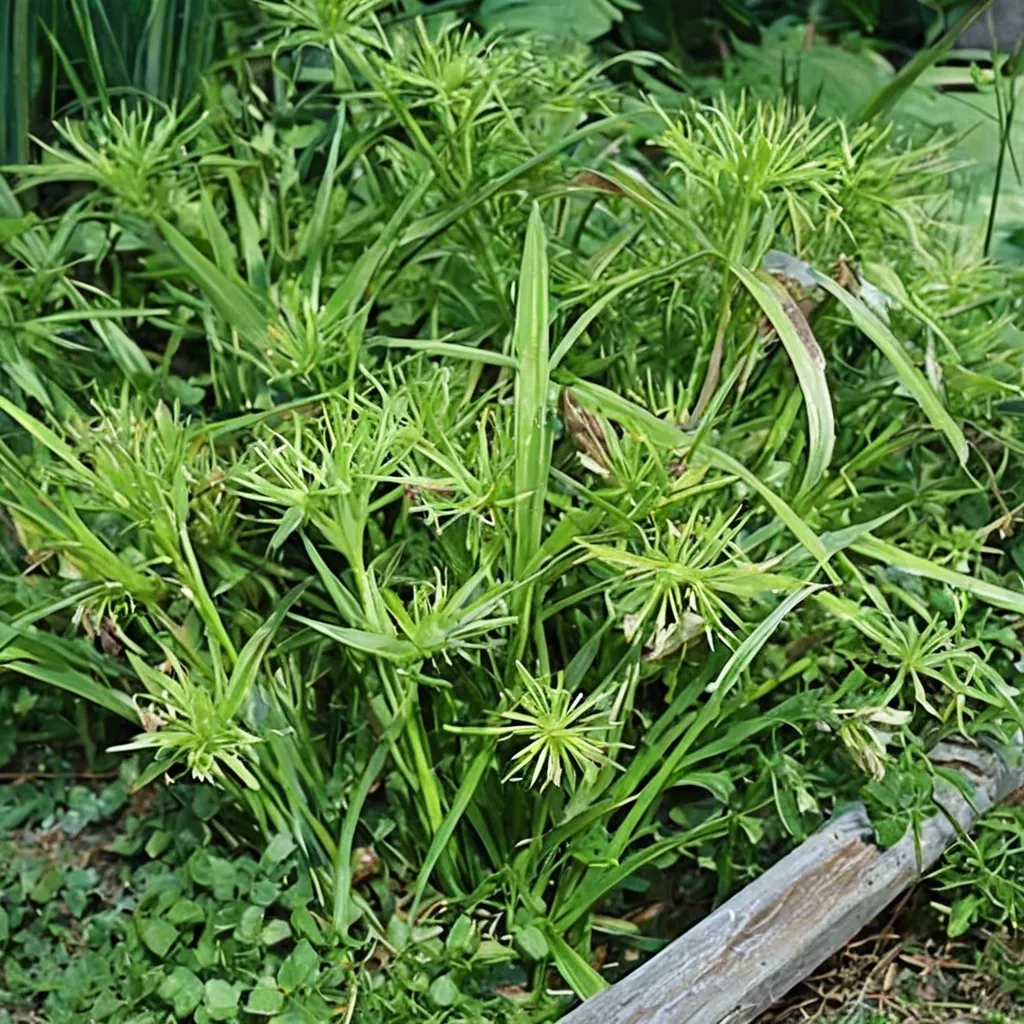
Dwarf Umbrella Plant
Cyperus albostriatus 'Nanus'
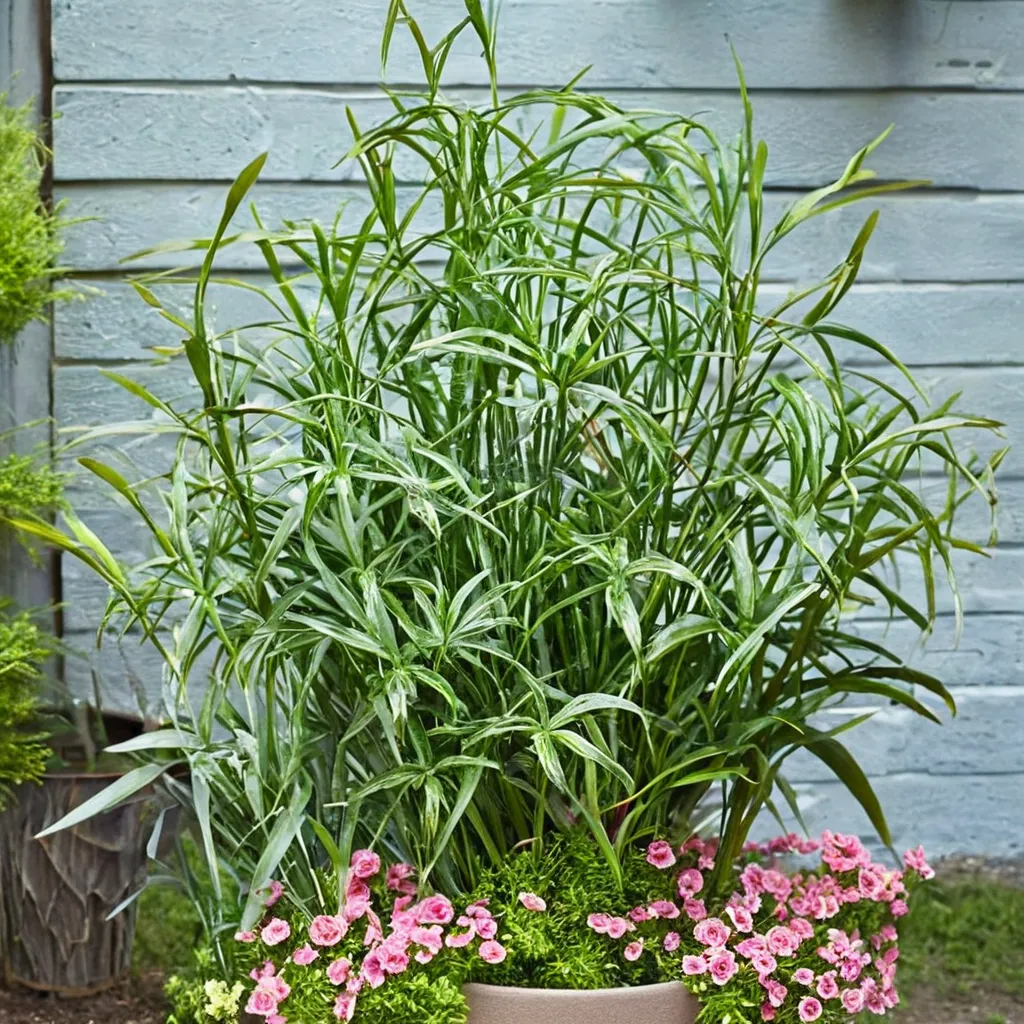
Baby Tut Dwarf Umbrella Plant
Cyperus involucratus 'Baby Tut'
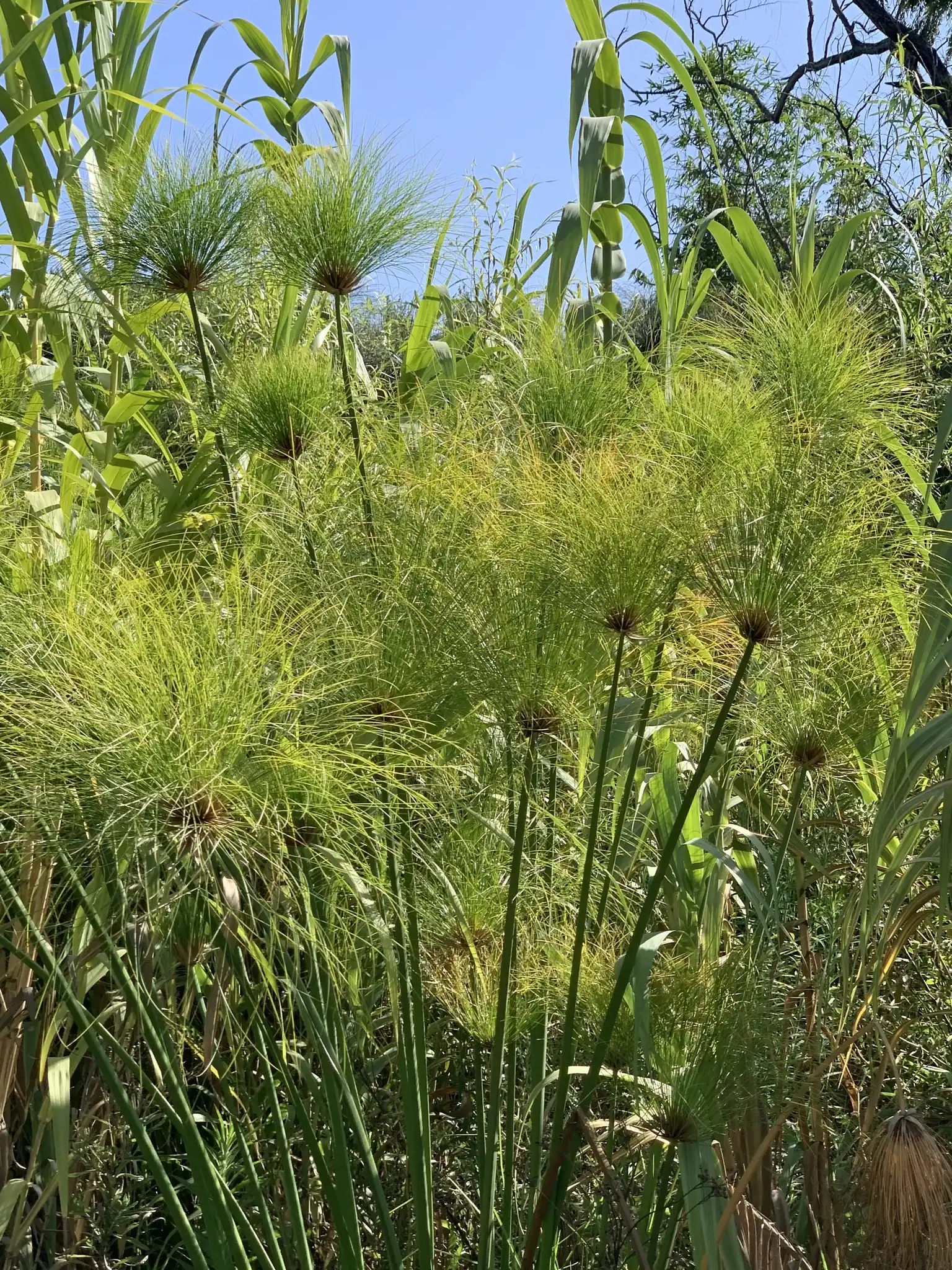
Papyrus
Cyperus papyrus
Keep exploring
Explore the genus
Hardy in your zone?
Grow Shortleaf Spikesedge with confidence
See it in a design of your actual yard, get zone-matched care reminders, and track it season by season in your garden journal.