The Story
Plant Bio
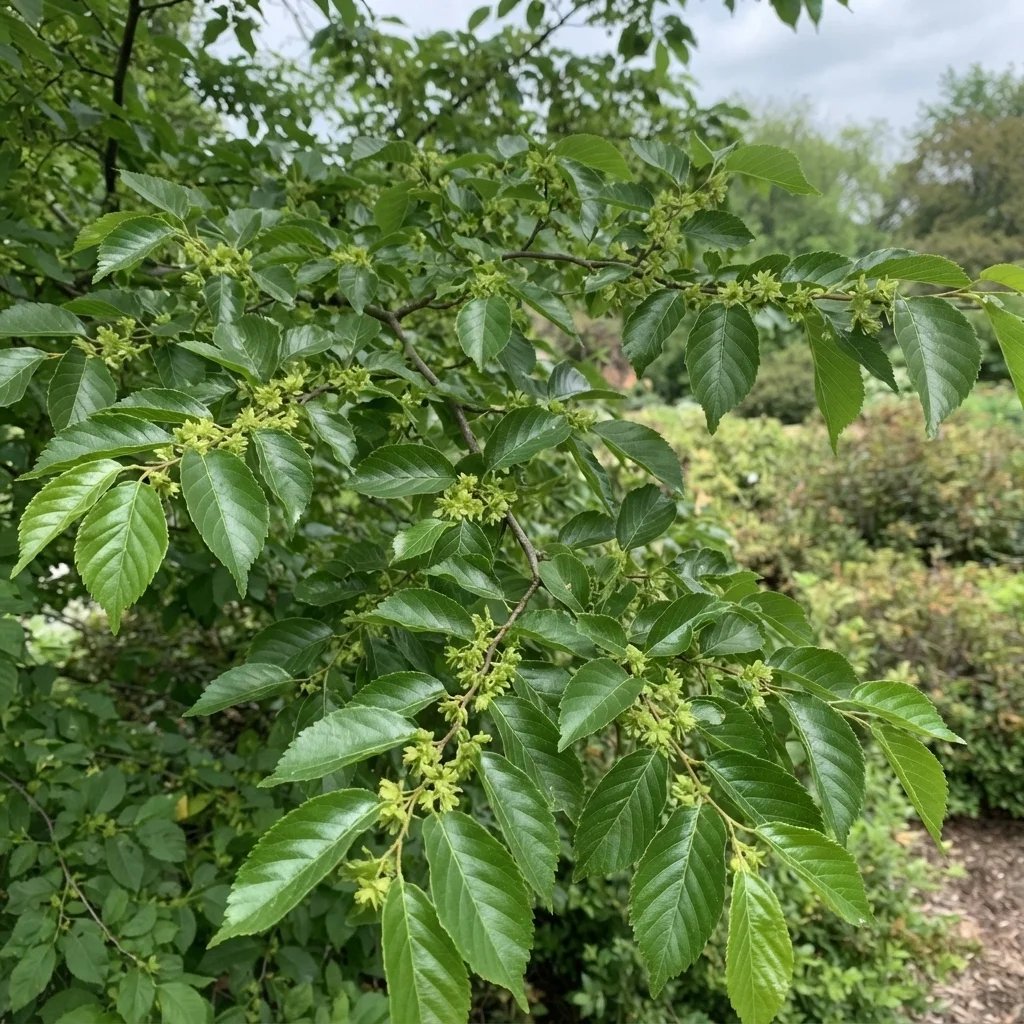
Ulmus davidiana var. japonica is a deciduous tree native to northeastern Asia, where it grows in damp forests and alluvial soils. The species develops a broad, upright-arching canopy with fine-textured, serrated leaves that turn golden-yellow before dropping in fall.
'Morton', sold under the trade name Accolade, is a selection distinguished by its vase-shaped habit that closely mimics the form of the American elm. It exhibits exceptional resistance to Dutch elm disease and elm leaf beetle, making it a reliable substitute for vulnerable native species.
Uses & Benefits:
Essentials
At a Glance
Plant Type
Tree
Height
840"
Width
600"
Light
Full Sun, Partial Sun
Zones
4, 5, 6, 7, 8, 9
Water
Moderate
Humidity
Moderate
Lifespan
Long
Native To
Northeastern Asia
Toxicity
Non-toxic
Bloom period
Spring
In flower about 3 months of the year
Planting
How to Grow
- Plant in a full-sun location with rich, well-drained loam, though the tree adapts to clay or sandy soils.
- Water regularly during the first two growing seasons to establish a deep, drought-tolerant root system.
- Prune annually or biennially in late winter to remove competing co-dominant stems and establish strong branch architecture.
- Apply a layer of organic mulch over the root zone to retain moisture and protect the trunk from mower damage.
Pro Tip
Train young trees to a single leader early to prevent the formation of weak, co-dominant stems and bark inclusions.
Keep It Thriving
Care Guide
Do
- Prune young trees regularly to establish a strong central leader.
- Mulch the root zone to maintain soil moisture and protect the shallow roots.
- Water deeply during extended dry periods to maintain vigor.
Don't
- Do not prune aggressively into old bare wood that lacks active growth points.
- Do not plant in poorly drained, permanently waterlogged sites.
- Avoid wounding the trunk, which can allow wetwood bacteria to enter.
Seasonal Care Calendar
| Task | Jan | Feb | Mar | Apr | May | Jun | Jul | Aug | Sep | Oct | Nov | Dec |
|---|---|---|---|---|---|---|---|---|---|---|---|---|
| Fertilize | ||||||||||||
| Mulch | ||||||||||||
| Pest Check | ||||||||||||
| Prune |
Watch Out For
Pests & Diseases
Common Pests
Common Diseases
In the Garden
Landscape Uses & Companions
Landscape Uses
Multiply
Propagation Methods
Good to Know
Common Questions
Accolade Elm questions
What zones can Accolade Elm grow in?
Accolade Elm is hardy in USDA Zones 4–9. Inside that range it survives winter in the ground; outside it, grow it as an annual or a container plant you protect.
When does Accolade Elm bloom?
Accolade Elm typically blooms in spring through spring. Exact timing shifts a week or two with your zone — Sow's bloom calendar maps it to your garden.
Does Accolade Elm need full sun?
Accolade Elm does best in full sun to part shade. In hot climates, afternoon shade keeps blooms fresher longer.
Is Accolade Elm drought tolerant?
Yes — once established (usually after the first full season), Accolade Elm handles dry spells with minimal watering. Water deeply its first year to build the root system that makes that possible.
More Ulmus to compare
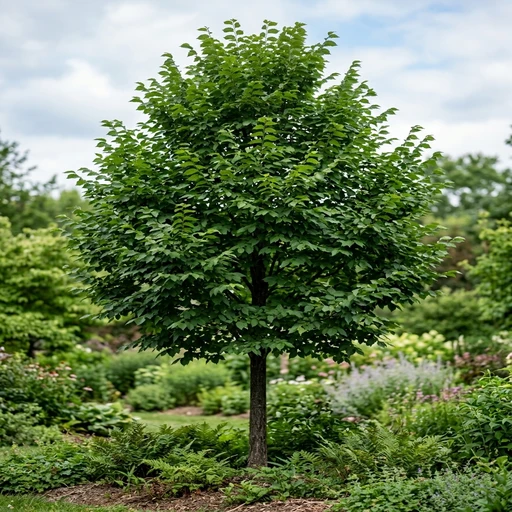
Princeton Elm
Ulmus americana 'Princeton'
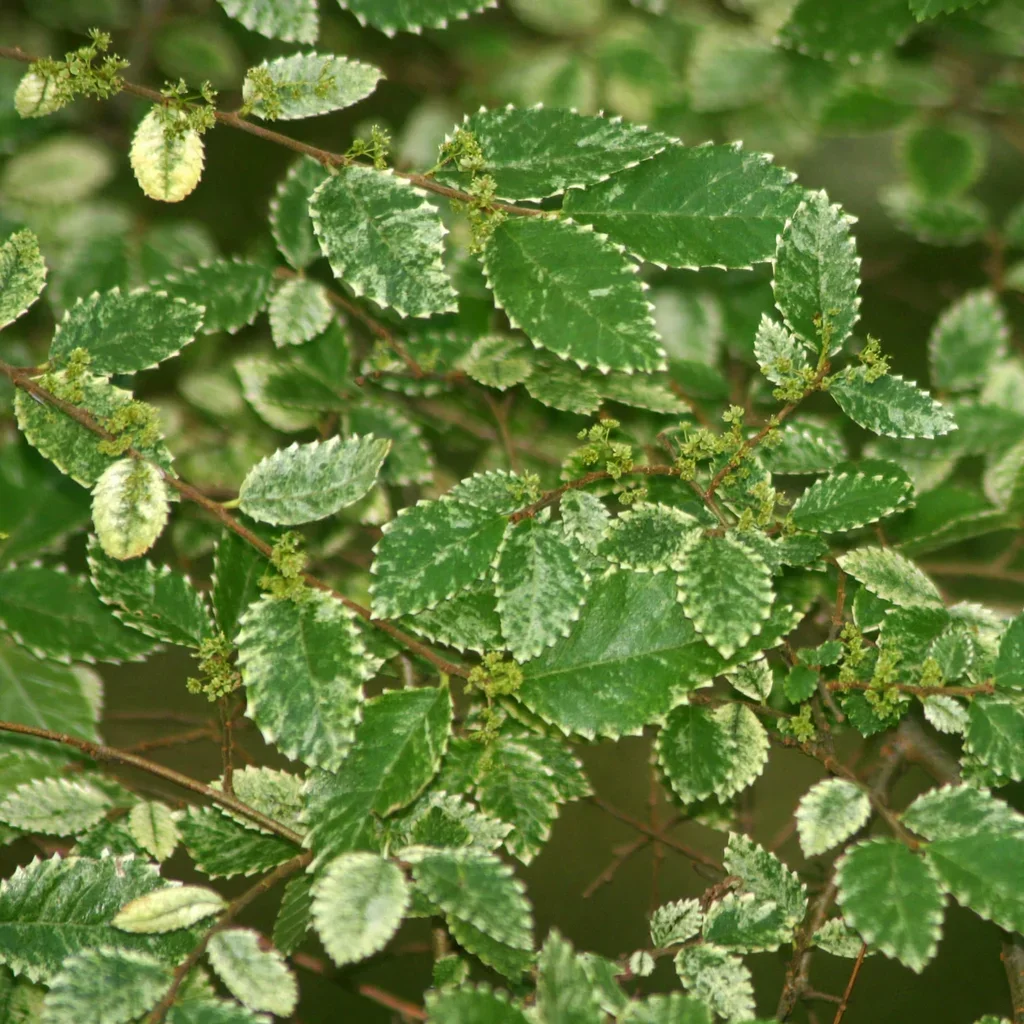
Variegated Chinese Elm
Ulmus parvifolia 'Variegata'
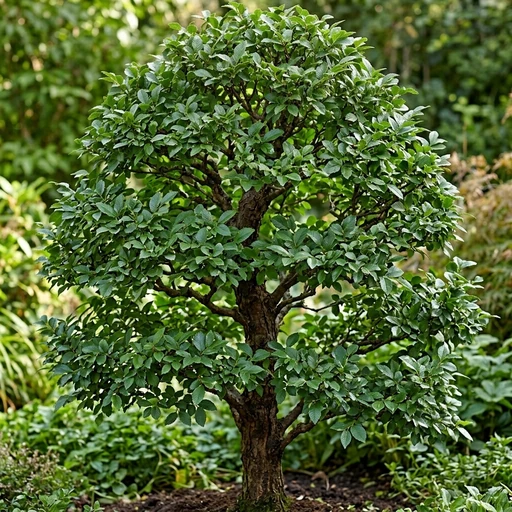
Cedar Elm
Ulmus crassifolia
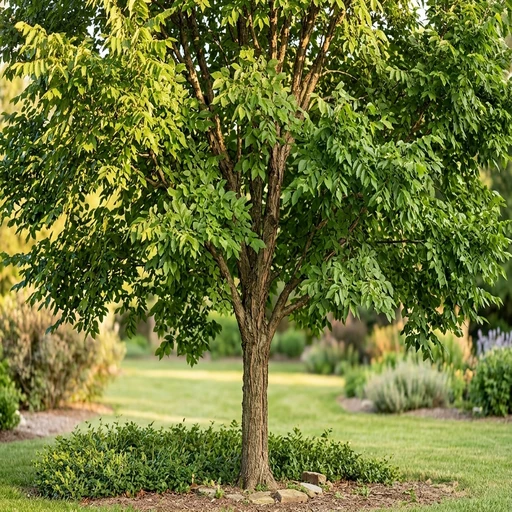
Winged Elm
Ulmus alata
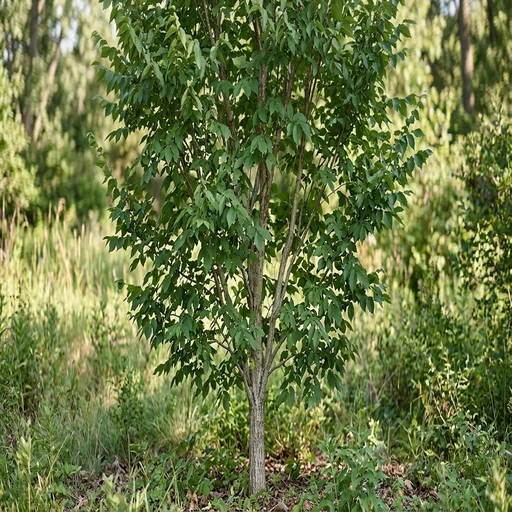
Colonial Spirit American Elm
Ulmus americana 'Colonial Spirit'
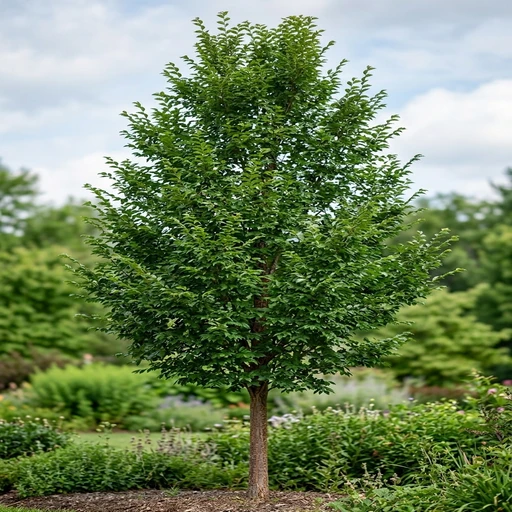
Everclear Lacebark Elm
Ulmus parvifolia 'Everclear'
Keep exploring
Explore the genus
Grow Accolade Elm with confidence
See it in a design of your actual yard, get zone-matched care reminders, and track it season by season in your garden journal.