The Story
Plant Bio
Liatris, or blazing stars, are upright, clump-forming perennials native to North American prairies. They are known for their unique flowering habit, with blooms opening from the top of the spike downwards.
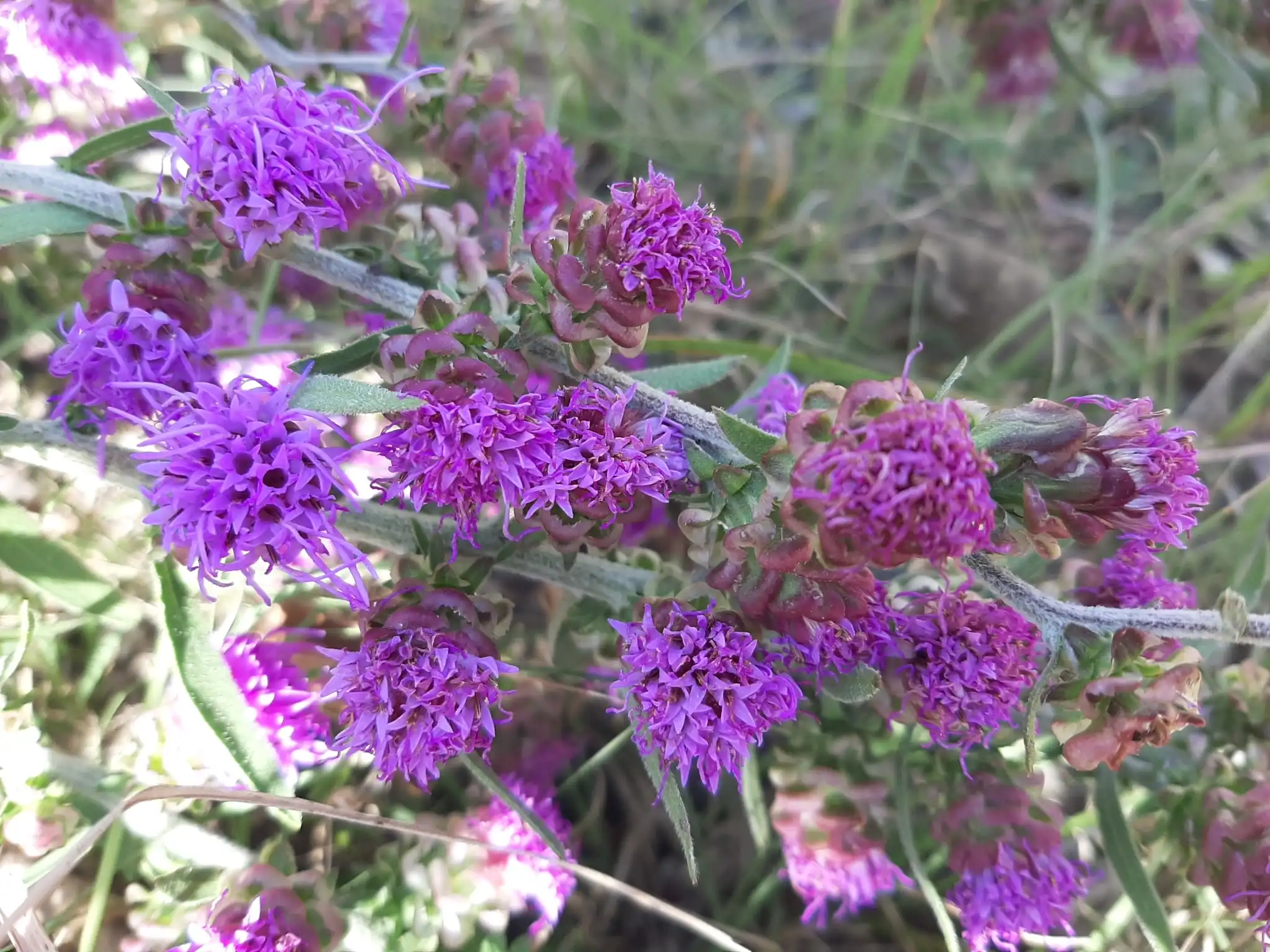
Liatris aspera is distinguished by its 'button-like' flower heads arranged along the stalk, rather than the feathery plumes of other species. It is exceptionally drought-tolerant due to its deep corm and taproot.
Uses & Benefits:
Essentials
At a Glance
Plant Type
Perennial
Height
36"
Width
18"
Light
Full Sun
Zones
4, 5, 6, 7, 8
Water
Low
Humidity
Low to moderate
Lifespan
Long-lived perennial
Native To
Central and Eastern North America
Toxicity
Non-toxic
Bloom period
Late summer – Mid-fall
In flower about 3 months of the year
Marketplace
Where to Buy
Shipping costs Year-round shipping Free shipping
Planting
How to Grow
- Select a site that receives full, all-day sun.
- Ensure the soil is very well-drained; amend with grit if needed.
- Plant corms 3-5 inches deep and 8-12 inches apart.
- Water once after planting to settle the soil around the corms.
- Provide minimal water once established; it thrives on neglect.
- Avoid mulching directly over the crown to prevent rot.
Pro Tip
Plant in lean, well-drained soil to prevent flopping; rich soil encourages weak, leggy stems.
Keep It Thriving
Care Guide
Do
- Provide excellent drainage; this is the most critical factor.
- Embrace its natural, wild look in prairie-style plantings.
- Leave spent flower stalks for winter interest and bird food.
- Pair with native grasses that help support the tall stems.
Don't
- Don't overwater or plant in a consistently moist location.
- Don't fertilize; it prefers poor, lean soils.
- Don't plant in shade, which will cause stems to stretch and flop.
- Don't worry about pests or diseases; it is remarkably trouble-free.
Seasonal Care Calendar
| Task | Jan | Feb | Mar | Apr | May | Jun | Jul | Aug | Sep | Oct | Nov | Dec |
|---|---|---|---|---|---|---|---|---|---|---|---|---|
| Pest Check | ||||||||||||
| Plant | ||||||||||||
| Spring Cleanup |
Watch Out For
Pests & Diseases
Common Pests
Common Diseases
In the Garden
Landscape Uses & Companions
Landscape Uses
Multiply
Propagation Methods
Good to Know
Common Questions
Rough Gayfeather questions
What zones can Rough Gayfeather grow in?
Rough Gayfeather is hardy in USDA Zones 4–8. Inside that range it survives winter in the ground; outside it, grow it as an annual or a container plant you protect.
Is Rough Gayfeather deer resistant?
Yes — Rough Gayfeather is rated deer-resistant. Deer typically pass it over, though extreme hunger can override any plant's defenses.
When does Rough Gayfeather bloom?
Rough Gayfeather typically blooms in late summer through mid-fall. Exact timing shifts a week or two with your zone — Sow's bloom calendar maps it to your garden.
Does Rough Gayfeather need full sun?
Rough Gayfeather does best in full sun (6+ hours).
Is Rough Gayfeather drought tolerant?
Yes — once established (usually after the first full season), Rough Gayfeather handles dry spells with minimal watering. Water deeply its first year to build the root system that makes that possible.
More Liatris to compare
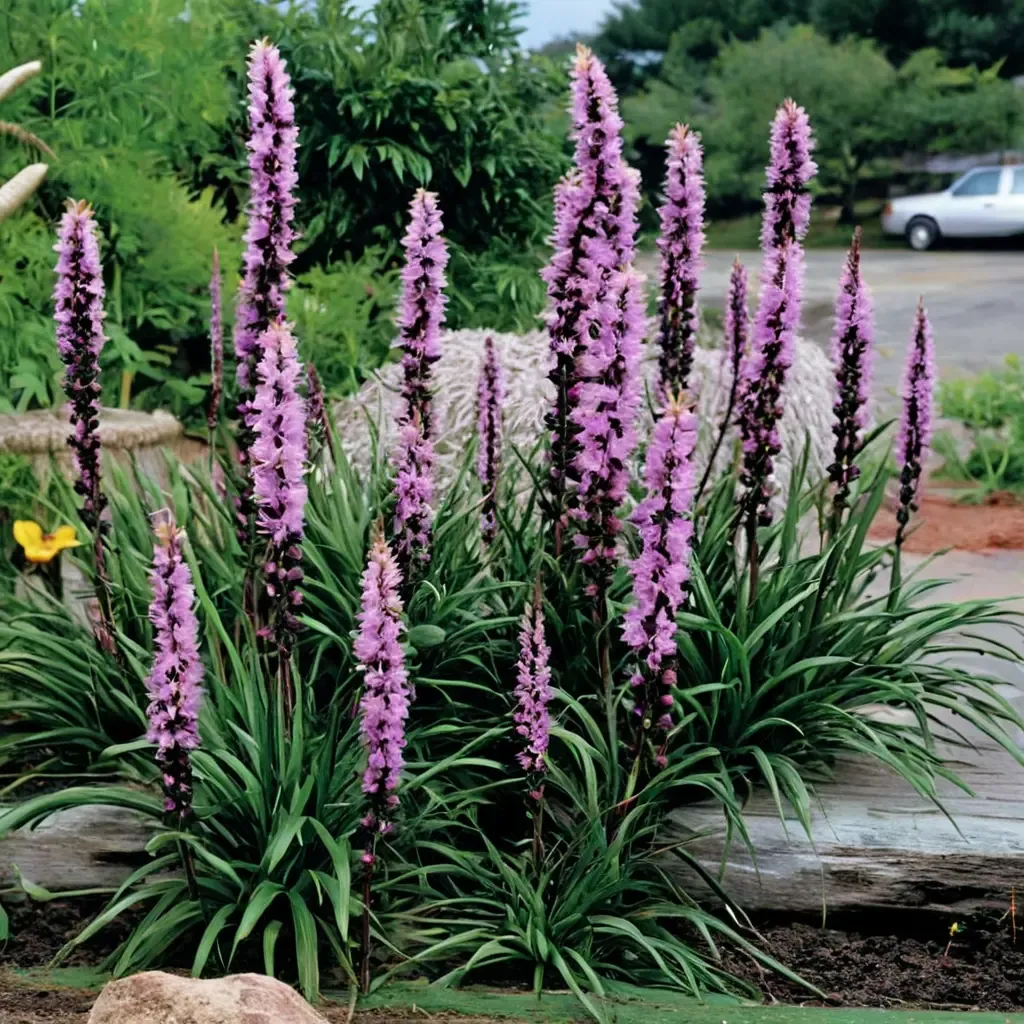
Kobold Blazing Star
Liatris spicata 'Kobold'
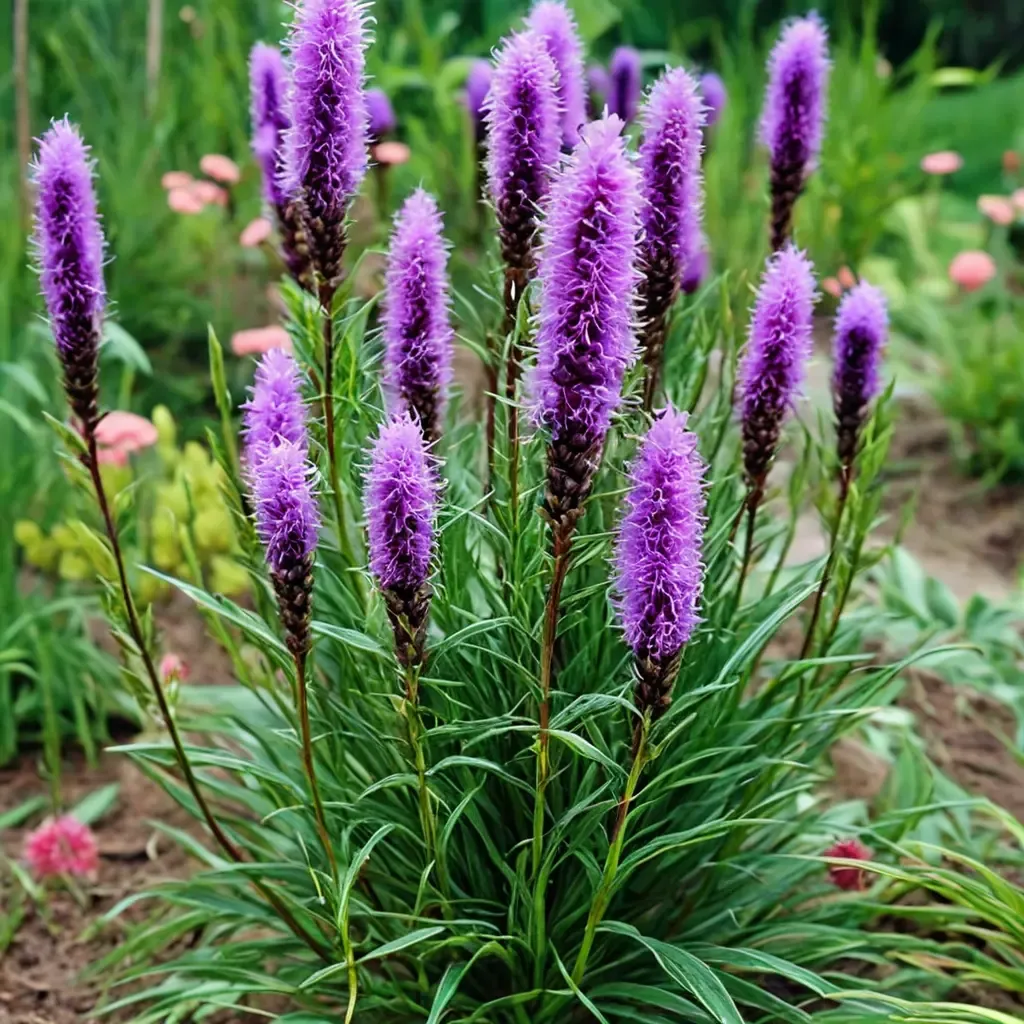
Blazing Star Gayfeather
Liatris spicata
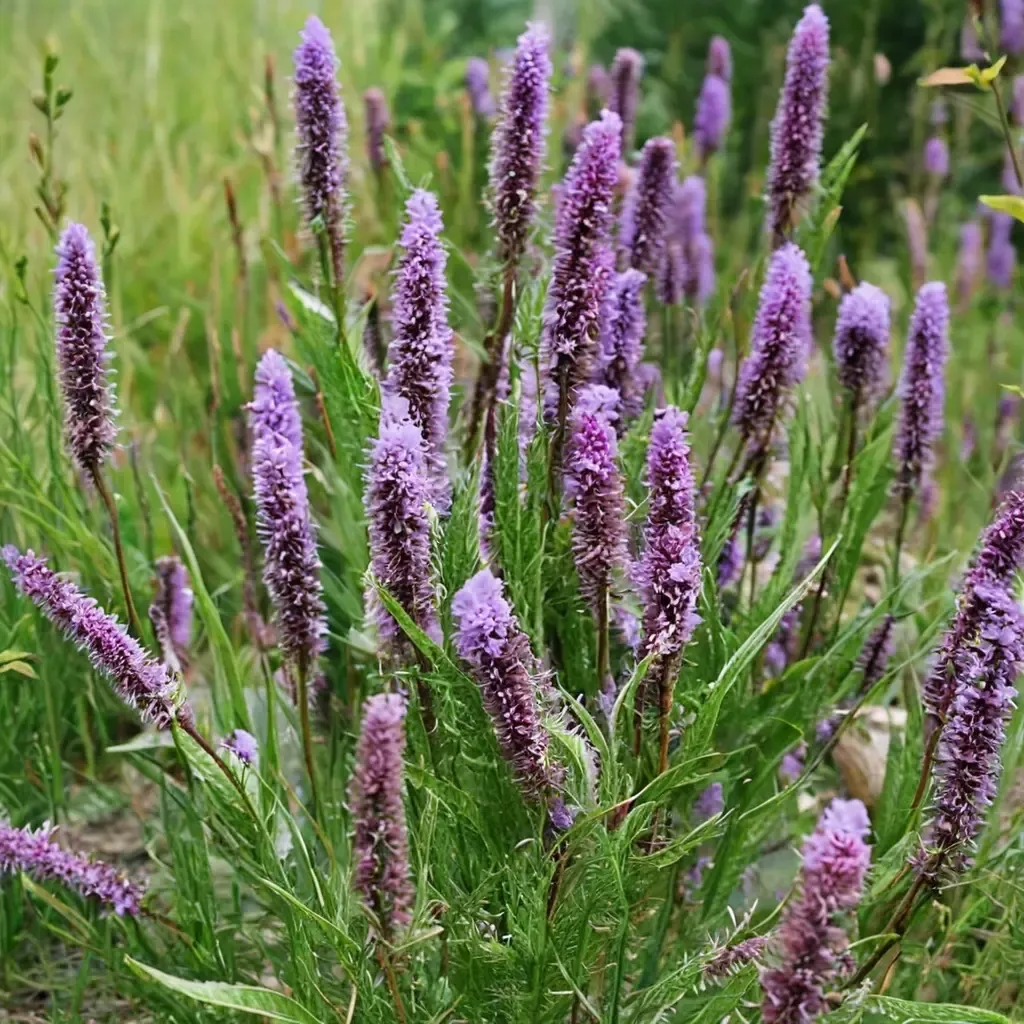
Prairie Blazing Star
Liatris pycnostachya
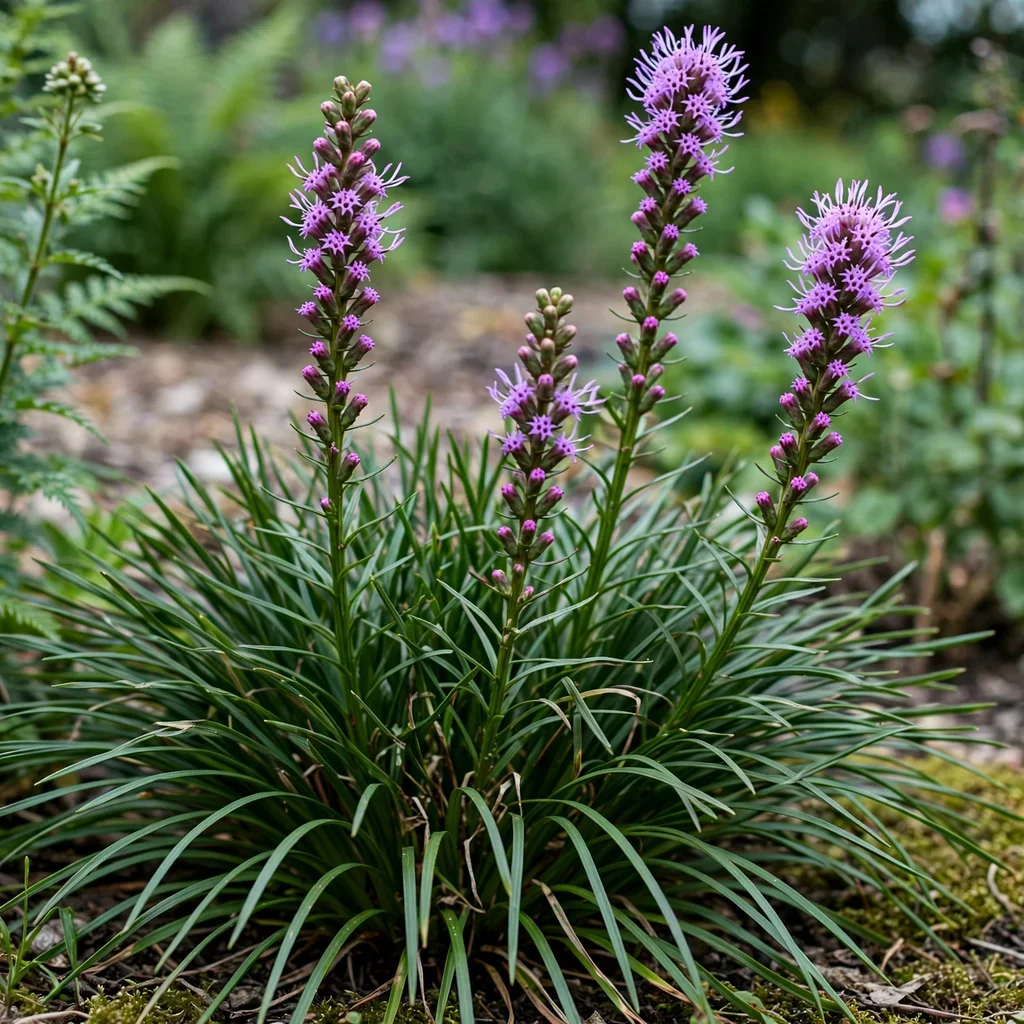
Dwarf Blazing Star
Liatris microcephala
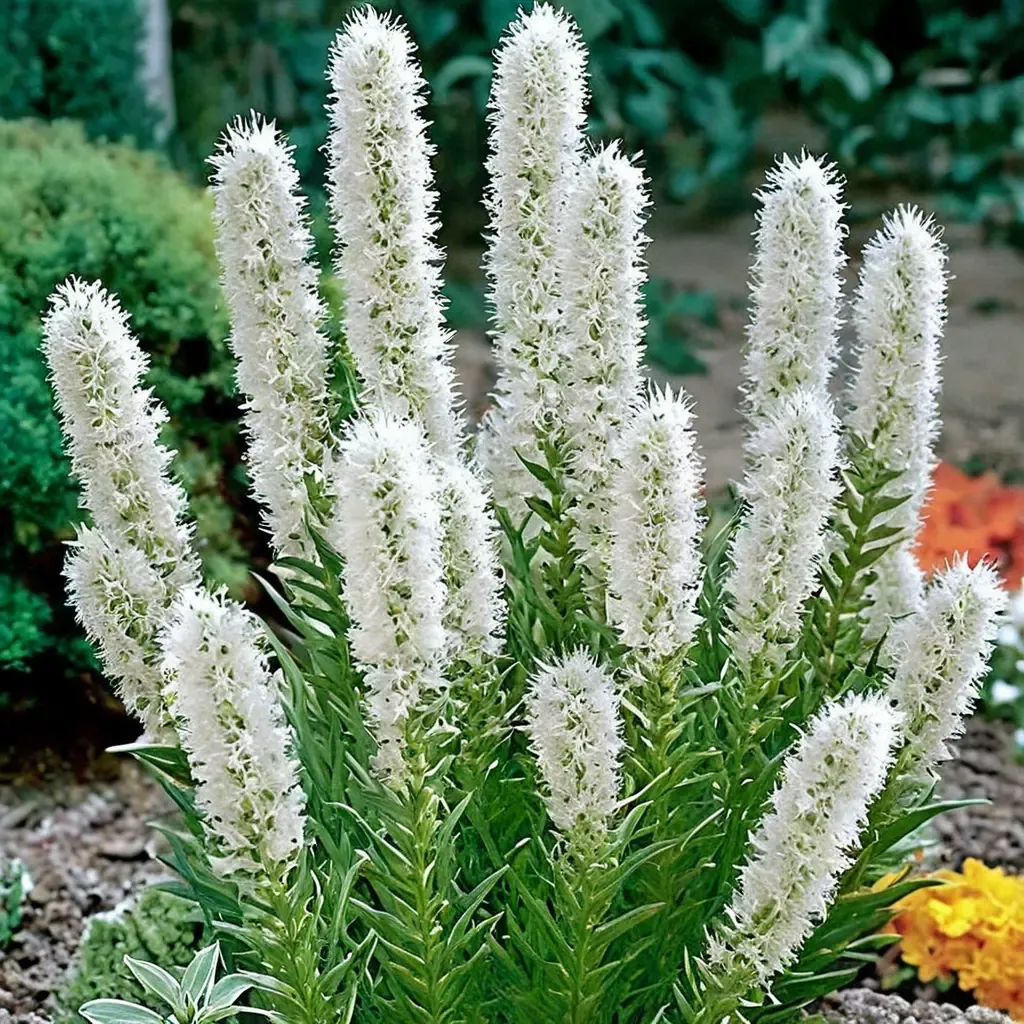
Floristan White Blazing Star
Liatris spicata 'Floristan Weiss'
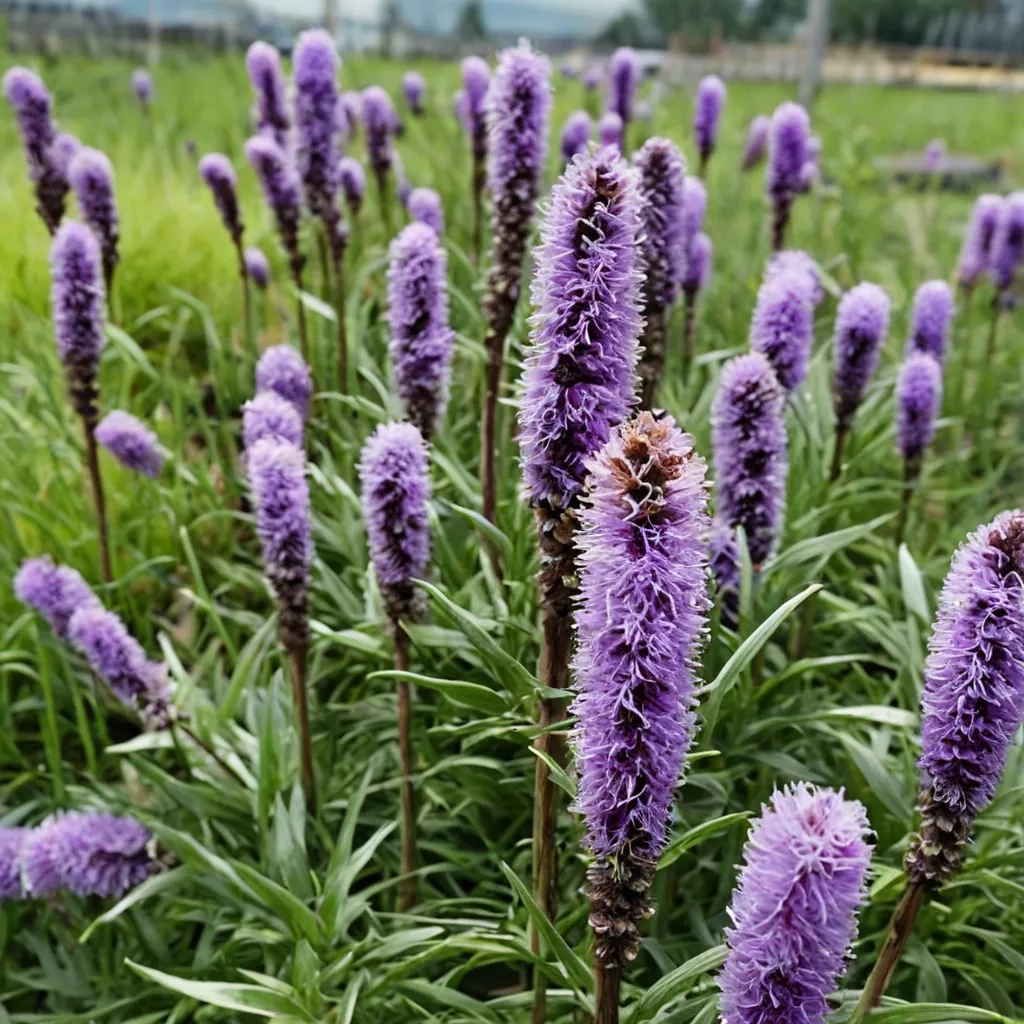
Liatris spicata Kobold Original
Liatris spicata 'Kobold Original'
Keep exploring
Explore the genus
Hardy in your zone?
Grow Rough Gayfeather with confidence
See it in a design of your actual yard, get zone-matched care reminders, and track it season by season in your garden journal.