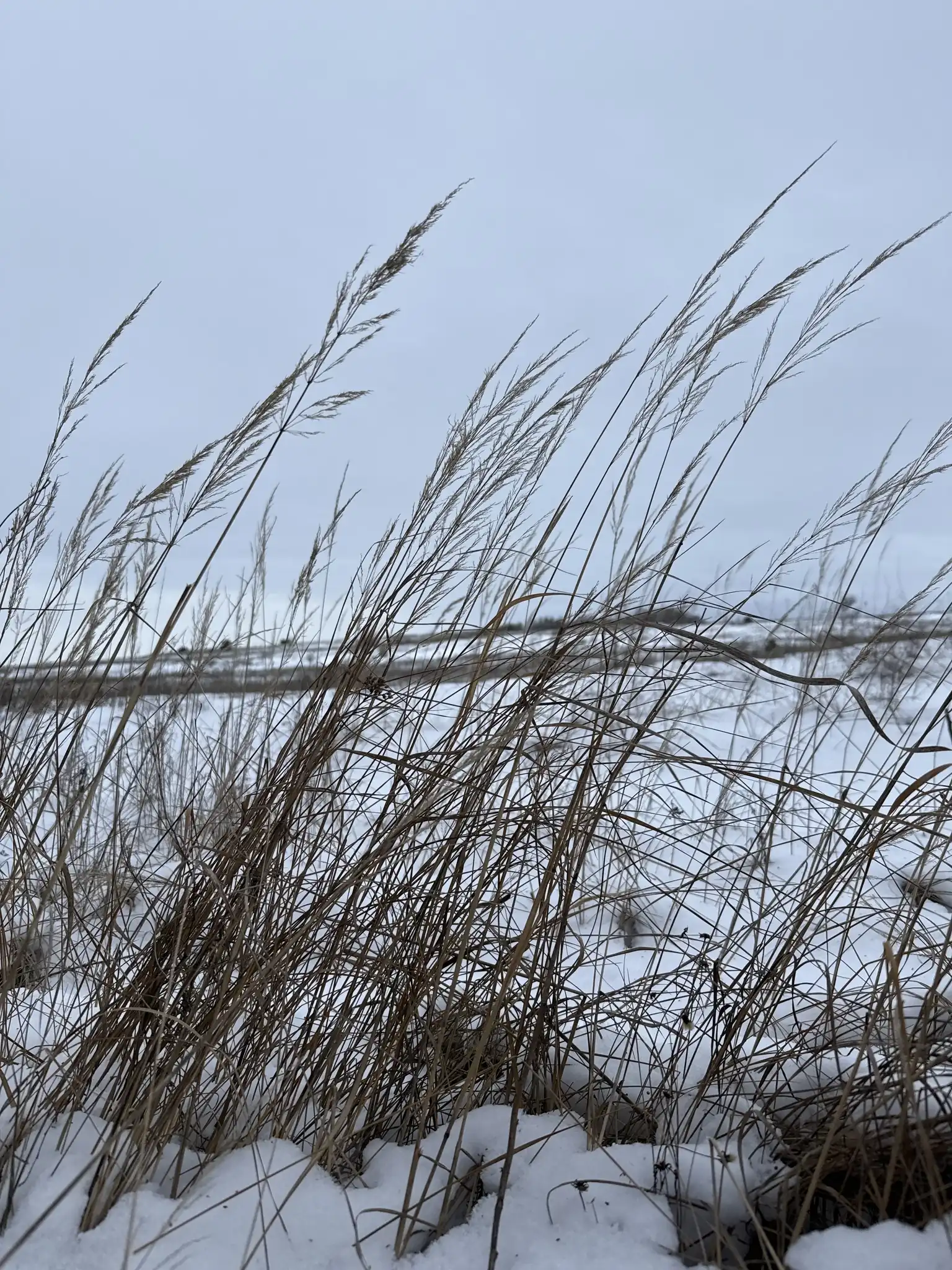
The Story
Plant Bio
Calamagrostis epigejos, the wood small-reed, is an upright, clump-forming perennial grass that spreads vigorously via creeping underground rhizomes to form dense colonies. The stiffly erect stems carry flat, grey-green leaf blades up to 28 inches long, topped by narrow, plume-like flower panicles that mature from purplish-brown to a light straw-tan.
Unlike its sterile hybrid relatives, this species produces viable seed and spreads aggressively via rhizomes, making it highly effective for erosion control but potentially invasive in confined garden spaces. The rough-edged, scabrous foliage provides excellent structural interest throughout summer and fall but requires careful handling to avoid skin irritation.
Uses & Benefits:
Essentials
At a Glance
Plant Type
Grass
Height
78"
Width
31"
Light
Full Sun, Partial Sun
Zones
4, 5, 6, 7, 8, 9
Water
Moderate to High
Humidity
Moderate
Lifespan
Perennial
Native To
Eurasia, Africa
Toxicity
Non-toxic (sharp leaves can irritate skin)
Bloom period
Summer – Early fall
In flower about 4 months of the year
Planting
How to Grow
- Select a site in full sun to partial shade with moist, fertile soil, though average well-drained soil is also tolerated.
- Dig a hole twice the width of the root ball and set the plant at the same depth it was growing in the container.
- Water thoroughly after planting to settle the soil around the roots and maintain consistent moisture during the first growing season.
- Install a deep root barrier around the planting zone if you need to prevent the vigorous rhizomes from invading adjacent garden beds.
Pro Tip
Cut the entire clump down to ground level in late winter before new spring shoots emerge, and install physical root barriers if planting near delicate garden specimens to contain the spreading rhizomes.
Keep It Thriving
Care Guide
Do
- Cut the foliage back to the ground in late winter.
- Wear gloves when handling the grass to protect your skin from the sharp, rough leaf margins.
- Provide light afternoon shade in hot summer climates to prevent foliage stress.
Don't
- Do not over-fertilize, as excess nitrogen causes the stems to become floppy and overly aggressive.
- Do not shear the foliage during the active growing season.
- Do not plant in small, unrestricted garden beds without root barriers.
Seasonal Care Calendar
| Task | Jan | Feb | Mar | Apr | May | Jun | Jul | Aug | Sep | Oct | Nov | Dec |
|---|---|---|---|---|---|---|---|---|---|---|---|---|
| Divide | ||||||||||||
| Mulch | ||||||||||||
| Pest Check | ||||||||||||
| Spring Cleanup |
Watch Out For
Pests & Diseases
Common Pests
Common Diseases
In the Garden
Landscape Uses & Companions
Landscape Uses
Companion Plants
Multiply
Propagation Methods
Good to Know
Common Questions
Wood Small-Reed questions
What zones can Wood Small-Reed grow in?
Wood Small-Reed is hardy in USDA Zones 4–9. Inside that range it survives winter in the ground; outside it, grow it as an annual or a container plant you protect.
Is Wood Small-Reed deer resistant?
Not reliably. Deer may browse Wood Small-Reed, especially tender spring growth — plan on repellents or fencing where pressure is high.
When does Wood Small-Reed bloom?
Wood Small-Reed typically blooms in summer through early fall. Exact timing shifts a week or two with your zone — Sow's bloom calendar maps it to your garden.
Does Wood Small-Reed need full sun?
Wood Small-Reed does best in full sun to part shade. In hot climates, afternoon shade keeps blooms fresher longer.
Is Wood Small-Reed drought tolerant?
Yes — once established (usually after the first full season), Wood Small-Reed handles dry spells with minimal watering. Water deeply its first year to build the root system that makes that possible.
More Calamagrostis to compare
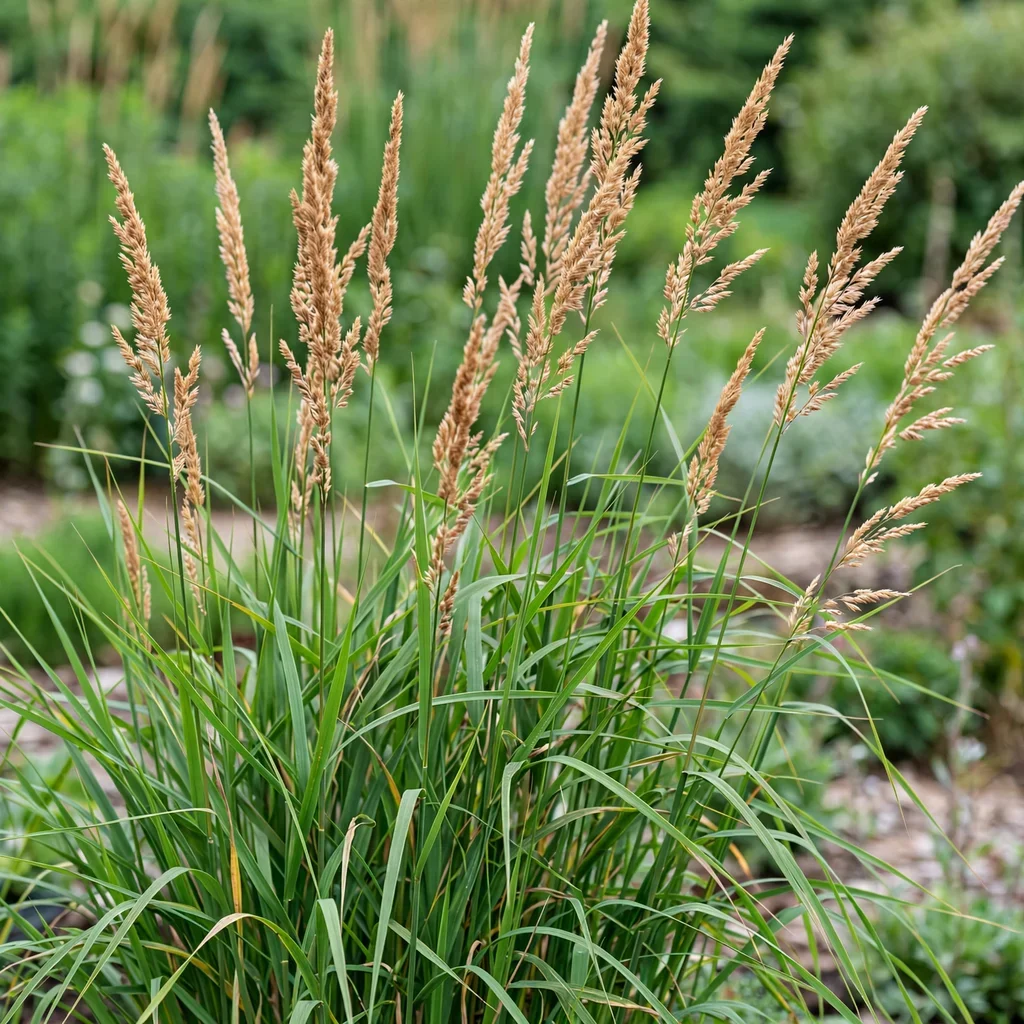
Karl Foerster Feather Reed Grass
Calamagrostis x hybrida 'Karl Foerster'
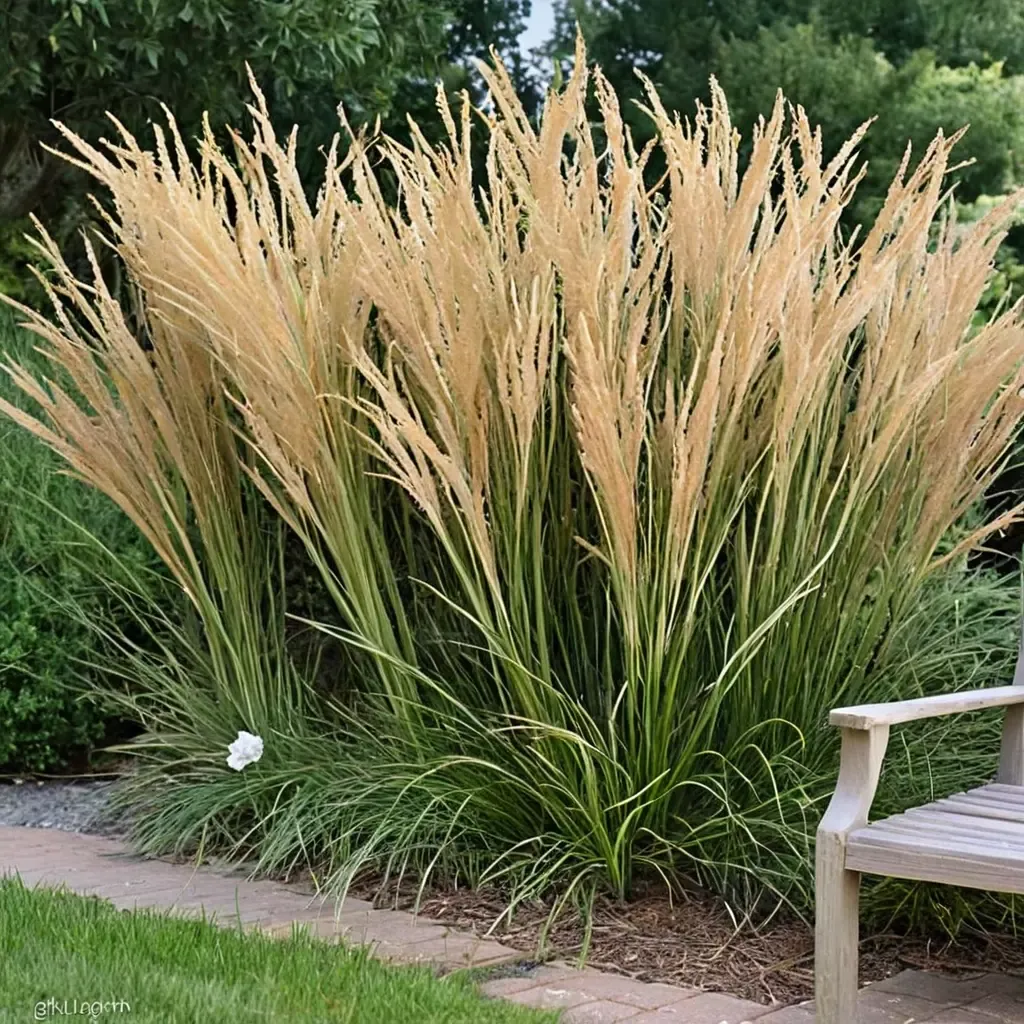
Feather reed grass
Calamagrostis x acutiflora
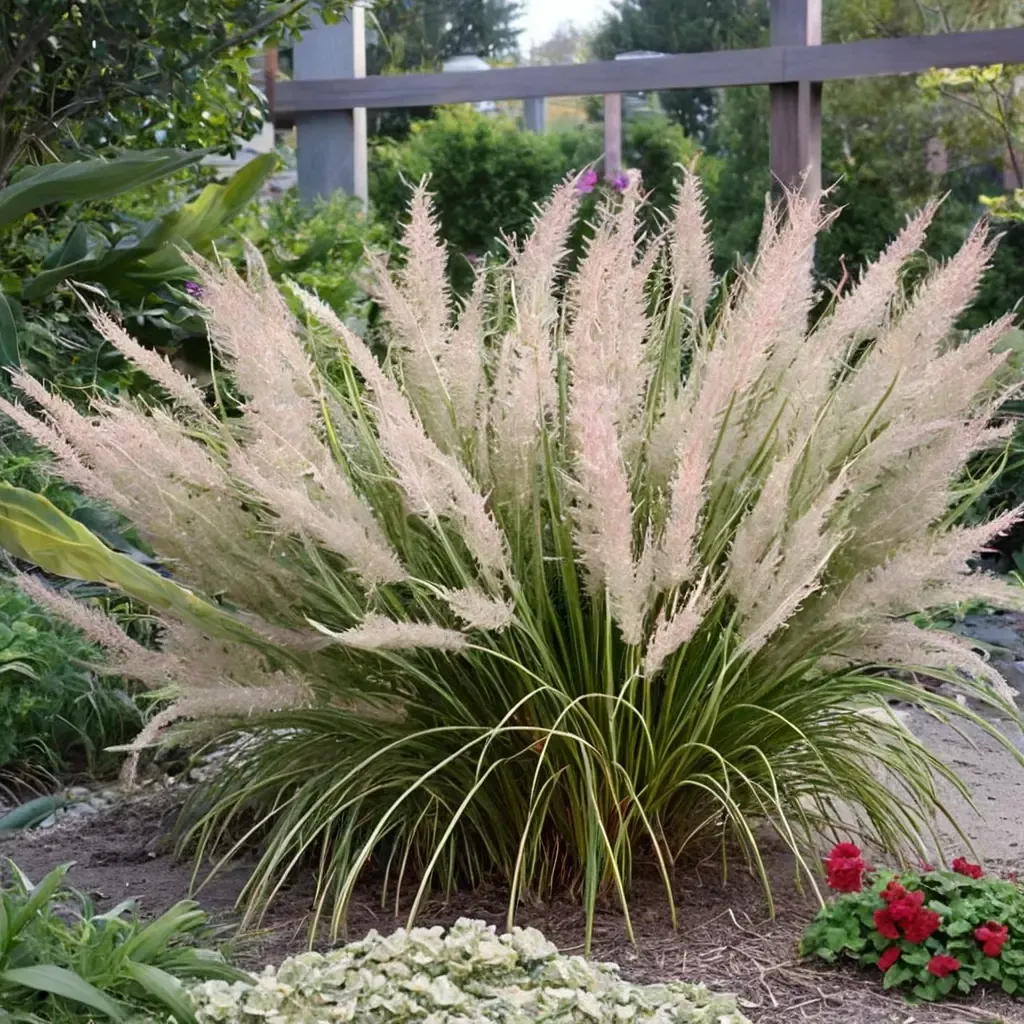
Korean feather reed grass
Calamagrostis brachytricha
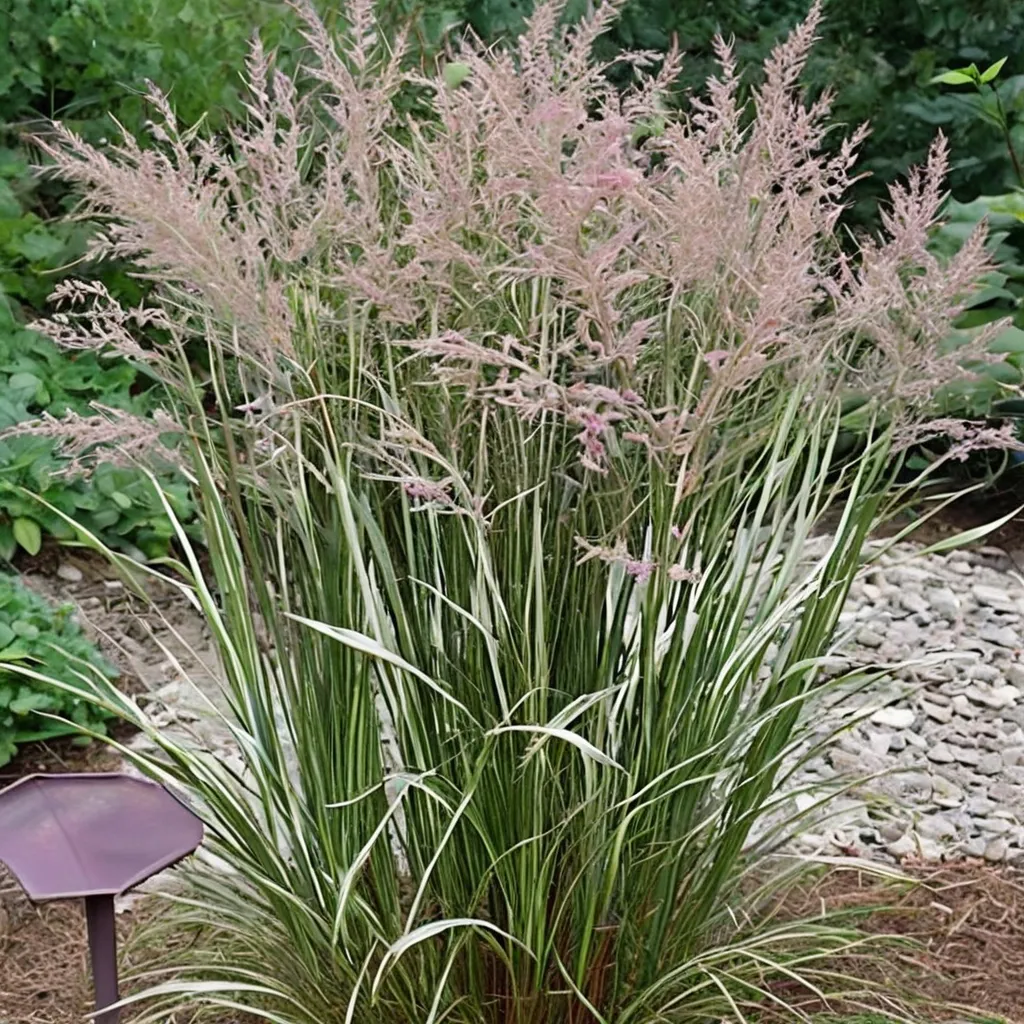
Variegated Feather Reed Grass
Calamagrostis arundinacea 'Overdam'
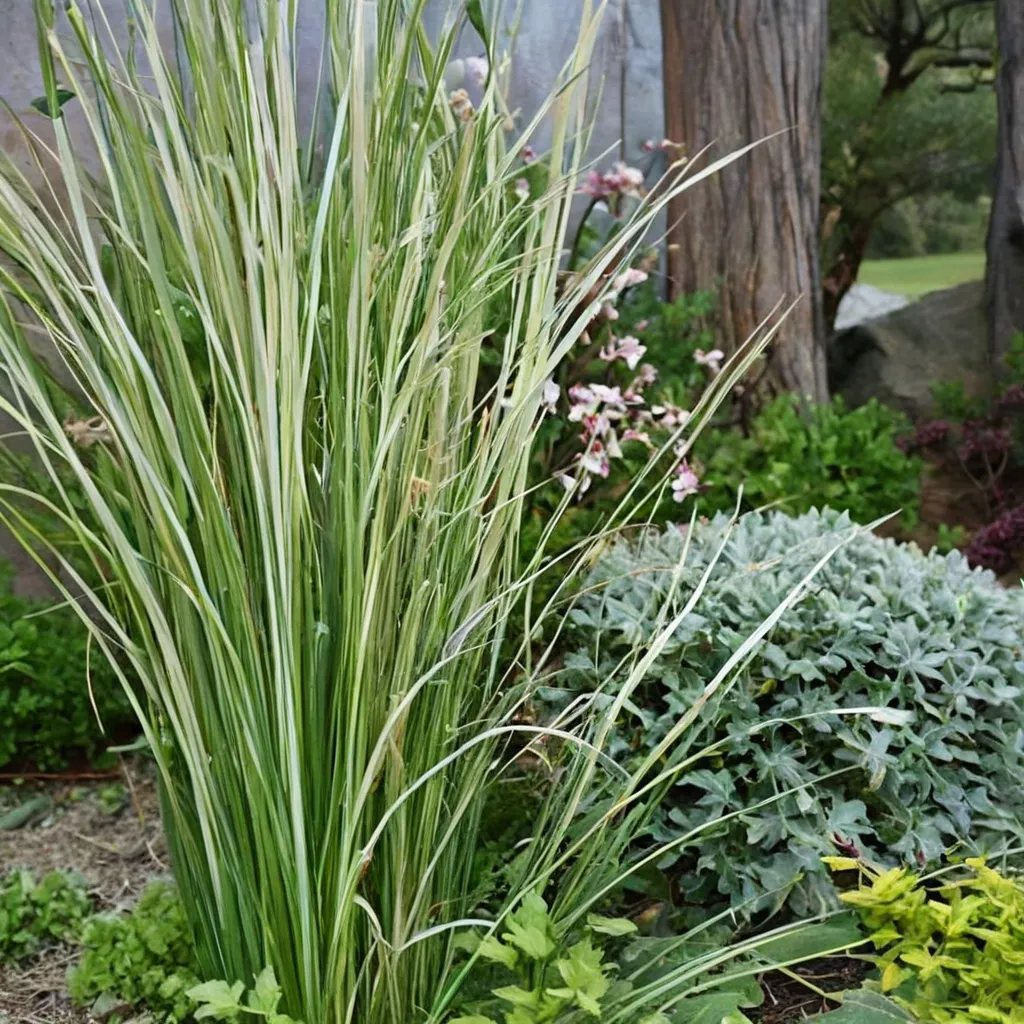
Calamagrostis Avalanche
Calamagrostis x acutiflora 'Avalanche'
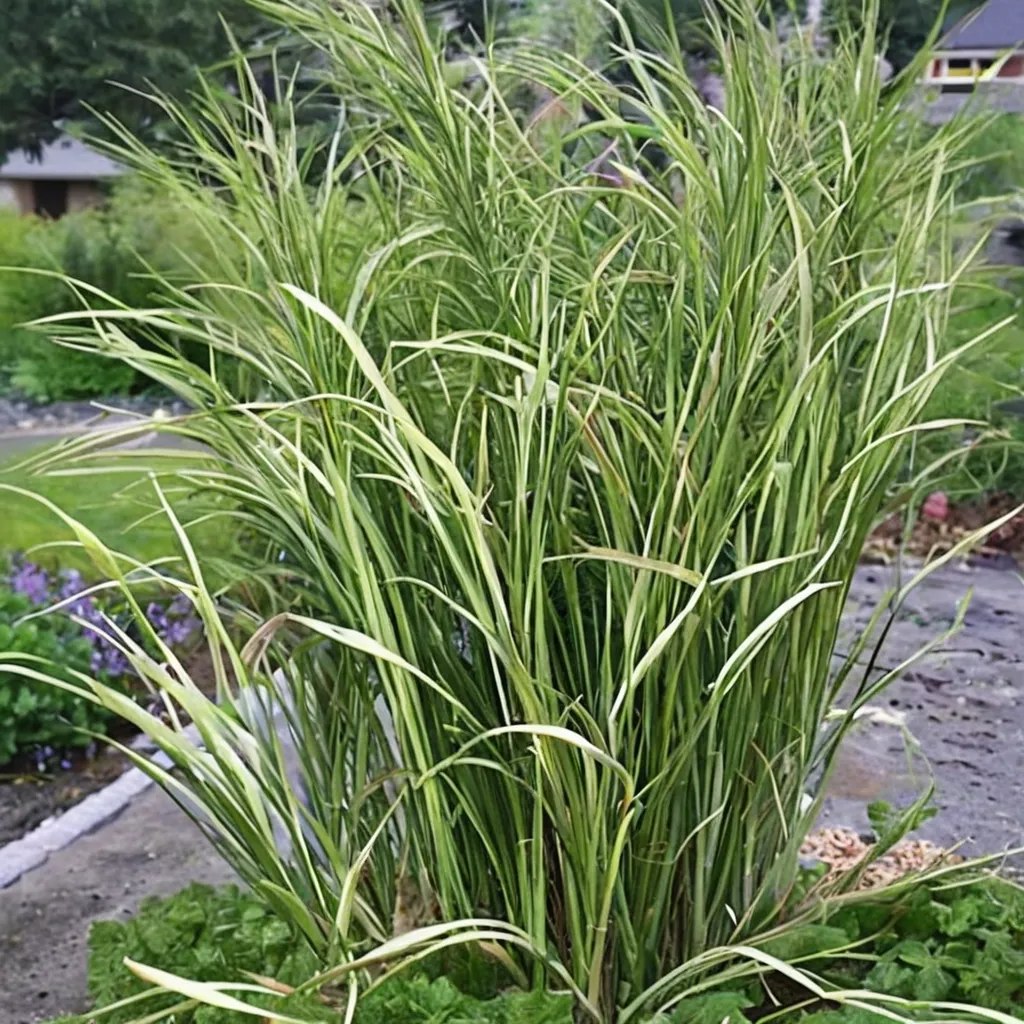
Eldorado Feather Reed Grass
Calamagrostis x acutiflora 'Eldorado'
Keep exploring
Explore the genus
Grow Wood Small-Reed with confidence
See it in a design of your actual yard, get zone-matched care reminders, and track it season by season in your garden journal.