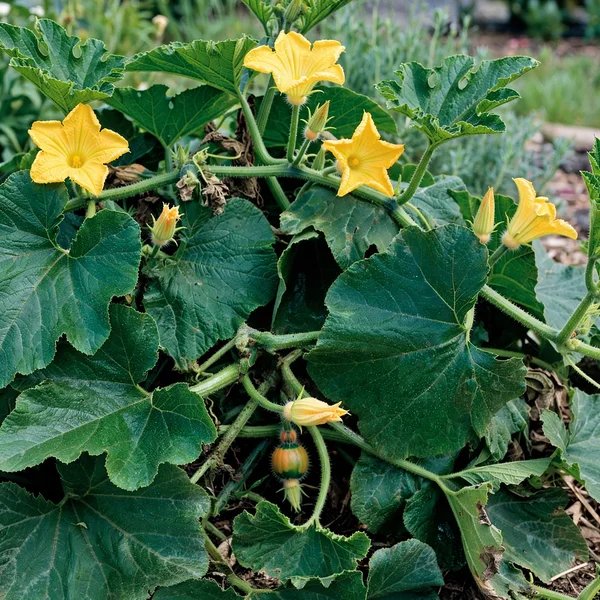
Species
 Cucurbita maximaSquash
The Story
Plant Bio
Potimarron, also known as Red Kuri squash, is a winter squash known for its sweet, nutty flavor and smooth, reddish-orange skin.
This cultivar has a distinctive flavor reminiscent of chestnuts, making it unique among other Cucurbita maxima cultivars.
Uses & Benefits:
Essentials
At a Glance
Plant Type
Fruit Vegetable
Height
24"
Width
180"
Light
Full Sun
Zones
4, 5, 6, 7, 8, 9, 10
Water
Moderate
Humidity
Average
Lifespan
Annual
Native To
South America
Toxicity
Non-toxic
Bloom period
Mid-summer – Late summer
In flower about 2 months of the year
Planting
How to Grow
- Tuck seeds 1 inch deep in well-draining soil in late spring.
- Water consistently to keep soil moist but not waterlogged.
- Provide full sun for optimal growth; space plants 3-4 feet apart.
- Support vines with trellises or allow them to sprawl on the ground.
- Fertilize every 3-4 weeks with balanced organic fertilizer.
- Harvest when the skin turns hard and the stem starts to dry.
Pro Tip
Use rich compost to boost fruit flavor and ensure healthy vines.
Keep It Thriving
Care Guide
Do
- Water regularly to keep soil moist 🌱
- Mulch around plants to retain moisture
- Provide ample sunlight for vigorous growth
- Prune vines to improve air circulation
Don't
- Avoid overwatering to prevent root rot ❌
- Don’t plant in shaded areas
- Never neglect pest monitoring
- Avoid excessive fertilization which can lead to lush foliage but fewer fruits
Seasonal Care Calendar
| Task | Jan | Feb | Mar | Apr | May | Jun | Jul | Aug | Sep | Oct | Nov | Dec |
|---|---|---|---|---|---|---|---|---|---|---|---|---|
| Harvest | ||||||||||||
| Pest Check | ||||||||||||
| Plant | ||||||||||||
| Stake |
Watch Out For
Pests & Diseases
Common Pests
Common Diseases
In the Garden
Landscape Uses & Companions
Landscape Uses
Companion Plants
Multiply
Propagation Methods
Good to Know
Common Questions
Potimarron Squash questions
What zones can Potimarron Squash grow in?
Potimarron Squash is hardy in USDA Zones 4–10. Inside that range it survives winter in the ground; outside it, grow it as an annual or a container plant you protect.
Is Potimarron Squash deer resistant?
Not reliably. Deer may browse Potimarron Squash, especially tender spring growth — plan on repellents or fencing where pressure is high.
When does Potimarron Squash bloom?
Potimarron Squash typically blooms in mid-summer through late summer. Exact timing shifts a week or two with your zone — Sow's bloom calendar maps it to your garden.
Does Potimarron Squash need full sun?
Potimarron Squash does best in full sun (6+ hours).
More Cucurbita to compare
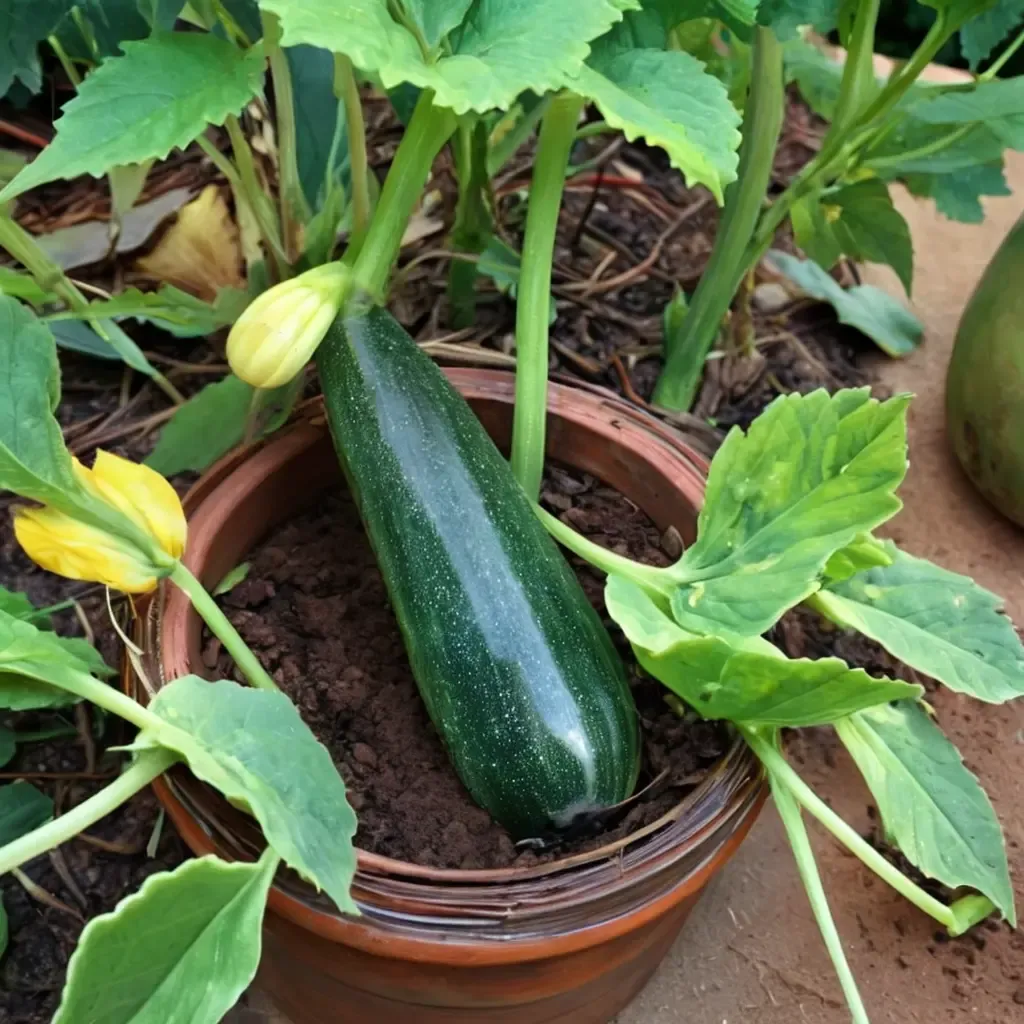
Astia Zucchini
Cucurbita pepo 'Astia'
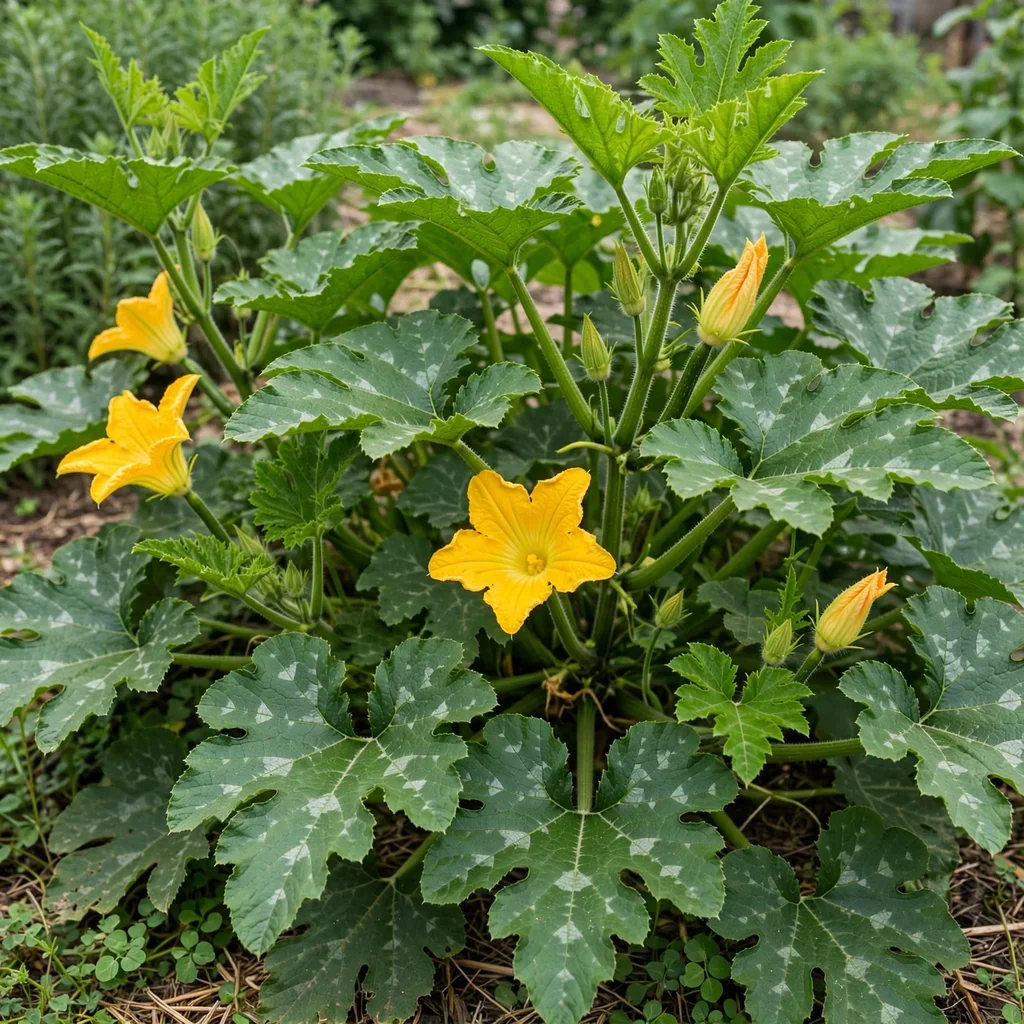
Summer Squash
Cucurbita pepo 'Summer Squash'
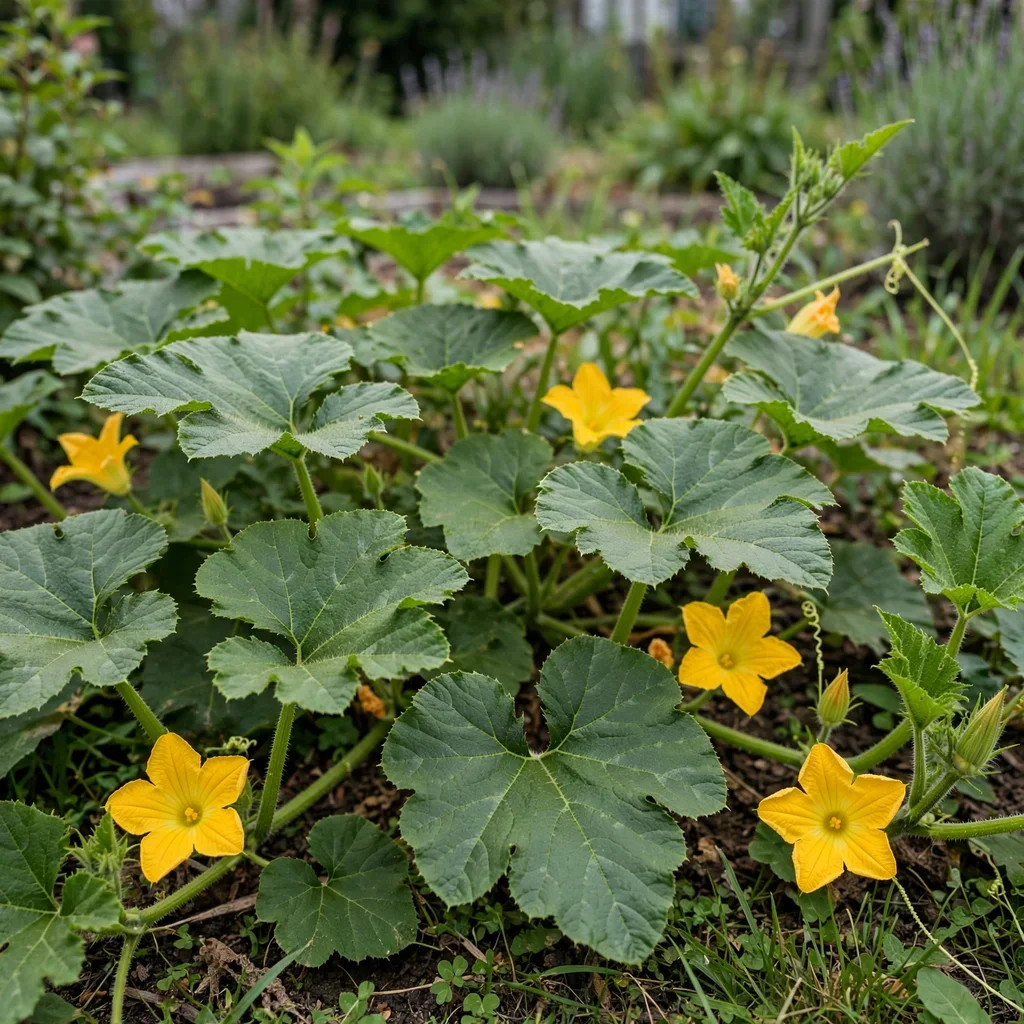
Baby Bear Pumpkin
Cucurbita pepo 'Baby Bear'
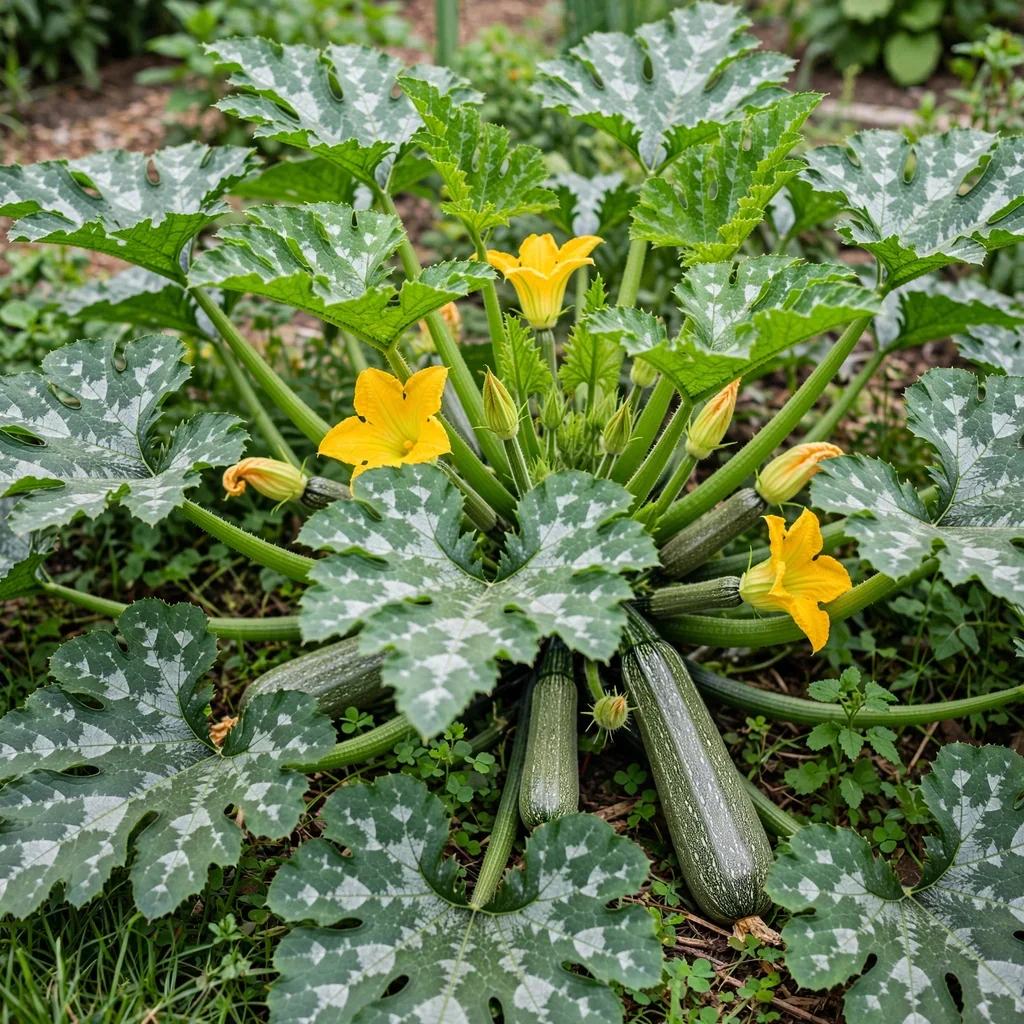
Reno zucchini
Cucurbita pepo 'Reno'
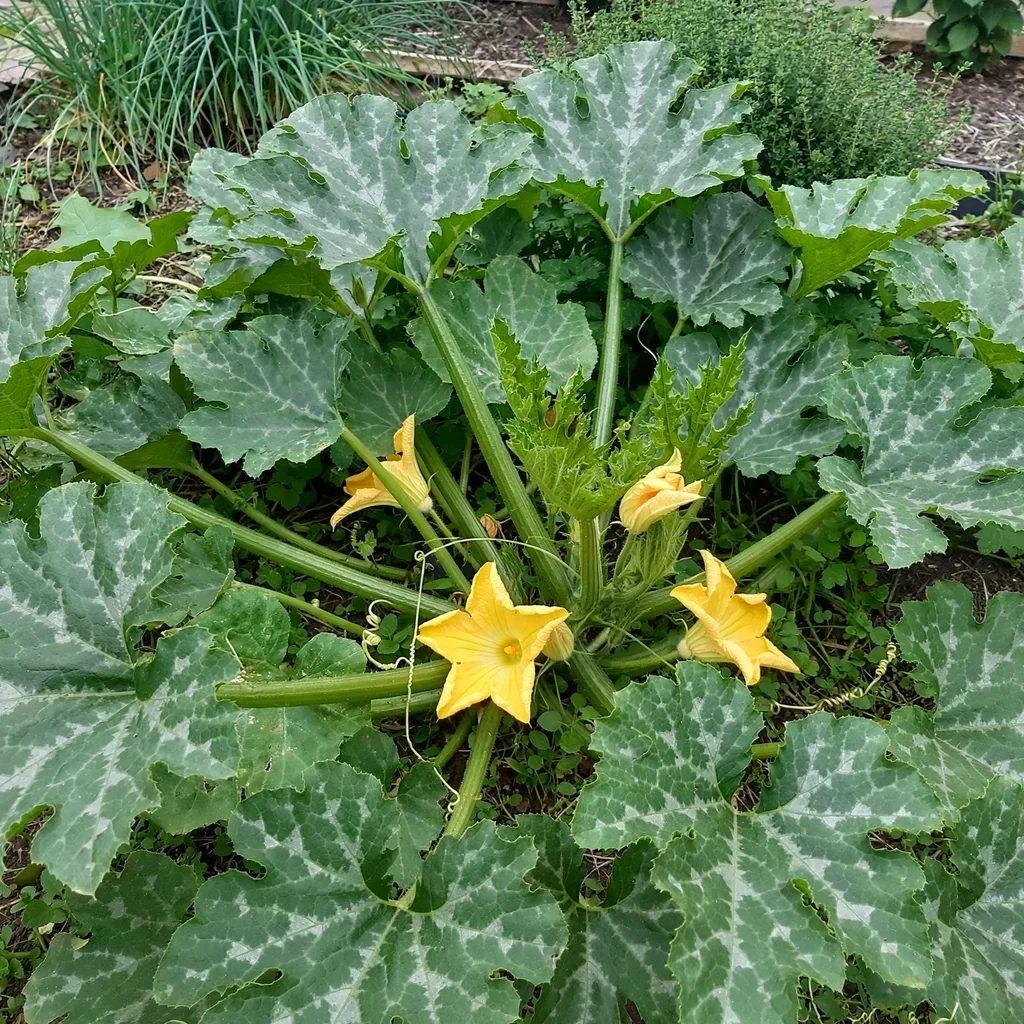
Ronde de Nice Squash
Cucurbita pepo 'Ronde de Nice'
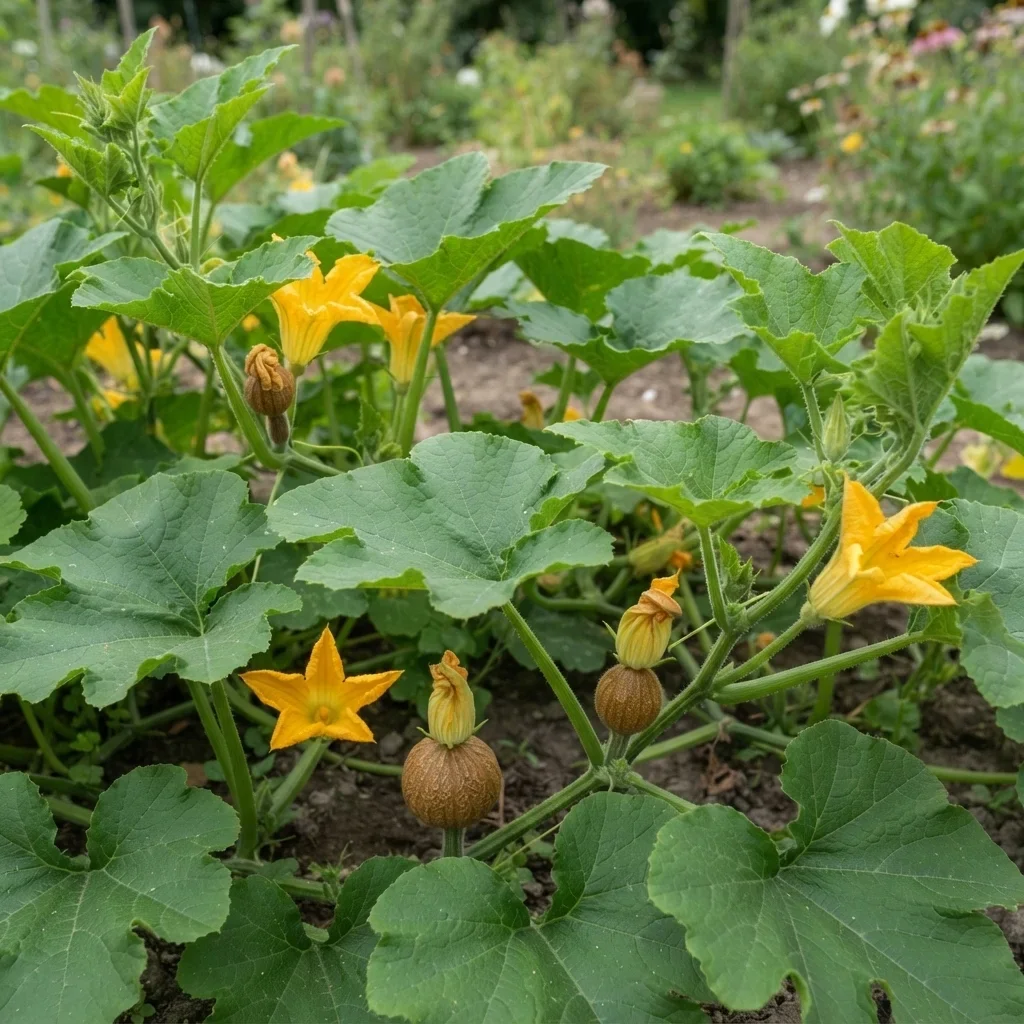
Winter Luxury Pie Pumpkin
Cucurbita pepo 'Winter Luxury Pie'
Keep exploring
Explore the genus
Grow Potimarron Squash with confidence
See it in a design of your actual yard, get zone-matched care reminders, and track it season by season in your garden journal.