


The Story
Plant Bio
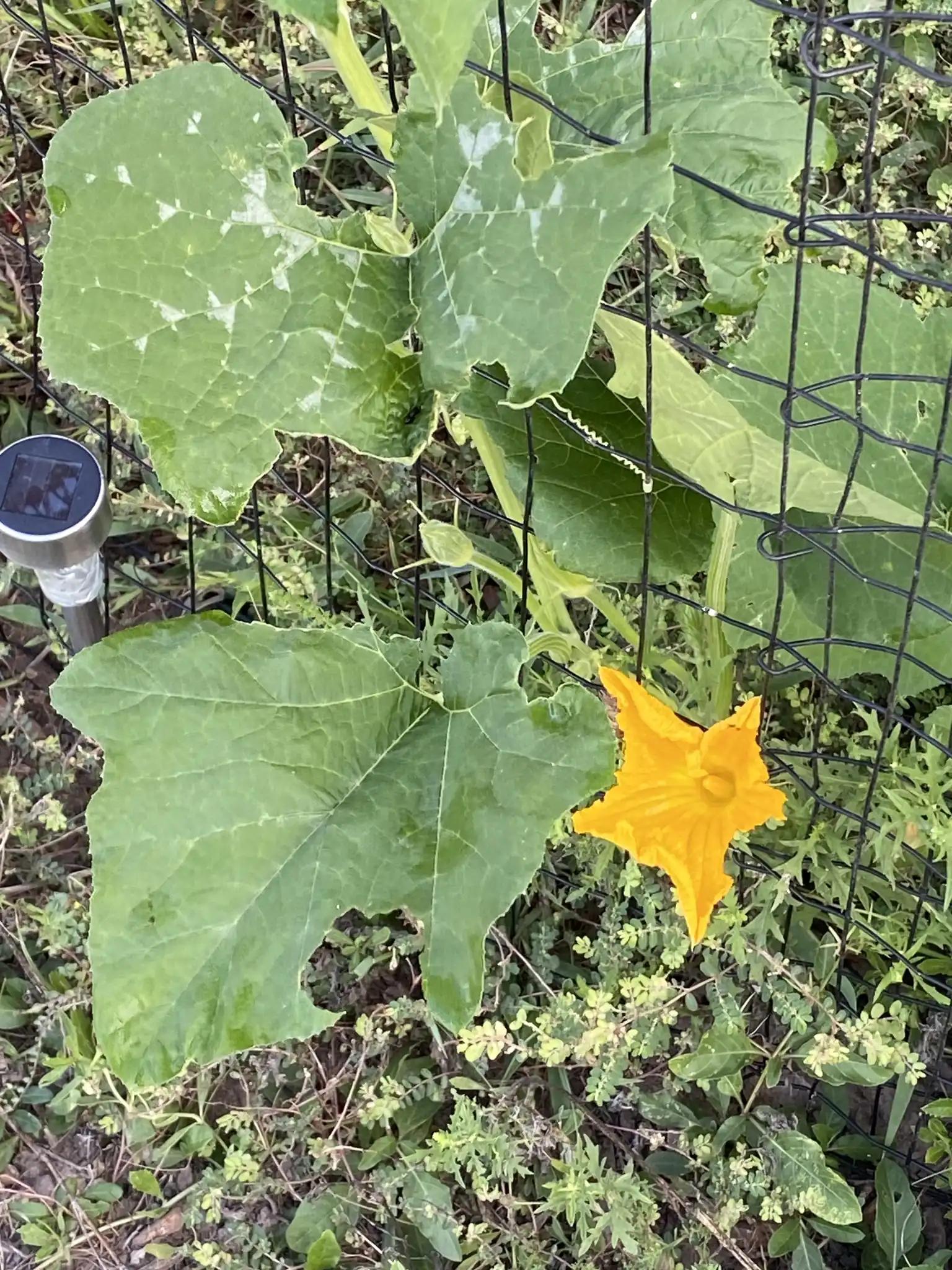
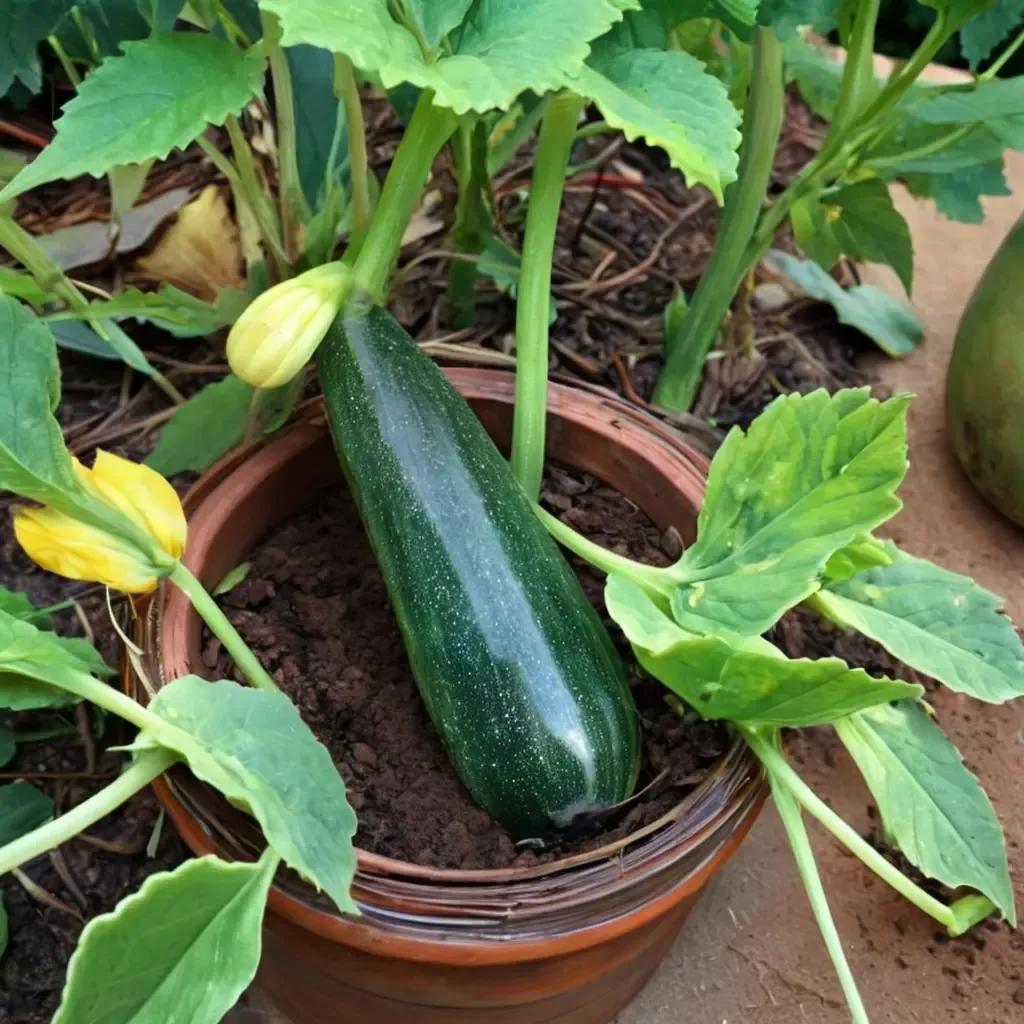
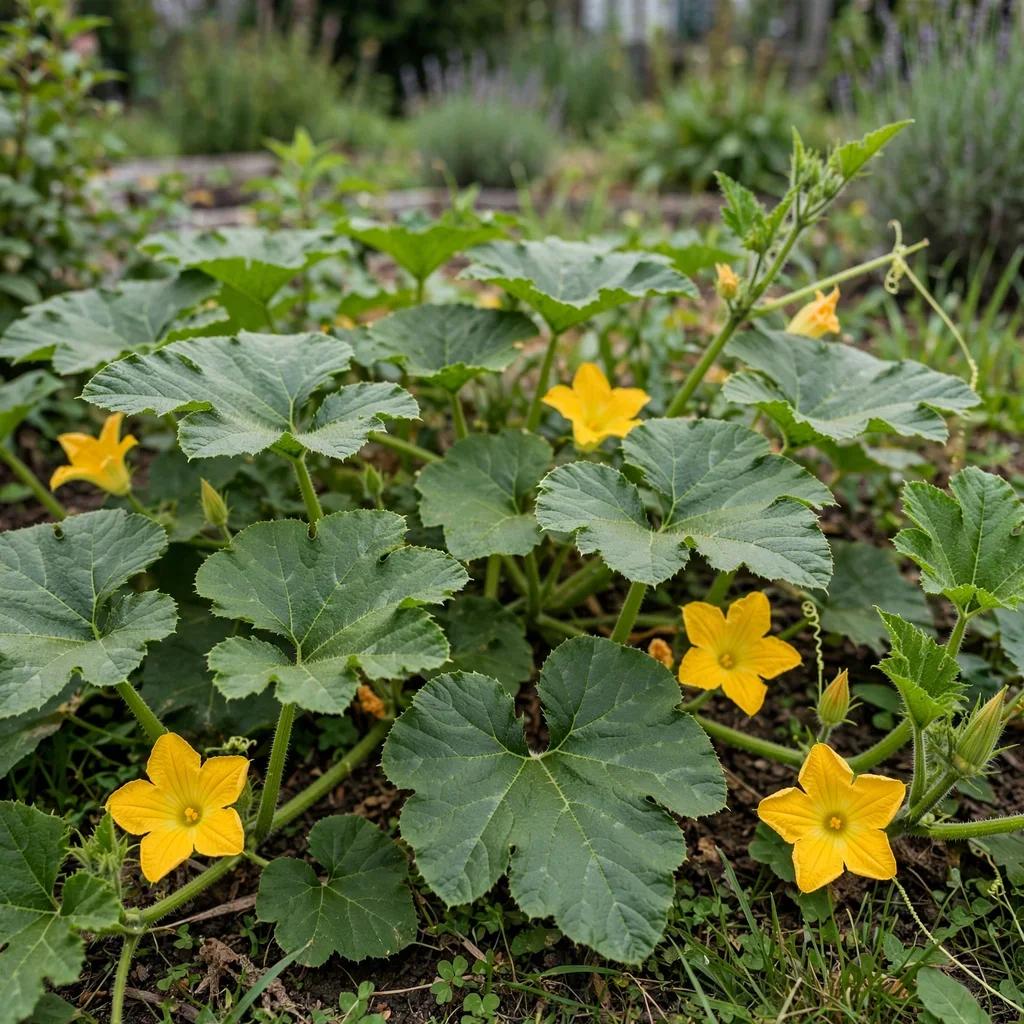
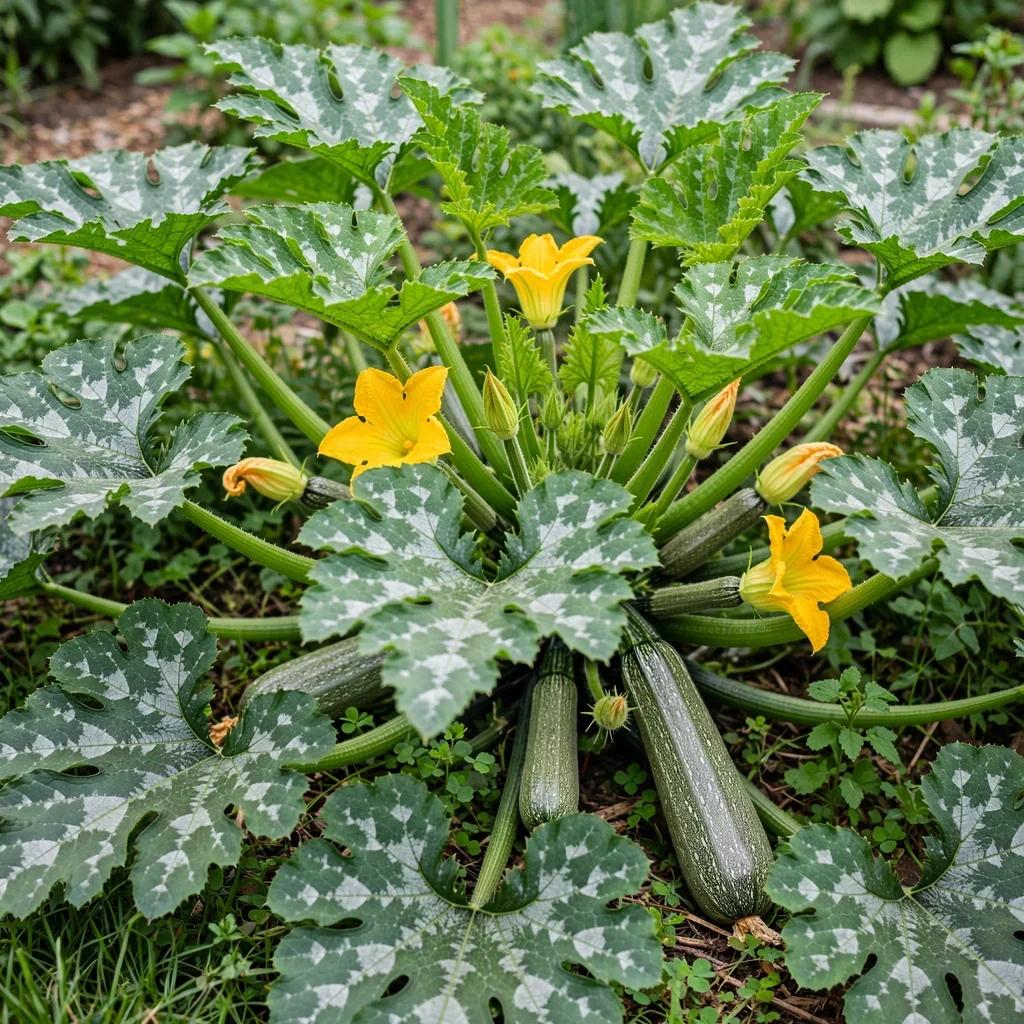
Summer squash are warm-season annuals grown for their edible fruit, which is harvested while immature. Plants can be bushy or vining, with large leaves and yellow flowers.
This cultivar has a fast growth rate and is typically harvested when immature for the best flavor and texture.
Uses & Benefits:
Essentials
At a Glance
Plant Type
Fruit Vegetable
Height
24"
Width
36"
Light
Full Sun
Zones
4, 5, 6, 7, 8, 9, 10
Water
Moderate
Humidity
Moderate
Lifespan
Annual
Native To
Americas
Toxicity
Non-toxic
Bloom period
Mid-summer – Late summer
In flower about 2 months of the year
Planting
How to Grow
- Tuck seeds 1 inch deep into well-draining soil in full sun.
- Mist seedlings lightly to keep soil moist during germination, approximately 7-10 days.
- Harden off young plants by gradually exposing them to outdoor conditions over a week.
- Water deeply weekly, ensuring consistent moisture without waterlogging.
- Fertilize with a balanced fertilizer every 3-4 weeks during the growing season.
- Harvest when fruits are firm and have reached mature size, typically 50-60 days after planting.
Pro Tip
Mulch around plants to retain moisture and suppress weeds, enhancing fruit development.
Keep It Thriving
Care Guide
Do
- Tuck seeds into warm, well-drained soil for optimal germination 🌱
- Water consistently to keep soil evenly moist
- Fertilize regularly to support vigorous growth
- Prune excess vines to improve airflow and fruit quality
- Monitor regularly for pests and diseases
Don't
- Avoid overwatering which can cause root rot ❌
- Don’t plant in heavy clay soil without amendment
- Refrain from neglecting pest checks
- Don’t harvest immature fruits
- Avoid planting in shaded areas
Seasonal Care Calendar
| Task | Jan | Feb | Mar | Apr | May | Jun | Jul | Aug | Sep | Oct | Nov | Dec |
|---|---|---|---|---|---|---|---|---|---|---|---|---|
| Fertilize | ||||||||||||
| Harvest | ||||||||||||
| Pest Check | ||||||||||||
| Plant |
Watch Out For
Pests & Diseases
Common Pests
Common Diseases
In the Garden
Landscape Uses & Companions
Landscape Uses
Multiply
Propagation Methods
Good to Know
Common Questions
Summer Squash questions
What zones can Summer Squash grow in?
Summer Squash is hardy in USDA Zones 4–10. Inside that range it survives winter in the ground; outside it, grow it as an annual or a container plant you protect.
Is Summer Squash deer resistant?
Not reliably. Deer may browse Summer Squash, especially tender spring growth — plan on repellents or fencing where pressure is high.
When does Summer Squash bloom?
Summer Squash typically blooms in mid-summer through late summer. Exact timing shifts a week or two with your zone — Sow's bloom calendar maps it to your garden.
Does Summer Squash need full sun?
Summer Squash does best in full sun (6+ hours).
More Cucurbita to compare
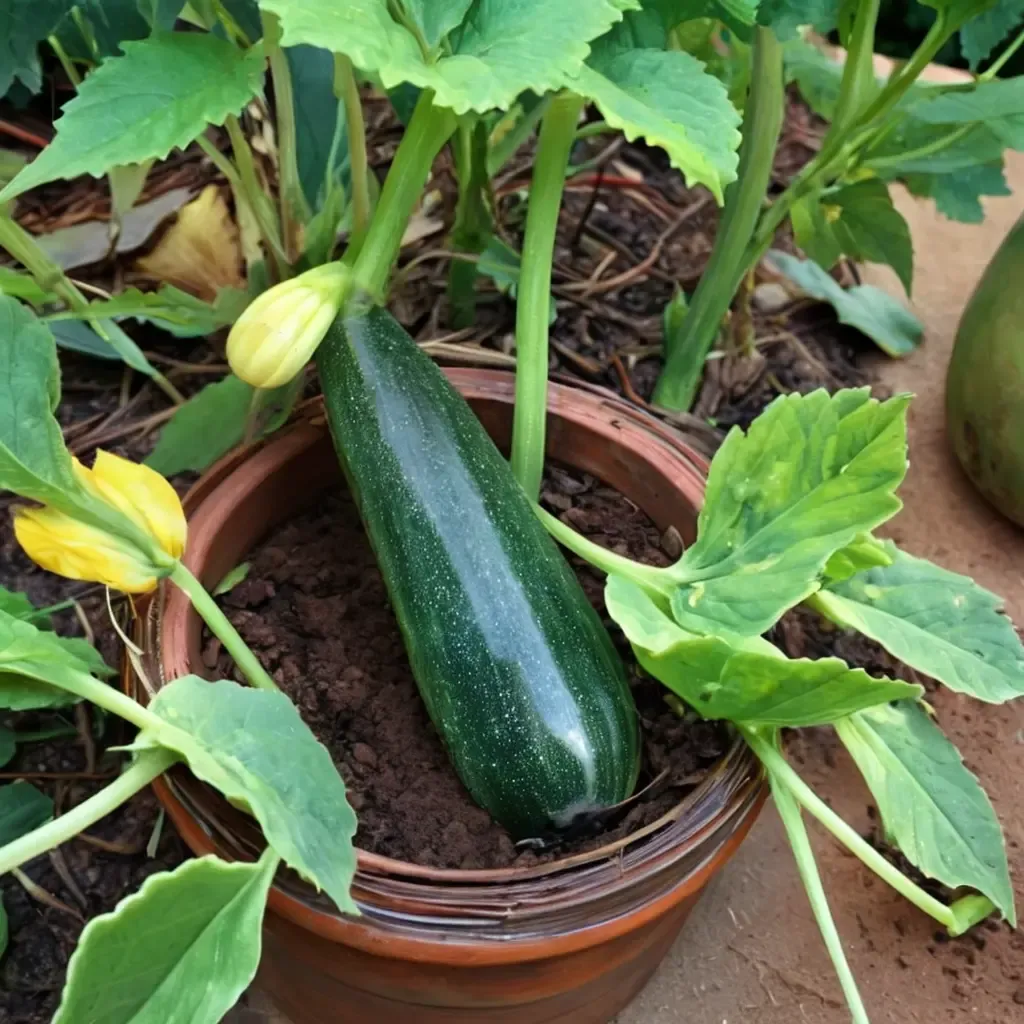
Astia Zucchini
Cucurbita pepo 'Astia'
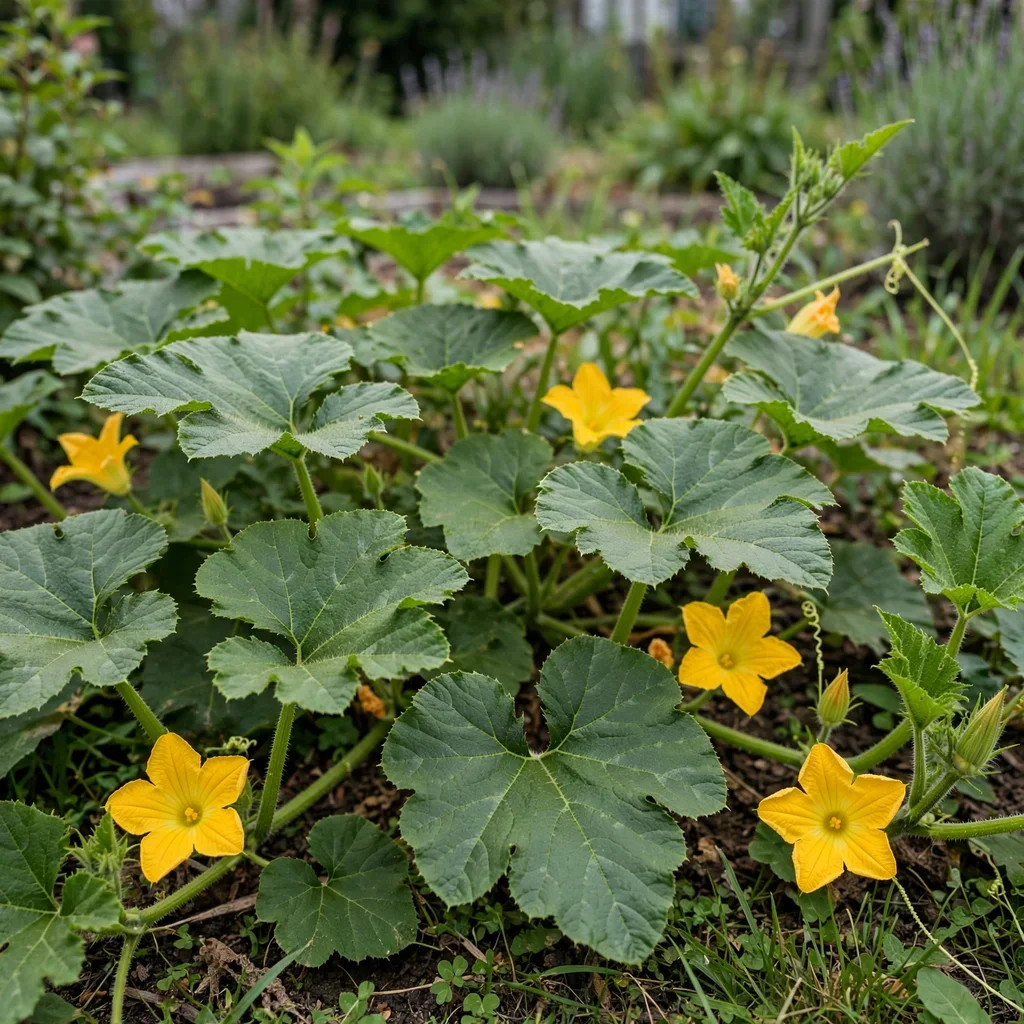
Baby Bear Pumpkin
Cucurbita pepo 'Baby Bear'
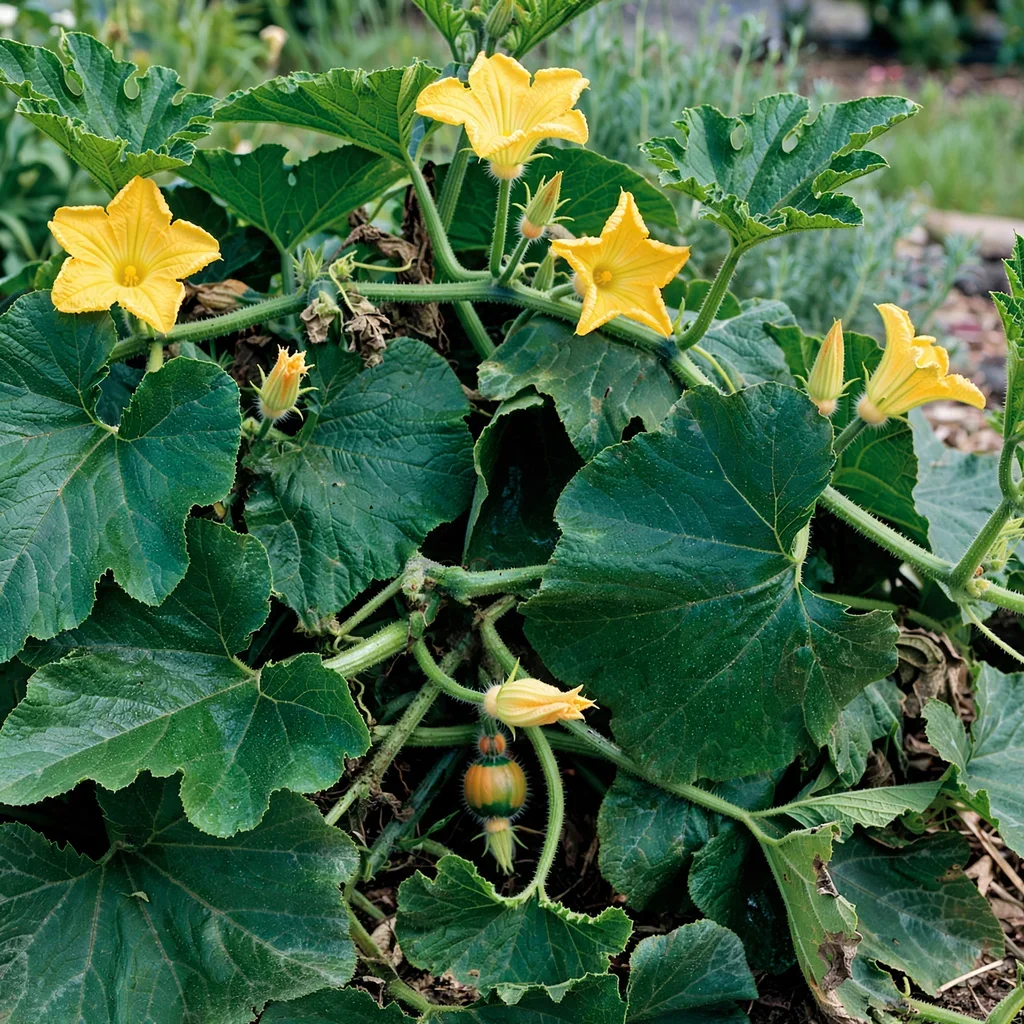
Potimarron Squash
Cucurbita maxima 'Potimarron'
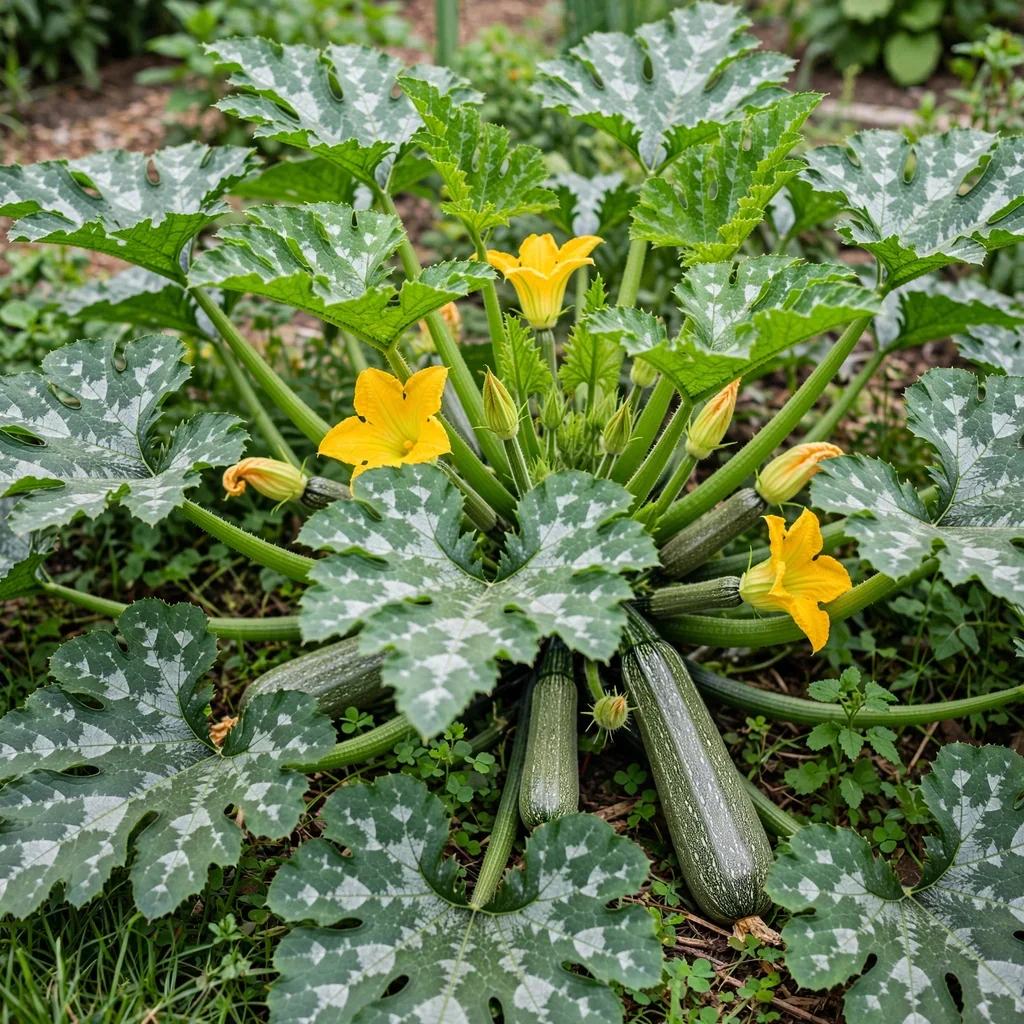
Reno zucchini
Cucurbita pepo 'Reno'
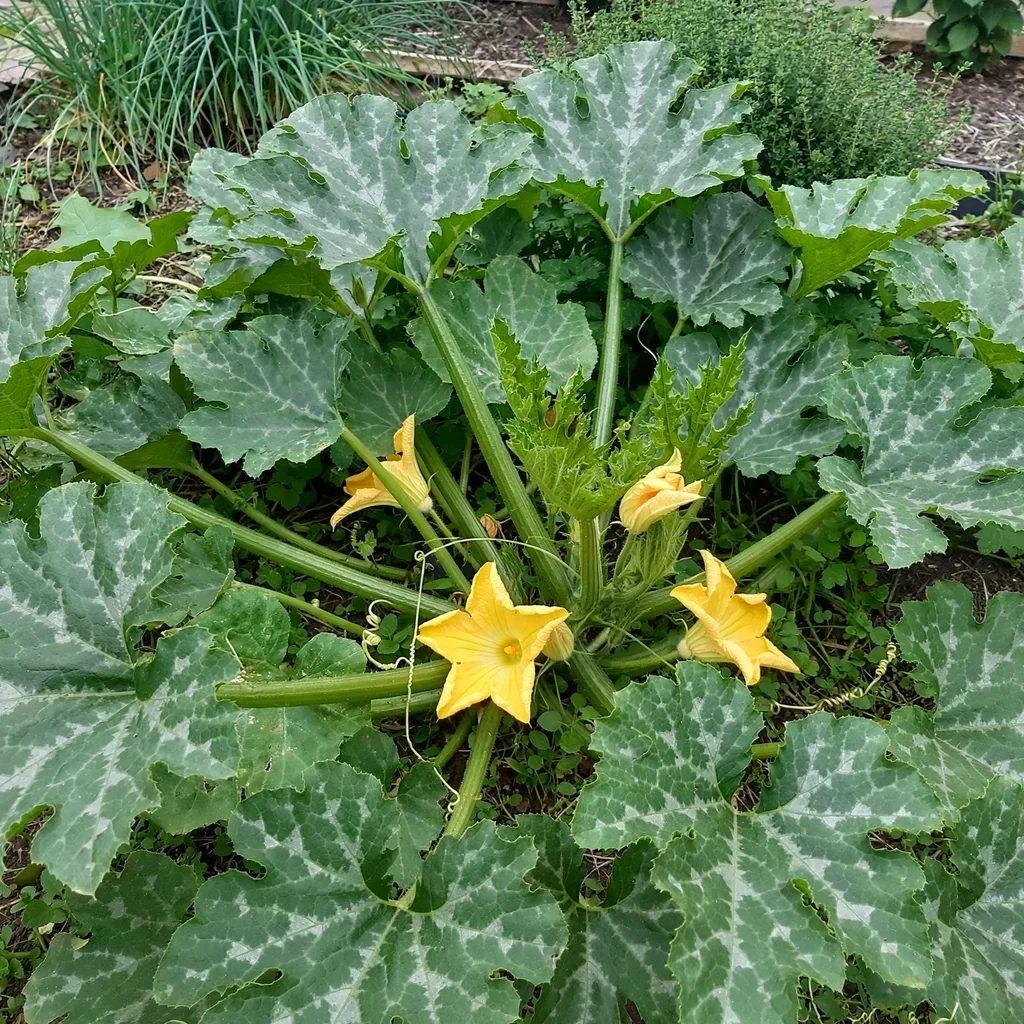
Ronde de Nice Squash
Cucurbita pepo 'Ronde de Nice'
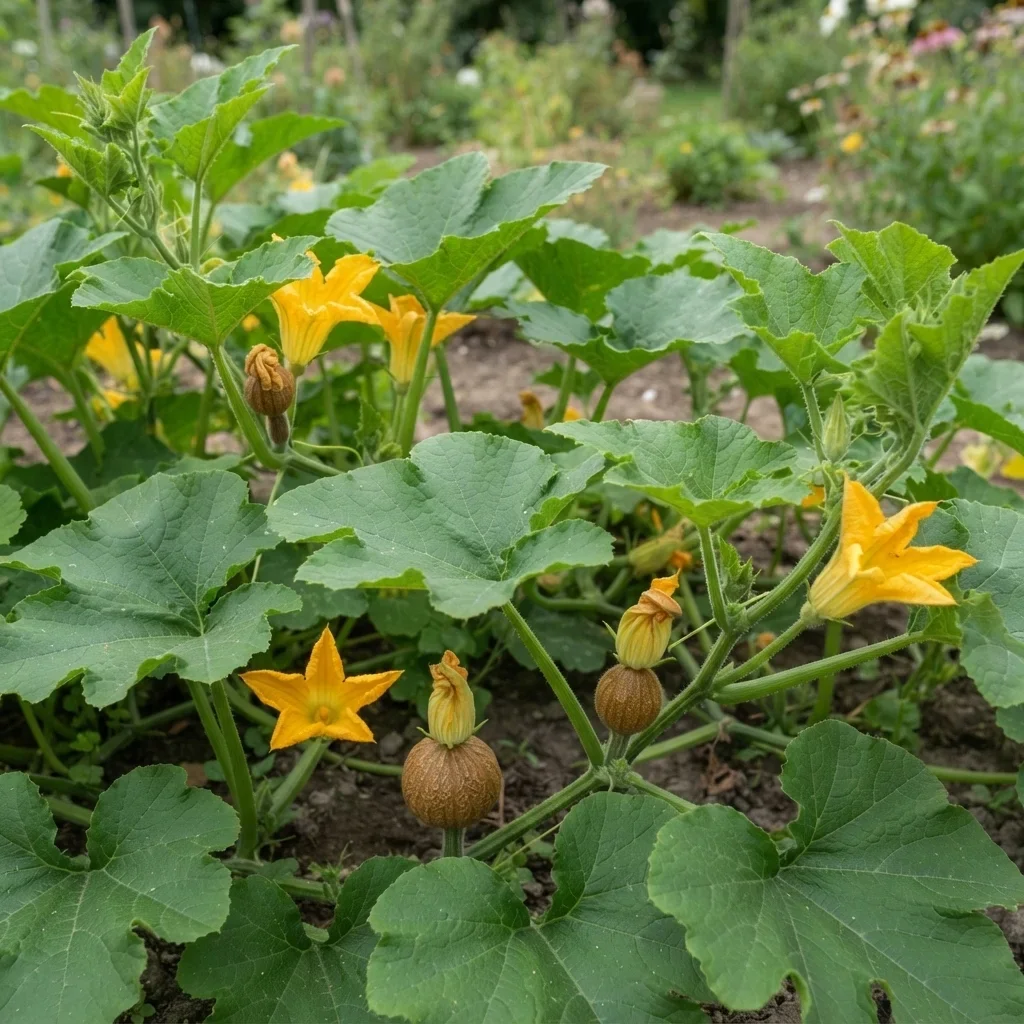
Winter Luxury Pie Pumpkin
Cucurbita pepo 'Winter Luxury Pie'
Keep exploring
Explore the genus
Grow Summer Squash with confidence
See it in a design of your actual yard, get zone-matched care reminders, and track it season by season in your garden journal.