Also known as Squash · 617 saves
Cucurbita
Cucurbita, the genus most gardeners know as squash. We track 10 varieties; the ones most used by real gardeners.
The 9 most-saved Cucurbita varieties
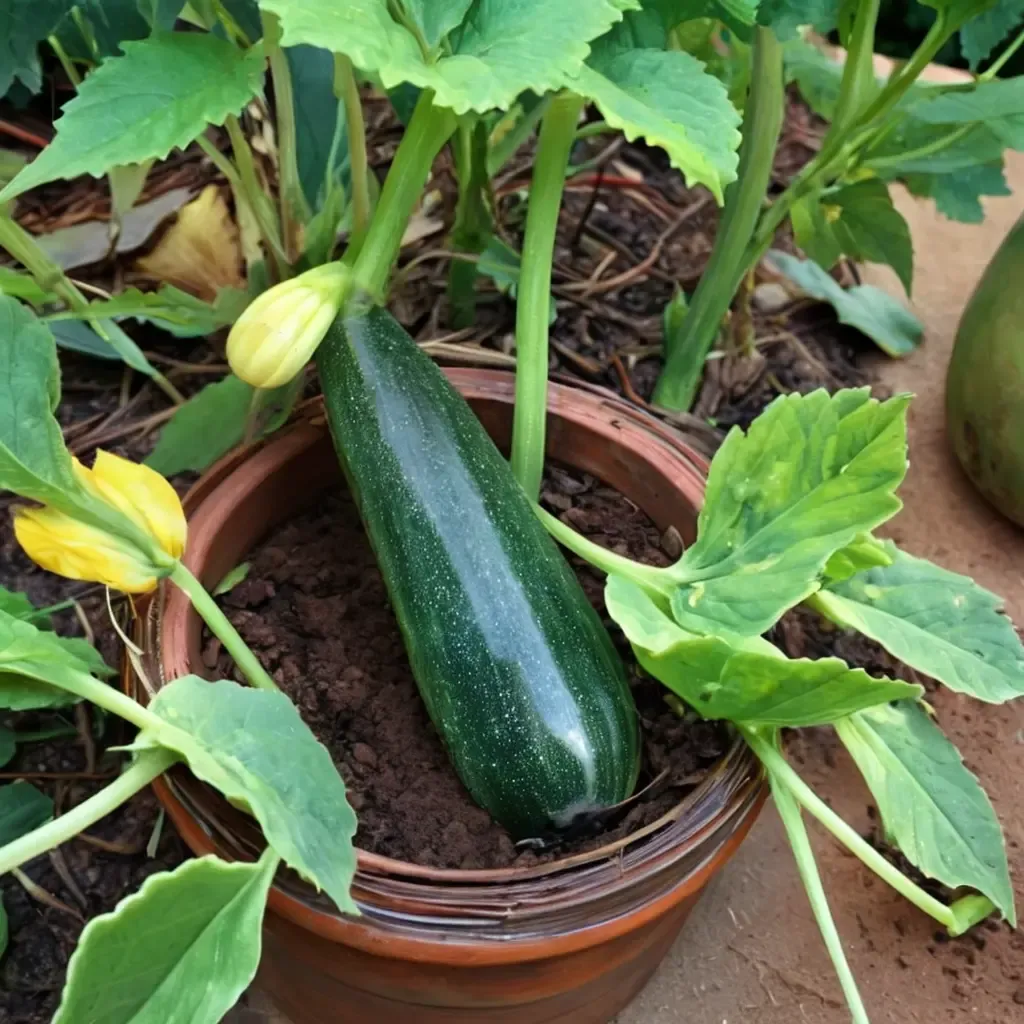
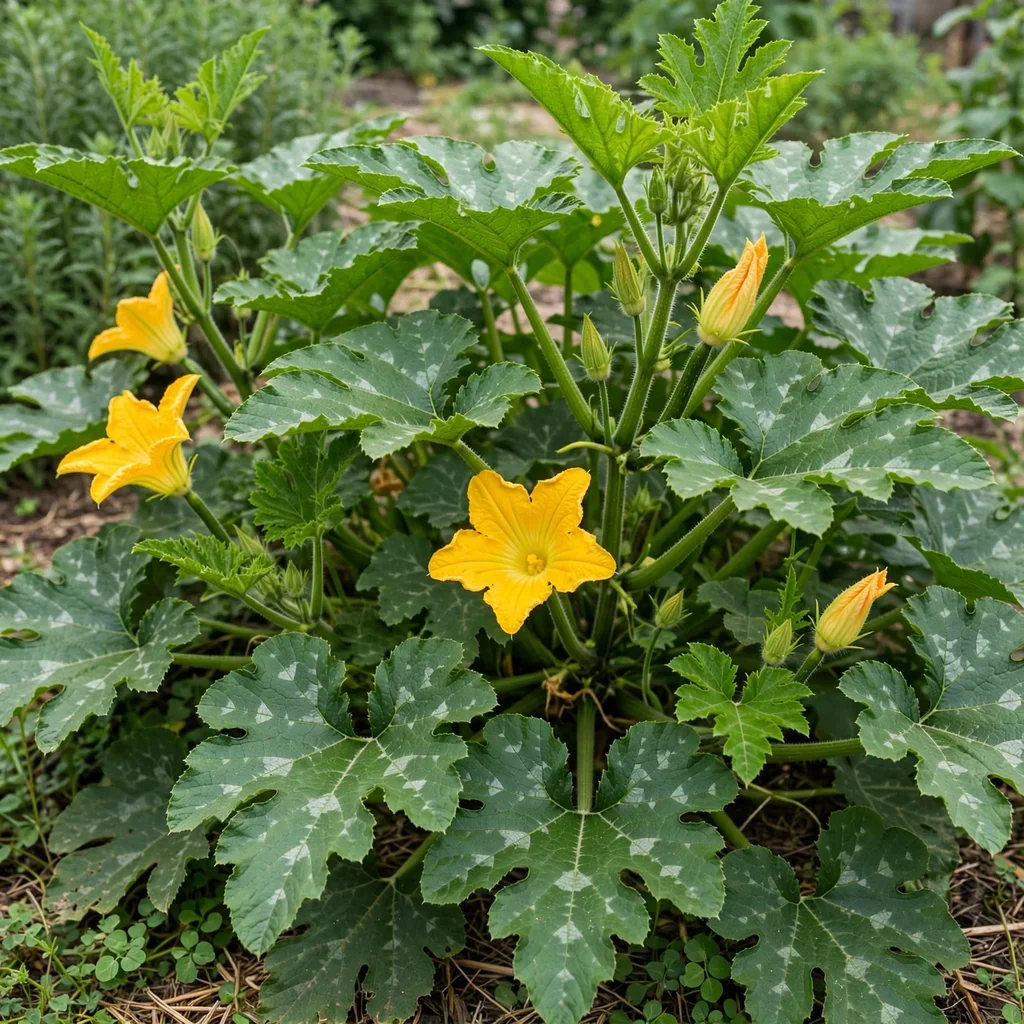
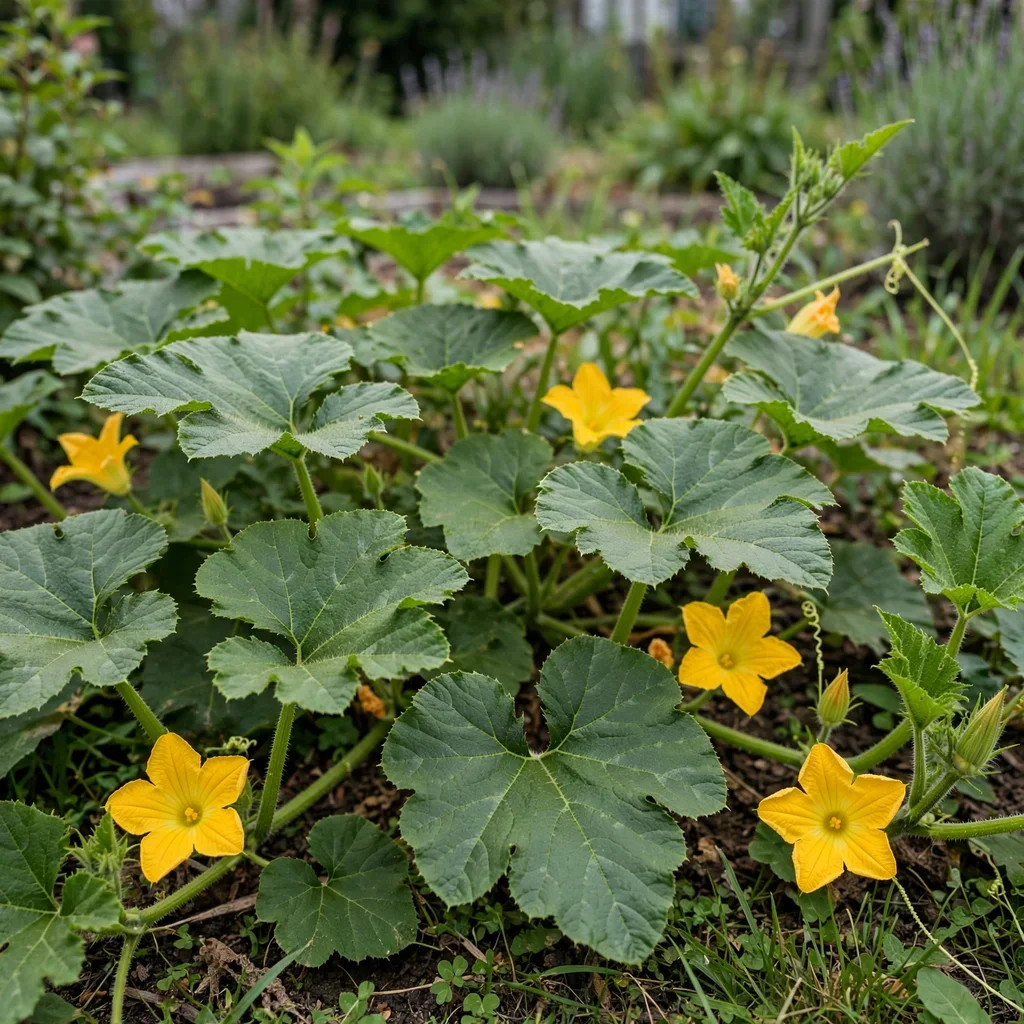
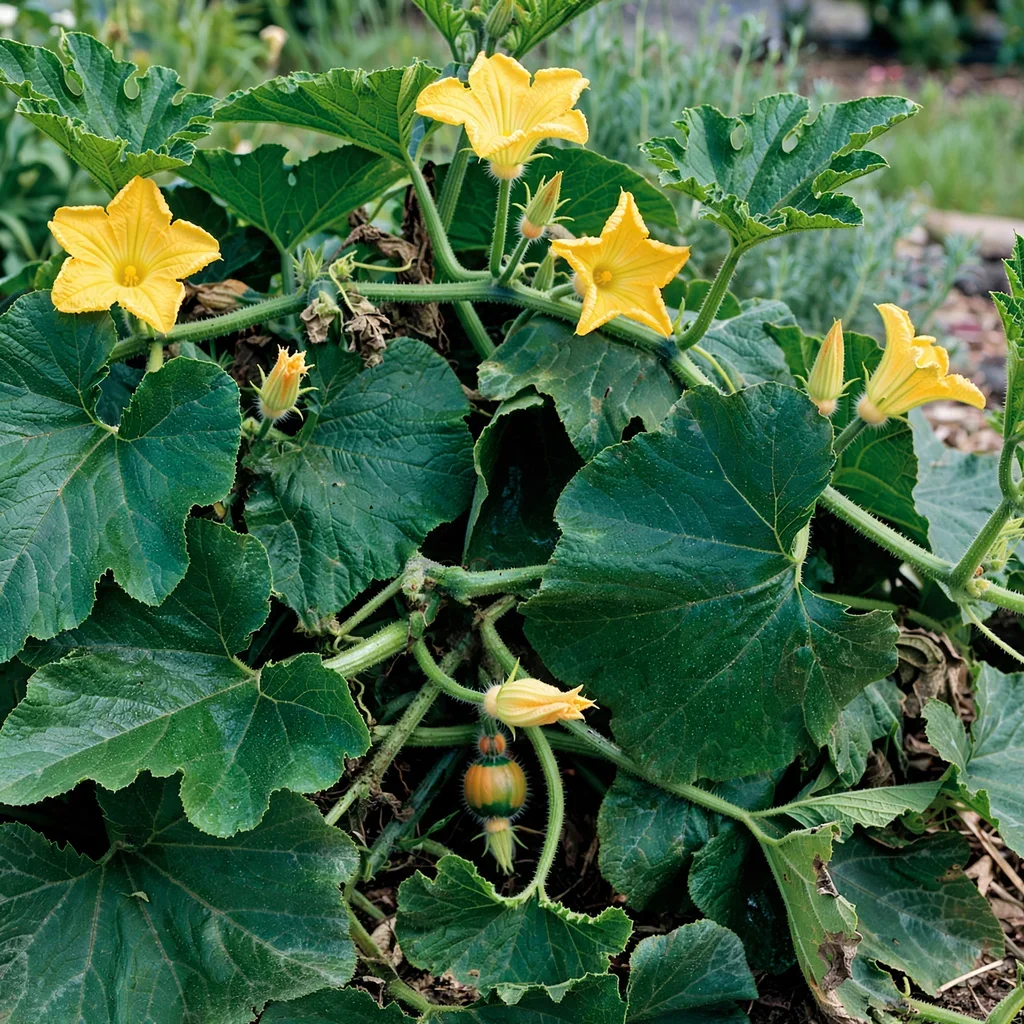
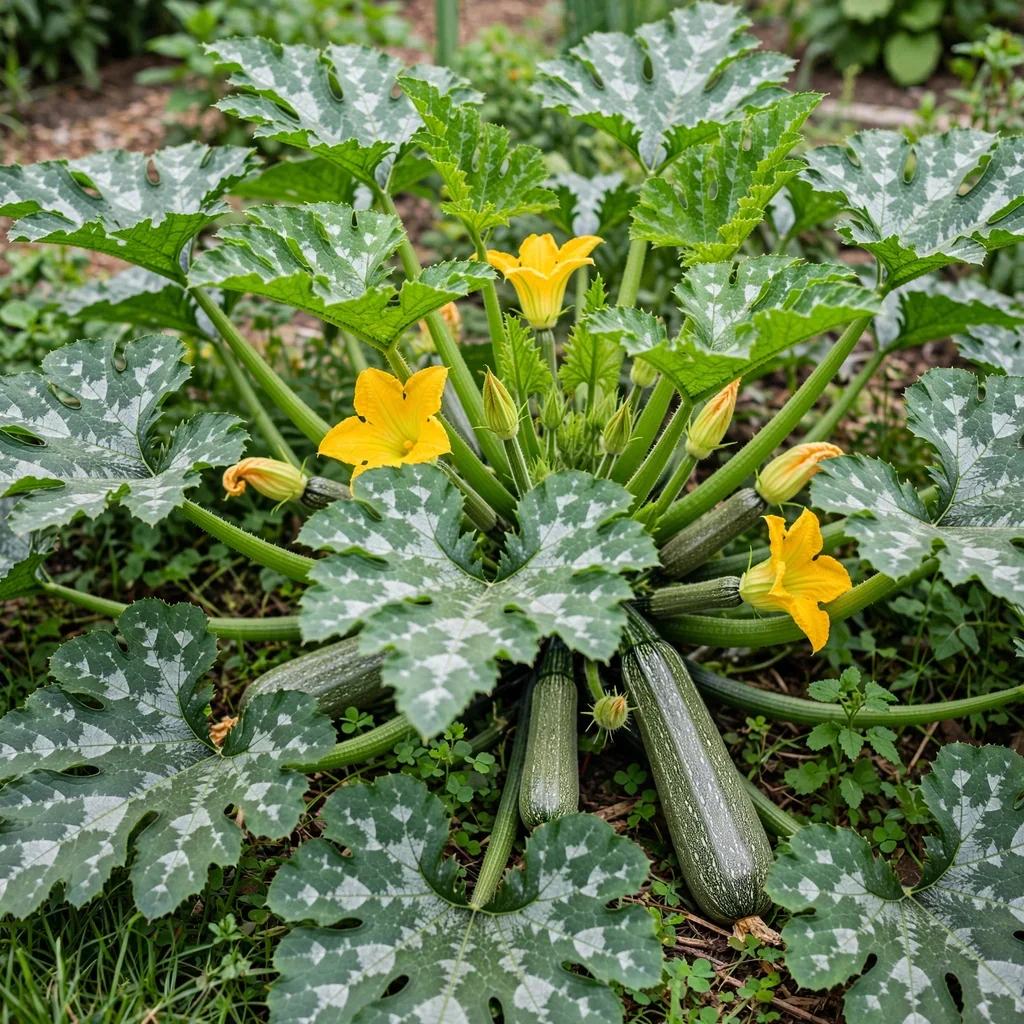
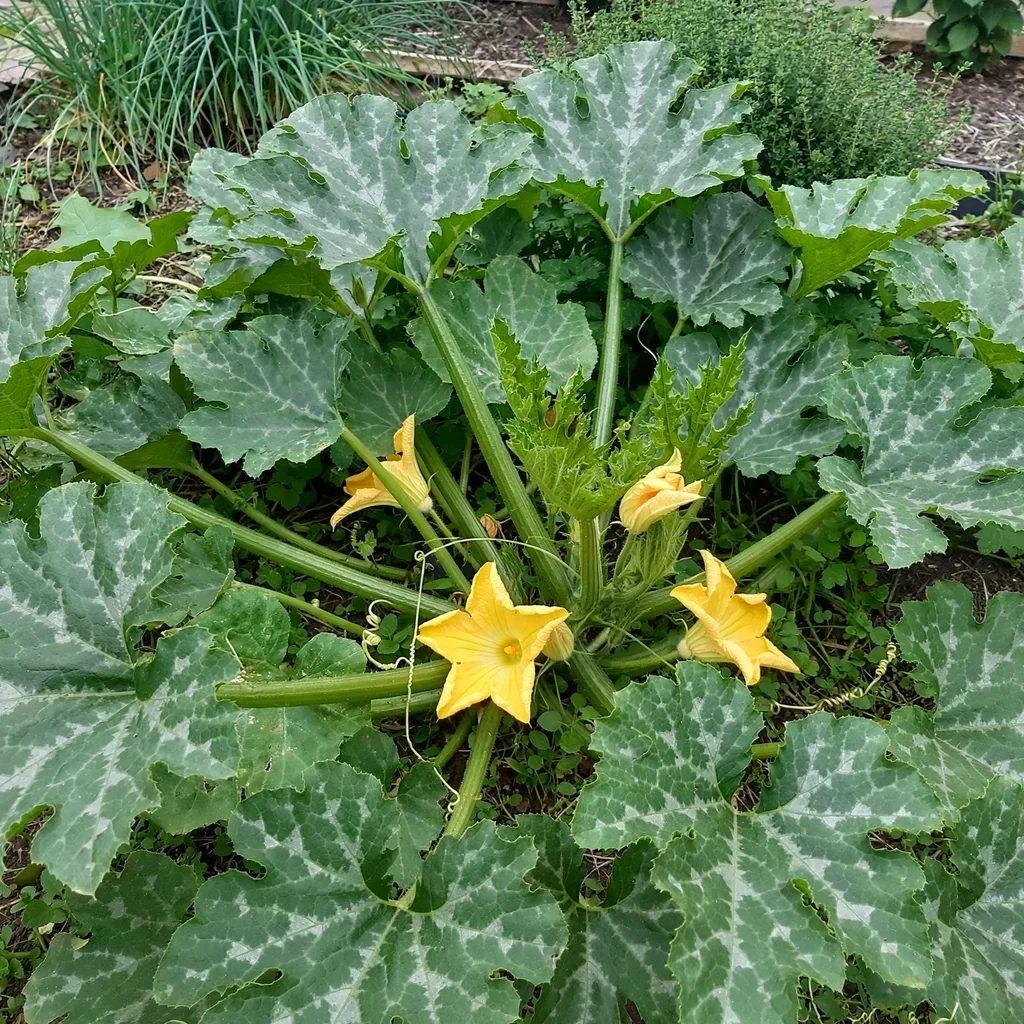
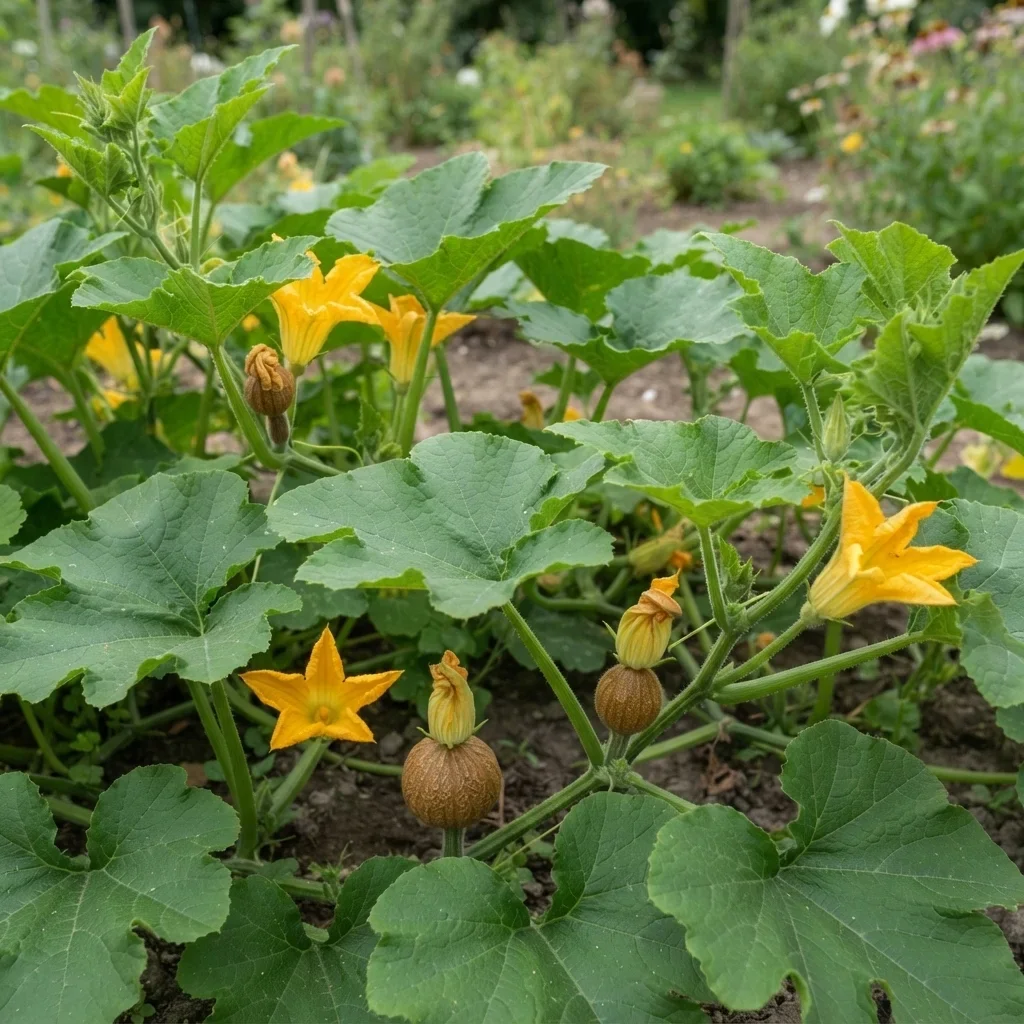
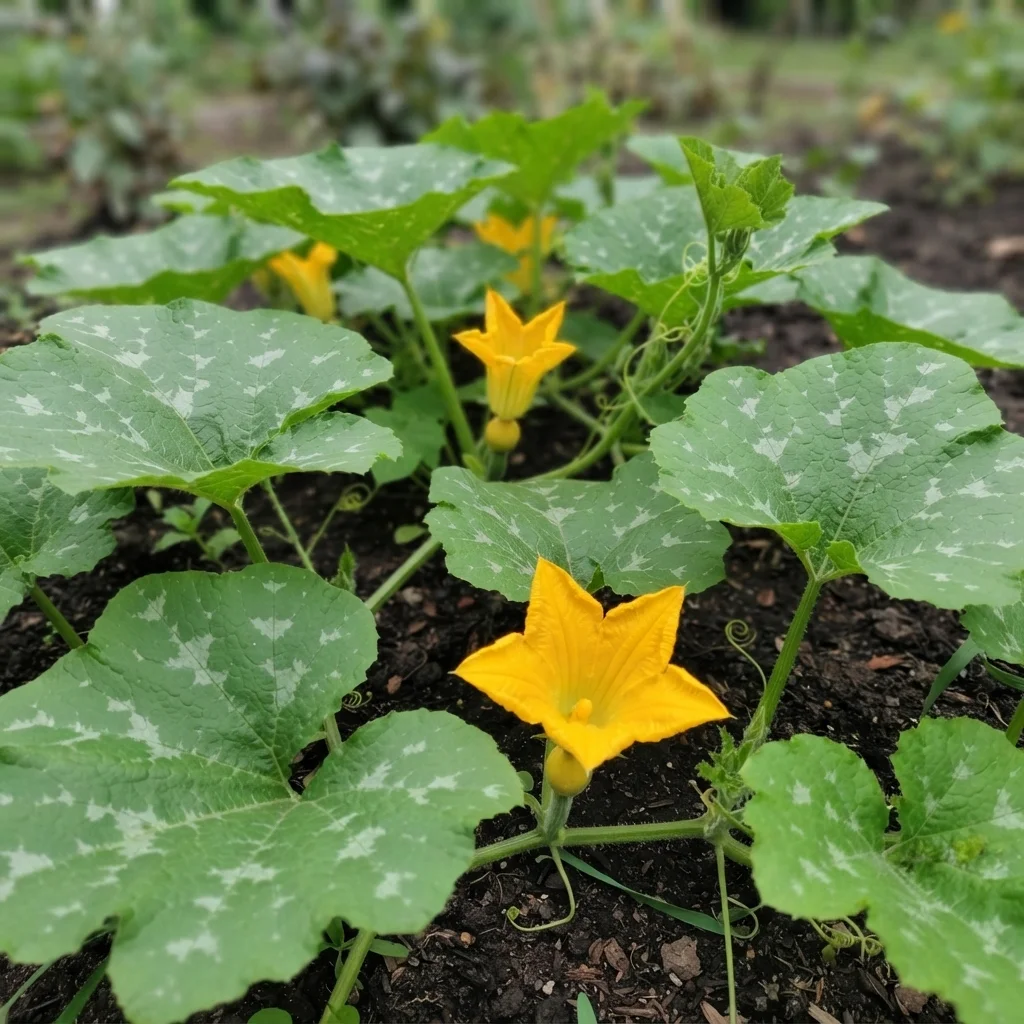
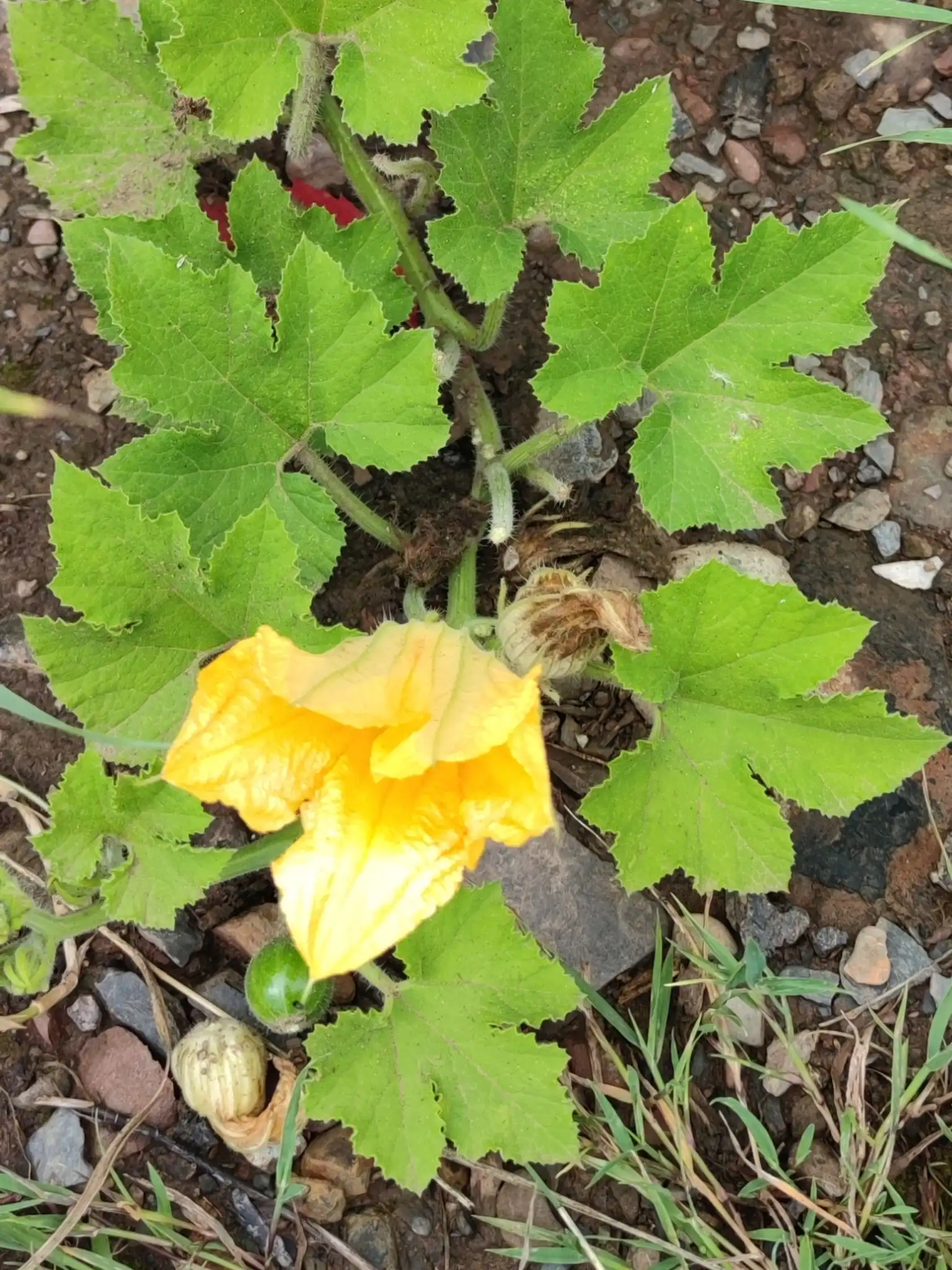
Browse all 10 Cucurbita varieties →
3 species of Cucurbita
Each one is a parent of the varieties above.
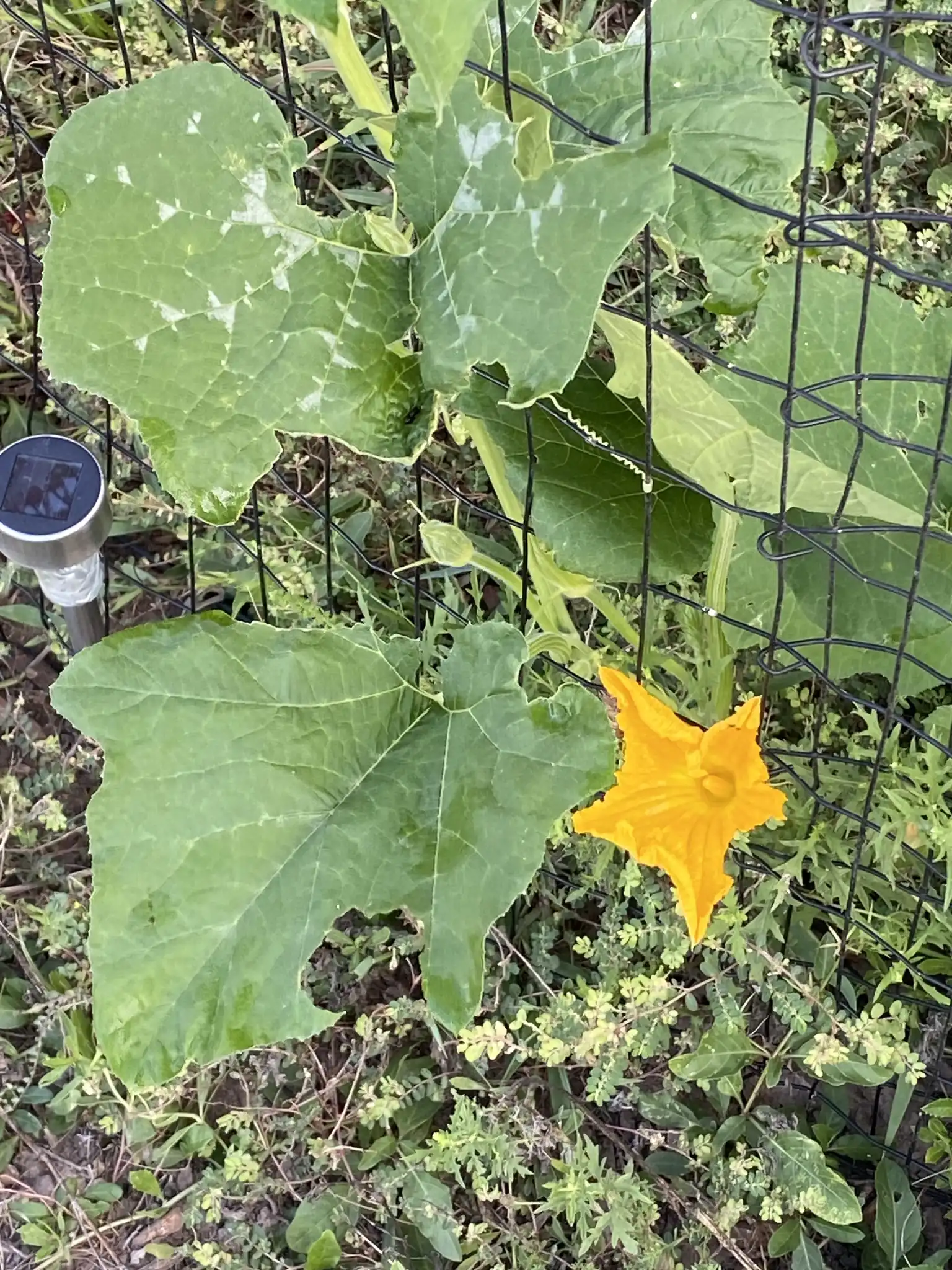
Track your Cucurbita in Sow
Save the Cucurbita you grow and get care reminders timed to your zone.
How to grow Cucurbita
Whats common across all Cucurbita varieties in our catalog — drawn from the care records of the 10 most-grown of them.
The Cucurbita year
- HarvestJuly–October100% of varieties
Cut fruit from the vine when the stem turns beige, corky, and deeply ridged.
- PlantMay and June80% of varieties
Sow seeds or transplant seedlings outdoors once soil temperatures reach 65°F.
- Check for PestsJune–September80% of varieties
Monitor stems for squash vine borer entry holes and check leaves for cucumber beetles.
- FertilizeJune–August70% of varieties
Apply organic compost at planting, then side-dress with potassium-rich fertilizer at flowering.


Do
- Monitor regularly for pests and diseases
- Provide full sun for at least 6 hours daily 🌞
- Place developing squashes on straw, plastic mats, or wooden boards to isolate them from damp soil.
- Water deeply at the base of the plant to keep soil consistently moist during active growth.
- Pinch back the tips of primary runners once they reach the limits of your growing space to manage sprawl.
Avoid
- Avoid overwatering to prevent root rot ❌
- Do not overhead water, as wet foliage combined with high humidity encourages powdery and downy mildew.
- Avoid heavy pruning of the vines, as the developing fruit relies on maximum leaf surface area to size up.
- Do not harvest the squash while the stem is still green and smooth, which leads to poor storage life.
What goes wrong with Cucurbita
| Problem | What you'll see | What to do |
|---|---|---|
| Squash vine borer | Larvae tunnel inside the stems, causing sudden wilting of the vines. | Physically remove larvae from stems, inject Bacillus thuringiensis (Bt) into the entry holes, or use floating row covers. |
| Aphids | Sap-sucking insects cluster on leaf undersides, causing leaf curling and distortion. | Spray foliage with insecticidal soaps or introduce beneficial predatory insects like ladybugs. |
| Squash bug | Bronze speckling and wilting leaves, with bronze egg clusters in rows underneath | Crush egg clusters by hand and trap adults under a board laid on the soil overnight |
| Squash Vine Borer | Wilting vines and empty, damaged stems | Apply organic neem oil or remove infested parts |
| Powdery mildew | White powdery fungal growth covers leaf surfaces, reducing plant vigor. | Apply sulfur-based fungicides, potassium bicarbonate, or select resistant cultivars. |
| Downy mildew | Yellow-to-brown angular spots appear on leaves, bounded by veins. | Improve air circulation around vines and apply targeted fungicides during humid weather. |
| Powdery Mildew | White powdery spots on leaves | Use organic fungicides like neem or sulfur |
Making more Cucurbita
Seed
- Sow seeds 1 inch deep directly into fertile, well-draining soil after all danger of frost has passed.
- Ensure the soil temperature has reached at least 65°F (18°C) to guarantee prompt germination.
- Alternatively, start seeds indoors in biodegradable pots three weeks before the final spring frost date.
- Keep the soil consistently moist and transplant seedlings carefully to avoid disturbing the sensitive roots.
seeds
- Tuck seeds 1 inch deep in soil in early spring
- Keep soil moist for 6 weeks until germination begins
- Transplant seedlings after 2-3 true leaves appear
Cucurbita questions
How many types of Cucurbita are there?
The Sow catalog tracks 10 distinct Cucurbita varieties. The most popular — ranked by 617 real gardeners — are shown first above.
What zones does Cucurbita grow in?
Across its varieties, Cucurbita covers USDA Zones 4–10. Individual varieties differ — each plant page lists its exact range, and Sow filters the catalog to your zone automatically.
When does Cucurbita bloom?
Most Cucurbita varieties bloom in mid-summer, summer. Staggering early, mid, and late varieties extends the genus's season in one bed.
Which Cucurbita should I choose?
Start from the most-saved varieties above — popularity across thousands of gardens is a strong signal of reliability — then filter by your zone and sun. In the Sow app you can preview any of them in a photo of your actual yard before you buy.