The Story
Plant Bio
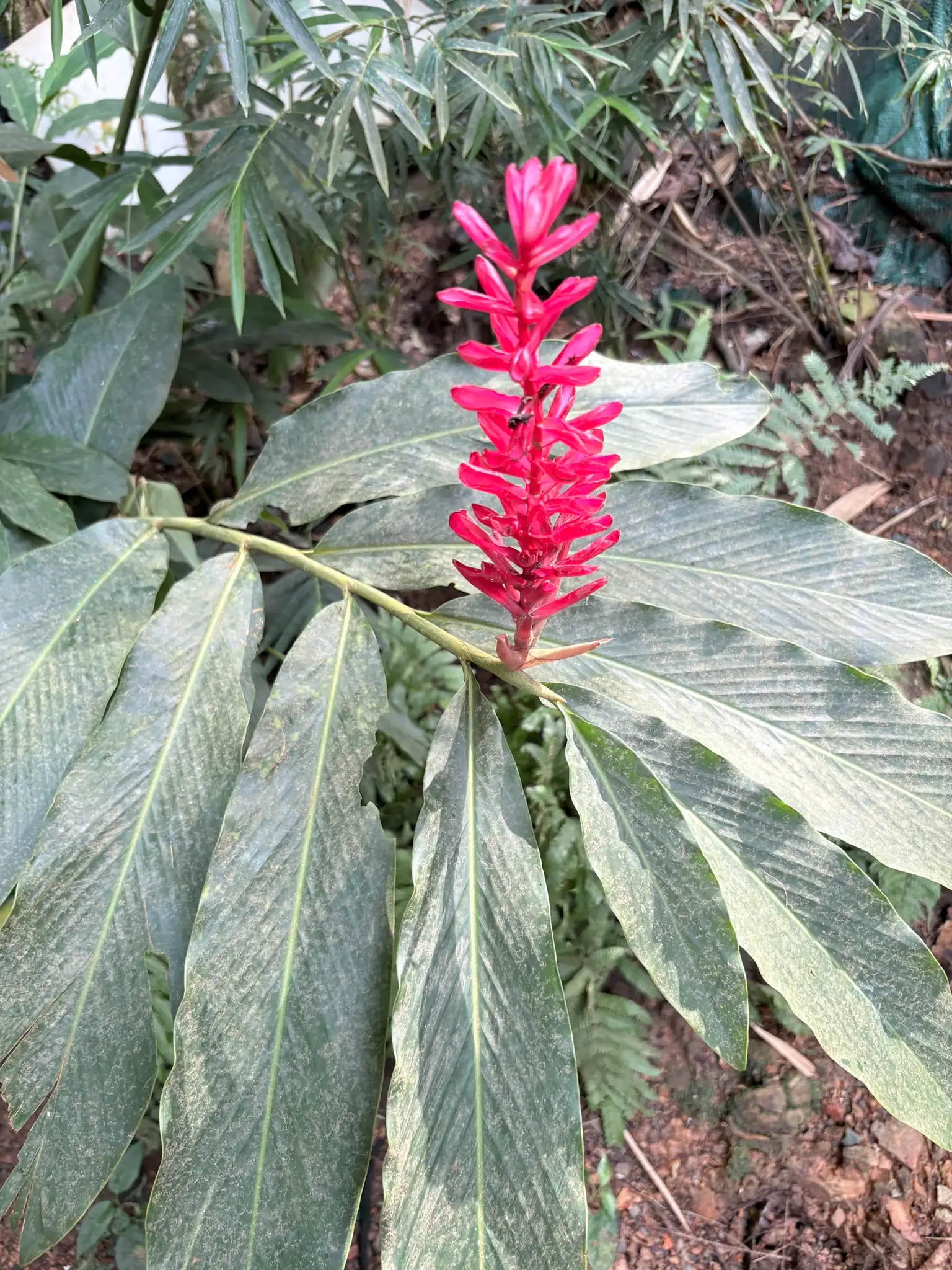
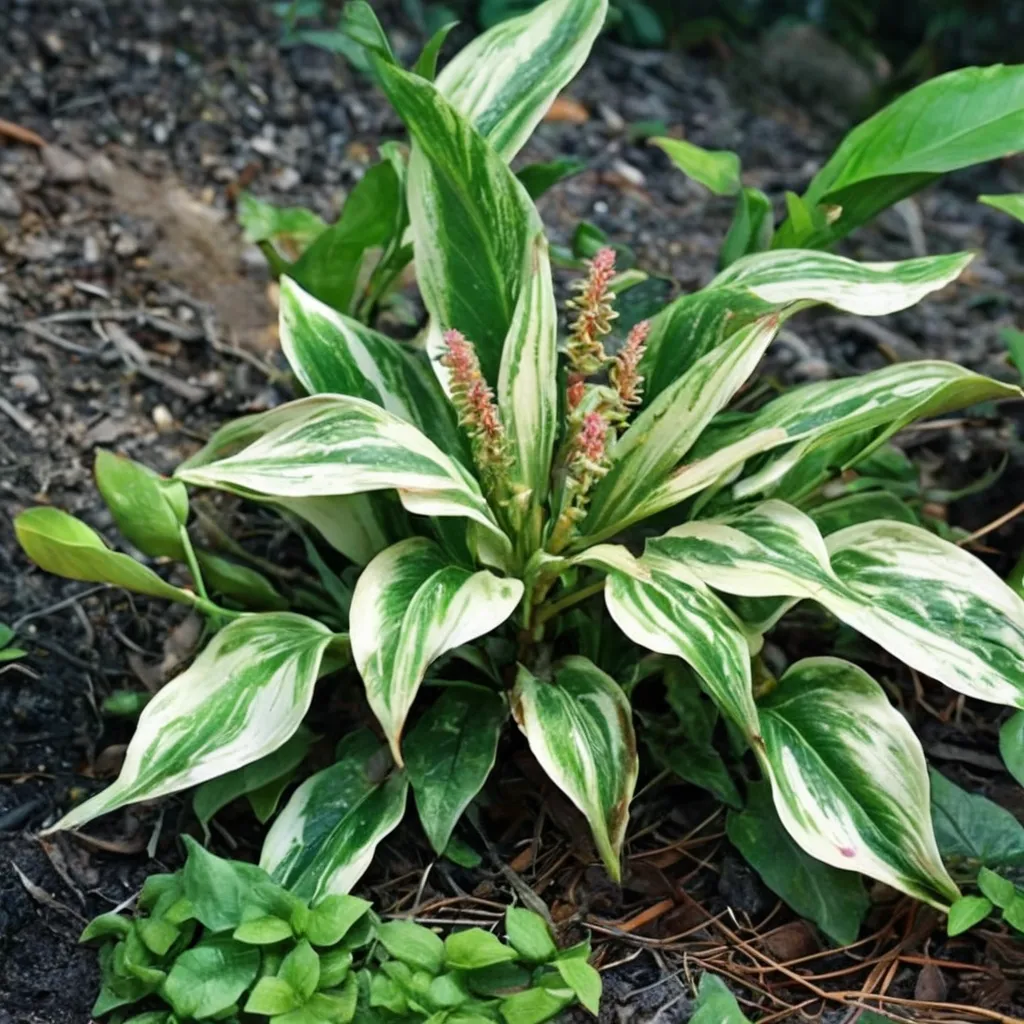
Alpinia purpurata, the red ginger, is a clump-forming, upright tropical perennial with erect leafy pseudostems formed by overlapping leaf sheaths. The glossy green, lanceolate leaves feature parallel veins and emerge from tightly rolled sheaths that unfold vertically.
The terminal inflorescences consist of dense spikes of waxy, vibrant red bracts that enclose small, fleeting white flowers. These colorful, cone-like structures persist for weeks and are highly valued for tropical floral arrangements.
Uses & Benefits:
Essentials
At a Glance
Plant Type
Tropical
Height
120"
Width
72"
Light
Full Sun, Partial Sun
Zones
9, 10
Water
High
Humidity
High
Lifespan
Perennial
Native To
Oceania and Asia (Southwest Pacific and Malesia)
Toxicity
Low
Bloom period
Spring – Fall
In flower about 9 months of the year
Planting
How to Grow
- Select a planting site with rich, organic, well-draining soil in partial shade to full sun.
- Amend the soil with compost to improve moisture retention while ensuring excellent drainage.
- Plant rhizomes shallowly, keeping the growing tips just below the soil surface.
- Water thoroughly and maintain consistent moisture, never allowing the soil to dry out completely.
Pro Tip
Never prune living, green, unflowered pseudostems, as they supply energy to the rhizome and are required for future flower production. Cut spent flowering stems completely to the ground annually to stimulate fresh, vigorous growth.
Keep It Thriving
Care Guide
Do
- Keep the soil consistently moist to support lush foliage and continuous blooming.
- Apply a balanced, slow-release fertilizer every six to eight weeks during the active growing season.
- Mulch heavily around the base to retain soil moisture and protect rhizomes from occasional light frosts.
Don't
- Do not plant in heavy, poorly drained clay soils that hold standing water.
- Avoid trimming green, unflowered pseudostems, which prevents future flower development.
- Do not let the plant suffer from dry soil or low-humidity conditions.
Seasonal Care Calendar
| Task | Jan | Feb | Mar | Apr | May | Jun | Jul | Aug | Sep | Oct | Nov | Dec |
|---|---|---|---|---|---|---|---|---|---|---|---|---|
| Divide | ||||||||||||
| Fertilize | ||||||||||||
| Mulch | ||||||||||||
| Pest Check | ||||||||||||
| Prune |
Watch Out For
Pests & Diseases
Common Pests
Common Diseases
In the Garden
Landscape Uses & Companions
Landscape Uses
Companion Plants
Multiply
Propagation Methods
Good to Know
Common Questions
Red Ginger questions
What zones can Red Ginger grow in?
Red Ginger is hardy in USDA Zones 9–10. Inside that range it survives winter in the ground; outside it, grow it as an annual or a container plant you protect.
When does Red Ginger bloom?
Red Ginger typically blooms in spring through fall. Exact timing shifts a week or two with your zone — Sow's bloom calendar maps it to your garden.
Does Red Ginger need full sun?
Red Ginger does best in full sun to part shade. In hot climates, afternoon shade keeps blooms fresher longer.
More Alpinia to compare
Keep exploring
Explore the genus
Hardy in your zone?
Grow Red Ginger with confidence
See it in a design of your actual yard, get zone-matched care reminders, and track it season by season in your garden journal.