



The Story
Plant Bio
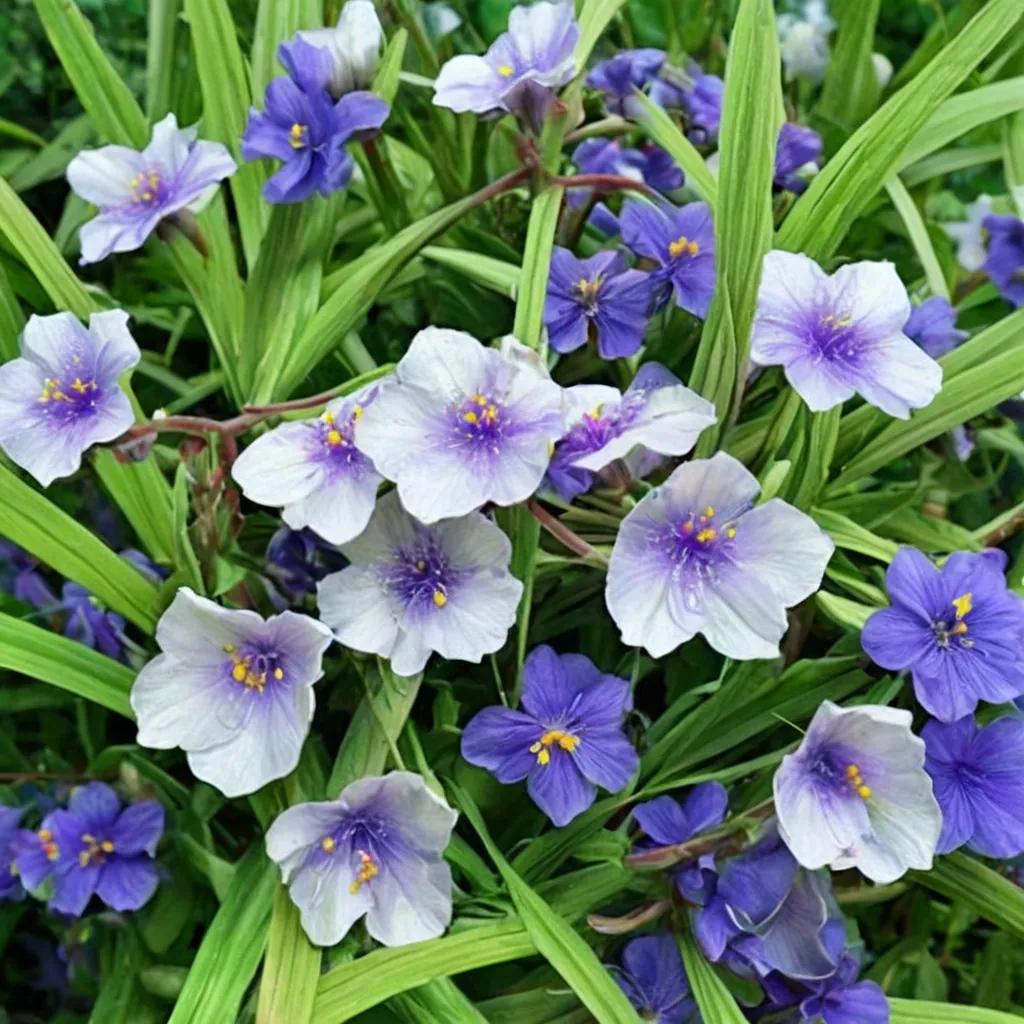
Tradescantia x andersoniana, the garden spiderwort, is a clumping perennial derived from native North American species, reaching about twenty inches with arching strap-shaped leaves that clasp the stem. Three-petalled flowers in blue, purple, pink or white open in succession through summer, each one lasting a single day.
The foliage collapses into an untidy yellowing heap in midsummer, which is normal and not a disease — shear the whole clump to a few inches and it produces fresh leaves and a second flush of flower within weeks. The sap can irritate skin, so wear gloves for that cutback if you are prone to dermatitis.
Uses & Benefits:
Essentials
At a Glance
Plant Type
Perennial
Height
20"
Width
20"
Light
Full Sun, Partial Sun
Zones
4, 5, 6, 7, 8, 9
Water
Moderate to high
Humidity
Moderate
Lifespan
Perennial
Native To
Hybrid of northeastern North American species
Toxicity
Sap can irritate skin
Planting
How to Grow
- Plant in full sun or partial shade.
- Give it moist soil; it tolerates wet ground well.
- Shear the clump hard when it flops in midsummer.
- Water after the cutback to bring on new growth.
- Divide congested clumps every few years in spring.
- Deadhead if you want to limit self-seeding.
Pro Tip
When it flops and yellows in midsummer, cut the whole clump to three inches — it reflushes with clean foliage and flowers again.
Keep It Thriving
Care Guide
Do
- Shear it back hard in midsummer ✂️
- Keep the soil reliably moist 💧
- Divide congested clumps in spring 🔁
- Wear gloves when cutting it back 🧤
Don't
- Assume the midsummer collapse is disease ❌
- Let it dry out in full sun ❌
- Leave seedheads if you dislike self-seeding ❌
Seasonal Care Calendar
| Task | Jan | Feb | Mar | Apr | May | Jun | Jul | Aug | Sep | Oct | Nov | Dec |
|---|---|---|---|---|---|---|---|---|---|---|---|---|
| Cut Back | ||||||||||||
| Divide |
Watch Out For
Pests & Diseases
Common Pests
Common Diseases
In the Garden
Landscape Uses & Companions
Landscape Uses
Companion Plants
Multiply
Propagation Methods
Good to Know
Common Questions
Garden Spiderwort questions
What zones can Garden Spiderwort grow in?
Garden Spiderwort is hardy in USDA Zones 4–9. Inside that range it survives winter in the ground; outside it, grow it as an annual or a container plant you protect.
Is Garden Spiderwort deer resistant?
Not reliably. Deer may browse Garden Spiderwort, especially tender spring growth — plan on repellents or fencing where pressure is high.
When does Garden Spiderwort bloom?
Garden Spiderwort typically blooms in summer through late summer. Exact timing shifts a week or two with your zone — Sow's bloom calendar maps it to your garden.
Does Garden Spiderwort need full sun?
Garden Spiderwort does best in full sun to part shade. In hot climates, afternoon shade keeps blooms fresher longer.
More Tradescantia to compare
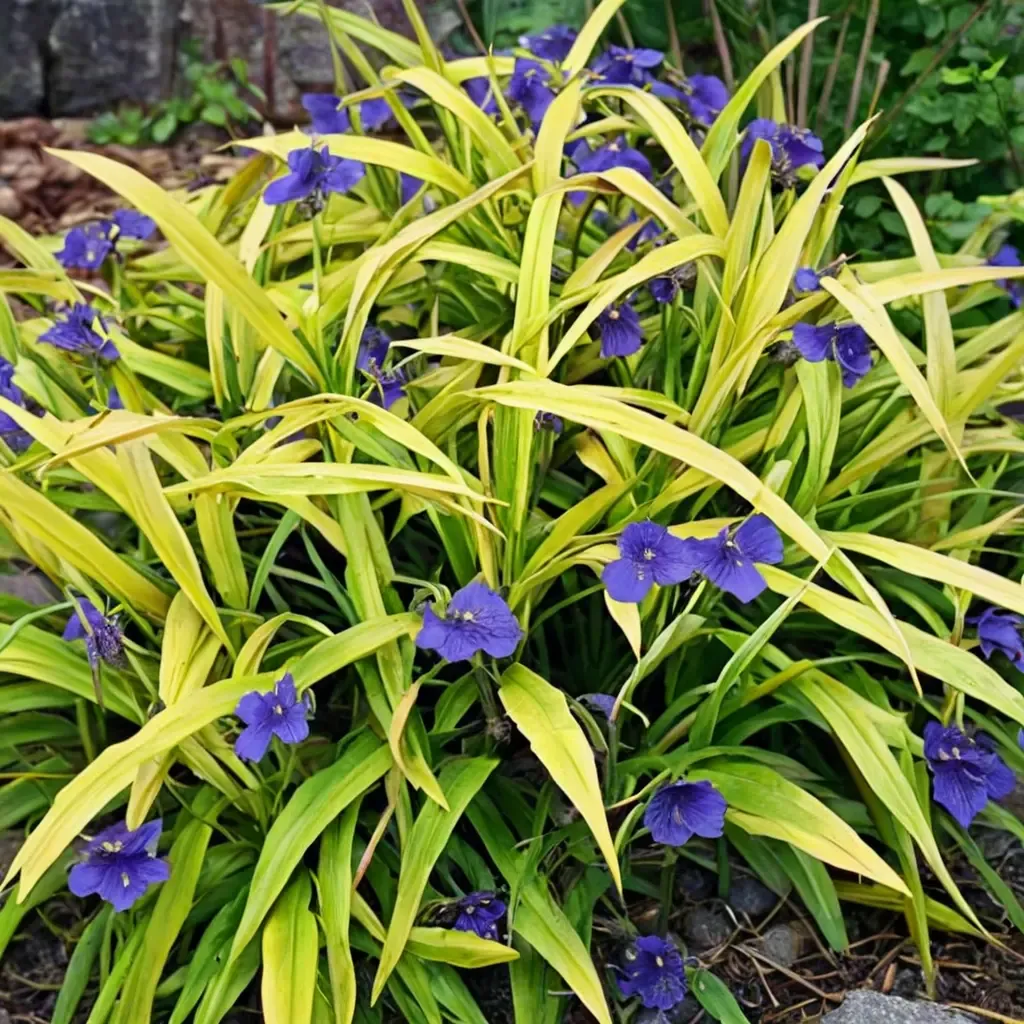
Sweet Kate Spiderwort
Tradescantia occidentalis 'Sweet Kate'
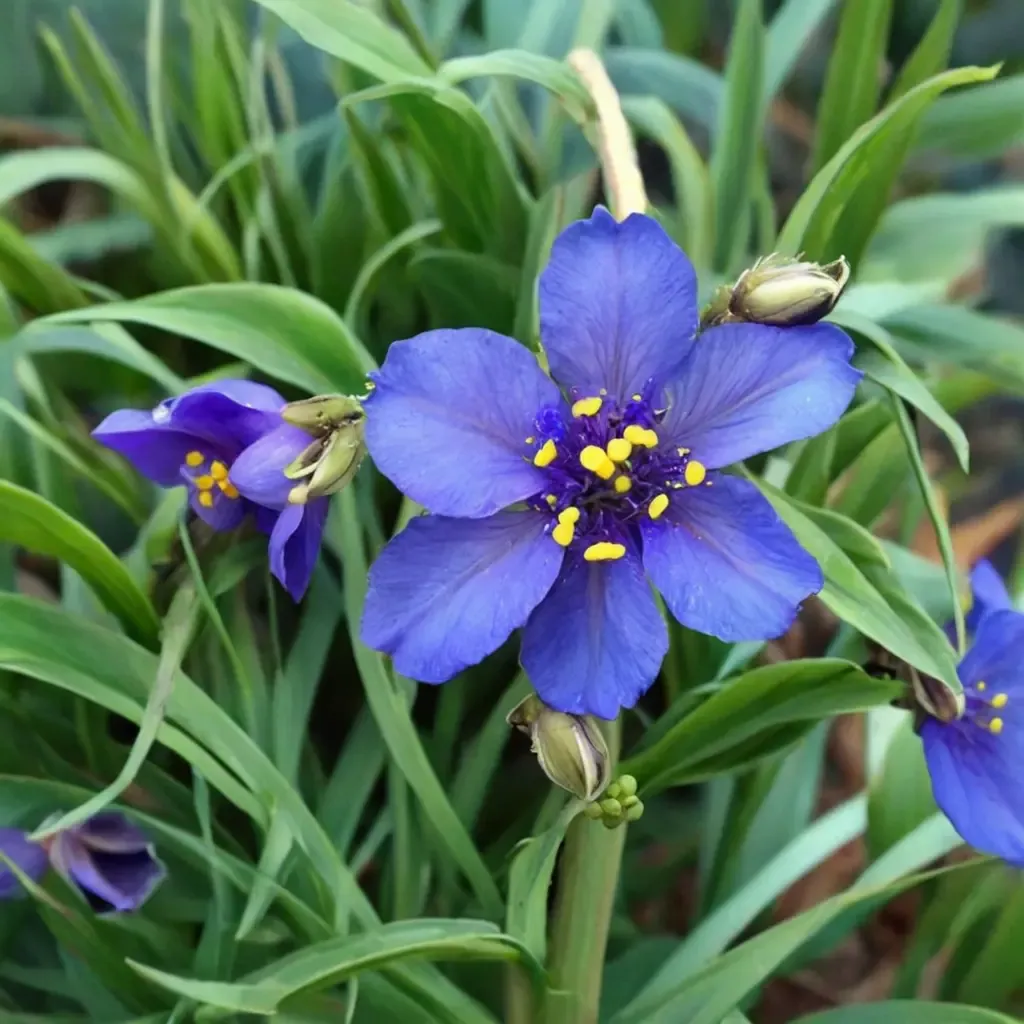
Virginia Spiderwort
Tradescantia virginiana
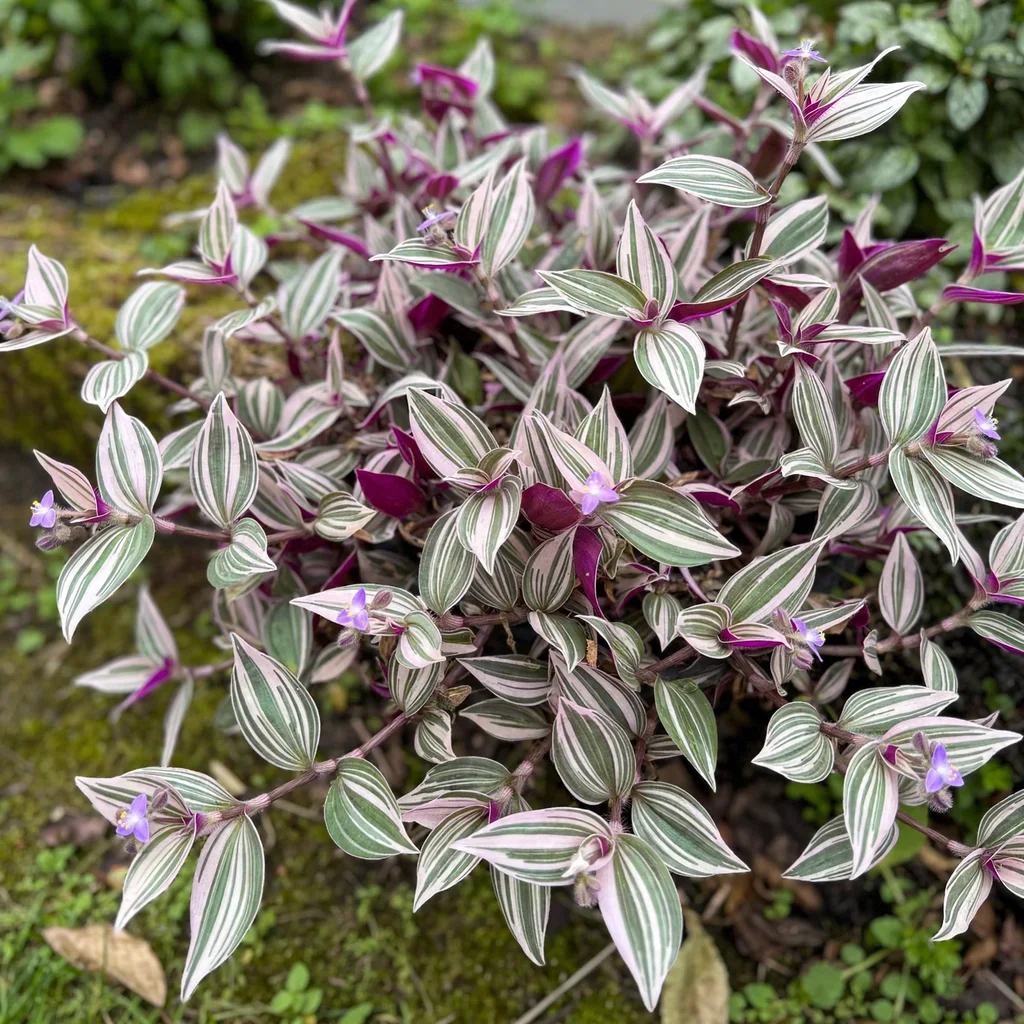
Variegated Wandering Jew
Tradescantia pallida 'Variegata'
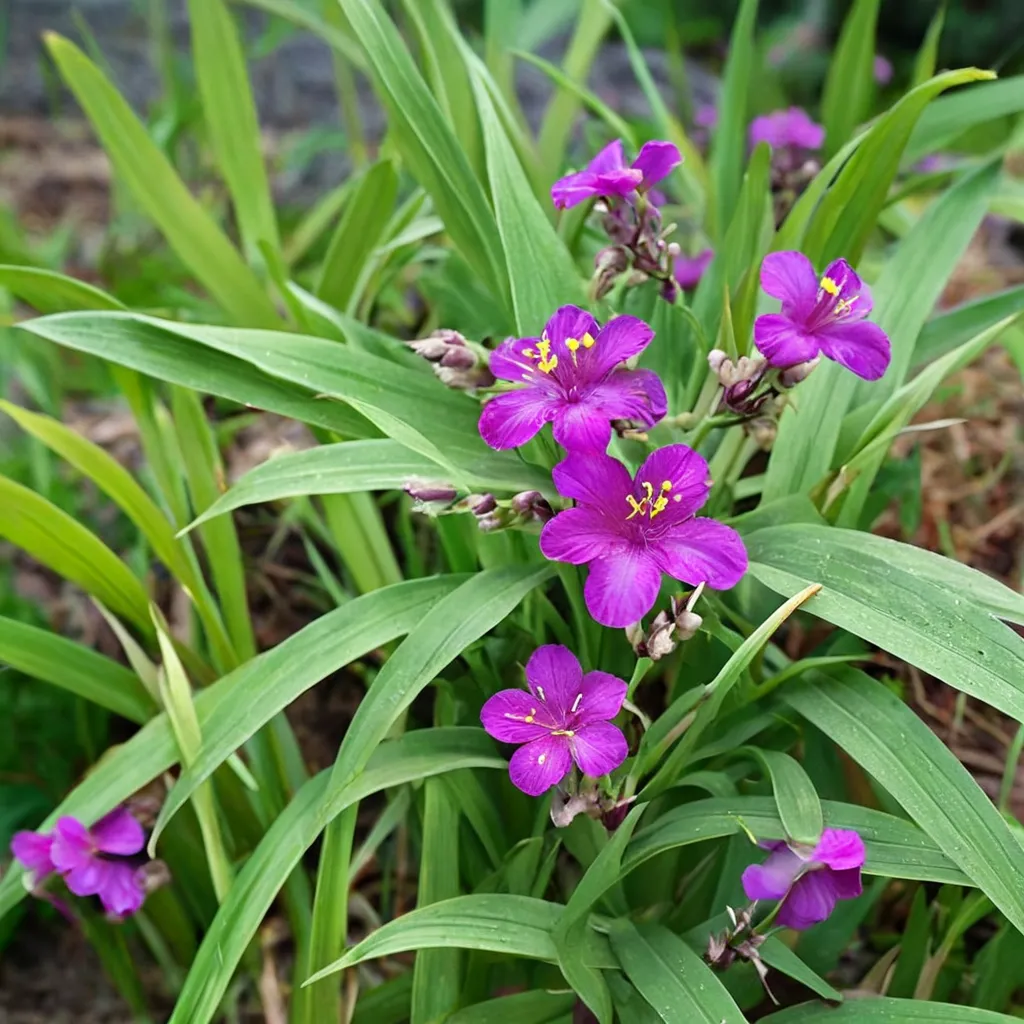
Carmine Glow Spiderwort
Tradescantia x andersoniana 'Karminglut'
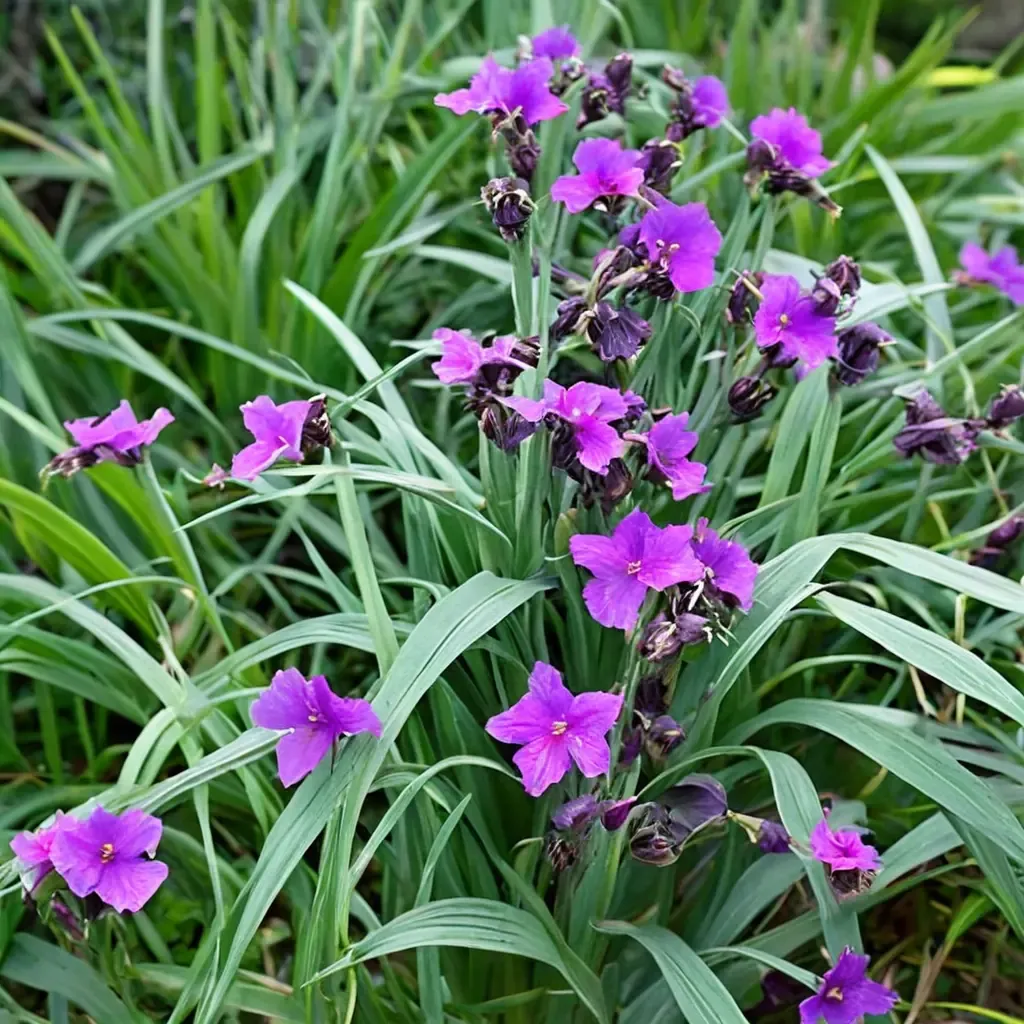
Concord Grape Spiderwort
Tradescantia x andersoniana 'Concord Grape'
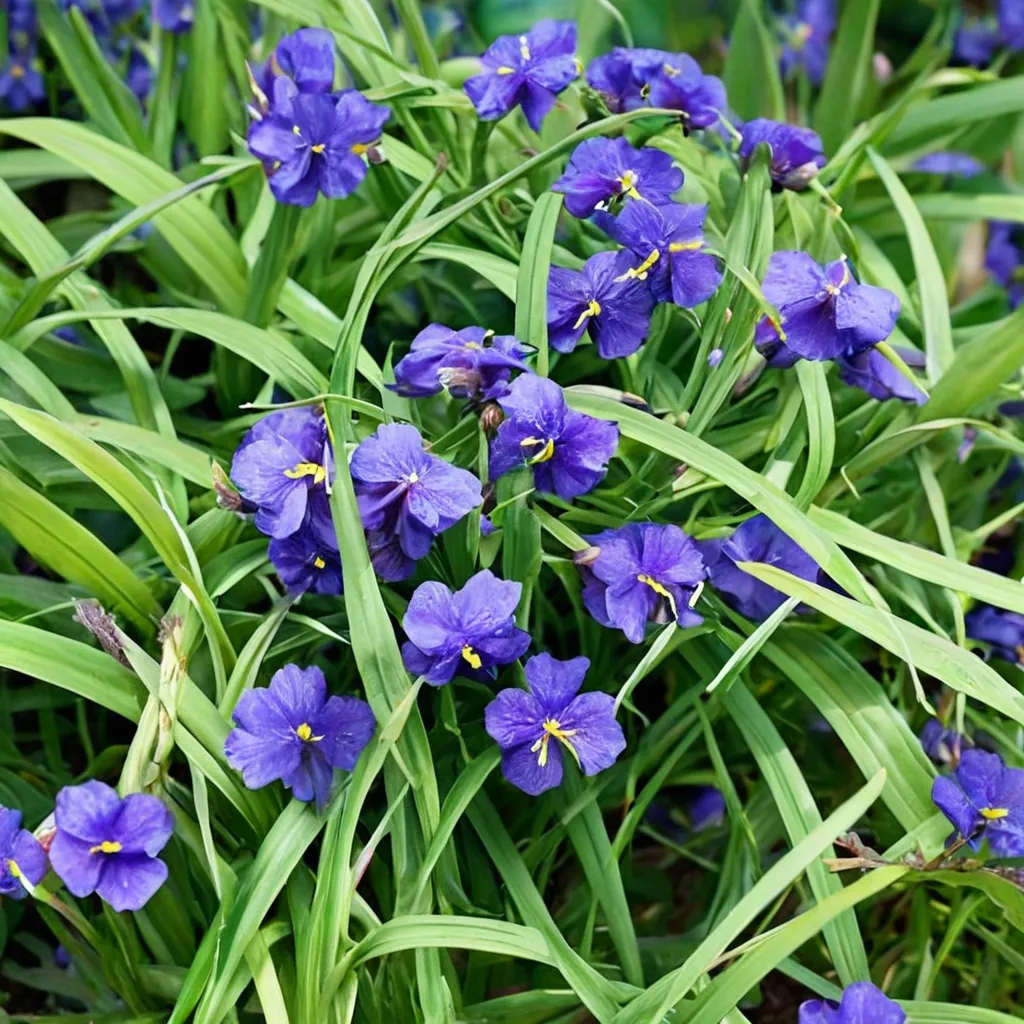
Leonora Spiderwort
Tradescantia x andersoniana 'Leonora'
Keep exploring
Explore the genus
Grow Garden Spiderwort with confidence
See it in a design of your actual yard, get zone-matched care reminders, and track it season by season in your garden journal.