The Story
Plant Bio
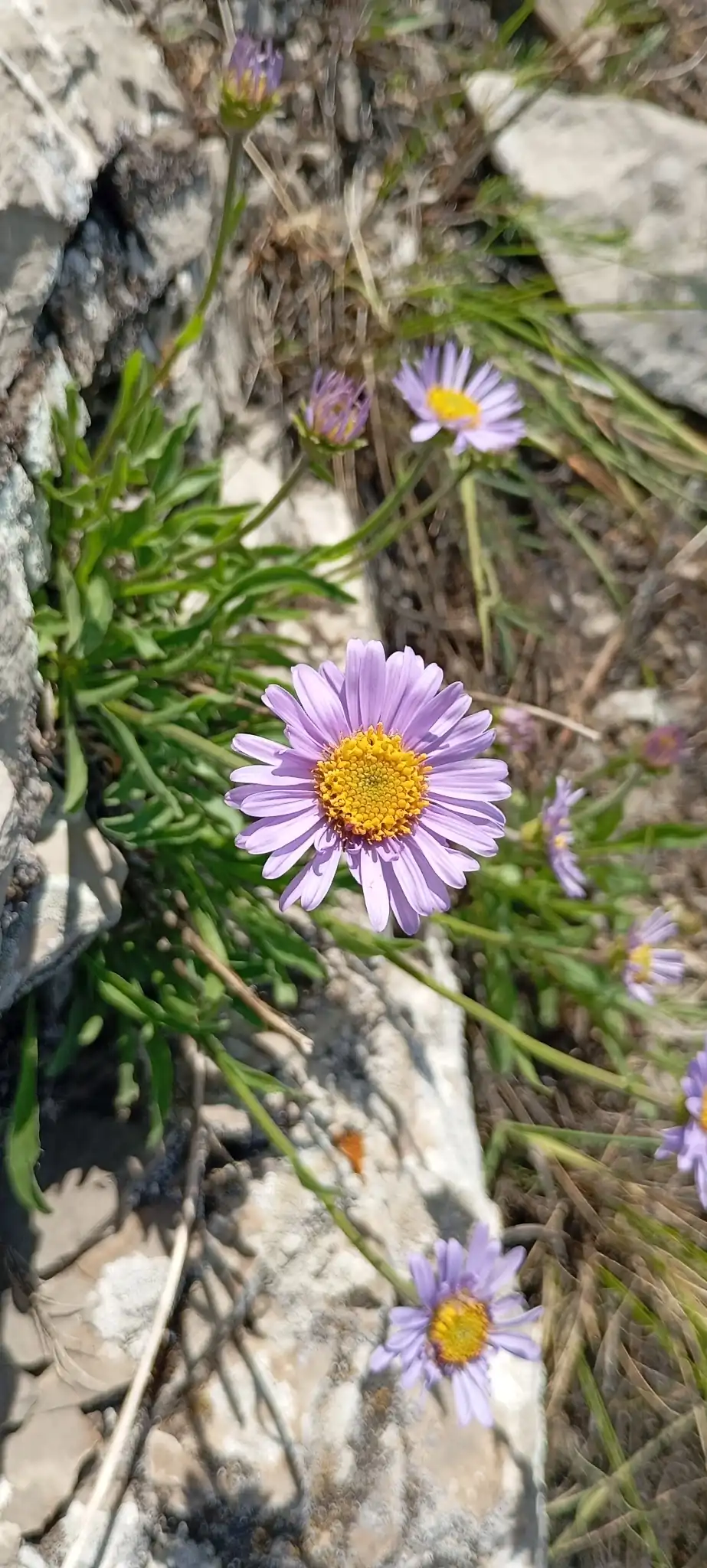
Aster alpinus is a low-growing, compact herbaceous perennial that forms neat basal rosettes of softly pubescent, gray-green leaves. In spring and early summer, it produces solitary, daisy-like flower heads with blue-violet rays and yellow centers on stems rising above the foliage mound.
This high-altitude species is exceptionally cold-hardy and adapted to lean, rocky environments where larger perennials struggle. Cultivated selections expand the color palette to include pink, white, and deep purple variants.
Uses & Benefits:
Essentials
At a Glance
Plant Type
Perennial
Height
10"
Width
15"
Light
Full Sun
Zones
5, 6, 7
Water
Low to Moderate
Humidity
Low
Lifespan
Perennial
Native To
Europe, Asia, North America
Toxicity
Non-toxic
Bloom period
Spring – Early summer
In flower about 4 months of the year
Planting
How to Grow
- Select a planting site in full sun with gritty, rocky, or sandy soil that drains rapidly.
- Dig a hole twice the width of the root ball but no deeper, ensuring the crown sits slightly above the surrounding soil level.
- Backfill with native soil mixed with fine gravel or grit, avoiding the addition of rich organic compost.
- Water sparingly to settle the soil, then apply a thin layer of gravel mulch around the base rather than wood chips.
Pro Tip
Plant in lean, gritty, sharply drained soil and avoid organic mulches around the crown; winter wetness combined with heavy, moisture-retentive soil causes rapid root rot.
Keep It Thriving
Care Guide
Do
- Cut spent flower stalks cleanly back to the basal rosette after blooming finishes.
- Divide established clumps every three to four years in spring to maintain vigor.
- Clear away dead leaves and debris from around the crown in early spring.
Don't
- Do not plant in heavy clay or poorly drained soils that retain winter moisture.
- Do not apply heavy organic mulches directly over or tightly around the crown.
- Do not over-fertilize, as high nitrogen levels cause weak, leggy growth.
Seasonal Care Calendar
| Task | Jan | Feb | Mar | Apr | May | Jun | Jul | Aug | Sep | Oct | Nov | Dec |
|---|---|---|---|---|---|---|---|---|---|---|---|---|
| Deadhead | ||||||||||||
| Divide | ||||||||||||
| Fertilize | ||||||||||||
| Pest Check | ||||||||||||
| Spring Cleanup |
Watch Out For
Pests & Diseases
Common Pests
Common Diseases
In the Garden
Landscape Uses & Companions
Landscape Uses
Companion Plants
Multiply
Propagation Methods
Good to Know
Common Questions
Alpine Aster questions
What zones can Alpine Aster grow in?
Alpine Aster is hardy in USDA Zones 5–7. Inside that range it survives winter in the ground; outside it, grow it as an annual or a container plant you protect.
Is Alpine Aster deer resistant?
Not reliably. Deer may browse Alpine Aster, especially tender spring growth — plan on repellents or fencing where pressure is high.
When does Alpine Aster bloom?
Alpine Aster typically blooms in spring through early summer. Exact timing shifts a week or two with your zone — Sow's bloom calendar maps it to your garden.
Does Alpine Aster need full sun?
Alpine Aster does best in full sun (6+ hours).
Is Alpine Aster drought tolerant?
Yes — once established (usually after the first full season), Alpine Aster handles dry spells with minimal watering. Water deeply its first year to build the root system that makes that possible.
More Aster to compare
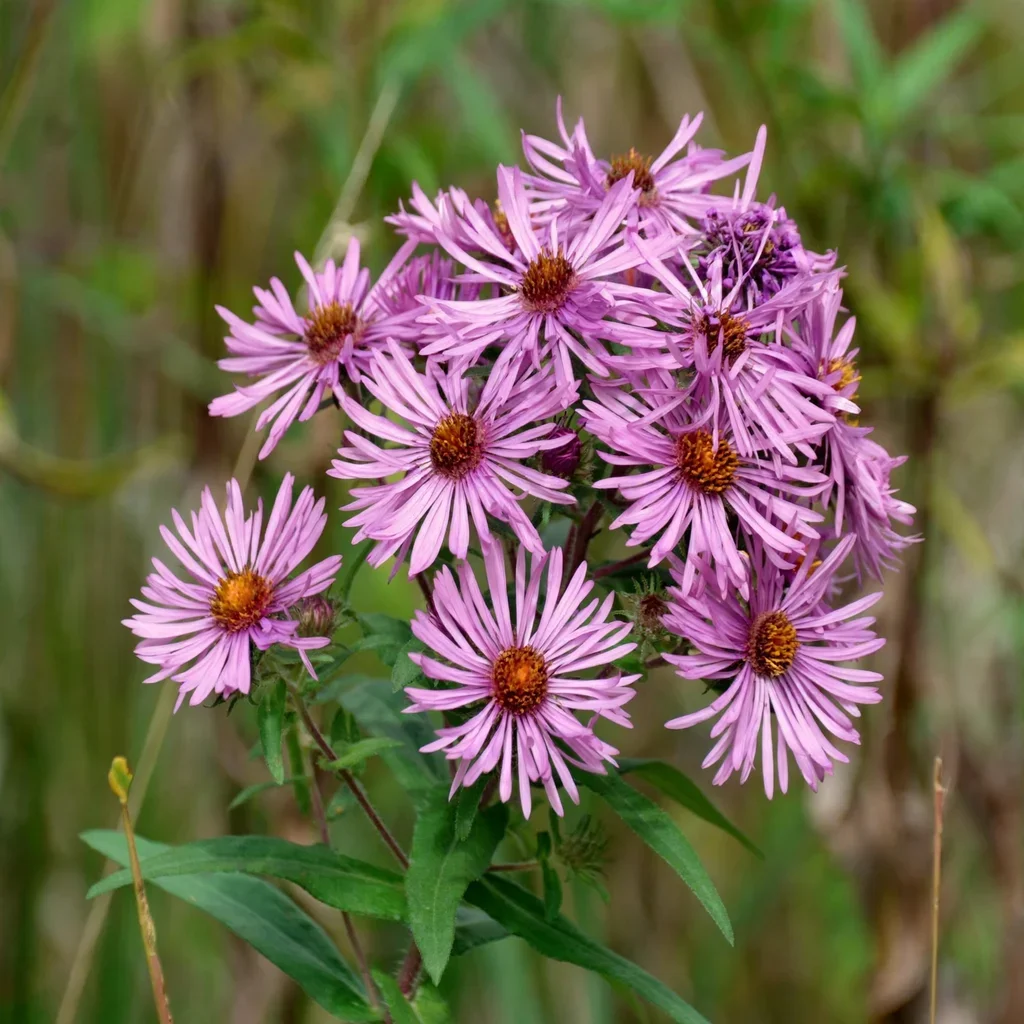
Lou Williams New England Aster
Aster novae-angliae 'Lou Williams'
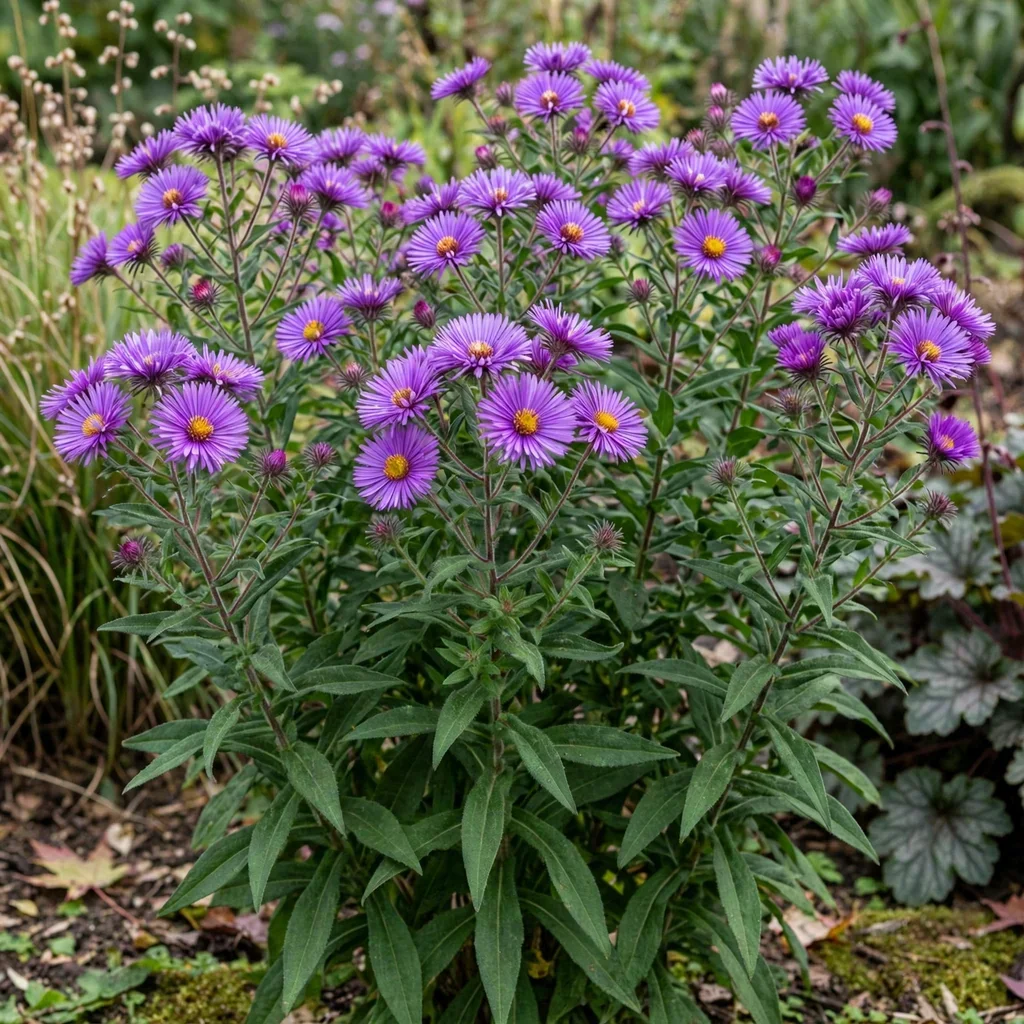
New England Aster 'Violetta'
Aster novae-angliae 'Violetta'
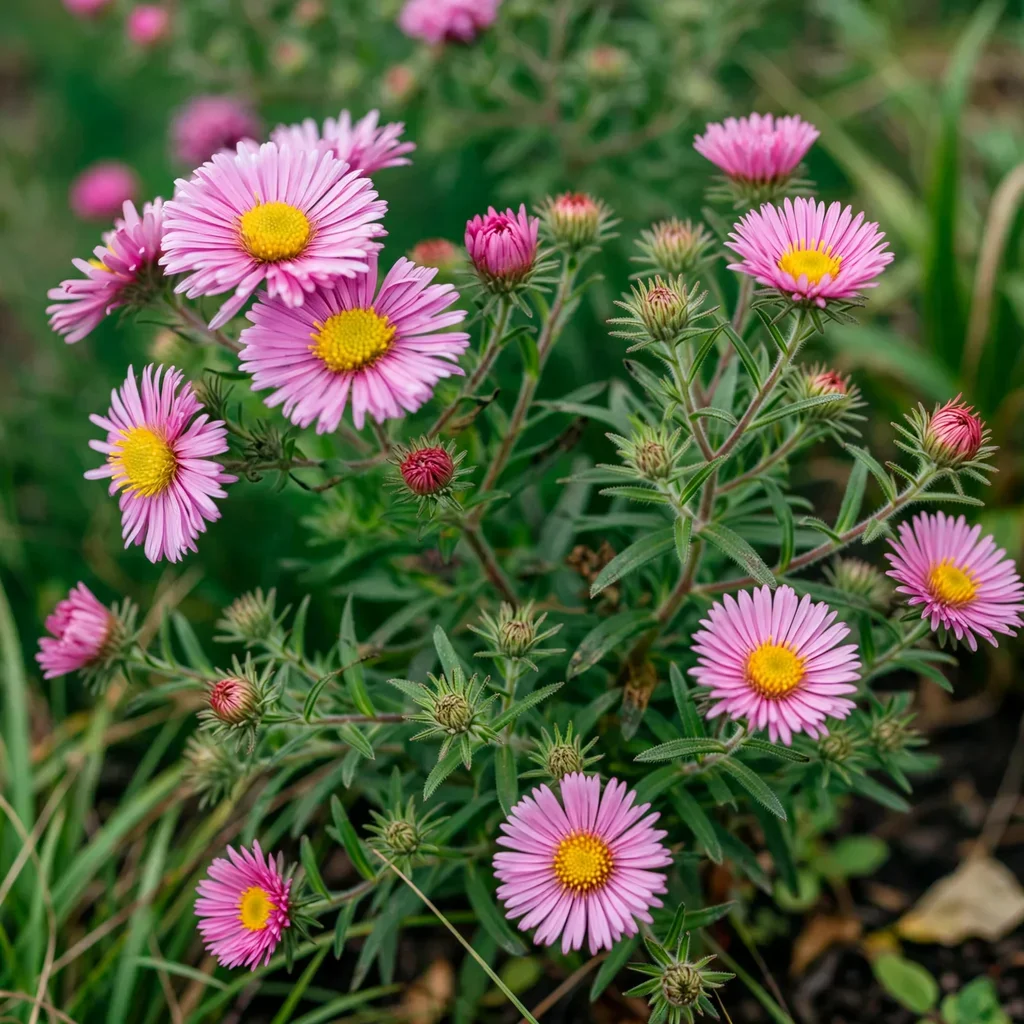
Rosa Sieger New England Aster
Aster novae-angliae 'Rosa Sieger'
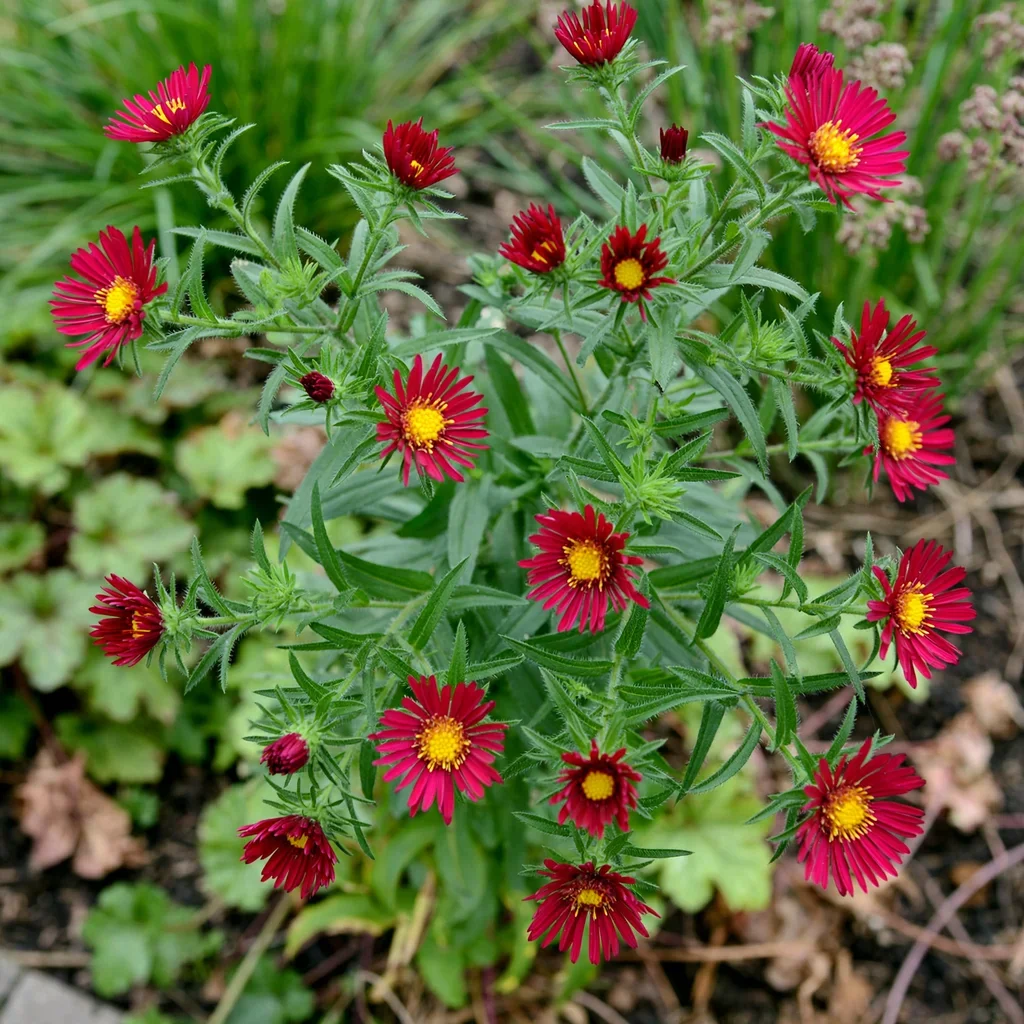
Crimson Brocade New England Aster
Aster x hybrida 'Crimson Brocade'
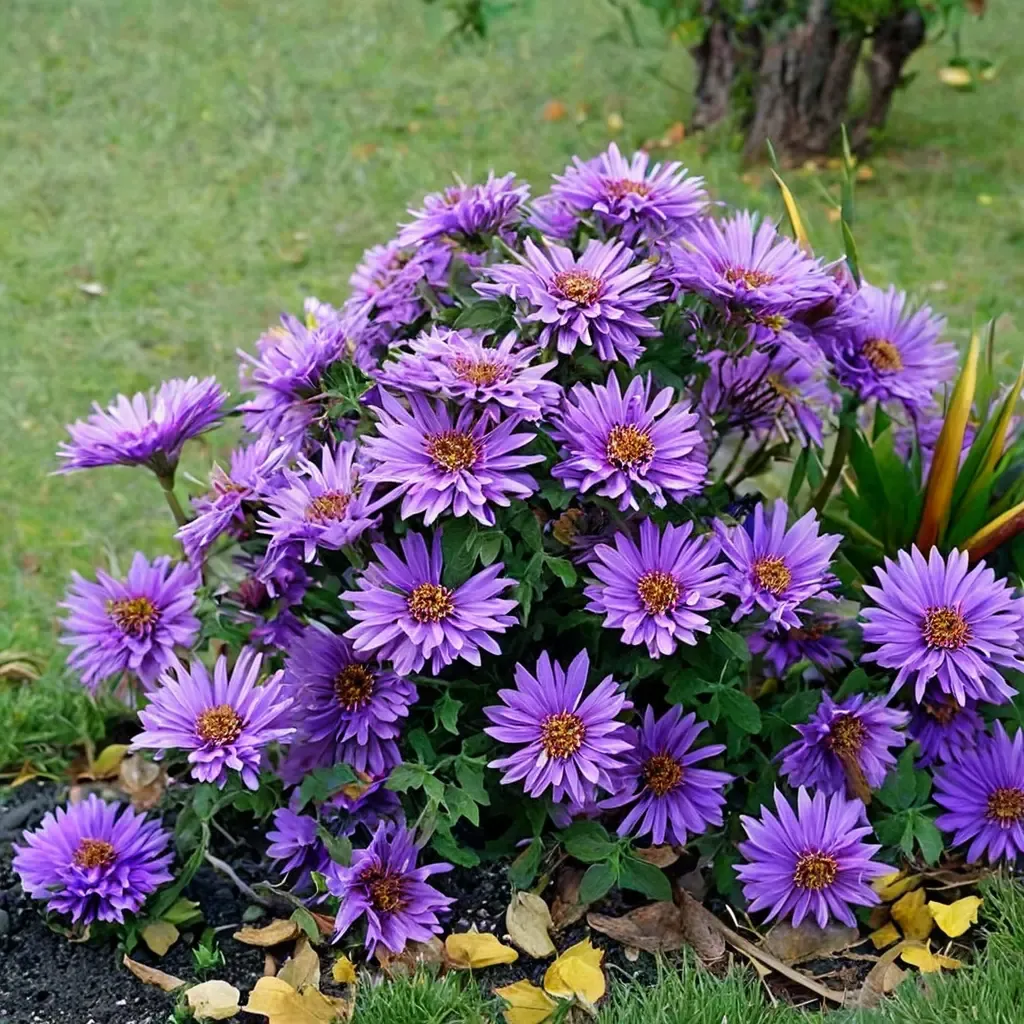
Purple Dome New England Aster
Aster novae-angliae 'Purple Dome'
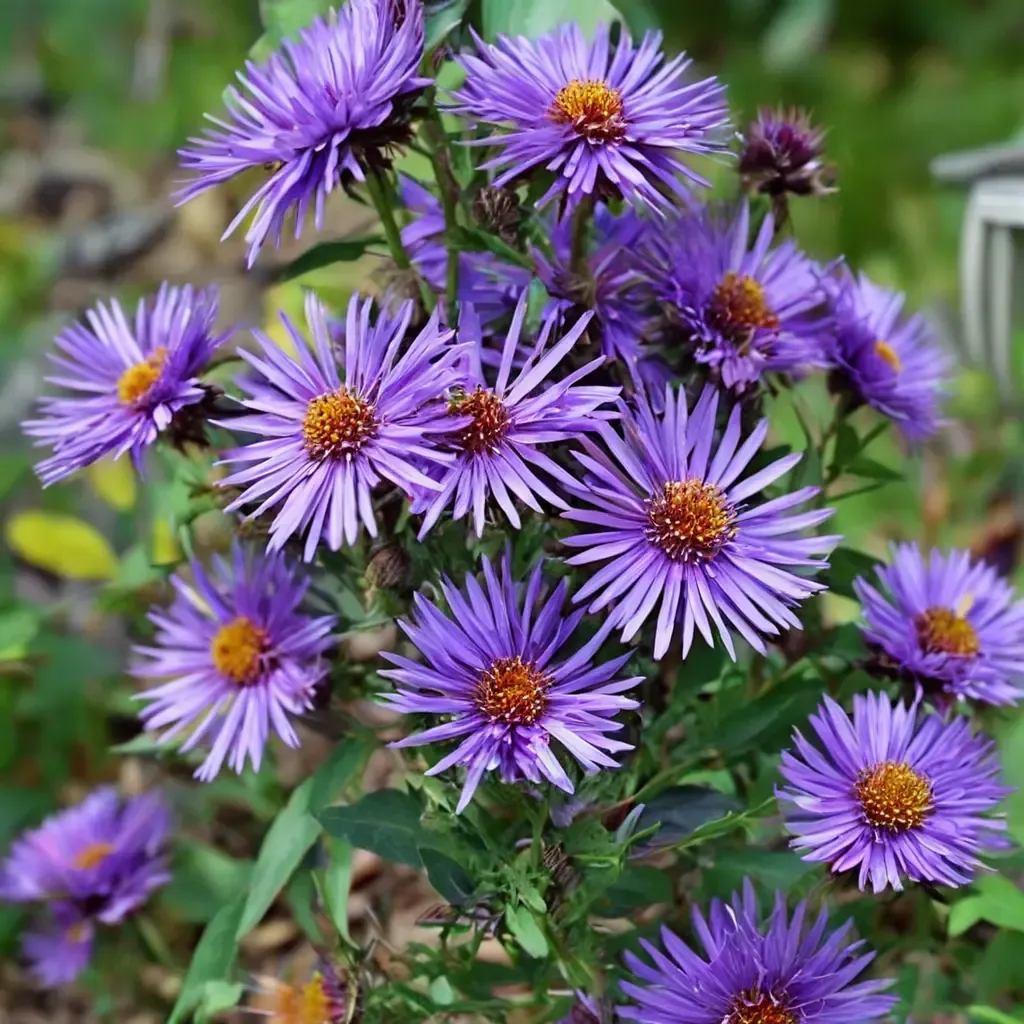
New England Aster
Aster novae-angliae
Keep exploring
Explore the genus
Hardy in your zone?
Grow Alpine Aster with confidence
See it in a design of your actual yard, get zone-matched care reminders, and track it season by season in your garden journal.