The Story
Plant Bio
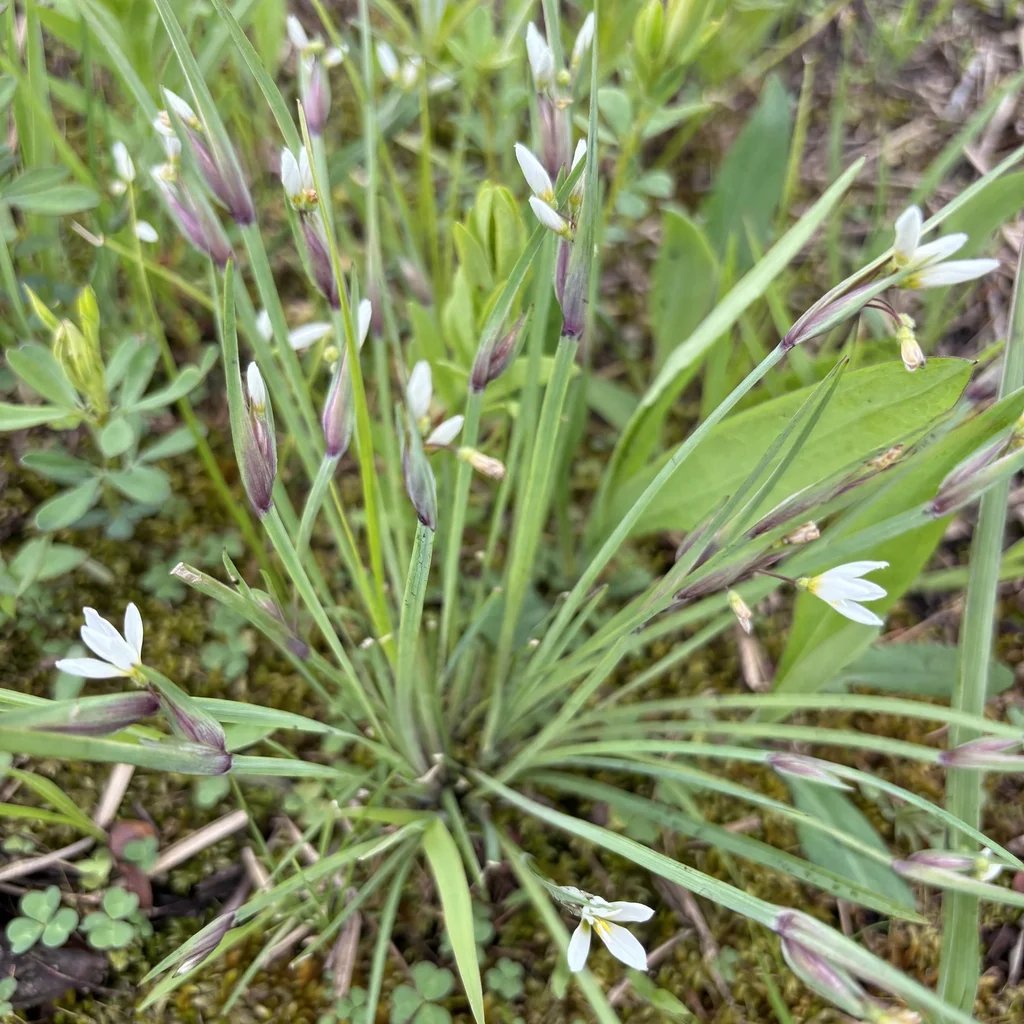
Sisyrinchium albidum is a clump-forming herbaceous perennial native to prairies and open woodlands of eastern and central North America. Although its narrow, flattened leaves resemble turf grass, it belongs to the iris family and produces small, white to pale violet star-shaped flowers with yellow centers from spring into early summer.
This species stands out for its unbranched, flattened flowering stems that emerge from basal fans of light green foliage to a height of eight to fifteen inches. Its blooms open on bright sunny days and close in shade or overcast conditions, supported by paired leaf-like spathe bracts.
Uses & Benefits:
Essentials
At a Glance
Plant Type
Perennial
Height
15"
Width
12"
Light
Full Sun, Partial Sun
Zones
4, 5, 6, 7, 8, 9
Water
Low to Moderate
Humidity
Moderate
Lifespan
Perennial
Native To
North America
Toxicity
Non-toxic
Bloom period
Spring – Early summer
In flower about 4 months of the year
Planting
How to Grow
- Select a planting location in full sun to light shade with sharply draining soil.
- Amend heavy soils with coarse sand or fine gravel to prevent water accumulation.
- Set plants at the same crown depth as they were growing in their original containers.
- Water thoroughly at planting, then maintain light moisture until root systems establish.
Pro Tip
Ensure gravelly or sandy drainage at planting, as standing water around the crown during winter quickly triggers fatal root rot.
Keep It Thriving
Care Guide
Do
- Plant in gritty, well-draining soils to protect roots from winter damp.
- Divide overcrowded clumps every three to four years to maintain vigor.
- Sustain moderate soil moisture during active spring growth.
Don't
- Do not plant in heavy, unamended clay or poorly drained boggy spots.
- Avoid heavy fertilization, which promotes weak, floppy leaf growth.
- Do not prune back into old leafless wood when trimming damaged foliage.
Seasonal Care Calendar
| Task | Jan | Feb | Mar | Apr | May | Jun | Jul | Aug | Sep | Oct | Nov | Dec |
|---|---|---|---|---|---|---|---|---|---|---|---|---|
| Divide | ||||||||||||
| Mulch | ||||||||||||
| Pest Check | ||||||||||||
| Spring Cleanup |
Watch Out For
Pests & Diseases
Common Pests
Common Diseases
In the Garden
Landscape Uses & Companions
Landscape Uses
Multiply
Propagation Methods
Good to Know
Common Questions
White Blue-Eyed Grass questions
What zones can White Blue-Eyed Grass grow in?
White Blue-Eyed Grass is hardy in USDA Zones 4–9. Inside that range it survives winter in the ground; outside it, grow it as an annual or a container plant you protect.
Is White Blue-Eyed Grass deer resistant?
Yes — White Blue-Eyed Grass is rated deer-resistant. Deer typically pass it over, though extreme hunger can override any plant's defenses.
When does White Blue-Eyed Grass bloom?
White Blue-Eyed Grass typically blooms in spring through early summer. Exact timing shifts a week or two with your zone — Sow's bloom calendar maps it to your garden.
Does White Blue-Eyed Grass need full sun?
White Blue-Eyed Grass does best in full sun to part shade. In hot climates, afternoon shade keeps blooms fresher longer.
Is White Blue-Eyed Grass drought tolerant?
Yes — once established (usually after the first full season), White Blue-Eyed Grass handles dry spells with minimal watering. Water deeply its first year to build the root system that makes that possible.
More Sisyrinchium to compare
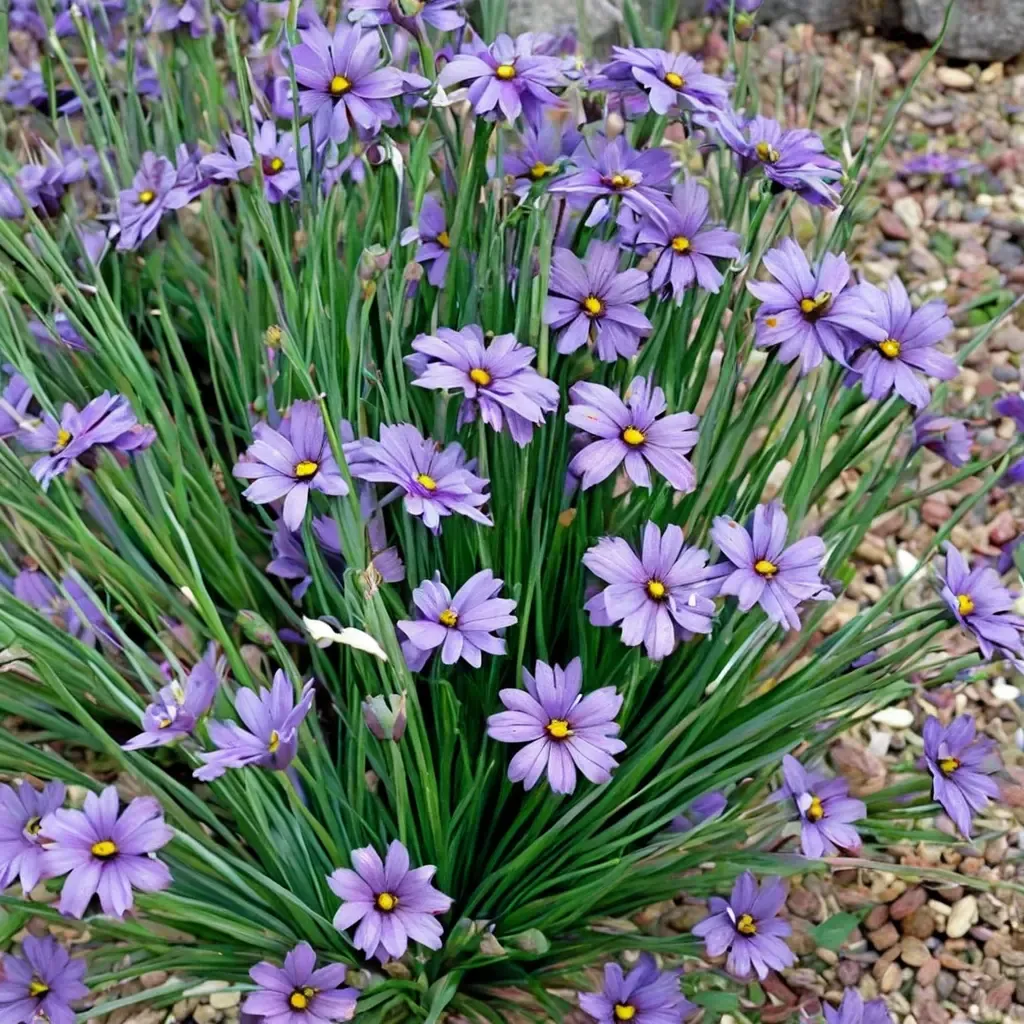
Lucerne Blue-eyed Grass
Sisyrinchium angustifolium 'Lucerne'
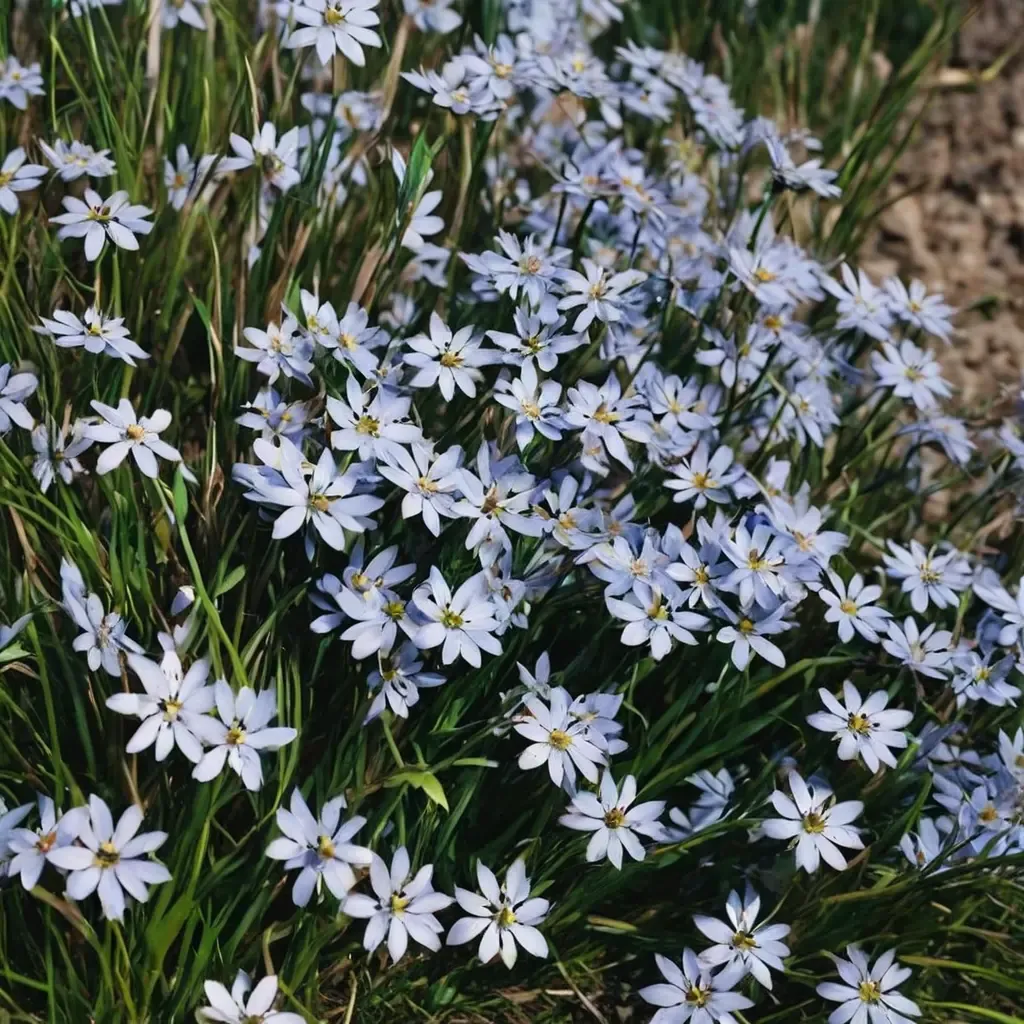
Suwannee Blue-eyed Grass
Sisyrinchium nashii 'Suwannee'
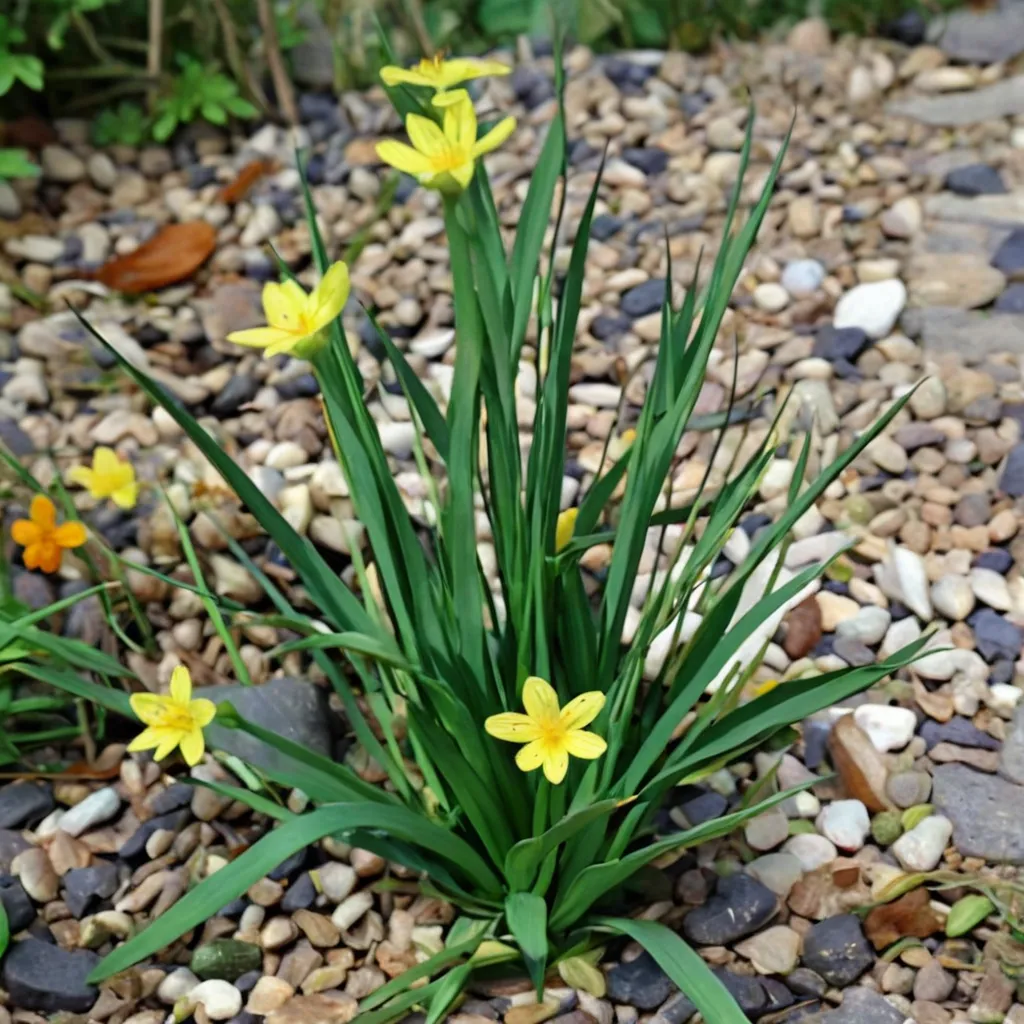
Blue-eyed Grass
Sisyrinchium brachypus
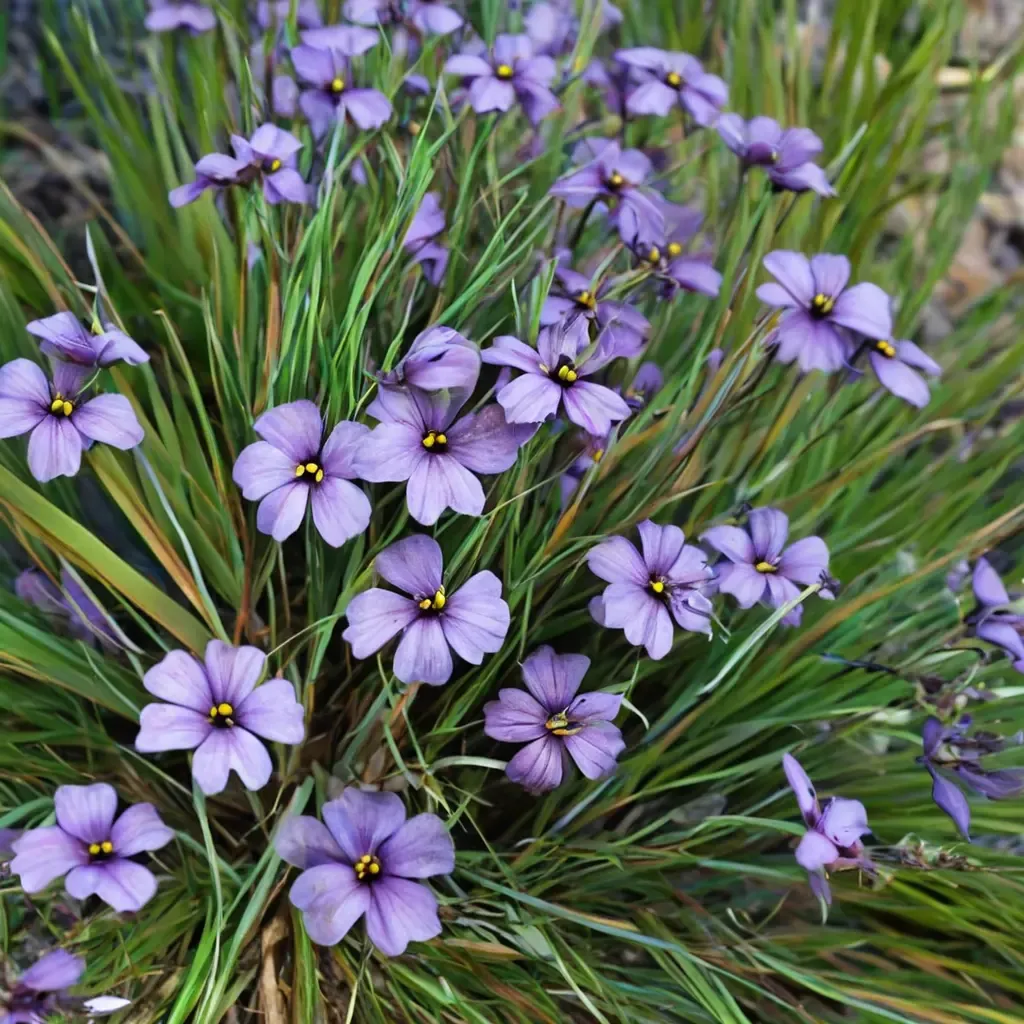
Western Blue-eyed Grass
Sisyrinchium bellum
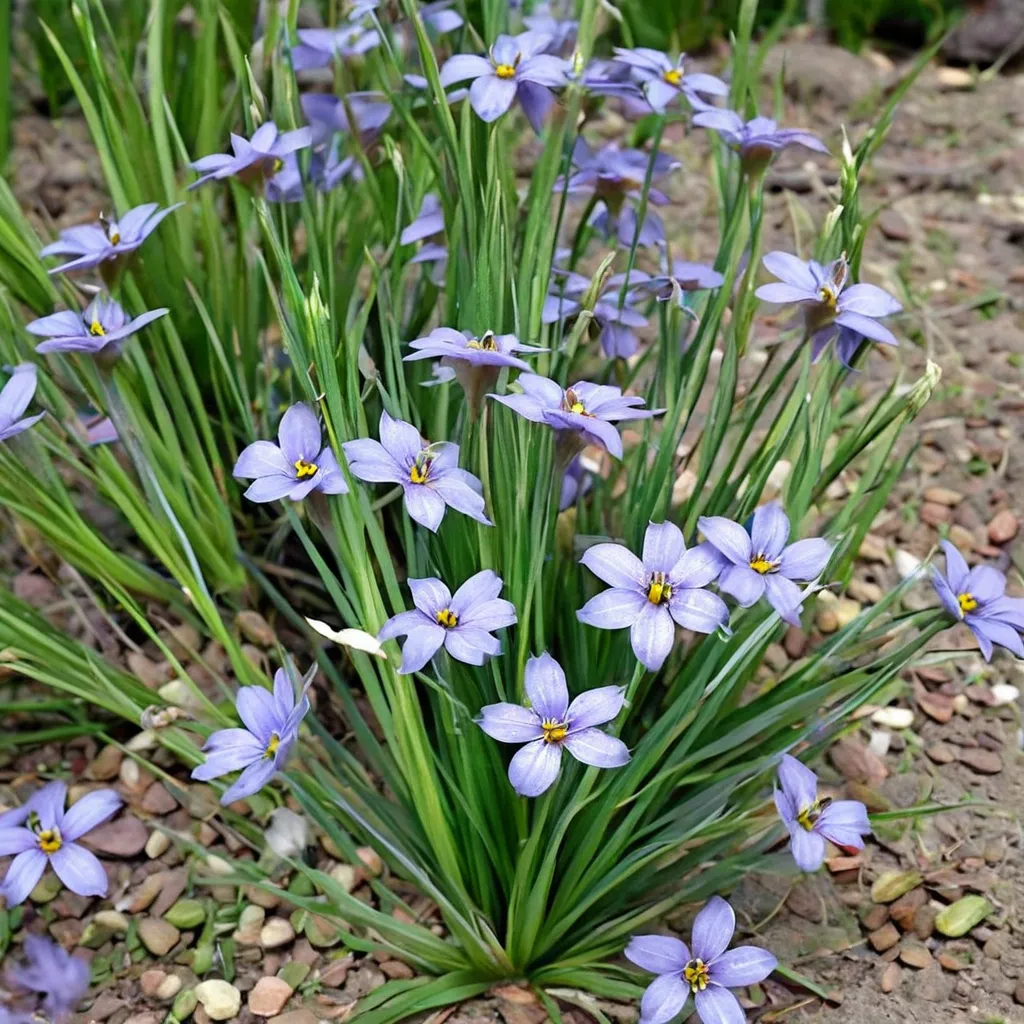
Narrow-leaved Blue-eyed Grass
Sisyrinchium angustifolium
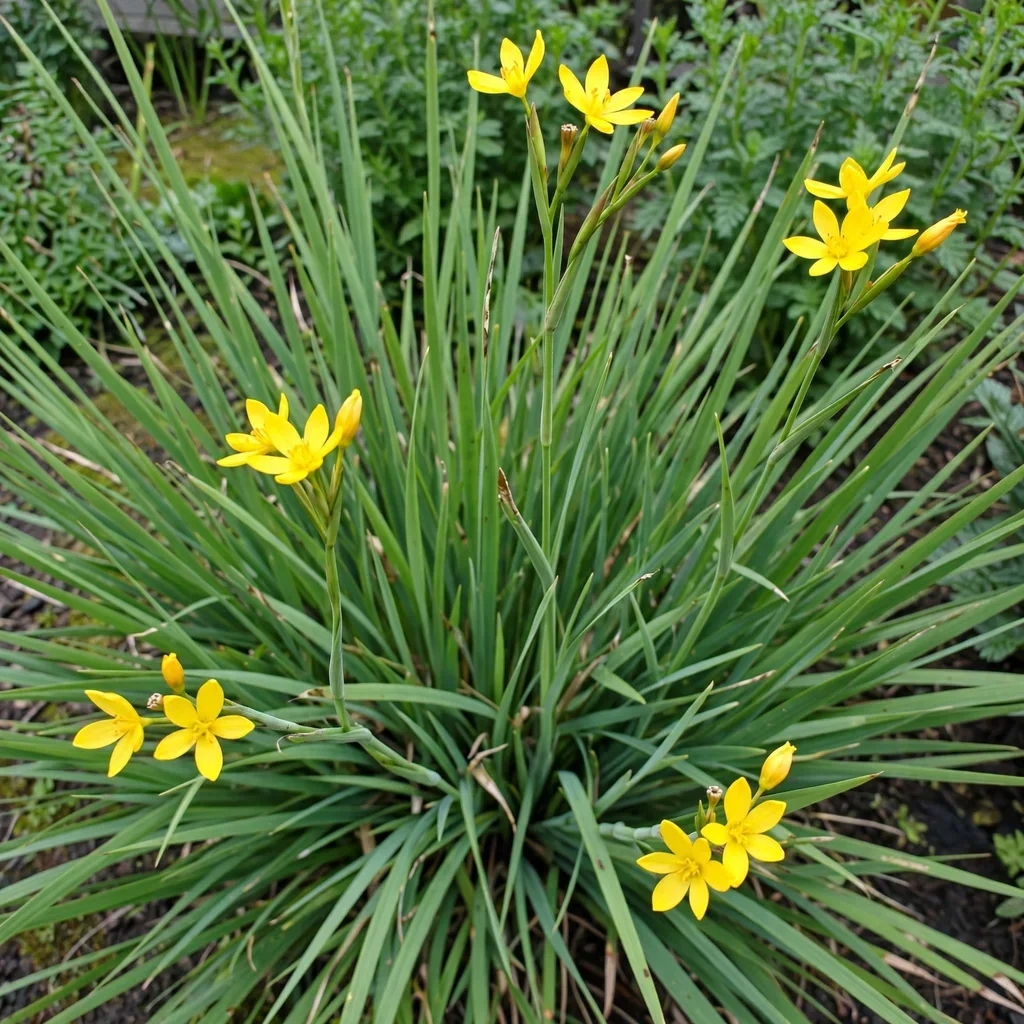
Puerto Yellow Blue-eyed Grass
Sisyrinchium tinctorium 'Puerto Yellow'
Keep exploring
Explore the genus
Grow White Blue-Eyed Grass with confidence
See it in a design of your actual yard, get zone-matched care reminders, and track it season by season in your garden journal.