The Story
Plant Bio
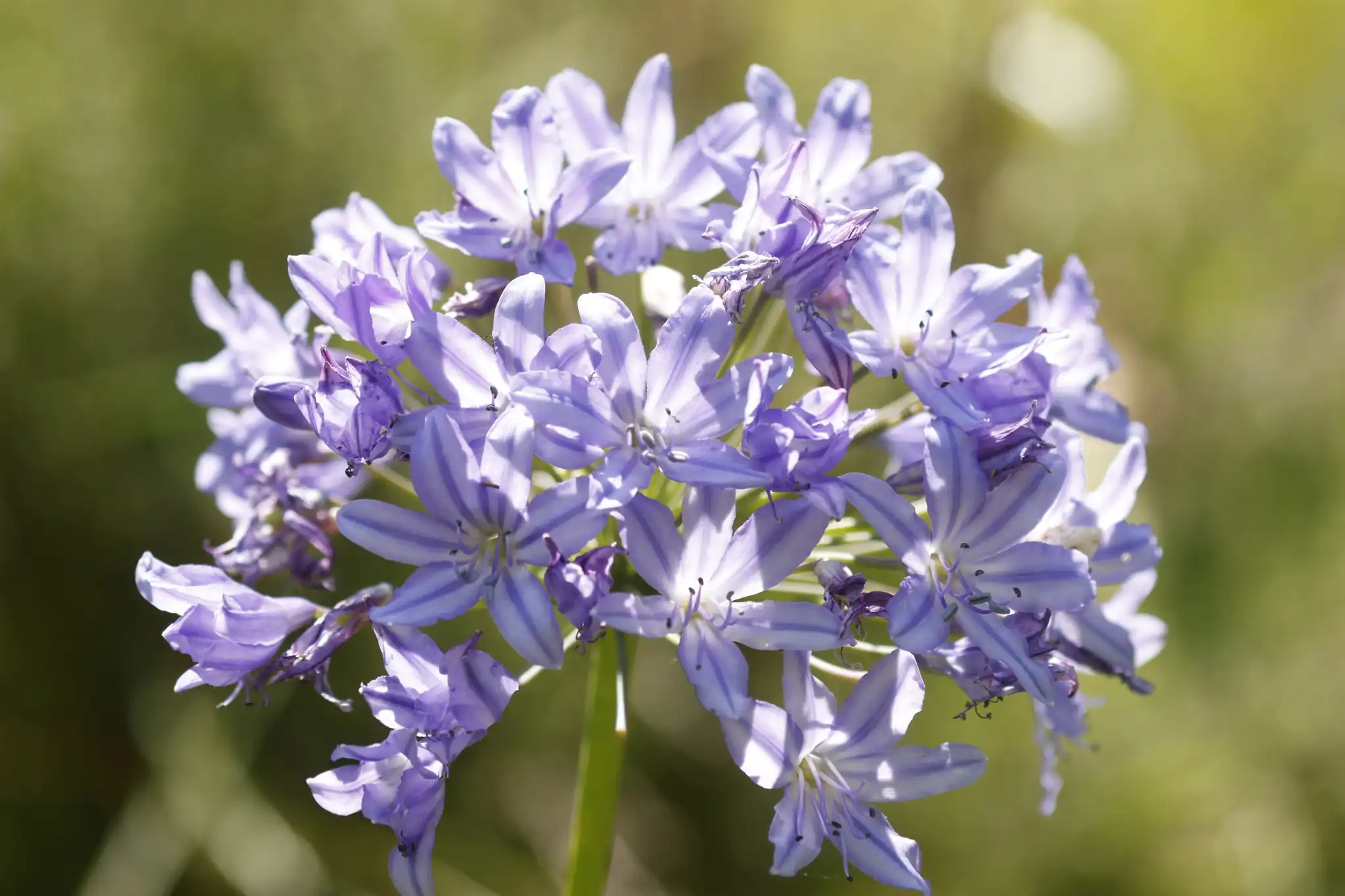
Agapanthus campanulatus, the bell agapanthus, is a deciduous herbaceous perennial native to southern Africa, forming clumps of strap-like, mid-green leaves. In summer, it produces tall, naked stems topped with rounded clusters of bell-shaped, violet-blue flowers that die back completely to the ground before winter.
Unlike evergreen species in the genus, this plant exhibits high frost tolerance because its foliage dies back completely to survive freezing temperatures. The fleshy, rhizomatous roots store water, providing excellent drought resistance once the root system is established.
Uses & Benefits:
Essentials
At a Glance
Plant Type
Perennial
Height
36"
Width
18"
Light
Full Sun, Partial Sun
Zones
8, 9, 10
Water
Moderate
Humidity
Moderate
Lifespan
Perennial
Native To
Southern Africa
Toxicity
Toxic if ingested; sap causes skin irritation
Bloom period
Summer
In flower about 3 months of the year
Planting
How to Grow
- Plant bare-root divisions or potted plants in spring in a location that receives full sun to partial shade.
- Ensure the soil is fertile and highly permeable, as waterlogged winter soil will rot the fleshy root system.
- Water regularly during the first growing season to establish the deep, water-storing root system.
- Apply a balanced, slow-release fertilizer sparingly in spring as new growth begins to emerge.
Pro Tip
Avoid cutting into the fleshy, underground rhizomes when dividing, and leave the plants undisturbed for four to six years, as they bloom most prolifically when slightly root-bound.
Keep It Thriving
Care Guide
Do
- Cut dead foliage cleanly to ground level in late winter or early spring before new shoots emerge.
- Grow in well-drained soil to prevent crown rot during cold, wet winters.
- Wear gloves when handling the plant to avoid skin irritation from the toxic sap.
Don't
- Do not overwater during the winter dormancy period when the plant has died back to the ground.
- Do not divide the clumps frequently, as crowded roots stimulate better flowering performance.
- Do not plant in heavy, poorly drained clay without amending it to improve drainage.
Seasonal Care Calendar
| Task | Jan | Feb | Mar | Apr | May | Jun | Jul | Aug | Sep | Oct | Nov | Dec |
|---|---|---|---|---|---|---|---|---|---|---|---|---|
| Divide | ||||||||||||
| Fertilize | ||||||||||||
| Pest Check | ||||||||||||
| Spring Cleanup |
Watch Out For
Pests & Diseases
Common Pests
Common Diseases
In the Garden
Landscape Uses & Companions
Landscape Uses
Companion Plants
Multiply
Propagation Methods
Good to Know
Common Questions
Bell Agapanthus questions
What zones can Bell Agapanthus grow in?
Bell Agapanthus is hardy in USDA Zones 8–10. Inside that range it survives winter in the ground; outside it, grow it as an annual or a container plant you protect.
Is Bell Agapanthus deer resistant?
Yes — Bell Agapanthus is rated deer-resistant. Deer typically pass it over, though extreme hunger can override any plant's defenses.
When does Bell Agapanthus bloom?
Bell Agapanthus typically blooms in summer through summer. Exact timing shifts a week or two with your zone — Sow's bloom calendar maps it to your garden.
Does Bell Agapanthus need full sun?
Bell Agapanthus does best in full sun to part shade. In hot climates, afternoon shade keeps blooms fresher longer.
Is Bell Agapanthus drought tolerant?
Yes — once established (usually after the first full season), Bell Agapanthus handles dry spells with minimal watering. Water deeply its first year to build the root system that makes that possible.
More Agapanthus to compare
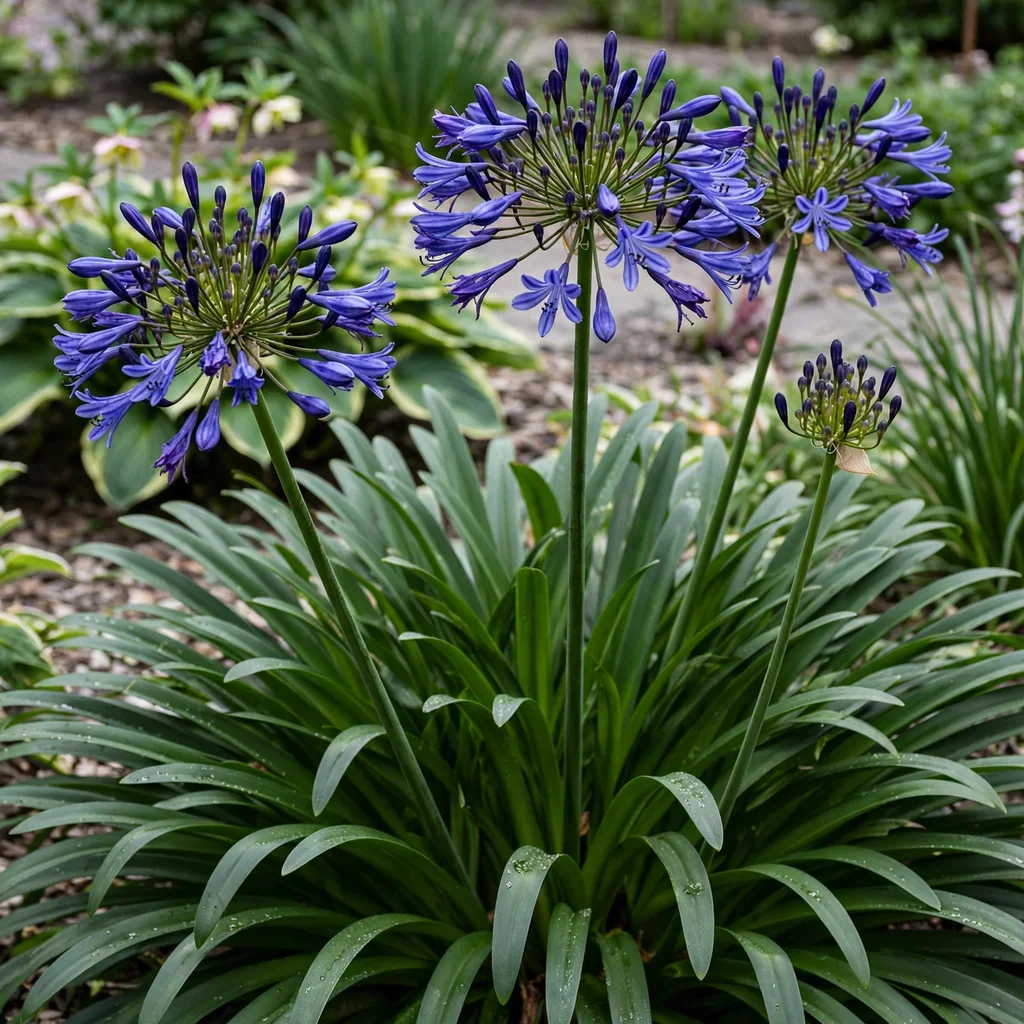
Storm Cloud African Lily
Agapanthus praecox 'Storm Cloud'
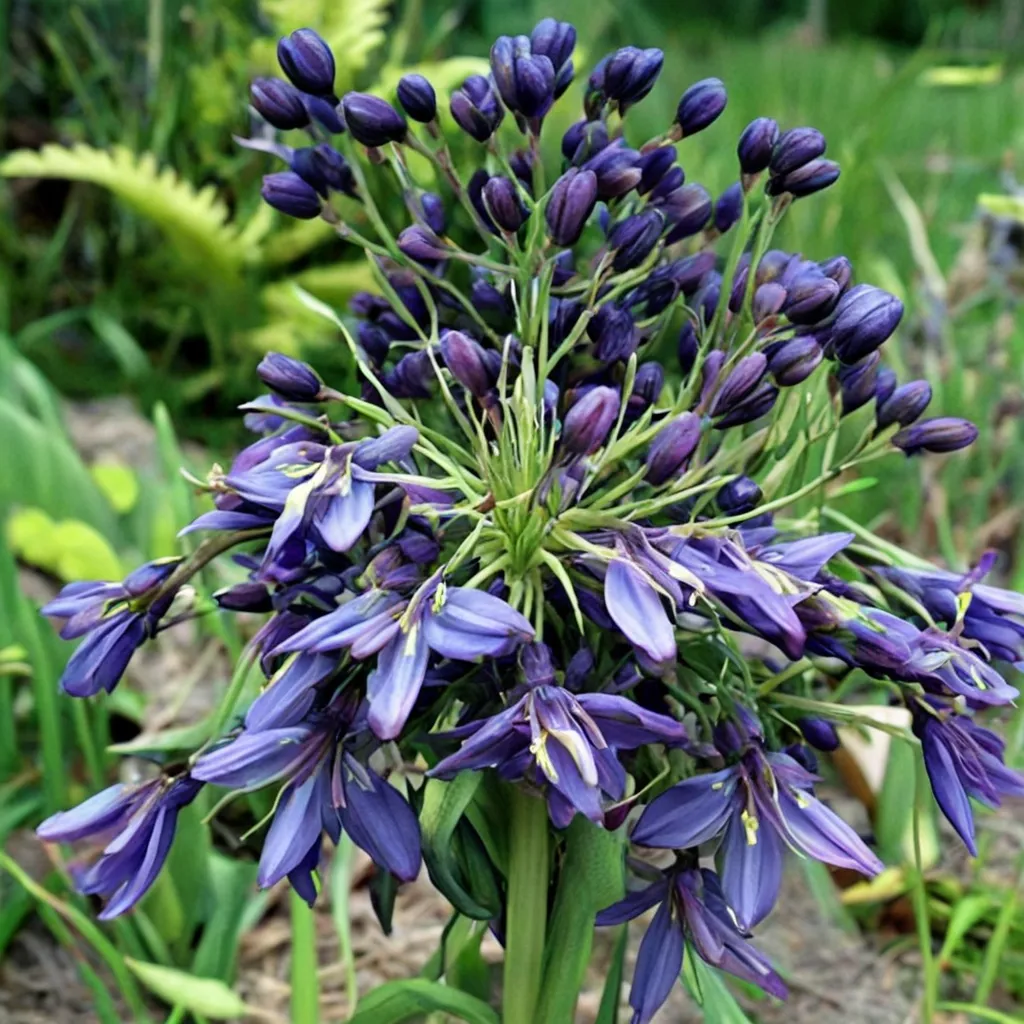
Nigrescens African Lily
Agapanthus inapertus 'Nigrescens'
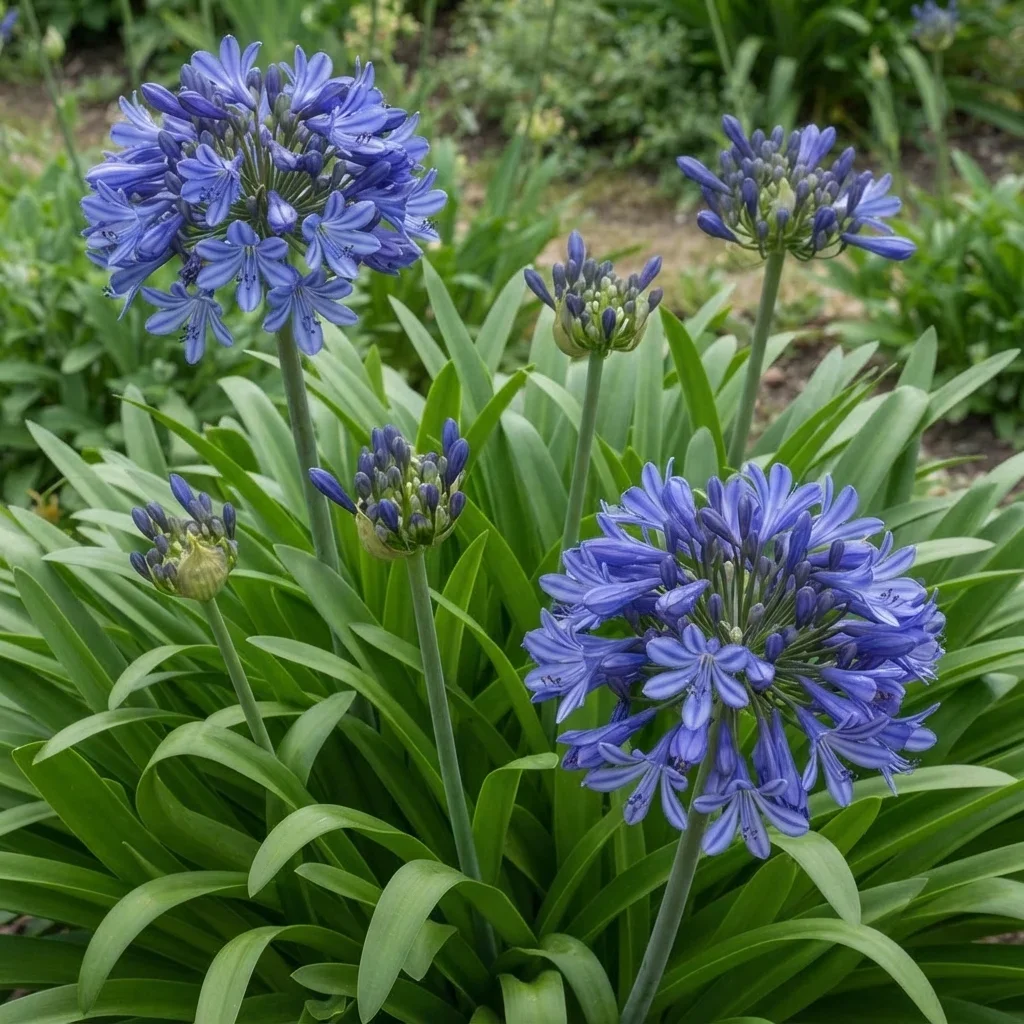
Galaxy Blue Lily of the Nile
Agapanthus praecox 'Galaxy Blue'
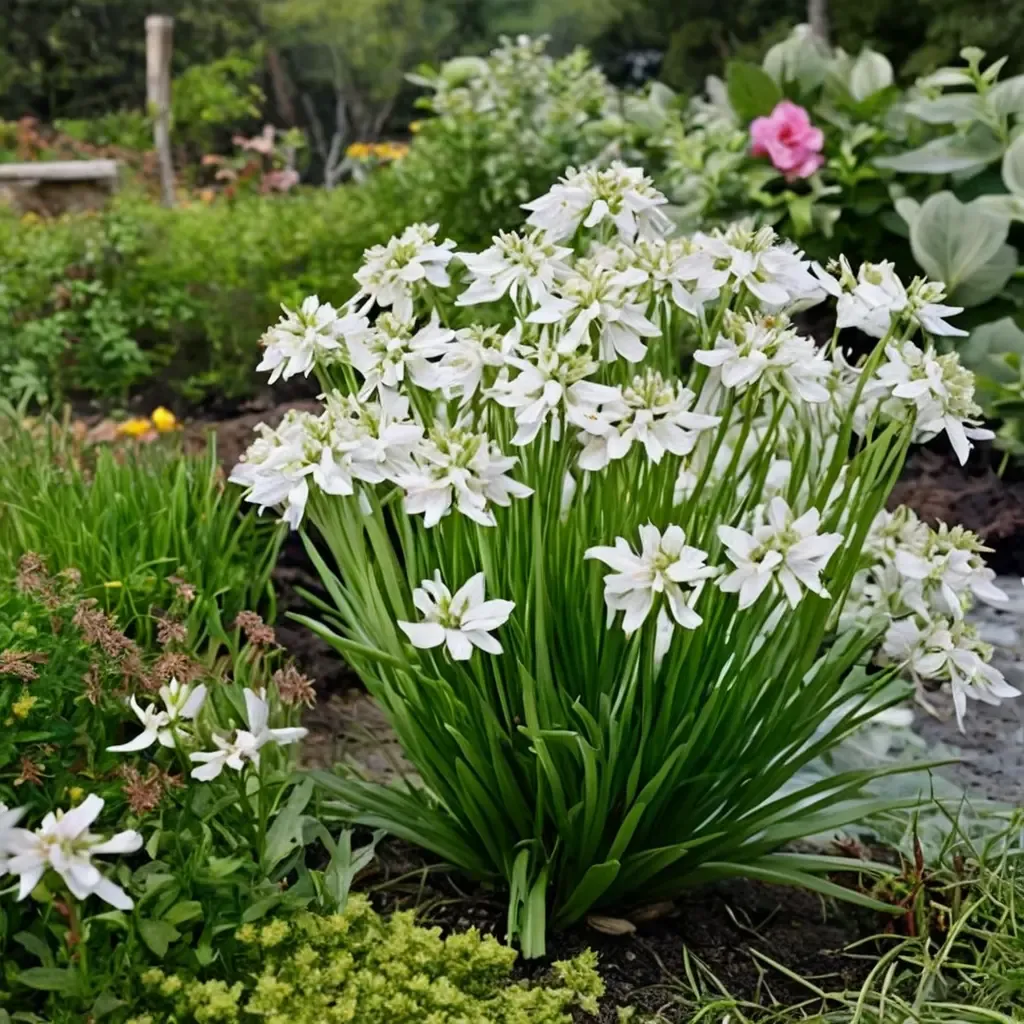
Galaxy White African Lily
Agapanthus praecox 'Galaxy White'
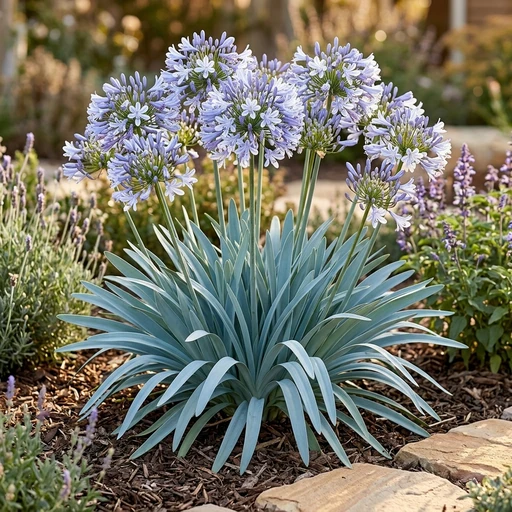
Queen Mum Agapanthus
Agapanthus orientalis 'Queen Mum'
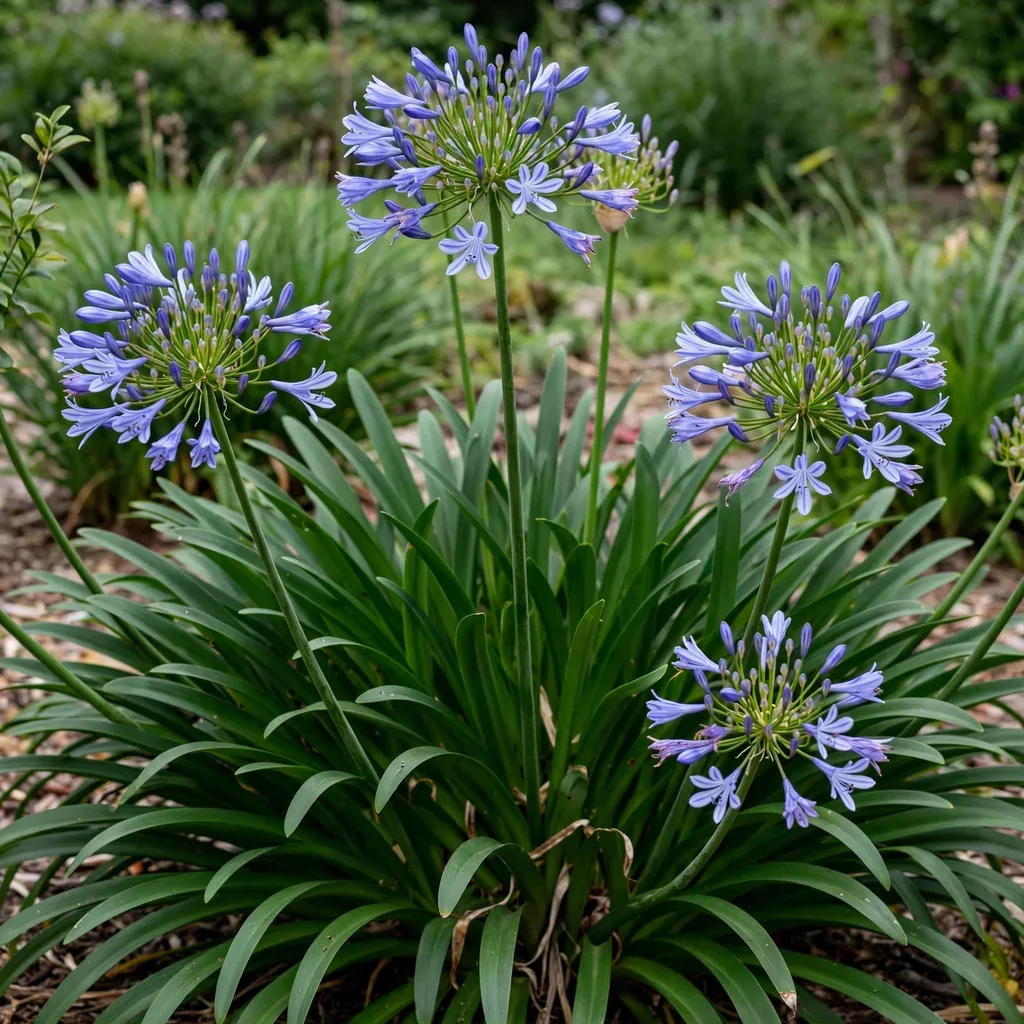
African Lily Lily of the Nile
Agapanthus africanus
Keep exploring
Explore the genus
Hardy in your zone?
Grow Bell Agapanthus with confidence
See it in a design of your actual yard, get zone-matched care reminders, and track it season by season in your garden journal.