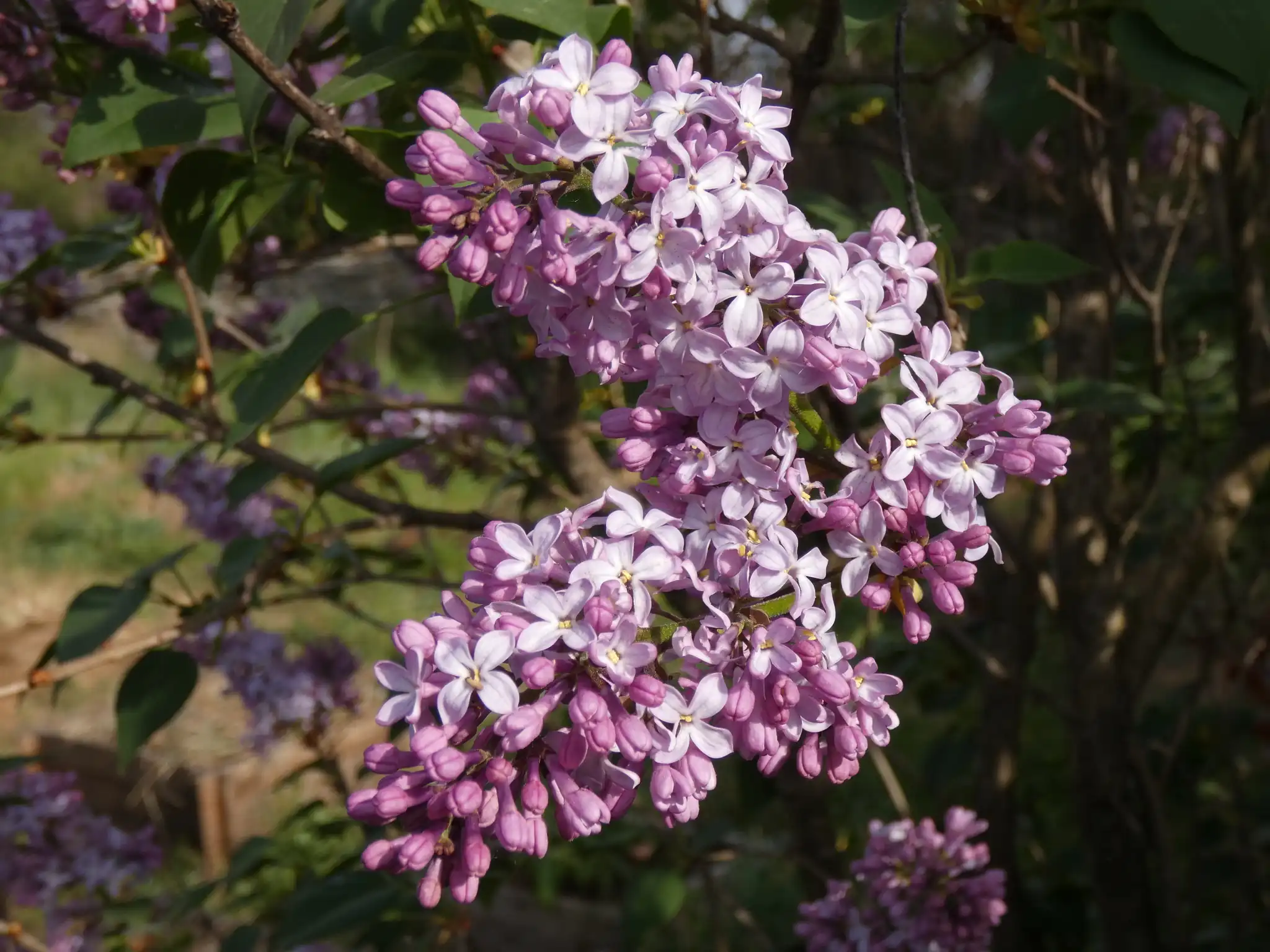
10 named cultivars
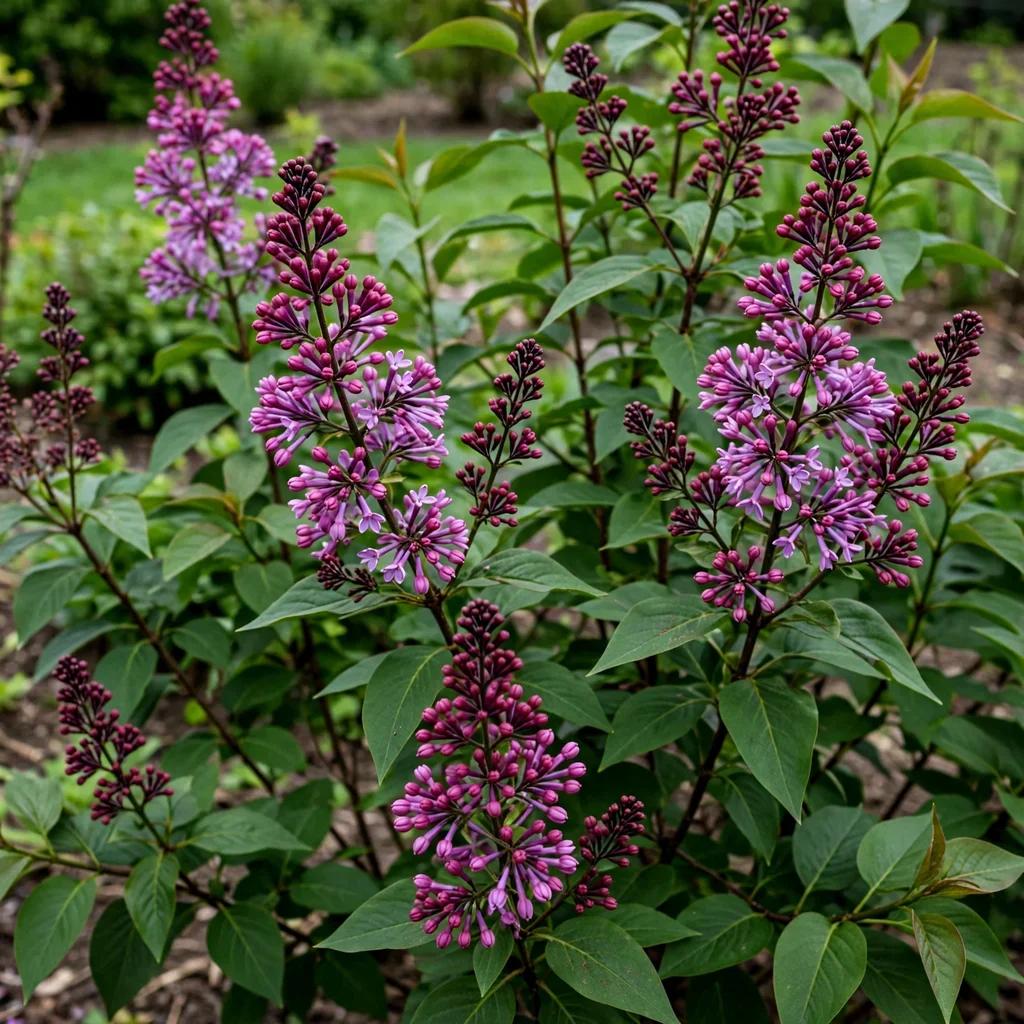 ‘Donald Wyman’Donald Wyman Lilac
 ‘Ludwig Spaeth’Ludwig Spaeth Lilac
 ‘Charles Joly’Common Lilac
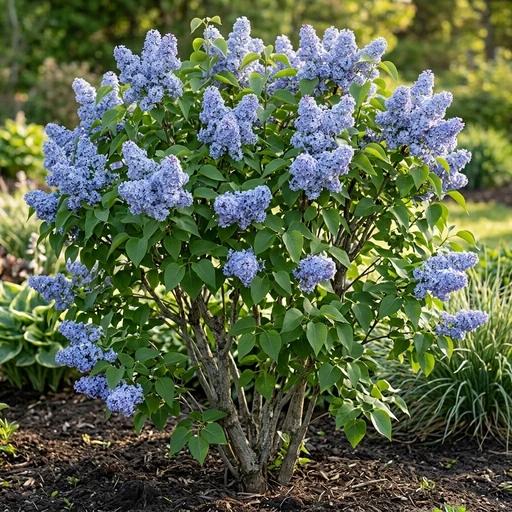 ‘President Lincoln’President Lincoln Common Lilac
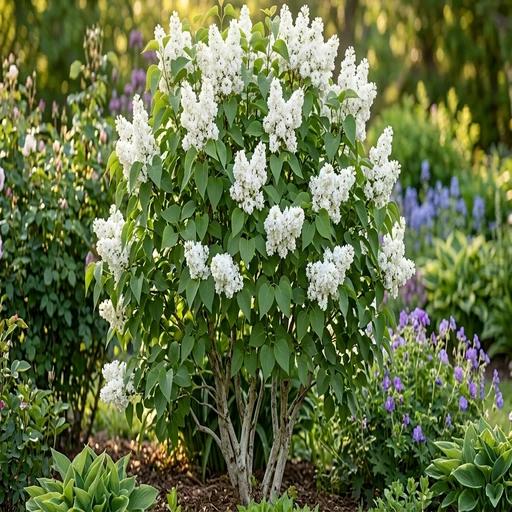 ‘Madame Lemoine’Madame Lemoine Lilac
 ‘Alba’White Common Lilac
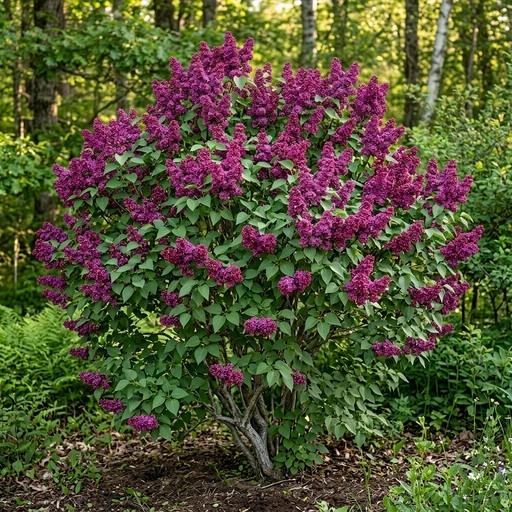 ‘Monge’Monge Common Lilac
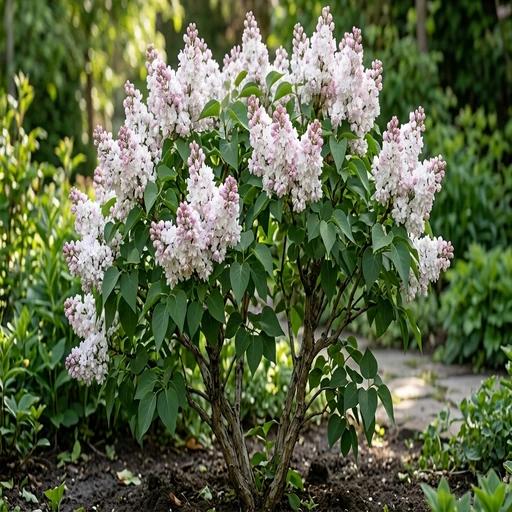 ‘Beauty Of Moscow’Beauty of Moscow Lilac
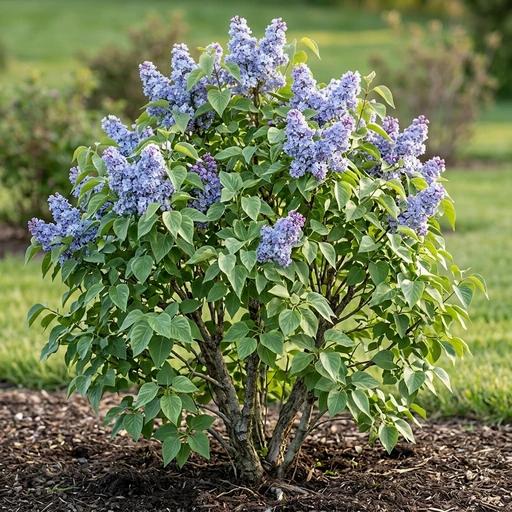 ‘President Grevy’President Grevy Lilac
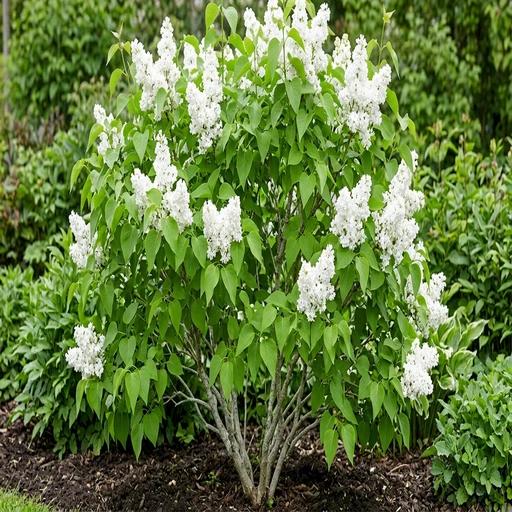 ‘New Age’New Age White Lilac
The Story
Plant Bio
Syringa vulgaris, the common lilac, is an upright multi-stemmed deciduous shrub from the Balkan Peninsula, reaching eight to sixteen feet with an irregular, often suckering habit. Heart-shaped blue-green leaves clothe stout angled stems, and dense conical panicles of small tubular flowers open in spring with the heavy scent the plant is grown for.
It needs a genuinely cold winter to set flower buds and disappoints badly from about zone 8 southward, where plants grow well and simply never bloom. In the South choose the heat-tolerant Syringa pubescens subsp. patula, sold as 'Miss Kim', or an early-flowering hyacinthiflora hybrid instead. Where winters are cold, common lilac is hard to beat and lives for decades.
Uses & Benefits:
Essentials
At a Glance
Plant Type
Shrub
Height
120"
Width
102"
Light
Full Sun
Zones
4, 5, 6, 7
Water
Moderate
Humidity
Moderate
Lifespan
Perennial
Native To
Balkan Peninsula
Toxicity
Non-toxic; the flowers are edible
Marketplace
Where to Buy
Shipping costs Year-round shipping Free shipping
Planting
How to Grow
- Plant in full sun in neutral to slightly alkaline soil.
- Confirm your winters are cold enough before buying.
- Give it good drainage and free air movement.
- Prune within a few weeks of the flowers fading.
- Remove a third of the oldest stems each year on old plants.
- Pull off suckers unless you want the clump to spread.
Pro Tip
Lilac prefers sweet soil — a scattering of garden lime every few years on acid ground noticeably improves flowering.
Keep It Thriving
Care Guide
Do
- Give it full sun and a cold winter ❄️
- Prune straight after flowering ✂️
- Sweeten acid soil with lime 🧪
- Thin the oldest stems on old plants 🪵
Don't
- Expect flowers in a mild-winter climate ❌
- Prune in summer or winter ❌
- Plant it in a damp, crowded corner ❌
Seasonal Care Calendar
| Task | Jan | Feb | Mar | Apr | May | Jun | Jul | Aug | Sep | Oct | Nov | Dec |
|---|---|---|---|---|---|---|---|---|---|---|---|---|
| Prune | ||||||||||||
| Thin |
Watch Out For
Pests & Diseases
Common Pests
Common Diseases
In the Garden
Landscape Uses & Companions
Landscape Uses
Companion Plants
Multiply
Propagation Methods
Good to Know
Common Questions
Lilac questions
What zones can Lilac grow in?
Lilac is hardy in USDA Zones 4–7. Inside that range it survives winter in the ground; outside it, grow it as an annual or a container plant you protect.
Is Lilac deer resistant?
Yes — Lilac is rated deer-resistant. Deer typically pass it over, though extreme hunger can override any plant's defenses.
When does Lilac bloom?
Lilac typically blooms in spring through late spring. Exact timing shifts a week or two with your zone — Sow's bloom calendar maps it to your garden.
Does Lilac need full sun?
Lilac does best in full sun (6+ hours).
Is Lilac drought tolerant?
Yes — once established (usually after the first full season), Lilac handles dry spells with minimal watering. Water deeply its first year to build the root system that makes that possible.
More Syringa to compare
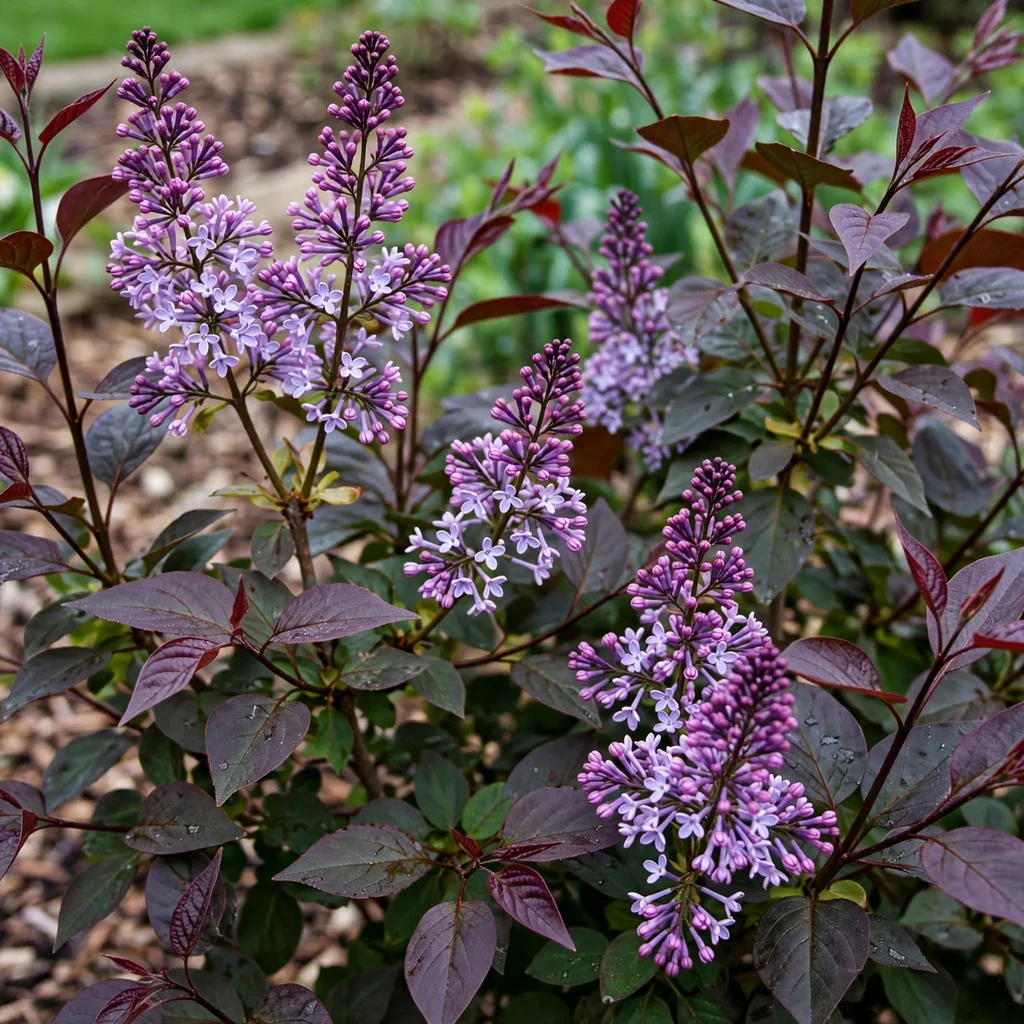
Miss Kim Lilac
Syringa x hyacinthiflora 'Miss Kim'
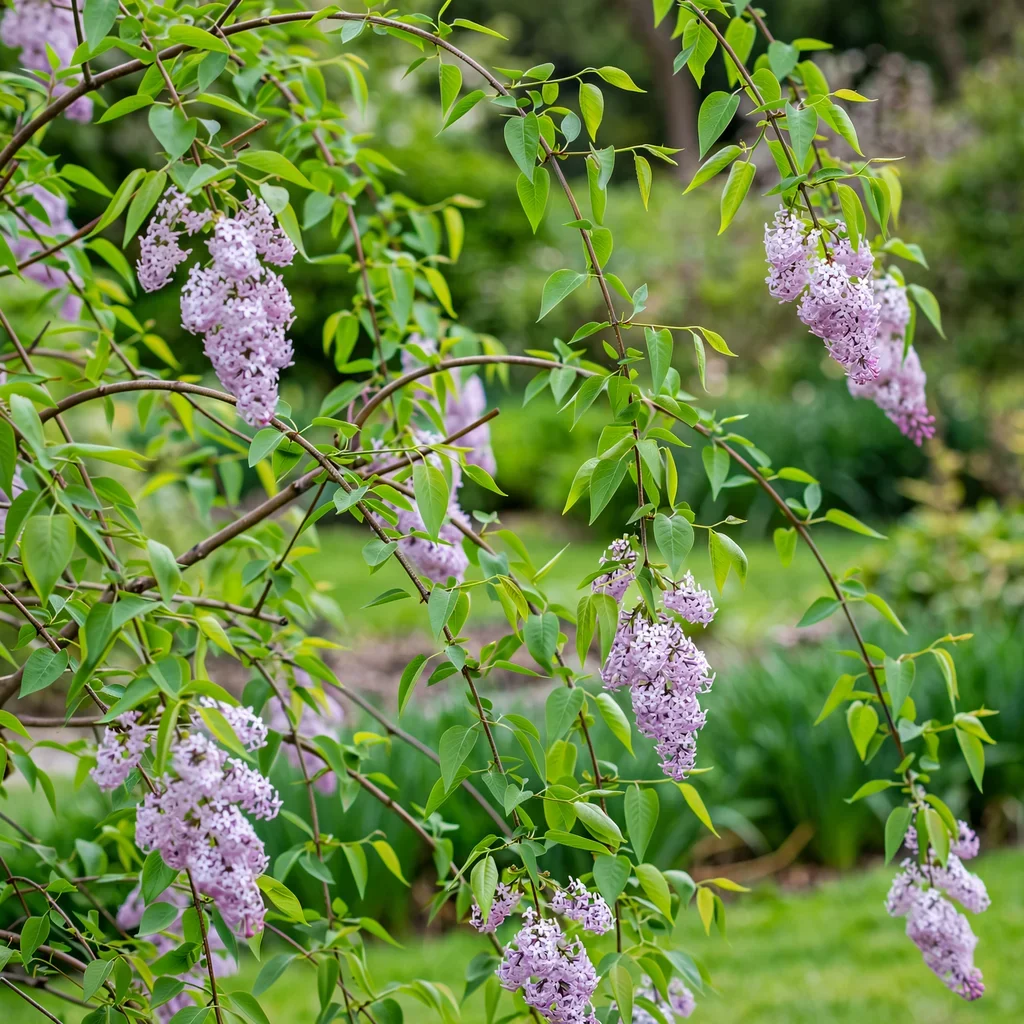
Chinese Lilac
Syringa x chinensis 'Lilac Sunday'
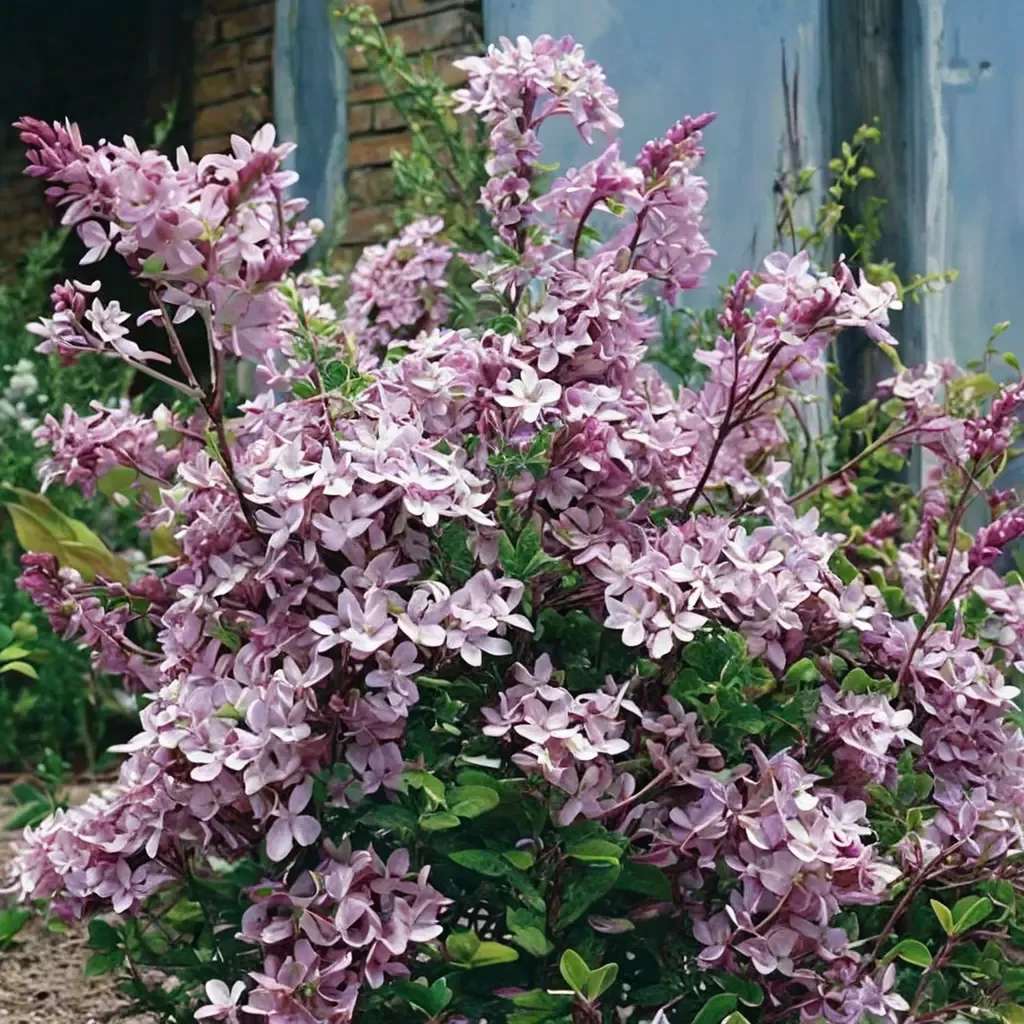
Josee lilac
Syringa x villosa 'Josee'
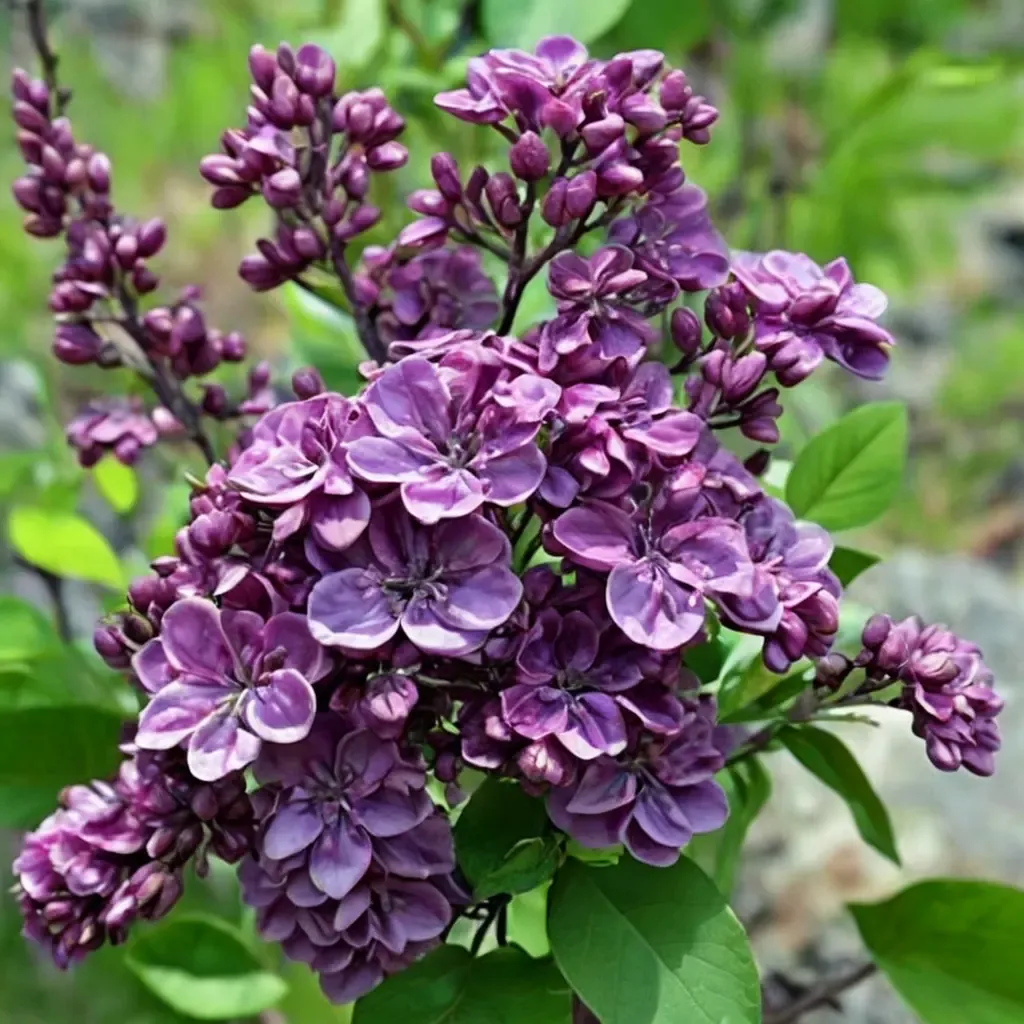
Common Lilac 'Agincourt Beauty'
Syringa x chinensis 'Agincourt Beauty'
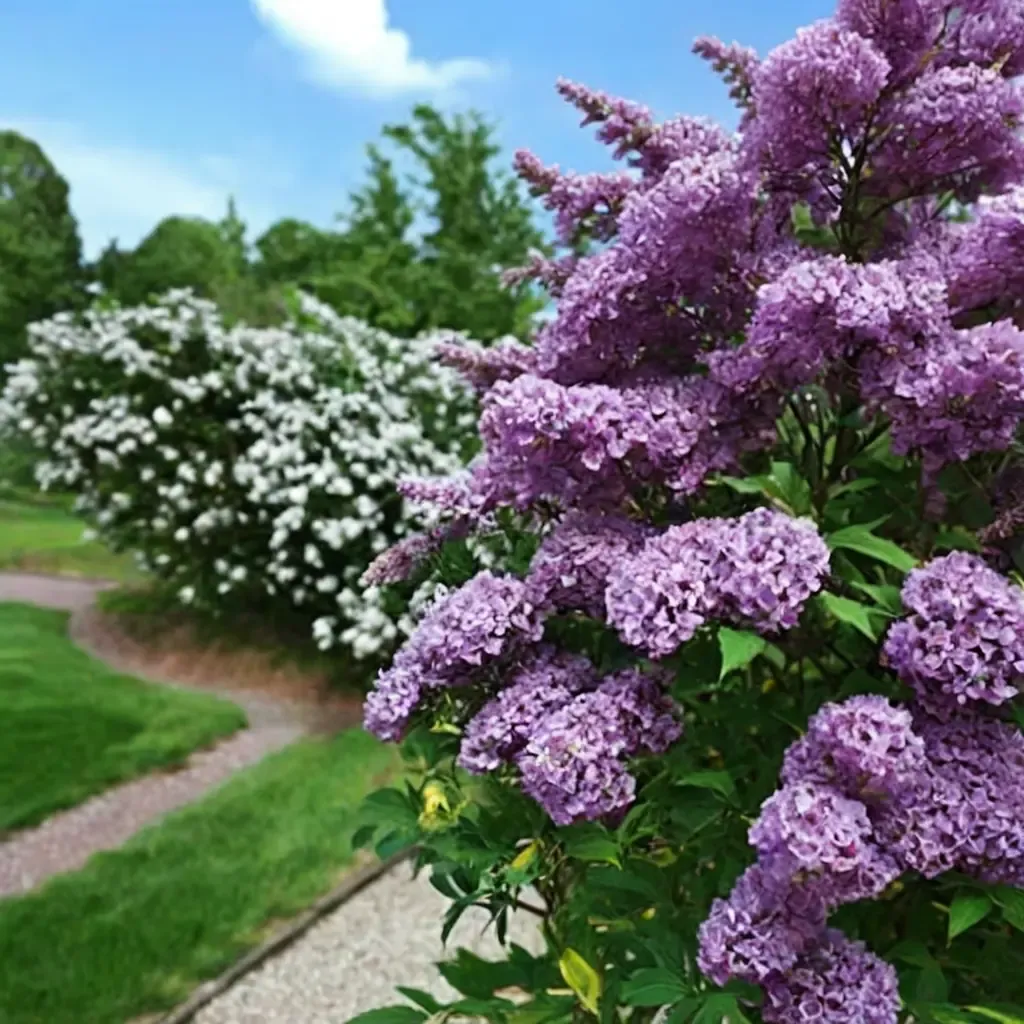
Chinese Lilac 'Royalty'
Syringa x chinensis 'Royalty'
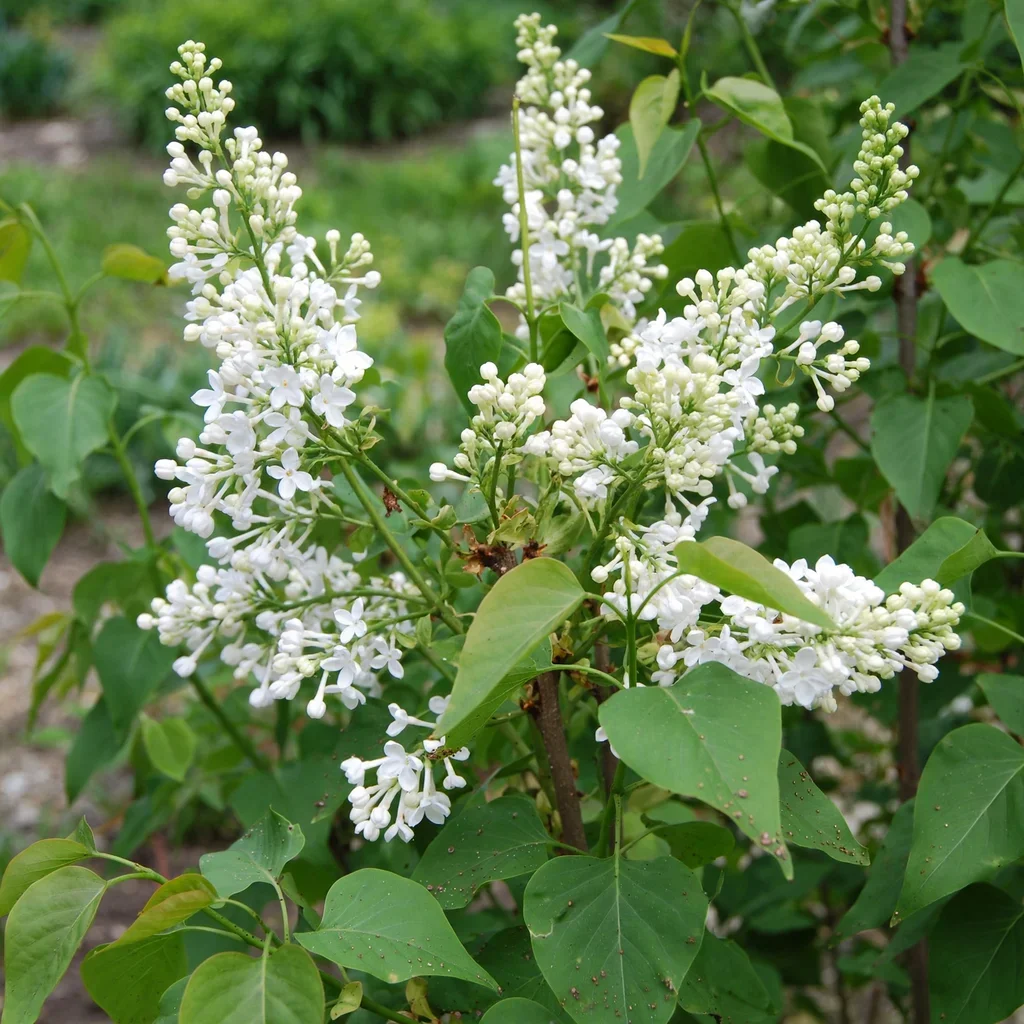
Betsy Ross Lilac
Syringa x oblata 'Betsy Ross'
Keep exploring
Explore the genus
Hardy in your zone?
Grow Lilac with confidence
See it in a design of your actual yard, get zone-matched care reminders, and track it season by season in your garden journal.