2 named cultivars


The Story
Plant Bio
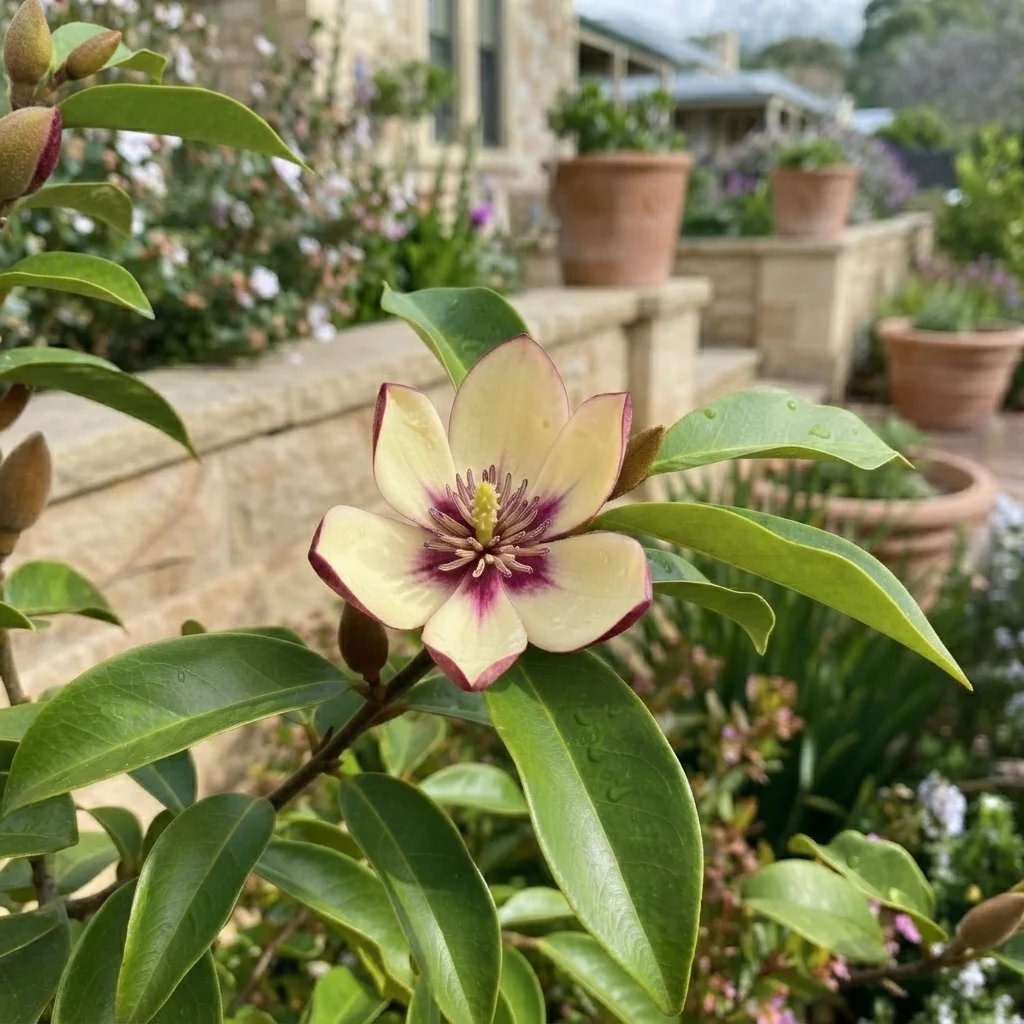
Magnolia figo, the banana shrub, is a slow-growing, multi-stemmed evergreen shrub native to broad-leaved forests and riverbanks in southern China. It forms a dense, upright, rounded outline reaching six to ten feet in height, with glossy, leathery dark green foliage.
The solitary, cup-shaped flowers emerge from fuzzy, warm brown velvet buds in spring, releasing a sweet banana-like scent. Each cream-colored bloom features distinct purple or maroon margins along the tepal edges.
Uses & Benefits:
Essentials
At a Glance
Plant Type
Shrub
Height
120"
Width
120"
Light
Full Sun, Partial Sun, Shade
Zones
8, 9, 10
Water
Moderate
Humidity
Moderate to high
Lifespan
Long-lived
Native To
China
Toxicity
Non-toxic
Planting
How to Grow
- Select a planting site with rich, organic, well-draining loam or sandy loam that is slightly acidic to neutral.
- Position the plant in partial shade or partial sun, avoiding deep shade which causes a leggy, open habit.
- Water regularly during the first two growing seasons to establish a deep root system, ensuring the soil never becomes waterlogged.
- Apply a balanced, slow-release organic fertilizer once annually in early spring to support steady, slow growth.
Pro Tip
Amateurs often mistake the sparse framework of young plants for poor health and over-fertilize; instead, allow the shrub to fill out naturally and restrict pruning to the immediate post-flowering window to avoid cutting off next year's early-summer buds.
Keep It Thriving
Care Guide
Do
- Prune lightly and immediately after the spring flowering period ends.
- Mulch the root zone to retain moisture and maintain a stable soil temperature.
- Provide protection from harsh winter winds and late spring frosts that damage emerging flower buds.
Don't
- Do not prune hard into old, leafless wood, as it fails to regenerate new shoots.
- Do not plant in heavy, poorly drained clay soils that trigger root rot.
- Do not over-fertilize young plants to force rapid growth, which disrupts their natural development.
Seasonal Care Calendar
| Task | Jan | Feb | Mar | Apr | May | Jun | Jul | Aug | Sep | Oct | Nov | Dec |
|---|---|---|---|---|---|---|---|---|---|---|---|---|
| Fertilize | ||||||||||||
| Mulch | ||||||||||||
| Pest Check | ||||||||||||
| Prune | ||||||||||||
| Winter Prep |
Watch Out For
Pests & Diseases
Common Pests
Common Diseases
In the Garden
Landscape Uses & Companions
Landscape Uses
Companion Plants
Multiply
Propagation Methods
Good to Know
Common Questions
Banana Shrub questions
What zones can Banana Shrub grow in?
Banana Shrub is hardy in USDA Zones 8–10. Inside that range it survives winter in the ground; outside it, grow it as an annual or a container plant you protect.
Is Banana Shrub deer resistant?
Not reliably. Deer may browse Banana Shrub, especially tender spring growth — plan on repellents or fencing where pressure is high.
When does Banana Shrub bloom?
Banana Shrub typically blooms in spring through early summer. Exact timing shifts a week or two with your zone — Sow's bloom calendar maps it to your garden.
Does Banana Shrub need full sun?
Banana Shrub does best in full sun to part shade. In hot climates, afternoon shade keeps blooms fresher longer.
Is Banana Shrub drought tolerant?
Yes — once established (usually after the first full season), Banana Shrub handles dry spells with minimal watering. Water deeply its first year to build the root system that makes that possible.
More Magnolia to compare
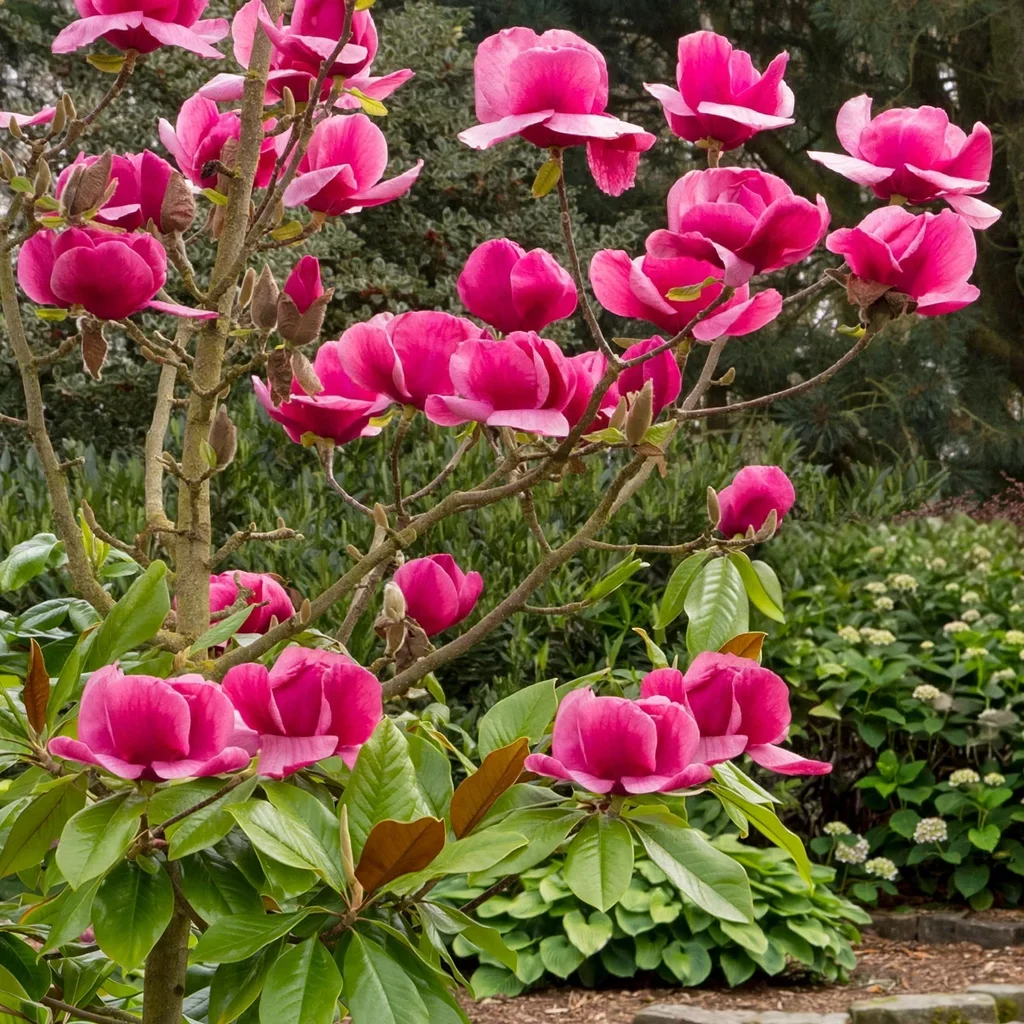
Felix Magnolia
Magnolia grandiflora 'Felix'
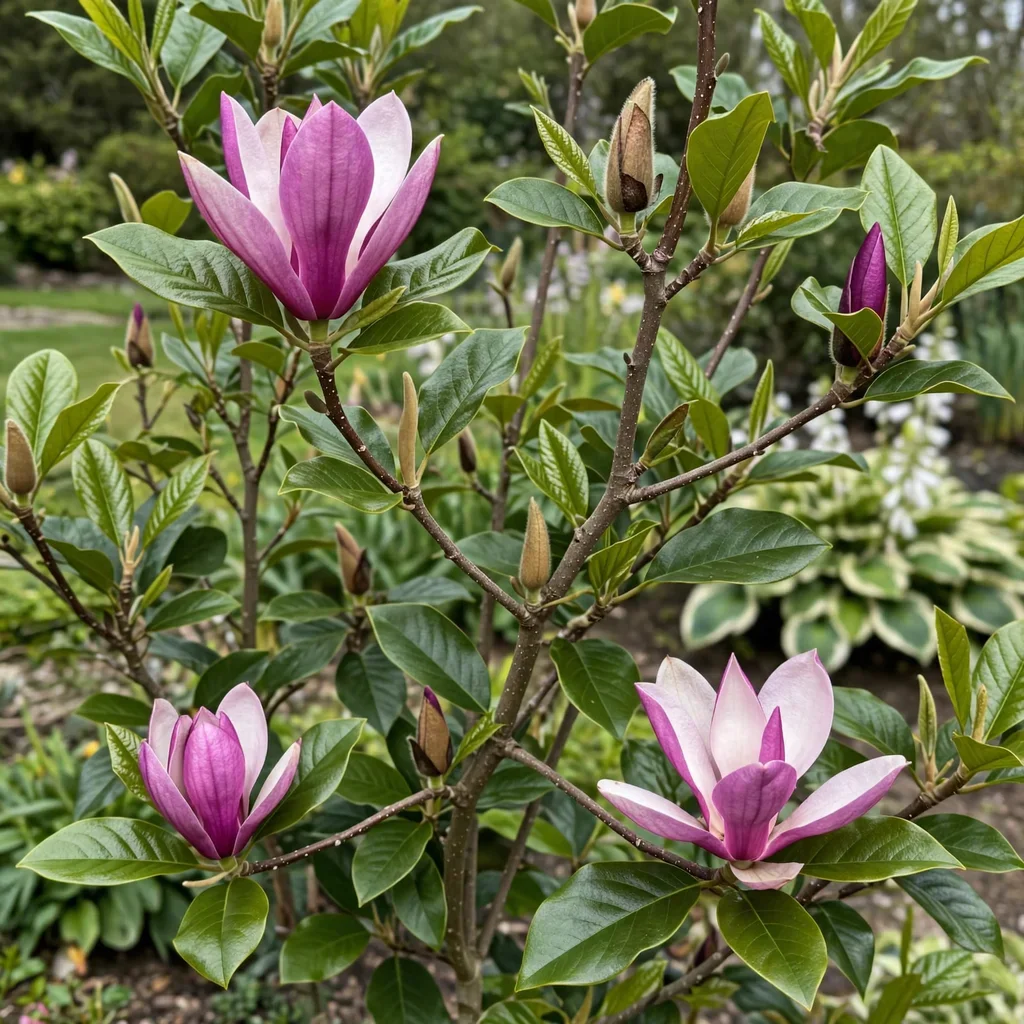
Saucer Magnolia Ann
Magnolia x soulangeana 'Ann'
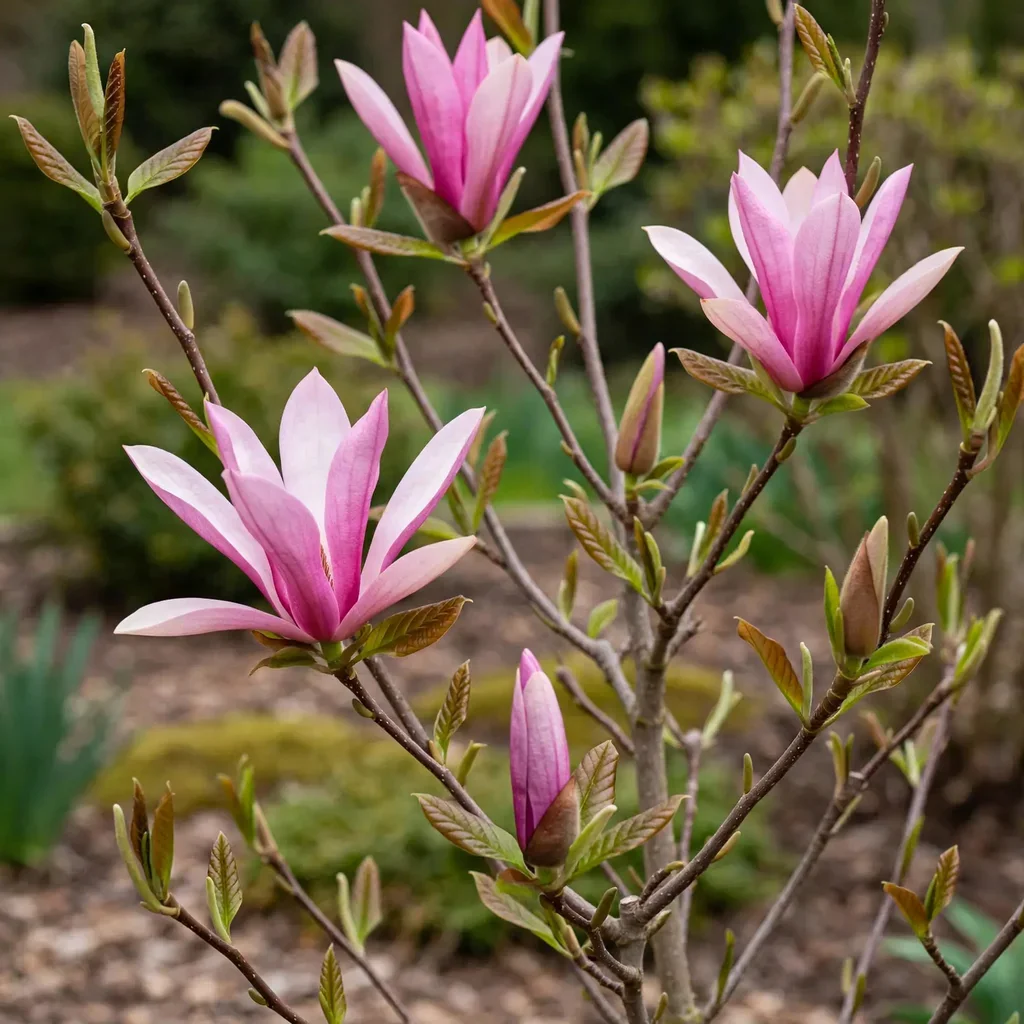
Daybreak Loebner Magnolia
Magnolia stellata 'Daybreak'
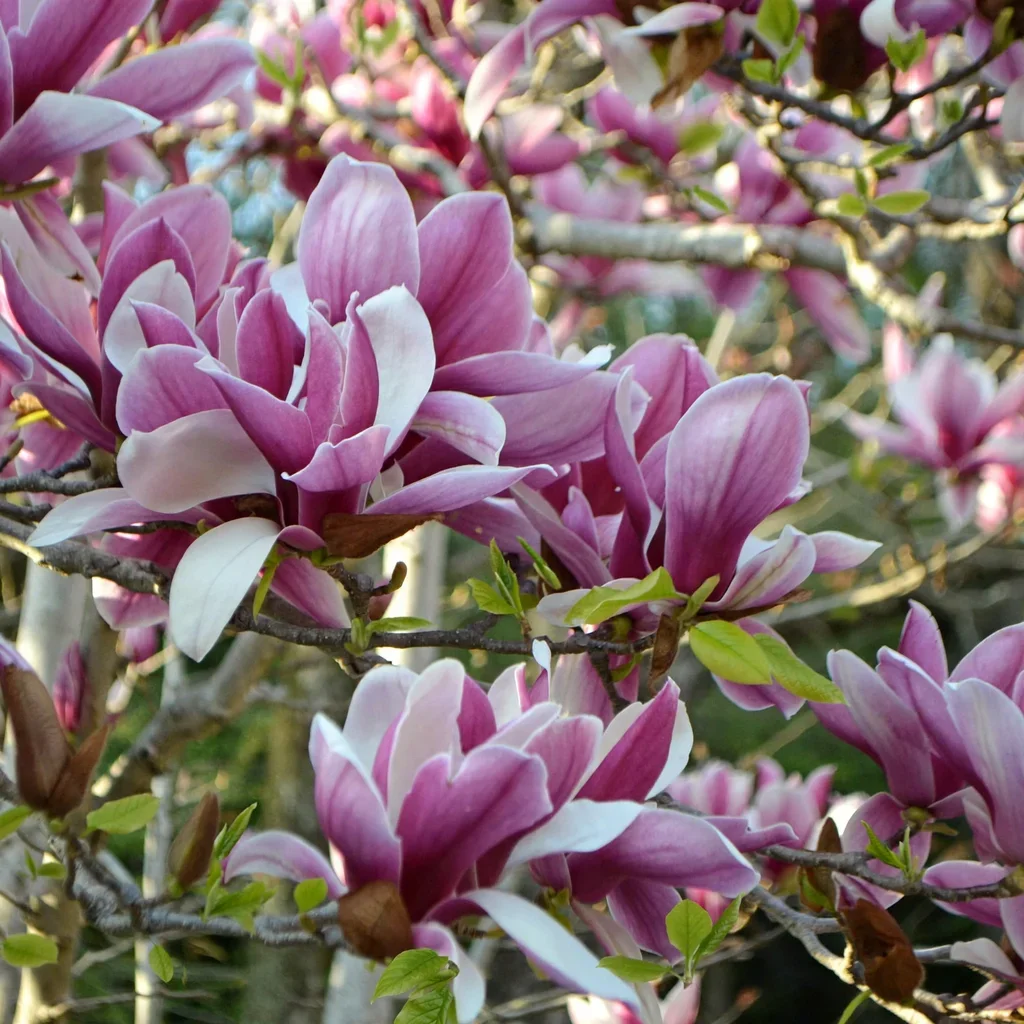
Coppertallica Saucer Magnolia
Magnolia x soulangeana 'Coppertallica'
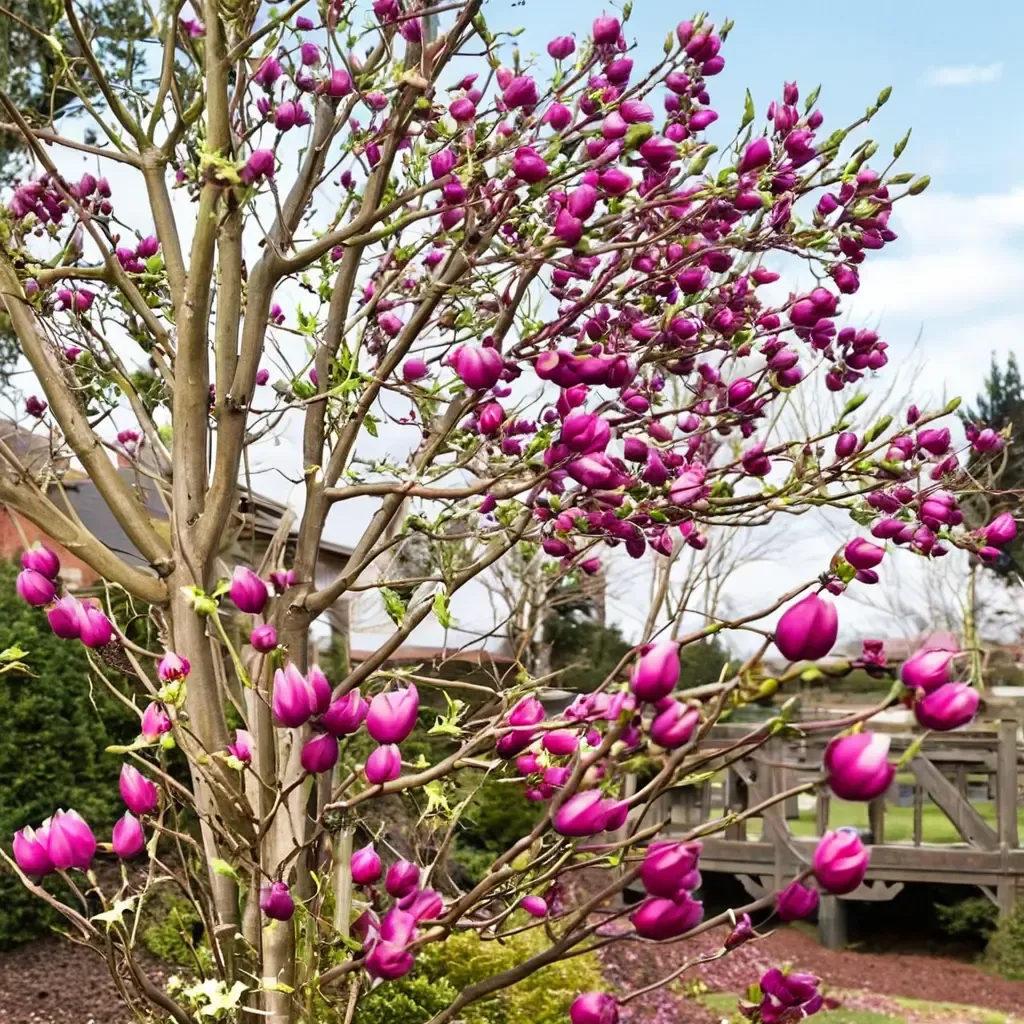
Black Tulip Magnolia
Magnolia x soulangeana 'Black Tulip'
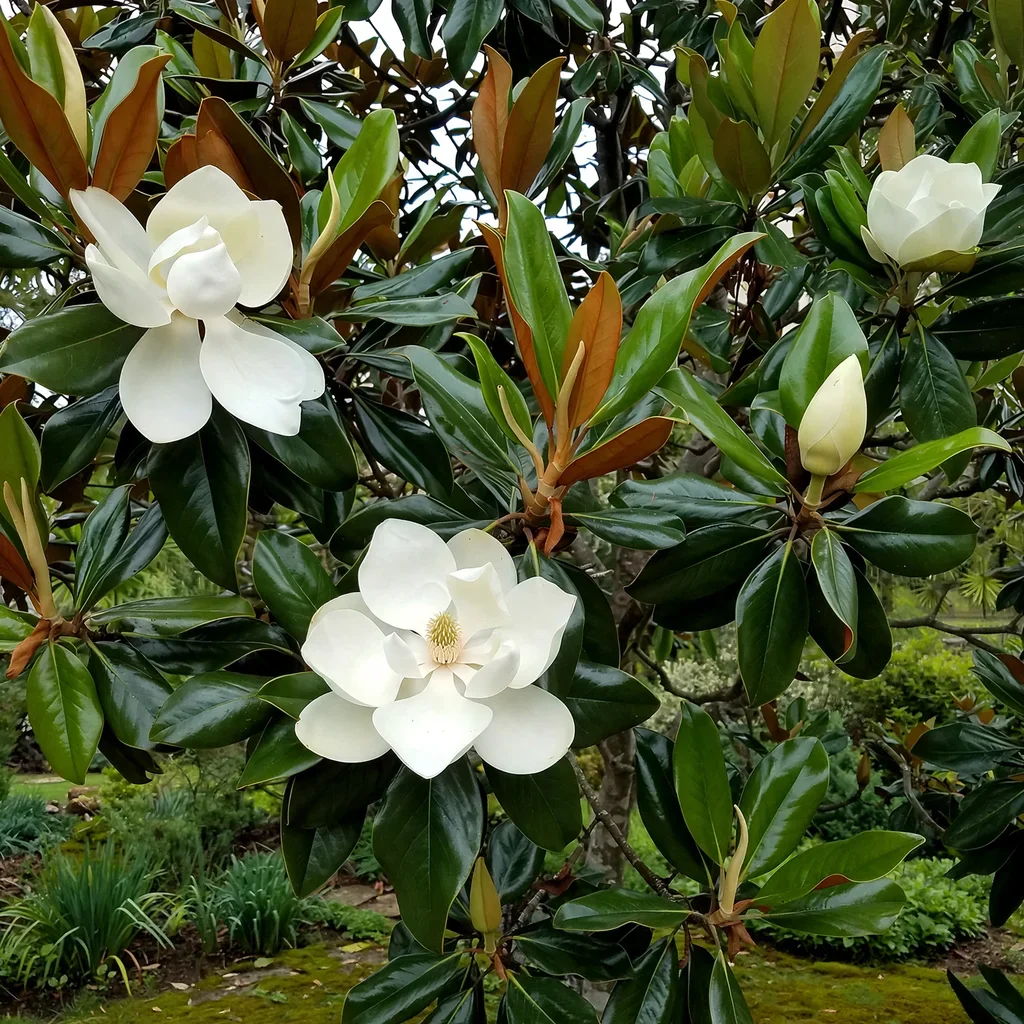
Southern Magnolia
Magnolia grandiflora
Keep exploring
Explore the genus
Hardy in your zone?
Grow Banana Shrub with confidence
See it in a design of your actual yard, get zone-matched care reminders, and track it season by season in your garden journal.