Species
 Magnolia figoBanana Shrub
1 other cultivar

The Story
Plant Bio
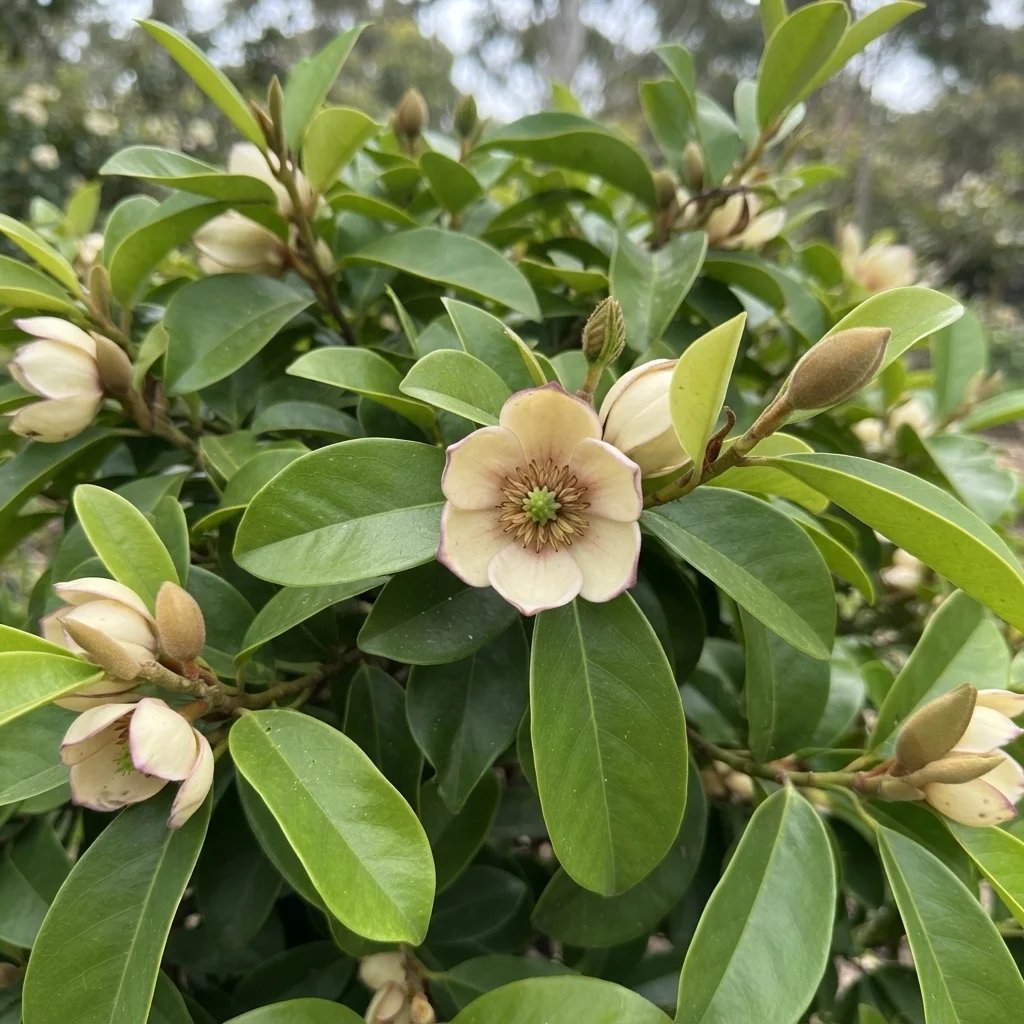
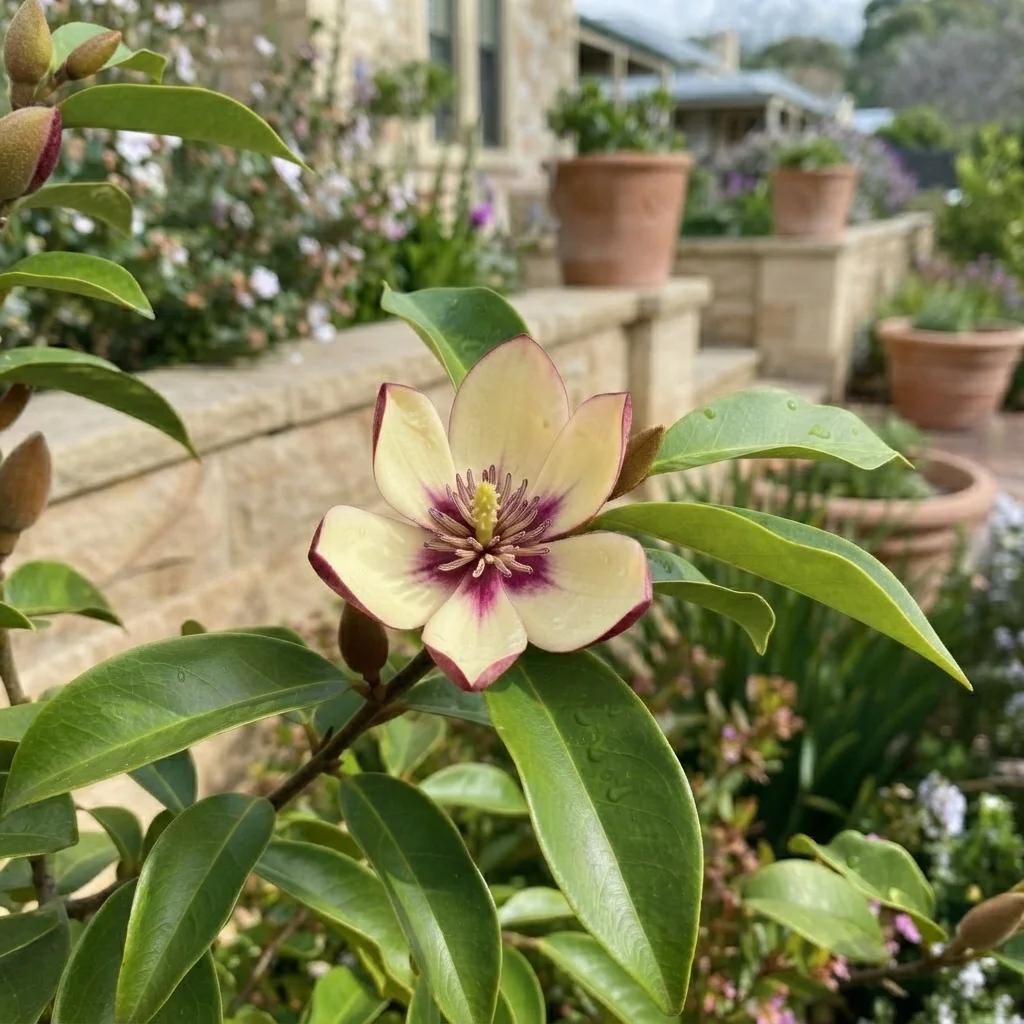
Magnolia figo is a dense, upright, multi-stemmed evergreen shrub native to southeastern and southern China, reaching mature heights of six to ten feet. The species features glossy, leathery dark green leaves with rusty-brown pubescence on their undersides, producing cup-shaped, heavily scented yellow flowers with purple-red margins from spring to early summer.
'Coco' is selected for its compact, rounded growth habit and reliable, highly fragrant floral display. The solitary, cup-shaped flowers emit a distinct banana-like scent that is especially potent on warm afternoons.
Uses & Benefits:
Essentials
At a Glance
Plant Type
Shrub
Height
118"
Width
118"
Light
Full Sun, Partial Sun, Shade
Zones
8, 9, 10
Water
Medium
Humidity
High
Lifespan
Long
Native To
China
Toxicity
Non-toxic
Bloom period
Spring – Early summer
In flower about 4 months of the year
Planting
How to Grow
- Select a planting site with partial shade and protection from harsh, drying winds.
- Amend the soil with organic matter to create a rich, well-draining loam with a pH between 5.5 and 6.5.
- Dig a hole twice as wide as the root ball and set the plant so the root flare sits slightly above the surrounding soil level.
- Water deeply at planting and maintain consistent soil moisture, never allowing the soil to dry out completely or become waterlogged.
- Apply a thick layer of organic mulch around the base to retain moisture and regulate soil temperature, keeping it away from the main stems.
Pro Tip
Avoid pruning into old, leafless wood as the plant fails to shoot back reliably from mature stems; instead, lightly shape the outer canopy immediately after the spring flowering cycle.
Keep It Thriving
Care Guide
Do
- Water regularly to maintain even soil moisture.
- Apply an acid-reacting organic fertilizer in early spring.
- Prune lightly immediately after flowering to maintain shape.
Don't
- Do not allow the soil to become waterlogged, which induces root rot.
- Do not prune heavily into old, bare wood.
- Do not plant in highly alkaline soils.
Seasonal Care Calendar
| Task | Jan | Feb | Mar | Apr | May | Jun | Jul | Aug | Sep | Oct | Nov | Dec |
|---|---|---|---|---|---|---|---|---|---|---|---|---|
| Fertilize | ||||||||||||
| Mulch | ||||||||||||
| Pest Check | ||||||||||||
| Prune |
Watch Out For
Pests & Diseases
Common Pests
Common Diseases
In the Garden
Landscape Uses & Companions
Landscape Uses
Companion Plants
Multiply
Propagation Methods
Good to Know
Common Questions
Banana Shrub questions
What zones can Banana Shrub grow in?
Banana Shrub is hardy in USDA Zones 8–10. Inside that range it survives winter in the ground; outside it, grow it as an annual or a container plant you protect.
Is Banana Shrub deer resistant?
Not reliably. Deer may browse Banana Shrub, especially tender spring growth — plan on repellents or fencing where pressure is high.
When does Banana Shrub bloom?
Banana Shrub typically blooms in spring through early summer. Exact timing shifts a week or two with your zone — Sow's bloom calendar maps it to your garden.
Does Banana Shrub need full sun?
Banana Shrub does best in full sun to part shade. In hot climates, afternoon shade keeps blooms fresher longer.
More Magnolia to compare
Felix Magnolia
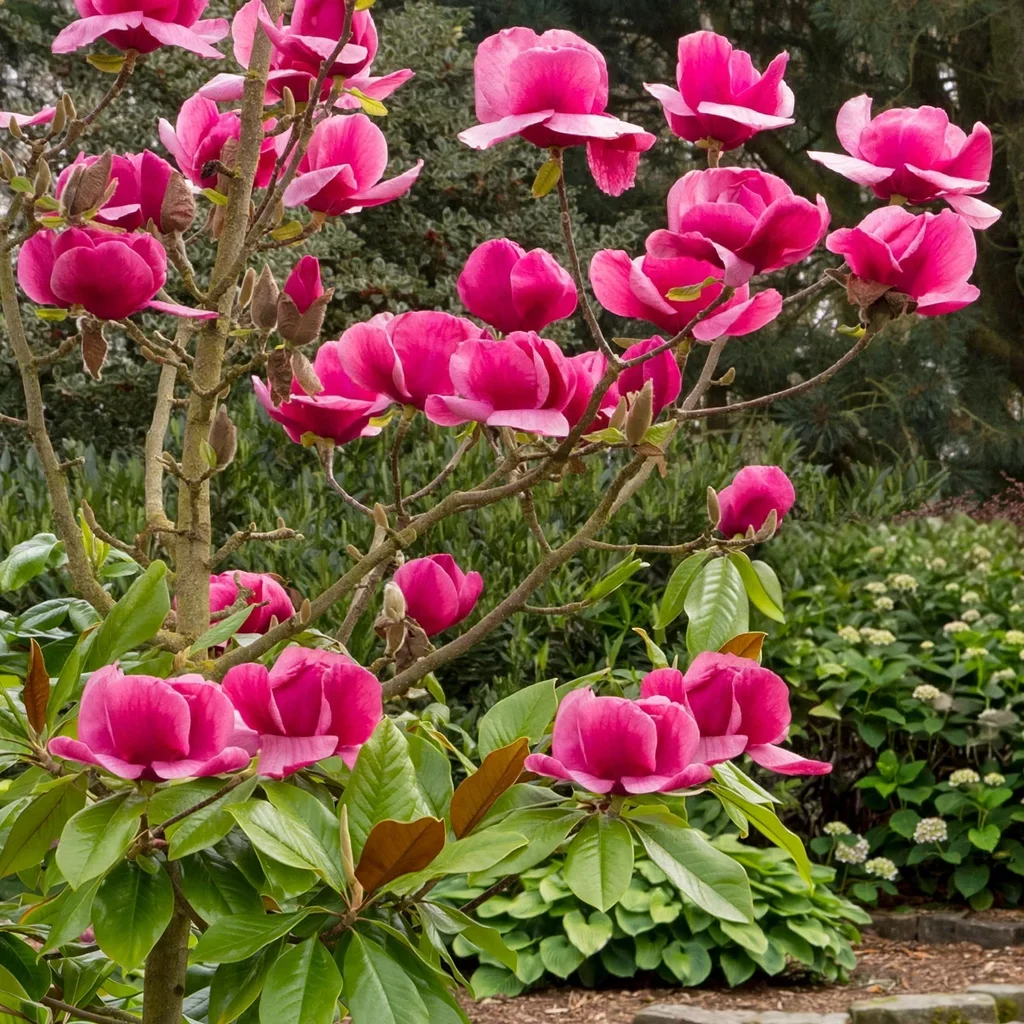
Magnolia grandiflora 'Felix'
Saucer Magnolia Ann
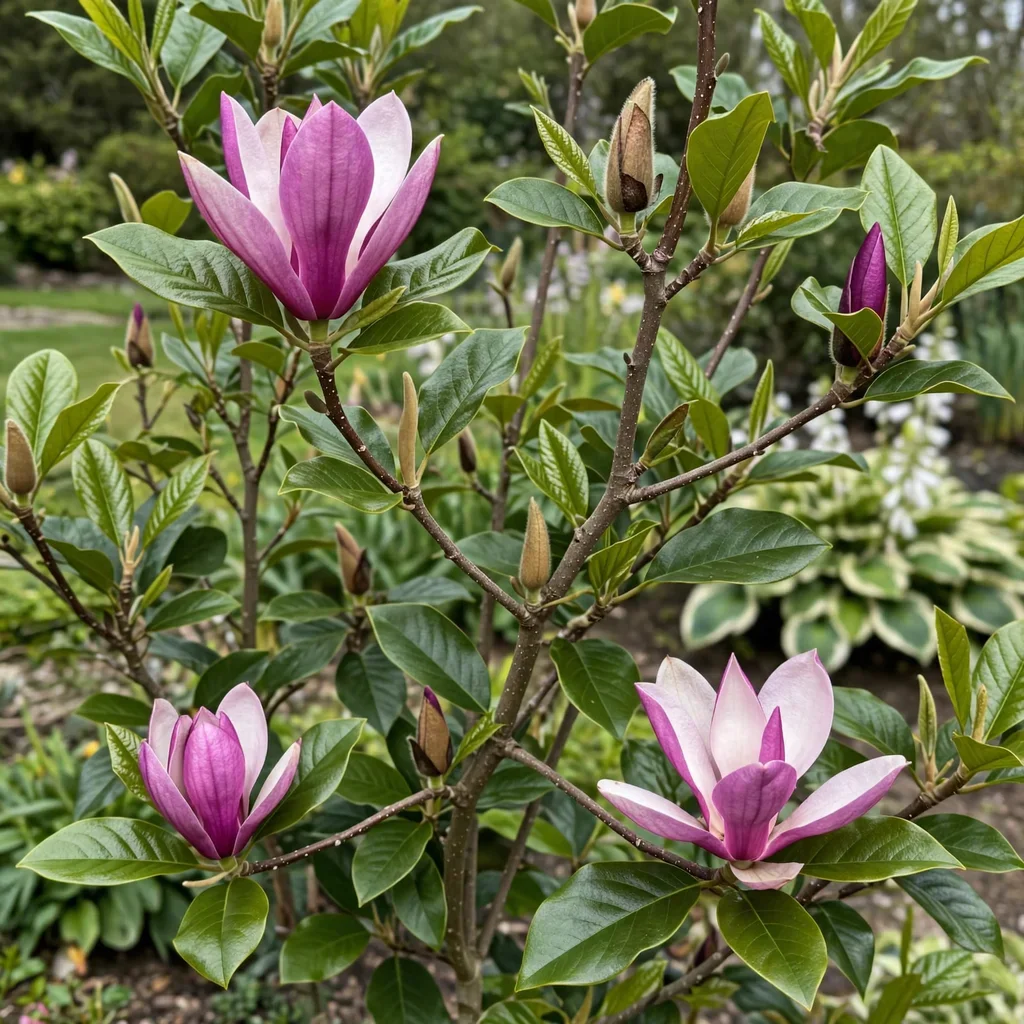
Magnolia x soulangeana 'Ann'
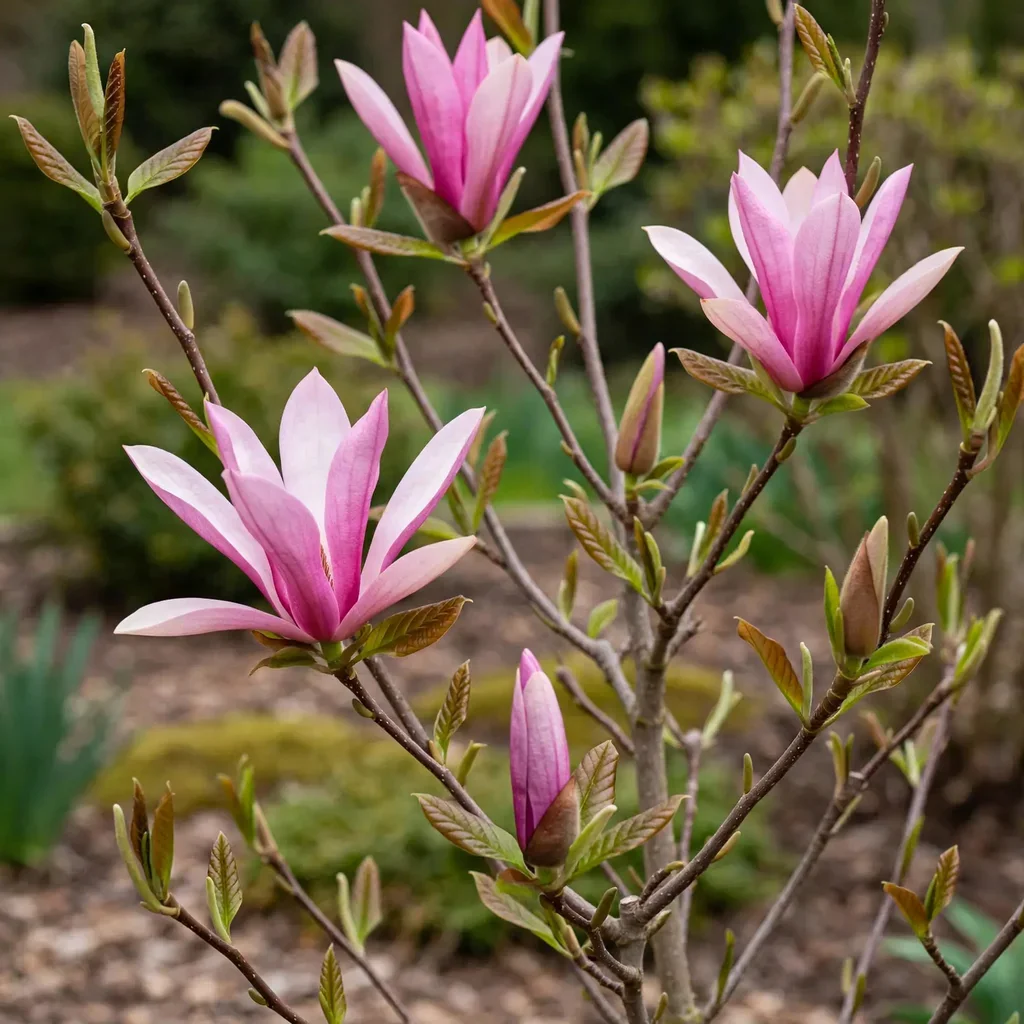
Daybreak Loebner Magnolia
Magnolia stellata 'Daybreak'
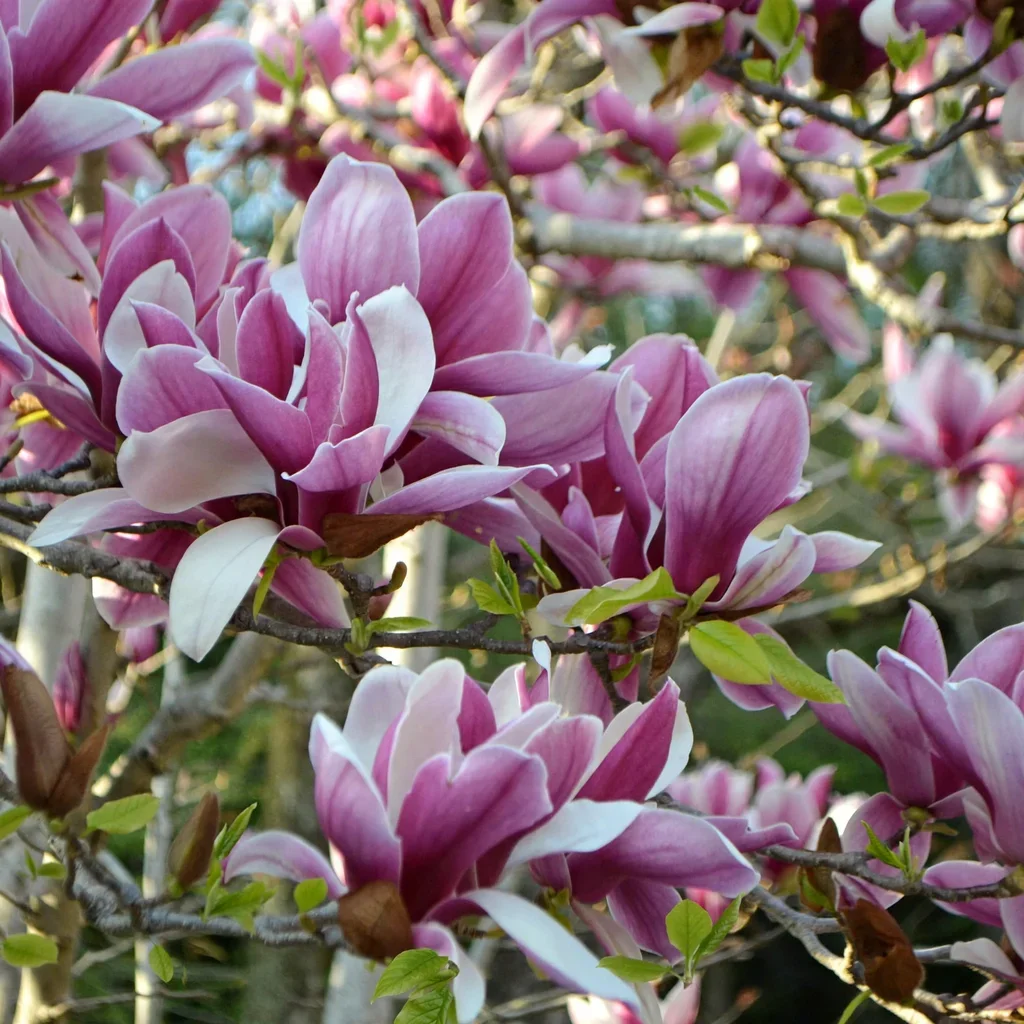
Coppertallica Saucer Magnolia
Magnolia x soulangeana 'Coppertallica'
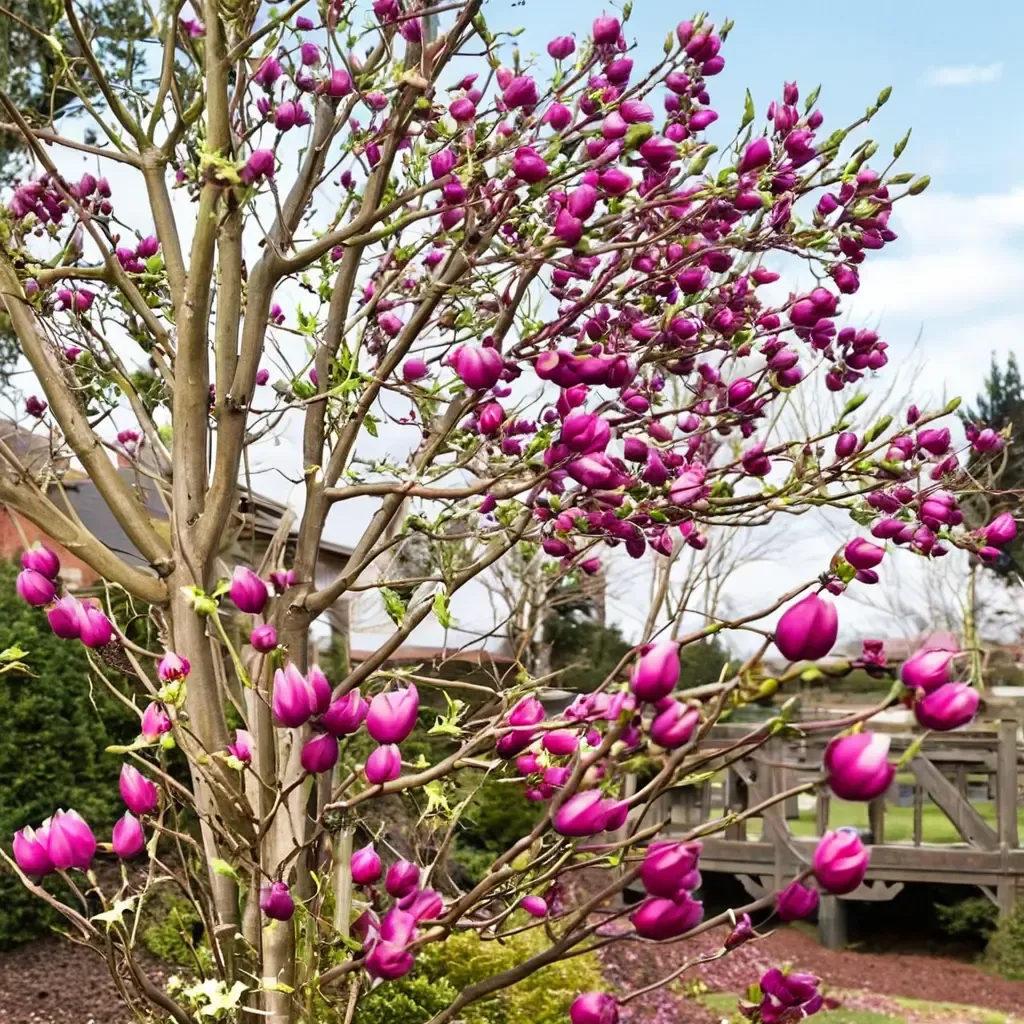
Black Tulip Magnolia
Magnolia x soulangeana 'Black Tulip'
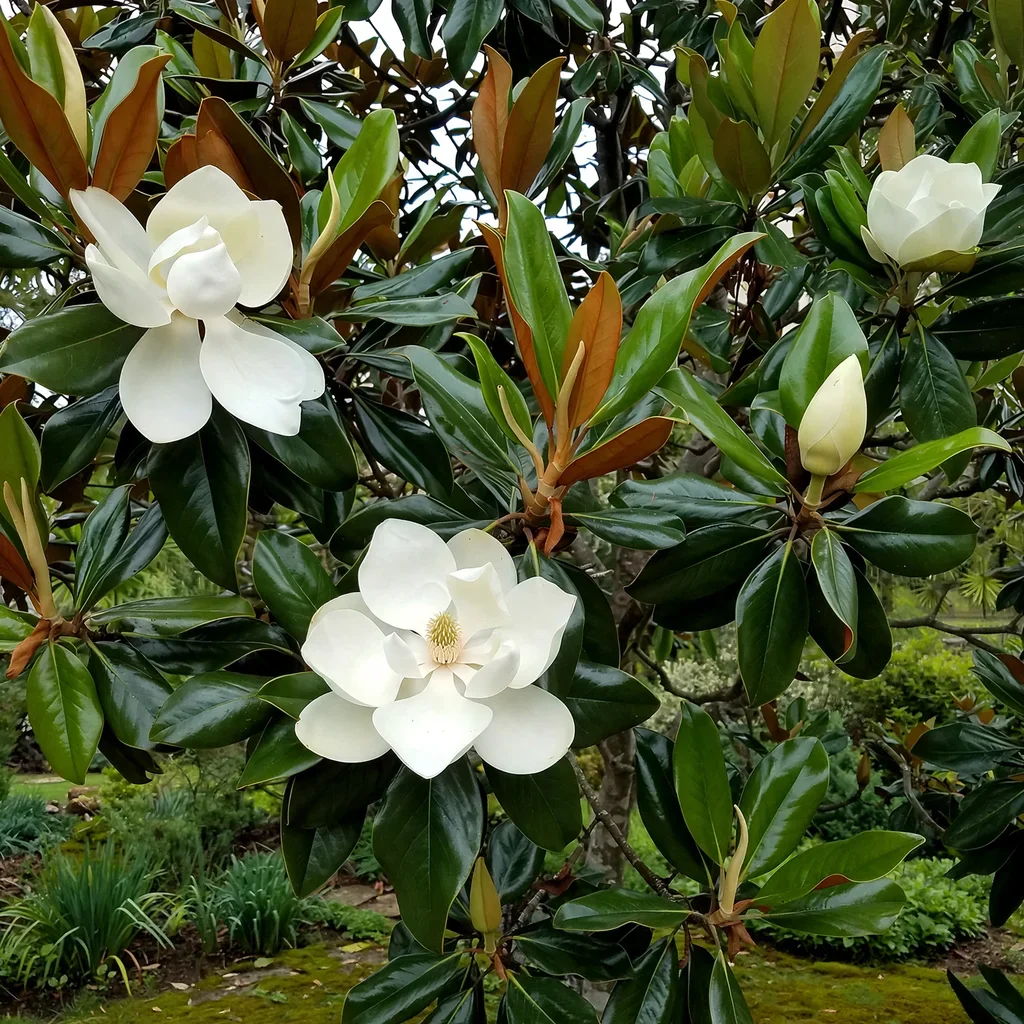
Southern Magnolia
Magnolia grandiflora
Keep exploring
Explore the genus
Hardy in your zone?
Grow Banana Shrub with confidence
See it in a design of your actual yard, get zone-matched care reminders, and track it season by season in your garden journal.