The Story
Plant Bio
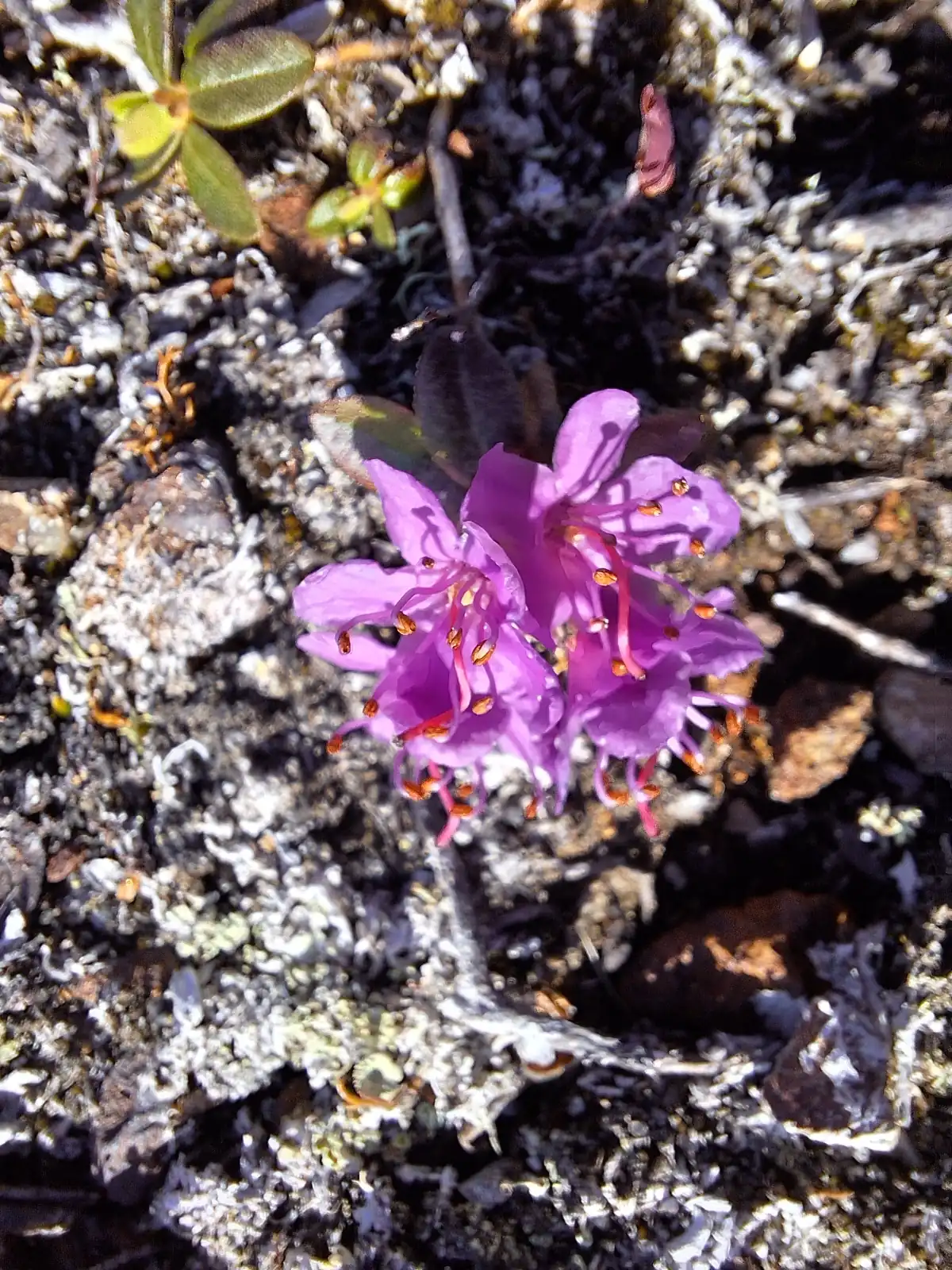
Rhododendron lapponicum is a dwarf, prostrate evergreen shrub native to the subarctic and circumboreal regions of the Northern Hemisphere. It forms tight, compact mats of heavily branched stems clothed in small, leathery leaves that feature a dense covering of rusty-brown scales on their undersides.
This species is distinguished by its extreme cold hardiness and its terminal clusters of violet-rose to magenta, funnel-shaped flowers that open from April to June. It is a true glacial relict in its southern limits, requiring specialized alpine conditions to survive in cultivation.
Uses & Benefits:
Essentials
At a Glance
Plant Type
Shrub
Height
12"
Width
20"
Light
Full Sun, Partial Sun
Zones
4, 5, 6
Water
Medium
Humidity
High
Lifespan
Perennial
Native To
North America, Europe, Asia
Toxicity
Toxic if Ingested
Bloom period
Spring – Early summer
In flower about 4 months of the year
Planting
How to Grow
- Select a site with full sun to partial shade that remains protected from scorching afternoon heat.
- Prepare a planting medium of highly acidic, organic, and stony soil with a pH between 4.5 and 6.0.
- Ensure the planting bed provides exceptionally sharp, constant drainage to prevent any standing water.
- Mulch lightly with acidic leaf mold or fine gravel to keep the shallow roots cool and consistently moist.
Pro Tip
Grow this species in a dedicated alpine scree or rock garden with exceptionally sharp drainage and a strictly acidic, stony substrate. Stagnant summer heat and high humidity will quickly kill the root system.
Keep It Thriving
Care Guide
Do
- Provide constant, sharp drainage.
- Maintain a highly acidic soil pH between 4.5 and 6.0.
- Protect the plant from extreme afternoon heat in lower latitudes.
- Keep the soil consistently moist without allowing it to become waterlogged.
Don't
- Do not prune into old, leafless wood as it lacks latent buds for regrowth.
- Do not apply heavy chemical fertilizers or high-phosphorus feeds.
- Do not allow the soil to dry out completely.
- Do not plant in heavy clay or poorly drained garden loam.
Seasonal Care Calendar
| Task | Jan | Feb | Mar | Apr | May | Jun | Jul | Aug | Sep | Oct | Nov | Dec |
|---|---|---|---|---|---|---|---|---|---|---|---|---|
| Mulch | ||||||||||||
| Pest Check | ||||||||||||
| Propagate | ||||||||||||
| Spring Cleanup |
Watch Out For
Pests & Diseases
Common Pests
Common Diseases
In the Garden
Landscape Uses & Companions
Landscape Uses
Companion Plants
Multiply
Propagation Methods
Good to Know
Common Questions
Lapland Rosebay questions
What zones can Lapland Rosebay grow in?
Lapland Rosebay is hardy in USDA Zones 4–6. Inside that range it survives winter in the ground; outside it, grow it as an annual or a container plant you protect.
Is Lapland Rosebay deer resistant?
Not reliably. Deer may browse Lapland Rosebay, especially tender spring growth — plan on repellents or fencing where pressure is high.
When does Lapland Rosebay bloom?
Lapland Rosebay typically blooms in spring through early summer. Exact timing shifts a week or two with your zone — Sow's bloom calendar maps it to your garden.
Does Lapland Rosebay need full sun?
Lapland Rosebay does best in full sun to part shade. In hot climates, afternoon shade keeps blooms fresher longer.
More Rhododendron to compare
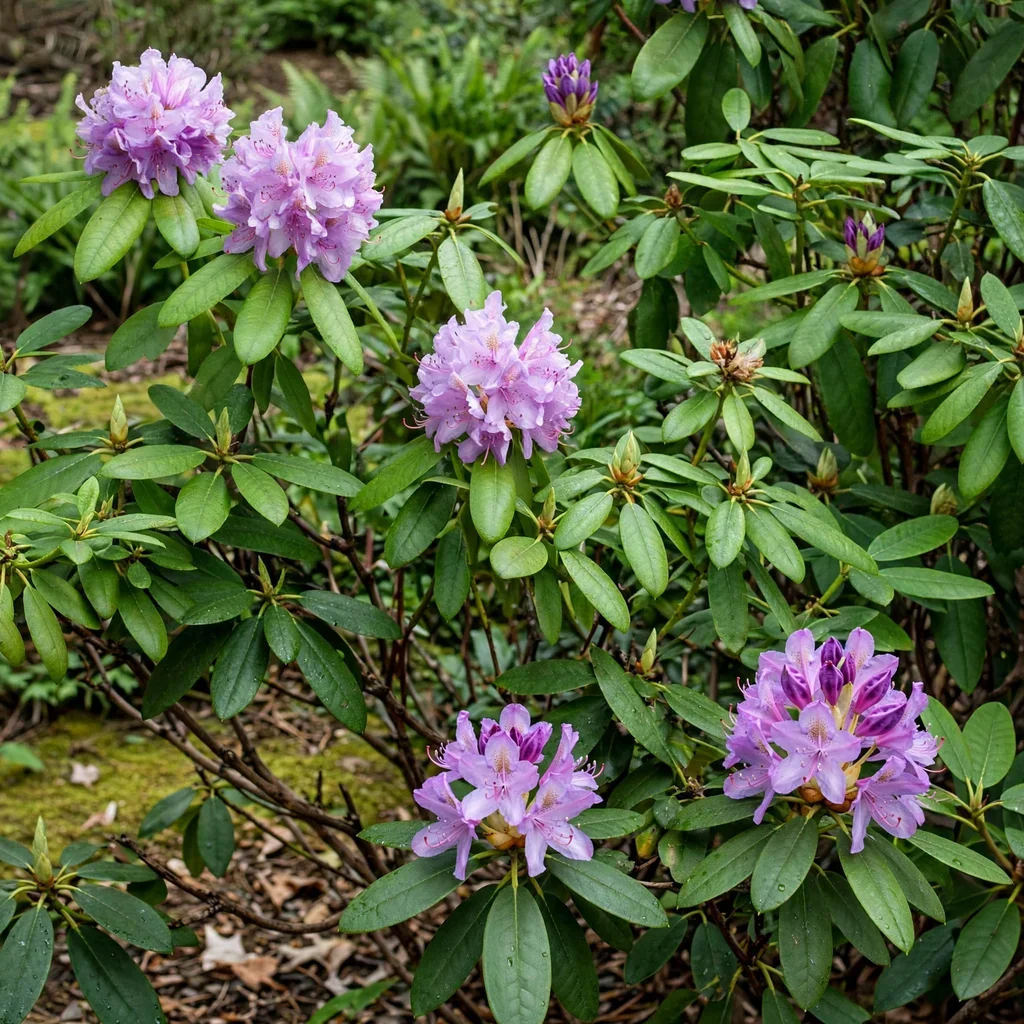
Catawba Rhododendron
Rhododendron catawbiense
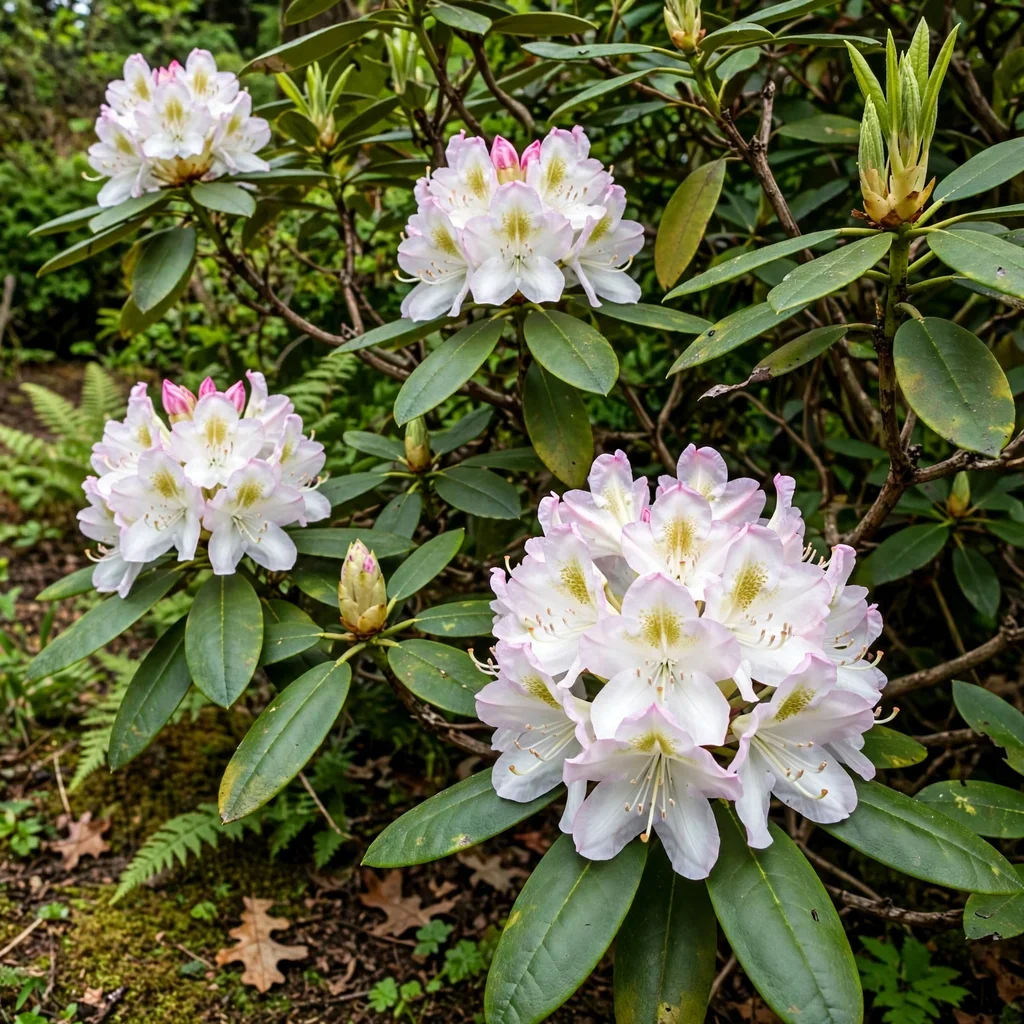
Great Laurel Rhododendron
Rhododendron maximum
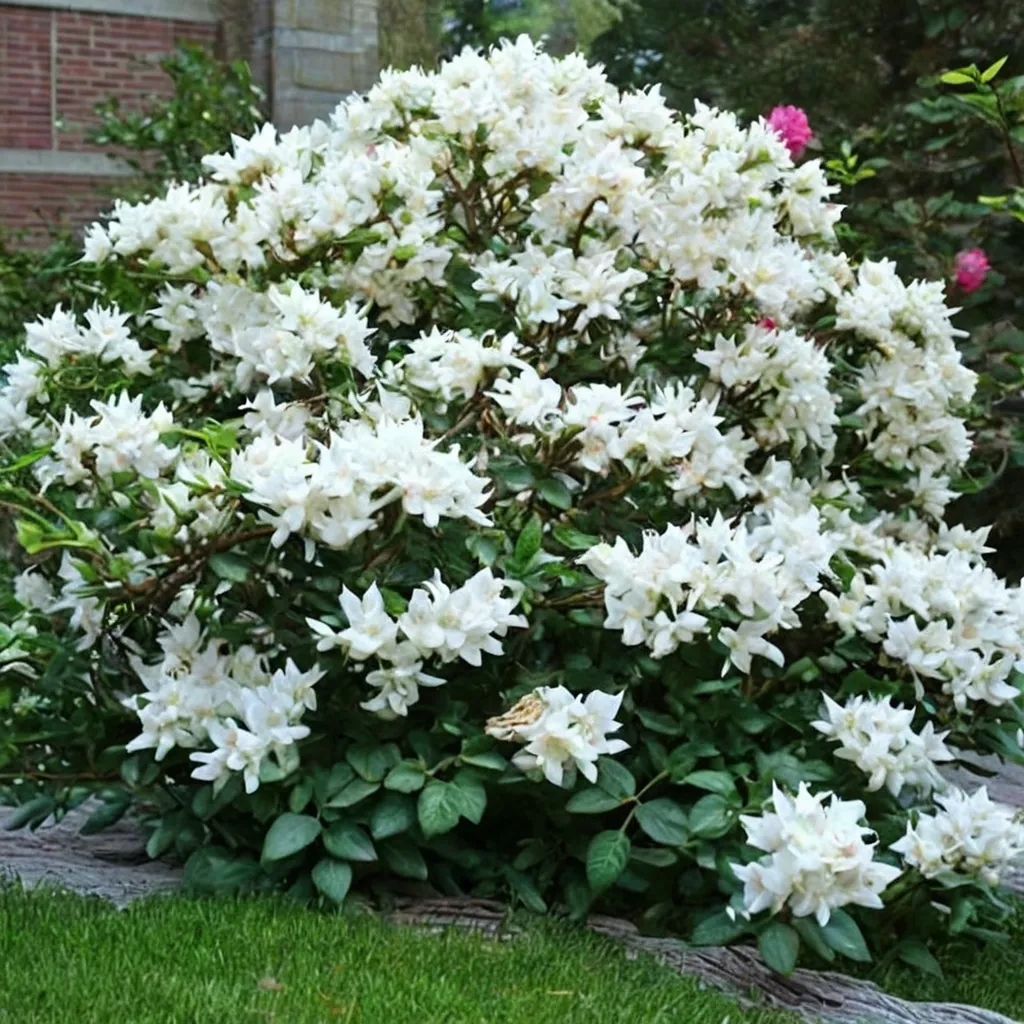
Double White Rhododendron
Rhododendron x hybrida 'Double White'
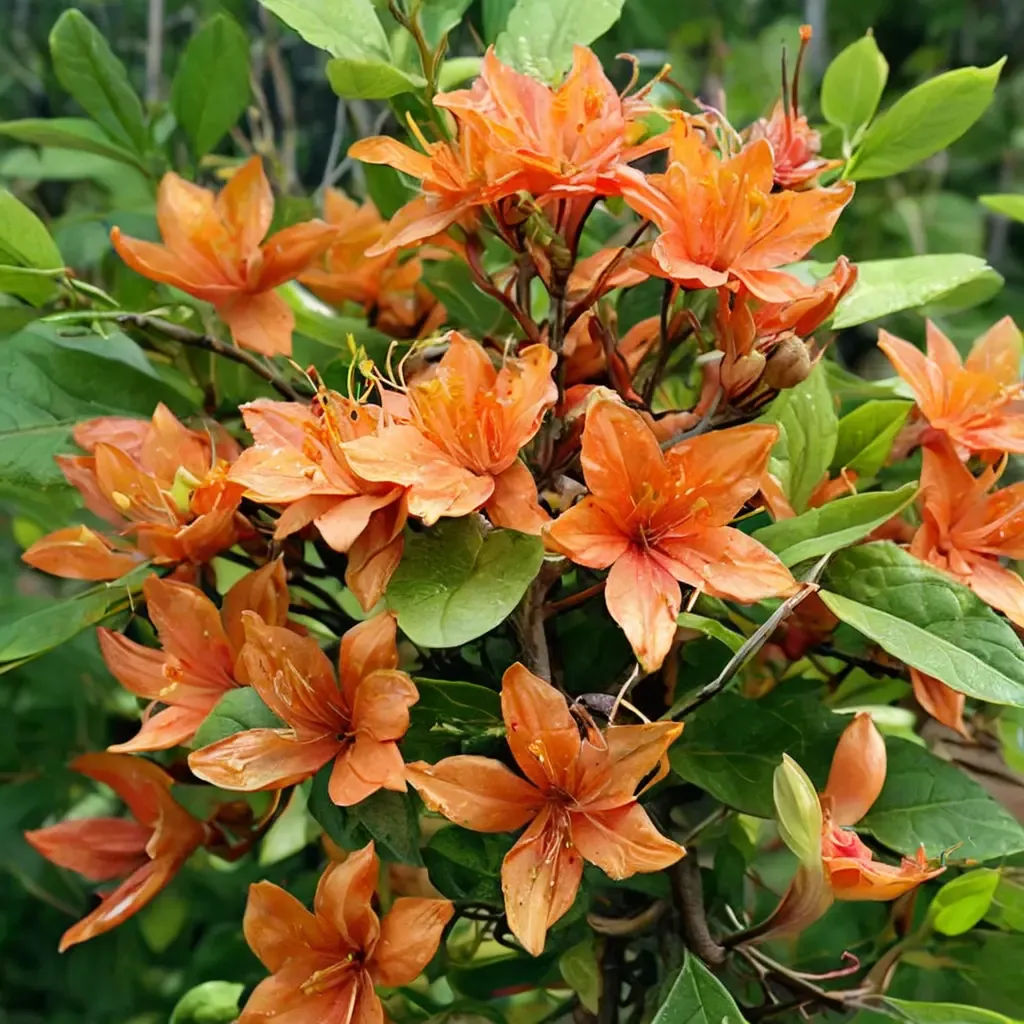
Flame Azalea
Rhododendron calendulaceum
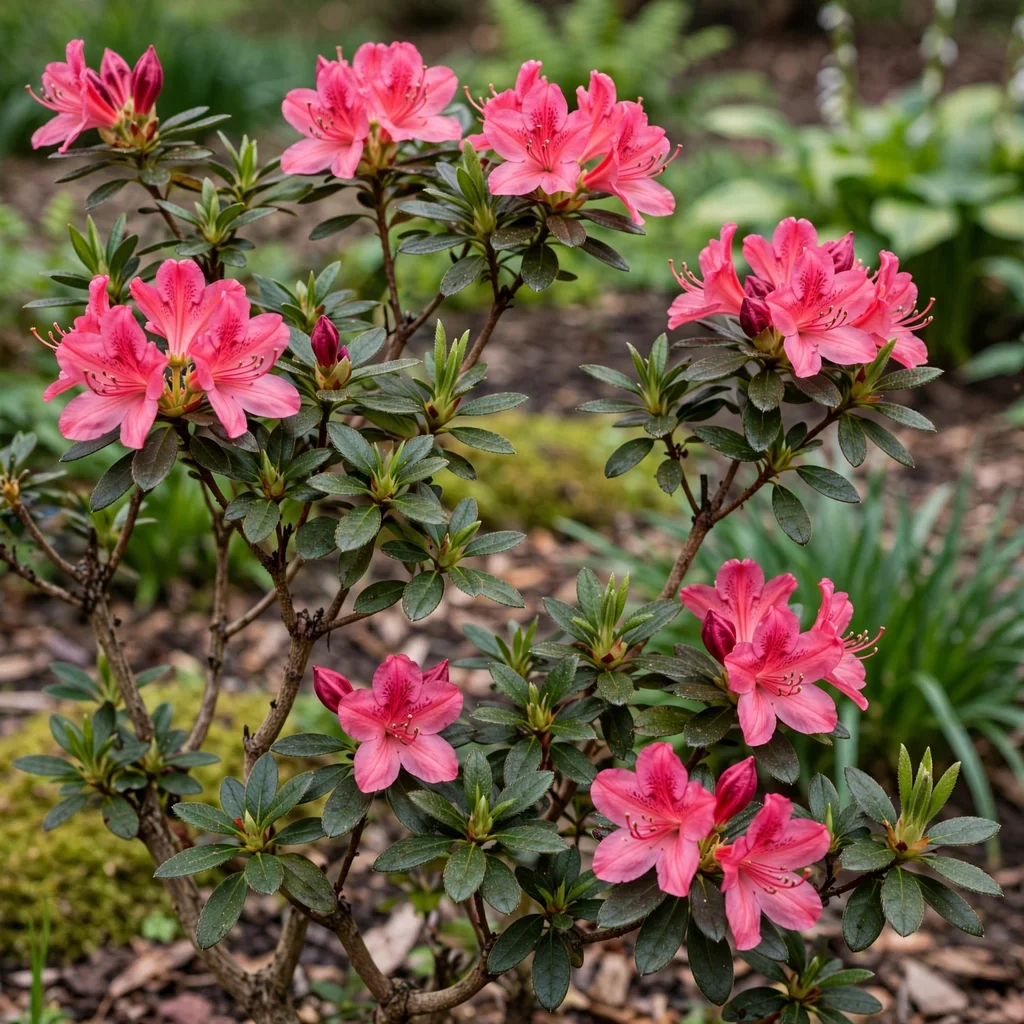
Bone Hardy Azalea
Rhododendron x hybrida 'Bone Hardy Azalea Sampler'
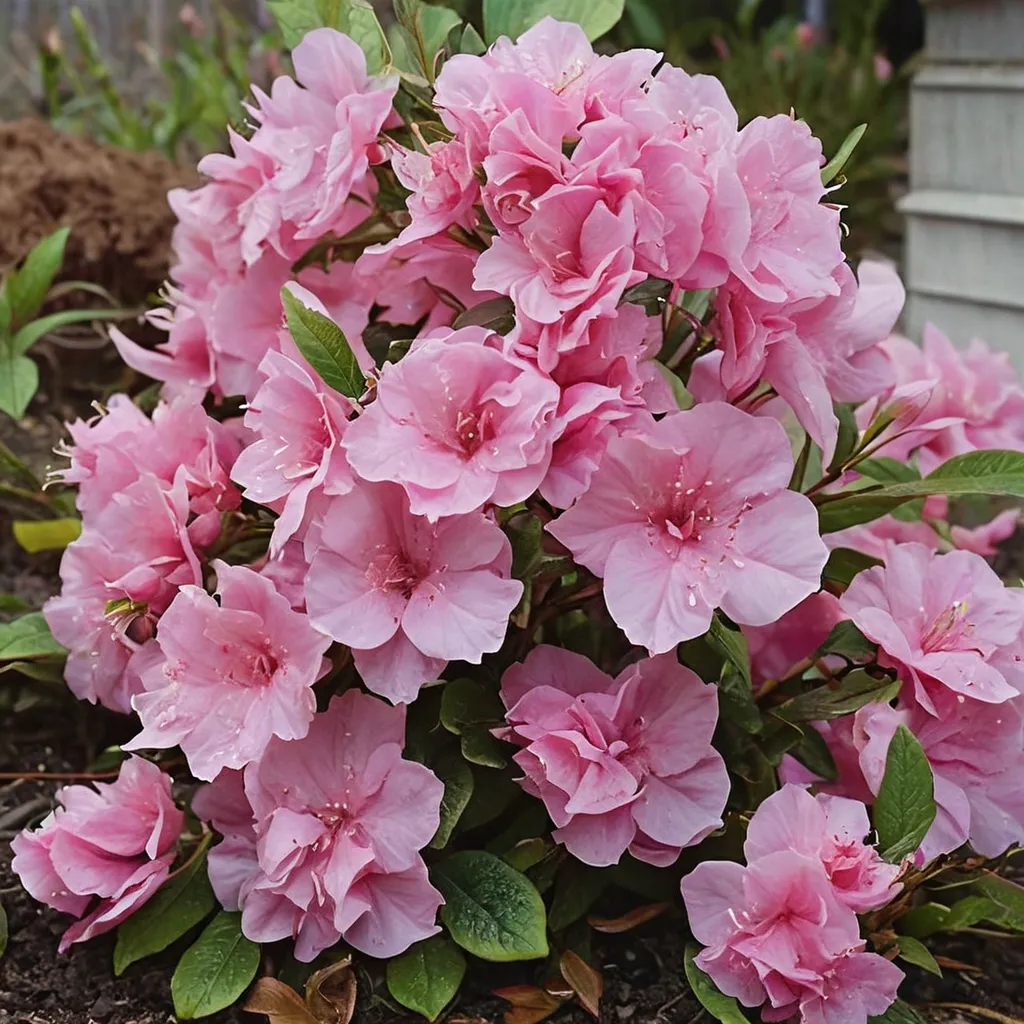
Rhododendron x hybrida Double Pink
Rhododendron x hybrida 'Double Pink'
Keep exploring
Explore the genus
Hardy in your zone?
Grow Lapland Rosebay with confidence
See it in a design of your actual yard, get zone-matched care reminders, and track it season by season in your garden journal.