

The Story
Plant Bio
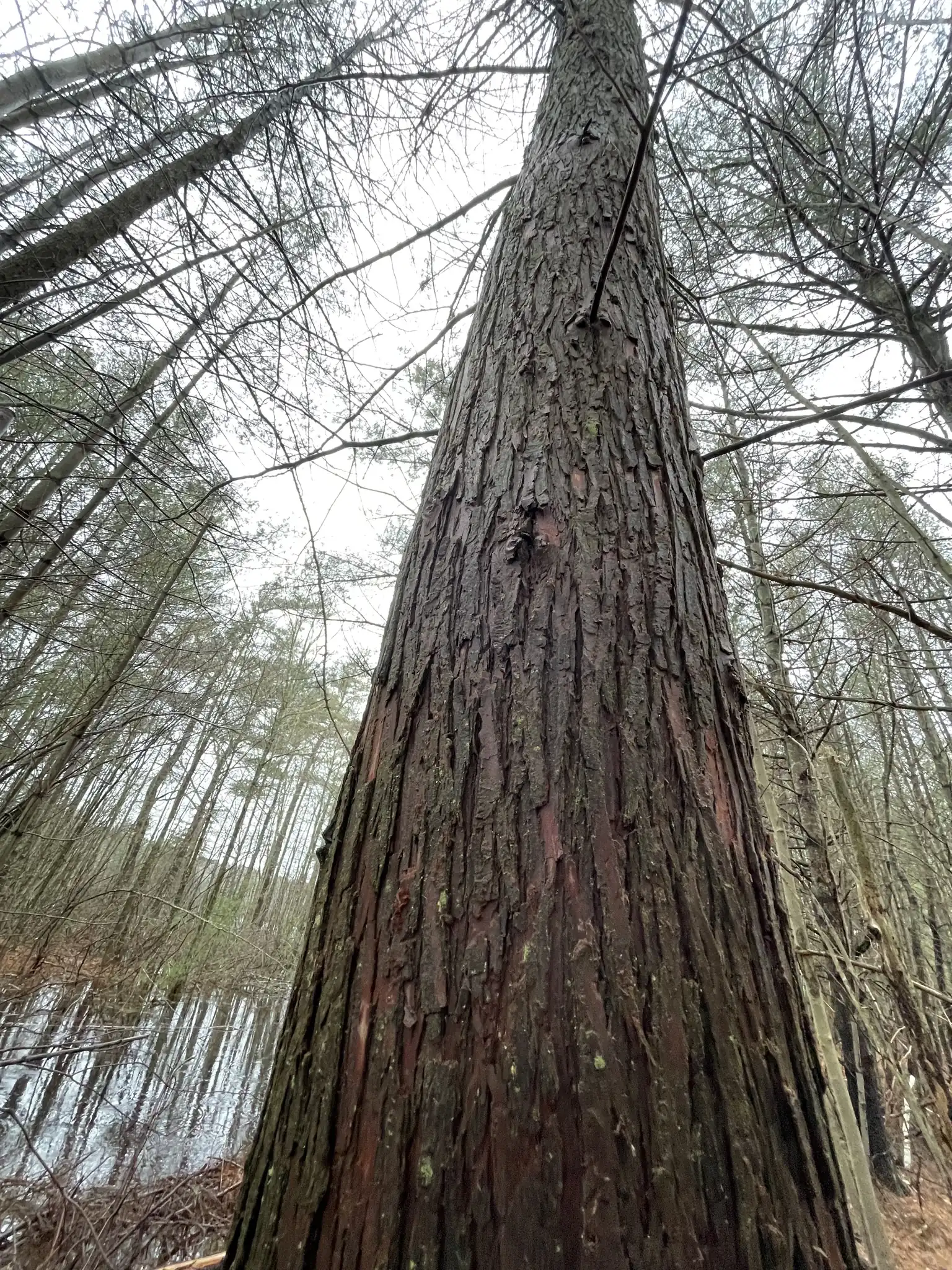
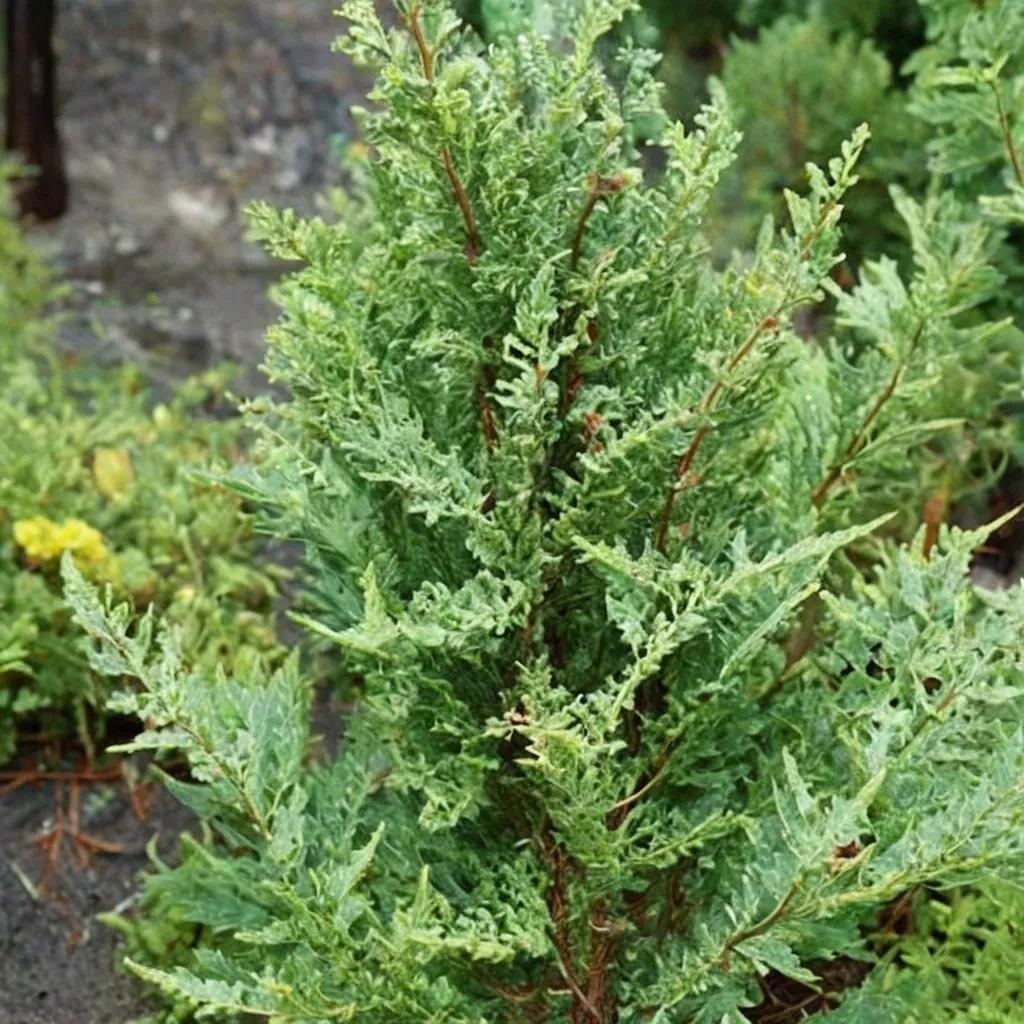
Chamaecyparis thyoides, Atlantic white cedar, is a narrow evergreen conifer native to the eastern United States, reaching sixty to eighty feet with a distinctly conical crown. Blue-green scale-like foliage is carried in flattened sprays, and the reddish-brown bark is fibrous with intersecting flat ridges that sometimes spiral around the trunk and peel away in strips.
It grows naturally in freshwater swamps and peat bogs along the Atlantic coastal plain, tolerating standing water and periodic flooding that would kill most conifers. Those swamp stands have been heavily logged over three centuries, so planting it has genuine conservation value beyond the garden.
Uses & Benefits:
Essentials
At a Glance
Plant Type
Tree
Height
840"
Width
420"
Light
Full Sun, Partial Sun
Zones
4, 5, 6, 7, 8, 9
Water
High
Humidity
High
Lifespan
Perennial
Native To
Eastern United States
Toxicity
Non-toxic
Planting
How to Grow
- Plant in spring in consistently moist to wet, acidic soil.
- Choose full sun to partial shade.
- Allow thirty to forty feet of spread for the species.
- Keep the soil wet; it will not tolerate drought.
- Mulch to conserve moisture around the shallow roots.
- Prune only to remove dead wood, in late winter.
Pro Tip
Give it genuinely wet ground — this is a swamp tree, and the commonest failure is planting it in ordinary garden soil that dries in summer.
Keep It Thriving
Care Guide
Do
- Plant in wet, acidic soil 💧
- Use it at pond margins and in bogs 🌲
- Give the species room; it is a large tree 🌳
- Mulch to keep roots moist 🍂
Don't
- Plant in dry or alkaline soil ❌
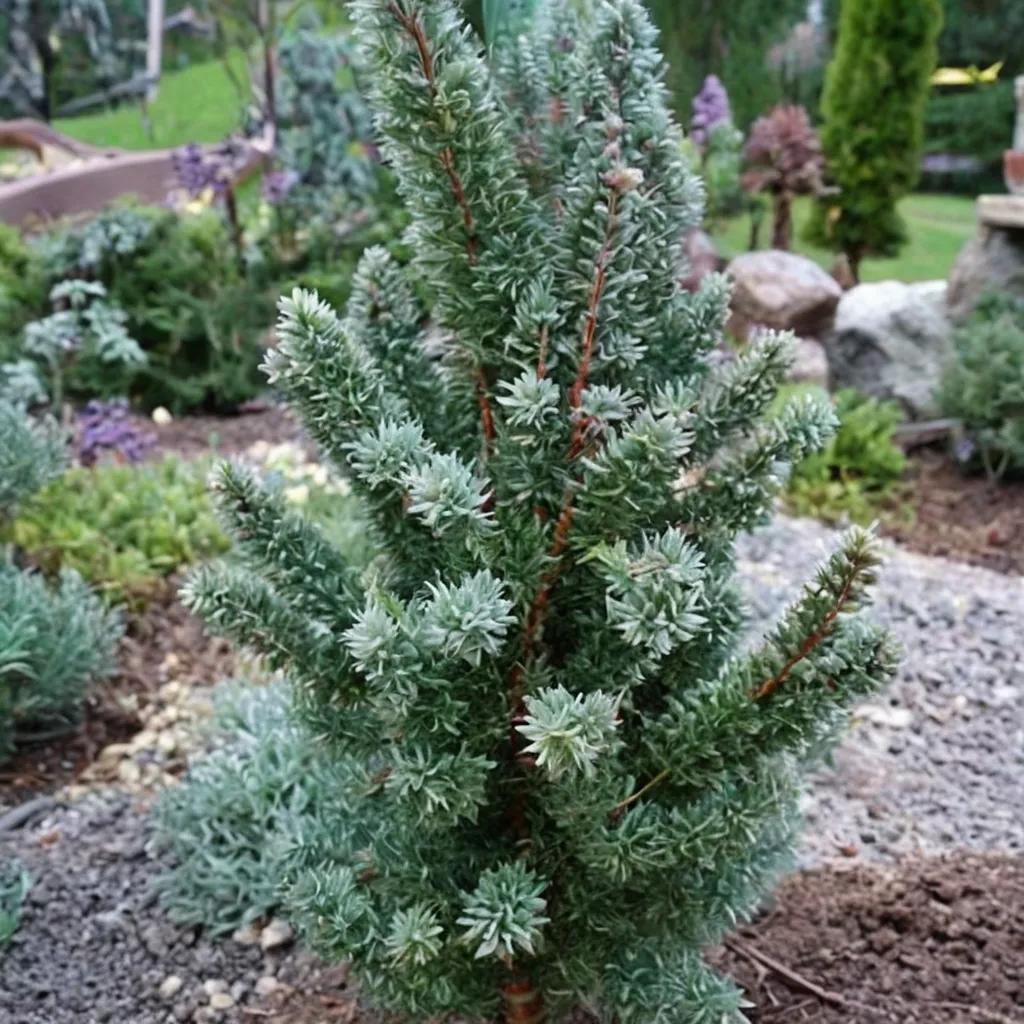
- Confuse dwarf cultivars with the species ❌
- Let it dry out in summer ❌
Seasonal Care Calendar
| Task | Jan | Feb | Mar | Apr | May | Jun | Jul | Aug | Sep | Oct | Nov | Dec |
|---|---|---|---|---|---|---|---|---|---|---|---|---|
| Prune |
Watch Out For
Pests & Diseases
Common Pests
Common Diseases
In the Garden
Landscape Uses & Companions
Landscape Uses
Multiply
Propagation Methods
Good to Know
Common Questions
Atlantic White Cedar questions
What zones can Atlantic White Cedar grow in?
Atlantic White Cedar is hardy in USDA Zones 4–9. Inside that range it survives winter in the ground; outside it, grow it as an annual or a container plant you protect.
Is Atlantic White Cedar deer resistant?
Yes — Atlantic White Cedar is rated deer-resistant. Deer typically pass it over, though extreme hunger can override any plant's defenses.
When does Atlantic White Cedar bloom?
Atlantic White Cedar typically blooms in spring through late fall. Exact timing shifts a week or two with your zone — Sow's bloom calendar maps it to your garden.
Does Atlantic White Cedar need full sun?
Atlantic White Cedar does best in full sun to part shade. In hot climates, afternoon shade keeps blooms fresher longer.
More Chamaecyparis to compare
Meth Dwarf Atlantic White Cedar
Chamaecyparis thyoides 'Meth Dwarf'
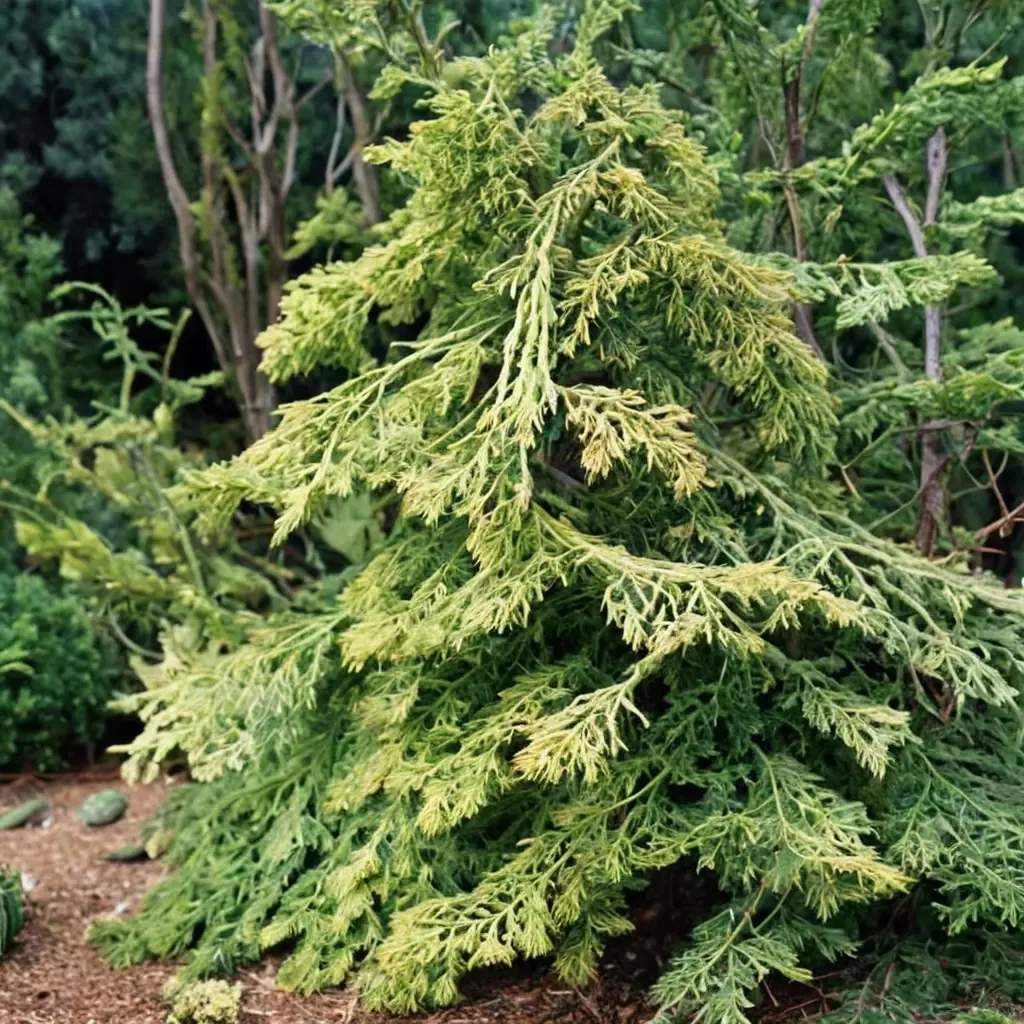
Golden Threadleaf False Cypress
Chamaecyparis pisifera 'Filifera Aurea'
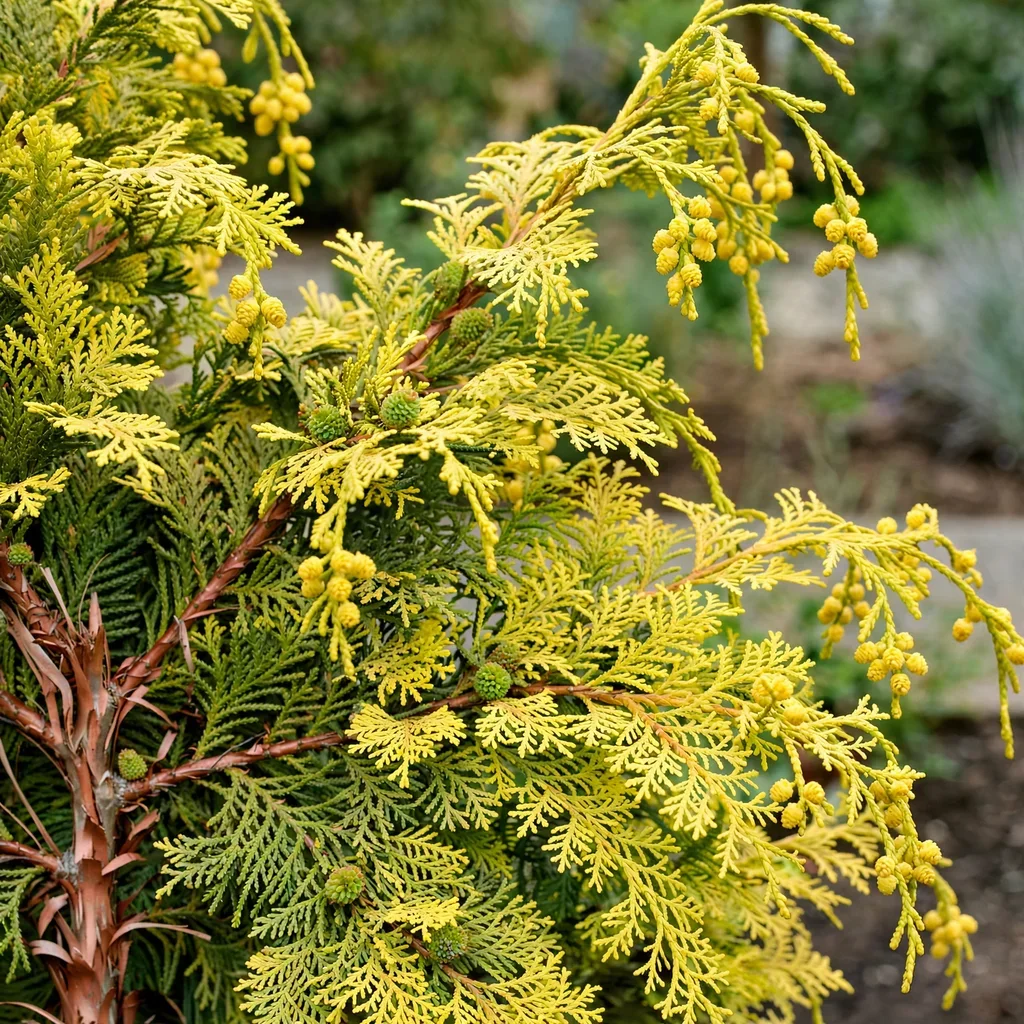
Webb Gold Atlantic White Cedar
Chamaecyparis thyoides 'Webb Gold'
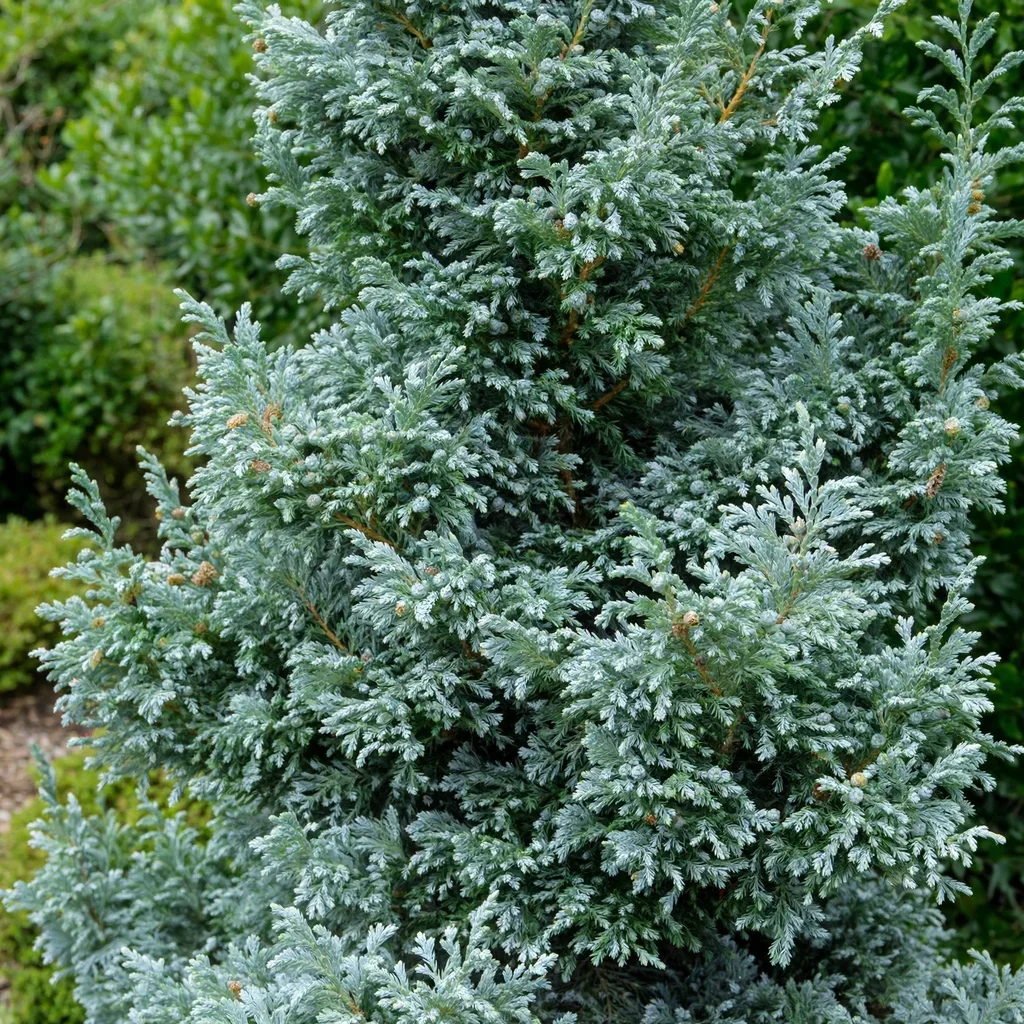
Blue Nootka Cypress
Chamaecyparis nootkatensis 'Glauca'
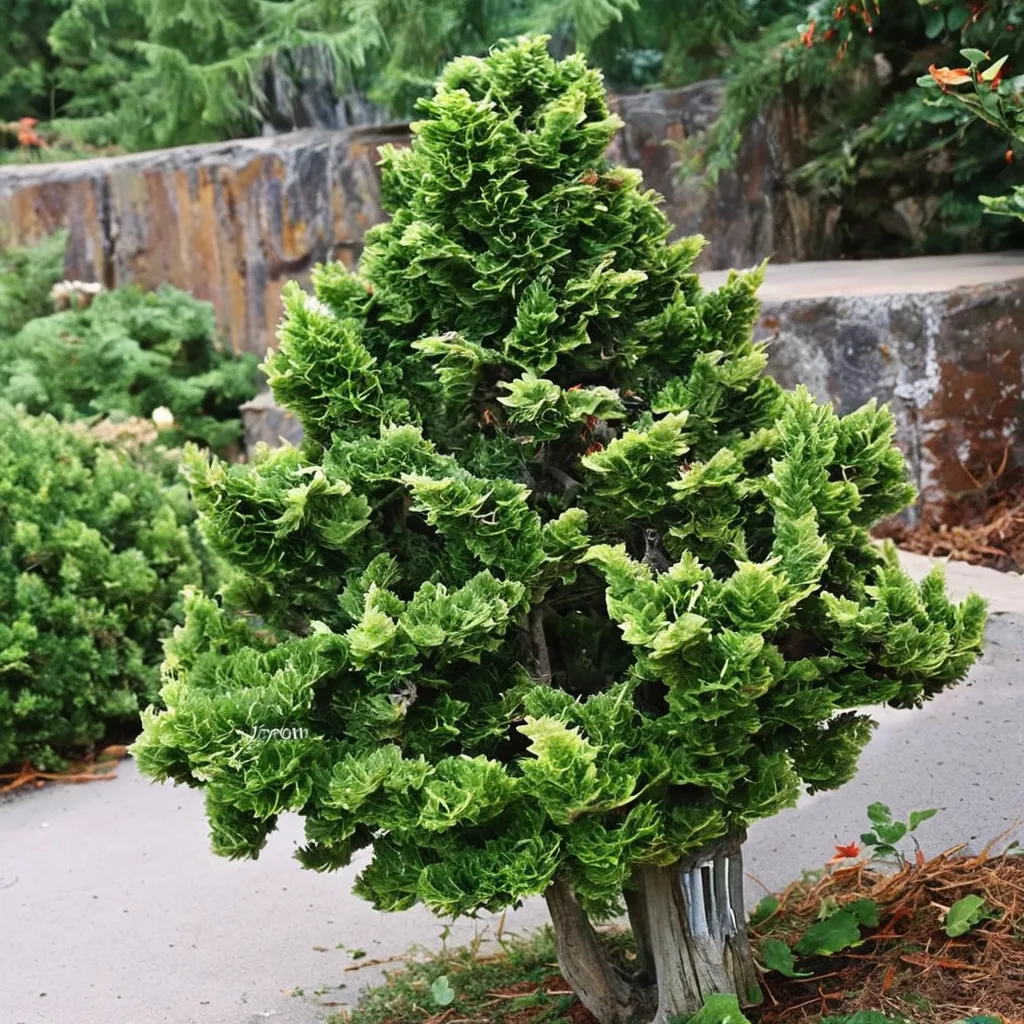
Nana Gracilis Dwarf Hinoki Cypress
Chamaecyparis obtusa 'Nana Gracilis'
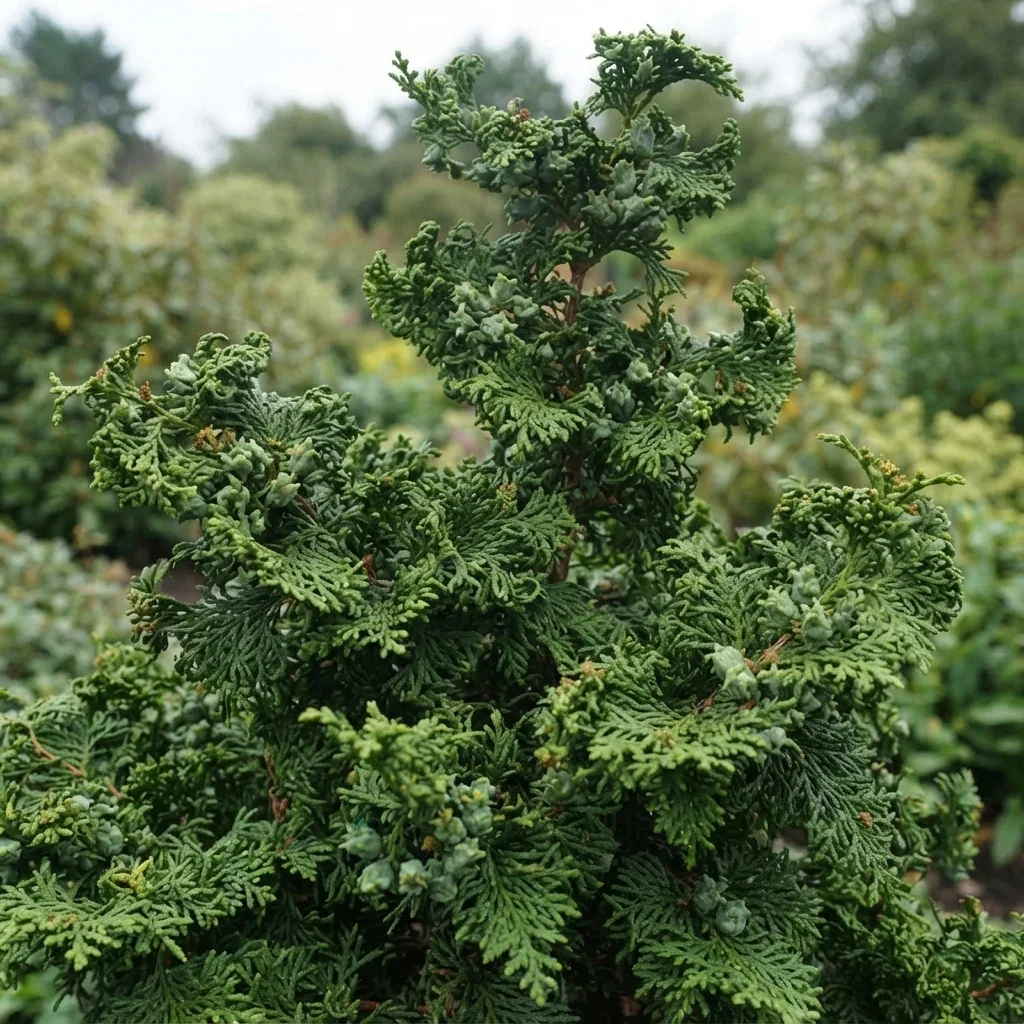
Kosteri Hinoki Cypress
Chamaecyparis obtusa 'Kosteri'
Keep exploring
Explore the genus
Grow Atlantic White Cedar with confidence
See it in a design of your actual yard, get zone-matched care reminders, and track it season by season in your garden journal.