1 named cultivar
The Story
Plant Bio
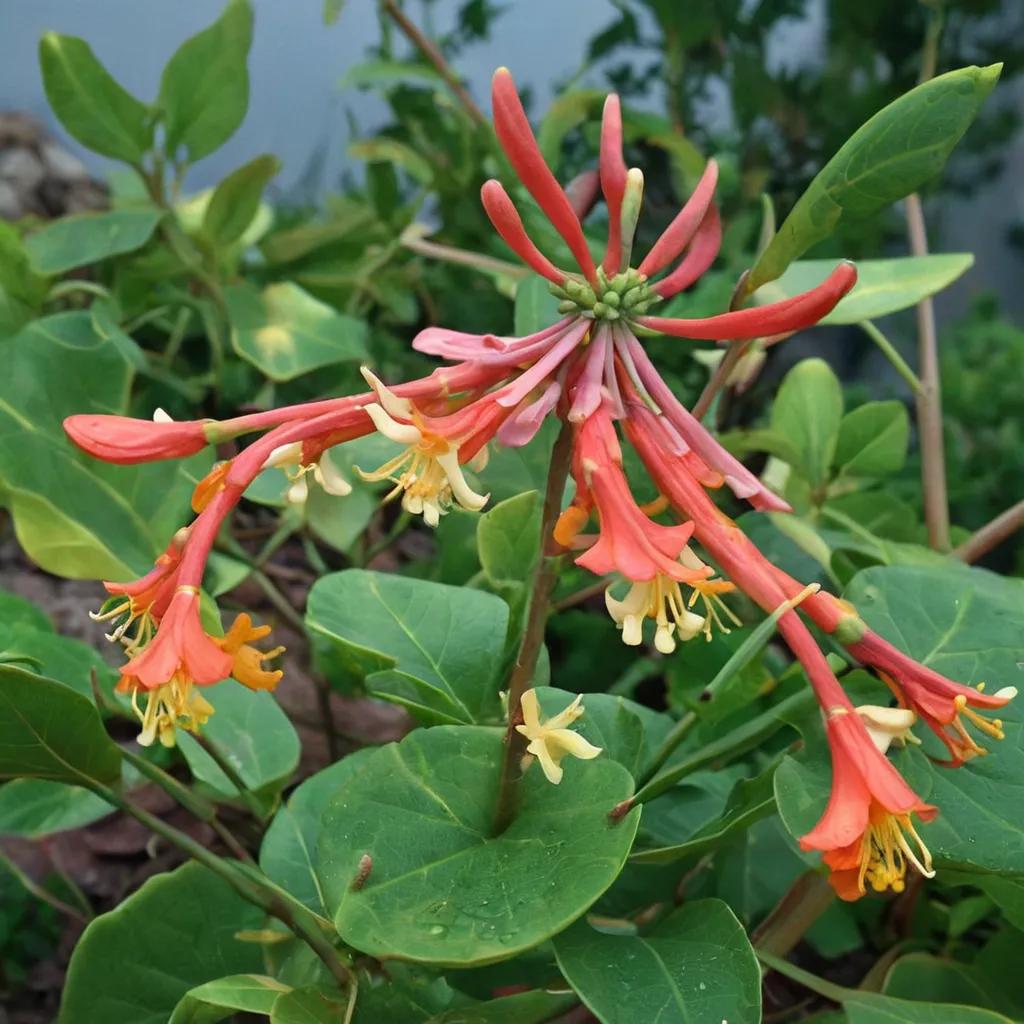
Lonicera x brownii, scarlet trumpet honeysuckle, is a twining deciduous to semi-evergreen vine bred from Lonicera sempervirens and L. hirsuta, climbing eight to twelve feet and spreading six to ten. Waxy blue-green leaves fuse into a disc directly below each flower spike, and orange to scarlet tubular flowers one to three inches long open through summer.
It carries the hummingbird-drawing scarlet trumpets of the native coral honeysuckle with more cold hardiness, and unlike the invasive Japanese honeysuckle it stays where it is put. NCSU records bees, bumblebees, hummingbirds and songbirds all using it, and it takes black walnut and urban conditions that defeat many climbers.
Uses & Benefits:
Essentials
At a Glance
Plant Type
Vine
Height
144"
Width
96"
Light
Full Sun, Partial Sun
Zones
4, 5, 6, 7, 8, 9
Water
Moderate
Humidity
Moderate
Lifespan
Perennial
Native To
Hybrid of two North American species
Toxicity
Berries toxic if eaten
Planting
How to Grow
- Plant in full sun or partial shade in moist drained soil.
- Provide wires or a trellis; it twines rather than clings.
- Water through the first summer.
- Prune after the main flush to encourage more.
- Thin congested growth to keep airflow.
- Leave some berries for the birds.
Pro Tip
Deadhead the spent spikes after the first flush and the vine flowers again — left alone it sets berries and stops.
Keep It Thriving
Care Guide
Do
- Give it wires or a trellis 🪜
- Deadhead after the first flush ✂️
- Thin congested growth 🌿
- Leave late berries for birds 🐦
Don't
- Expect it to cling to bare walls ❌
- Let it tangle unthinned ❌
- Let children eat the berries ❌
Seasonal Care Calendar
| Task | Jan | Feb | Mar | Apr | May | Jun | Jul | Aug | Sep | Oct | Nov | Dec |
|---|---|---|---|---|---|---|---|---|---|---|---|---|
| Enjoy | ||||||||||||
| Prune |
Watch Out For
Pests & Diseases
Common Pests
Common Diseases
In the Garden
Landscape Uses & Companions
Landscape Uses
Multiply
Propagation Methods
Good to Know
Common Questions
Scarlet Trumpet Honeysuckle questions
What zones can Scarlet Trumpet Honeysuckle grow in?
Scarlet Trumpet Honeysuckle is hardy in USDA Zones 4–9. Inside that range it survives winter in the ground; outside it, grow it as an annual or a container plant you protect.
Is Scarlet Trumpet Honeysuckle deer resistant?
Yes — Scarlet Trumpet Honeysuckle is rated deer-resistant. Deer typically pass it over, though extreme hunger can override any plant's defenses.
When does Scarlet Trumpet Honeysuckle bloom?
Scarlet Trumpet Honeysuckle typically blooms in summer through late fall. Exact timing shifts a week or two with your zone — Sow's bloom calendar maps it to your garden.
Does Scarlet Trumpet Honeysuckle need full sun?
Scarlet Trumpet Honeysuckle does best in full sun to part shade. In hot climates, afternoon shade keeps blooms fresher longer.
More Lonicera to compare
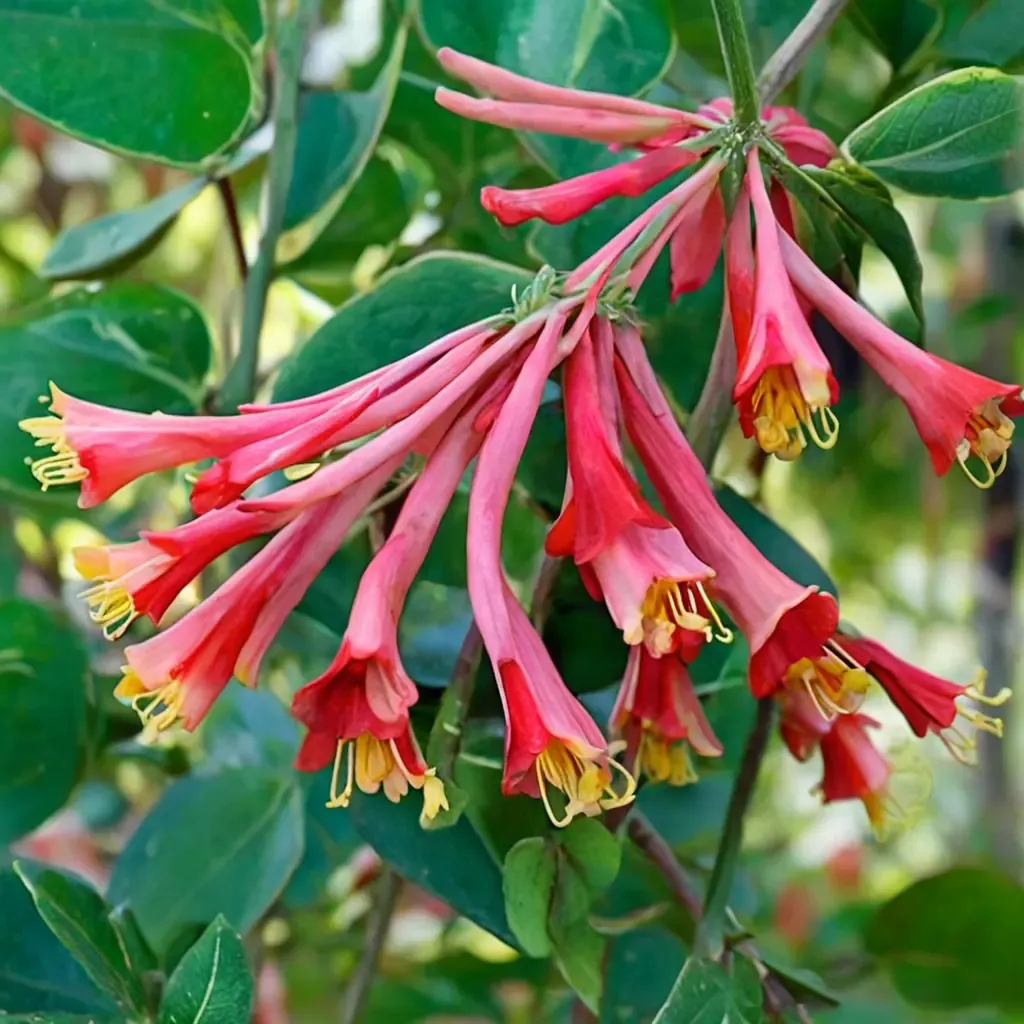
Coral Honeysuckle
Lonicera sempervirens 'Coral Honeysuckle'
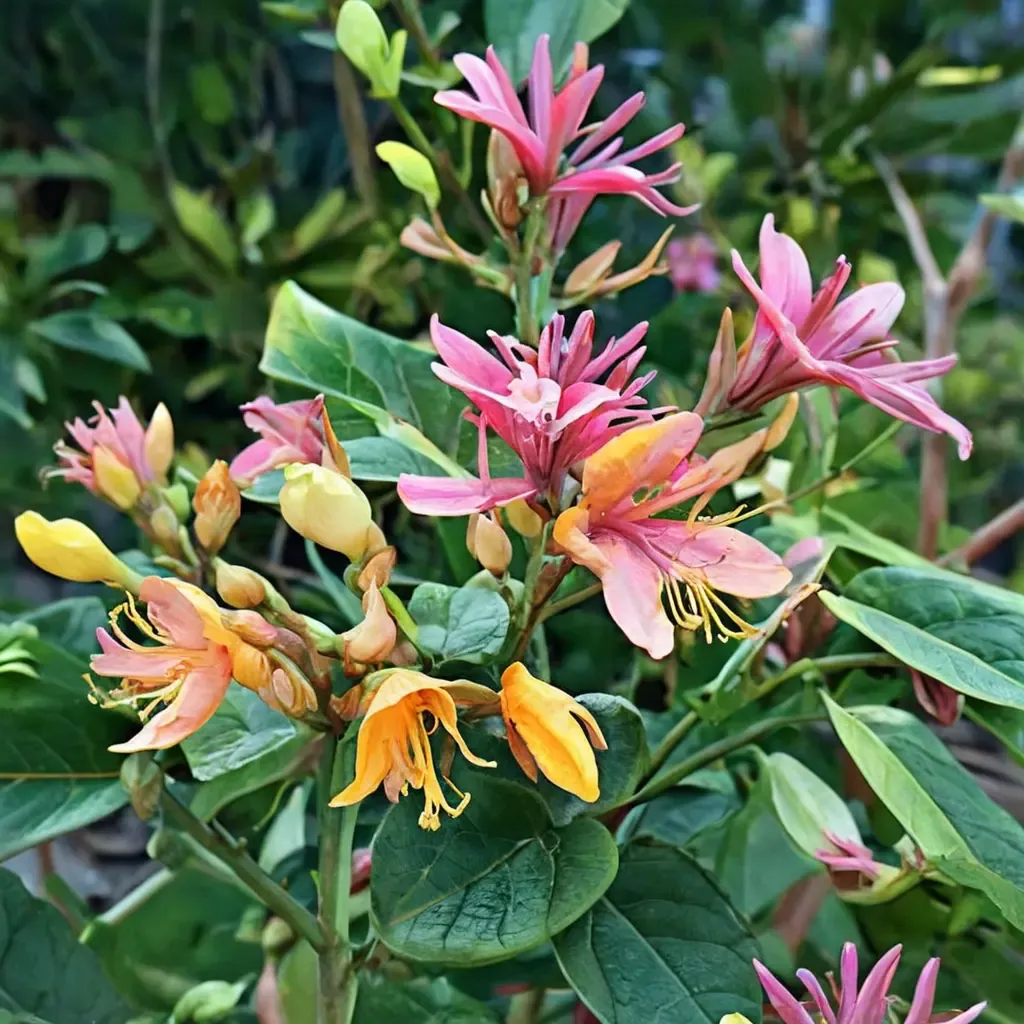
Goldflame Honeysuckle
Lonicera x heckrottii 'Goldflame'
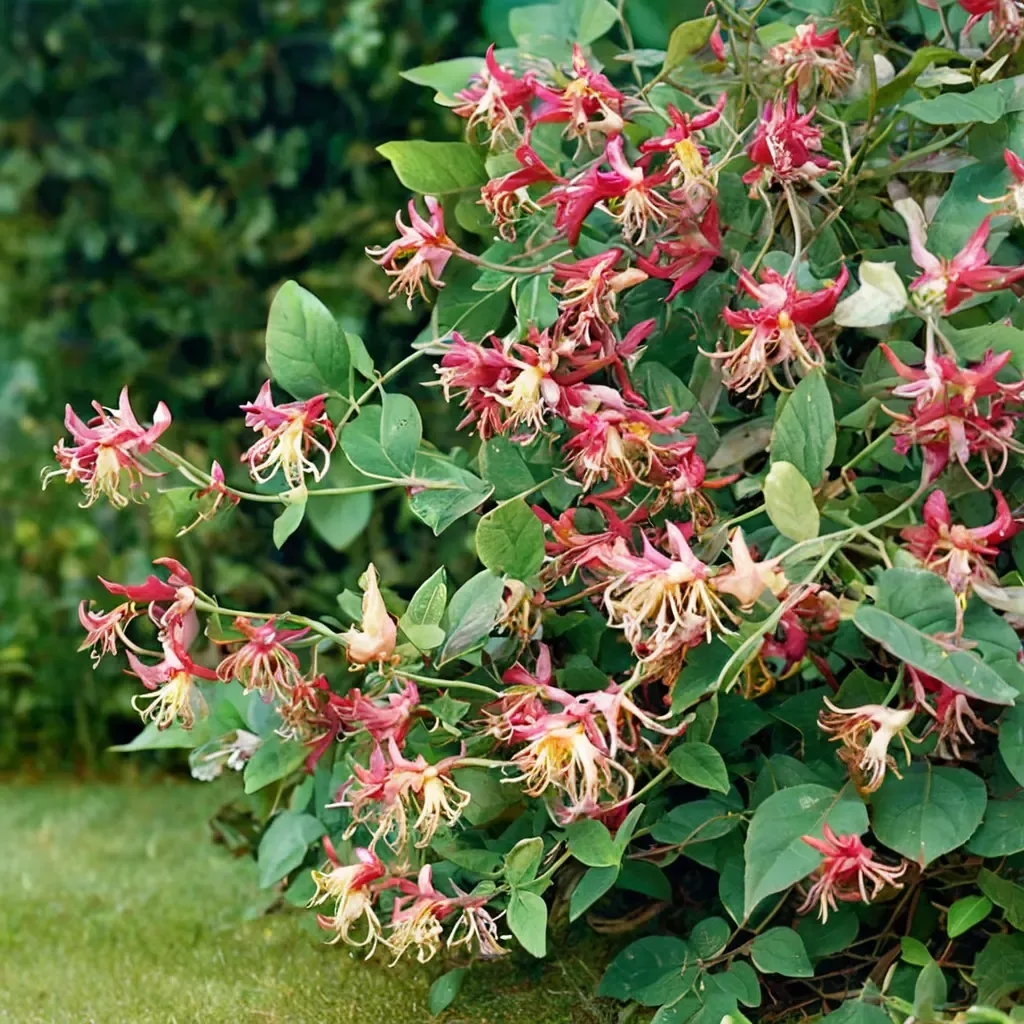
Late Dutch Honeysuckle
Lonicera serotina
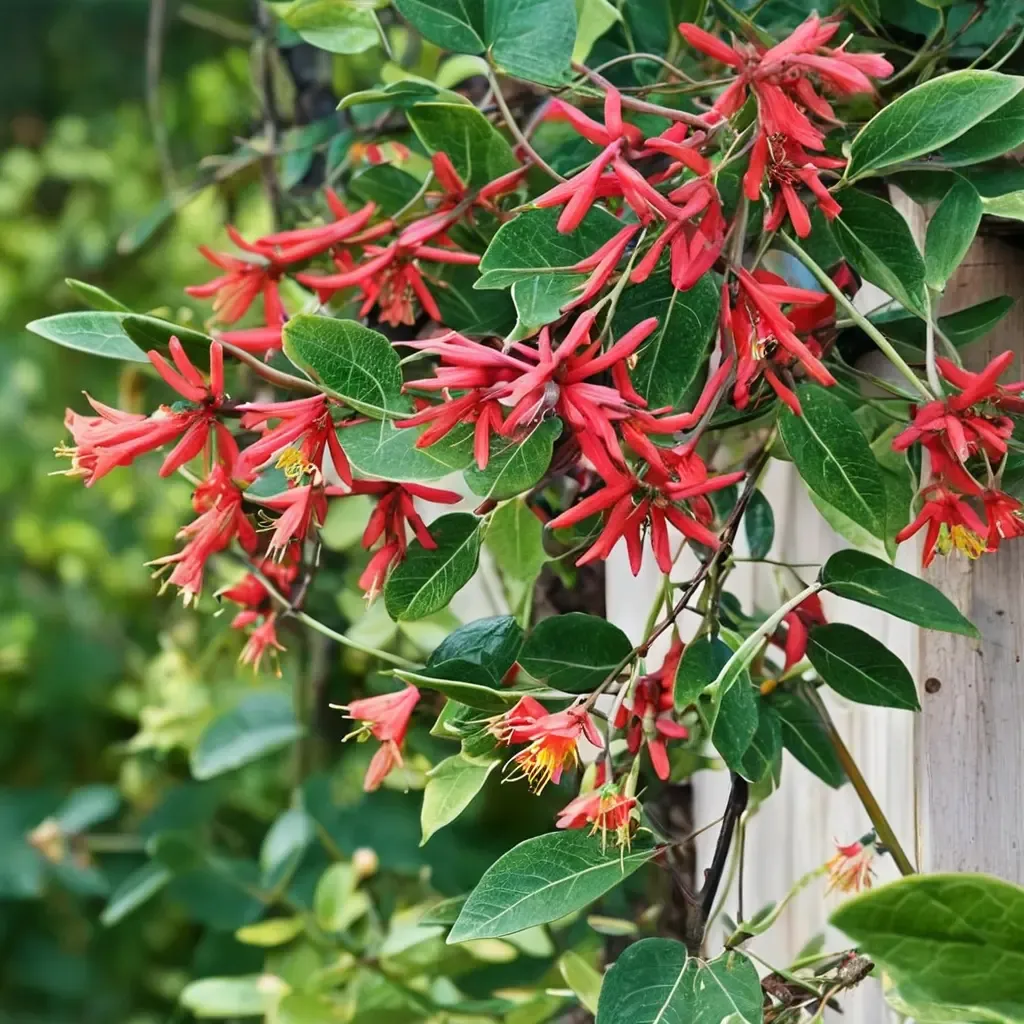
Major Wheeler honeysuckle
Lonicera sempervirens 'Major Wheeler'
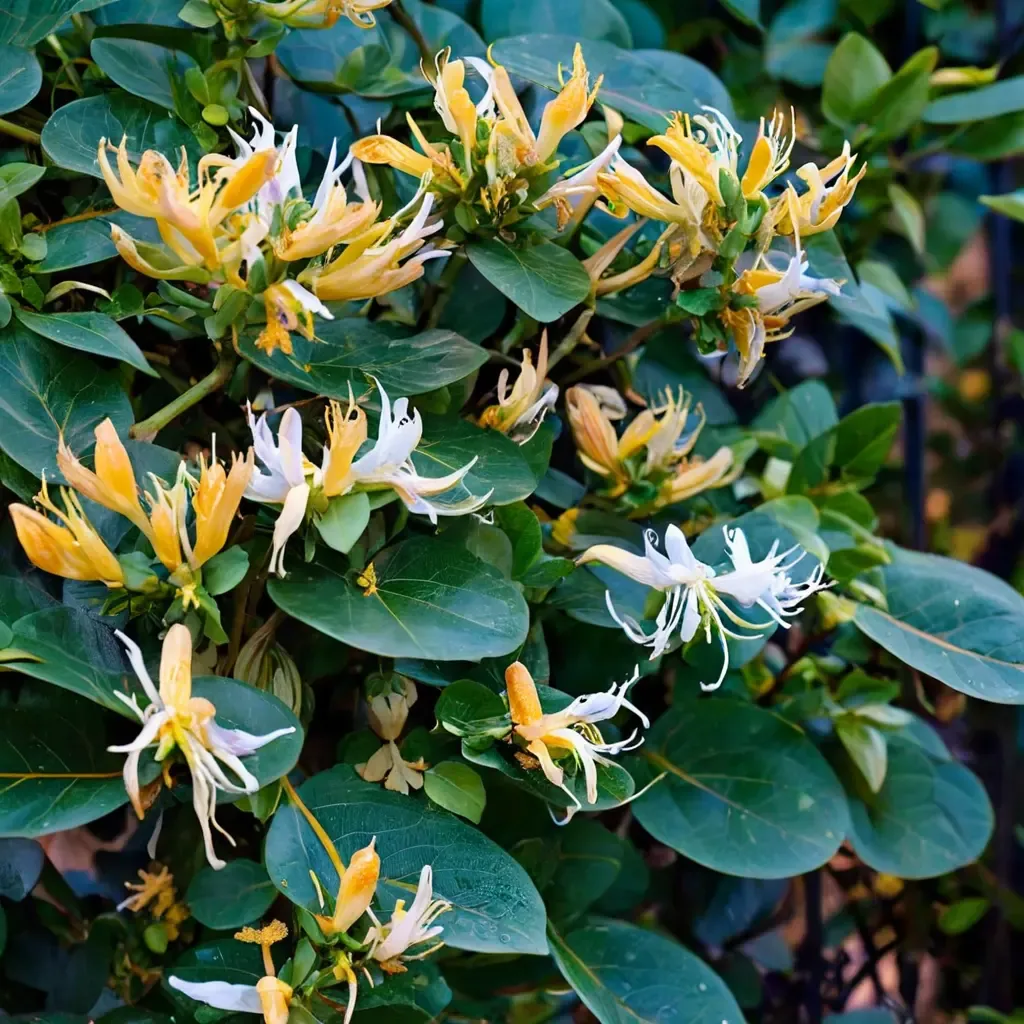
Japanese Honeysuckle
Lonicera japonica
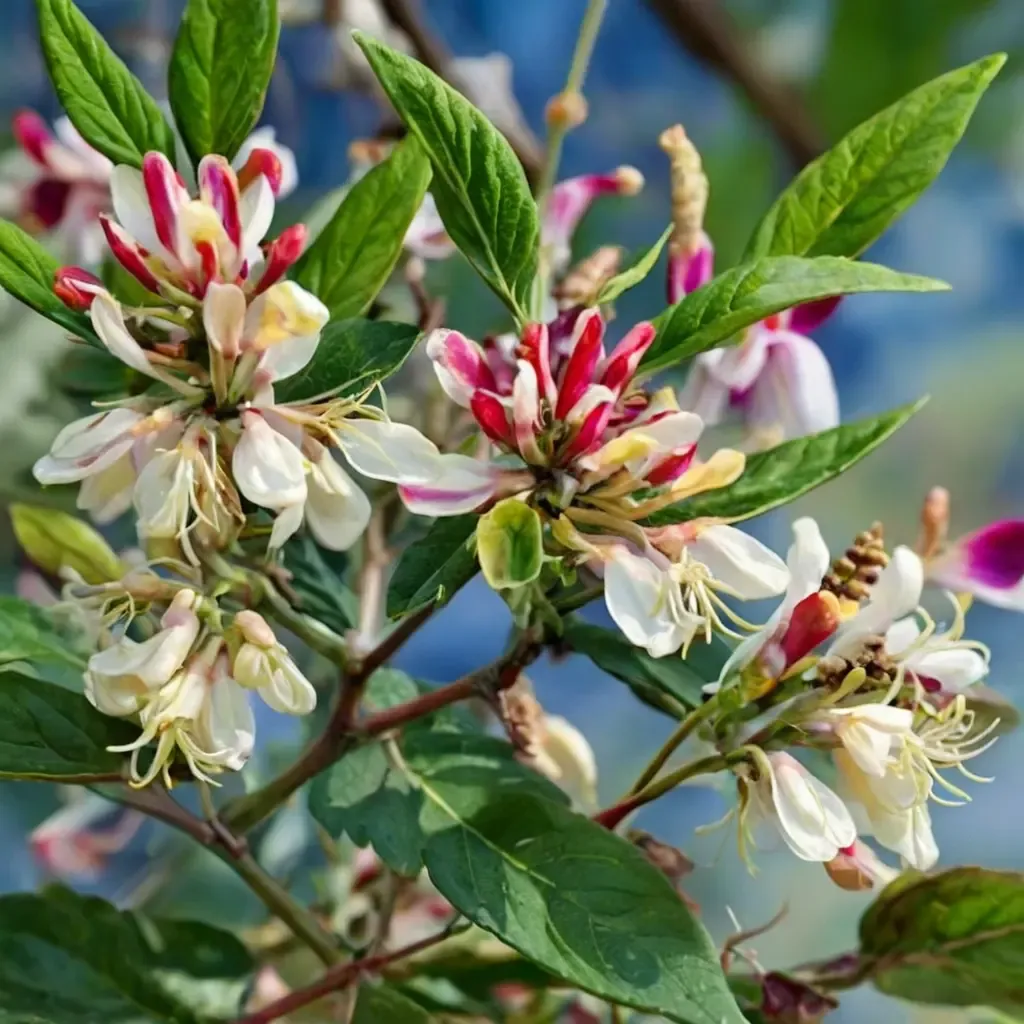
Winter Honeysuckle
Lonicera fragrantissima 'Fragrant Cloud'
Keep exploring
Explore the genus
Grow Scarlet Trumpet Honeysuckle with confidence
See it in a design of your actual yard, get zone-matched care reminders, and track it season by season in your garden journal.