

The Story
Plant Bio
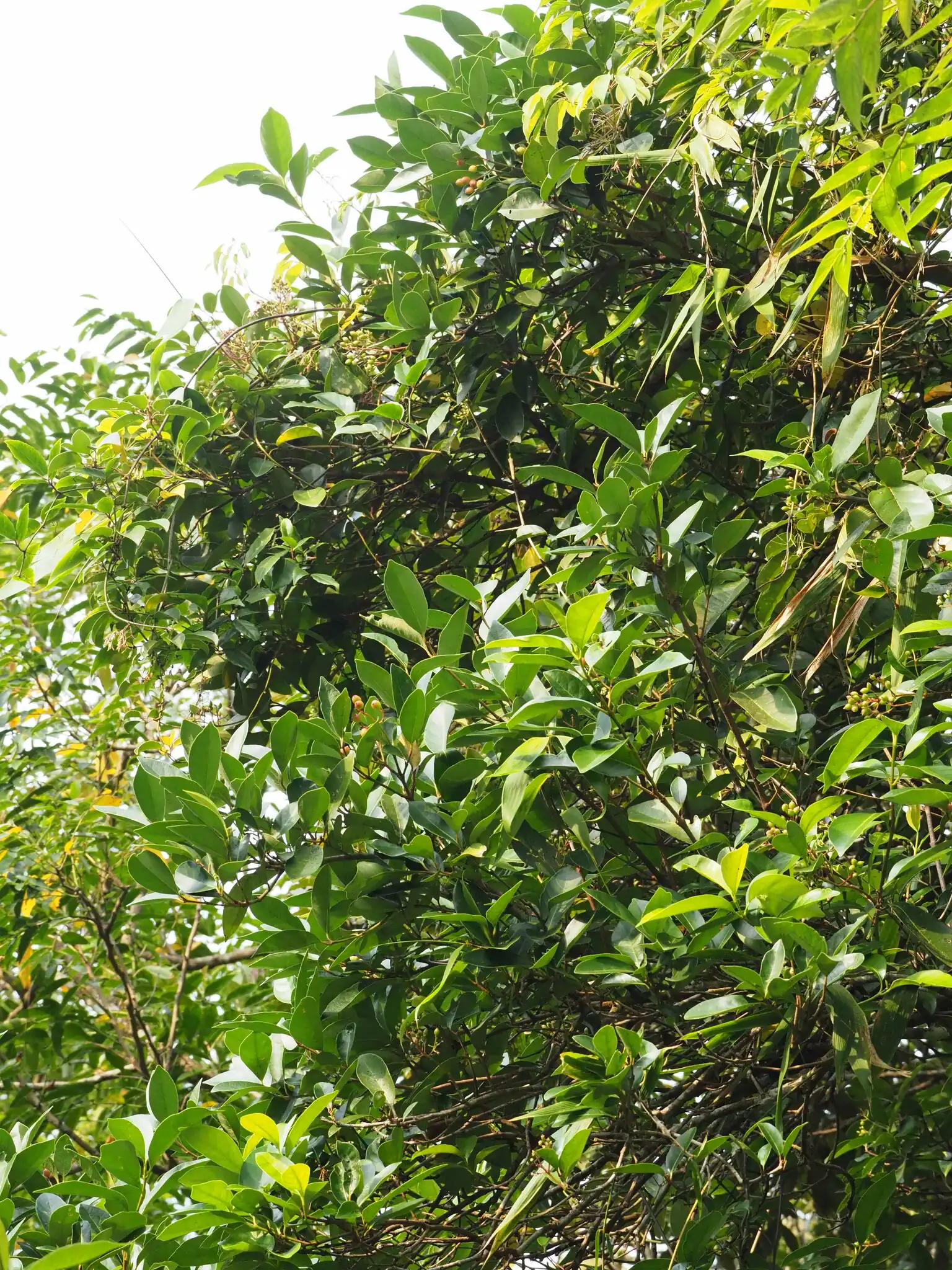
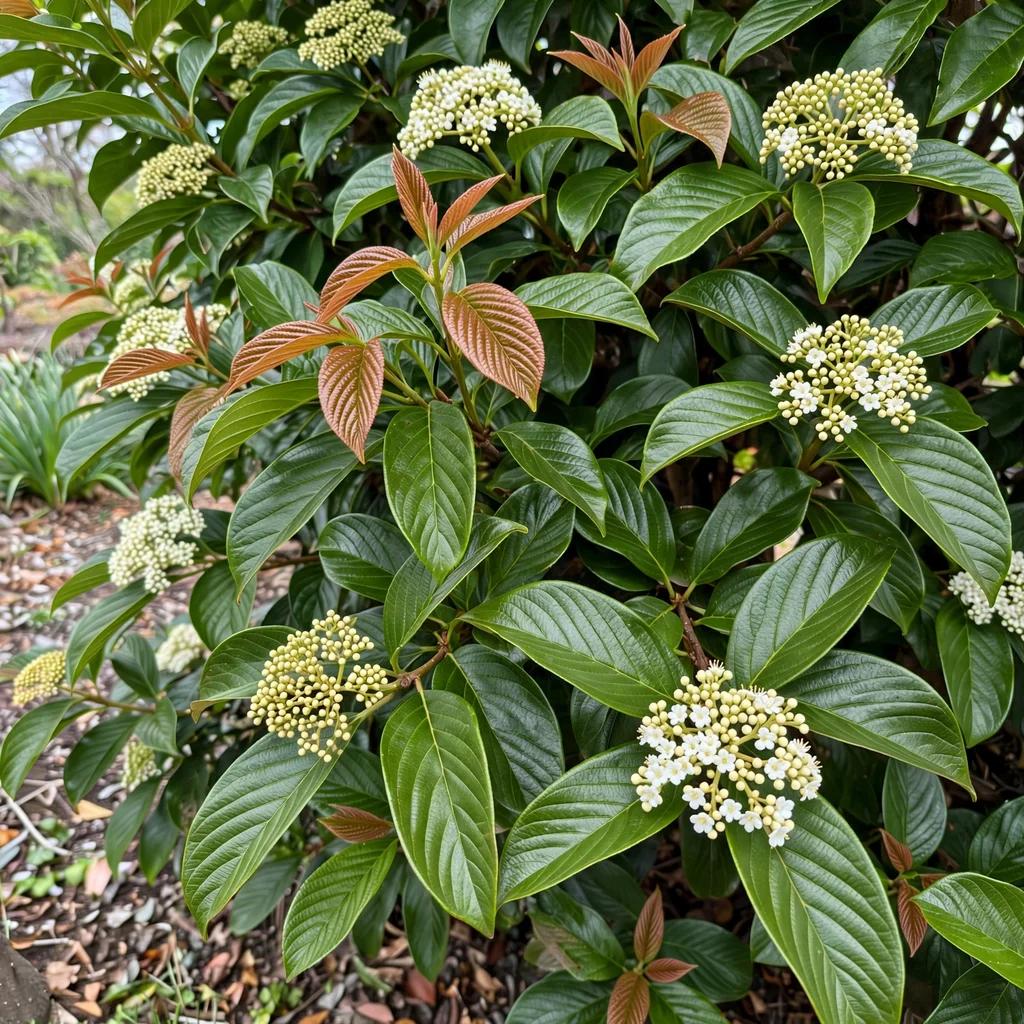
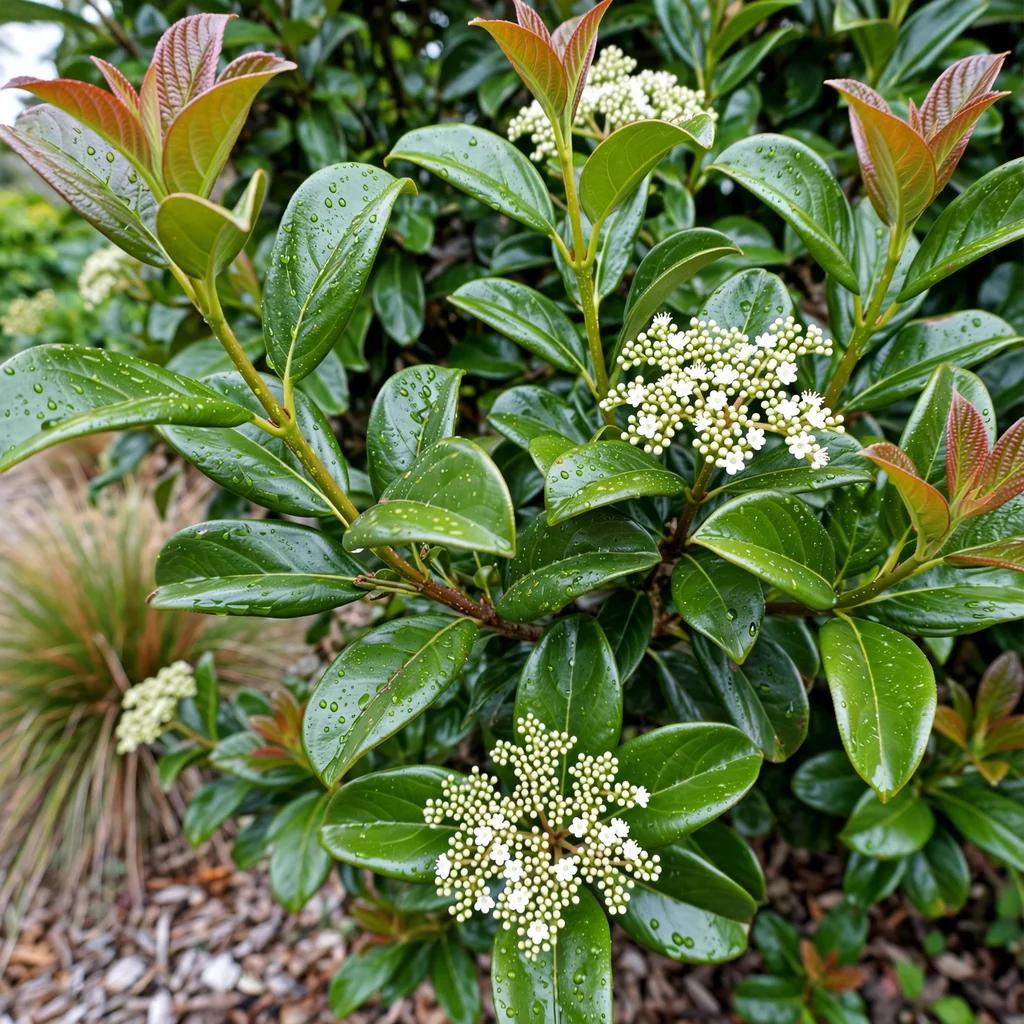
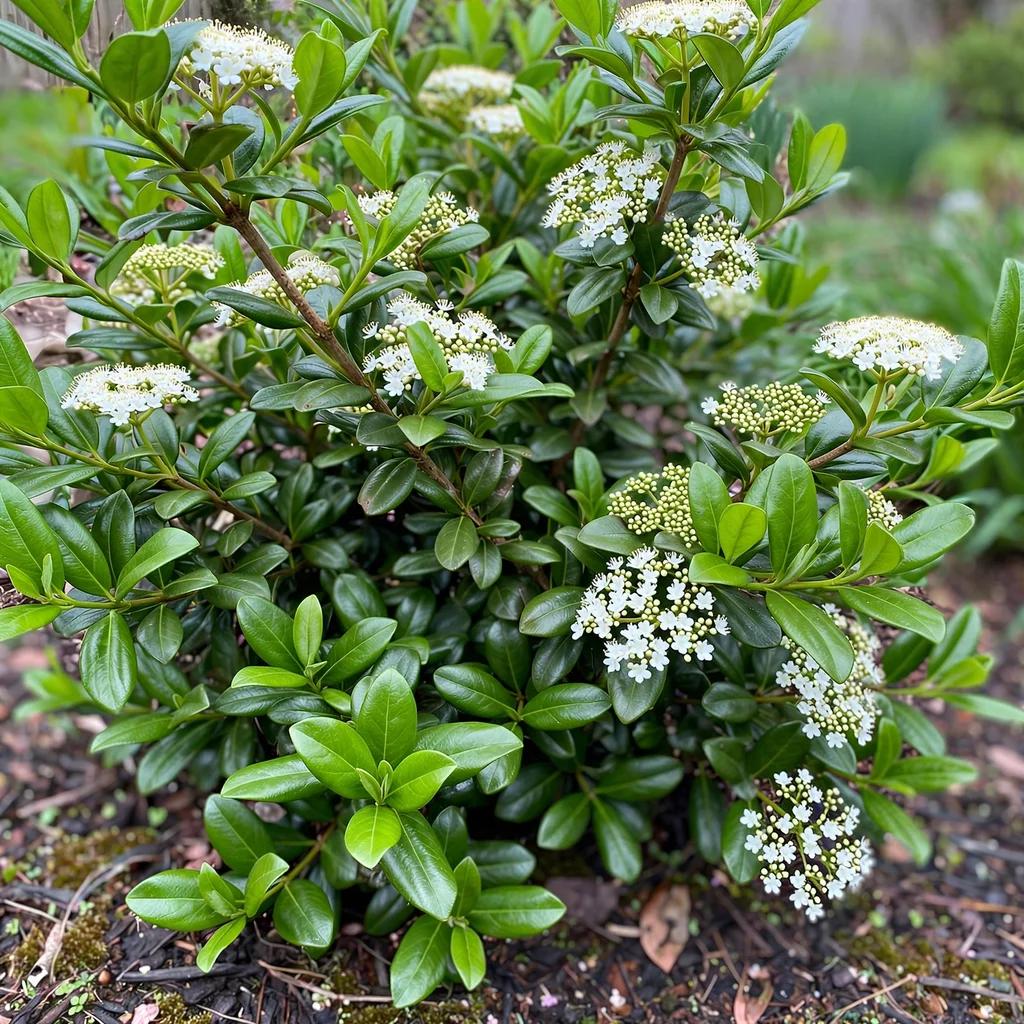
Viburnum odoratissimum, sweet viburnum, is a large dense broadleaf evergreen shrub or small tree from India, China and Taiwan, reaching ten to twenty feet with an equally broad rounded outline. Large leathery olive-green leaves four to eight inches long cover it year round, and conical clusters of small fragrant white flowers open in spring, followed by red to black drupes.
It is the fastest route to a tall solid evergreen screen in the warm South, growing quickly to fifteen feet or more and taking shearing well. Plan for the width, because it is as broad as it is tall. NCSU notes the bark is thin and easily damaged, so keep string trimmers and mowers well away from the base.
Uses & Benefits:
Essentials
At a Glance
Plant Type
Shrub
Height
180"
Width
210"
Light
Full Sun, Partial Sun
Zones
7, 8, 9, 10
Water
Moderate
Humidity
Moderate
Lifespan
Perennial
Native To
India, China and Taiwan
Toxicity
Non-toxic
Planting
How to Grow
- Allow fifteen to twenty feet of width per plant.
- Plant in full sun to partial shade in well-drained soil.
- Water deeply through the first two summers.
- Mulch the root zone, keeping mulch off the stems.
- Keep trimmers and mowers away from the thin bark.
- Shear after flowering if you want a formal screen.
Pro Tip
Space screening plants eight to ten feet apart rather than closer — crowded plants thin at the base, which is where a screen matters most.
Keep It Thriving
Care Guide
Do
- Allow the full width when spacing 📏
- Protect the thin bark from trimmers ⚠️
- Shear after flowering for a formal shape ✂️
- Water deeply while establishing 💧
Don't
- Plant it in a narrow bed ❌
- Strim or mow close to the trunks ❌
- Expect it to stay a small shrub ❌
Seasonal Care Calendar
| Task | Jan | Feb | Mar | Apr | May | Jun | Jul | Aug | Sep | Oct | Nov | Dec |
|---|---|---|---|---|---|---|---|---|---|---|---|---|
| Mulch | ||||||||||||
| Prune |
Watch Out For
Pests & Diseases
Common Pests
Common Diseases
In the Garden
Landscape Uses & Companions
Landscape Uses
Companion Plants
Multiply
Propagation Methods
Good to Know
Common Questions
Sweet Viburnum questions
What zones can Sweet Viburnum grow in?
Sweet Viburnum is hardy in USDA Zones 7–10. Inside that range it survives winter in the ground; outside it, grow it as an annual or a container plant you protect.
Is Sweet Viburnum deer resistant?
Yes — Sweet Viburnum is rated deer-resistant. Deer typically pass it over, though extreme hunger can override any plant's defenses.
When does Sweet Viburnum bloom?
Sweet Viburnum typically blooms in spring through early summer. Exact timing shifts a week or two with your zone — Sow's bloom calendar maps it to your garden.
Does Sweet Viburnum need full sun?
Sweet Viburnum does best in full sun to part shade. In hot climates, afternoon shade keeps blooms fresher longer.
Is Sweet Viburnum drought tolerant?
Yes — once established (usually after the first full season), Sweet Viburnum handles dry spells with minimal watering. Water deeply its first year to build the root system that makes that possible.
More Viburnum to compare
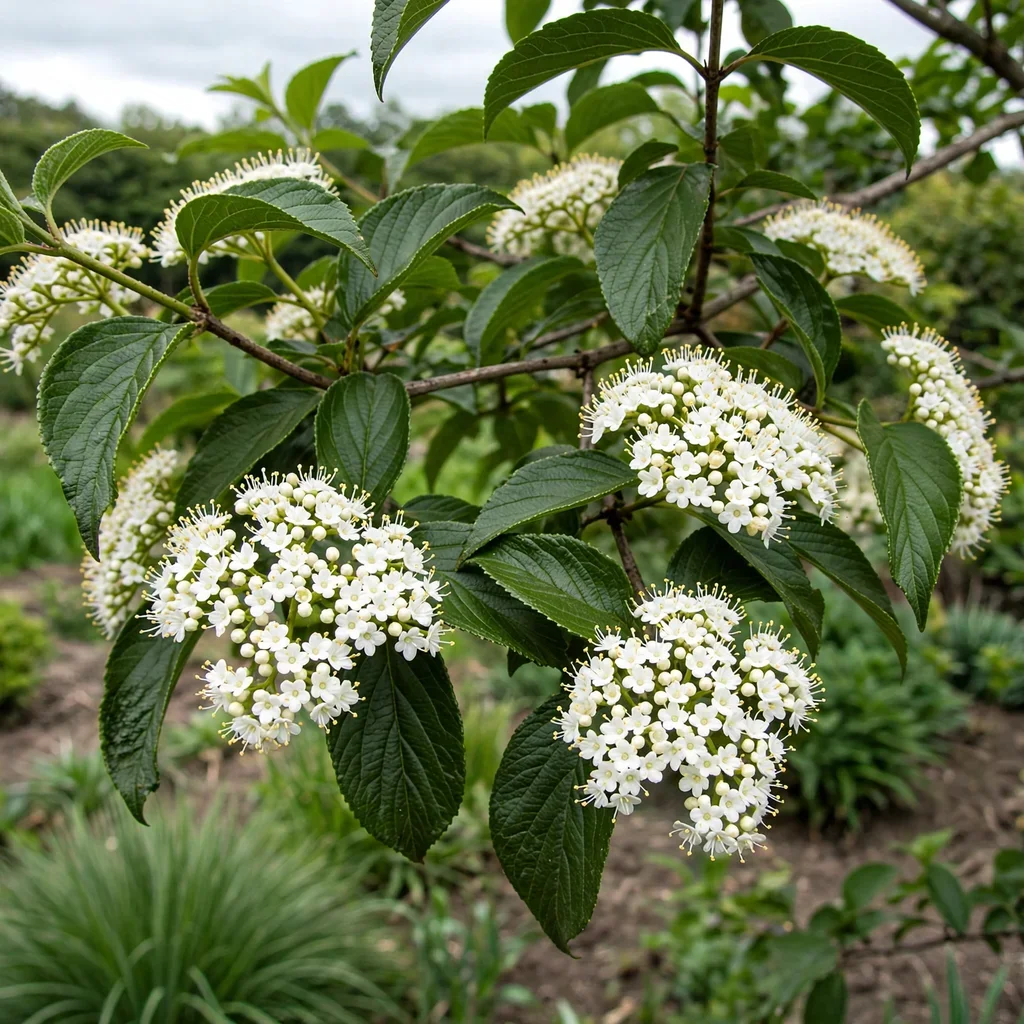
Nannyberry
Viburnum lentago
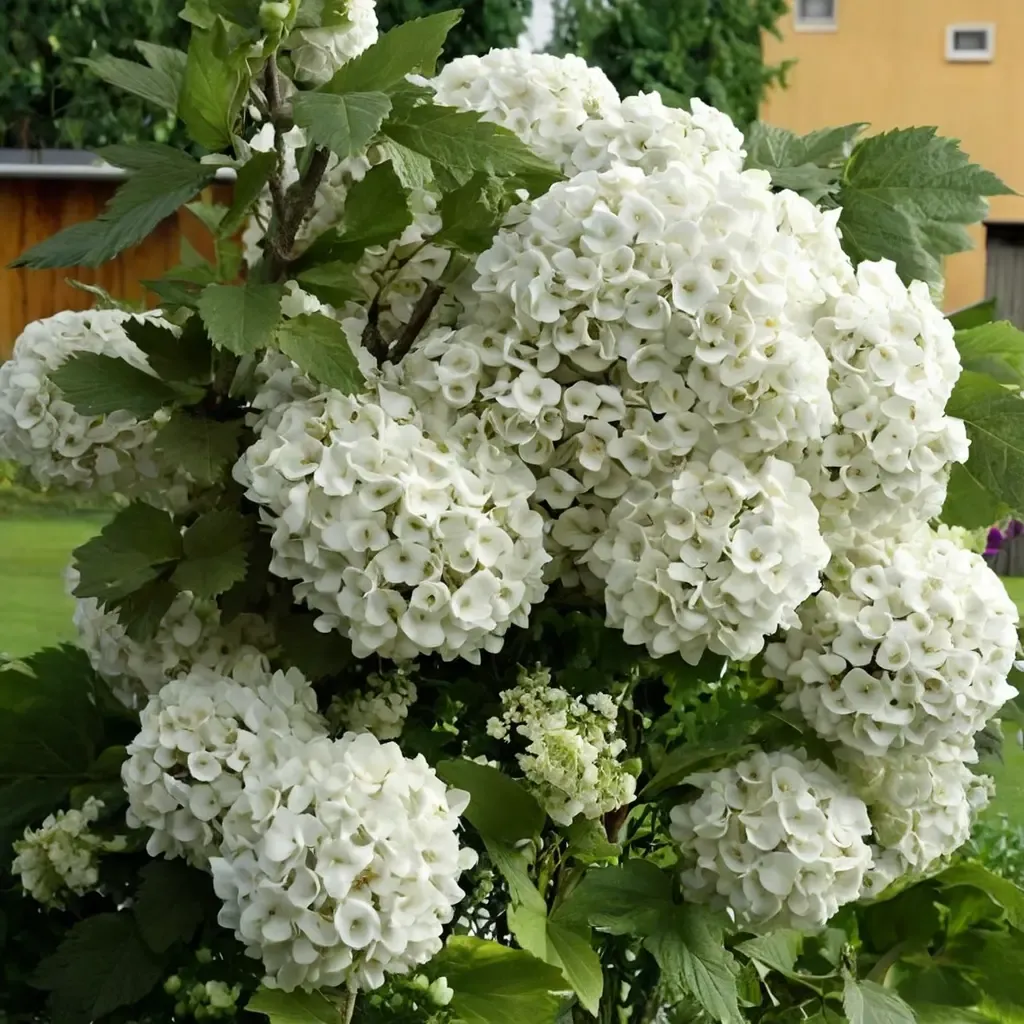
Snowball Viburnum
Viburnum opulus 'Sterile'
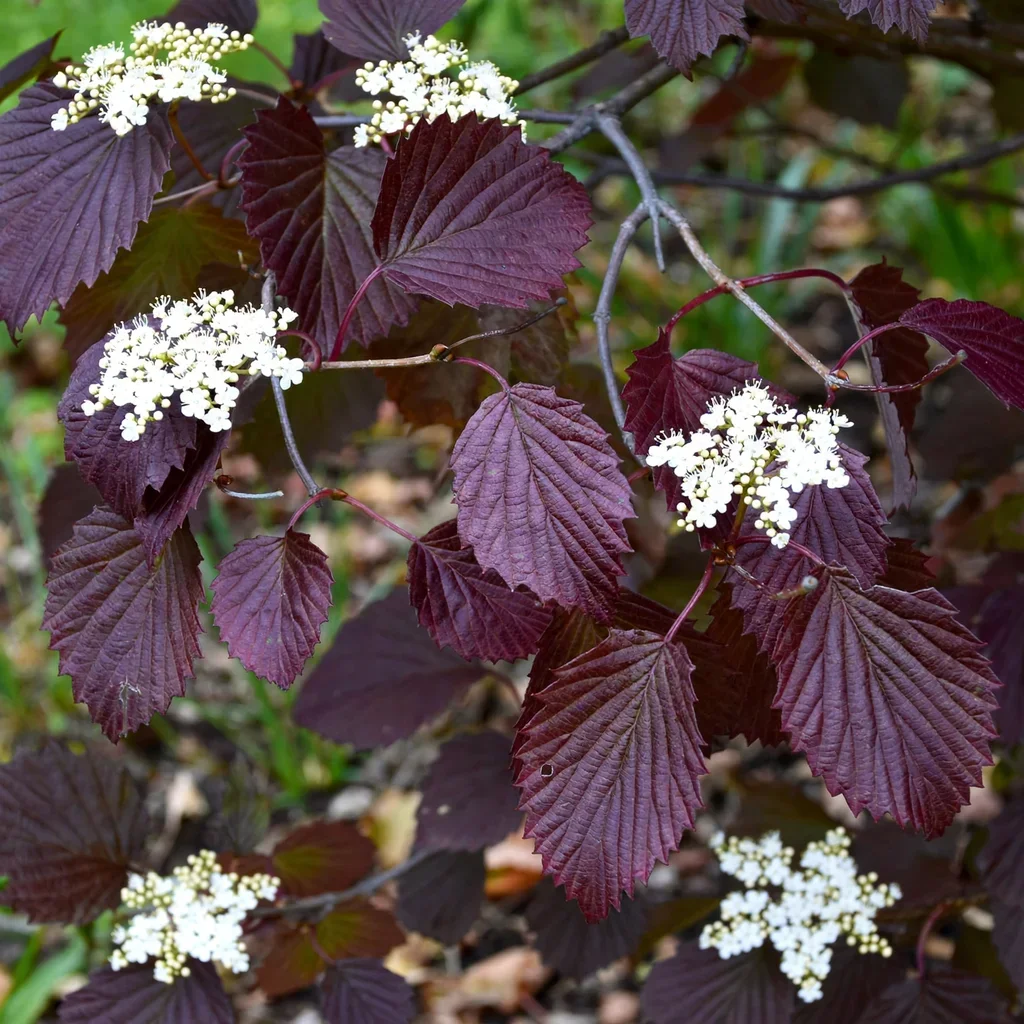
Autumn Jazz Arrowwood
Viburnum dentatum 'Autumn Jazz'
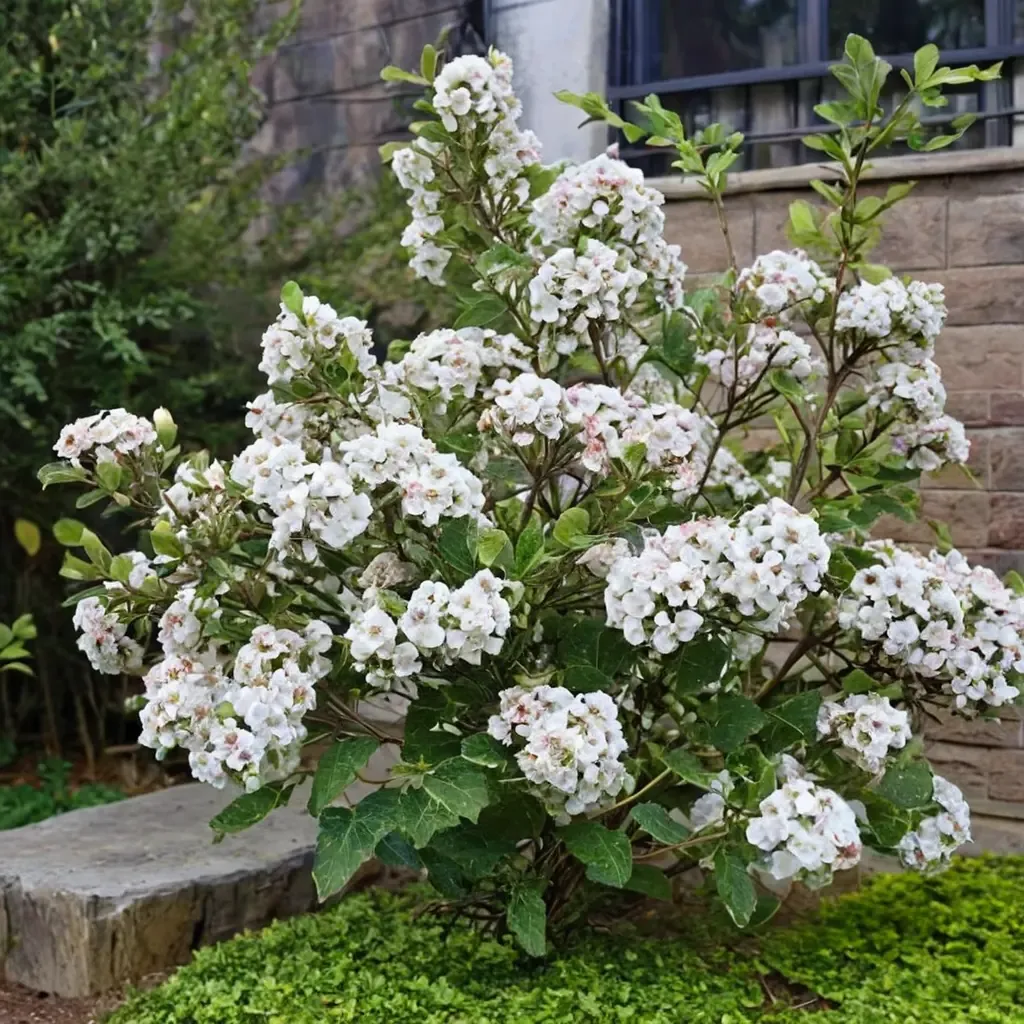
Korean spice viburnum
Viburnum carlesii
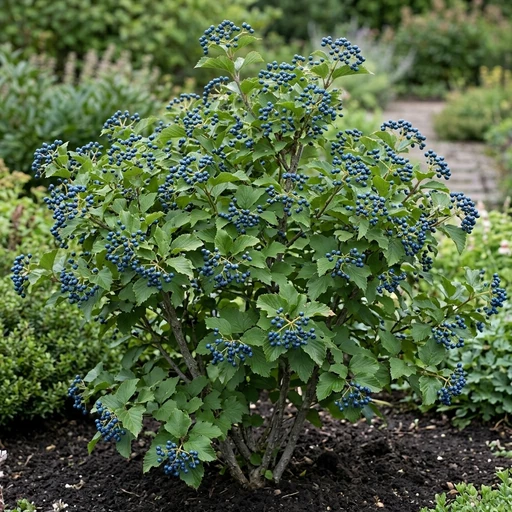
Blue Muffin Viburnum
Viburnum dentatum 'Christom'
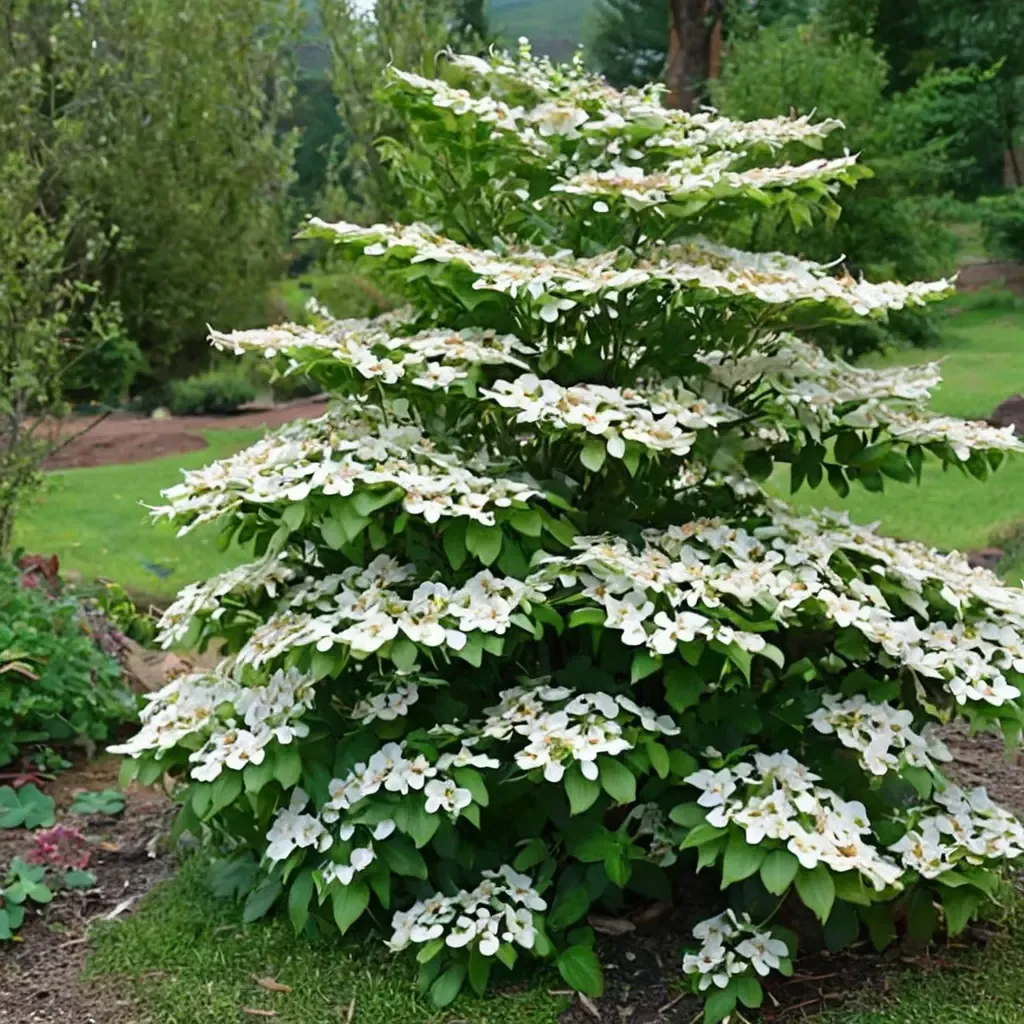
Mariesii Japanese Snowball
Viburnum plicatum 'Mariesii'
Keep exploring
Explore the genus
Hardy in your zone?
Grow Sweet Viburnum with confidence
See it in a design of your actual yard, get zone-matched care reminders, and track it season by season in your garden journal.