The Story
Plant Bio
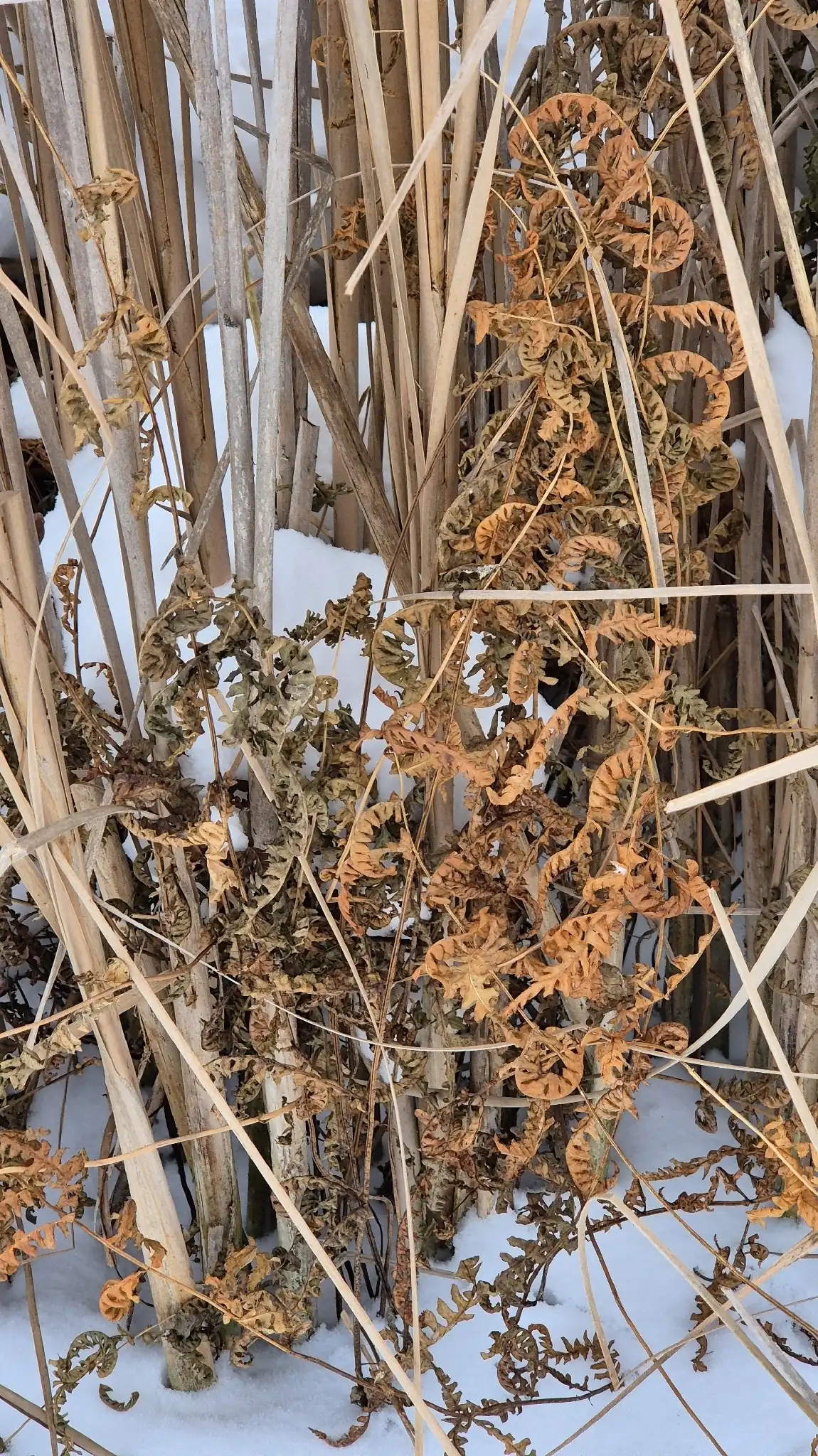
Thelypteris palustris, commonly known as marsh fern, is a deciduous herbaceous fern native to wet habitats across eastern North America and Eurasia. It spreads indefinitely via slender, creeping underground rhizomes, producing light green, finely divided fronds that stand erect or slightly arching.
Unlike most ferns, this species thrives in full sun provided its roots remain constantly saturated. The delicate, single fronds do not form tight circular crowns, instead rising individually along the creeping rootstock to create a soft, naturalized ground cover.
Uses & Benefits:
Essentials
At a Glance
Plant Type
Fern
Height
40"
Width
36"
Light
Full Sun, Partial Sun
Zones
4, 5, 6, 7, 8
Water
Constantly wet / Saturated
Humidity
High
Lifespan
Perennial
Native To
North America, Eurasia
Toxicity
Non-toxic
Marketplace
Where to Buy
Shipping costs Year-round shipping Free shipping
Planting
How to Grow
- Select a site in full sun to partial shade with constantly wet, boggy, or waterlogged soil.
- Amend sandy or clay soils with generous amounts of organic matter or leaf mold to help retain moisture.
- Plant rhizomes or plugs just below the soil surface in early spring, spacing them to allow for creeping spread.
- Maintain saturated soil conditions year-round, ensuring the site never dries out even temporarily.
Pro Tip
Plant this fern only where the soil remains permanently waterlogged; it will scorch and die if the ground dries out, but thrives in full sun when its roots are fully saturated.
Keep It Thriving
Care Guide
Do
- Keep the soil constantly wet or waterlogged.
- Cut dead fronds back to ground level in late winter before new growth emerges.
- Apply a top-dressing of compost or leaf mold in spring to enrich the soil.
- Use root barriers if planting in confined or formal garden spaces to restrict spreading.
Don't
- Do not allow the soil to dry out at any time.
- Do not cut back living green fronds during the active growing season.
- Do not apply heavy chemical fertilizers, as they are unnecessary in rich organic soils.
- Do not plant in dry, fast-draining garden beds or deep, dry shade.
Seasonal Care Calendar
| Task | Jan | Feb | Mar | Apr | May | Jun | Jul | Aug | Sep | Oct | Nov | Dec |
|---|---|---|---|---|---|---|---|---|---|---|---|---|
| Divide | ||||||||||||
| Mulch | ||||||||||||
| Pest Check | ||||||||||||
| Propagate | ||||||||||||
| Spring Cleanup |
Watch Out For
Pests & Diseases
Common Pests
Common Diseases
In the Garden
Landscape Uses & Companions
Landscape Uses
Companion Plants
Multiply
Propagation Methods
Good to Know
Common Questions
Marsh Fern questions
What zones can Marsh Fern grow in?
Marsh Fern is hardy in USDA Zones 4–8. Inside that range it survives winter in the ground; outside it, grow it as an annual or a container plant you protect.
Is Marsh Fern deer resistant?
Yes — Marsh Fern is rated deer-resistant. Deer typically pass it over, though extreme hunger can override any plant's defenses.
Does Marsh Fern need full sun?
Marsh Fern does best in full sun to part shade. In hot climates, afternoon shade keeps blooms fresher longer.
More Thelypteris to compare
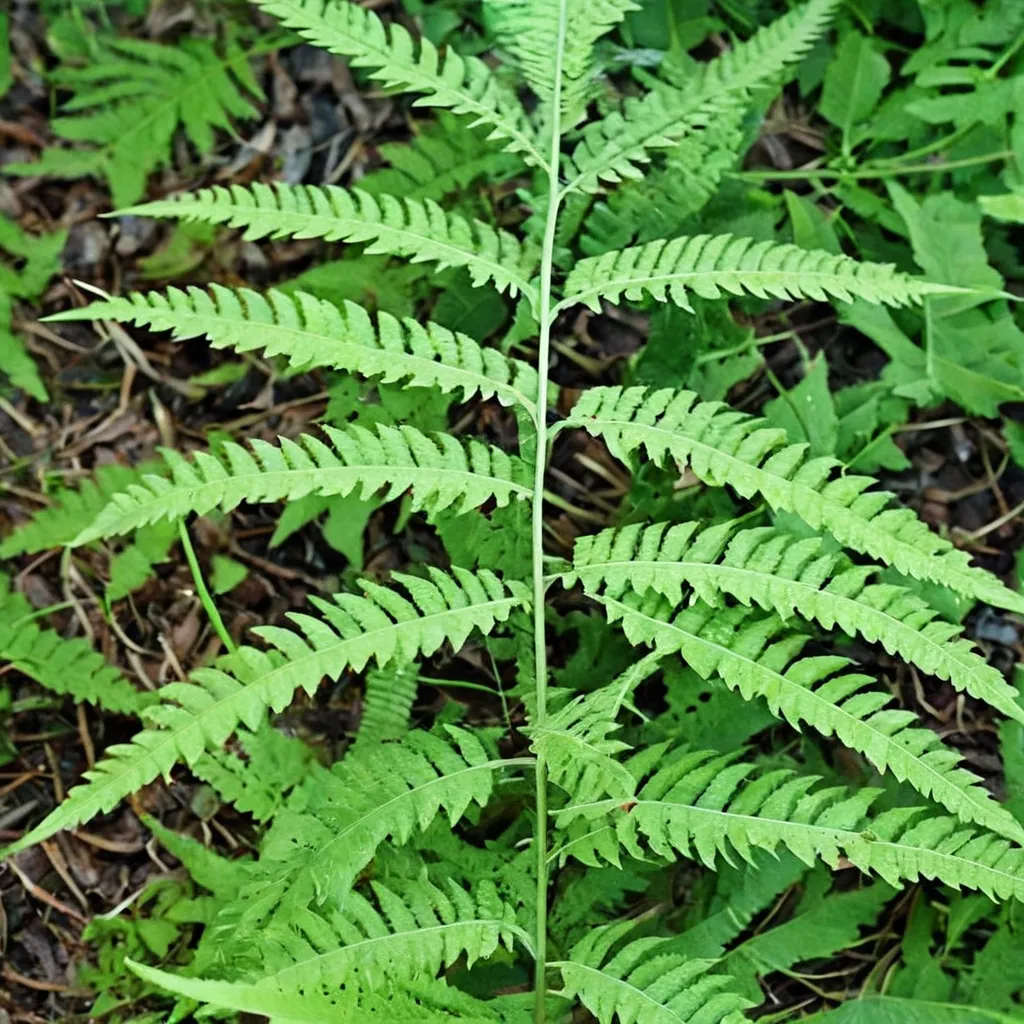
New York Fern
Thelypteris noveboracensis
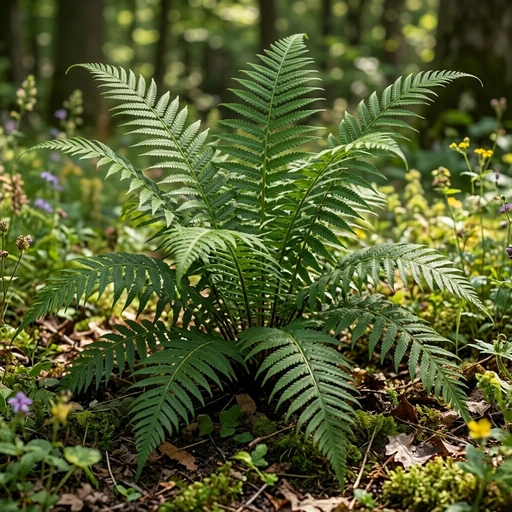
Japanese Beech Fern
Thelypteris decursive-pinnata
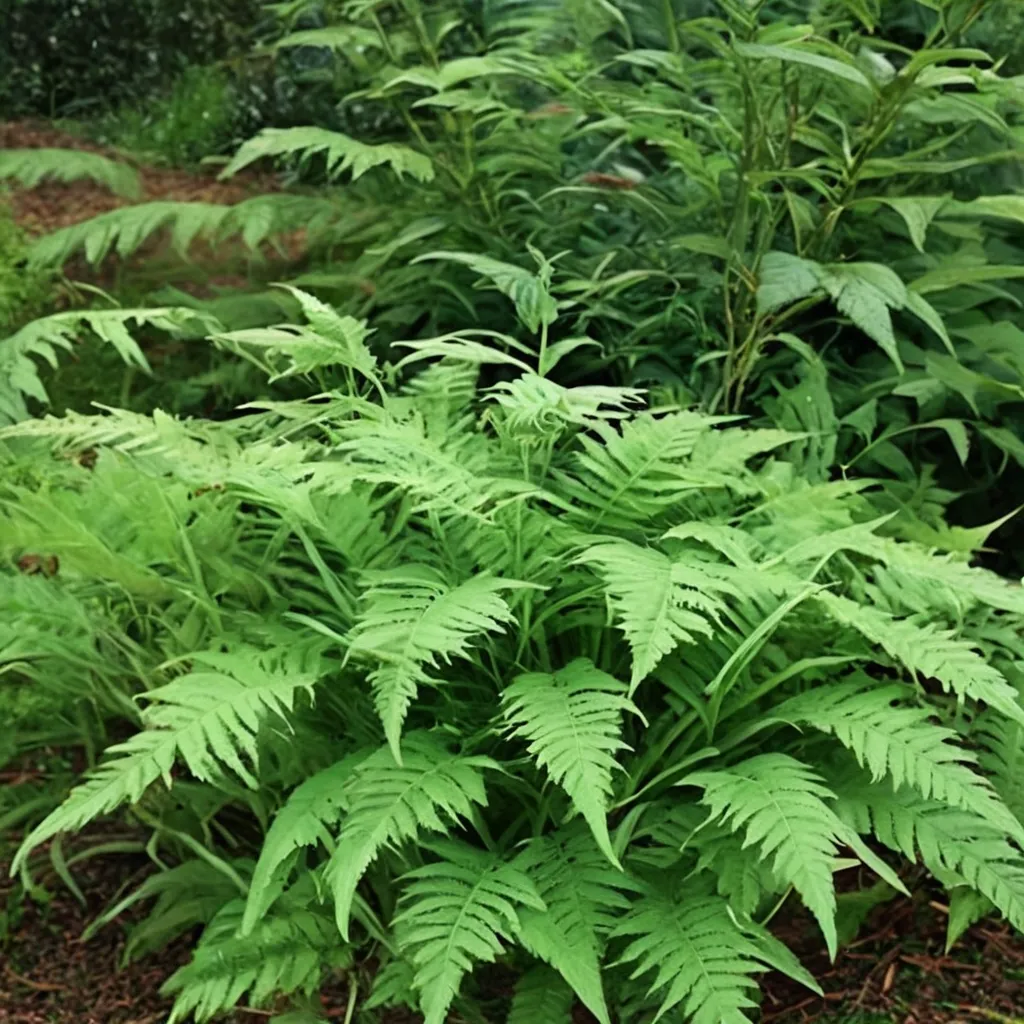
Southern Shield Fern
Thelypteris kunthii
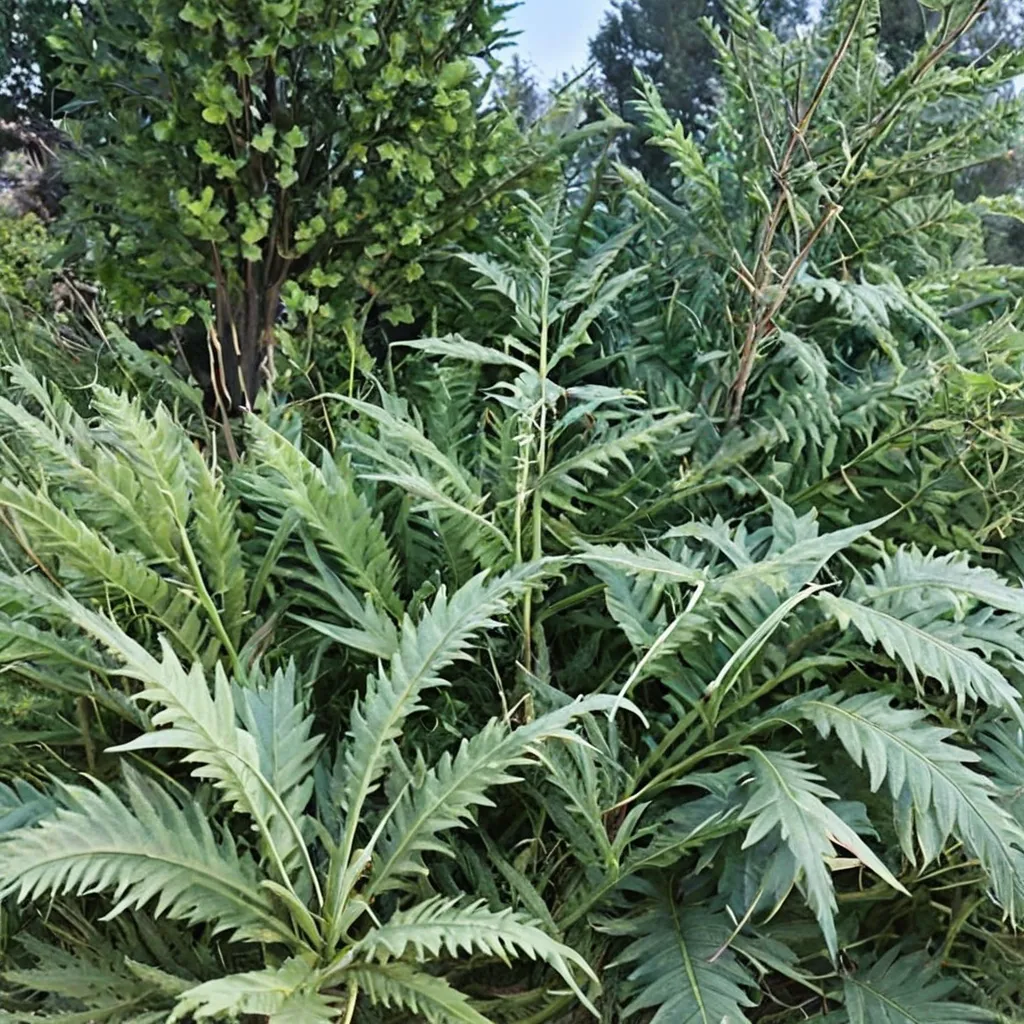
Austin City Limits Southern Shield Fern
Thelypteris ovata 'Austin City Limits'
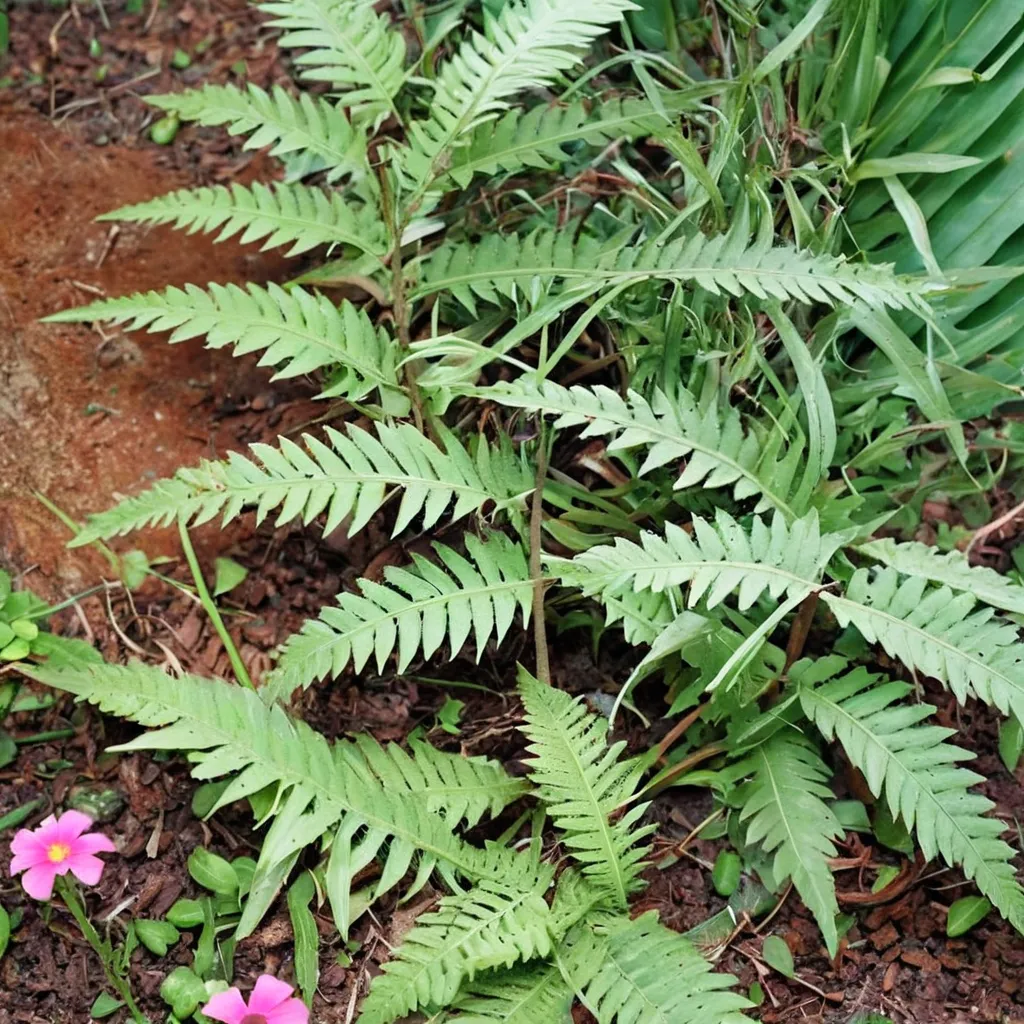
Downy Maiden Fern
Thelypteris dentata
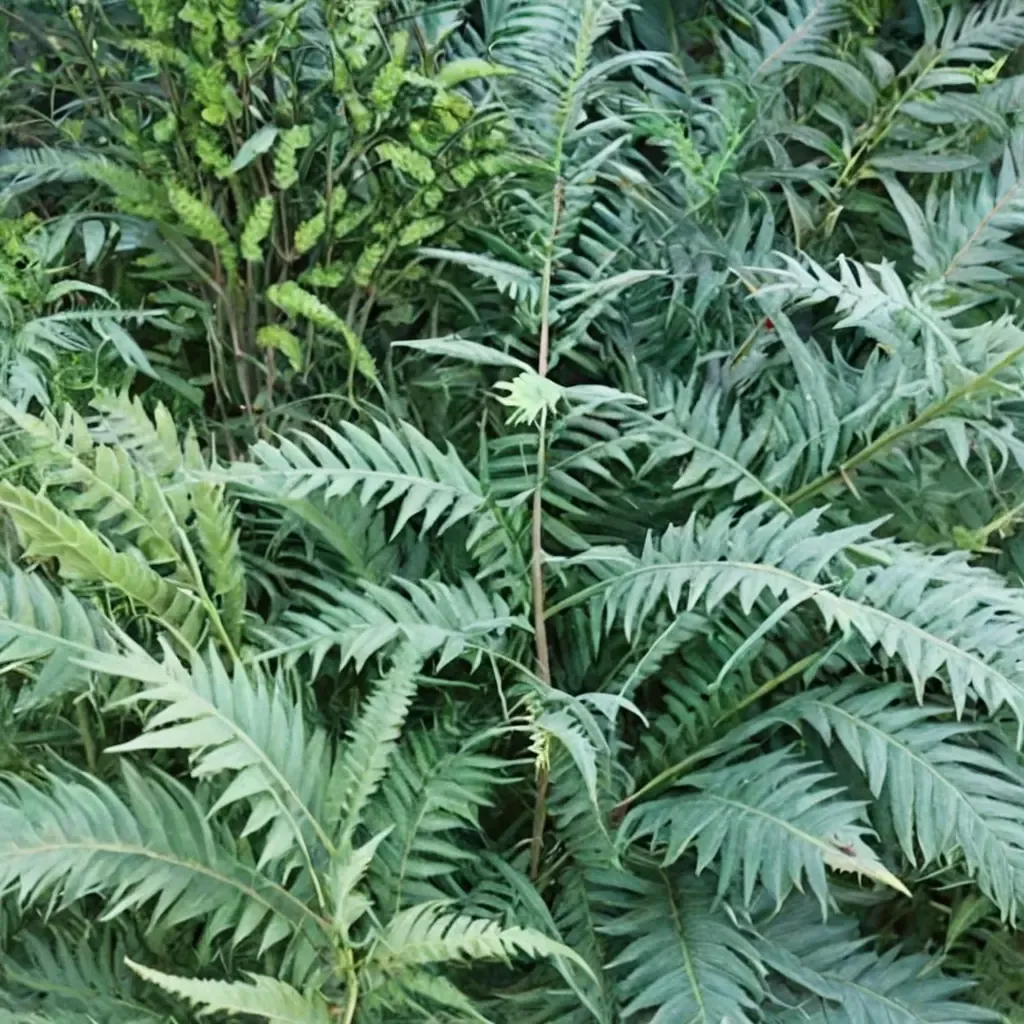
Austin City Limits Fern Lindheimer's Fern
Thelypteris ovata 'lindheimeri 'Austin City Limits''
Keep exploring
Explore the genus
Hardy in your zone?
Grow Marsh Fern with confidence
See it in a design of your actual yard, get zone-matched care reminders, and track it season by season in your garden journal.