The Story
Plant Bio
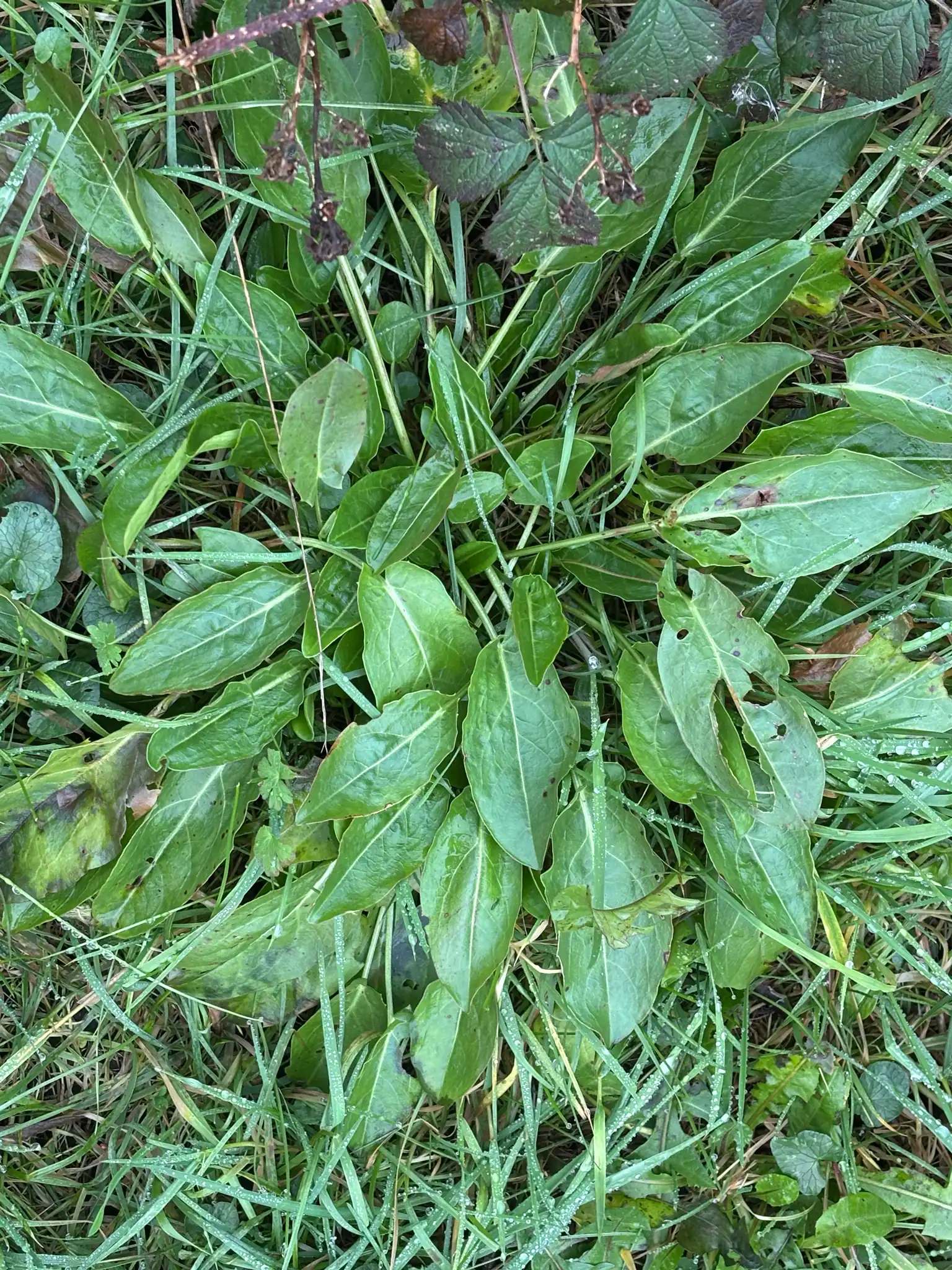
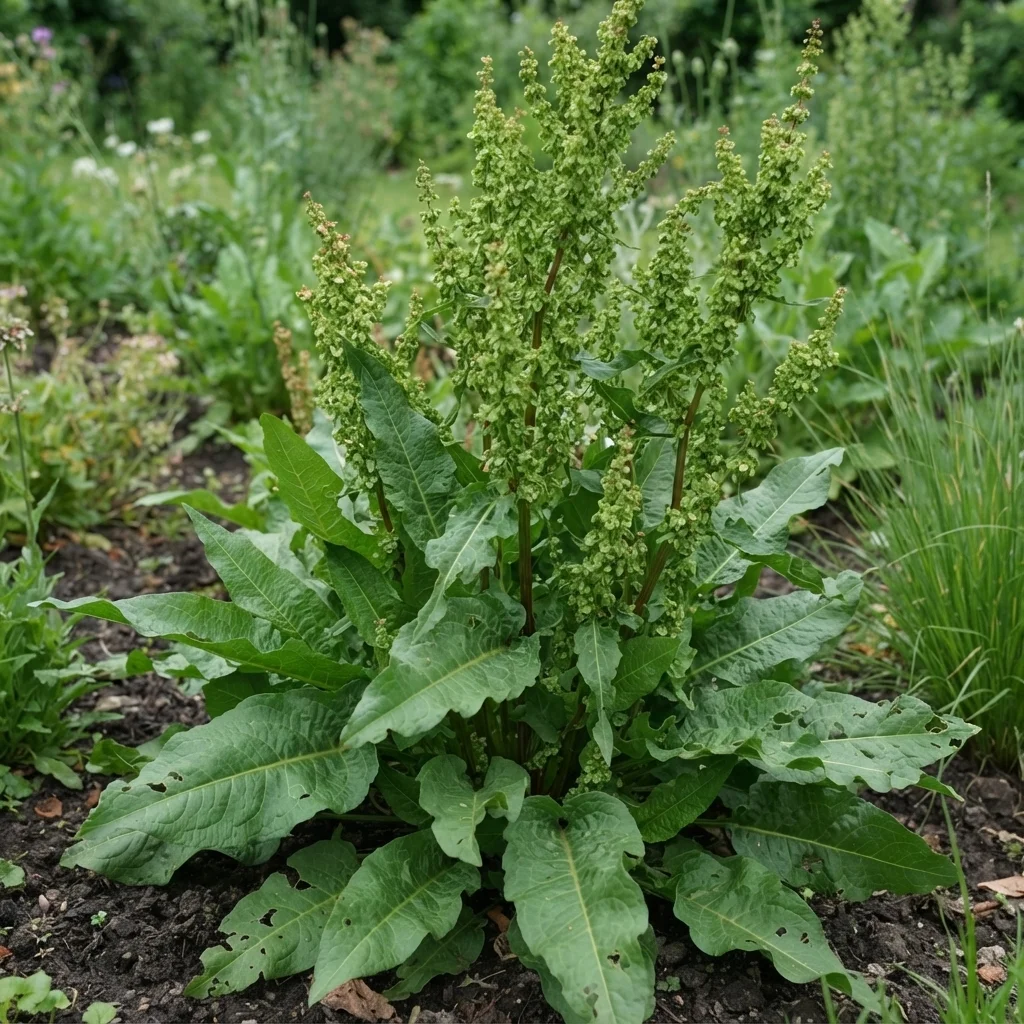
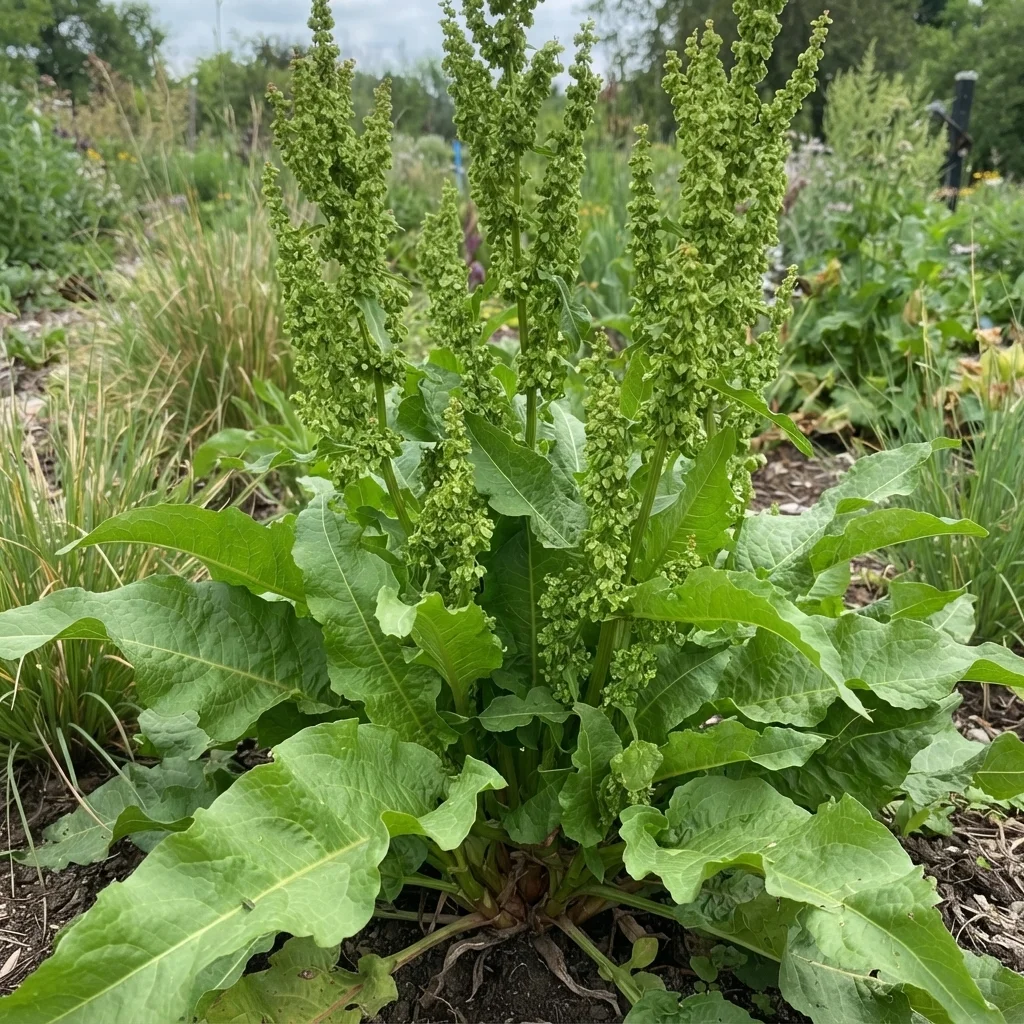
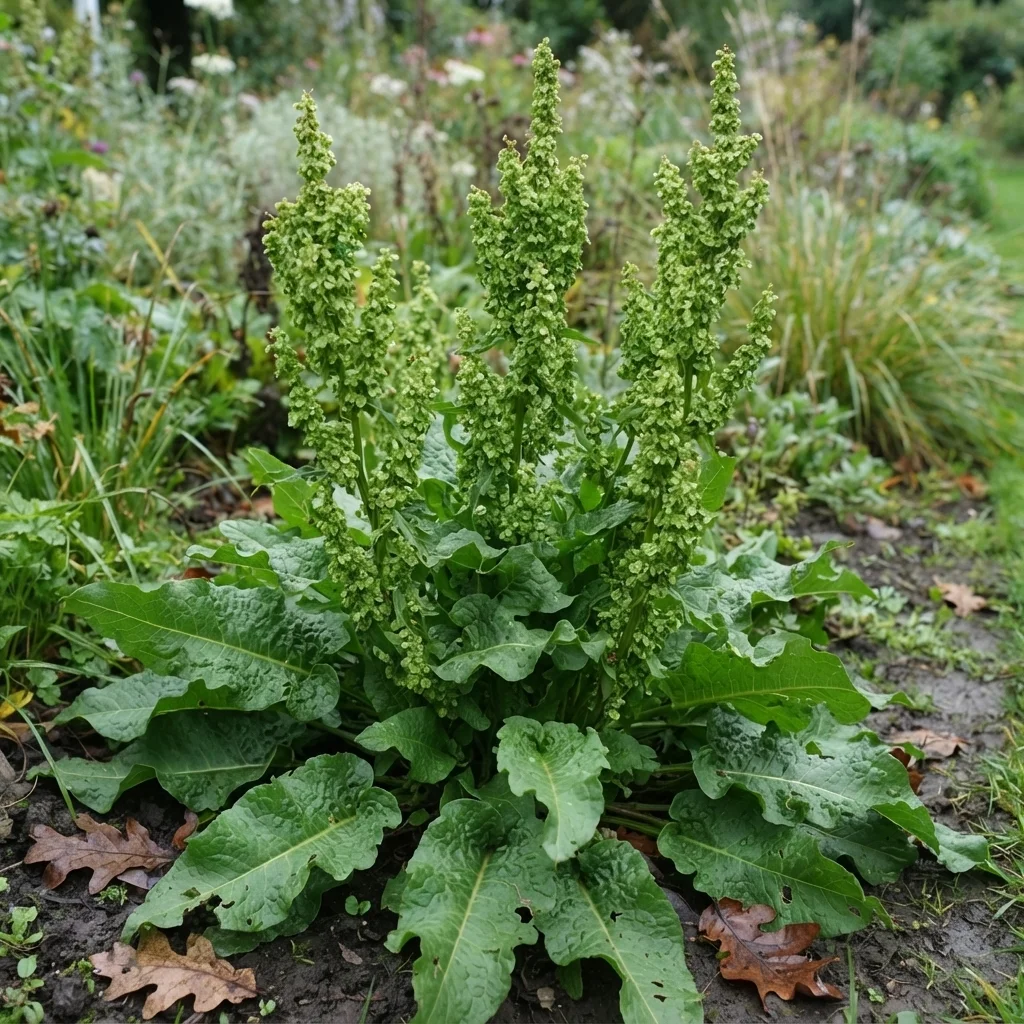
Rumex acetosa is a hardy herbaceous perennial forming a dense basal rosette of smooth, arrow-shaped leaves that emerge bright green in early spring. In summer, the plant sends up erect, hollow, reddish-tinged stems bearing terminal, spike-like clusters of tiny apetalous flowers that shift from green to deep maroon.
This species is distinguished by its high oxalic acid content, which imparts a sharp, lemony flavor to the succulent foliage. Unlike its smaller relative Rumex acetosella, this plant forms a larger, more defined clump reaching up to two feet in height.
Uses & Benefits:
Essentials
At a Glance
Plant Type
Perennial
Height
24"
Width
24"
Light
Full Sun, Partial Sun
Zones
4, 5, 6, 7
Water
Medium
Humidity
Moderate
Lifespan
Perennial
Native To
Eurasia, Northern Africa
Toxicity
Toxic if ingested in large quantities
Bloom period
Summer
In flower about 3 months of the year
Planting
How to Grow
- Sow seeds directly in early spring or divide established clumps in fall.
- Select a site with full sun to partial shade and well-drained, slightly acidic soil.
- Water regularly to maintain even soil moisture, preventing the leaves from losing quality during dry spells.
- Apply a light top-dressing of organic compost each spring rather than high-nitrogen fertilizers.
Pro Tip
Cut back the flowering stalks immediately in mid-summer to prevent the leaves from becoming bitter and tough, and to stop aggressive self-seeding across the garden.
Keep It Thriving
Care Guide
Do
- Deadhead the reddish flower spikes promptly to maintain leafy growth.
- Divide congested clumps every three to four years to maintain vigor.
- Harvest the outer, younger leaves regularly for the best culinary flavor.
Don't
- Do not apply heavy nitrogen fertilizers, which produce soft, disease-prone foliage.
- Do not allow the soil to remain waterlogged, which triggers root rot.
- Do not let the plant set seed if you wish to prevent it from spreading aggressively.
Seasonal Care Calendar
| Task | Jan | Feb | Mar | Apr | May | Jun | Jul | Aug | Sep | Oct | Nov | Dec |
|---|---|---|---|---|---|---|---|---|---|---|---|---|
| Deadhead | ||||||||||||
| Divide | ||||||||||||
| Fertilize | ||||||||||||
| Harvest |
Watch Out For
Pests & Diseases
Common Pests
Common Diseases
In the Garden
Landscape Uses & Companions
Landscape Uses
Companion Plants
Multiply
Propagation Methods
Good to Know
Common Questions
Common Sorrel questions
What zones can Common Sorrel grow in?
Common Sorrel is hardy in USDA Zones 4–7. Inside that range it survives winter in the ground; outside it, grow it as an annual or a container plant you protect.
Is Common Sorrel deer resistant?
Not reliably. Deer may browse Common Sorrel, especially tender spring growth — plan on repellents or fencing where pressure is high.
When does Common Sorrel bloom?
Common Sorrel typically blooms in summer through summer. Exact timing shifts a week or two with your zone — Sow's bloom calendar maps it to your garden.
Does Common Sorrel need full sun?
Common Sorrel does best in full sun to part shade. In hot climates, afternoon shade keeps blooms fresher longer.
Is Common Sorrel drought tolerant?
Yes — once established (usually after the first full season), Common Sorrel handles dry spells with minimal watering. Water deeply its first year to build the root system that makes that possible.
More Rumex to compare
Keep exploring
Explore the genus
Hardy in your zone?
Grow Common Sorrel with confidence
See it in a design of your actual yard, get zone-matched care reminders, and track it season by season in your garden journal.