Also known as Dock · 59 saves
Rumex
Rumex, the genus most gardeners know as dock. We track 8 varieties; the ones most used by real gardeners.
The 7 most-saved Rumex varieties
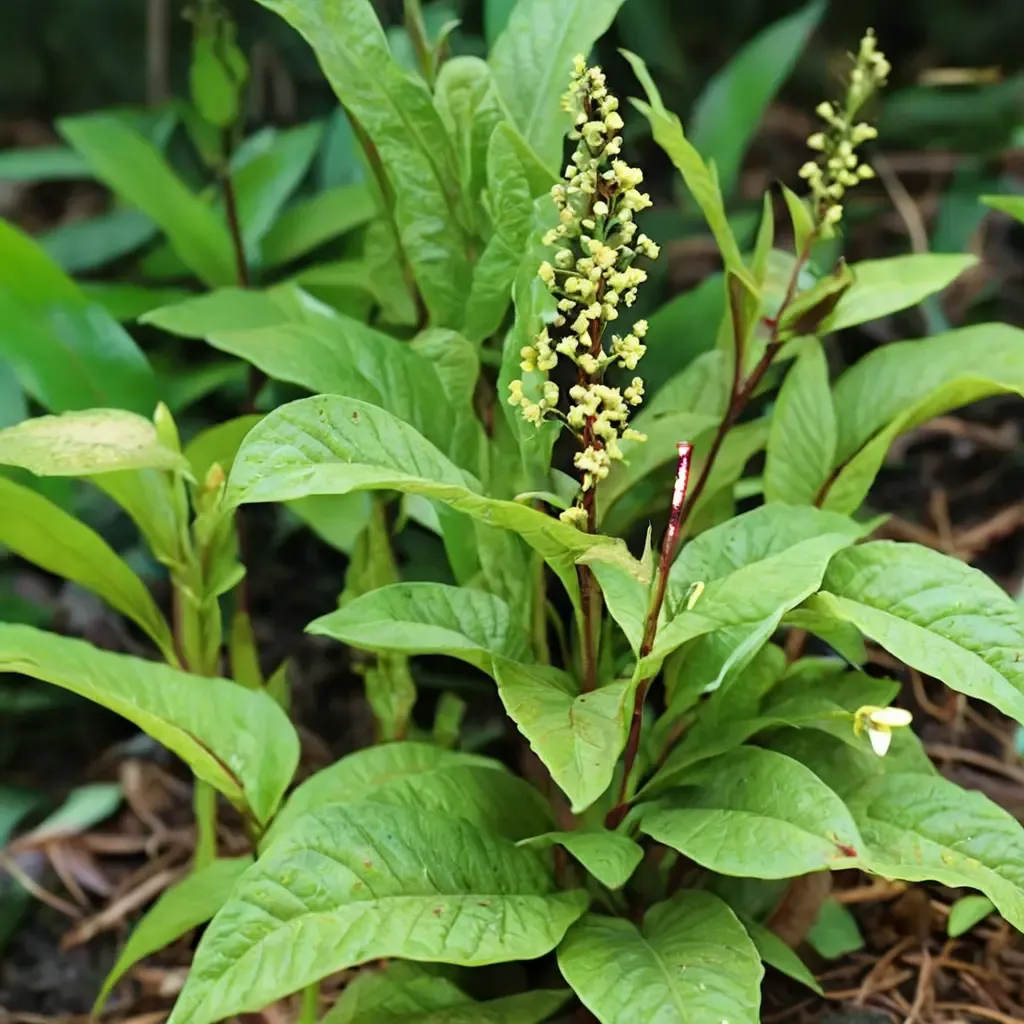
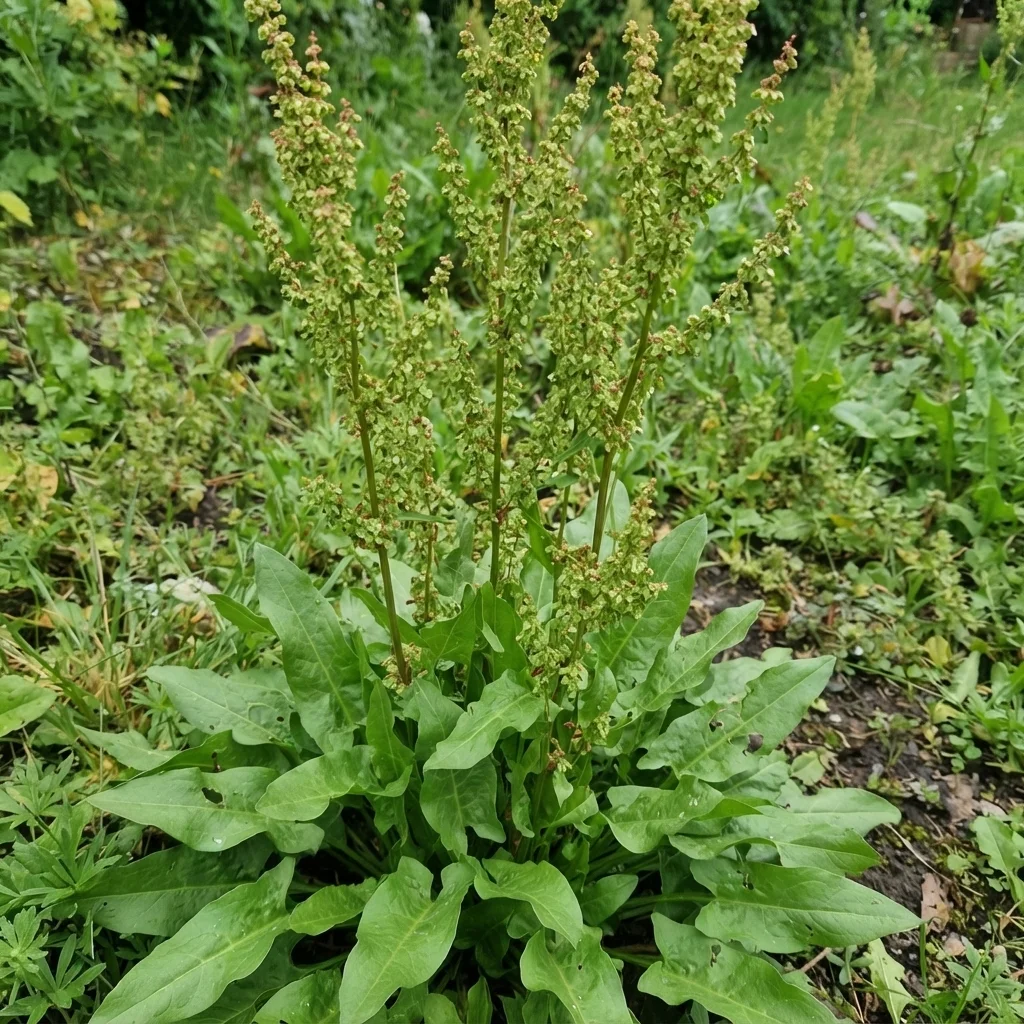
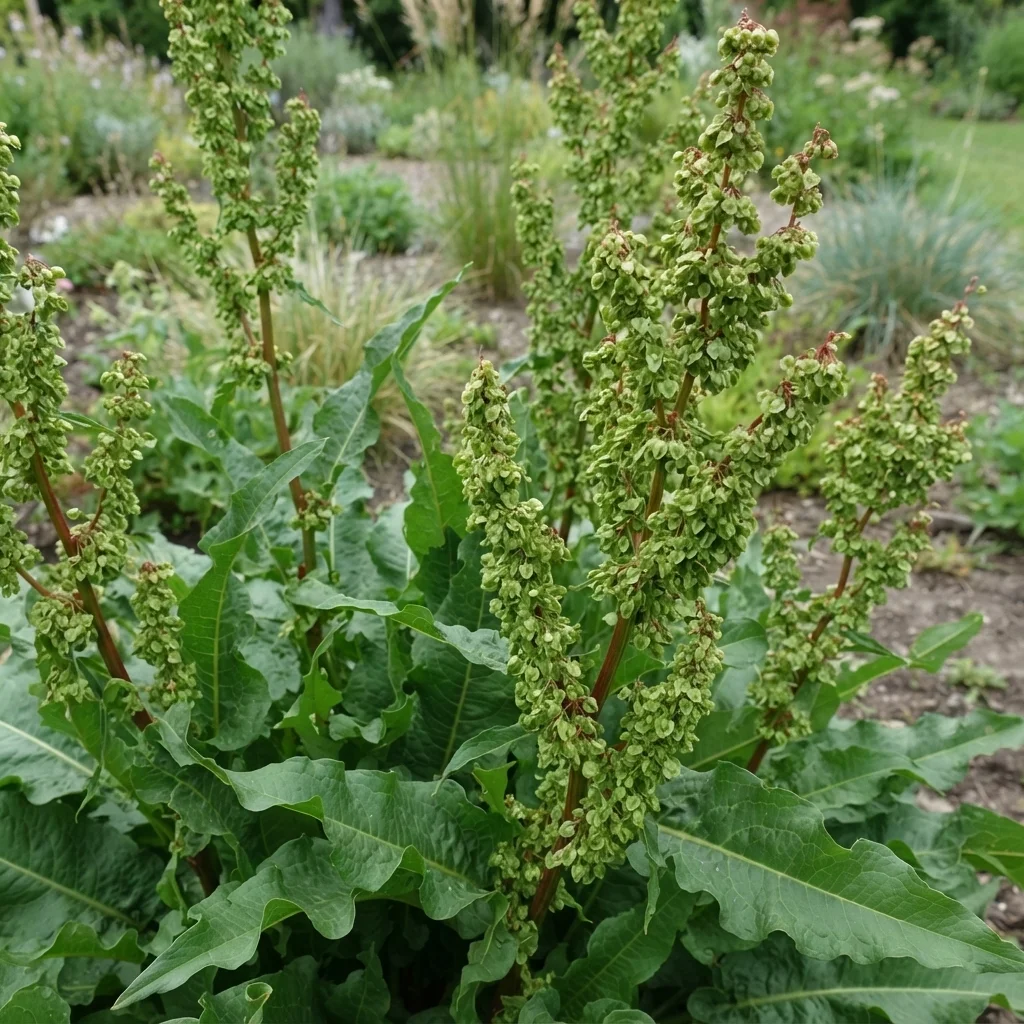
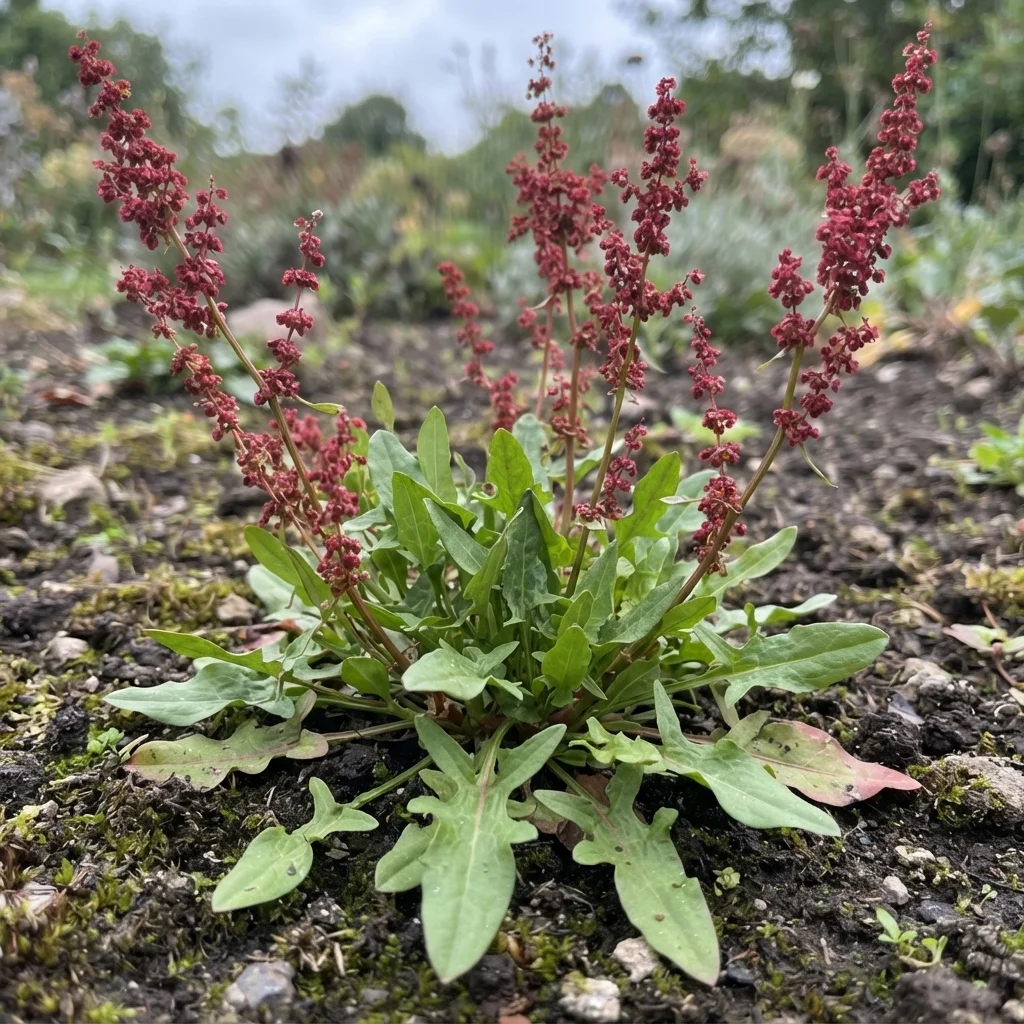
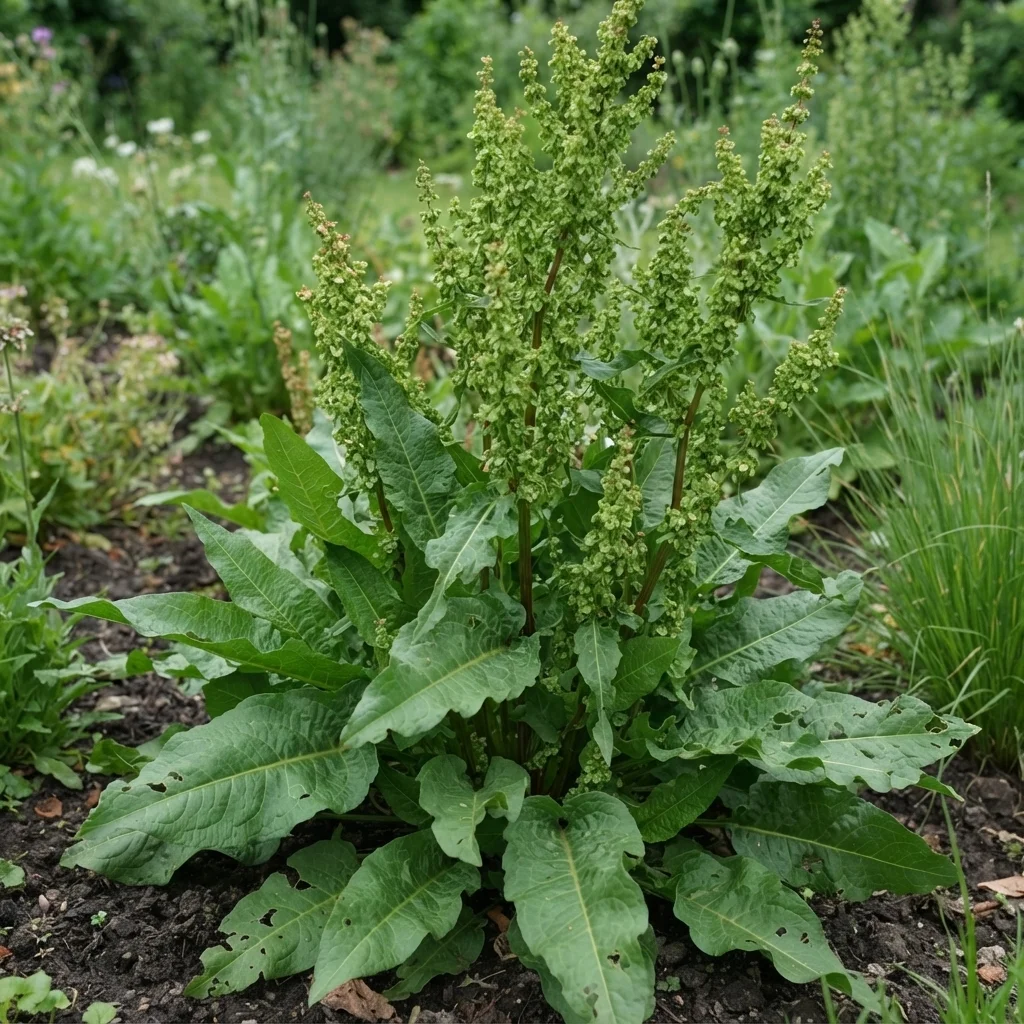
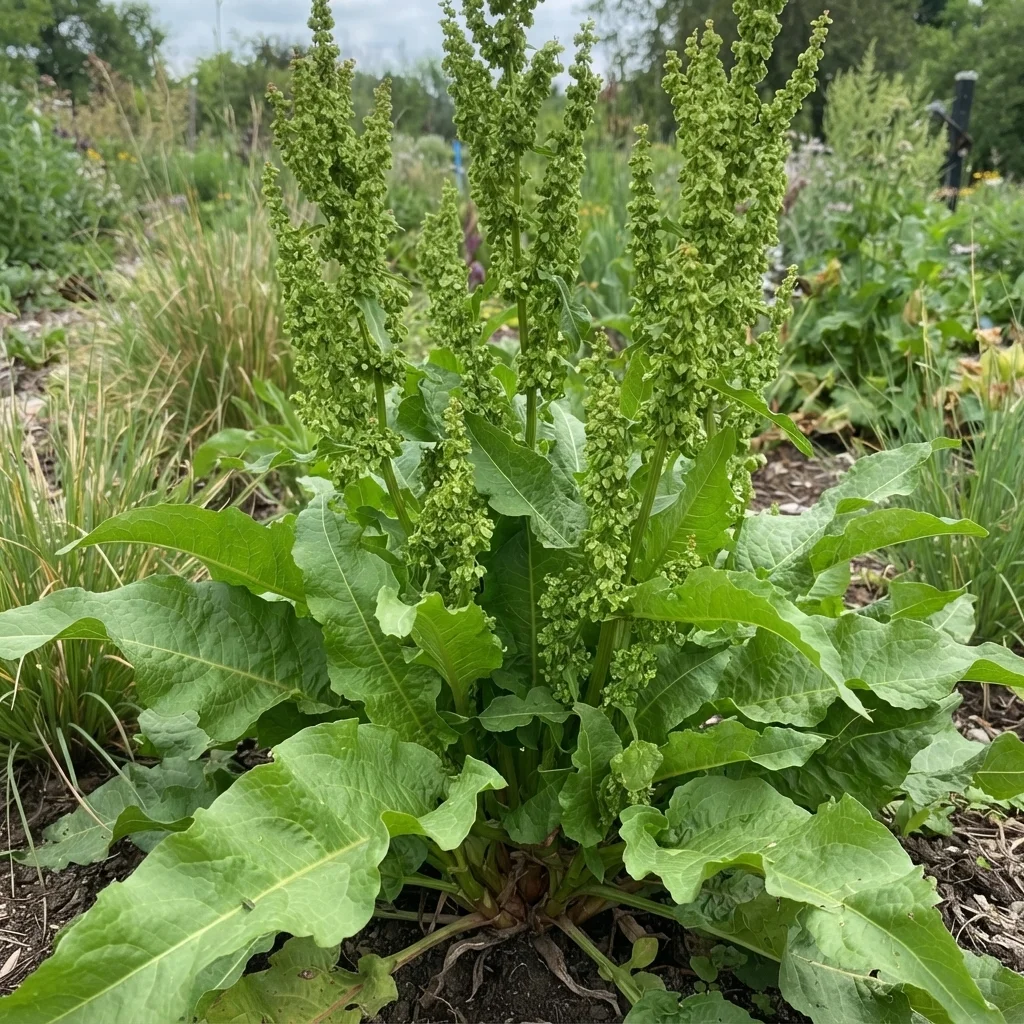
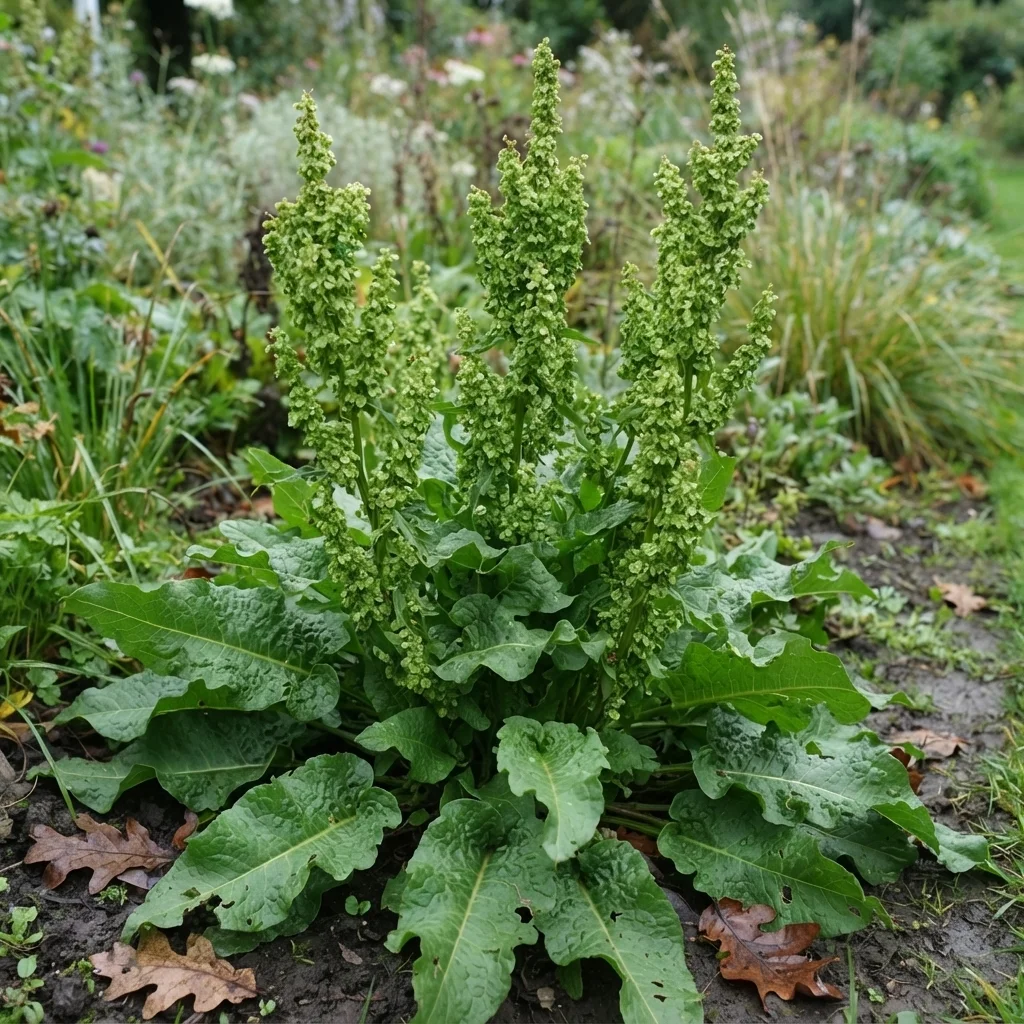
Browse all 8 Rumex varieties →
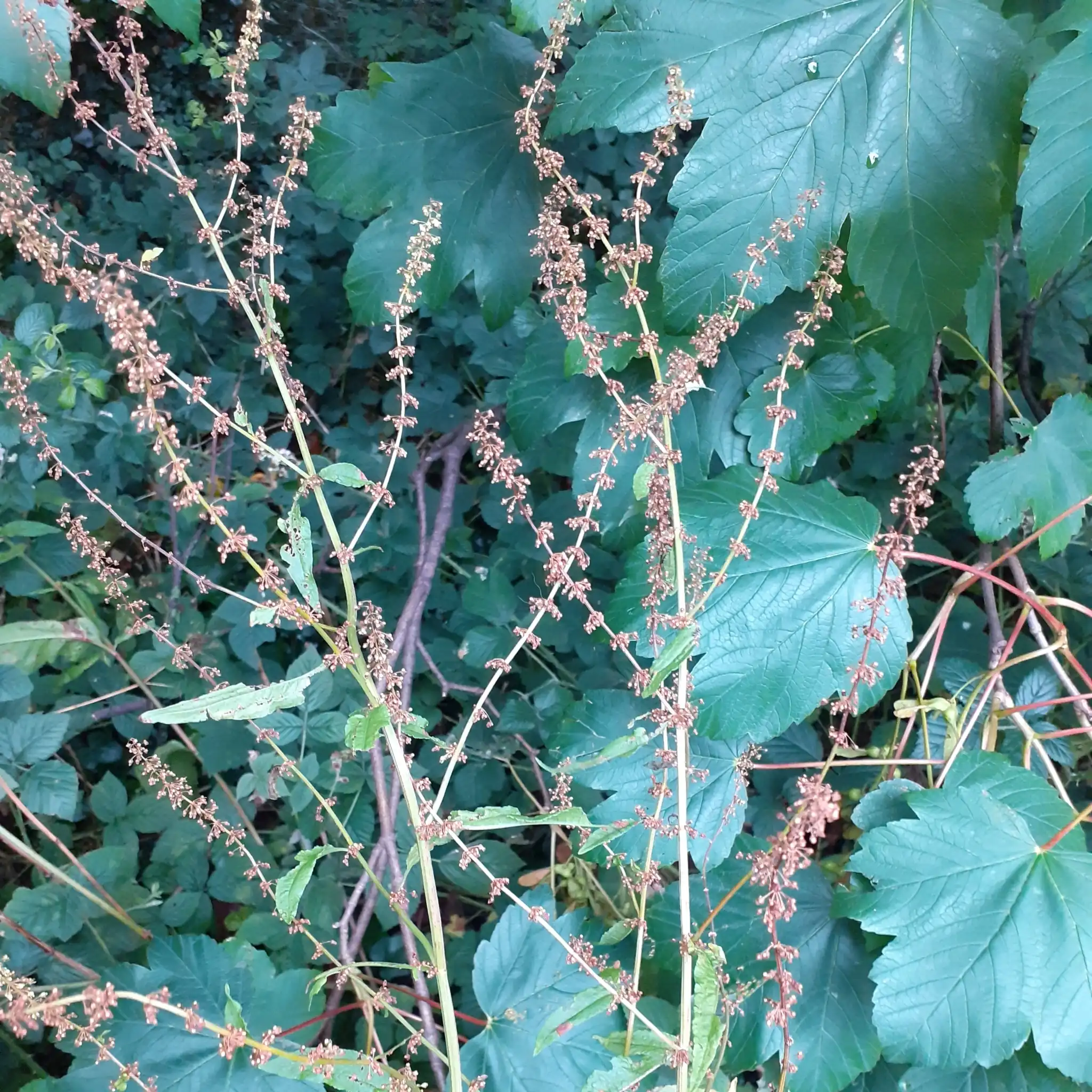
7 species of Rumex
Each one is a parent of the varieties above.
Track your Rumex in Sow
Save the Rumex you grow and get care reminders timed to your zone.
How to grow Rumex
Whats common across all Rumex varieties in our catalog — drawn from the care records of the 8 most-grown of them.
The Rumex year
- PruneJune–August63% of varieties
Cut back spent flowering stalks to the base to prevent self-seeding and stimulate fresh foliage.
- DivideMarch, April, September and October63% of varieties
Divide mature clumps in early spring or mid-fall to maintain vigor and propagate new plants.
- Check for PestsMay–July63% of varieties
Inspect leaf undersides for aphids and check for serpentine leaf miner trails.
- Spring CleanupMarch and April63% of varieties
Clear away dead winter foliage and apply a thick layer of organic mulch around the crown.
- HarvestApril, May, June and September38% of varieties
Harvest young, tender leaves from the outer rosette for culinary use before flowering begins.
- DeadheadJune and July38% of varieties
Cut back emerging flower stalks to prevent leaf bitterness and self-seeding.
- PropagateMarch and April38% of varieties
Sow seeds directly into prepared soil beds once the ground warms.


Do
- Remove older, yellowing outer leaves regularly to maintain a tidy rosette and encourage fresh growth.
- Cook the leaves thoroughly before eating to reduce the high concentration of oxalic acid.
- Provide consistent moisture during dry summer spells to prevent the foliage from becoming bitter and tough.
- Deadhead the reddish flower spikes promptly to maintain leafy growth.
- Divide congested clumps every three to four years to maintain vigor.
Avoid
- Do not allow the plant to drop seed, as it will quickly escape cultivation and weedily colonize the garden.
- Do not prune heavily into the woody, subterranean crown during the active growing season.
- Do not plant in dry, sandy soils without incorporating generous amounts of organic matter to retain moisture.
- Do not apply heavy nitrogen fertilizers, which produce soft, disease-prone foliage.
What goes wrong with Rumex
| Problem | What you'll see | What to do |
|---|---|---|
| Aphids | Tiny sap-sucking insects clustering on new growth, causing leaf curling. | Blast foliage with a sharp stream of water or apply insecticidal soap. |
| Flea beetles | Small, shot-hole chewing damage on the leaves. | Use physical barriers or apply organic insecticides if damage is severe. |
| Spider Mites | Fine webbing on leaf undersides and stippled foliage under dry, warm conditions. | Maintain adequate soil moisture and spray foliage with water to disrupt mites. |
| Spider mites | Fine webbing on leaf undersides and stippled, yellowing foliage. | Increase humidity around the plant and apply horticultural oils. |
| Powdery mildew | White, powdery fungal growth on leaf surfaces. | Ensure proper air circulation and avoid overhead watering to keep foliage dry. |
| Root rot | Wilting, yellowing foliage and mushy, blackened roots in waterlogged conditions. | Improve soil drainage and avoid overwatering. |
| Rust fungi | Orange or reddish-brown powdery pustules on the undersides of leaves. | Remove infected foliage and improve air circulation around the base of the plant. |
Making more Rumex
Seed
- Sow seeds indoors in early spring or directly outdoors after the last frost.
- Press seeds lightly into moist seed-starting mix, covering them with a thin layer of soil.
- Maintain a temperature of 65 to 70 degrees Fahrenheit until germination occurs in 10 to 14 days.
- Transplant seedlings into individual pots once they develop two pairs of true leaves.
Division
- Dig up established clumps in early spring before active growth begins.
- Slice through the thick crown using a sharp spade, ensuring each division has at least one bud.
- Replant the divisions immediately at their original depth in moist, prepared soil.
- Water thoroughly to settle the soil around the newly divided roots.
Rumex questions
How many types of Rumex are there?
The Sow catalog tracks 8 distinct Rumex varieties. The most popular — ranked by 59 real gardeners — are shown first above.
What zones does Rumex grow in?
Across its varieties, Rumex covers USDA Zones 4–9. Individual varieties differ — each plant page lists its exact range, and Sow filters the catalog to your zone automatically.
When does Rumex bloom?
Most Rumex varieties bloom in summer, spring. Staggering early, mid, and late varieties extends the genus's season in one bed.
Which Rumex should I choose?
Start from the most-saved varieties above — popularity across thousands of gardens is a strong signal of reliability — then filter by your zone and sun. In the Sow app you can preview any of them in a photo of your actual yard before you buy.