The Story
Plant Bio
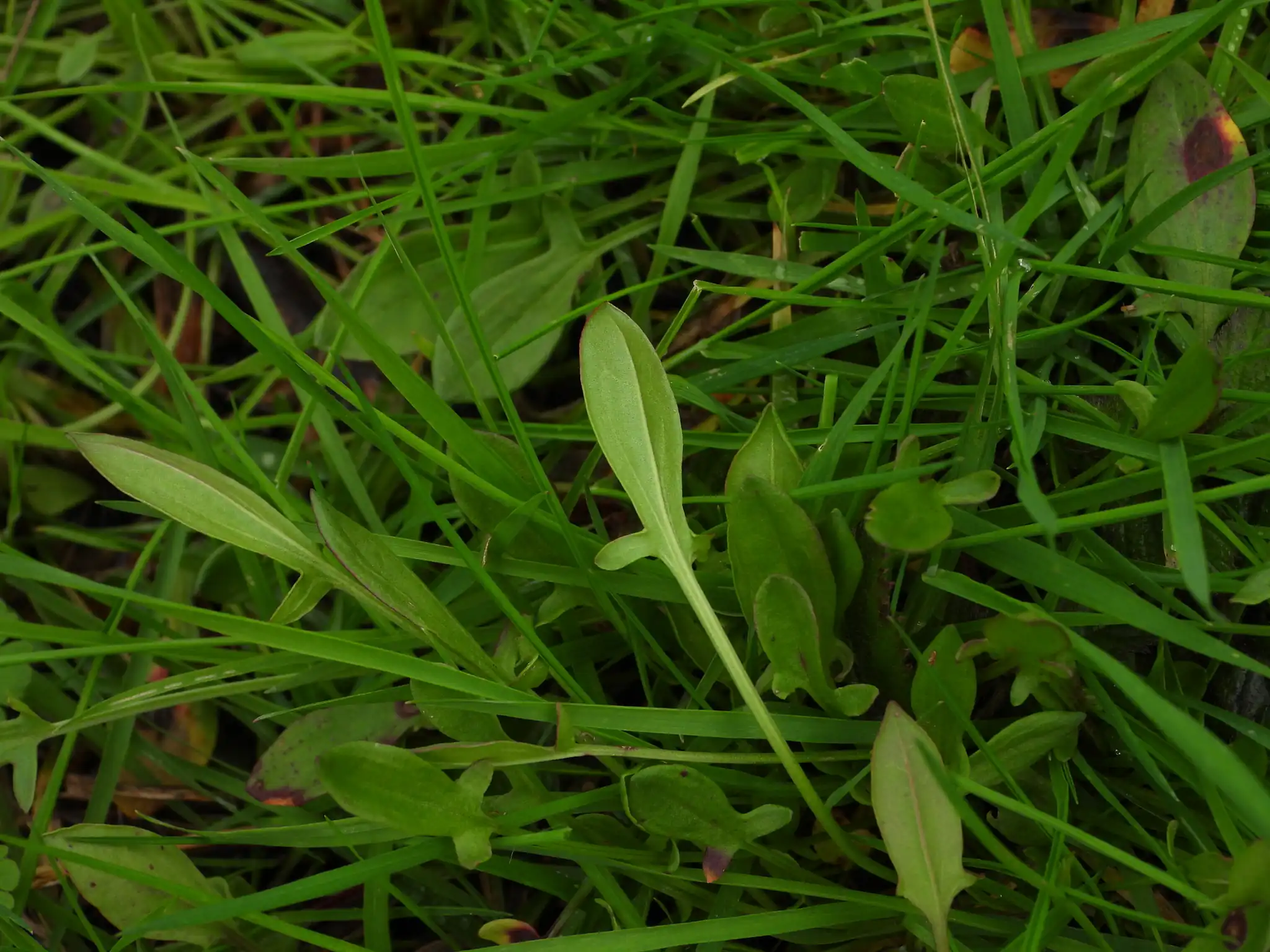
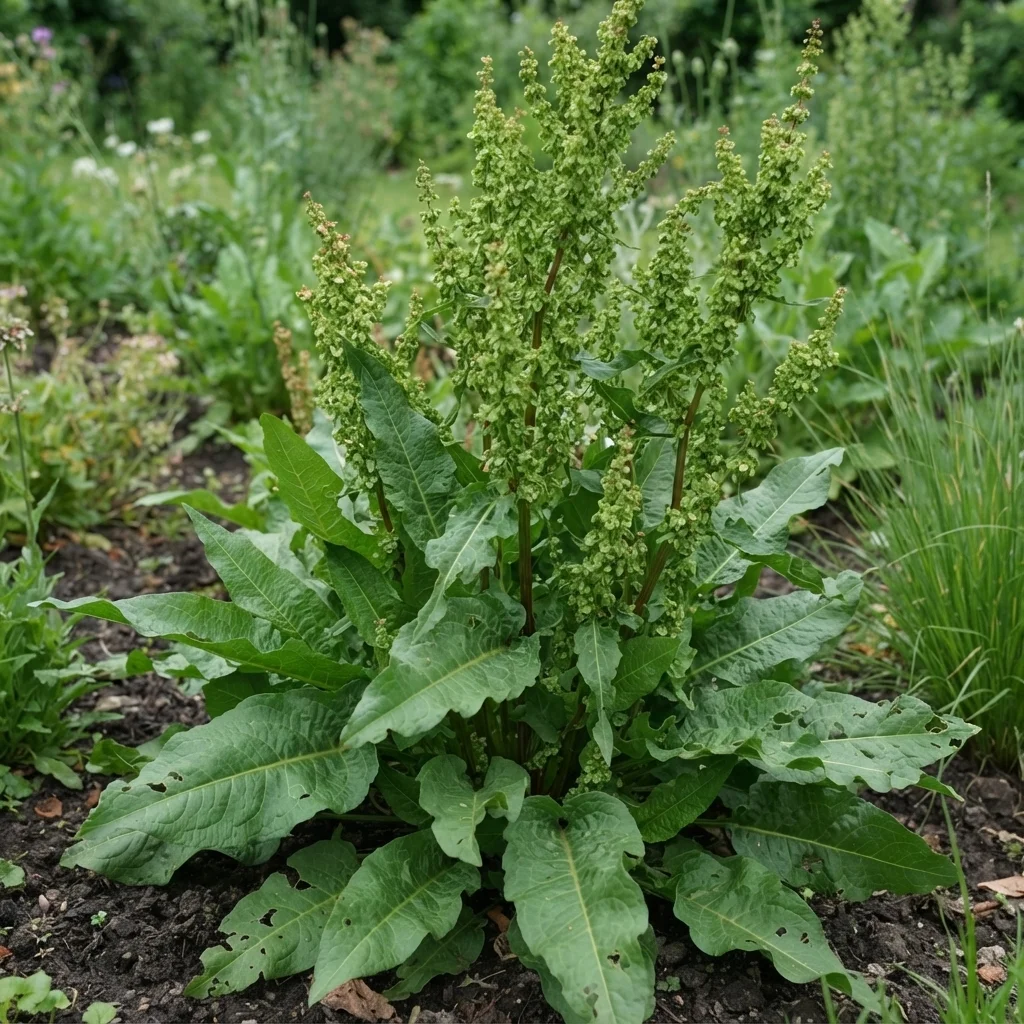
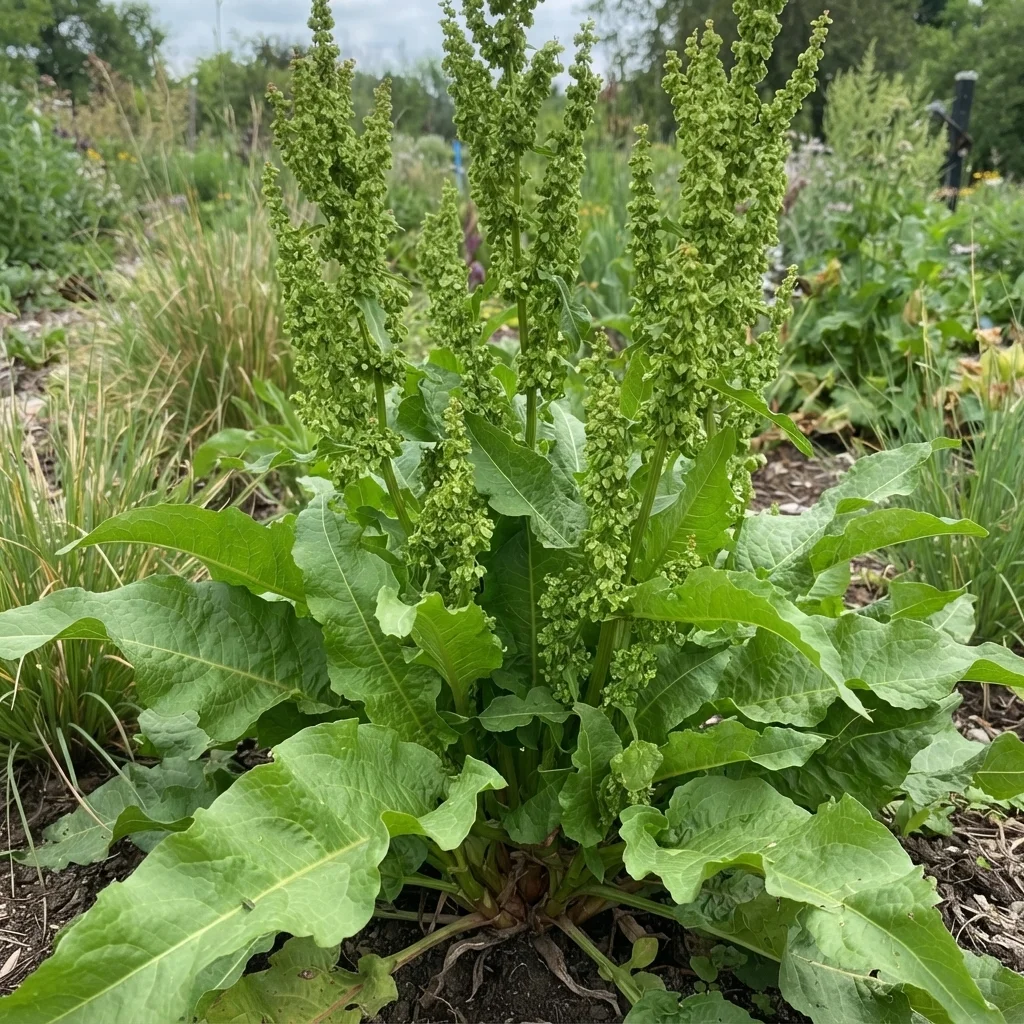
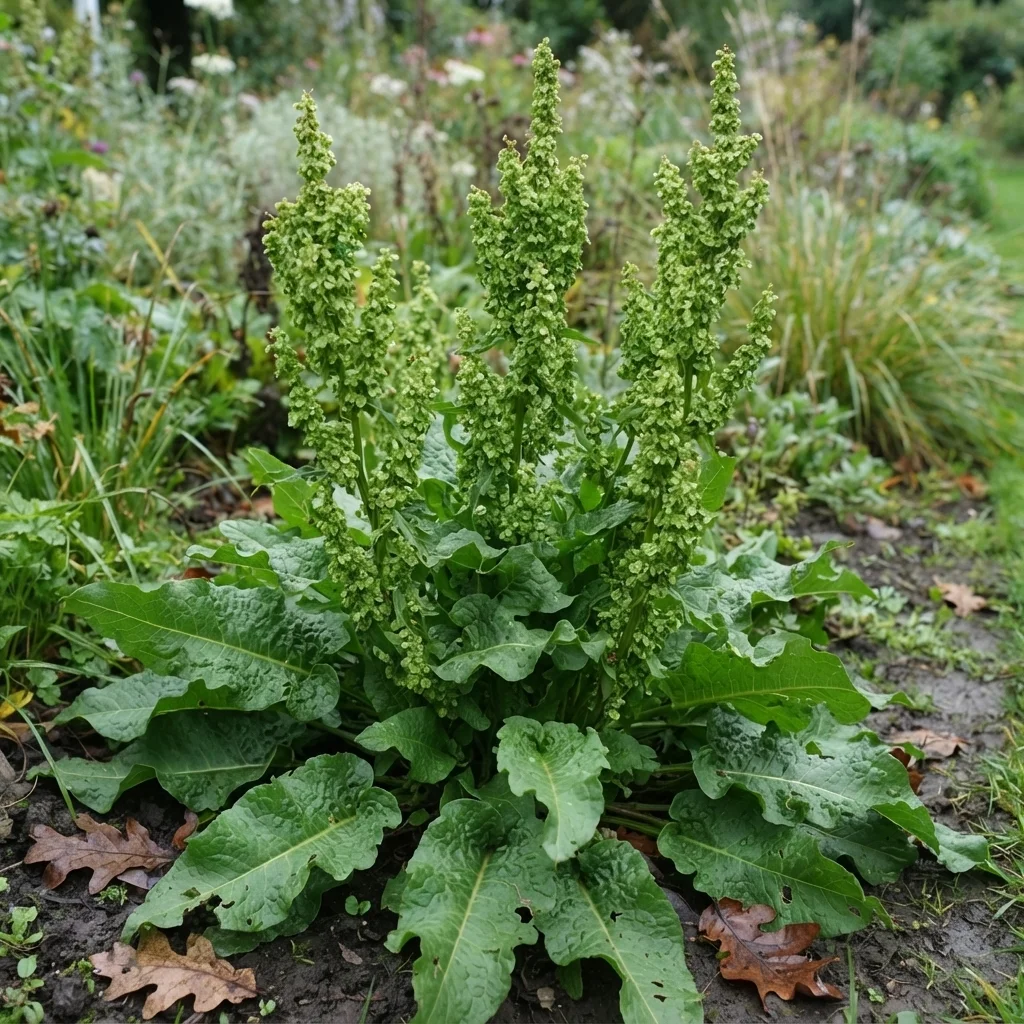
Rumex acetosella, commonly known as sheep sorrel, is a slender, rhizomatous perennial that forms low basal rosettes of arrow-shaped leaves before sending up upright, reddish-tinged flowering stems. The species is dioecious, producing tiny, wind-pollinated flowers on separate plants, with female specimens displaying distinct rust-red terminal panicles from spring through summer.
This species is distinguished by its deeply lobed, hastate foliage containing high levels of oxalic acid, which imparts a sour taste but presents toxicity risks to livestock. Its extensive, creeping root system allows it to colonize disturbed, acidic, and nutrient-poor soils where other vegetation struggles to establish.
Uses & Benefits:
Essentials
At a Glance
Plant Type
Perennial
Height
20"
Width
36"
Light
Full Sun, Partial Sun
Zones
4, 5, 6, 7, 8, 9
Water
Low
Humidity
Low to Moderate
Lifespan
Perennial
Native To
Eurasia
Toxicity
Toxic to livestock and pets if ingested
Bloom period
Spring – Summer
In flower about 6 months of the year
Planting
How to Grow
- Select a site with full sun to light partial shade and well-drained, acidic soil.
- Avoid adding fertilizer, as this plant thrives in low-nitrogen, nutrient-poor environments.
- Monitor the area to prevent spread, as the creeping rhizomes expand rapidly to form dense patches.
- Remove spent flower stalks before they set seed to limit wind-borne dispersal.
Pro Tip
To permanently eradicate this persistent weed, raise the soil pH by applying lime and increase nitrogen levels, as hand-pulling fails because new shoots regenerate rapidly from any remaining rhizome fragments.
Keep It Thriving
Care Guide
Do
- Ensure excellent soil drainage to prevent root rot.
- Wear gloves when handling the foliage to avoid potential contact dermatitis.
- Apply agricultural lime to the soil if you wish to suppress its growth.
Don't
- Do not fertilize, as supplemental nutrients do not benefit this species.
- Do not attempt to control by superficial hoeing, which breaks up and spreads the regenerative rhizomes.
- Do not allow livestock or pets to graze on the foliage due to high oxalic acid content.
Seasonal Care Calendar
| Task | Jan | Feb | Mar | Apr | May | Jun | Jul | Aug | Sep | Oct | Nov | Dec |
|---|---|---|---|---|---|---|---|---|---|---|---|---|
| Divide | ||||||||||||
| Pest Check | ||||||||||||
| Prune | ||||||||||||
| Spring Cleanup |
Watch Out For
Pests & Diseases
Common Pests
Common Diseases
In the Garden
Landscape Uses & Companions
Landscape Uses
Multiply
Propagation Methods
Good to Know
Common Questions
Common Sheep Sorrel questions
What zones can Common Sheep Sorrel grow in?
Common Sheep Sorrel is hardy in USDA Zones 4–9. Inside that range it survives winter in the ground; outside it, grow it as an annual or a container plant you protect.
Is Common Sheep Sorrel deer resistant?
Not reliably. Deer may browse Common Sheep Sorrel, especially tender spring growth — plan on repellents or fencing where pressure is high.
When does Common Sheep Sorrel bloom?
Common Sheep Sorrel typically blooms in spring through summer. Exact timing shifts a week or two with your zone — Sow's bloom calendar maps it to your garden.
Does Common Sheep Sorrel need full sun?
Common Sheep Sorrel does best in full sun to part shade. In hot climates, afternoon shade keeps blooms fresher longer.
Is Common Sheep Sorrel drought tolerant?
Yes — once established (usually after the first full season), Common Sheep Sorrel handles dry spells with minimal watering. Water deeply its first year to build the root system that makes that possible.
More Rumex to compare
Keep exploring
Explore the genus
Grow Common Sheep Sorrel with confidence
See it in a design of your actual yard, get zone-matched care reminders, and track it season by season in your garden journal.