The Story
Plant Bio
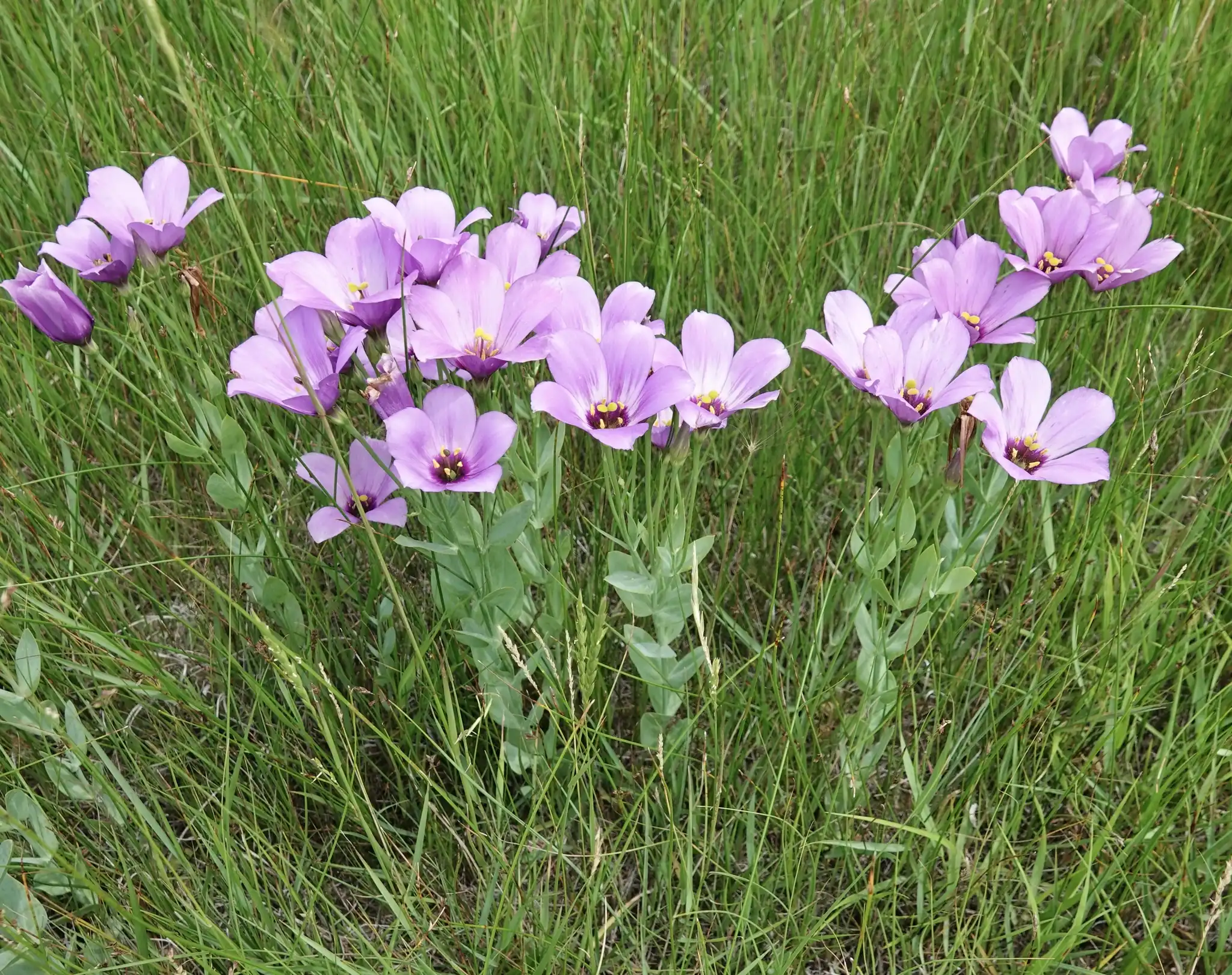
Eustoma grandiflorum, lisianthus, is an erect annual or biennial native to the prairies from Nebraska south to Texas, one to three feet high and about a foot across. Three to five veined grey-green leaves clasp single or lightly branched stems, and bell-shaped flowers one to three inches across open in summer and autumn.
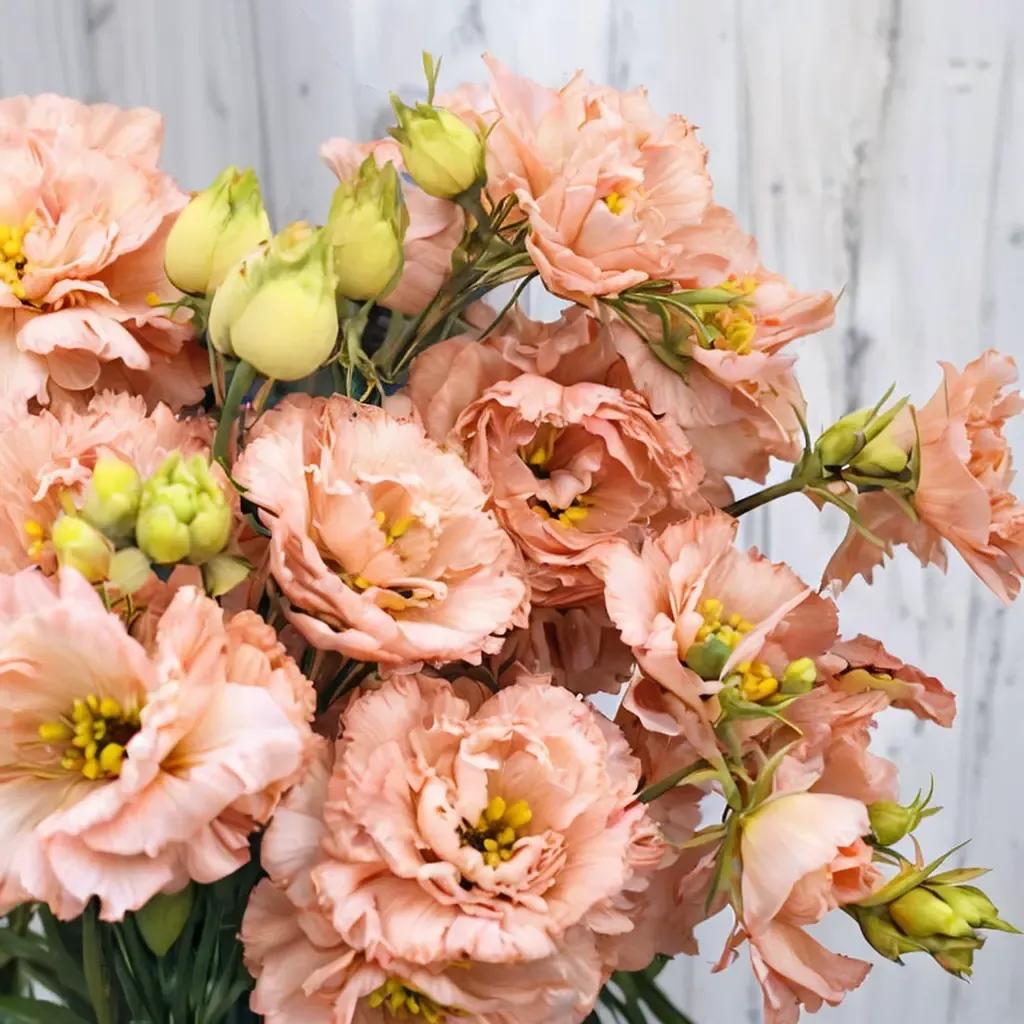
It is one of the finest cut flowers grown, lasting two to three weeks in a vase, which is why a native prairie gentian became a global florist crop. Seed is minute and slow — it can take six months from sowing to the first flower — so almost everyone buys plugs. Take the first bud out and the plant branches into many more stems.
Uses & Benefits:
Essentials
At a Glance
Plant Type
Annual
Height
30"
Width
10"
Light
Full Sun, Partial Sun
Zones
8, 9, 10
Water
Moderate
Humidity
Moderate
Lifespan
Annual
Native To
Central and southern Great Plains
Toxicity
Non-toxic
Planting
How to Grow
- Buy plugs rather than sowing; seed is very slow.
- Plant in full sun in moist, well-drained soil.
- Pinch the first bud to force branching.
- Water at the base, keeping foliage dry.
- Support tall stems in exposed positions.
- Cut flowers as the first bud opens.
Pro Tip
Pinch out the first bud and the plant branches into many stems instead of producing one — the single biggest gain for a cutting patch.
Keep It Thriving
Care Guide
Do
- Start from plugs 🌱
- Pinch the first bud ✂️
- Water at the base 💧
- Support tall stems 🪵
Don't
- Sow seed expecting quick results ❌
- Wet the foliage ❌
- Plant into cold soil ❌
Seasonal Care Calendar
| Task | Jan | Feb | Mar | Apr | May | Jun | Jul | Aug | Sep | Oct | Nov | Dec |
|---|---|---|---|---|---|---|---|---|---|---|---|---|
| Plant |
Watch Out For
Pests & Diseases
Common Pests
Common Diseases
In the Garden
Landscape Uses & Companions
Landscape Uses
Companion Plants
Multiply
Propagation Methods
Good to Know
Common Questions
Lisianthus questions
What zones can Lisianthus grow in?
Lisianthus is hardy in USDA Zones 8–10. Inside that range it survives winter in the ground; outside it, grow it as an annual or a container plant you protect.
Is Lisianthus deer resistant?
Not reliably. Deer may browse Lisianthus, especially tender spring growth — plan on repellents or fencing where pressure is high.
When does Lisianthus bloom?
Lisianthus typically blooms in summer to fall through late summer. Exact timing shifts a week or two with your zone — Sow's bloom calendar maps it to your garden.
Does Lisianthus need full sun?
Lisianthus does best in full sun to part shade. In hot climates, afternoon shade keeps blooms fresher longer.
More Eustoma to compare
Keep exploring
Explore the genus
Hardy in your zone?
Grow Lisianthus with confidence
See it in a design of your actual yard, get zone-matched care reminders, and track it season by season in your garden journal.