The Story
Plant Bio
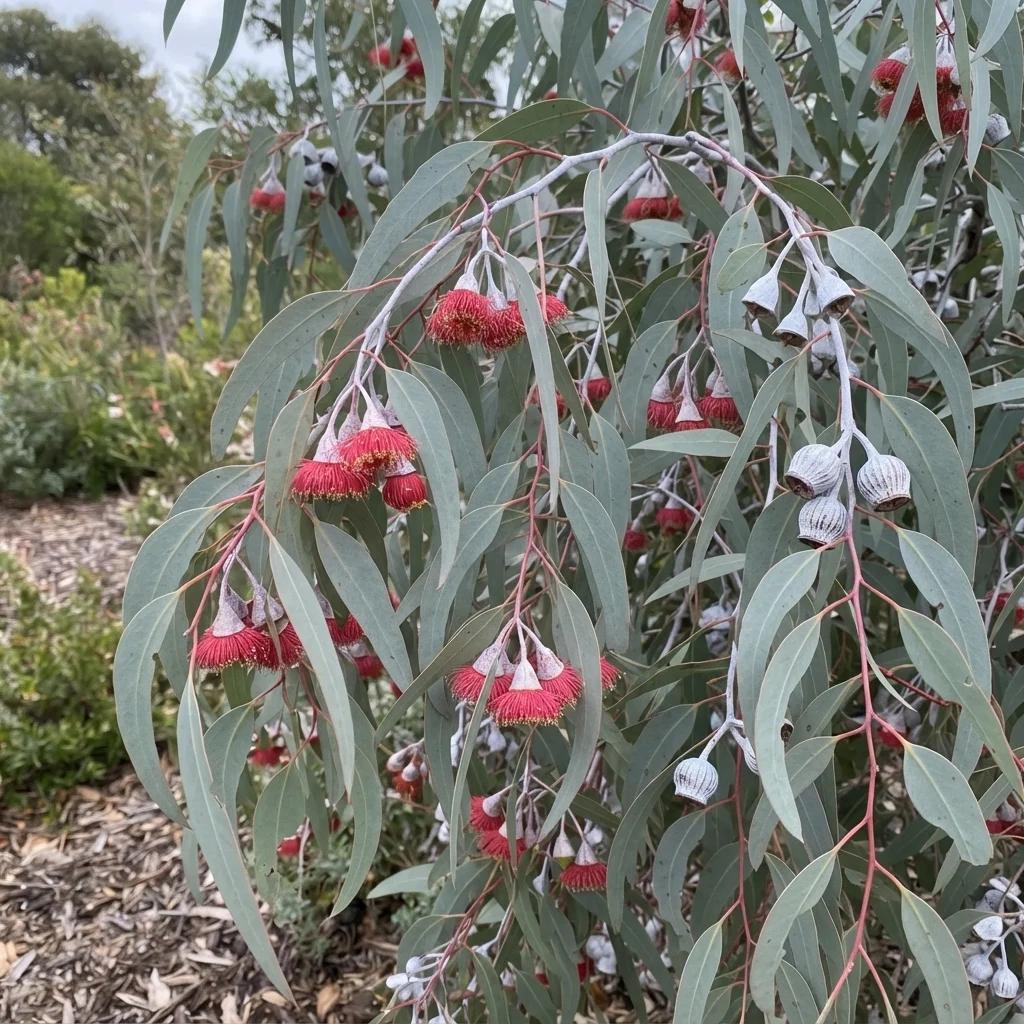
Eucalyptus caesia is a small, multi-stemmed mallee tree native to the granite outcrops of Western Australia, characterized by its weeping habit and open, light-filtering canopy. The trunk features reddish-brown bark that peels in curling longitudinal flakes, while young branches are coated in a powdery, white-blue waxy bloom.
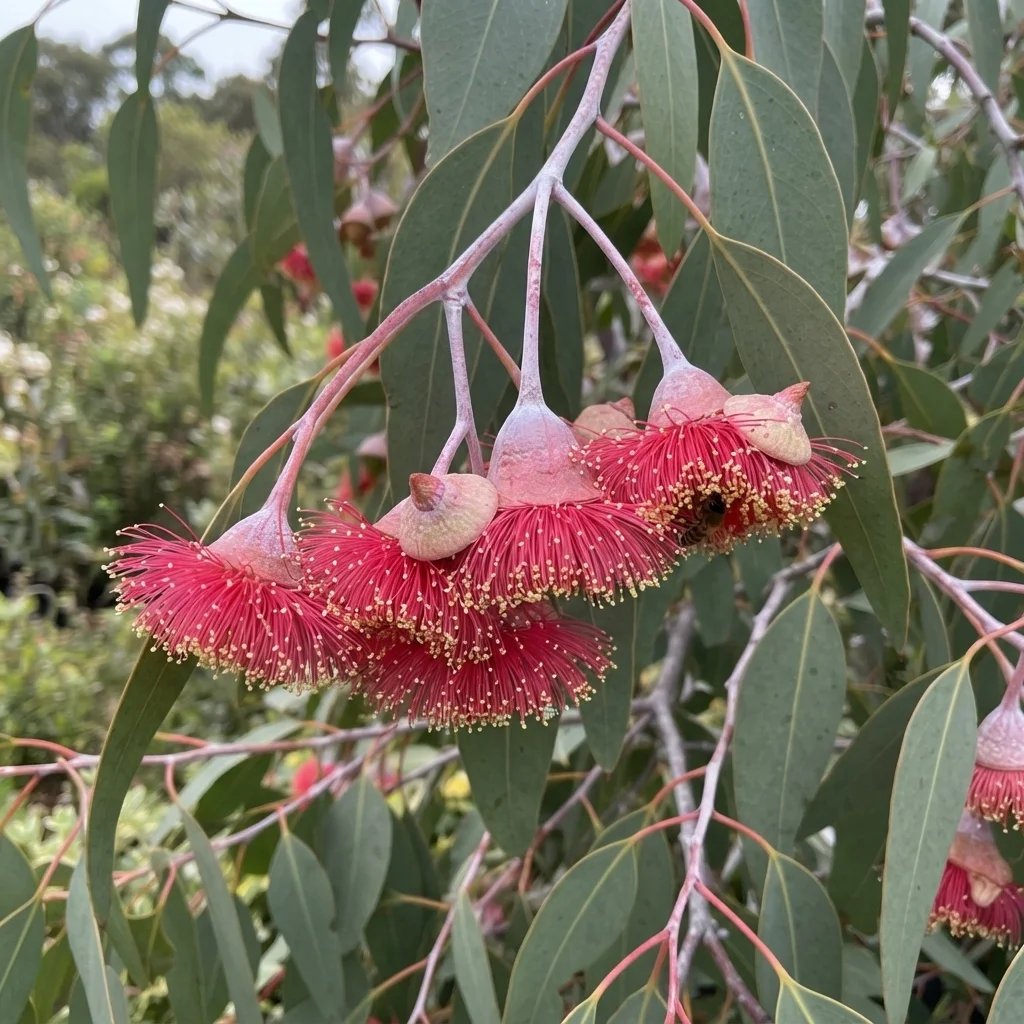
'Silver Princess' is a widely cultivated selection distinguished by its highly pendulous, weeping branches and large, pink to deep red blossoms with contrasting yellow stamens. The flowers are followed by urn-shaped woody capsules covered in a matching silvery-white waxy coating.
Uses & Benefits:
Essentials
At a Glance
Plant Type
Tree
Height
315"
Width
177"
Light
Full Sun
Zones
9, 10
Water
Low
Humidity
Low to Moderate
Lifespan
Moderate
Native To
Western Australia
Toxicity
Non-toxic
Bloom period
Late fall – Spring
In flower about 7 months of the year
Planting
How to Grow
- Select a site in full sun with excellent air circulation and highly permeable, sandy or gravelly soil.
- Dig a planting hole twice as wide as the root ball but no deeper, ensuring the crown sits slightly above the surrounding soil level.
- Water deeply immediately after planting to settle the soil, then reduce watering to a minimum once the root system establishes.
- Apply a thin layer of organic mulch around the base to suppress weeds, keeping the mulch several inches away from the trunk.
Pro Tip
Plant in an elevated position or mound to ensure immaculate drainage, as standing moisture or heavy, unamended clay soils will quickly trigger fatal root rot.
Keep It Thriving
Care Guide
Do
- Ensure the planting site receives all-day, unobstructed sunlight to maintain a compact form.
- Provide sharp drainage by mounding the soil or planting on a slope if clay is present.
- Prune lightly immediately after the spring flowering flush to encourage denser growth.
Don't
- Do not overwater or plant in low spots where water accumulates.
- Do not prune heavily into old, leafless wood, as these branches lack the ability to sprout new shoots.
- Do not apply heavy doses of high-phosphorus fertilizers, which can cause weak, leggy growth.
Seasonal Care Calendar
| Task | Jan | Feb | Mar | Apr | May | Jun | Jul | Aug | Sep | Oct | Nov | Dec |
|---|---|---|---|---|---|---|---|---|---|---|---|---|
| Fertilize | ||||||||||||
| Pest Check | ||||||||||||
| Plant | ||||||||||||
| Prune |
Watch Out For
Pests & Diseases
Common Pests
Common Diseases
In the Garden
Landscape Uses & Companions
Landscape Uses
Companion Plants
Multiply
Propagation Methods
Good to Know
Common Questions
Silver Princess questions
What zones can Silver Princess grow in?
Silver Princess is hardy in USDA Zones 9–10. Inside that range it survives winter in the ground; outside it, grow it as an annual or a container plant you protect.
Is Silver Princess deer resistant?
Not reliably. Deer may browse Silver Princess, especially tender spring growth — plan on repellents or fencing where pressure is high.
When does Silver Princess bloom?
Silver Princess typically blooms in late fall through spring. Exact timing shifts a week or two with your zone — Sow's bloom calendar maps it to your garden.
Does Silver Princess need full sun?
Silver Princess does best in full sun (6+ hours).
Is Silver Princess drought tolerant?
Yes — once established (usually after the first full season), Silver Princess handles dry spells with minimal watering. Water deeply its first year to build the root system that makes that possible.
More Eucalyptus to compare
Silver Dollar Eucalyptus
Eucalyptus cinerea
Silver Dollar Tree
Eucalyptus cinerea 'Silver Dollar Tree'
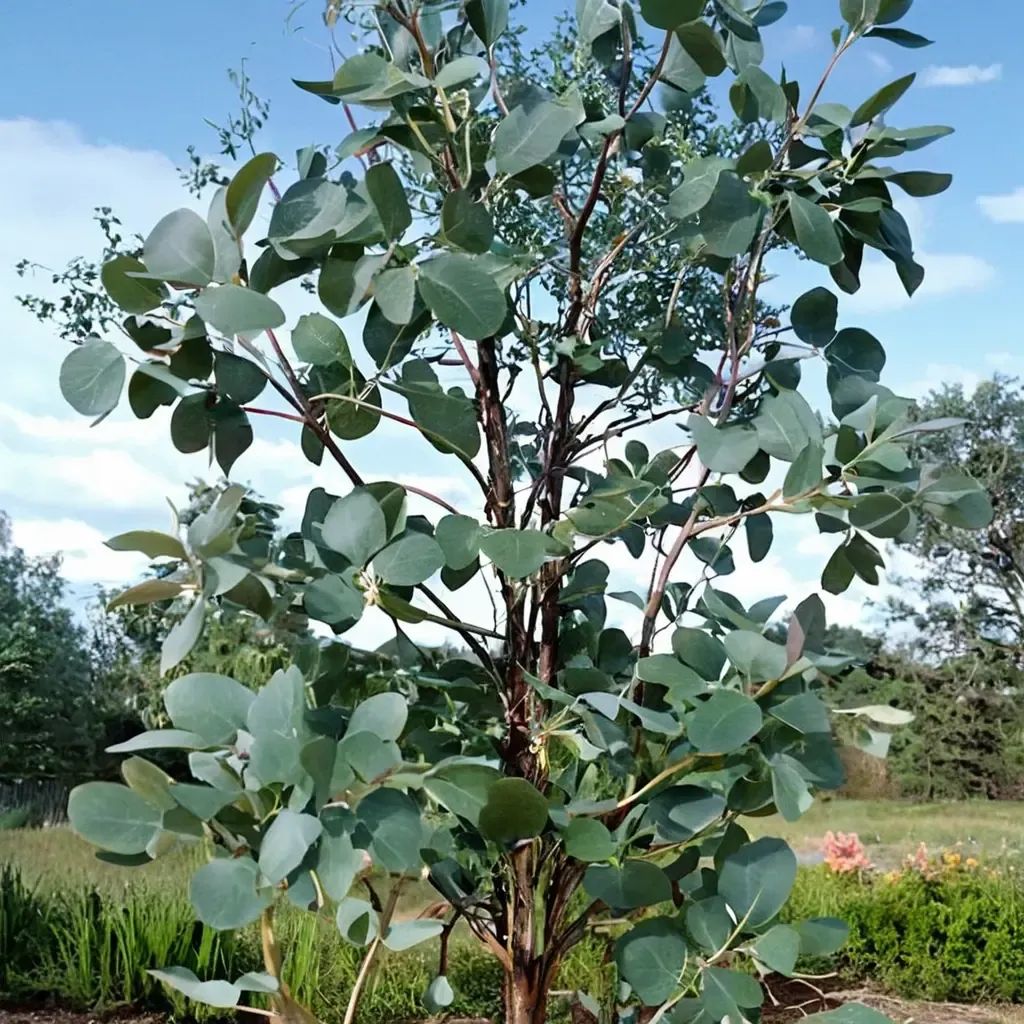
Omeo Gum
Eucalyptus neglecta
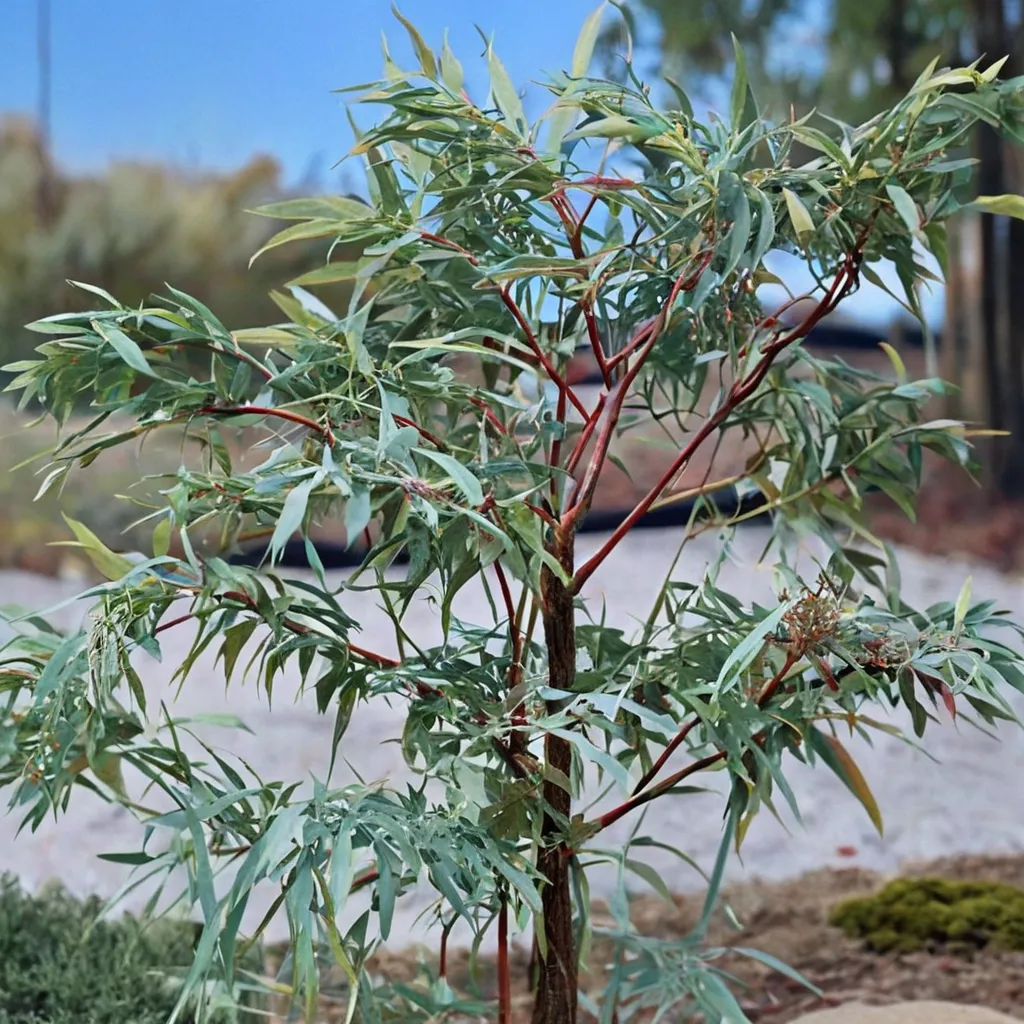
Narrow-leaved Peppermint Eucalyptus
Eucalyptus nicholii
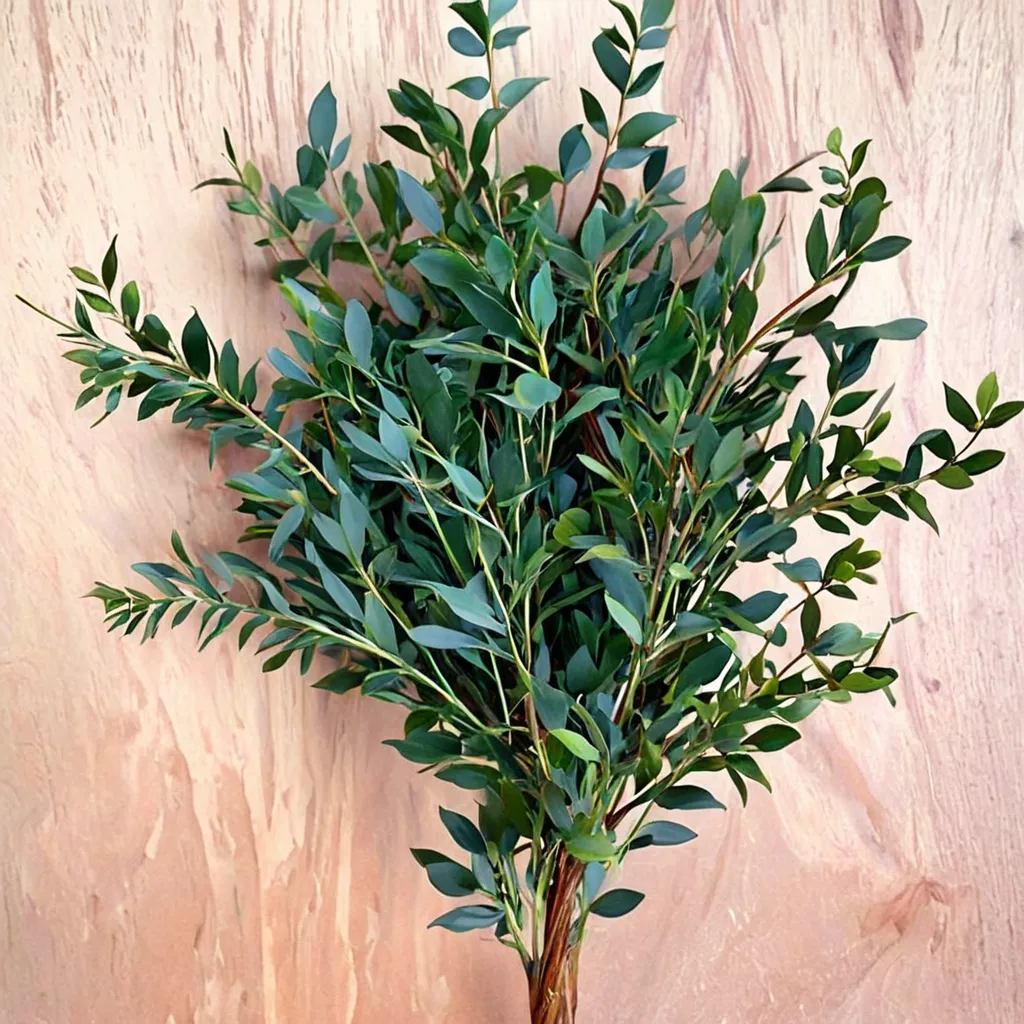
Small-leaved Gum
Eucalyptus parvifolia
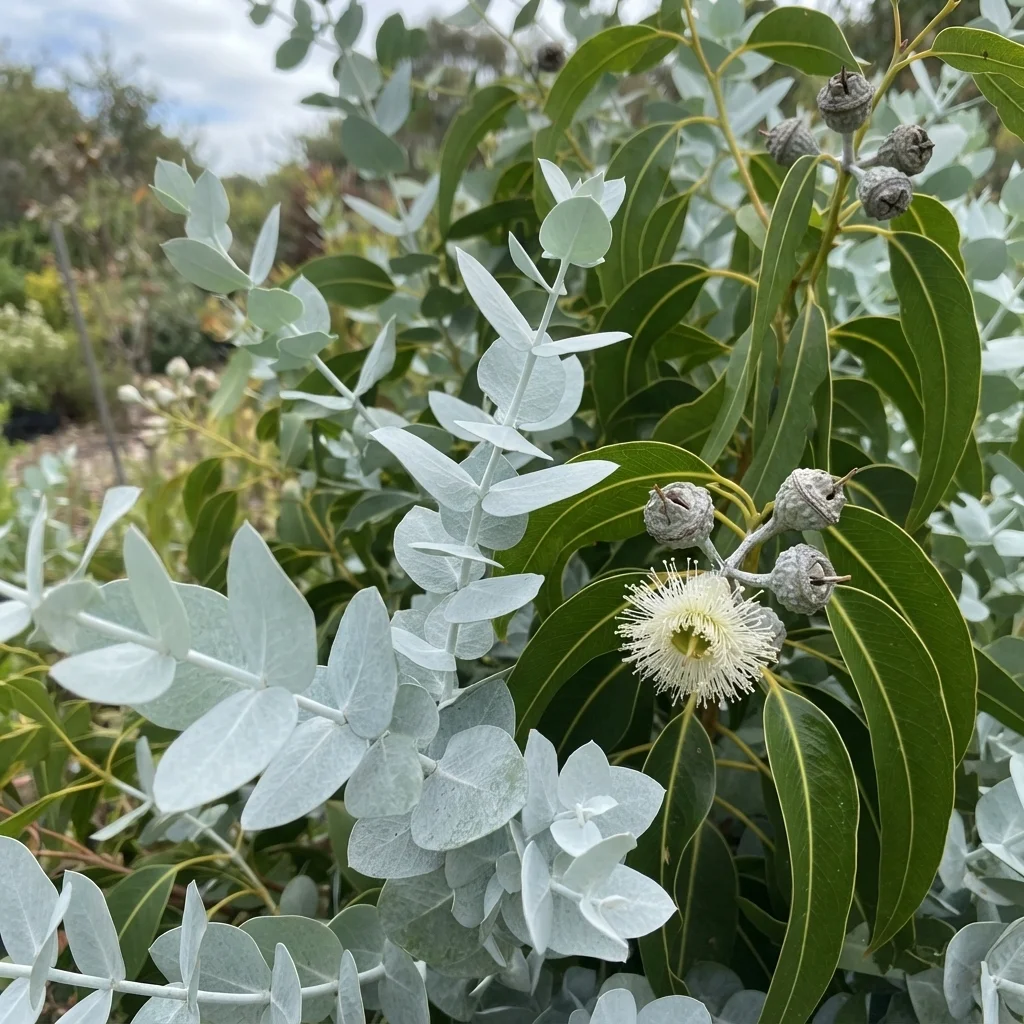
Tasmanian Blue Gum
Eucalyptus globulus
Keep exploring
Explore the genus
Hardy in your zone?
Grow Silver Princess with confidence
See it in a design of your actual yard, get zone-matched care reminders, and track it season by season in your garden journal.