The Story
Plant Bio
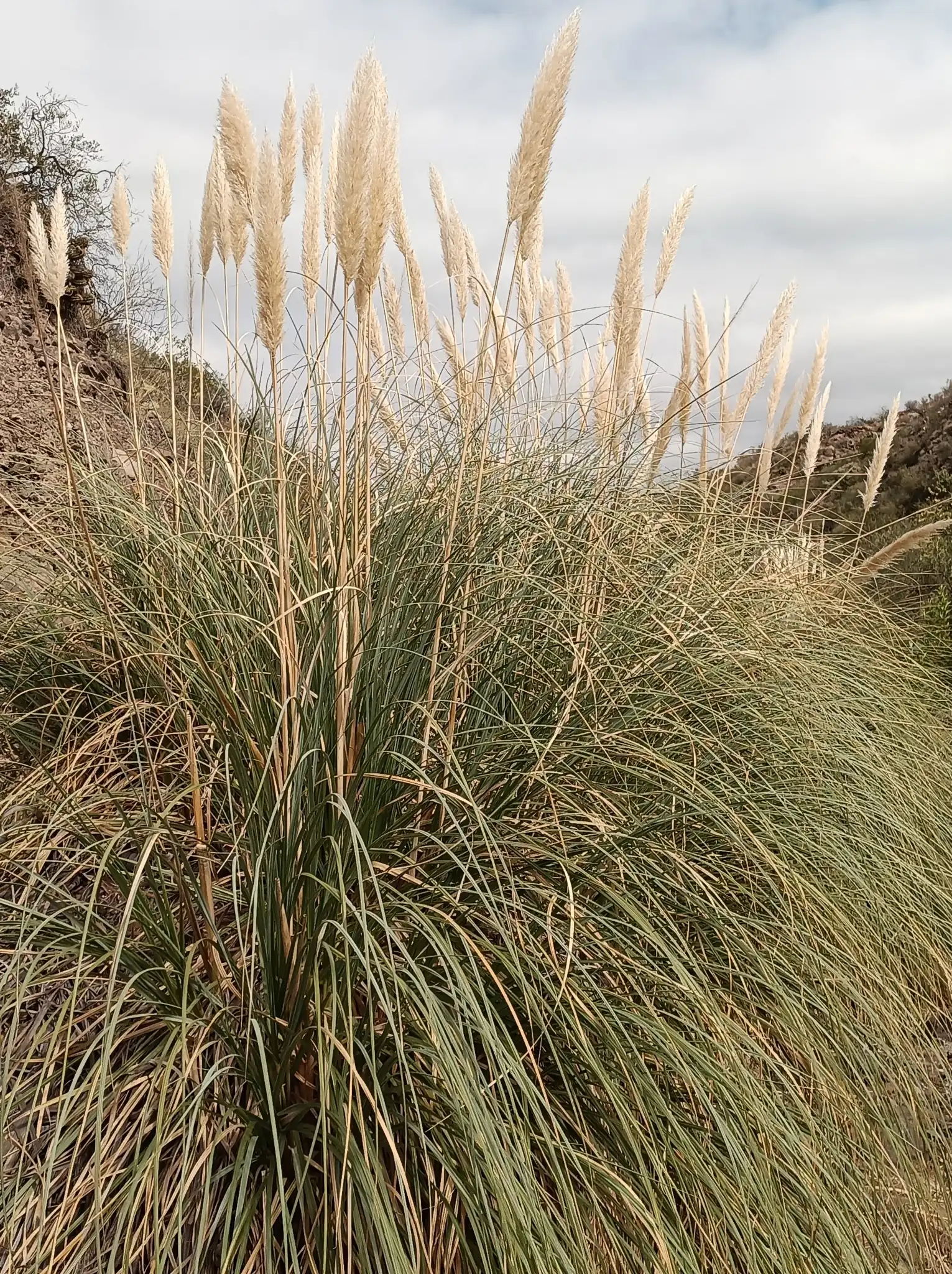
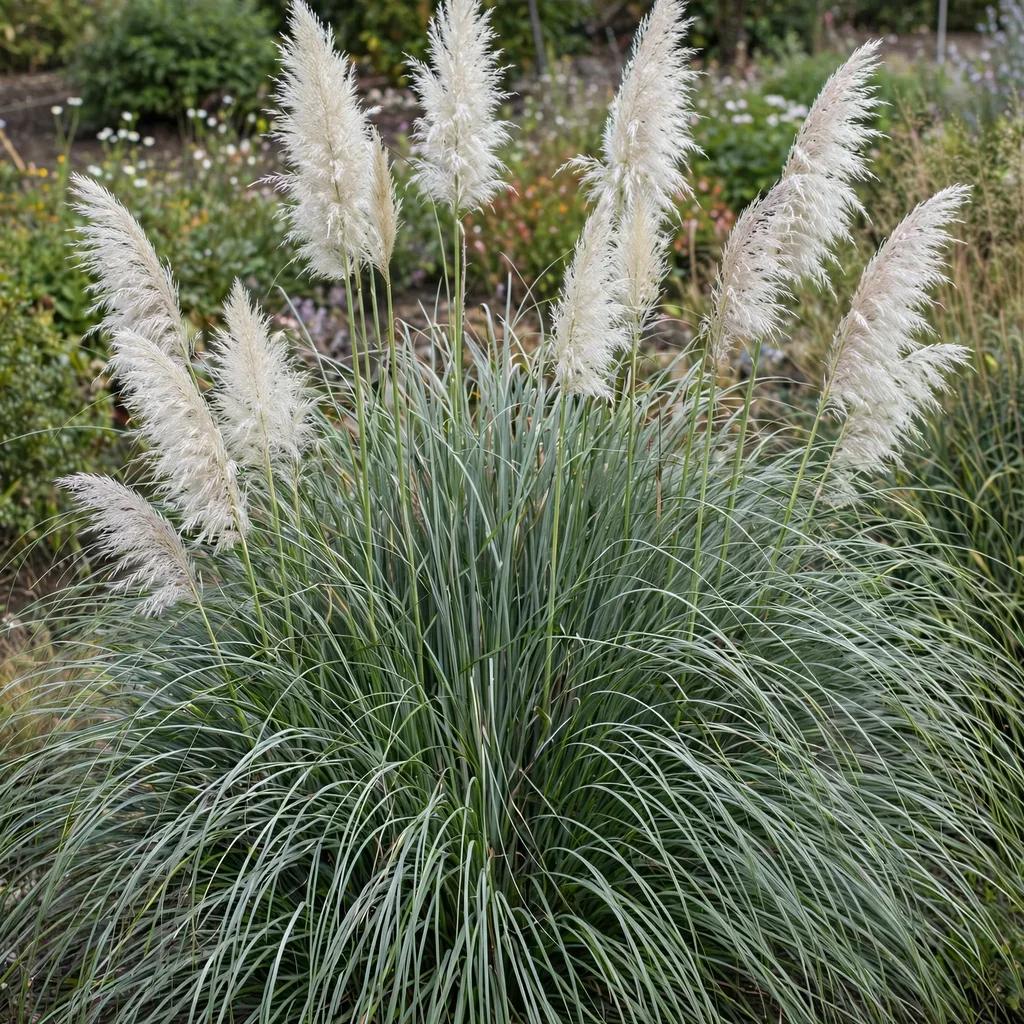
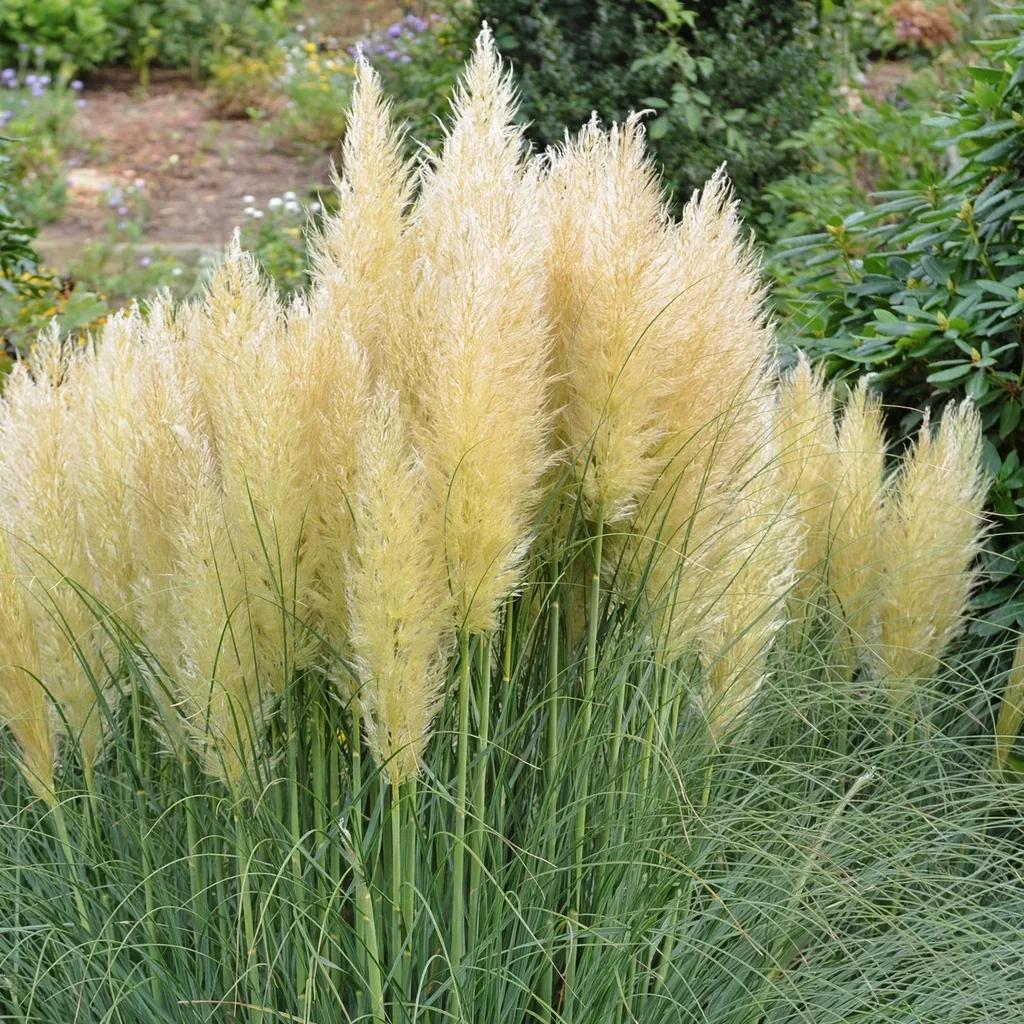
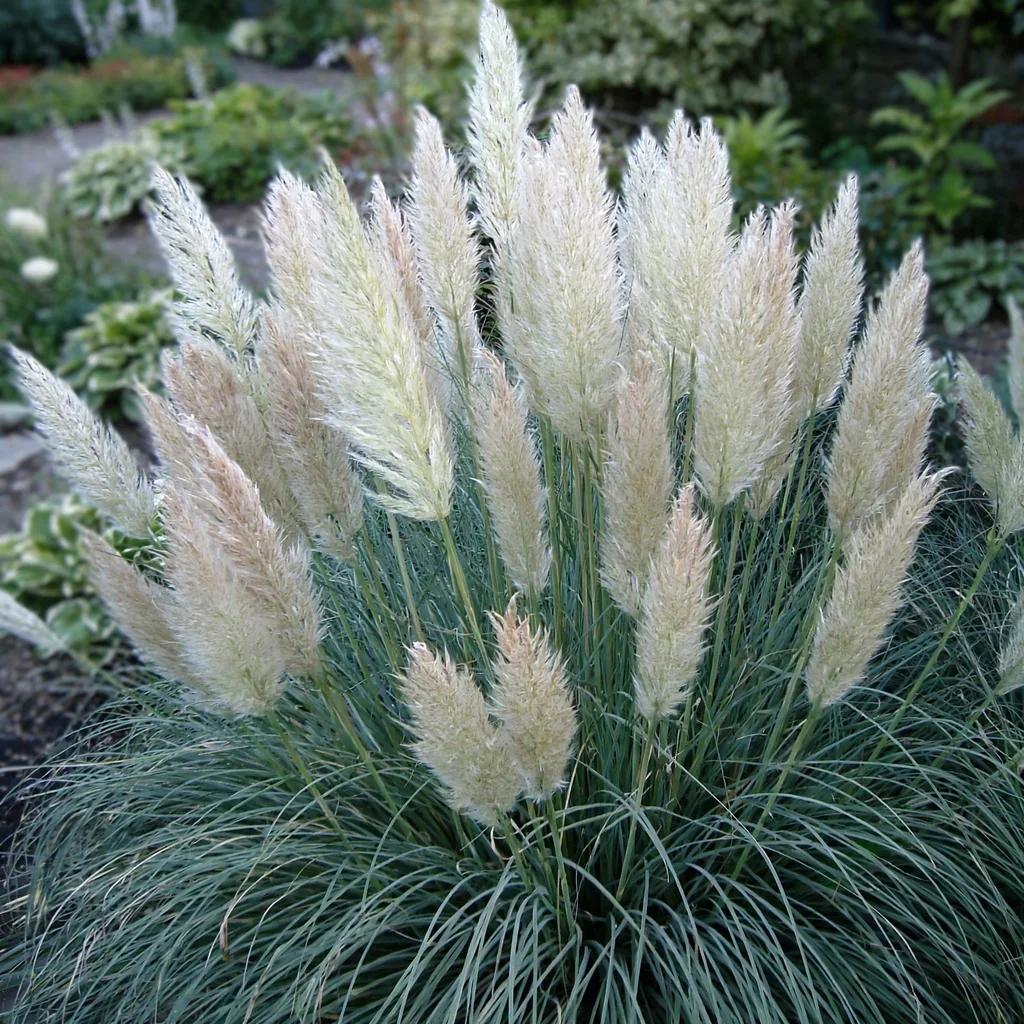
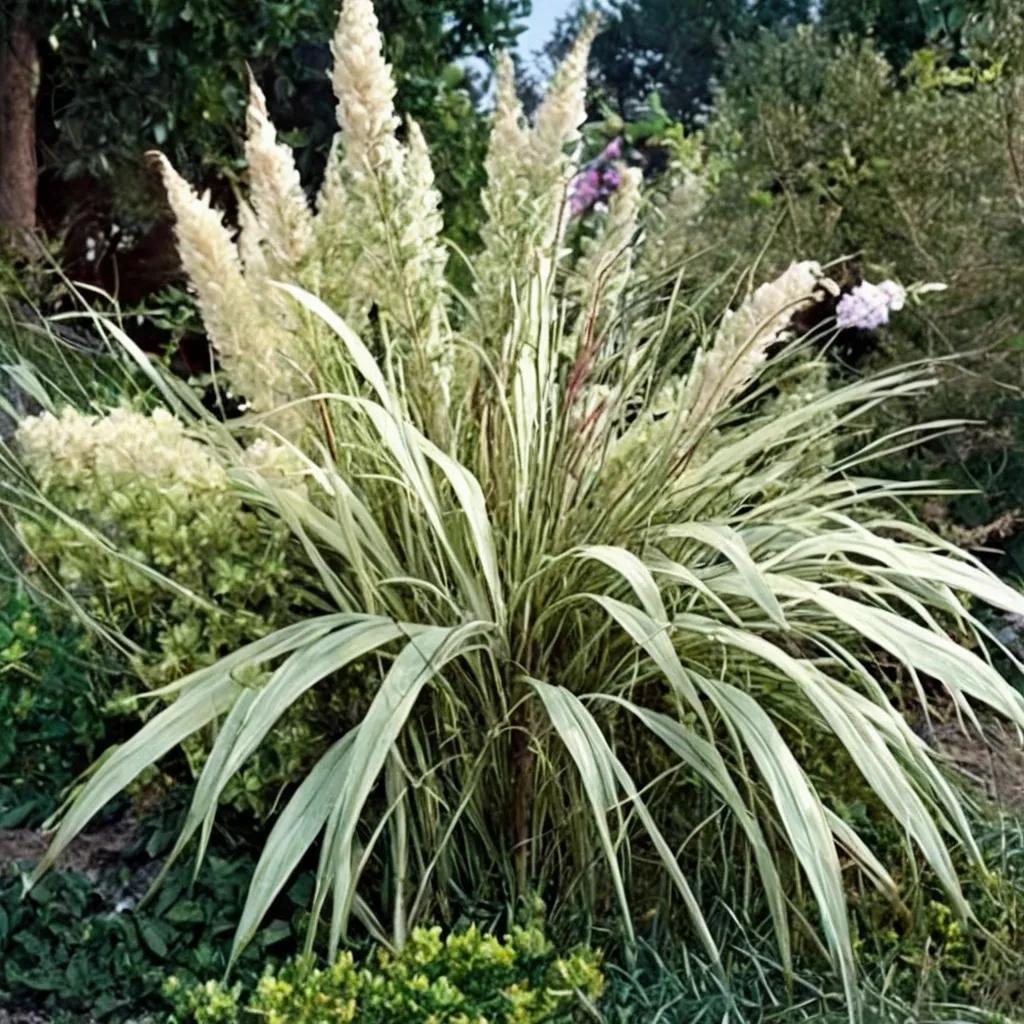
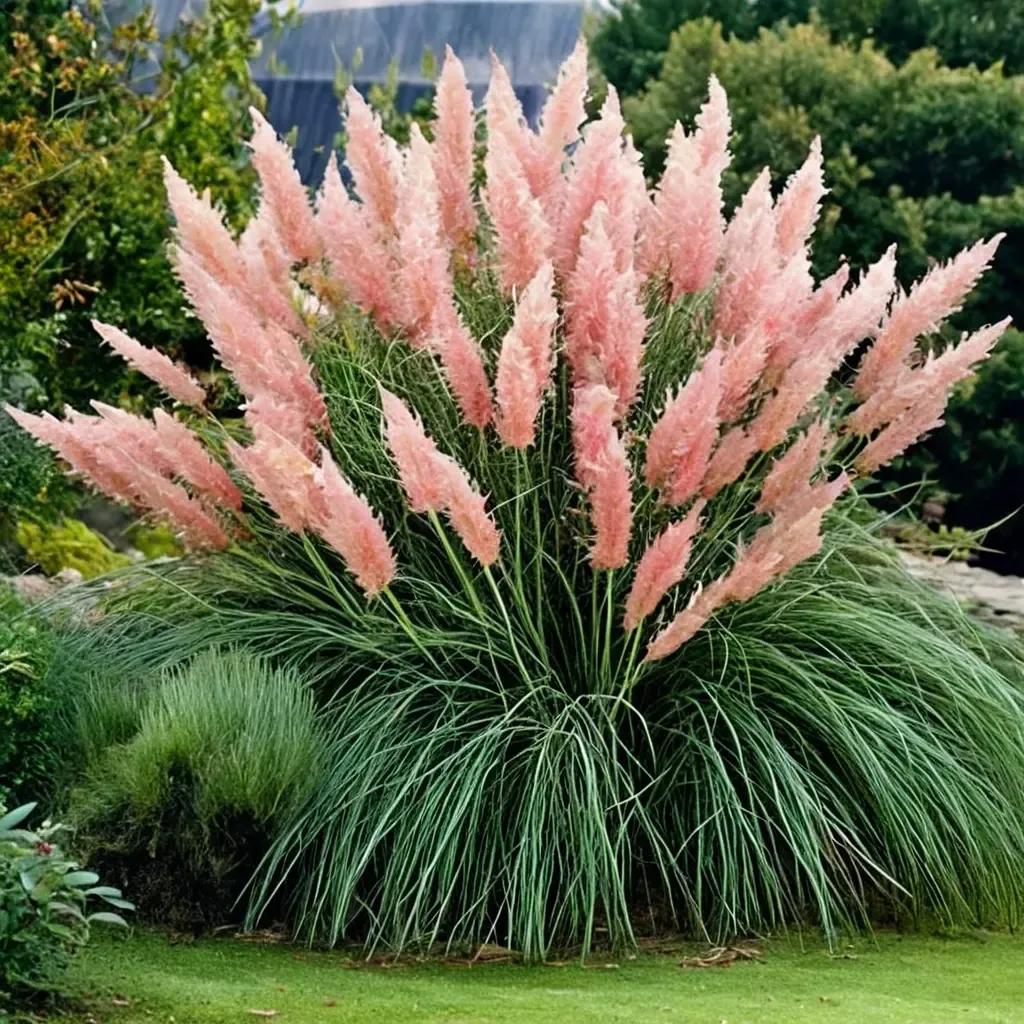
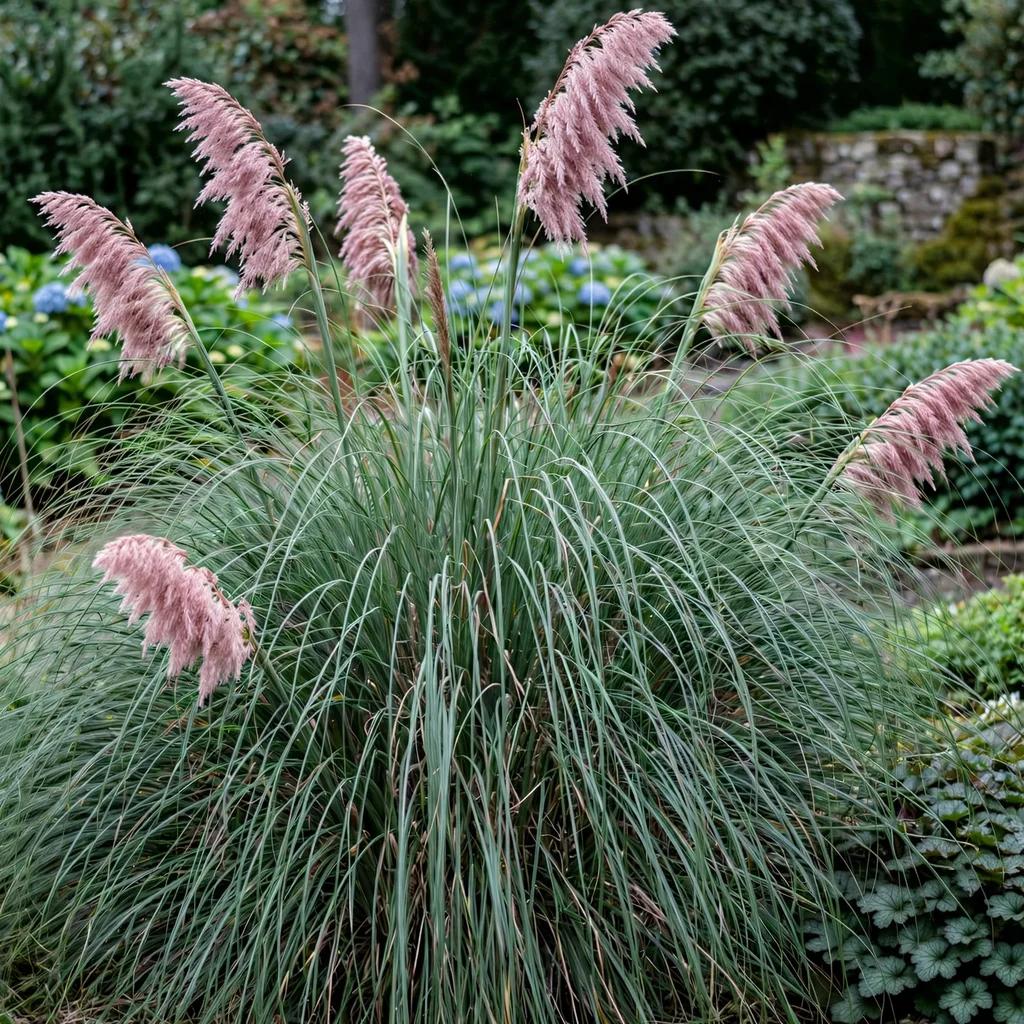
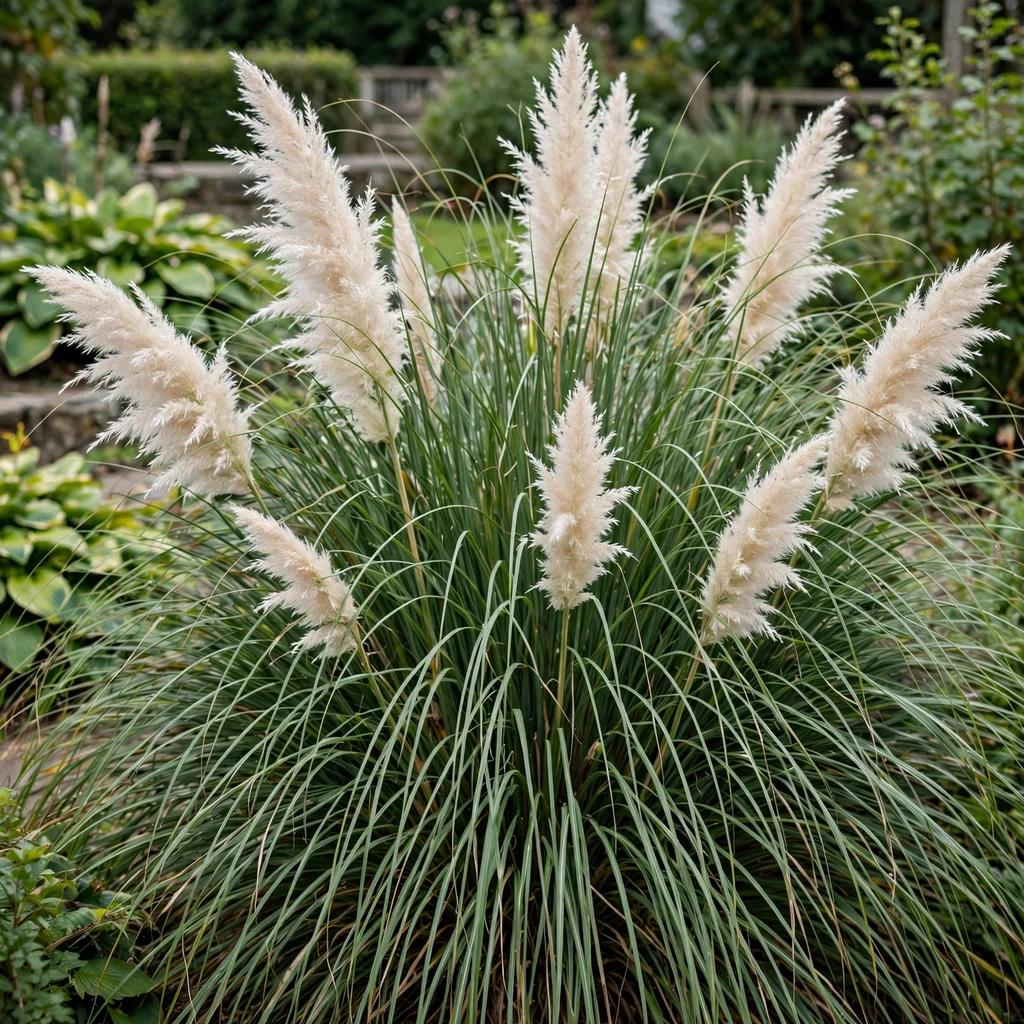
Cortaderia selloana, pampas grass, is a very large clumping perennial grass from South America, throwing a dense fountain of narrow arching leaves six to twelve feet high and four to seven across. From late summer, stiff stems carry the huge silvery-white or pink feathered plumes it is grown for, and these persist through winter.
The leaf margins are finely serrated and cut skin like a blade, so it should never be planted beside a path, a play area or a drive. It is invasive in California, Hawaii and increasingly across the South, and NCSU rates it high flammability, which matters in fire-prone regions. Plant a sterile or male cultivar, or use native muhly grass or switchgrass instead.
Uses & Benefits:
Essentials
At a Glance
Plant Type
Grass
Height
108"
Width
60"
Light
Full Sun
Zones
7, 8, 9, 10
Water
Low
Humidity
Low
Lifespan
Perennial
Native To
South America
Toxicity
Non-toxic, but the leaf edges cut skin
Marketplace
Where to Buy
Shipping costs Year-round shipping Free shipping
Planting
How to Grow
- Check local invasive listings before planting.
- Site it well away from paths, drives and play areas.
- Give it full sun and any well-drained soil.
- Allow six feet of width for a mature clump.
- Cut the whole clump to a foot in late winter.
- Wear thick gloves and long sleeves to cut it.
Pro Tip
Cut it back in late winter with long sleeves and heavy gloves — the leaf edges are serrated and cause deep, slow-healing cuts.
Keep It Thriving
Care Guide
Do
- Wear heavy gloves and sleeves to prune 🧤
- Plant it well away from paths 📏
- Cut the clump back in late winter ✂️
- Check your state's invasive list first ⚠️
Don't
- Plant it beside a walkway or play area ❌
- Grow the seeding female form where it invades ❌
- Plant it in a fire-prone area ❌
Seasonal Care Calendar
| Task | Jan | Feb | Mar | Apr | May | Jun | Jul | Aug | Sep | Oct | Nov | Dec |
|---|---|---|---|---|---|---|---|---|---|---|---|---|
| Cut Back | ||||||||||||
| Enjoy |
Watch Out For
Pests & Diseases
Common Pests
Common Diseases
In the Garden
Landscape Uses & Companions
Landscape Uses
Companion Plants
Multiply
Propagation Methods
Good to Know
Common Questions
Pampas Grass questions
What zones can Pampas Grass grow in?
Pampas Grass is hardy in USDA Zones 7–10. Inside that range it survives winter in the ground; outside it, grow it as an annual or a container plant you protect.
Is Pampas Grass deer resistant?
Yes — Pampas Grass is rated deer-resistant. Deer typically pass it over, though extreme hunger can override any plant's defenses.
When does Pampas Grass bloom?
Pampas Grass typically blooms in late summer to fall through late fall. Exact timing shifts a week or two with your zone — Sow's bloom calendar maps it to your garden.
Does Pampas Grass need full sun?
Pampas Grass does best in full sun (6+ hours).
Is Pampas Grass drought tolerant?
Yes — once established (usually after the first full season), Pampas Grass handles dry spells with minimal watering. Water deeply its first year to build the root system that makes that possible.
More Cortaderia to compare
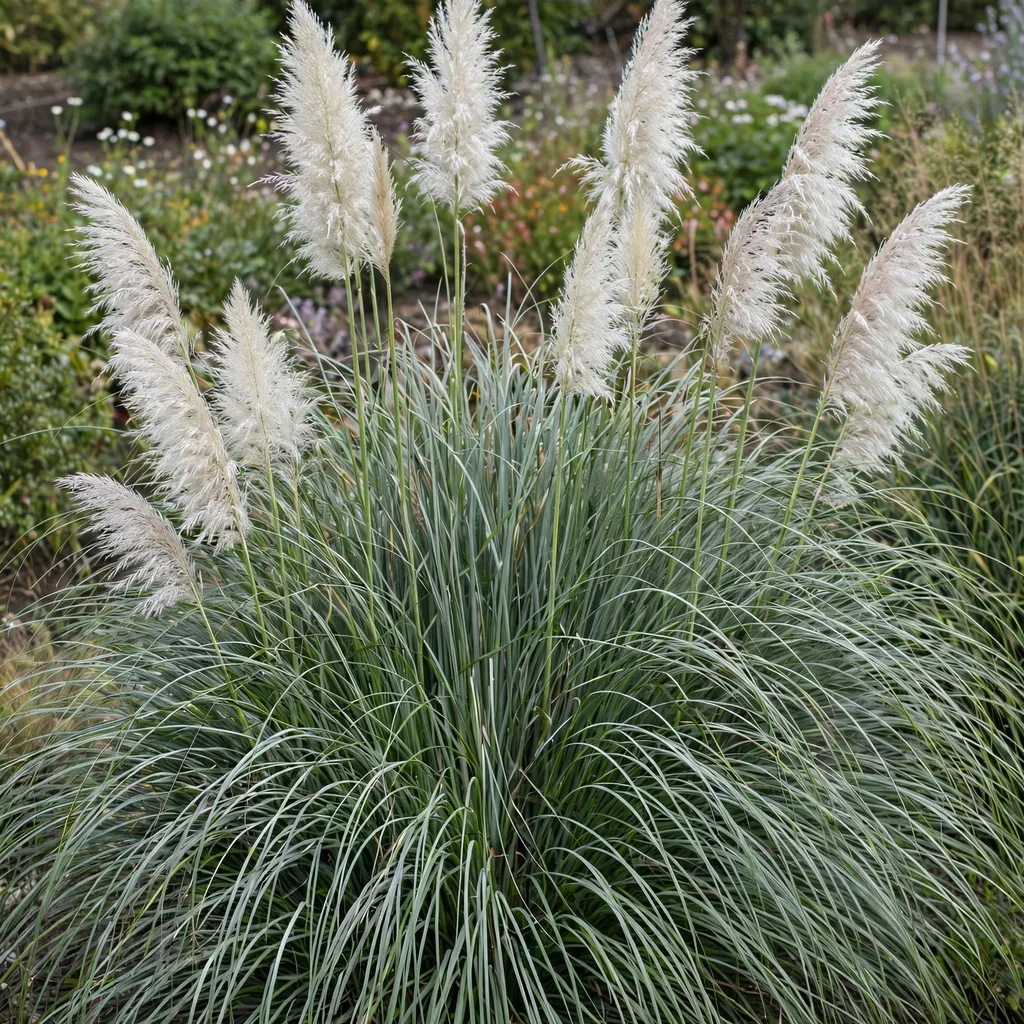
Silver Comet Pampas Grass
Cortaderia selloana 'Silver Comet'
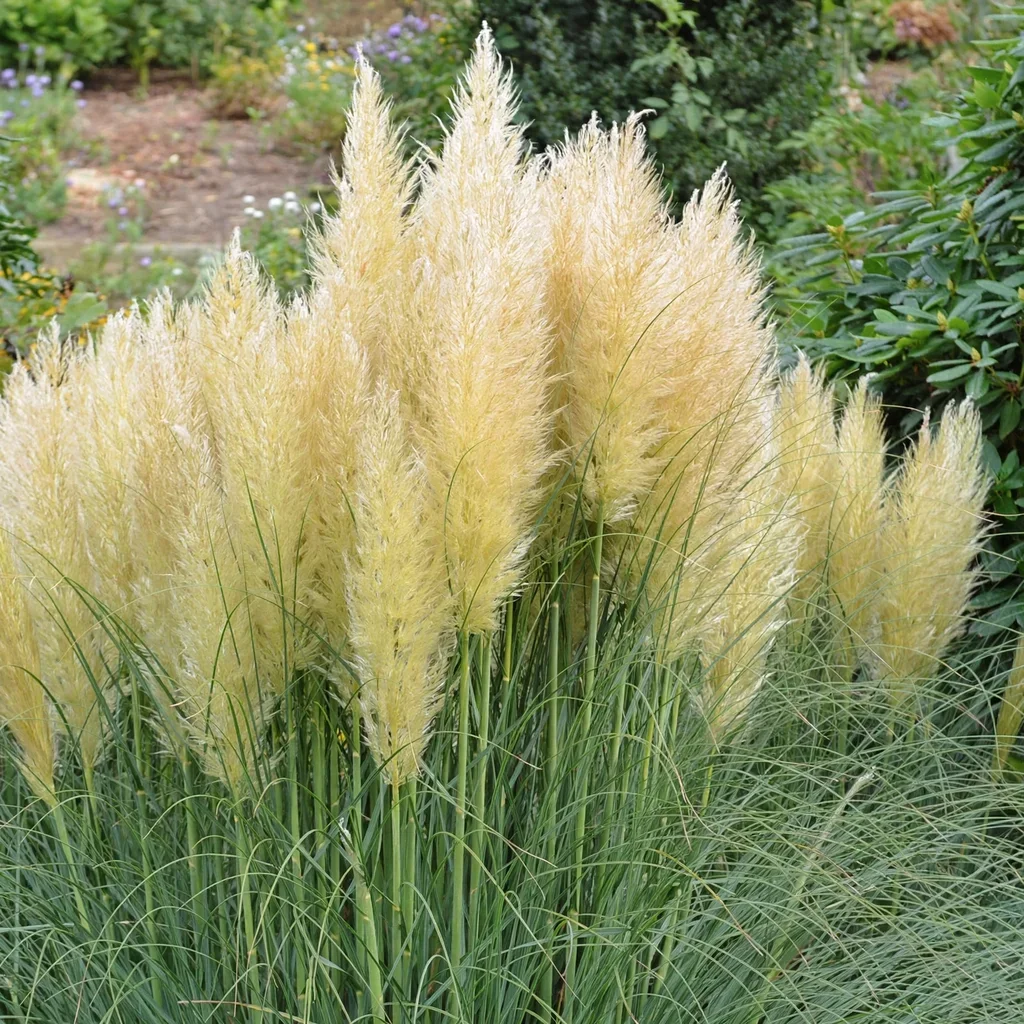
Amber Waves Pampas Grass
Cortaderia selloana 'Amber Waves'
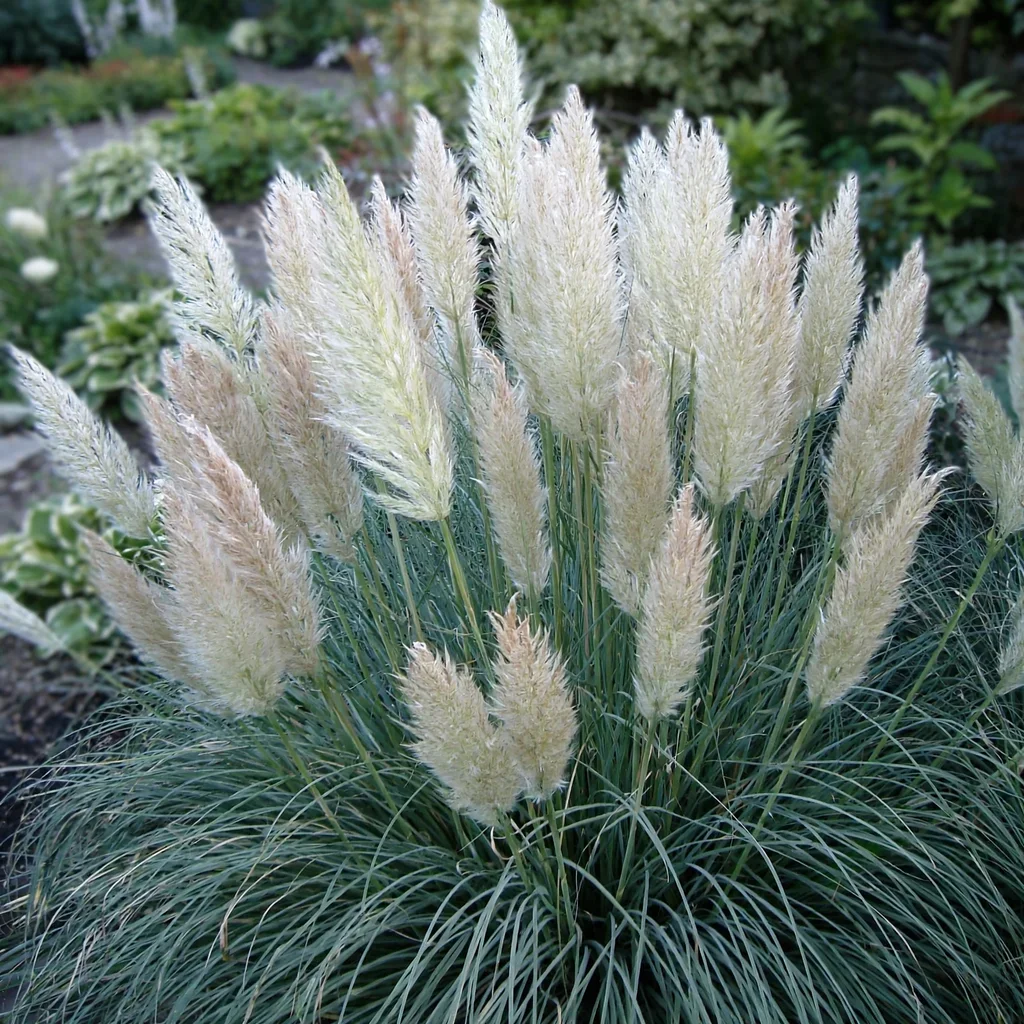
Dwarf Pampas Grass
Cortaderia selloana 'Pumila'
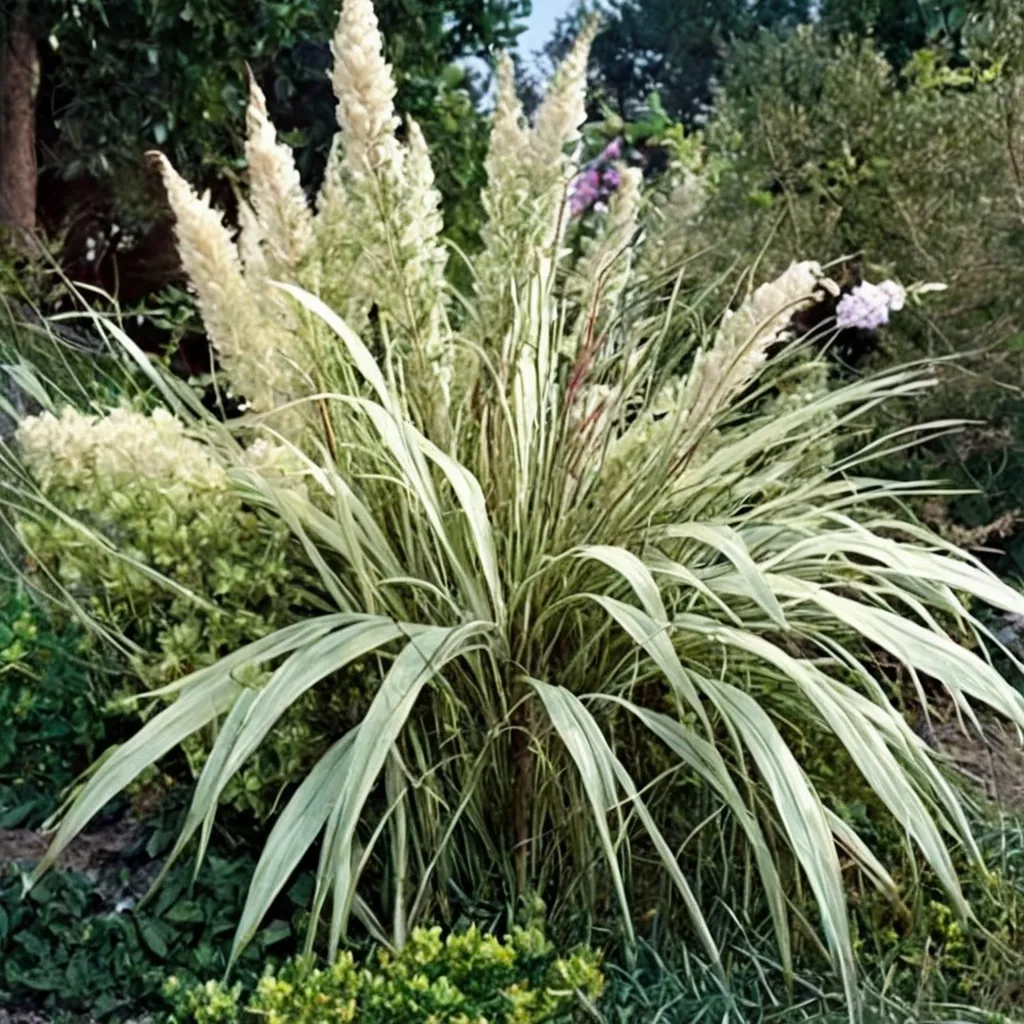
Pampas Grass Silver Stripe
Cortaderia selloana 'Silver Stripe'
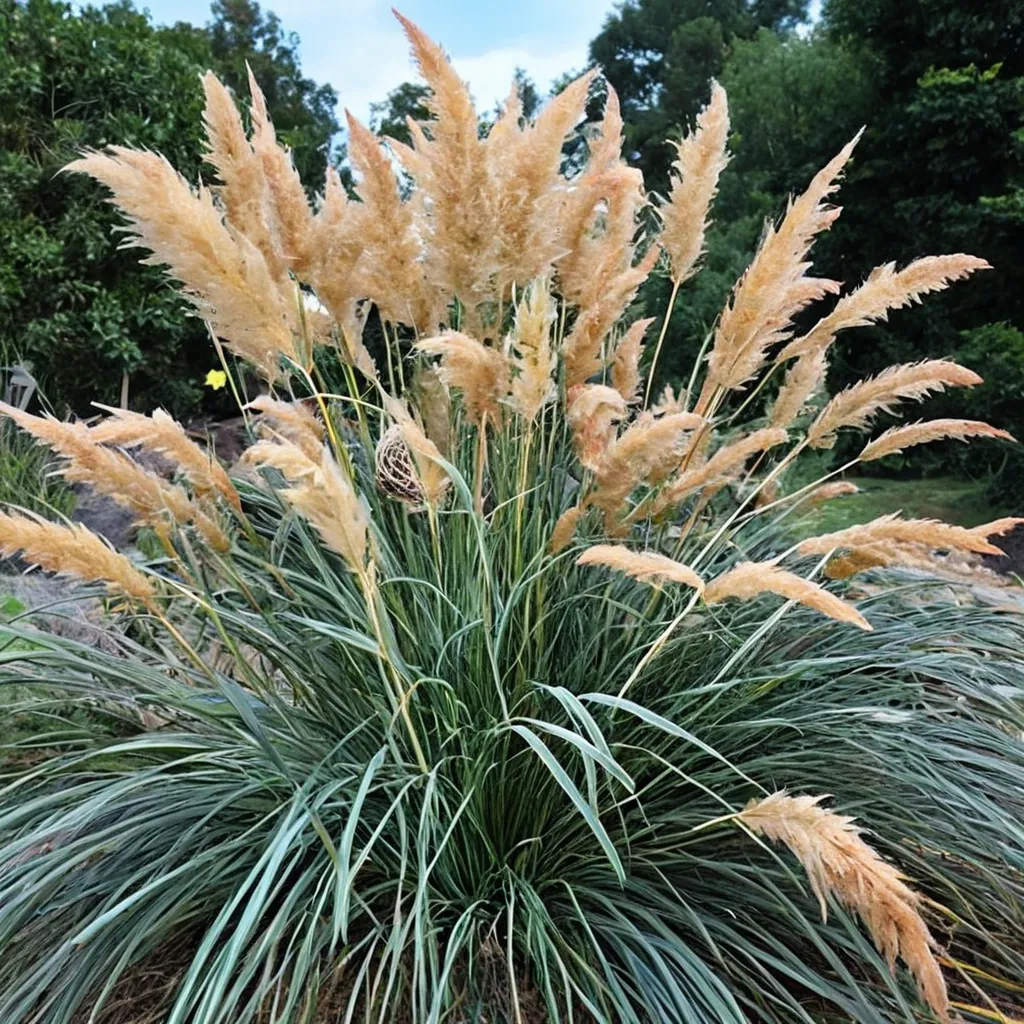
Toetoe
Cortaderia egmontiana 'Plume Delight'
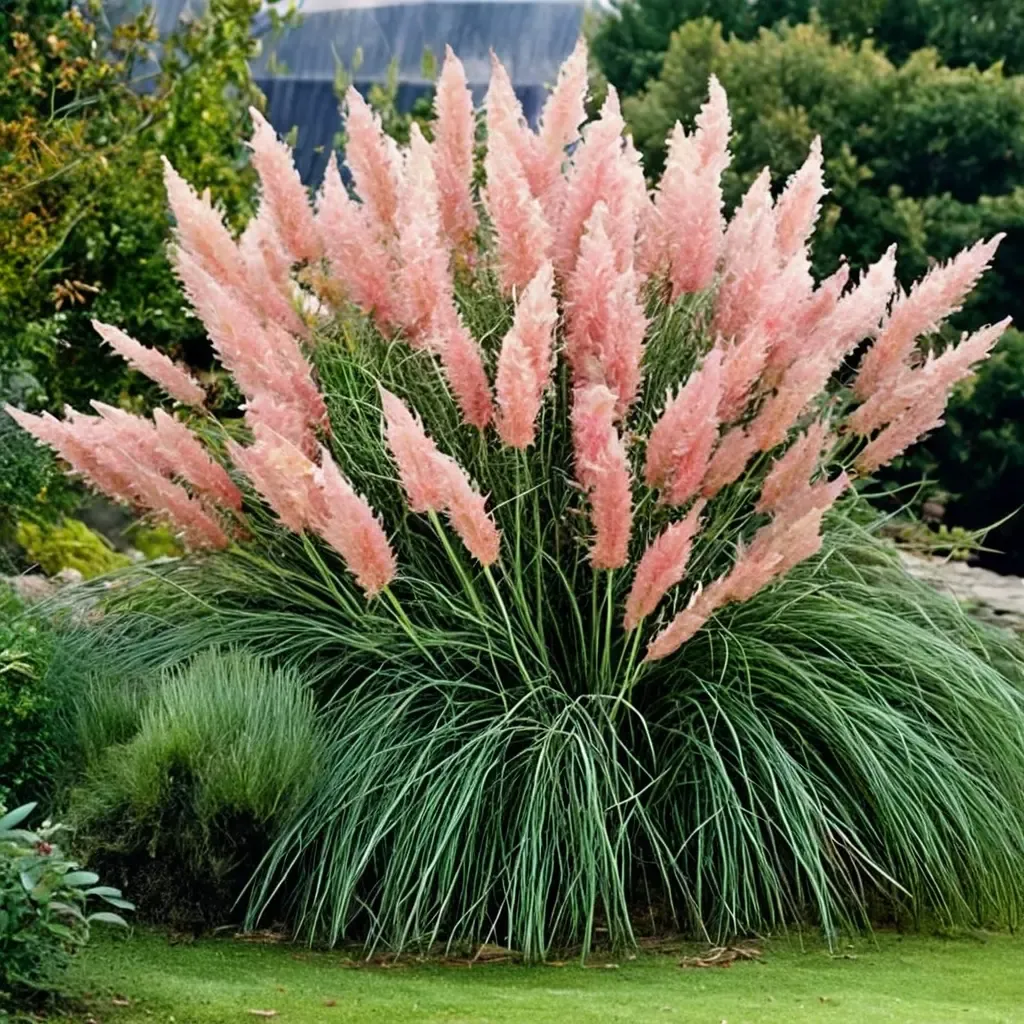
Pink Pampas Grass
Cortaderia selloana 'Pink'
Keep exploring
Explore the genus
Hardy in your zone?
Grow Pampas Grass with confidence
See it in a design of your actual yard, get zone-matched care reminders, and track it season by season in your garden journal.