The Story
Plant Bio
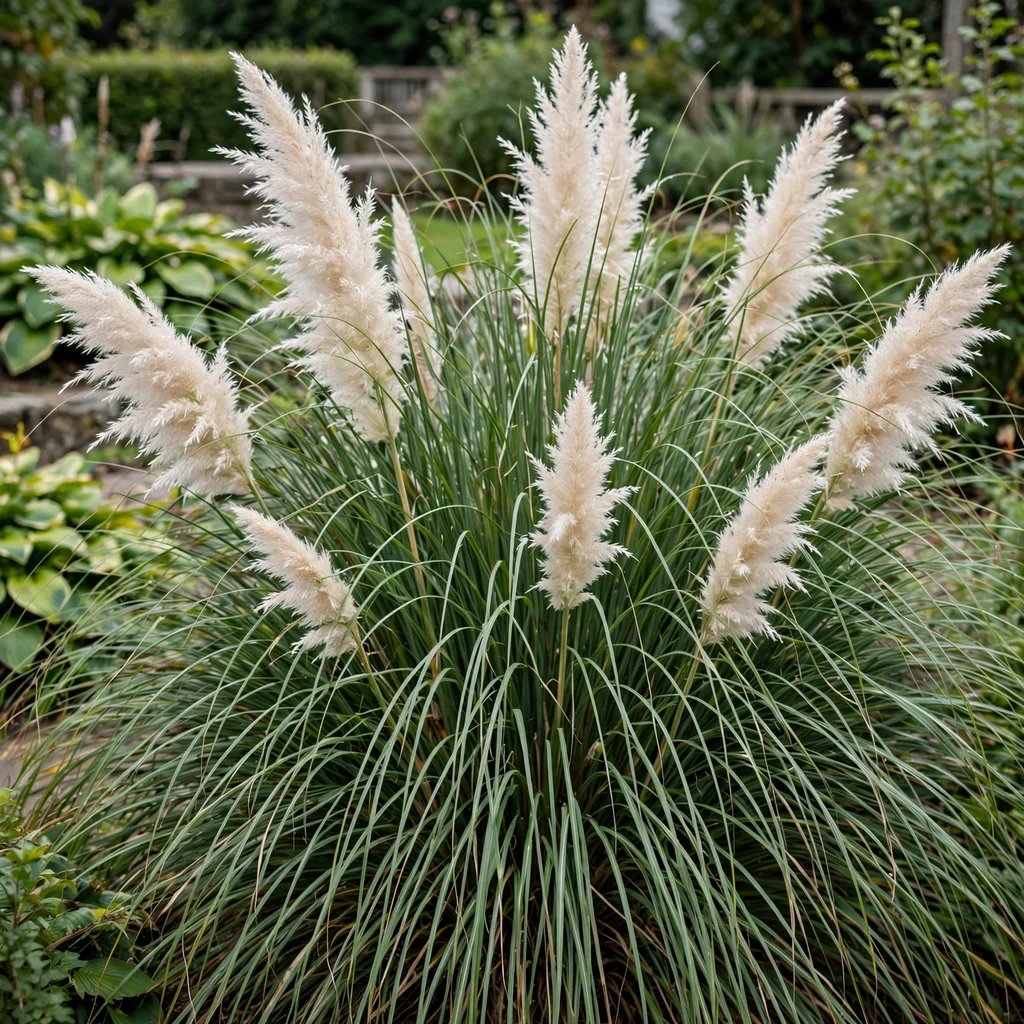
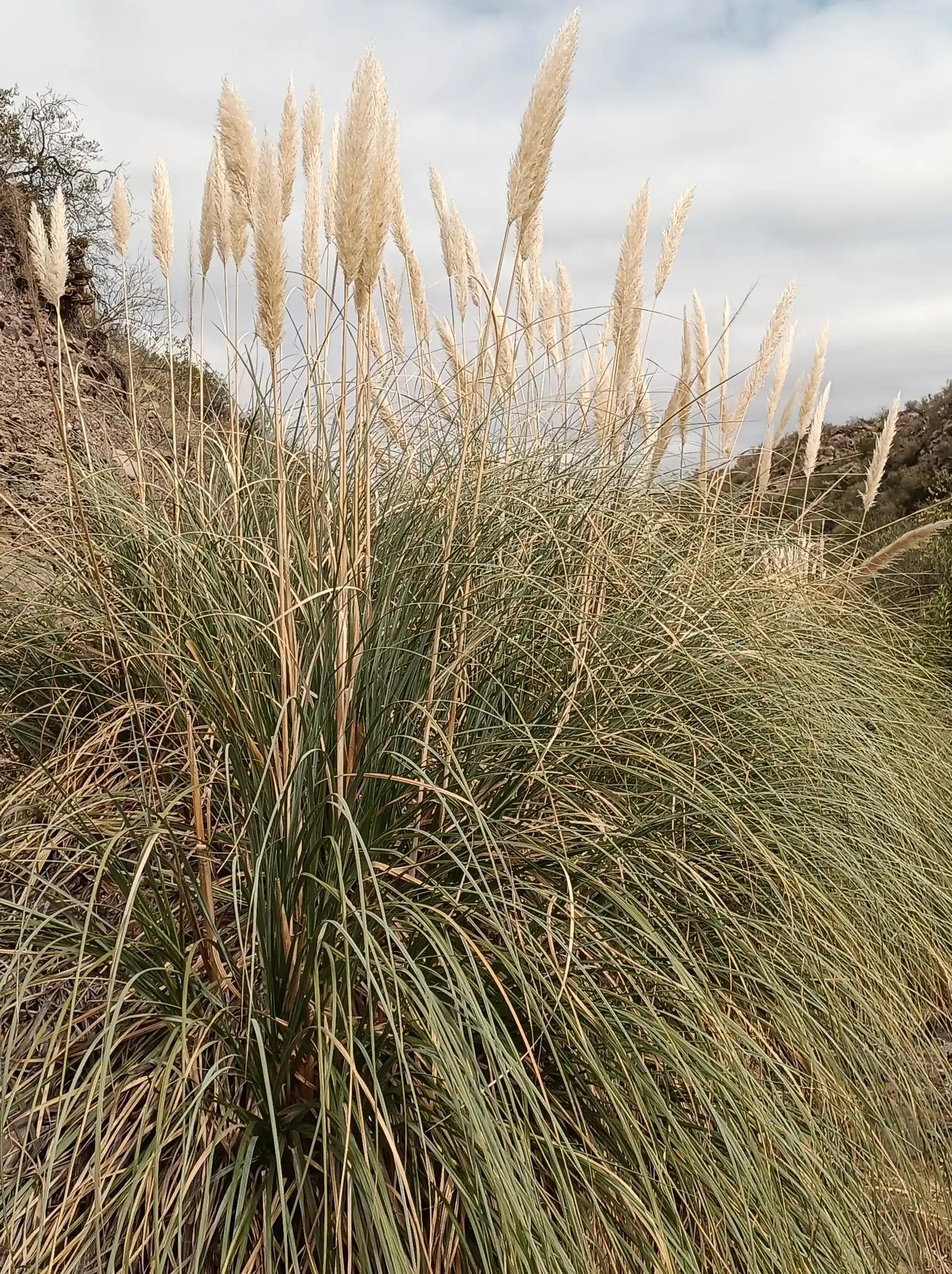
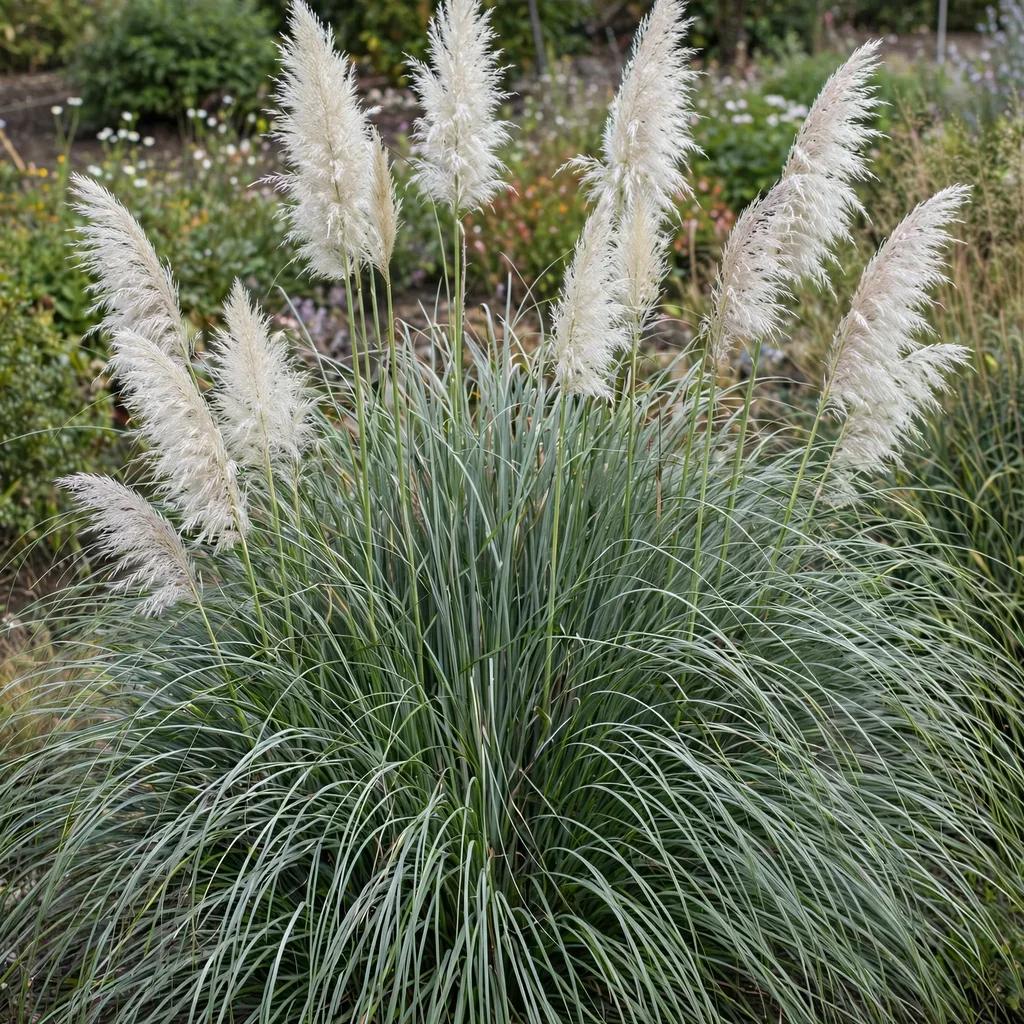
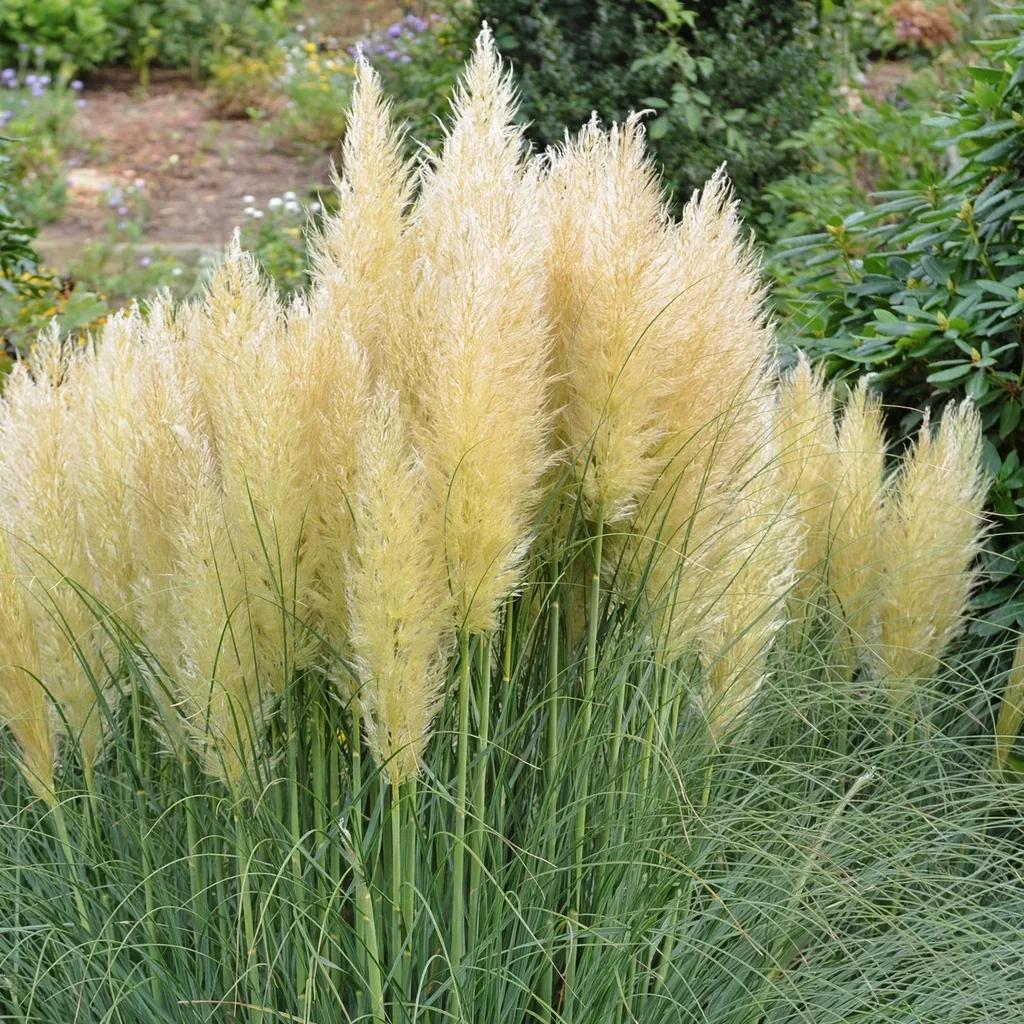
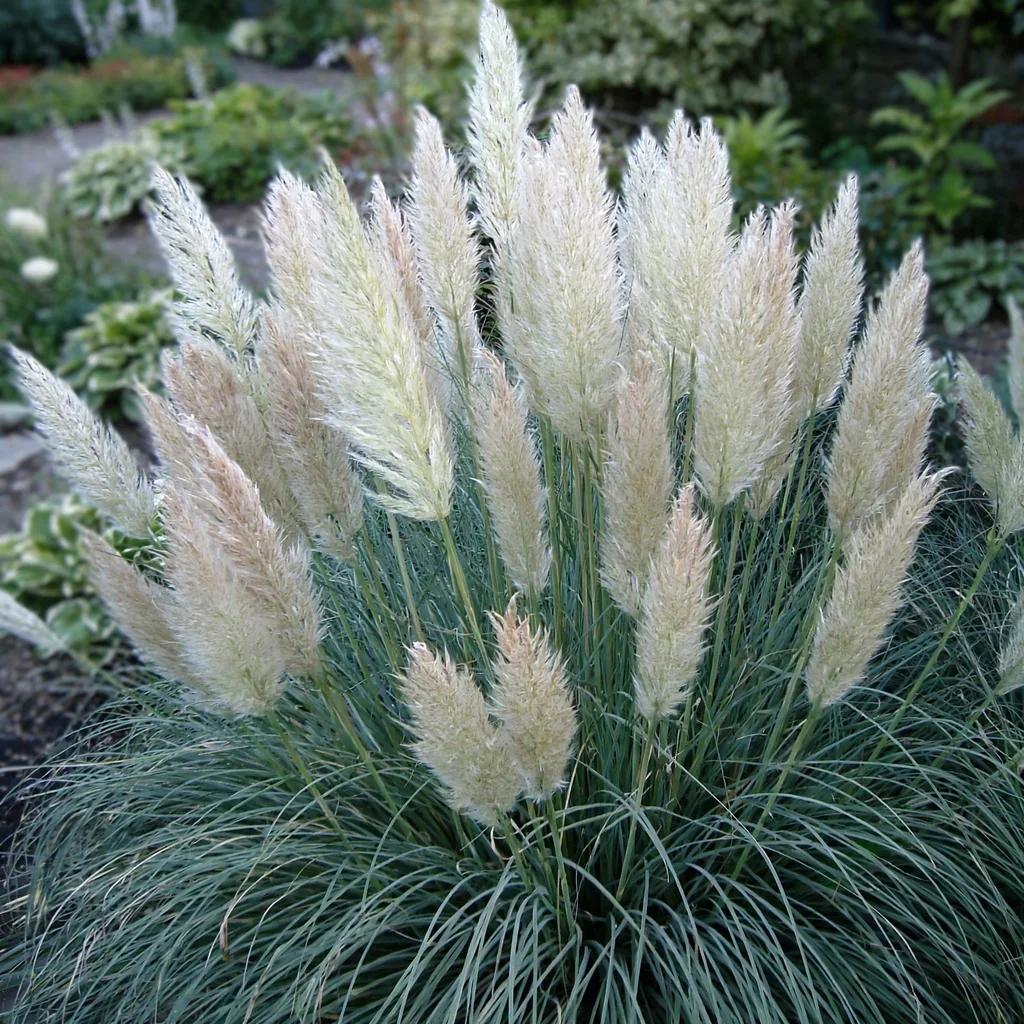
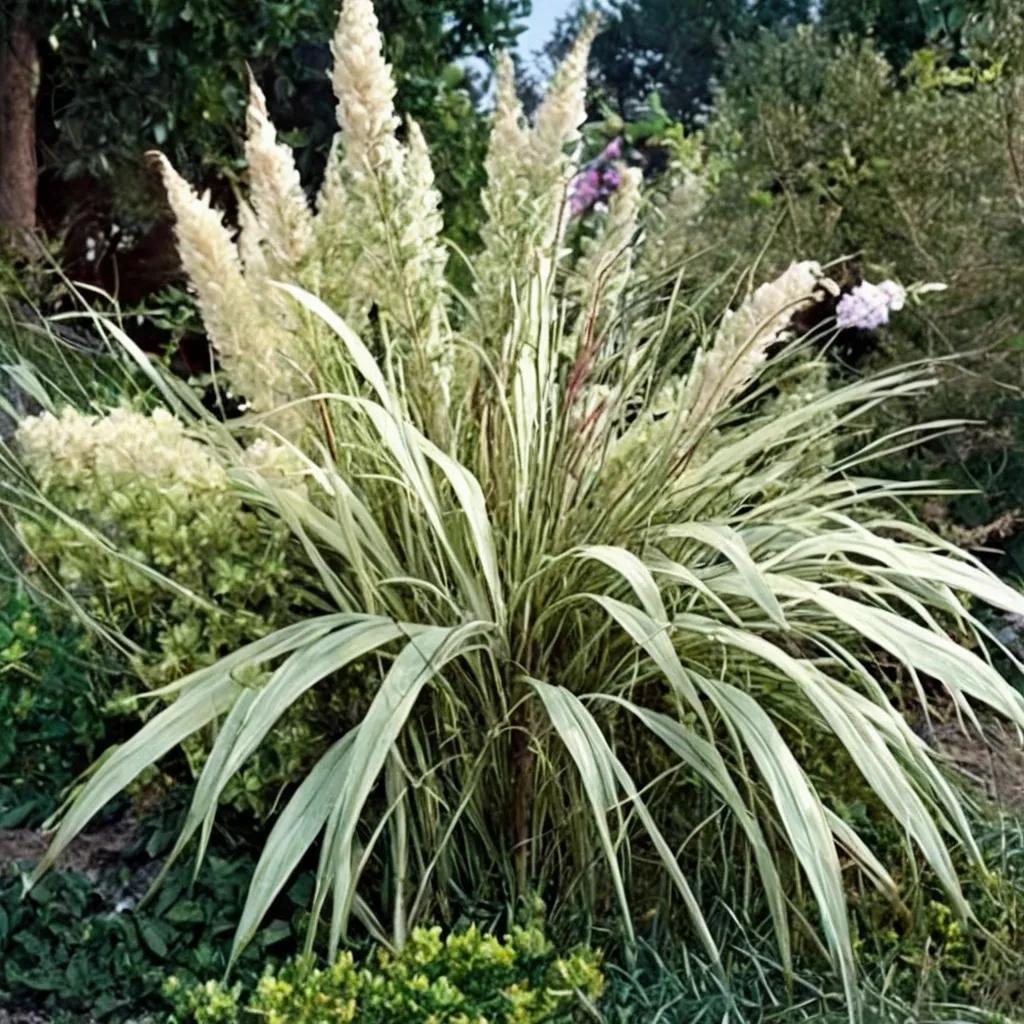
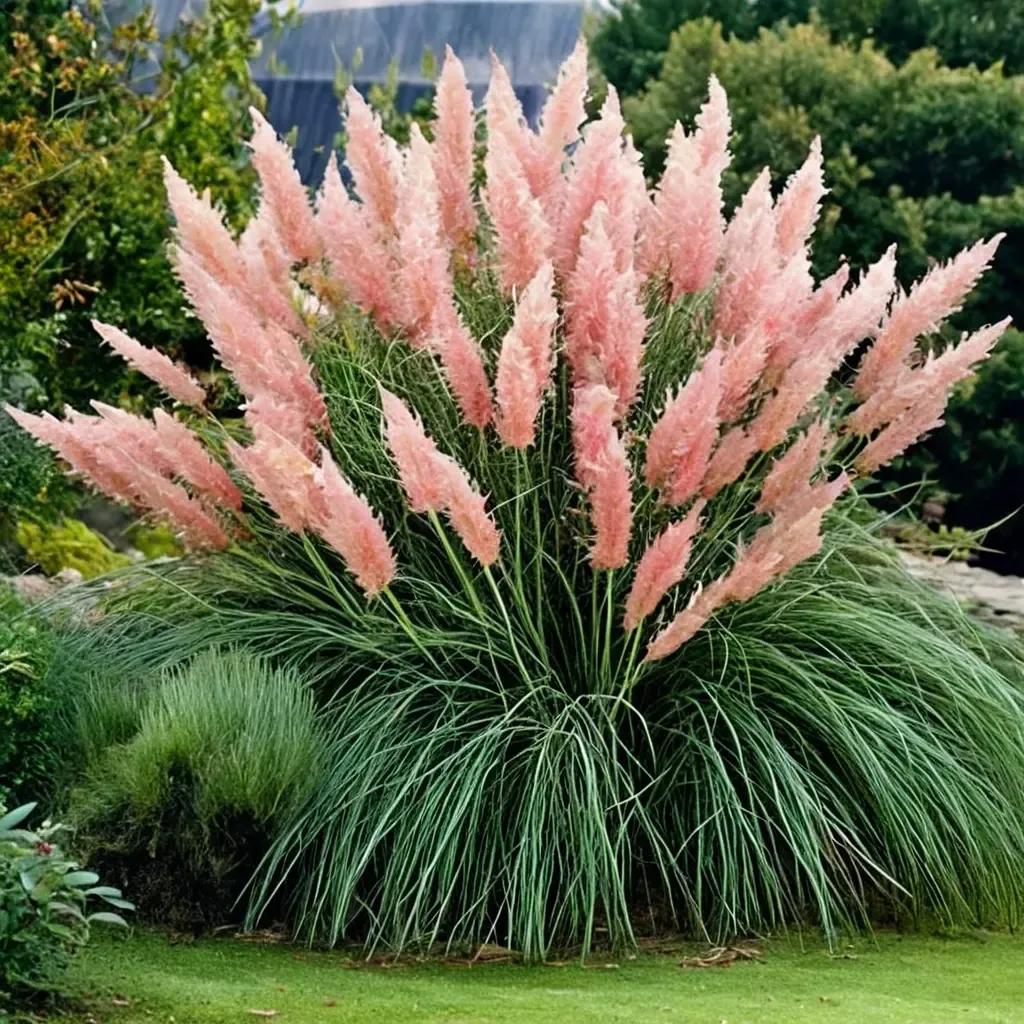
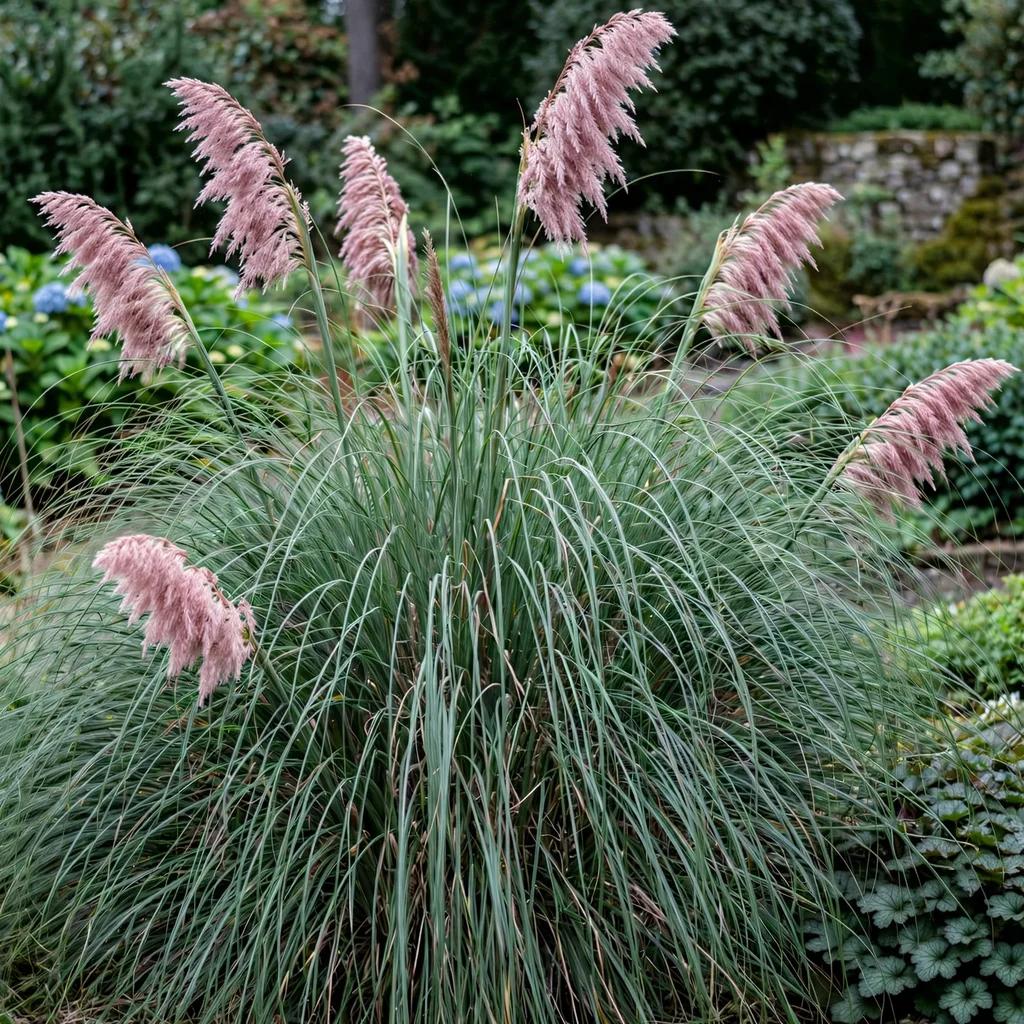
Cortaderia selloana is a robust, evergreen perennial grass native to South America, characterized by its dense, fountain-like tussocks of razor-sharp, linear foliage. In late summer, the species produces towering, feathery flower panicles that persist into winter, providing architectural structure and wind-pollinated seed heads.
'Evita' is a compact, patented cultivar that reaches only five to six feet in height, making it significantly smaller and more manageable than the wild species. It features a refined, less sprawling habit and produces its silvery-white to pale cream plumes on shorter, erect stems.
Uses & Benefits:
Essentials
At a Glance
Plant Type
Grass
Height
79"
Width
59"
Light
Full Sun, Partial Sun
Zones
7, 8, 9, 10
Water
Low
Humidity
Moderate
Lifespan
Perennial
Native To
South America
Toxicity
Non-toxic
Bloom period
Late summer – Fall
In flower about 4 months of the year
Planting
How to Grow
- Select a site in full sun with well-drained soil, as wet winter conditions can cause root rot.
- Dig a hole twice the width of the root ball and set the plant at the same depth it was growing in its container.
- Water thoroughly at planting and maintain moderate moisture until the root system is fully established.
- Apply a balanced, slow-release fertilizer sparingly in spring to support new growth without encouraging floppy foliage.
Pro Tip
Always wear heavy leather gloves, long sleeves, and eye protection when working with this grass, as the serrated leaf margins easily slice through skin. Cut the entire clump back hard to six to twelve inches in late winter, ensuring you complete the task before new green shoots emerge to avoid ruining the upcoming season's form.
Keep It Thriving
Care Guide
Do
- Wear heavy-duty protective gear including thick gloves and long sleeves when handling the foliage.
- Prune the entire clump back to 6 to 12 inches above the ground in late winter.
- Ensure the soil drains rapidly, especially in heavy clay or wet winter climates.
Don't
- Do not shear the plant late in spring after new green growth has already started to emerge.
- Do not plant this species in coastal areas directly exposed to heavy, salt-laden maritime spray.
- Do not cut back into the old, leafless woody base of the clump, which can kill those stems.
Seasonal Care Calendar
| Task | Jan | Feb | Mar | Apr | May | Jun | Jul | Aug | Sep | Oct | Nov | Dec |
|---|---|---|---|---|---|---|---|---|---|---|---|---|
| Fertilize | ||||||||||||
| Pest Check | ||||||||||||
| Propagate | ||||||||||||
| Prune |
Watch Out For
Pests & Diseases
Common Pests
Common Diseases
In the Garden
Landscape Uses & Companions
Landscape Uses
Multiply
Propagation Methods
Good to Know
Common Questions
Pampas Grass questions
What zones can Pampas Grass grow in?
Pampas Grass is hardy in USDA Zones 7–10. Inside that range it survives winter in the ground; outside it, grow it as an annual or a container plant you protect.
Is Pampas Grass deer resistant?
Yes — Pampas Grass is rated deer-resistant. Deer typically pass it over, though extreme hunger can override any plant's defenses.
When does Pampas Grass bloom?
Pampas Grass typically blooms in late summer through fall. Exact timing shifts a week or two with your zone — Sow's bloom calendar maps it to your garden.
Does Pampas Grass need full sun?
Pampas Grass does best in full sun to part shade. In hot climates, afternoon shade keeps blooms fresher longer.
Is Pampas Grass drought tolerant?
Yes — once established (usually after the first full season), Pampas Grass handles dry spells with minimal watering. Water deeply its first year to build the root system that makes that possible.
More Cortaderia to compare
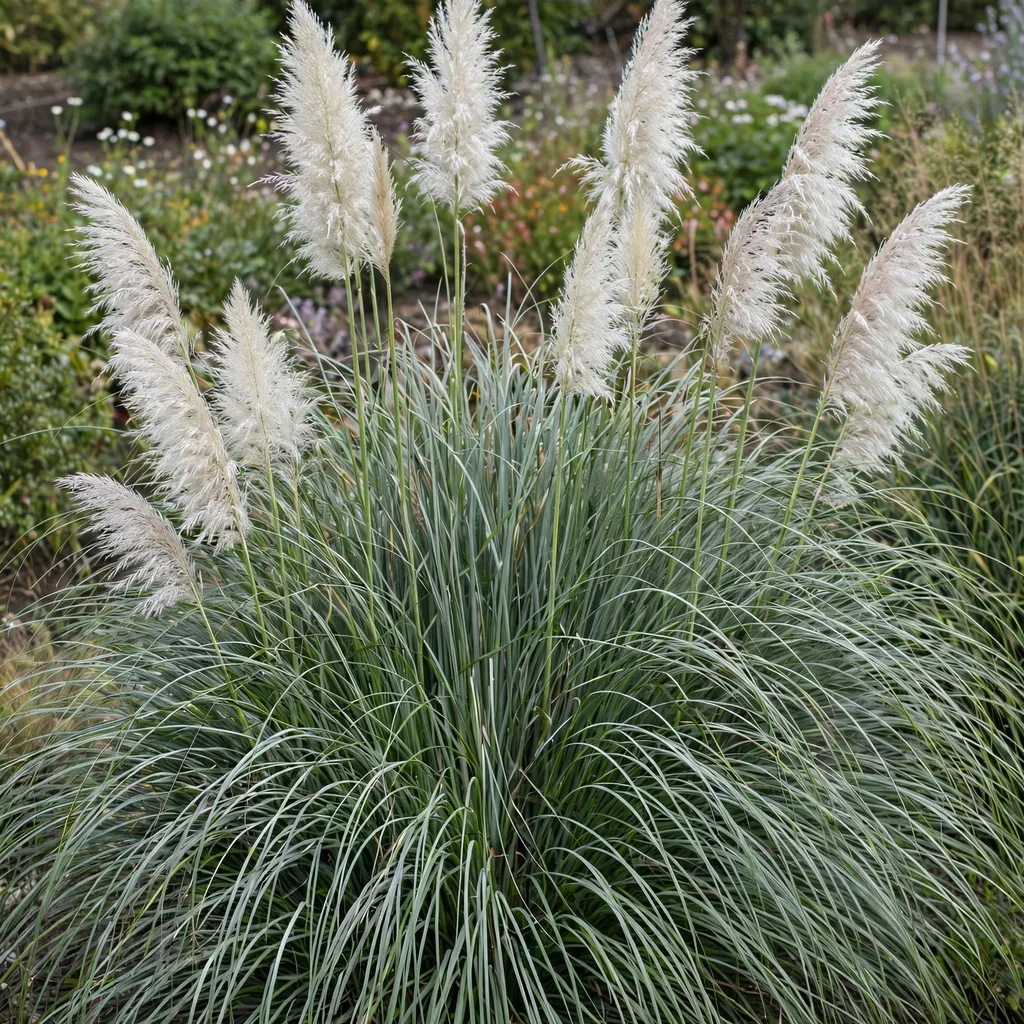
Silver Comet Pampas Grass
Cortaderia selloana 'Silver Comet'
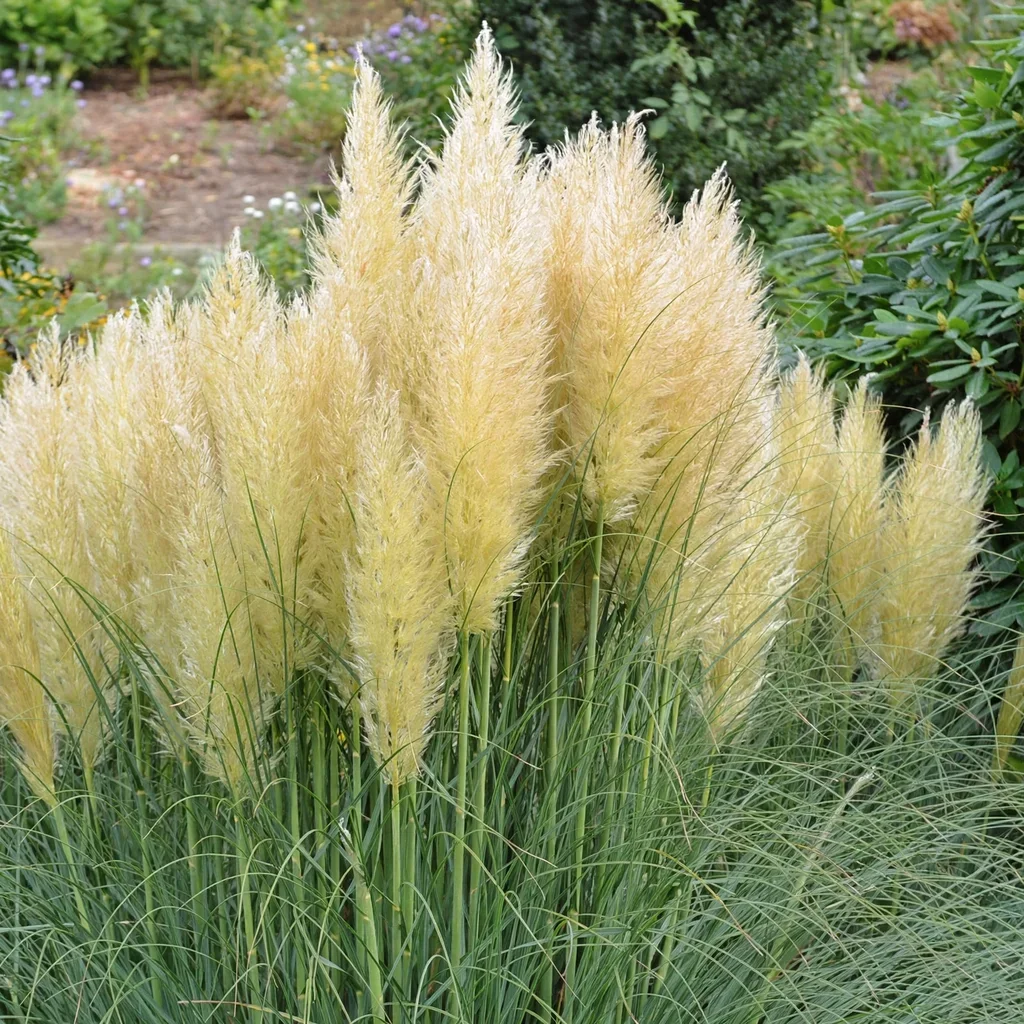
Amber Waves Pampas Grass
Cortaderia selloana 'Amber Waves'
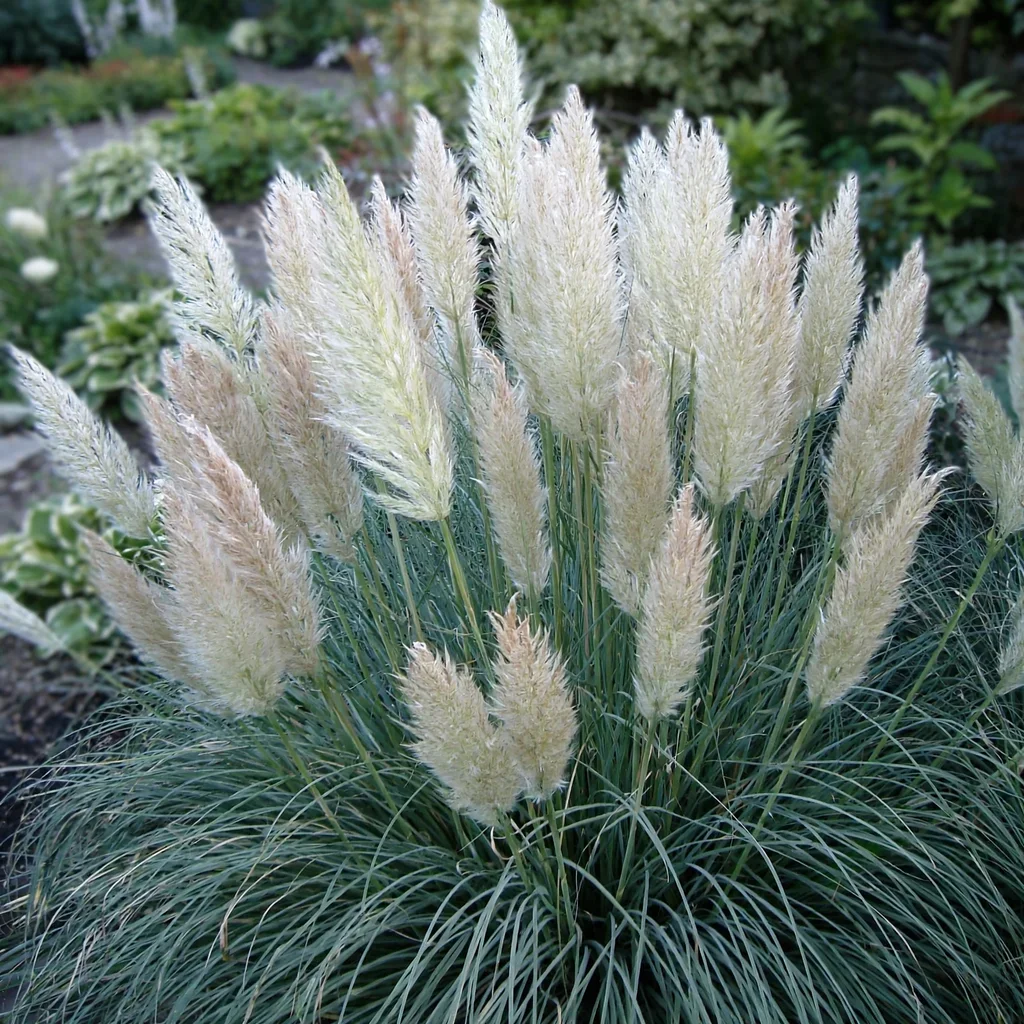
Dwarf Pampas Grass
Cortaderia selloana 'Pumila'
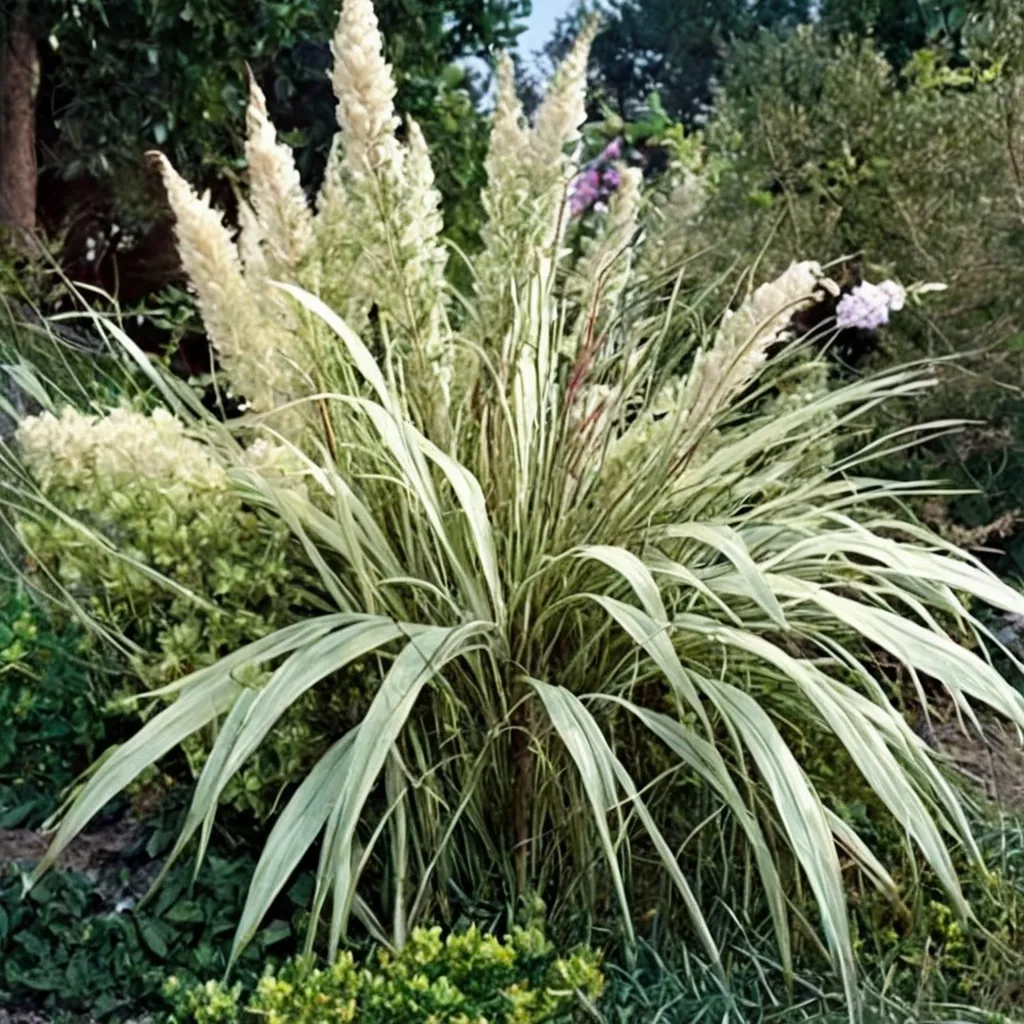
Pampas Grass Silver Stripe
Cortaderia selloana 'Silver Stripe'
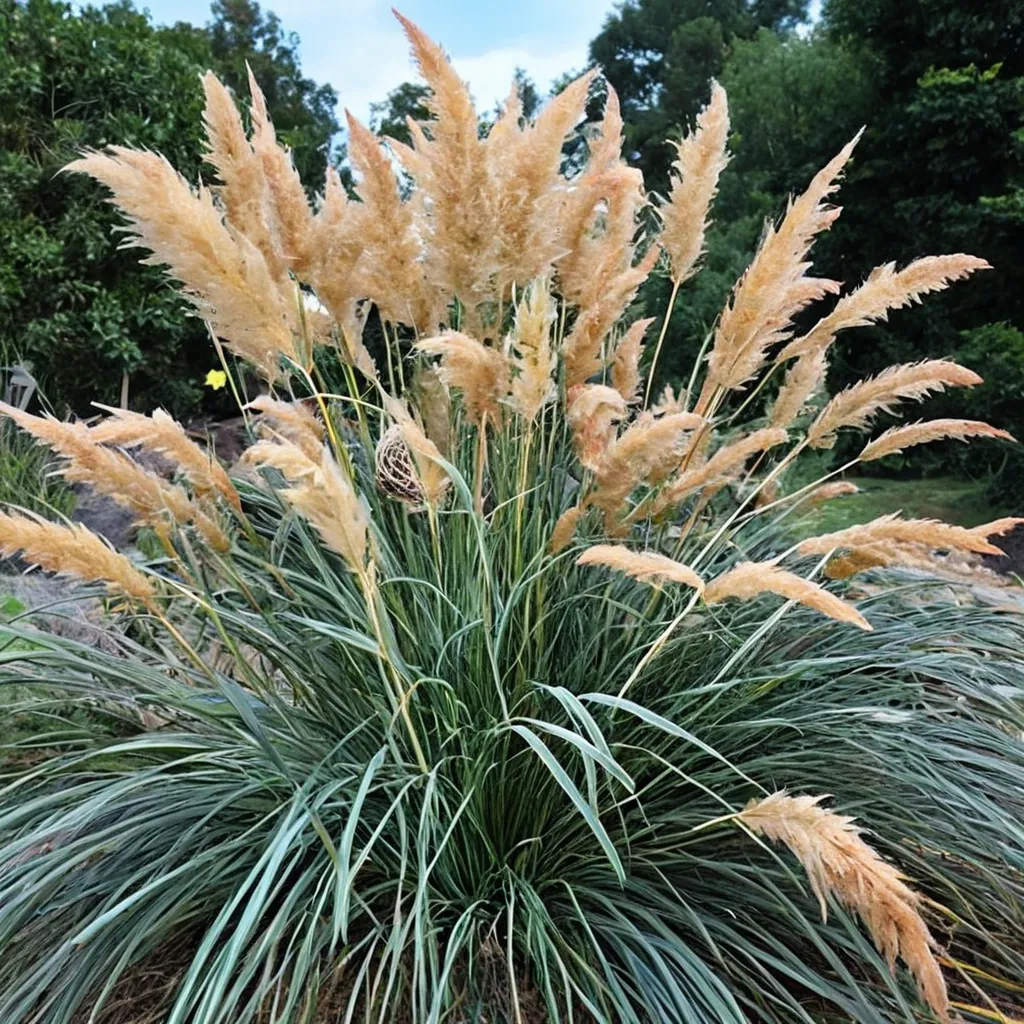
Toetoe
Cortaderia egmontiana 'Plume Delight'
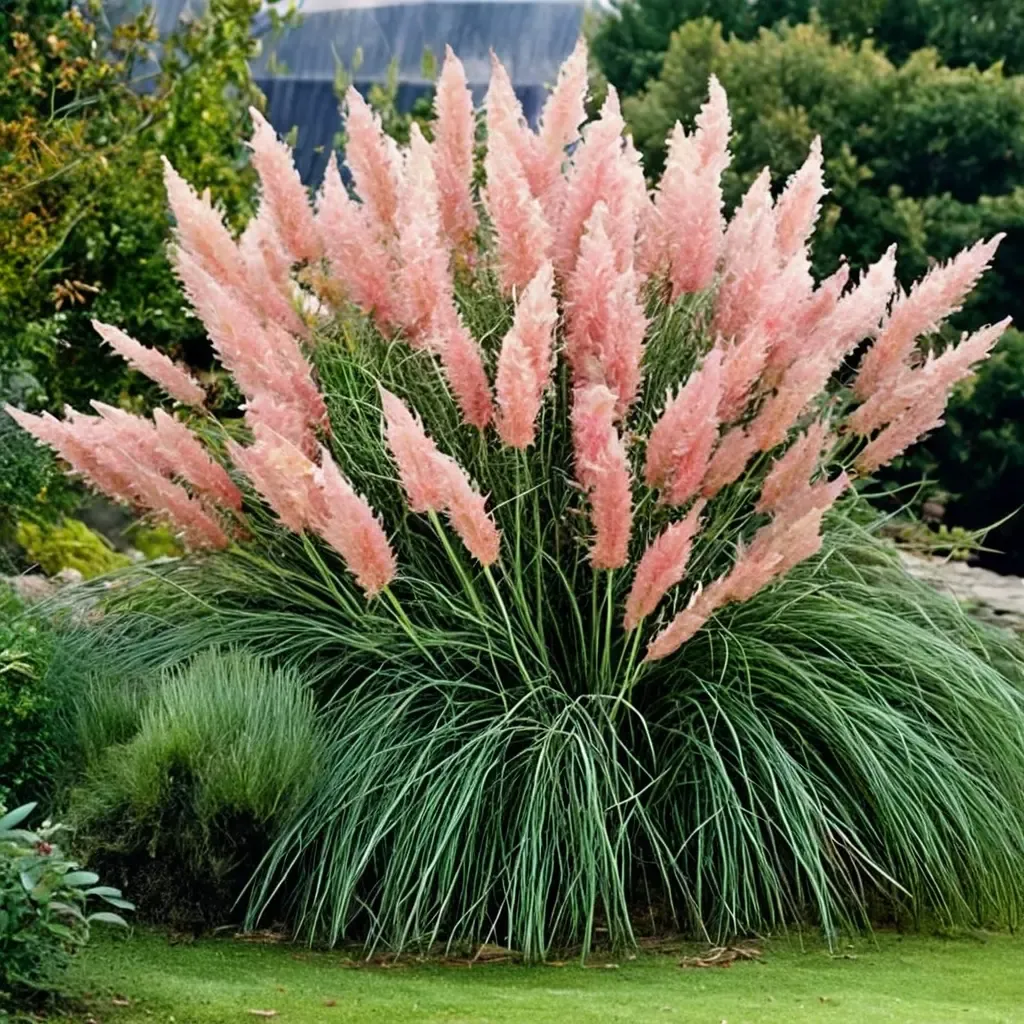
Pink Pampas Grass
Cortaderia selloana 'Pink'
Keep exploring
Explore the genus
Hardy in your zone?
Grow Pampas Grass with confidence
See it in a design of your actual yard, get zone-matched care reminders, and track it season by season in your garden journal.