The Story
Plant Bio
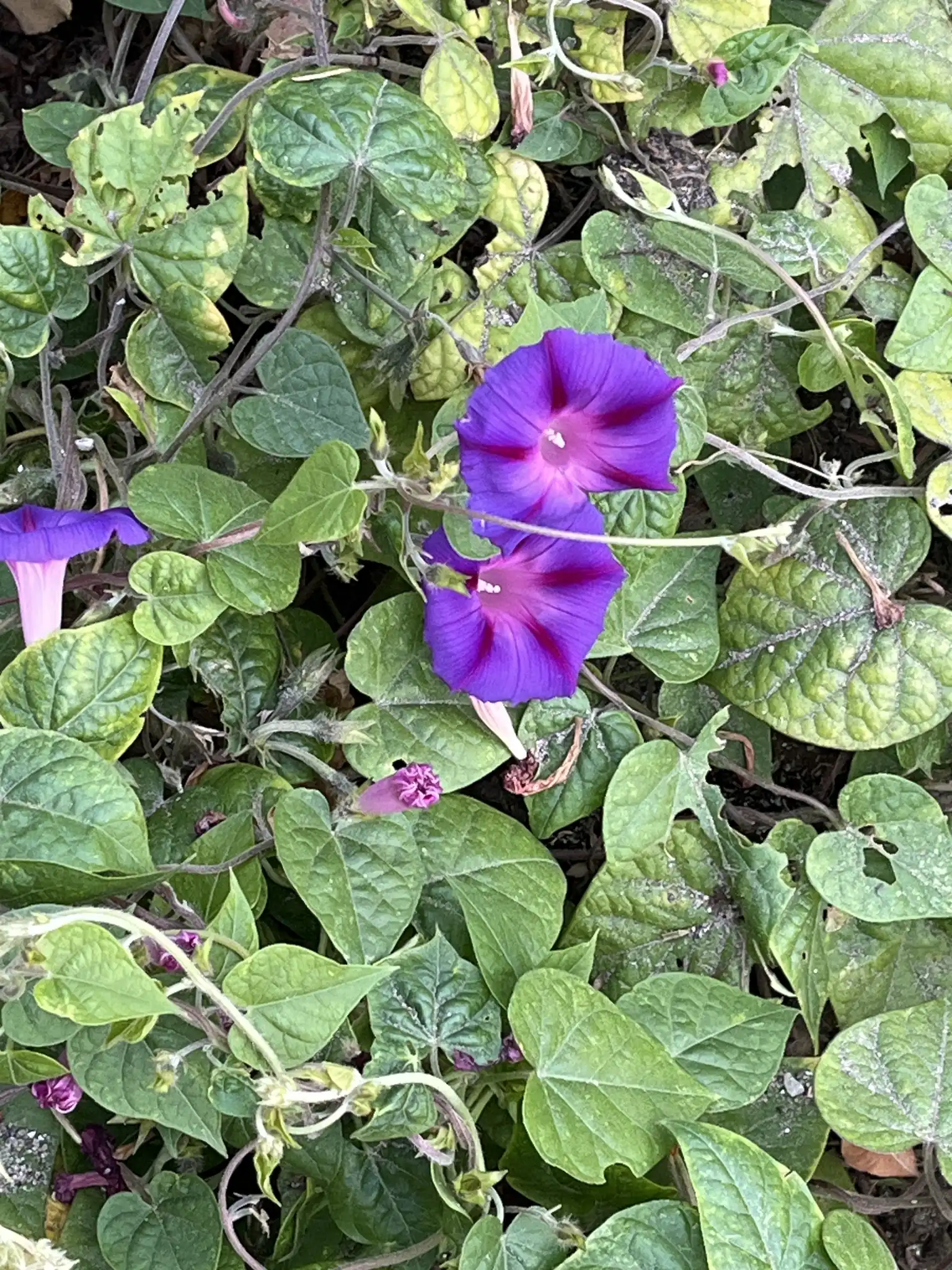
Ipomoea purpurea is a vigorous, fast-growing annual vine that climbs by twining stems covered in backward-pointing hairs. The soft green, heart-shaped leaves support axillary clusters of trumpet-shaped flowers that open in the early morning and close by afternoon.
This species is distinguished by its hairy stems and variable flower colors, ranging from deep purple and magenta to pink and white, often featuring a contrasting pale throat. Unlike perennial morning glories, it functions as a tender warm-season annual that completes its lifecycle before the first autumn frost.
Uses & Benefits:
Essentials
At a Glance
Plant Type
Vine
Height
180"
Width
72"
Light
Full Sun
Zones
4, 5, 6, 7, 8, 9, 10
Water
Moderate
Humidity
High
Lifespan
Annual
Native To
The Americas
Toxicity
Toxic to pets and toxic if seeds are ingested
Bloom period
Summer – Fall
In flower about 6 months of the year
Planting
How to Grow
- Scarify the hard seed coat by nicking it lightly or soaking the seeds in warm water overnight to improve germination.
- Sow seeds directly into well-drained soil in a full-sun location after all danger of frost has passed.
- Provide a sturdy trellis, fence, or support structure for the twining stems to climb.
- Water regularly to keep the soil moist but not waterlogged during the initial establishment phase.
- Monitor nitrogen inputs, keeping soil fertility moderate to encourage abundant flowering rather than excessive leaf growth.
Pro Tip
Avoid high-nitrogen fertilizers, which stimulate dense, lush foliage at the complete expense of flower production.
Keep It Thriving
Care Guide
Do
- Nick or soak seeds before planting to break dormancy.
- Provide a strong support structure for the vigorous climbing stems.
- Clear spent vines and fallen seed capsules in late fall to prevent unwanted self-seeding.
Don't
- Do not over-fertilize with nitrogen, as this halts flower production.
- Do not plant in poorly drained or waterlogged soils.
- Do not allow the vine to scramble over desirable shrubs where it can smother them.
Seasonal Care Calendar
| Task | Jan | Feb | Mar | Apr | May | Jun | Jul | Aug | Sep | Oct | Nov | Dec |
|---|---|---|---|---|---|---|---|---|---|---|---|---|
| Fertilize | ||||||||||||
| Pest Check | ||||||||||||
| Plant | ||||||||||||
| Spring Cleanup | ||||||||||||
| Winter Prep |
Watch Out For
Pests & Diseases
Common Pests
Common Diseases
In the Garden
Landscape Uses & Companions
Landscape Uses
Companion Plants
Multiply
Propagation Methods
Good to Know
Common Questions
Common Morning Glory questions
What zones can Common Morning Glory grow in?
Common Morning Glory is hardy in USDA Zones 4–10. Inside that range it survives winter in the ground; outside it, grow it as an annual or a container plant you protect.
Is Common Morning Glory deer resistant?
Yes — Common Morning Glory is rated deer-resistant. Deer typically pass it over, though extreme hunger can override any plant's defenses.
When does Common Morning Glory bloom?
Common Morning Glory typically blooms in summer through fall. Exact timing shifts a week or two with your zone — Sow's bloom calendar maps it to your garden.
Does Common Morning Glory need full sun?
Common Morning Glory does best in full sun (6+ hours).
Is Common Morning Glory drought tolerant?
Yes — once established (usually after the first full season), Common Morning Glory handles dry spells with minimal watering. Water deeply its first year to build the root system that makes that possible.
More Ipomoea to compare
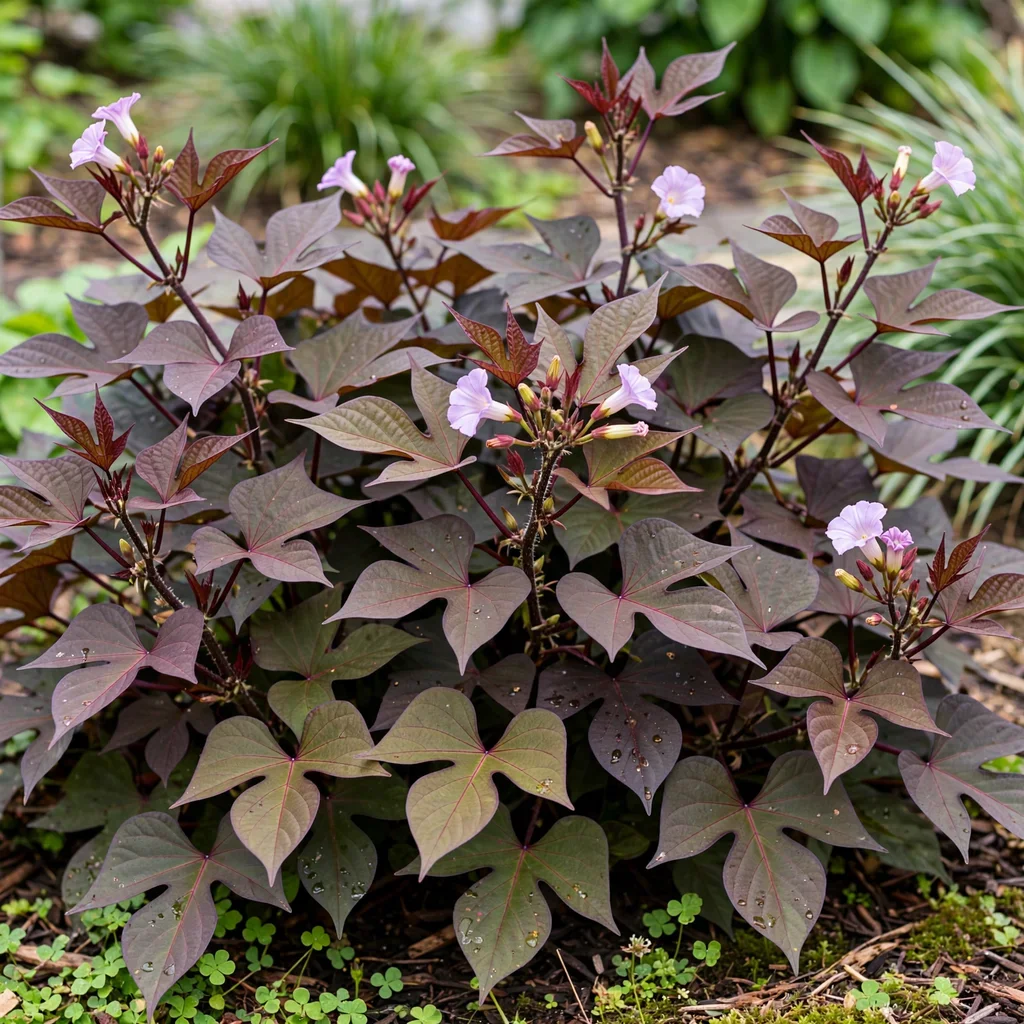
Sweet Potato
Ipomoea batatas 'Sweet Georgia Bronze'
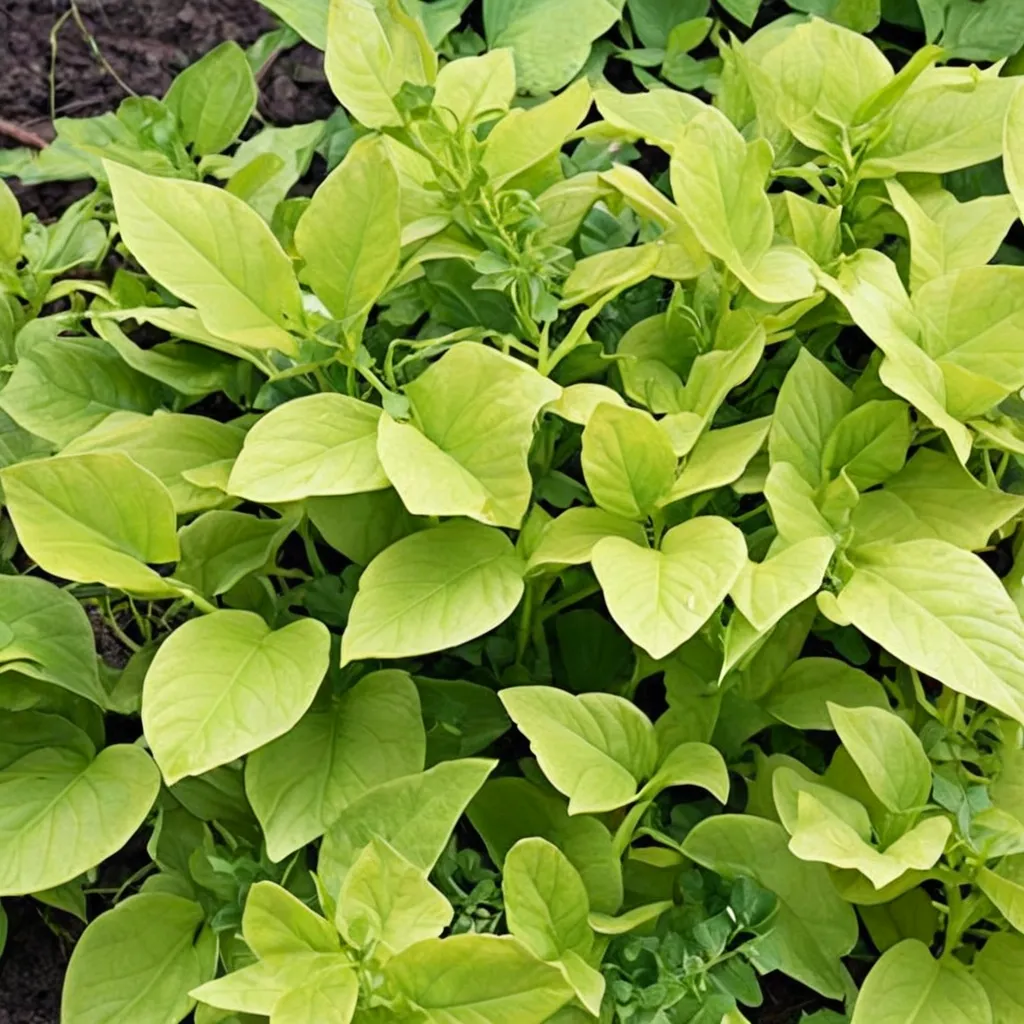
Ornamental Sweet Potato Vine
Ipomoea batatas 'Chartreuse'
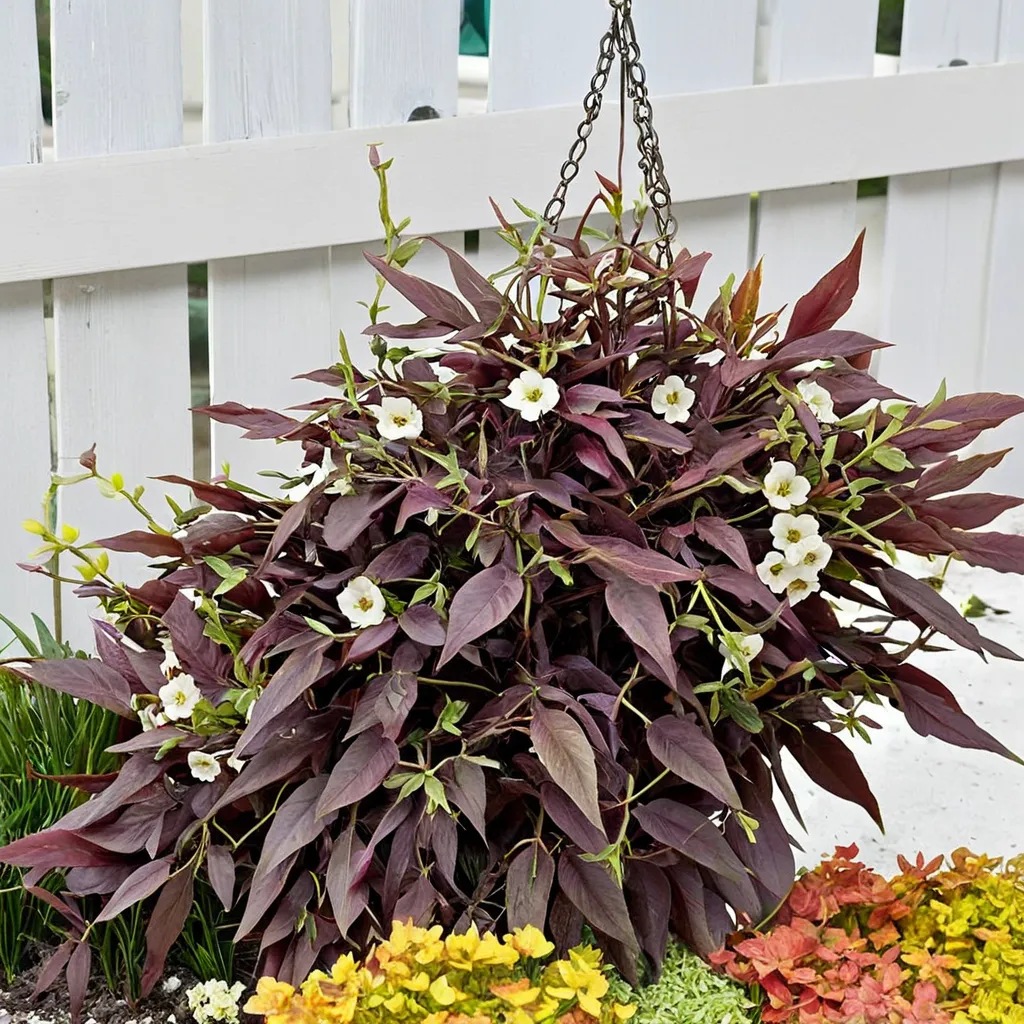
Sweet Caroline Upside Black Coffee Sweet Potato Vine
Ipomoea batatas 'Sweet Caroline Upside Black Coffee'
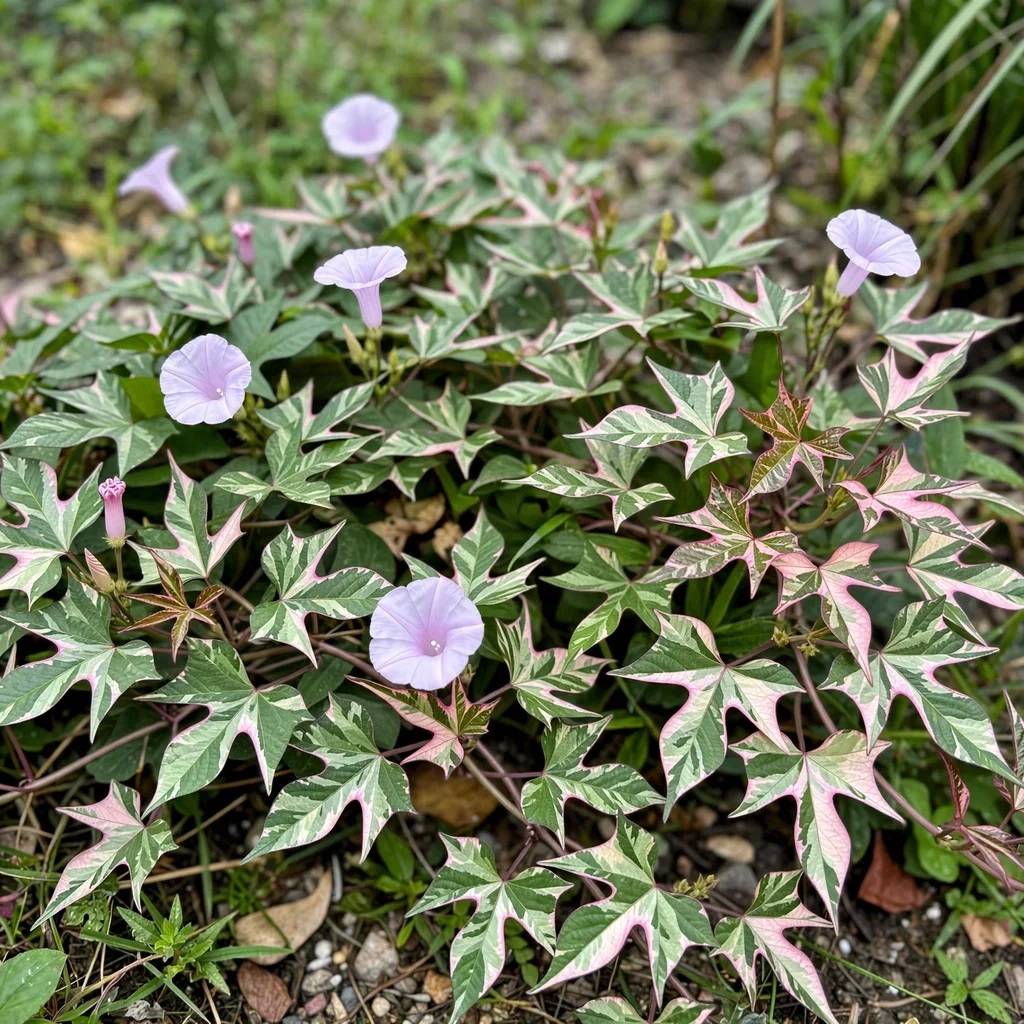
Tricolor Sweet Potato Vine
Ipomoea batatas 'Tricolor'
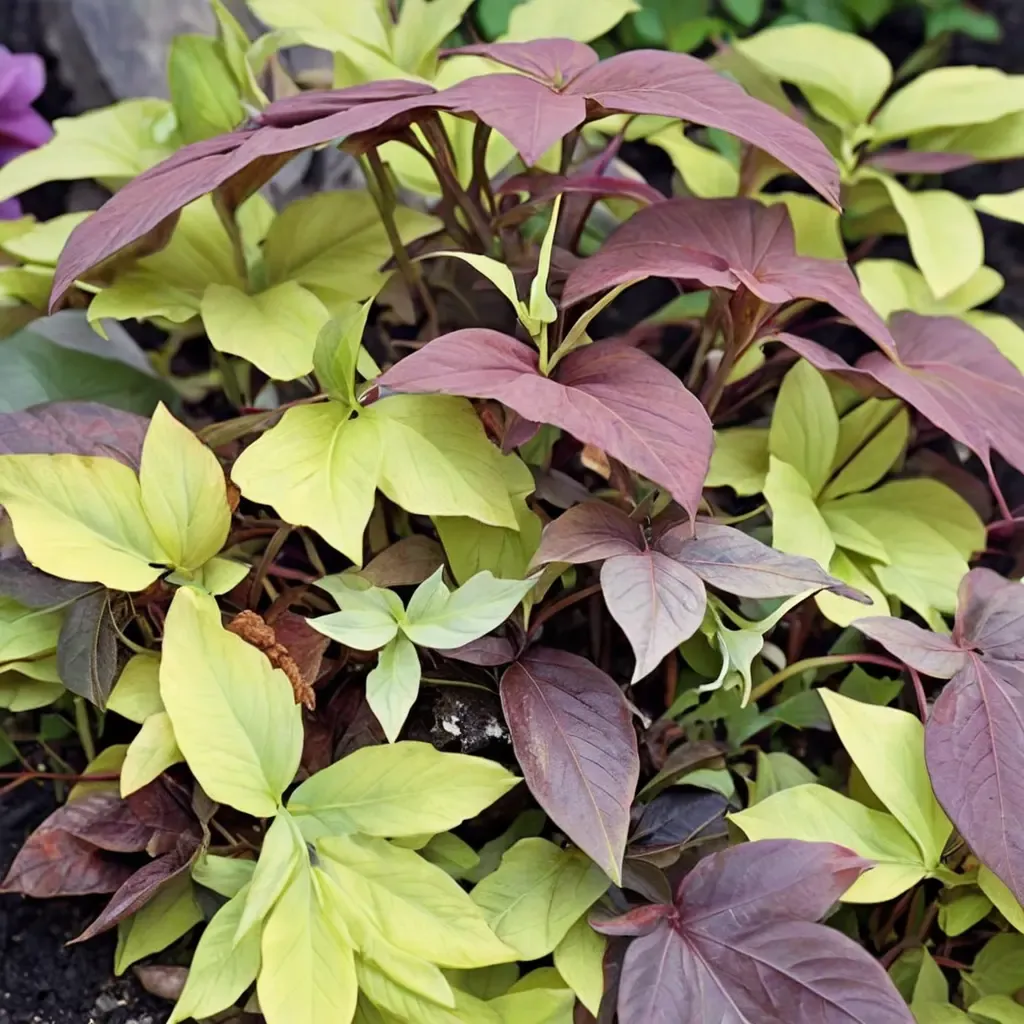
Sweet Potato Vine
Ipomoea batatas 'Sweet Potato Vine'
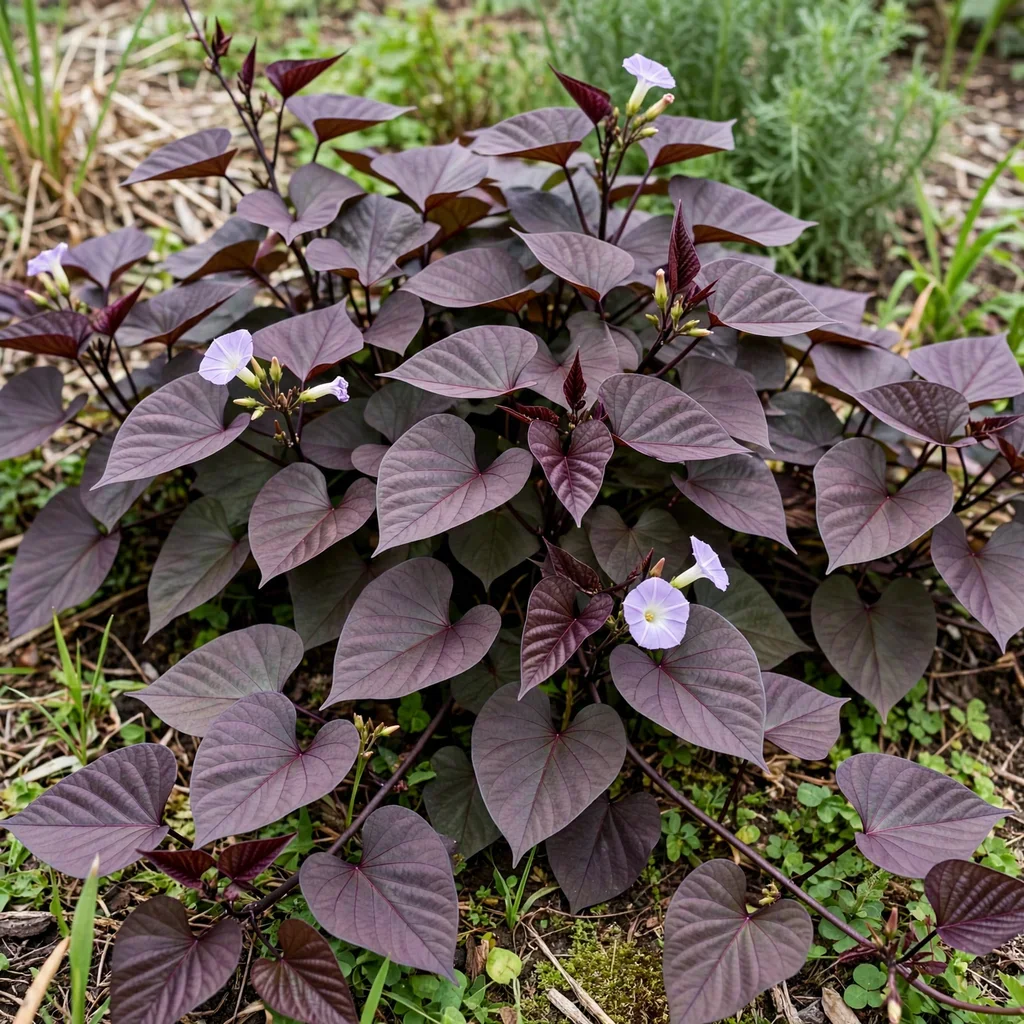
Treasure Island Kaukura Sweet Potato
Ipomoea batatas 'Treasure Island Kaukura'
Keep exploring
Explore the genus
Grow Common Morning Glory with confidence
See it in a design of your actual yard, get zone-matched care reminders, and track it season by season in your garden journal.