The Story
Plant Bio
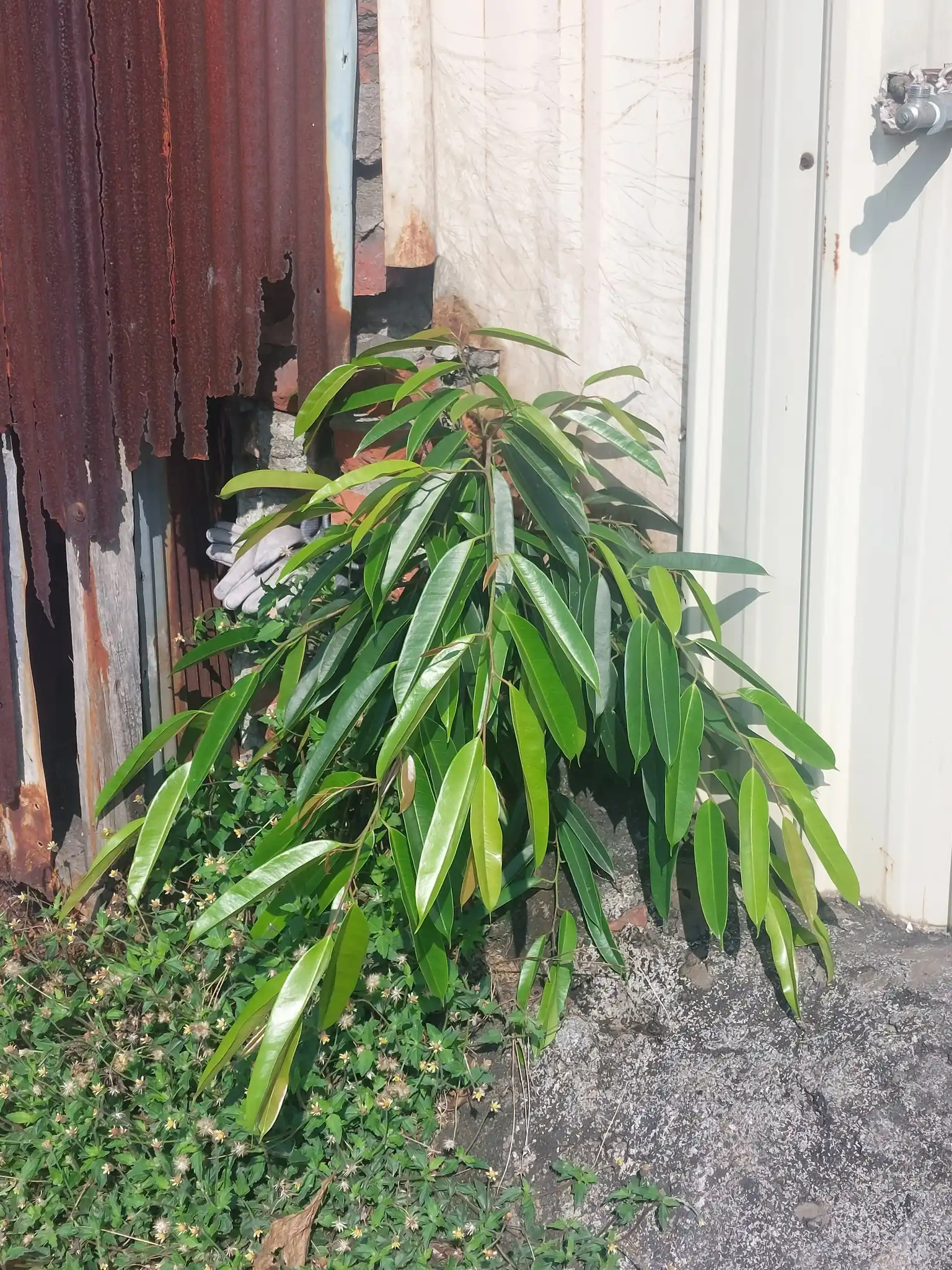
Ficus maclellandii is an evergreen tropical tree with an upright, airy vertical silhouette and leathery, alternate leaves that are uniquely dimorphic. The foliage is narrowly lanceolate on lower juvenile branches and transitions to a broader, elliptic shape on higher mature branches.
Often grown in cultivation as the cultivar 'Alii', this species is distinguished by its exceptionally long, slender leaves that resemble those of a banana plant. The trunk is frequently trained into single, multi-stemmed, or braided forms to enhance its architectural structure.
Uses & Benefits:
Essentials
At a Glance
Plant Type
Tropical
Height
118"
Width
47"
Light
Full Sun, Partial Sun
Zones
10
Water
Moderate
Humidity
Moderate to high
Lifespan
Long-lived
Native To
Asia
Toxicity
Mildly toxic
Planting
How to Grow
- Position the plant in a location that receives bright indirect light or partial sun, avoiding deep shade and cold drafts.
- Plant in a rich, well-draining organic potting mix or loamy soil with a neutral to slightly acidic pH.
- Water thoroughly only when the top two to three inches of soil have dried completely, and never allow the pot to sit in standing water.
- Apply a balanced liquid fertilizer monthly during the spring and summer active growing season, suspending all feeding in fall and winter.
Pro Tip
Maintain strict environmental stability; moving the plant or exposing it to sudden cold drafts triggers rapid, extensive leaf drop.
Keep It Thriving
Care Guide
Do
- Keep the plant in a fixed location to prevent shock-induced leaf drop.
- Maintain moderate to high humidity levels, especially during dry winter months.
- Prune annually to control height and encourage lateral branching.
Don't
- Do not allow the pot to sit in standing water, which rapidly causes root rot.
- Do not prune heavily into old, leafless wood as it may fail to shoot back.
- Do not expose the plant to sudden temperature changes or cold drafts.
Seasonal Care Calendar
| Task | Jan | Feb | Mar | Apr | May | Jun | Jul | Aug | Sep | Oct | Nov | Dec |
|---|---|---|---|---|---|---|---|---|---|---|---|---|
| Fertilize | ||||||||||||
| Pest Check | ||||||||||||
| Propagate | ||||||||||||
| Prune |
Watch Out For
Pests & Diseases
Common Pests
Common Diseases
In the Garden
Landscape Uses & Companions
Landscape Uses
Companion Plants
Multiply
Propagation Methods
Good to Know
Common Questions
Banana Leaf Fig questions
What zones can Banana Leaf Fig grow in?
Banana Leaf Fig is hardy in USDA Zone 10. Inside that range it survives winter in the ground; outside it, grow it as an annual or a container plant you protect.
Does Banana Leaf Fig need full sun?
Banana Leaf Fig does best in full sun to part shade. In hot climates, afternoon shade keeps blooms fresher longer.
Is Banana Leaf Fig drought tolerant?
Yes — once established (usually after the first full season), Banana Leaf Fig handles dry spells with minimal watering. Water deeply its first year to build the root system that makes that possible.
More Ficus to compare
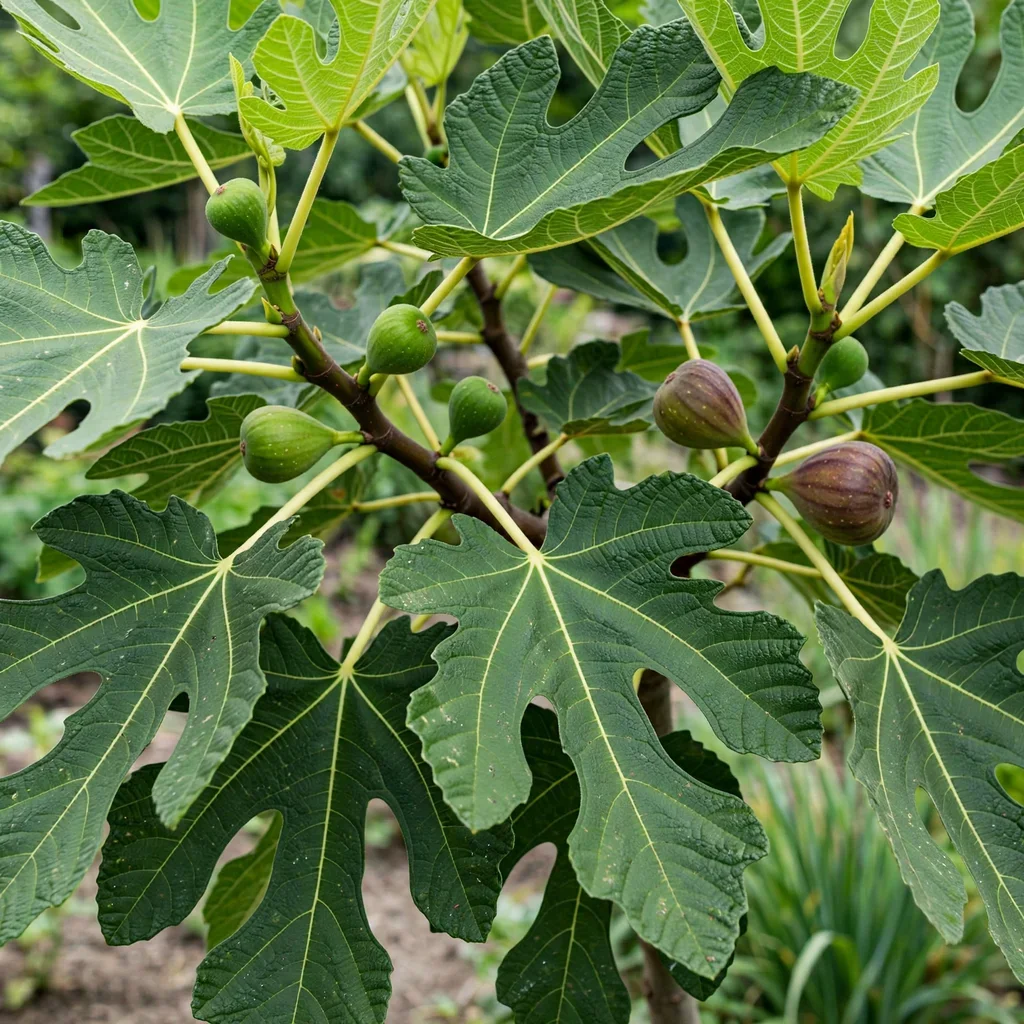
Fig Tree Brown Turkey
Ficus carica 'Brown Turkey'
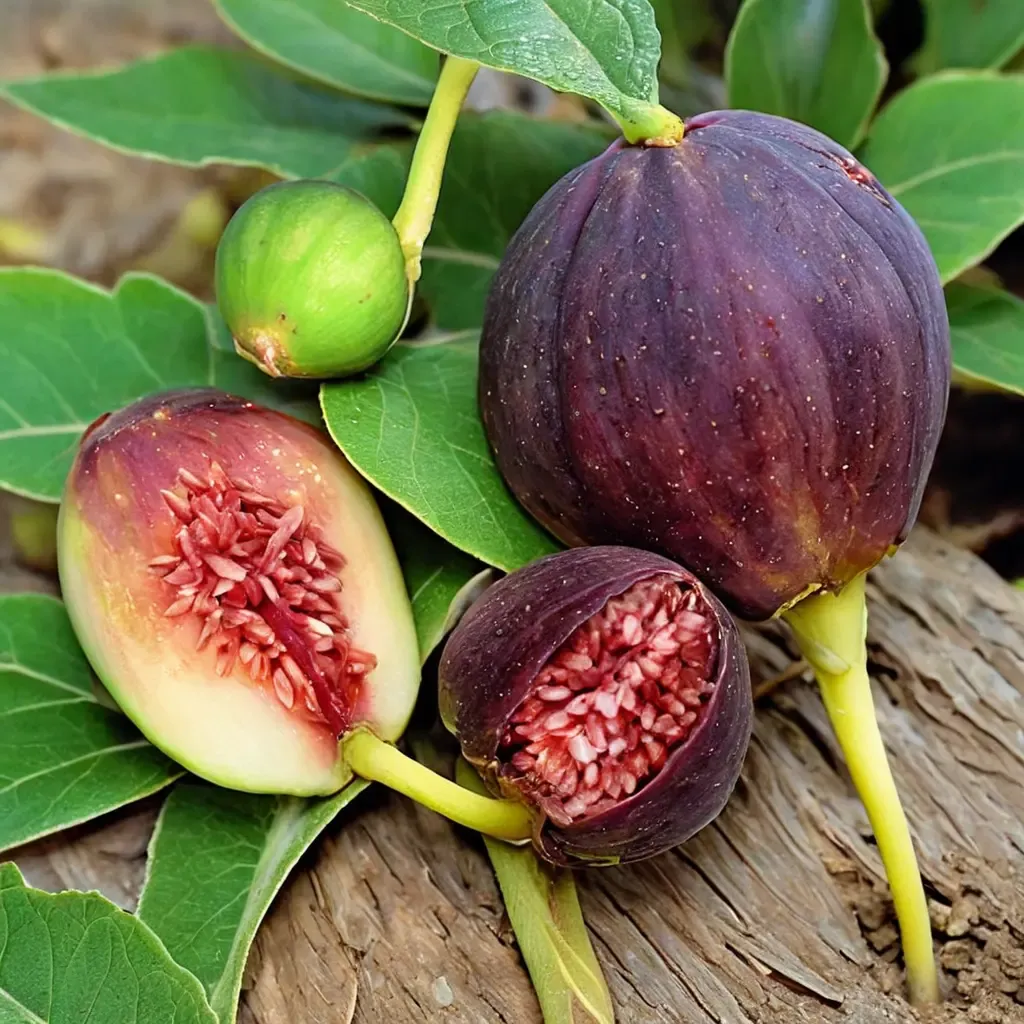
Improved Brown Turkey Fig
Ficus carica 'Improved Brown Turkey'
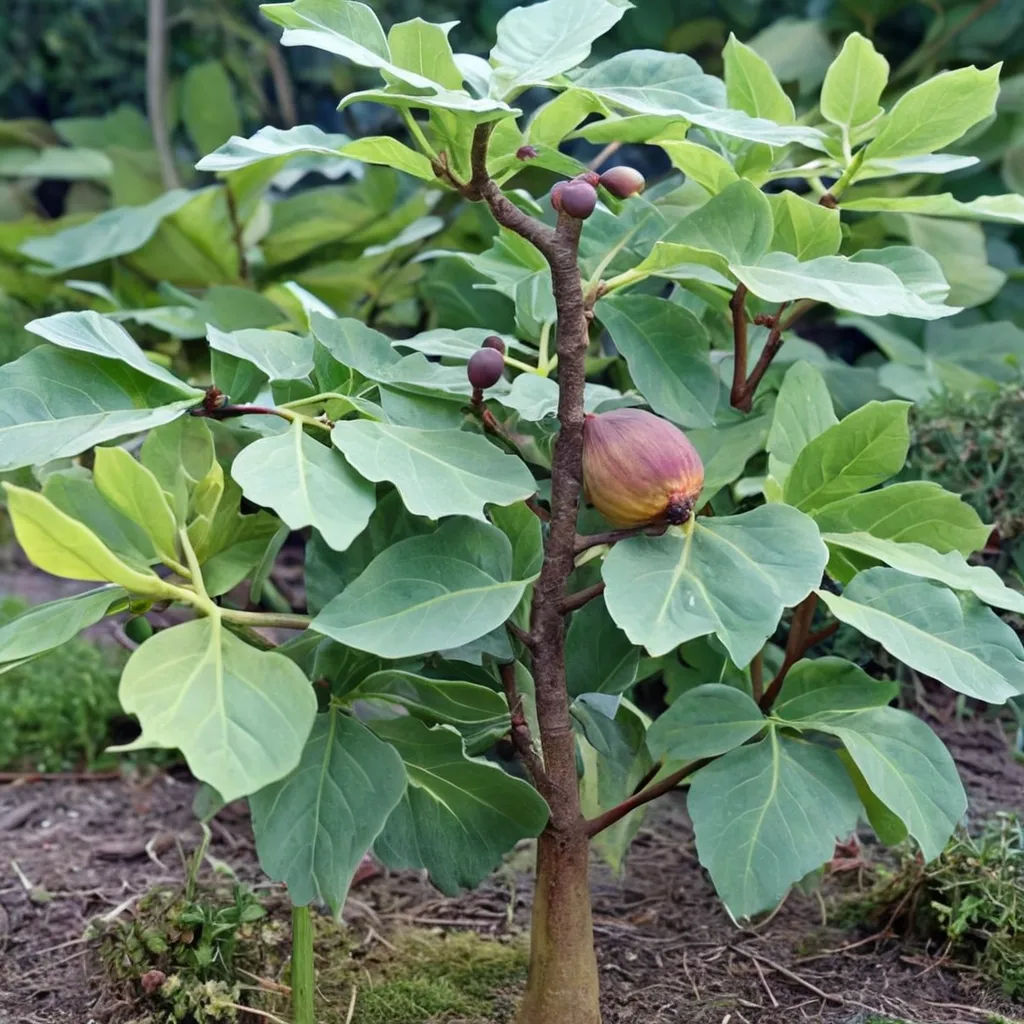
Chicago Hardy Fig
Ficus carica 'Chicago Hardy'
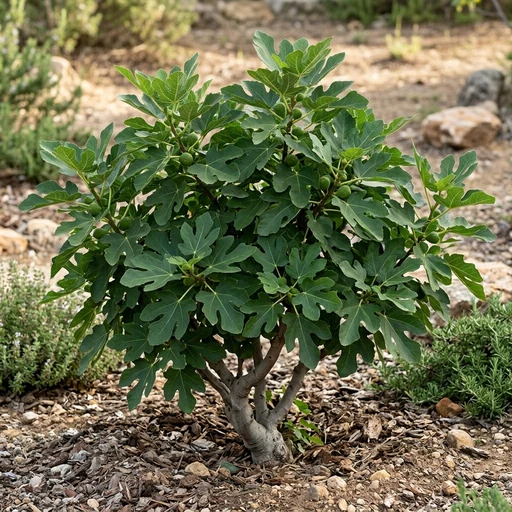
Little Miss Figgy Dwarf Fig
Ficus carica 'Little Miss Figgy'
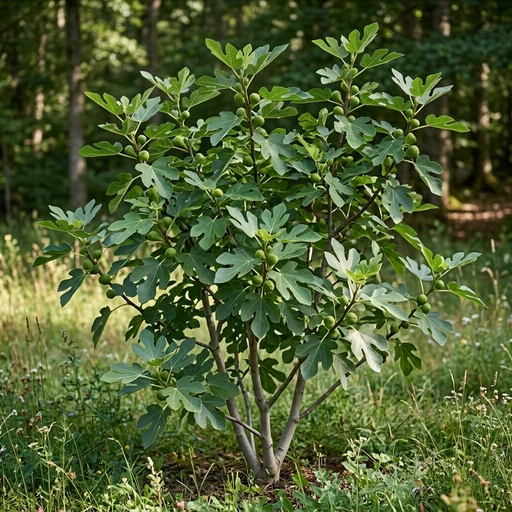
Celeste Fig
Ficus carica 'Celeste'
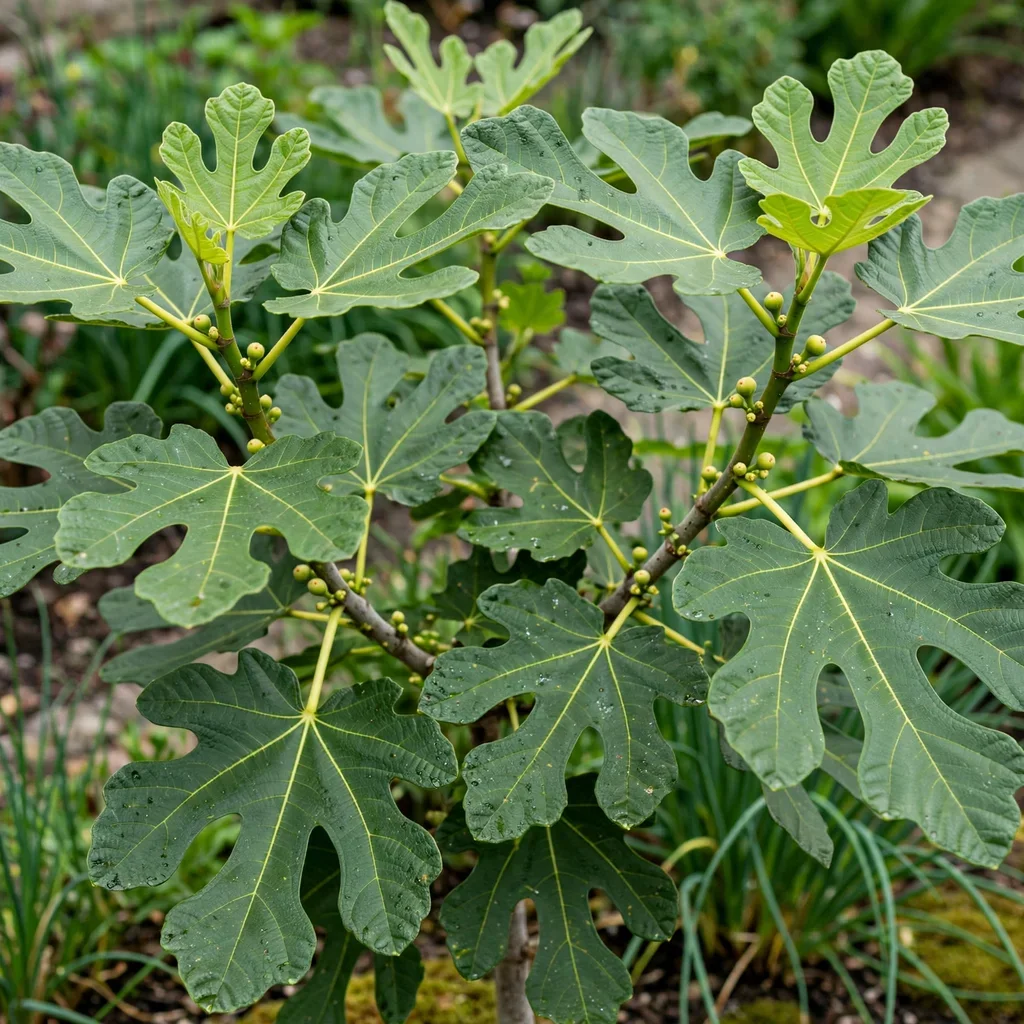
Champagne Fig
Ficus carica 'Champagne'
Keep exploring
Explore the genus
Hardy in your zone?
Grow Banana Leaf Fig with confidence
See it in a design of your actual yard, get zone-matched care reminders, and track it season by season in your garden journal.