The Story
Plant Bio
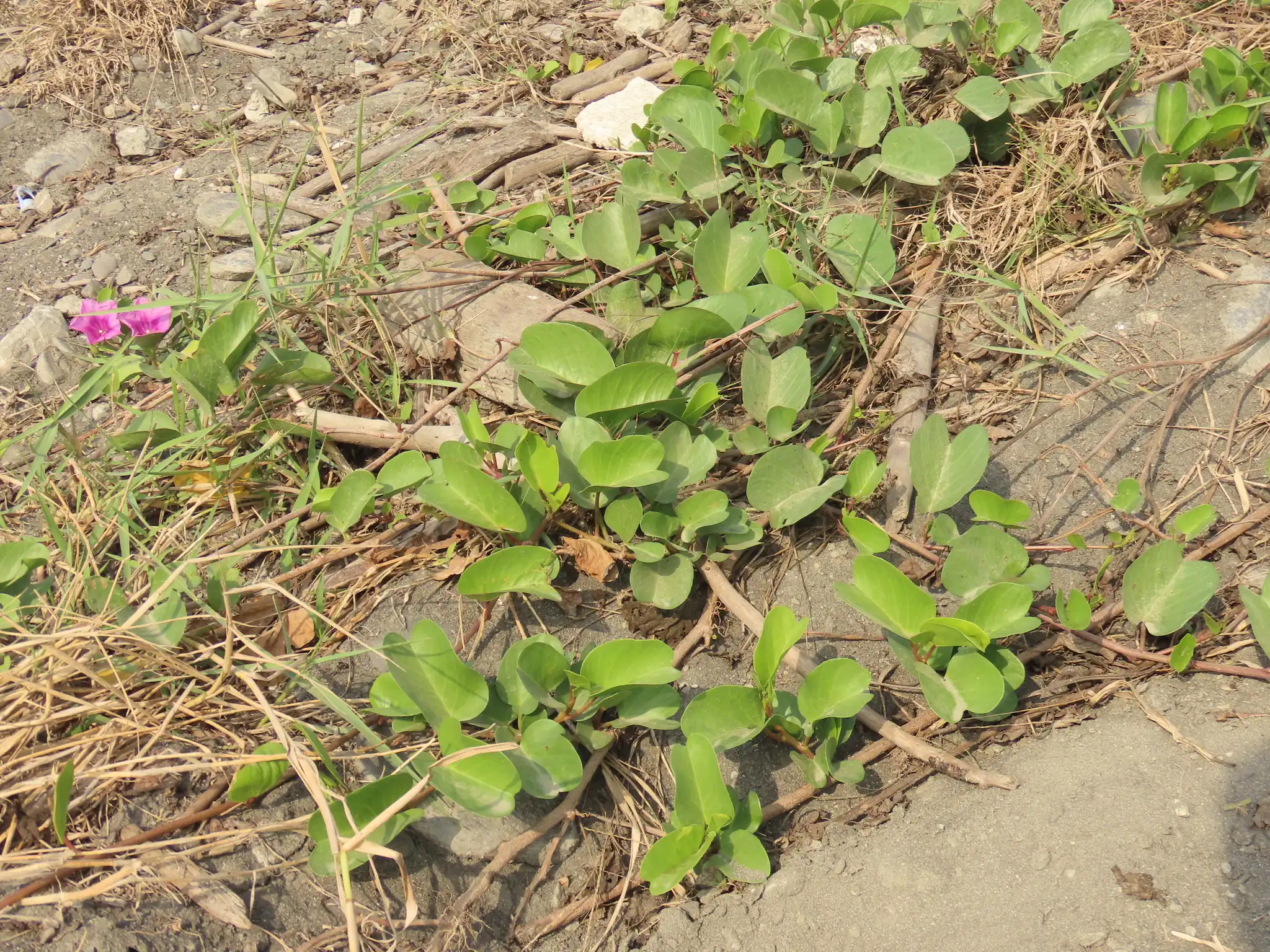
Ipomoea pes-caprae, known as railroad vine, is a prostrate, evergreen perennial vine that forms dense mats over coastal sand dunes. The long, fleshy stems root at the nodes and bear thick, leathery leaves with a deeply notched apex resembling a goat's footprint.
This species produces funnel-shaped, rose-purple to pink flowers with darker centers from spring through fall. It functions as a primary sand stabilizer, thriving in nutrient-poor, salt-saturated beach environments where few other plants survive.
Uses & Benefits:
Essentials
At a Glance
Plant Type
Groundcover
Height
12"
Width
700"
Light
Full Sun
Zones
9, 10
Water
Low
Humidity
High
Lifespan
Perennial
Native To
North America, South America, Africa, Asia, Australia
Toxicity
Mildly toxic if ingested in large quantities
Bloom period
Spring – Fall
In flower about 9 months of the year
Planting
How to Grow
- Select a planting site in full sun with coarse, rapidly draining sandy soil.
- Dig a hole twice the width of the root ball and set the plant at its original container depth.
- Water deeply immediately after planting to settle the sand around the roots.
- Irrigate weekly for the first month until established, then cease watering entirely except during extreme droughts.
Pro Tip
Avoid planting in rich, organic garden soils or applying nitrogen fertilizers, which stimulate excessive, weak vegetative growth at the expense of flowers.
Keep It Thriving
Care Guide
Do
- Prune back trailing runners that encroach on walkways or designated garden boundaries.
- Ensure the planting site has excellent drainage to prevent root rot.
- Allow the stems to trail freely over sandy slopes to maximize soil stabilization.
Don't
- Do not apply fertilizers, as this species is adapted to nutrient-deficient sands.
- Do not overwater or plant in heavy clay soils that retain moisture.
- Do not plant in shaded areas, which causes leggy growth and poor flowering.
Seasonal Care Calendar
| Task | Jan | Feb | Mar | Apr | May | Jun | Jul | Aug | Sep | Oct | Nov | Dec |
|---|---|---|---|---|---|---|---|---|---|---|---|---|
| Pest Check | ||||||||||||
| Plant | ||||||||||||
| Propagate | ||||||||||||
| Prune |
Watch Out For
Pests & Diseases
Common Pests
Common Diseases
In the Garden
Landscape Uses & Companions
Landscape Uses
Companion Plants
Multiply
Propagation Methods
Good to Know
Common Questions
Railroad Vine questions
What zones can Railroad Vine grow in?
Railroad Vine is hardy in USDA Zones 9–10. Inside that range it survives winter in the ground; outside it, grow it as an annual or a container plant you protect.
When does Railroad Vine bloom?
Railroad Vine typically blooms in spring through fall. Exact timing shifts a week or two with your zone — Sow's bloom calendar maps it to your garden.
Does Railroad Vine need full sun?
Railroad Vine does best in full sun (6+ hours).
Is Railroad Vine drought tolerant?
Yes — once established (usually after the first full season), Railroad Vine handles dry spells with minimal watering. Water deeply its first year to build the root system that makes that possible.
More Ipomoea to compare
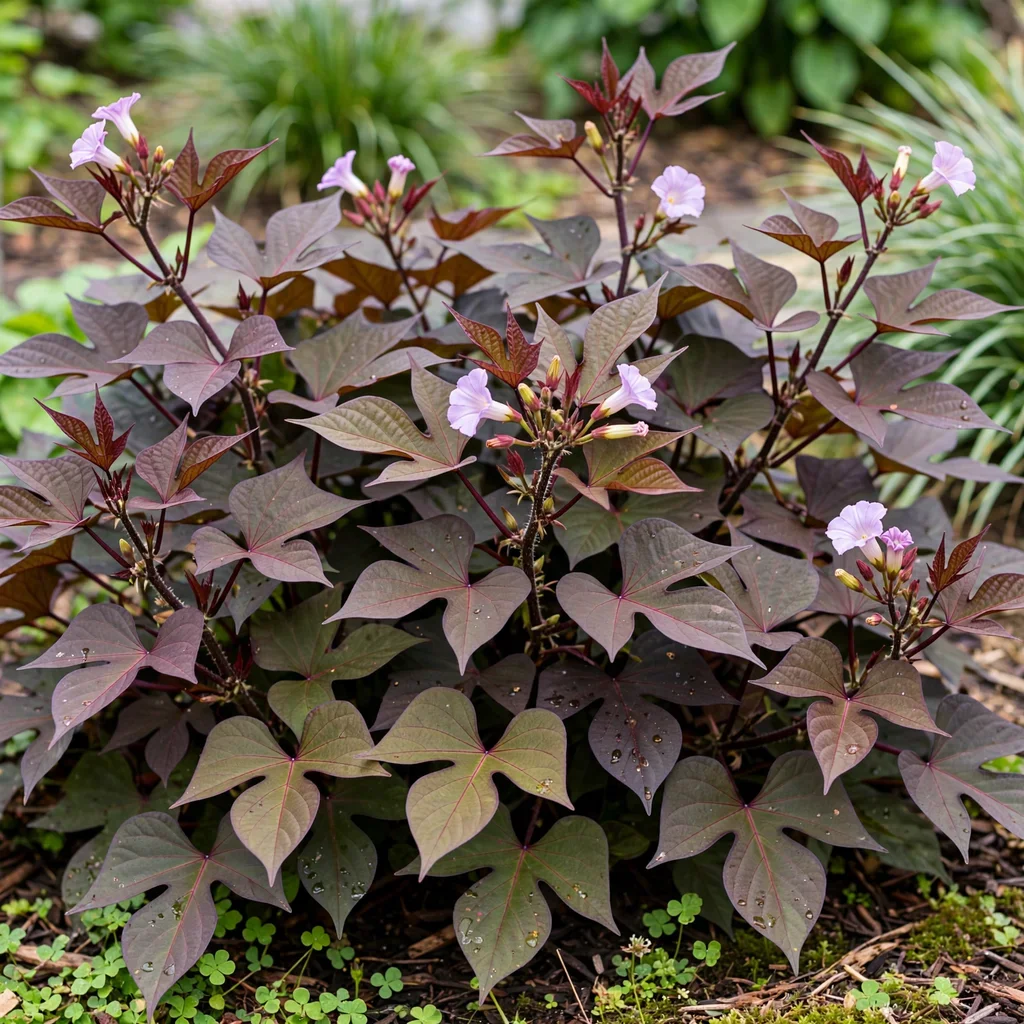
Sweet Potato
Ipomoea batatas 'Sweet Georgia Bronze'
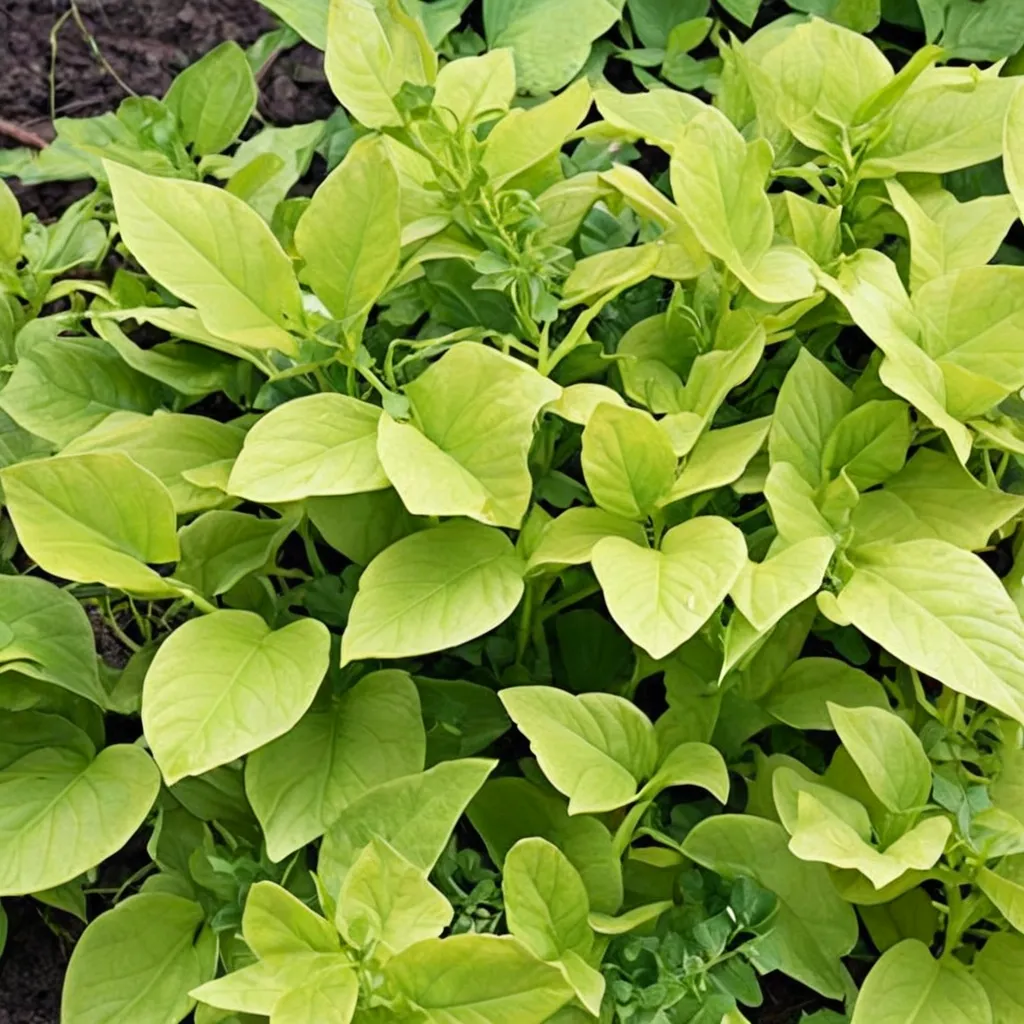
Ornamental Sweet Potato Vine
Ipomoea batatas 'Chartreuse'
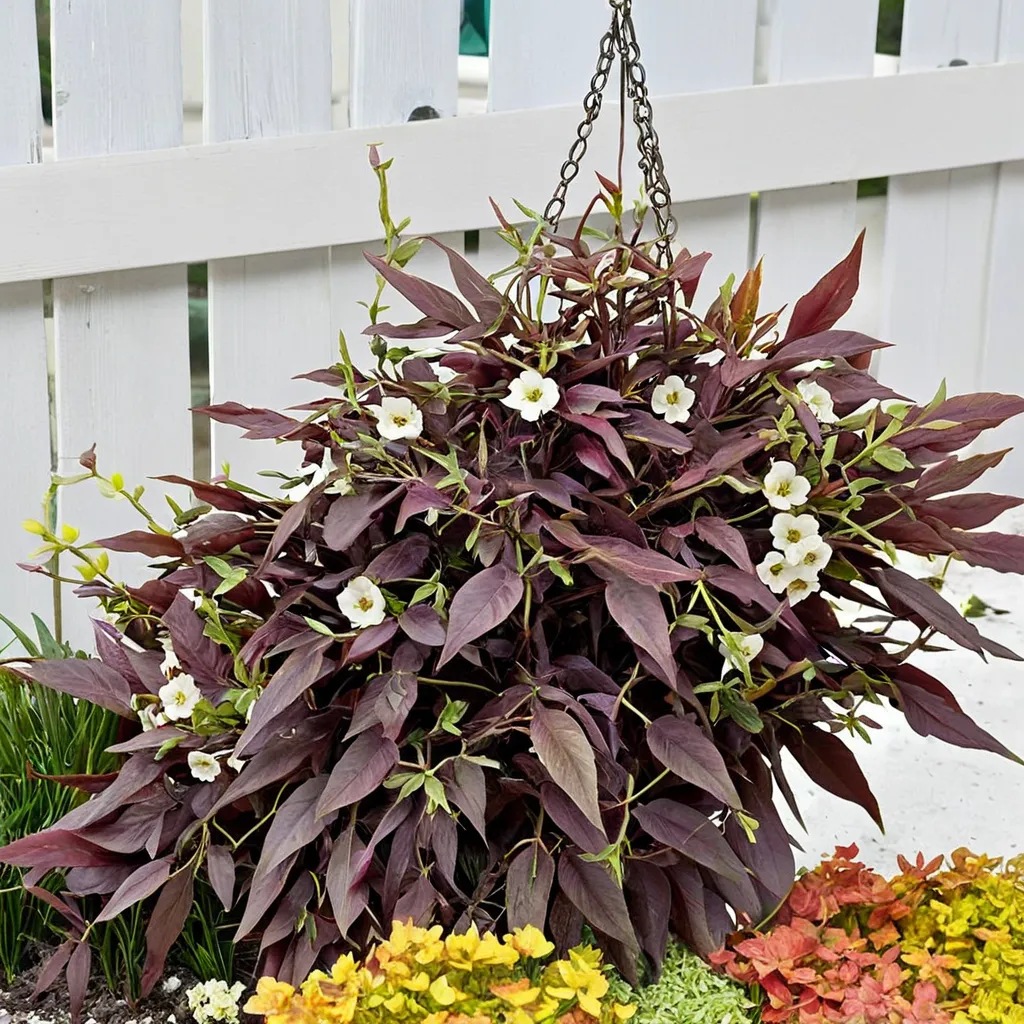
Sweet Caroline Upside Black Coffee Sweet Potato Vine
Ipomoea batatas 'Sweet Caroline Upside Black Coffee'
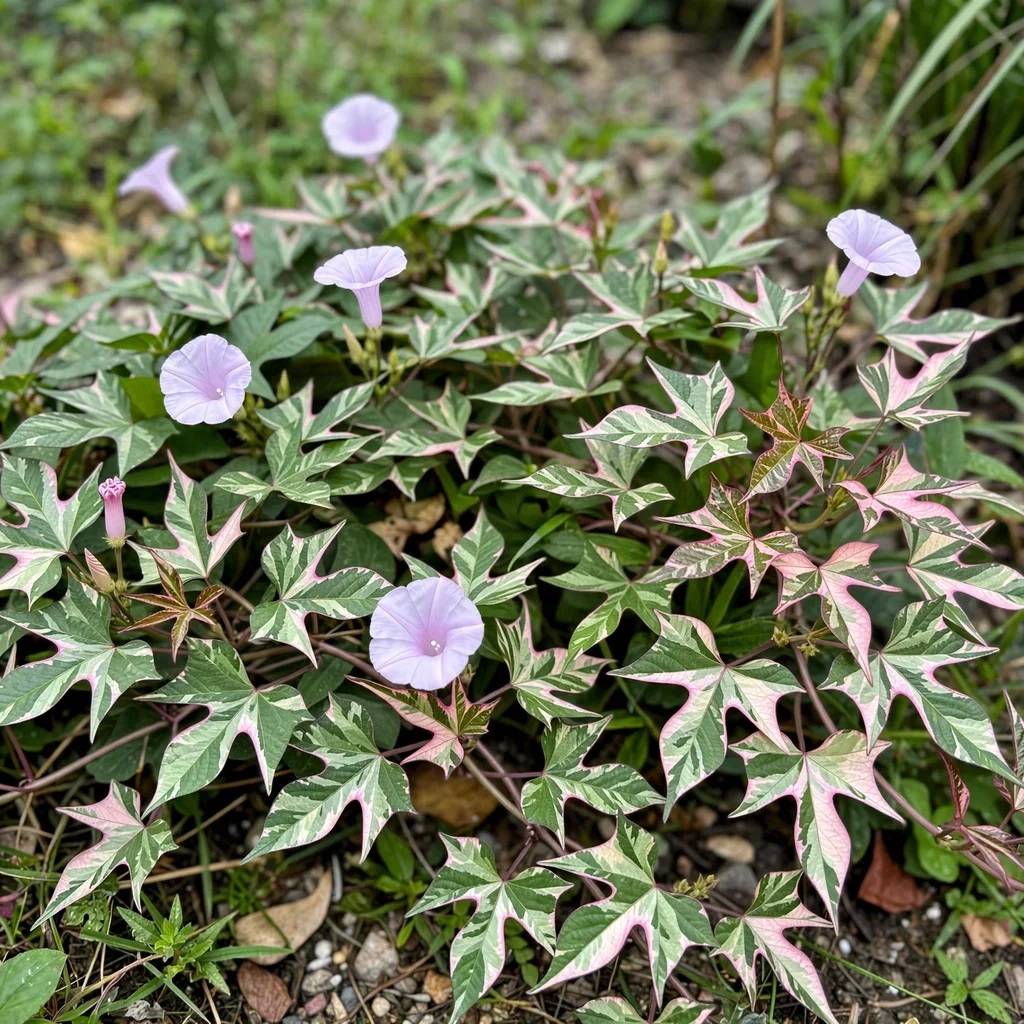
Tricolor Sweet Potato Vine
Ipomoea batatas 'Tricolor'
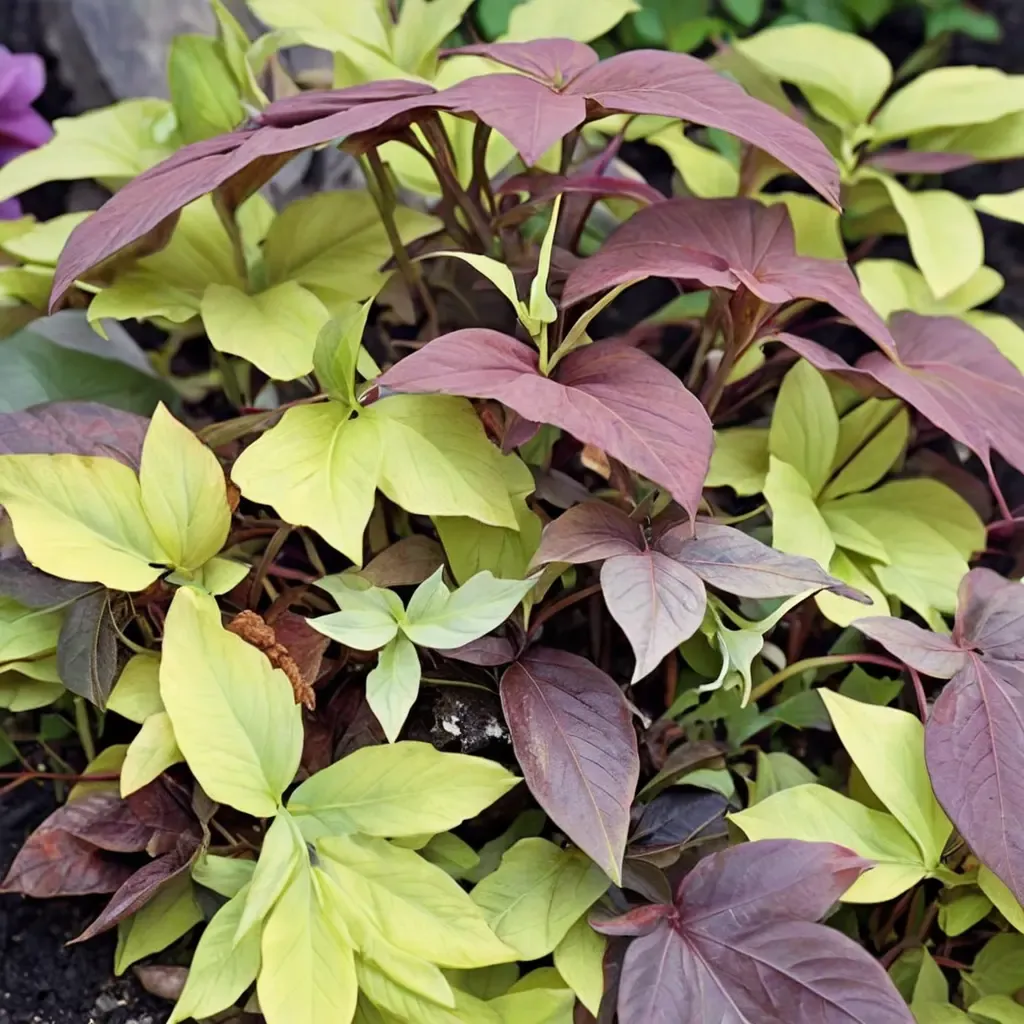
Sweet Potato Vine
Ipomoea batatas 'Sweet Potato Vine'
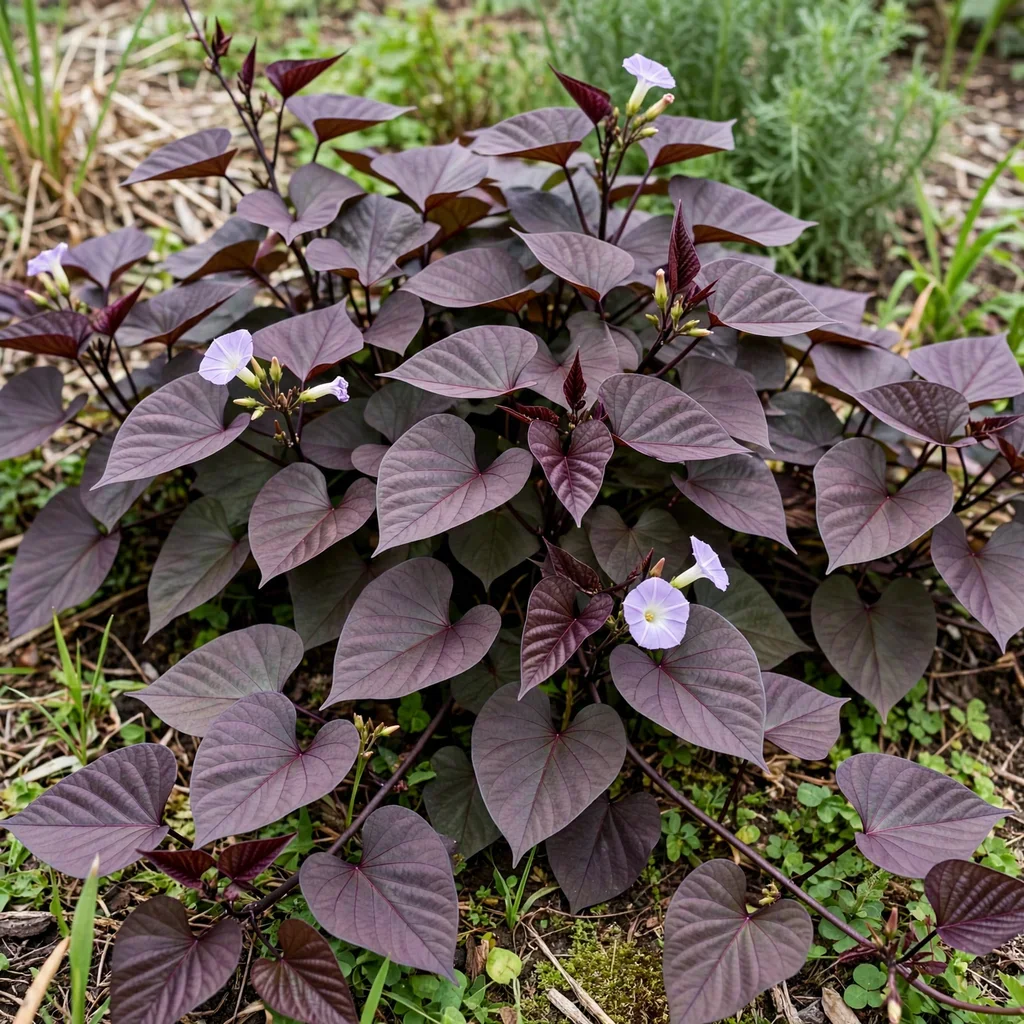
Treasure Island Kaukura Sweet Potato
Ipomoea batatas 'Treasure Island Kaukura'
Keep exploring
Explore the genus
Hardy in your zone?
Grow Railroad Vine with confidence
See it in a design of your actual yard, get zone-matched care reminders, and track it season by season in your garden journal.