1 named cultivar
The Story
Plant Bio
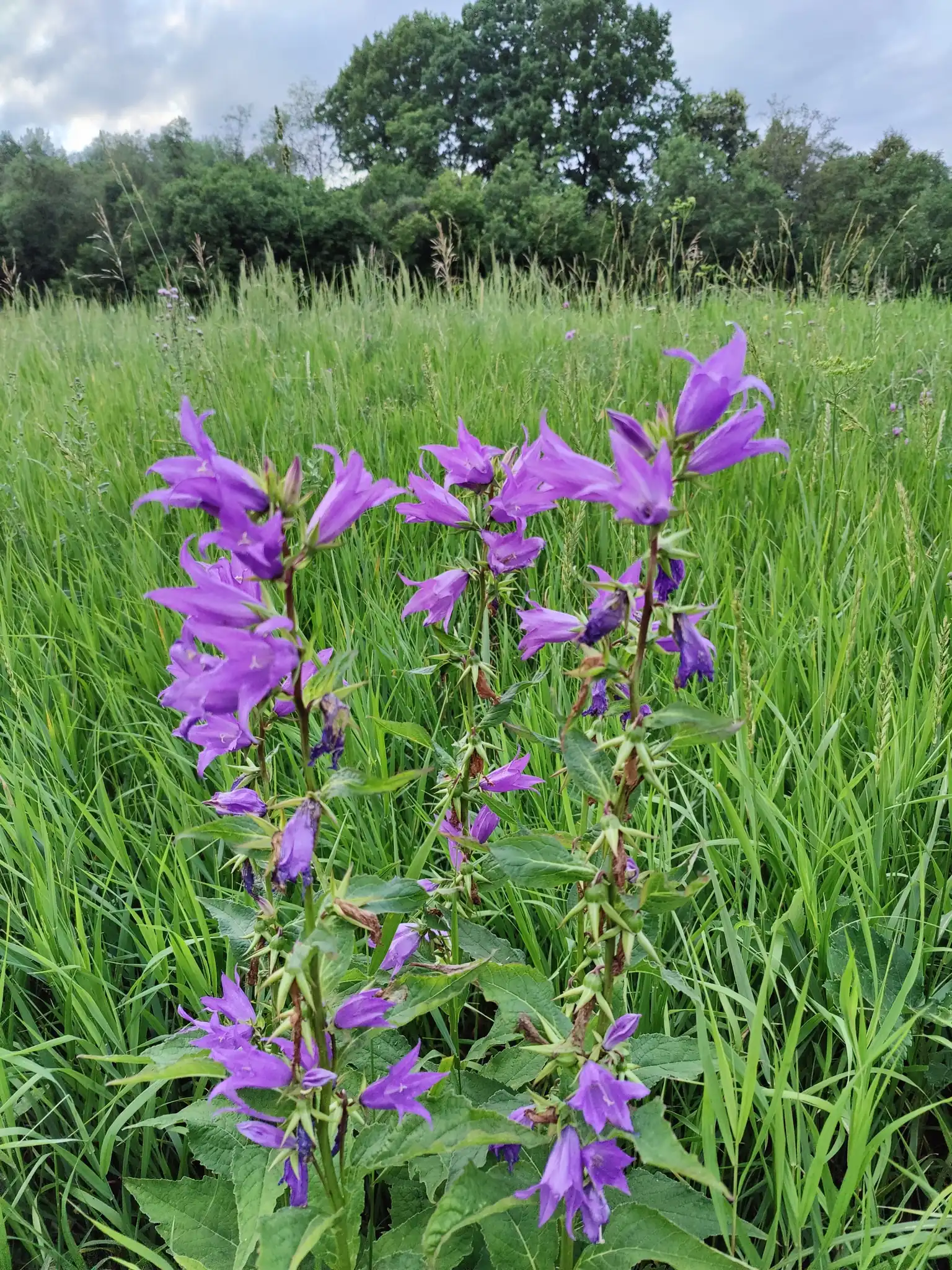
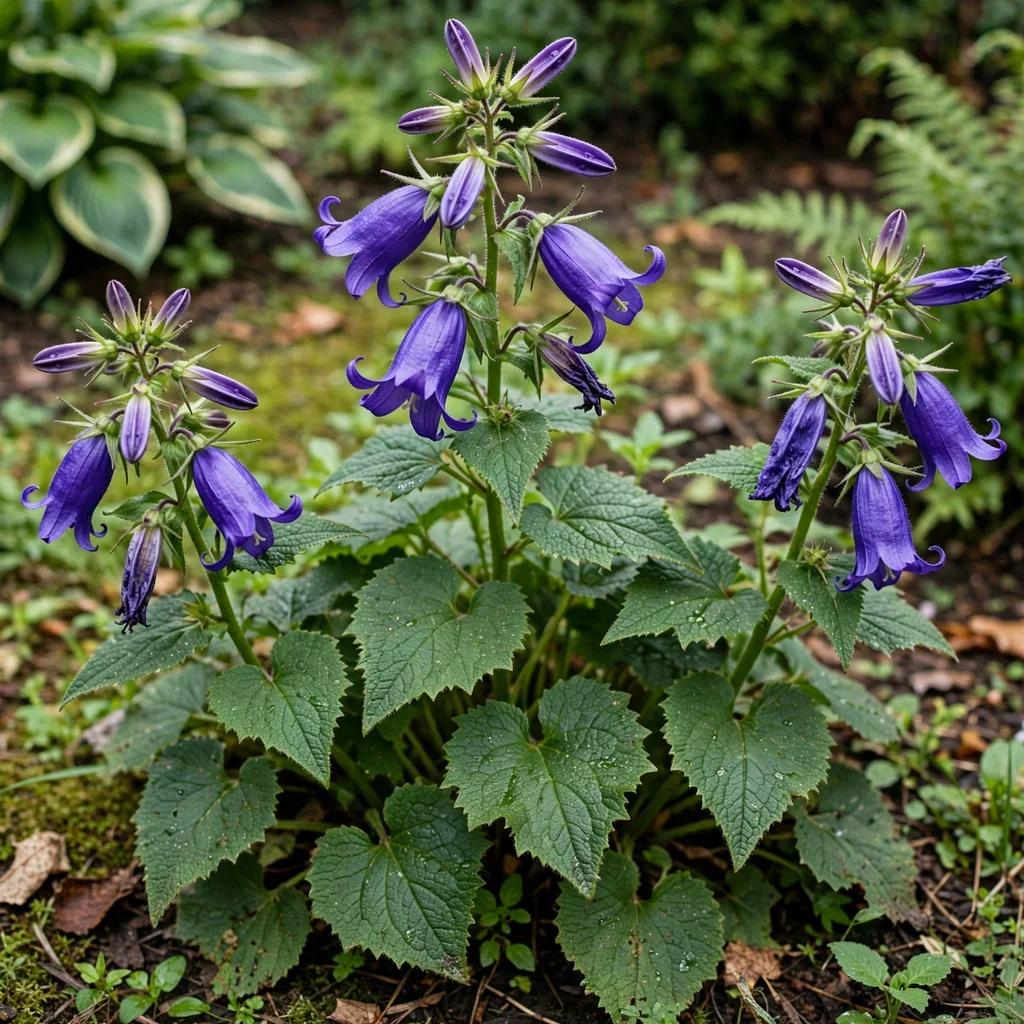
Campanula latifolia, the great bellflower, is a tall clump-forming perennial ranging from Europe through western Asia and Siberia to the Himalaya. It grows three to four feet high on stout upright stems, occasionally to five, with broad coarsely toothed leaves. Large purplish-blue bells are carried in the upper leaf axils through June and July.
It is a coarse plant by bellflower standards and looks better naturalised in an open woodland or the back of a border than given a prominent position. Tall stems in rich soil flop without support, and the clump spreads somewhat vigorously by seed and root, so it is worth siting where a little sprawl does no harm.
Uses & Benefits:
Essentials
At a Glance
Plant Type
Perennial
Height
36"
Width
24"
Light
Full Sun, Partial Sun
Zones
4, 5, 6, 7
Water
Medium
Humidity
Average
Lifespan
Perennial
Native To
Europe through western Asia to the Himalaya
Toxicity
Non-toxic
Planting
How to Grow
- Plant in spring or autumn in full sun to part shade.
- Choose average, medium-moisture, well-drained soil.
- Give light afternoon shade in hot summer regions.
- Water regularly; it needs steady moisture.
- Stake taller stems in exposed or rich sites.
- Cut back after flowering to limit self-seeding.
Pro Tip
Cut it back as the flowers fade rather than later; that limits the self-seeding that turns a clump into a colony.
Keep It Thriving
Care Guide
Do
- Site it at the back of a border or in a wild area 🌿
- Keep the soil steadily moist 💧
- Stake tall stems in exposed positions 🪵
- Cut back after flowering to limit seeding ✂️
Don't
- Give it a prominent formal position ❌
- Let the soil dry out in summer ❌
- Leave seed heads to ripen if you want it contained ❌
Seasonal Care Calendar
| Task | Jan | Feb | Mar | Apr | May | Jun | Jul | Aug | Sep | Oct | Nov | Dec |
|---|---|---|---|---|---|---|---|---|---|---|---|---|
| Cut Back | ||||||||||||
| Stake |
Watch Out For
Pests & Diseases
Common Pests
Common Diseases
In the Garden
Landscape Uses & Companions
Landscape Uses
Companion Plants
Multiply
Propagation Methods
Good to Know
Common Questions
Bellflower questions
What zones can Bellflower grow in?
Bellflower is hardy in USDA Zones 4–7. Inside that range it survives winter in the ground; outside it, grow it as an annual or a container plant you protect.
Is Bellflower deer resistant?
Yes — Bellflower is rated deer-resistant. Deer typically pass it over, though extreme hunger can override any plant's defenses.
When does Bellflower bloom?
Bellflower typically blooms in early to midsummer through late summer. Exact timing shifts a week or two with your zone — Sow's bloom calendar maps it to your garden.
Does Bellflower need full sun?
Bellflower does best in full sun to part shade. In hot climates, afternoon shade keeps blooms fresher longer.
More Campanula to compare
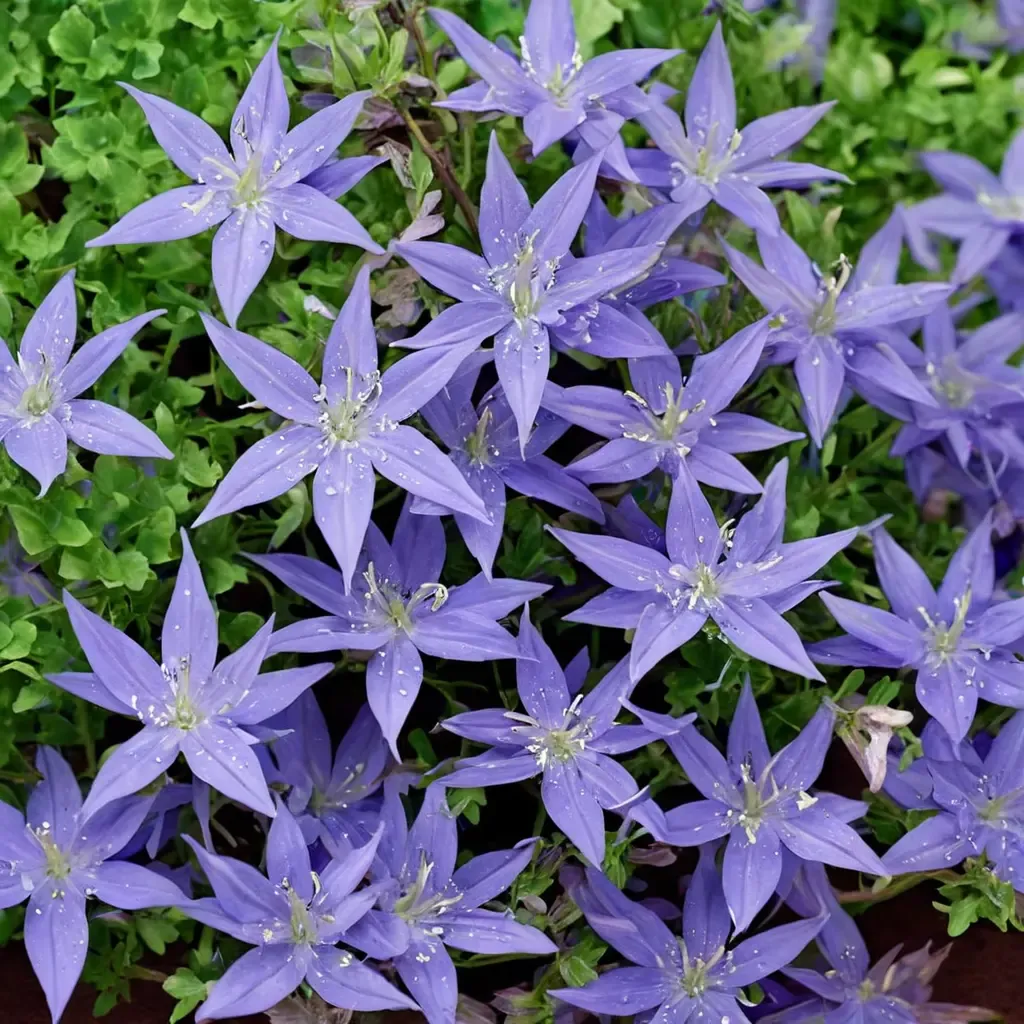
Blue Waterfall Bellflower
Campanula poscharskyana 'Blue Waterfall'
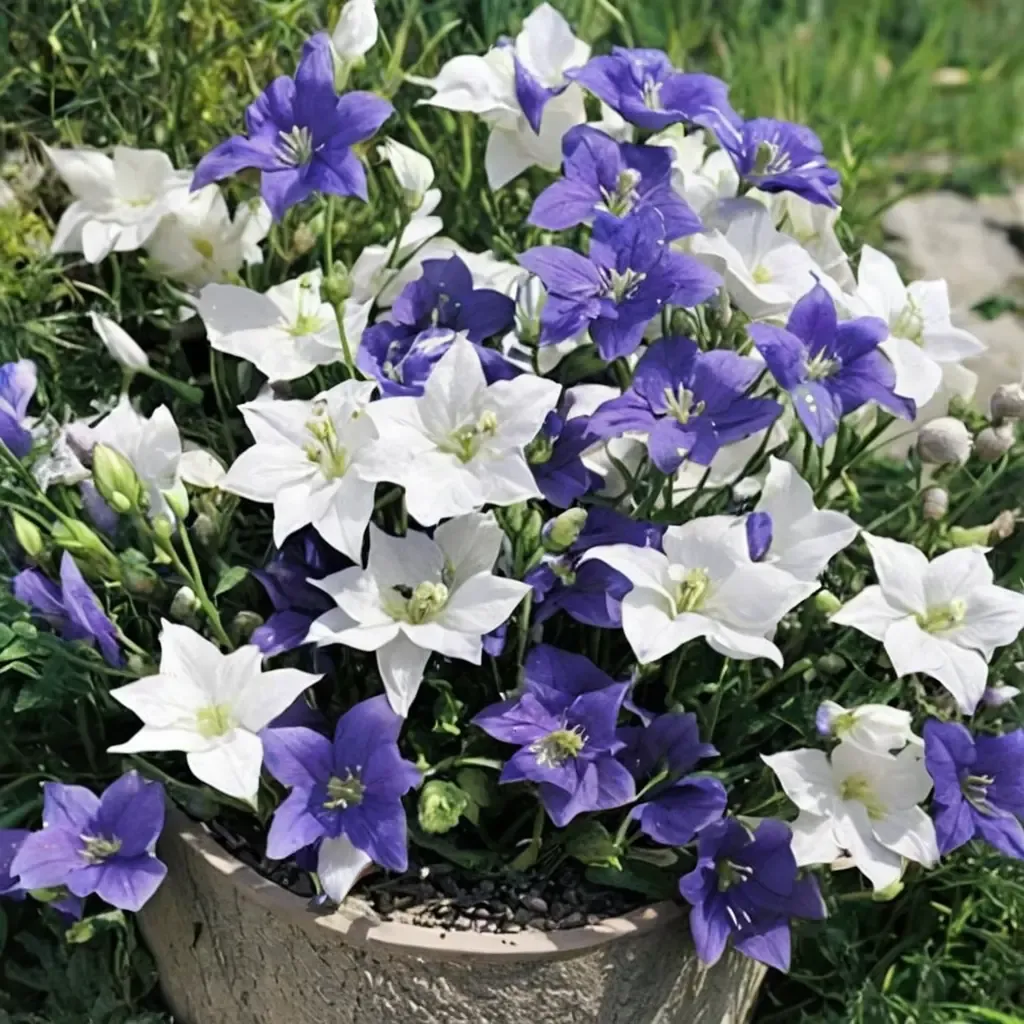
Carpathian Bellflower
Campanula carpatica 'Mix'
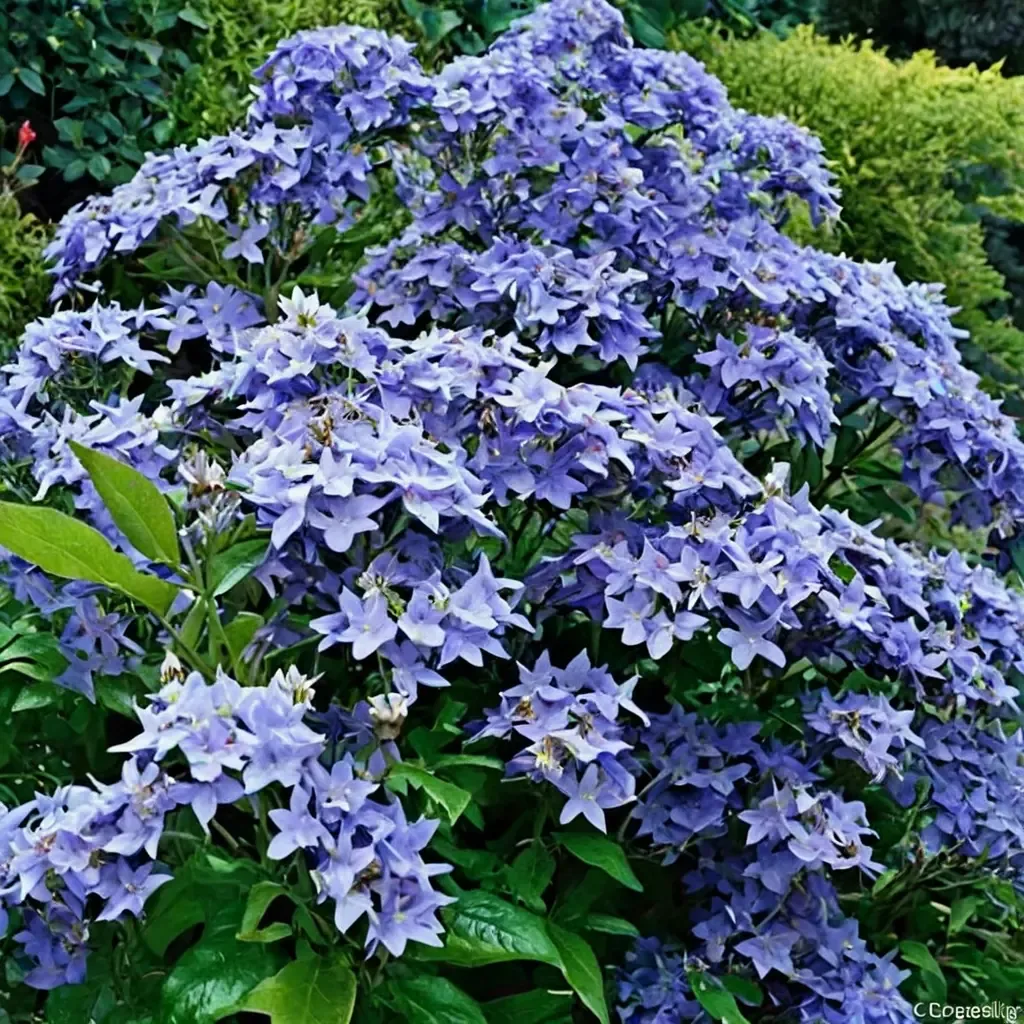
Prichard Milky Bellflower
Campanula lactiflora 'Prichard'
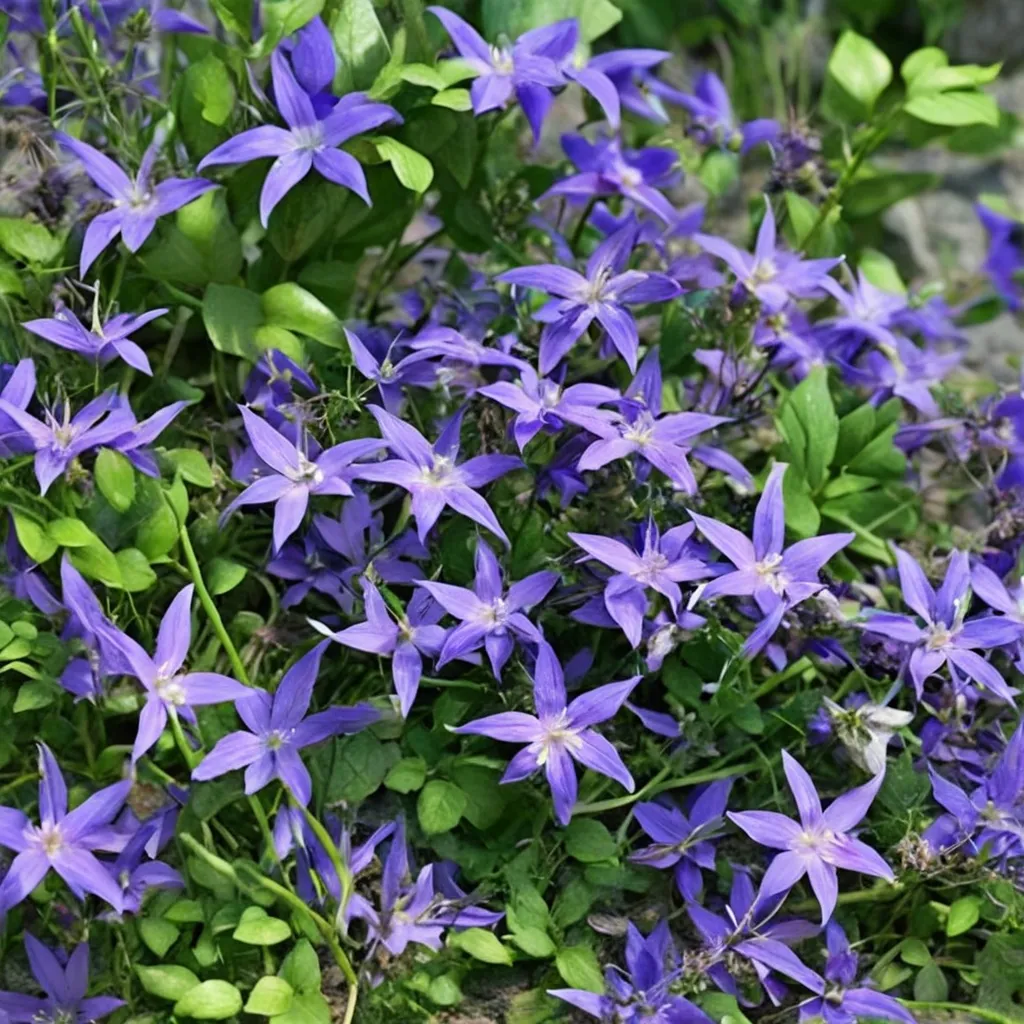
Serrated Bellflower
Campanula poscharskyana 'Stella'
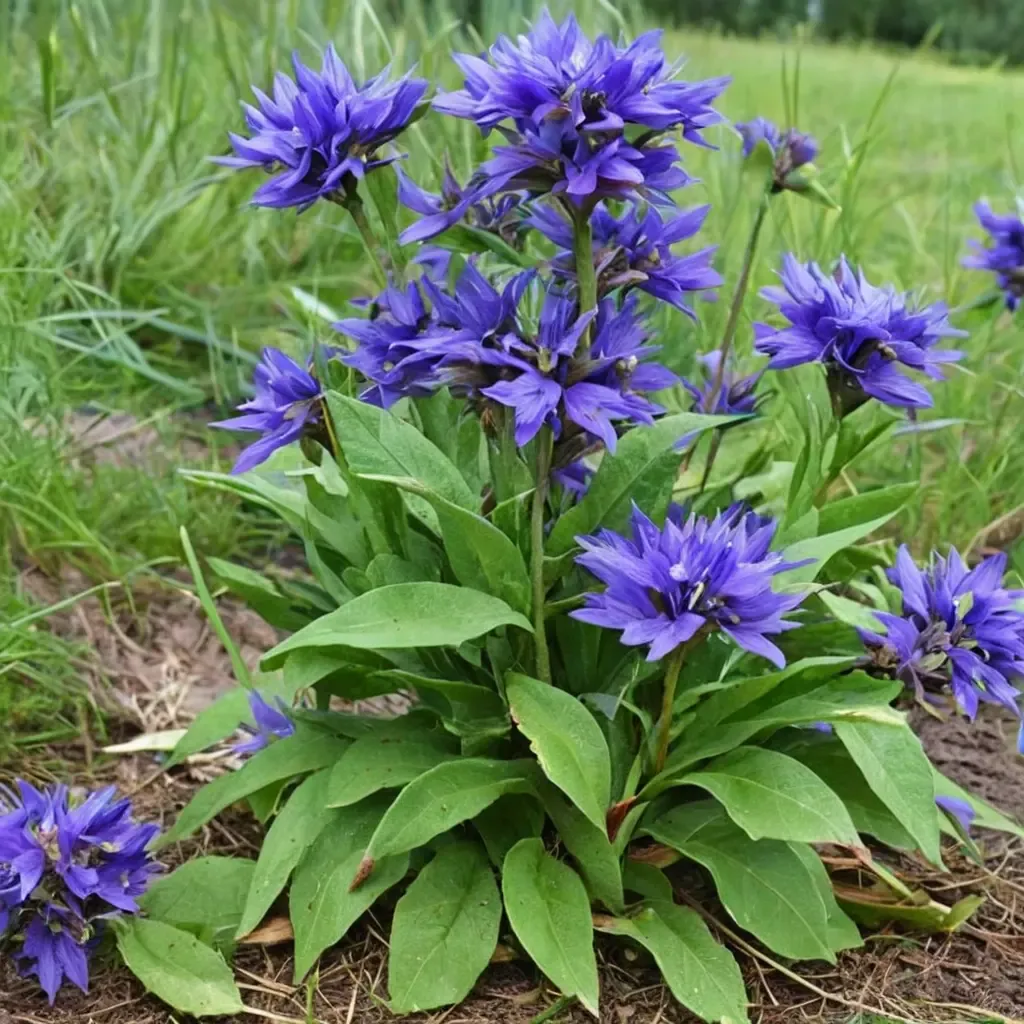
Clustered Bellflower
Campanula glomerata
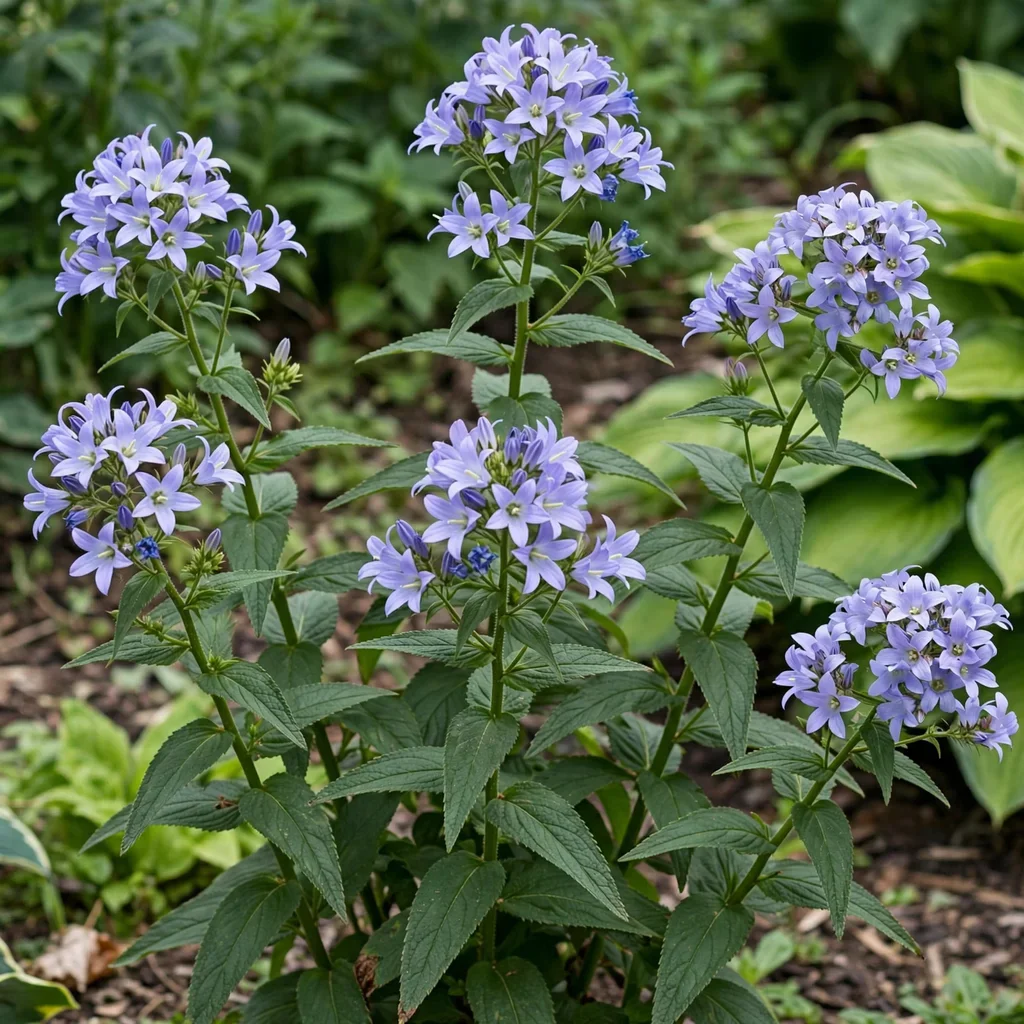
Prichard's Variety Milky Bellflower
Campanula lactiflora 'Prichard's Variety'
Keep exploring
Explore the genus
Hardy in your zone?
Grow Bellflower with confidence
See it in a design of your actual yard, get zone-matched care reminders, and track it season by season in your garden journal.