The Story
Plant Bio
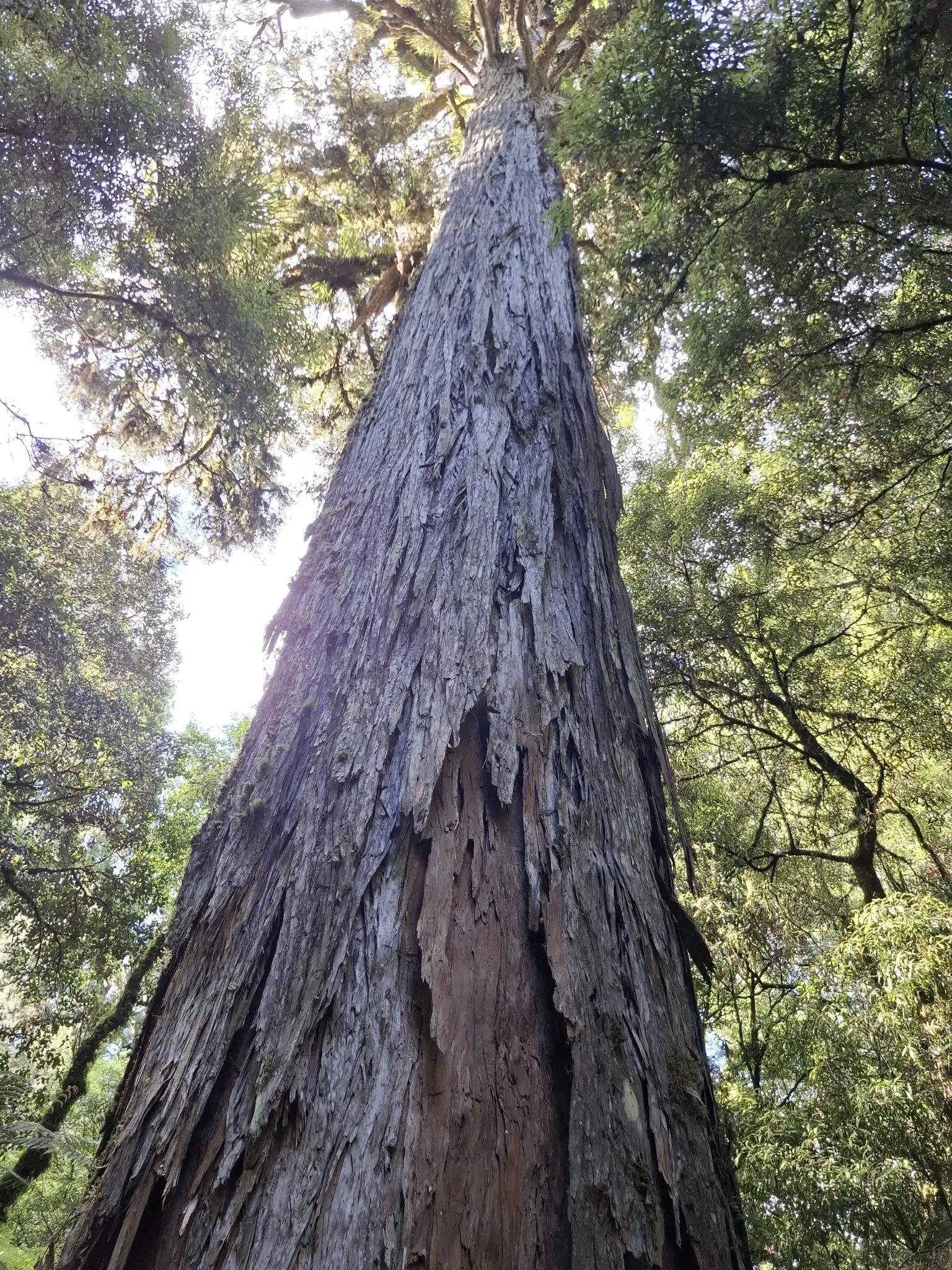
Podocarpus totara, the totara, is a massive evergreen conifer native to New Zealand that develops a broad, spreading canopy and a thick, deeply furrowed trunk with corky, stringy bark. In garden cultivation, it grows as a dense, conical tree reaching twenty-five to thirty feet tall with stiff, needle-like, brownish-green foliage.
This species is highly valued for its durable, rot-resistant timber in its native range and its architectural, textured bark that peels in long, fibrous strips. It is dioecious, meaning separate male and female plants are required to produce the small, yellow, catkin-like pollen cones and the subsequent bright red, fleshy seed receptacles.
Uses & Benefits:
Essentials
At a Glance
Plant Type
Tree
Height
360"
Width
315"
Light
Full Sun, Partial Sun
Zones
8, 9, 10
Water
Moderate
Humidity
Moderate to High
Lifespan
Long-lived
Native To
New Zealand
Toxicity
Non-toxic
Bloom period
Spring
In flower about 3 months of the year
Planting
How to Grow
- Select a planting site in full sun to partial shade with fertile, well-drained soil.
- Dig a hole twice as wide as the root ball and of equal depth, ensuring the soil is loosened to encourage root penetration.
- Backfill with native soil, water deeply to settle the roots, and apply a thick layer of organic mulch to retain moisture.
- Provide regular irrigation during the first two growing seasons until the root system is fully established.
Pro Tip
Never prune back into old, leafless brown wood, as the bare branches lack dormant buds and will fail to sprout new growth.
Keep It Thriving
Care Guide
Do
- Do plant in a well-drained location to prevent root rot.
- Do protect young plants from deer and rabbit browsing with physical fencing.
- Do apply a balanced, slow-release fertilizer in spring if growth appears sluggish.
Don't
- Don't allow the soil to become waterlogged or suffer from stagnant saturation.
- Don't prune deep into bare, brown wood that lacks active green foliage.
- Don't plant in areas exposed to severe, direct coastal salt spray without protection.
Seasonal Care Calendar
| Task | Jan | Feb | Mar | Apr | May | Jun | Jul | Aug | Sep | Oct | Nov | Dec |
|---|---|---|---|---|---|---|---|---|---|---|---|---|
| Fertilize | ||||||||||||
| Mulch | ||||||||||||
| Pest Check | ||||||||||||
| Prune |
Watch Out For
Pests & Diseases
Common Pests
Common Diseases
In the Garden
Landscape Uses & Companions
Landscape Uses
Companion Plants
Multiply
Propagation Methods
Good to Know
Common Questions
Totara questions
What zones can Totara grow in?
Totara is hardy in USDA Zones 8–10. Inside that range it survives winter in the ground; outside it, grow it as an annual or a container plant you protect.
Is Totara deer resistant?
Not reliably. Deer may browse Totara, especially tender spring growth — plan on repellents or fencing where pressure is high.
When does Totara bloom?
Totara typically blooms in spring through spring. Exact timing shifts a week or two with your zone — Sow's bloom calendar maps it to your garden.
Does Totara need full sun?
Totara does best in full sun to part shade. In hot climates, afternoon shade keeps blooms fresher longer.
Is Totara drought tolerant?
Yes — once established (usually after the first full season), Totara handles dry spells with minimal watering. Water deeply its first year to build the root system that makes that possible.
More Podocarpus to compare
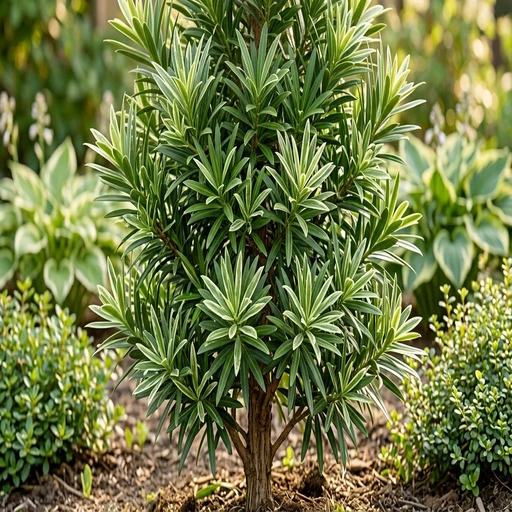
Roman Candle Podocarpus
Podocarpus macrophyllus 'Miu'
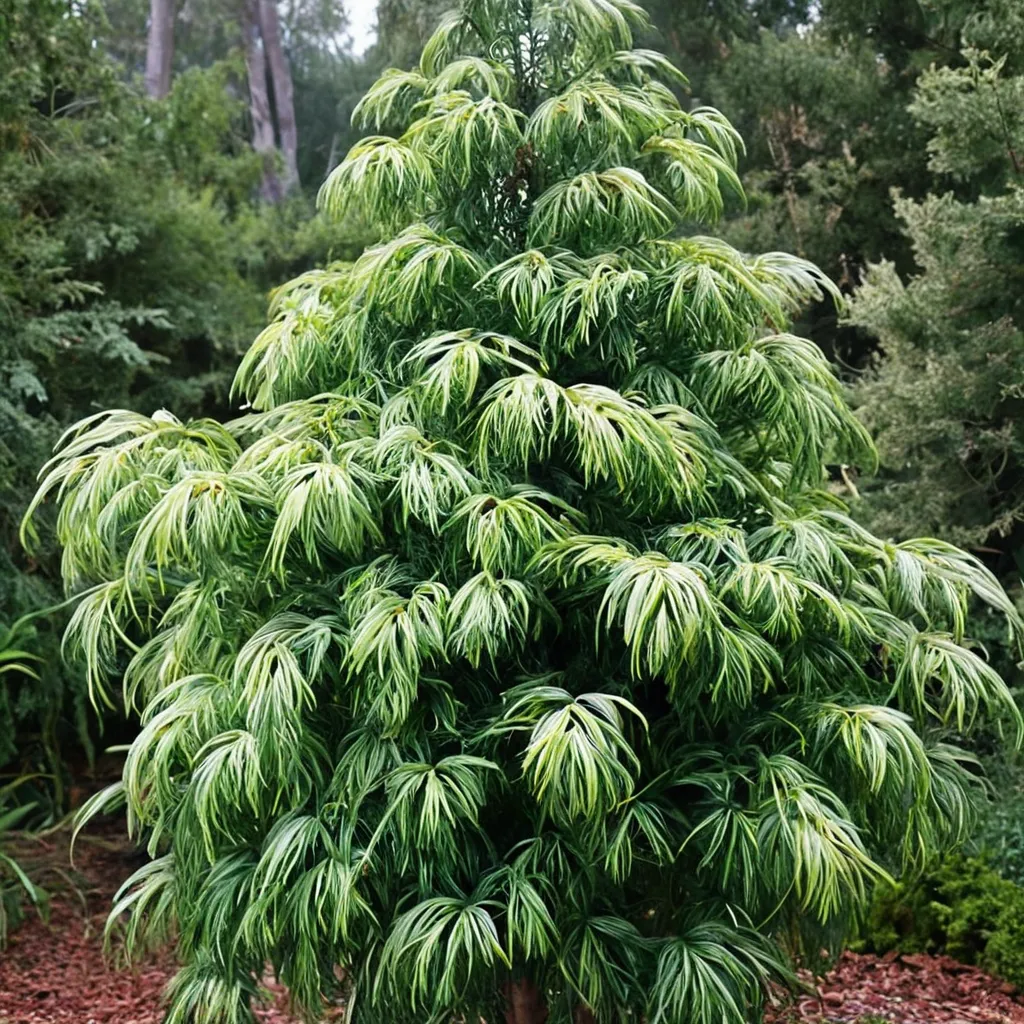
Henkel's Yellowwood
Podocarpus henkelii
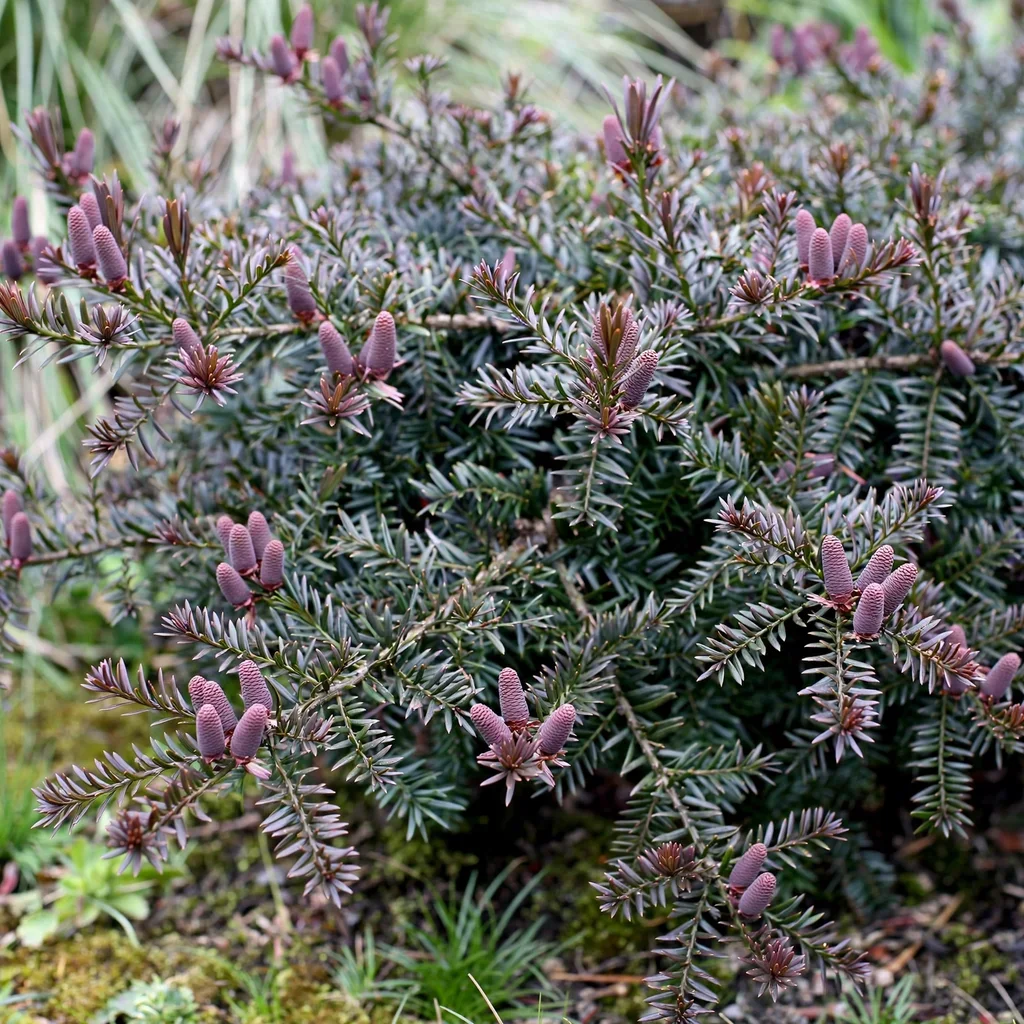
Mountain Plum-pine
Podocarpus lawrencei 'Purple King'
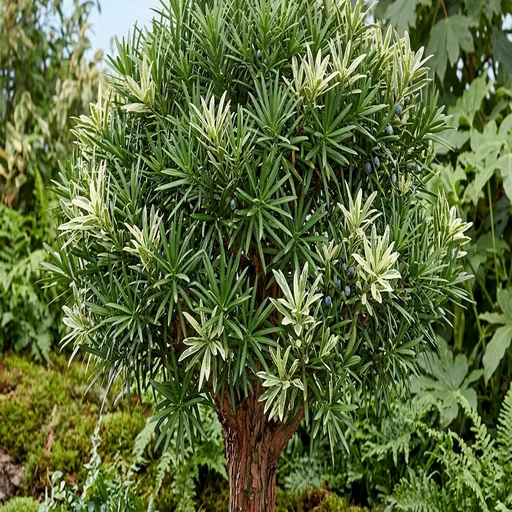
Yew Plum Pine
Podocarpus macrophyllus
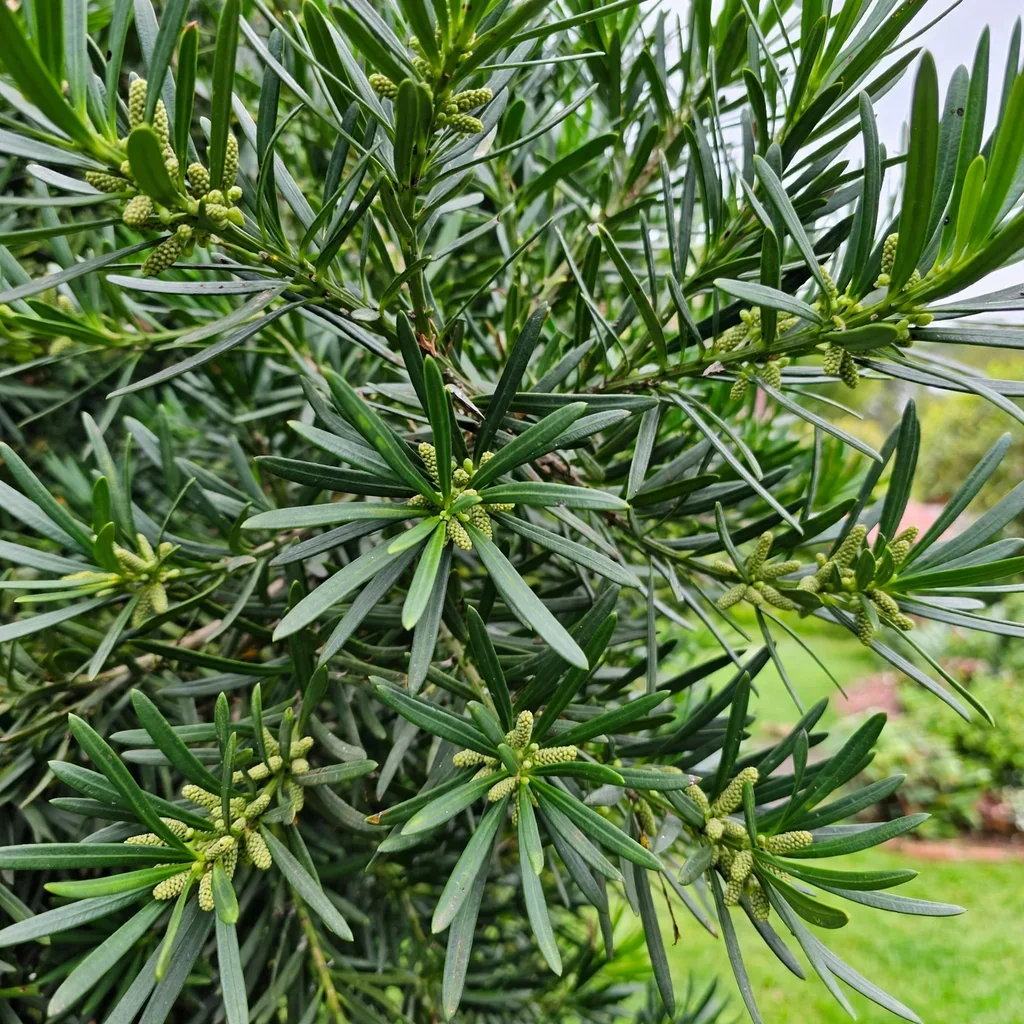
Outeniqua Yellowwood
Podocarpus falcatus
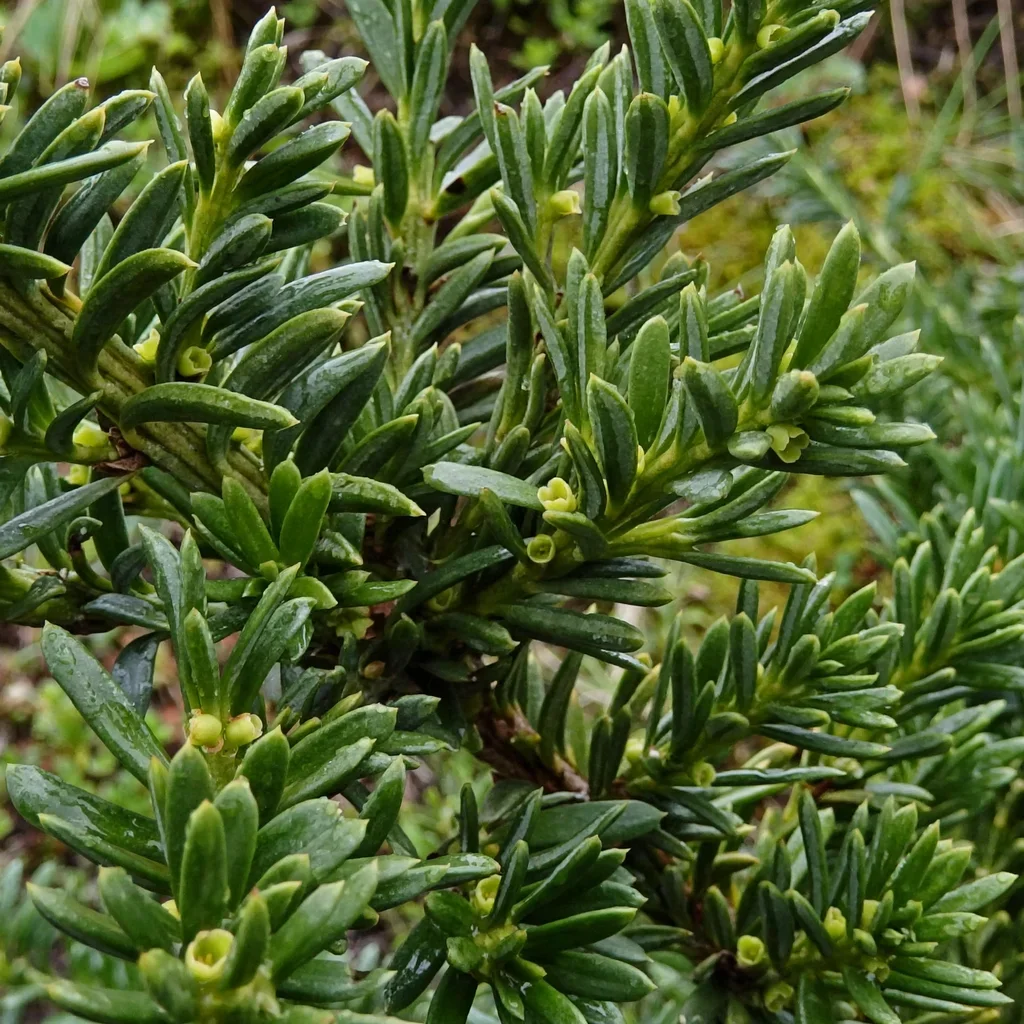
Snow Podocarp
Podocarpus nivalis 'Female Form'
Keep exploring
Explore the genus
Hardy in your zone?
Grow Totara with confidence
See it in a design of your actual yard, get zone-matched care reminders, and track it season by season in your garden journal.