The Story
Plant Bio
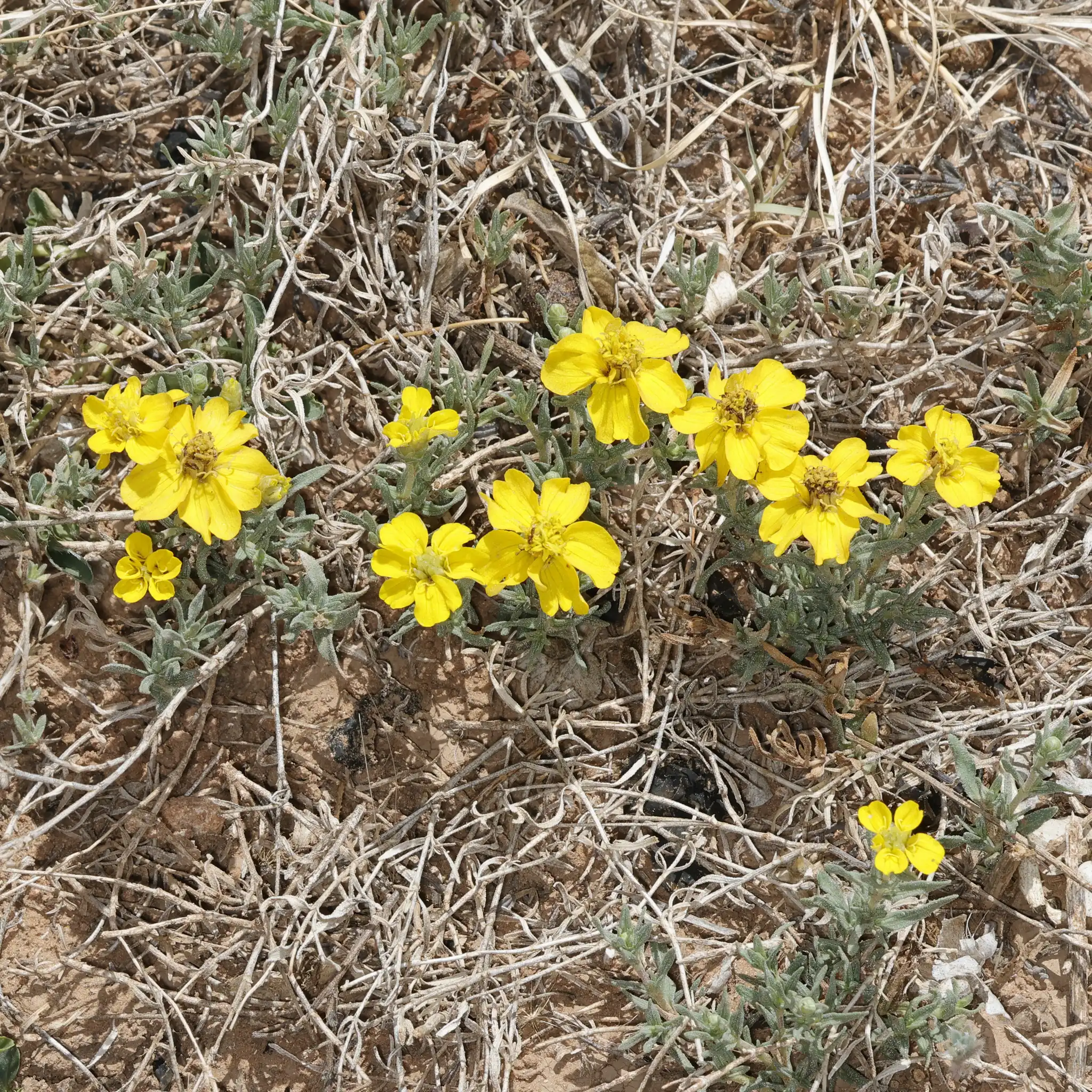
Zinnia grandiflora, commonly known as plains zinnia, is a low-growing, woody-based perennial native to the arid regions of the southwestern United States and northern Mexico. It forms a dense, mounding mat of needle-like green foliage that is covered in bright yellow composite flowers from late spring through fall.
Unlike common annual garden zinnias, this species is a highly drought-tolerant subshrub that spreads slowly via underground rhizomes to provide durable groundcover. Its flowers feature three to six broad, papery yellow ray florets surrounding a small orange-red central disk, which persist on the plant and dry to a straw color.
Uses & Benefits:
Essentials
At a Glance
Plant Type
Perennial
Height
8"
Width
15"
Light
Full Sun, Partial Sun
Zones
4, 5, 6, 7, 8, 9
Water
Low
Humidity
Low
Lifespan
Perennial
Native To
North America
Toxicity
Non-toxic
Bloom period
Late spring – Fall
In flower about 7 months of the year
Planting
How to Grow
- Select a planting site in full sun with highly permeable, sandy, gravelly, or limestone-based soil.
- Dig a hole twice the width of the root ball but no deeper, ensuring the crown sits slightly above the surrounding soil level to prevent water pooling.
- Water sparingly immediately after planting to settle the soil, then withhold water except during prolonged dry spells during the first summer.
- Avoid applying organic mulches; instead, use a thin layer of gravel or crusher fine to keep the crown dry and prevent rot.
Pro Tip
Plant in the poorest, most gravelly soil available in full sun; rich loam and regular watering trigger rapid, fatal root rot.
Keep It Thriving
Care Guide
Do
- Grow in poor, sharply drained, alkaline or neutral soils.
- Provide maximum sun exposure to encourage dense growth and abundant flowering.
- Prune back dead stems lightly in early spring before new growth begins.
Don't
- Do not overwater or plant in heavy clay soils that retain moisture.
- Do not apply heavy fertilizers, which cause weak, leggy stems and reduce blooms.
- Do not shear into old, completely dead, leafless wood.
Seasonal Care Calendar
| Task | Jan | Feb | Mar | Apr | May | Jun | Jul | Aug | Sep | Oct | Nov | Dec |
|---|---|---|---|---|---|---|---|---|---|---|---|---|
| Fertilize | ||||||||||||
| Pest Check | ||||||||||||
| Propagate | ||||||||||||
| Spring Cleanup |
Watch Out For
Pests & Diseases
Common Pests
Common Diseases
In the Garden
Landscape Uses & Companions
Landscape Uses
Multiply
Propagation Methods
Good to Know
Common Questions
Plains Zinnia questions
What zones can Plains Zinnia grow in?
Plains Zinnia is hardy in USDA Zones 4–9. Inside that range it survives winter in the ground; outside it, grow it as an annual or a container plant you protect.
When does Plains Zinnia bloom?
Plains Zinnia typically blooms in late spring through fall. Exact timing shifts a week or two with your zone — Sow's bloom calendar maps it to your garden.
Does Plains Zinnia need full sun?
Plains Zinnia does best in full sun to part shade. In hot climates, afternoon shade keeps blooms fresher longer.
Is Plains Zinnia drought tolerant?
Yes — once established (usually after the first full season), Plains Zinnia handles dry spells with minimal watering. Water deeply its first year to build the root system that makes that possible.
More Zinnia to compare
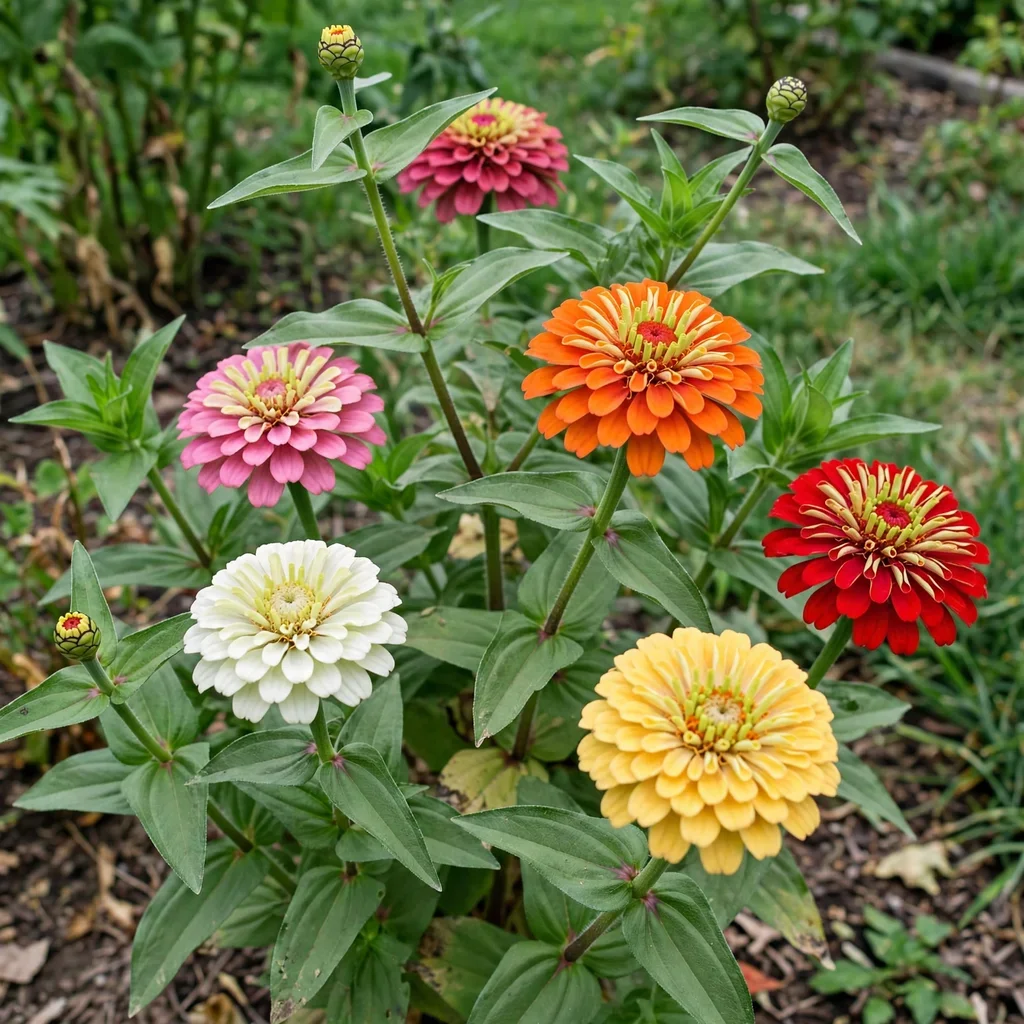
Zinnia Raggedy Ann
Zinnia elegans 'Raggedy Ann'
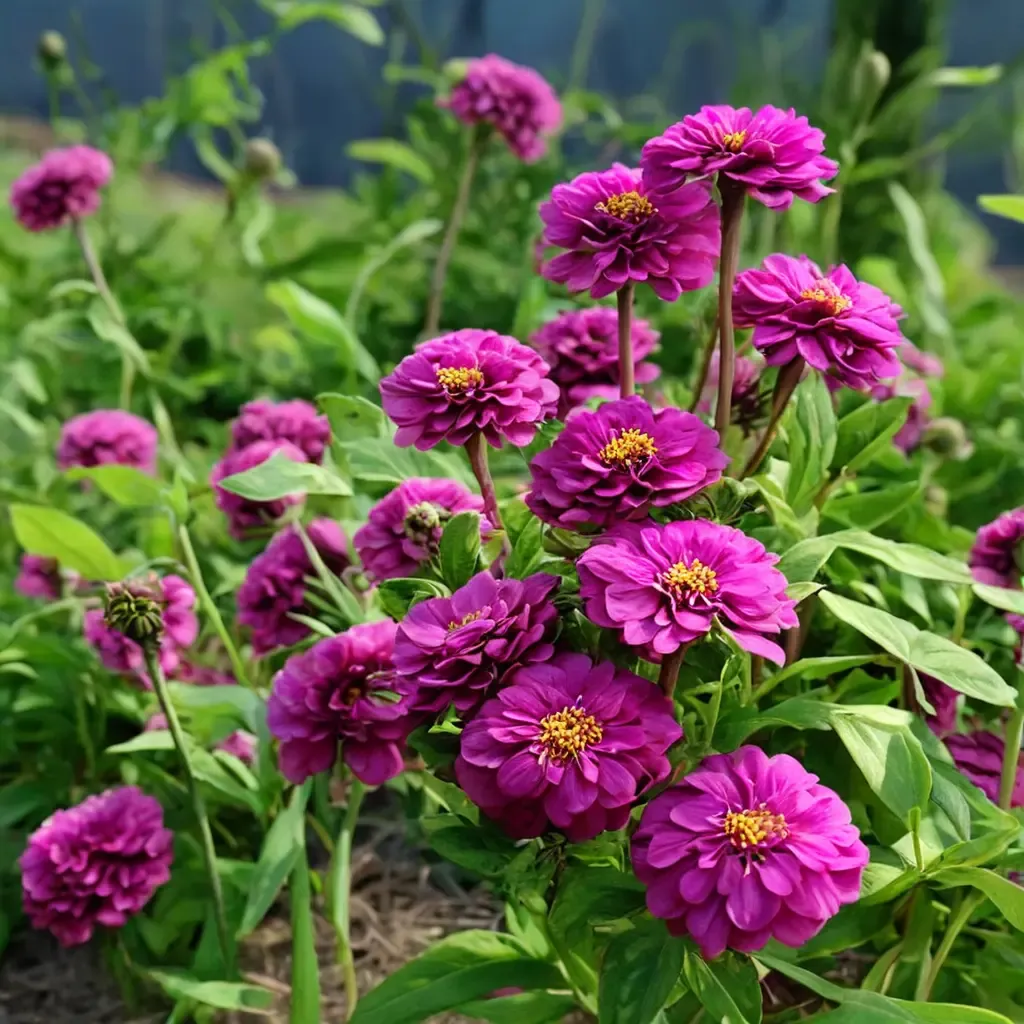
Giant Violet Queen Zinnia
Zinnia elegans 'Giant Violet Queen'
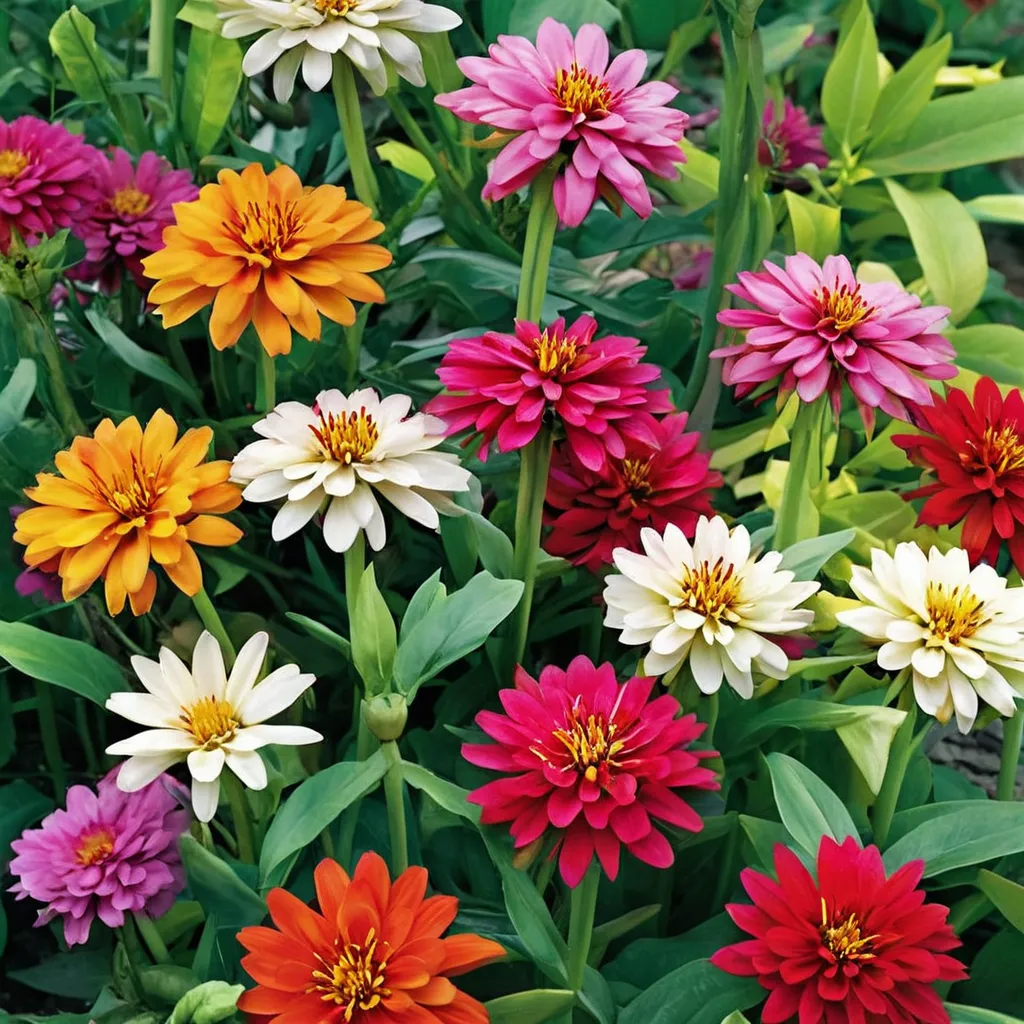
Zinnia Mix
Zinnia x hybrida 'Mix'
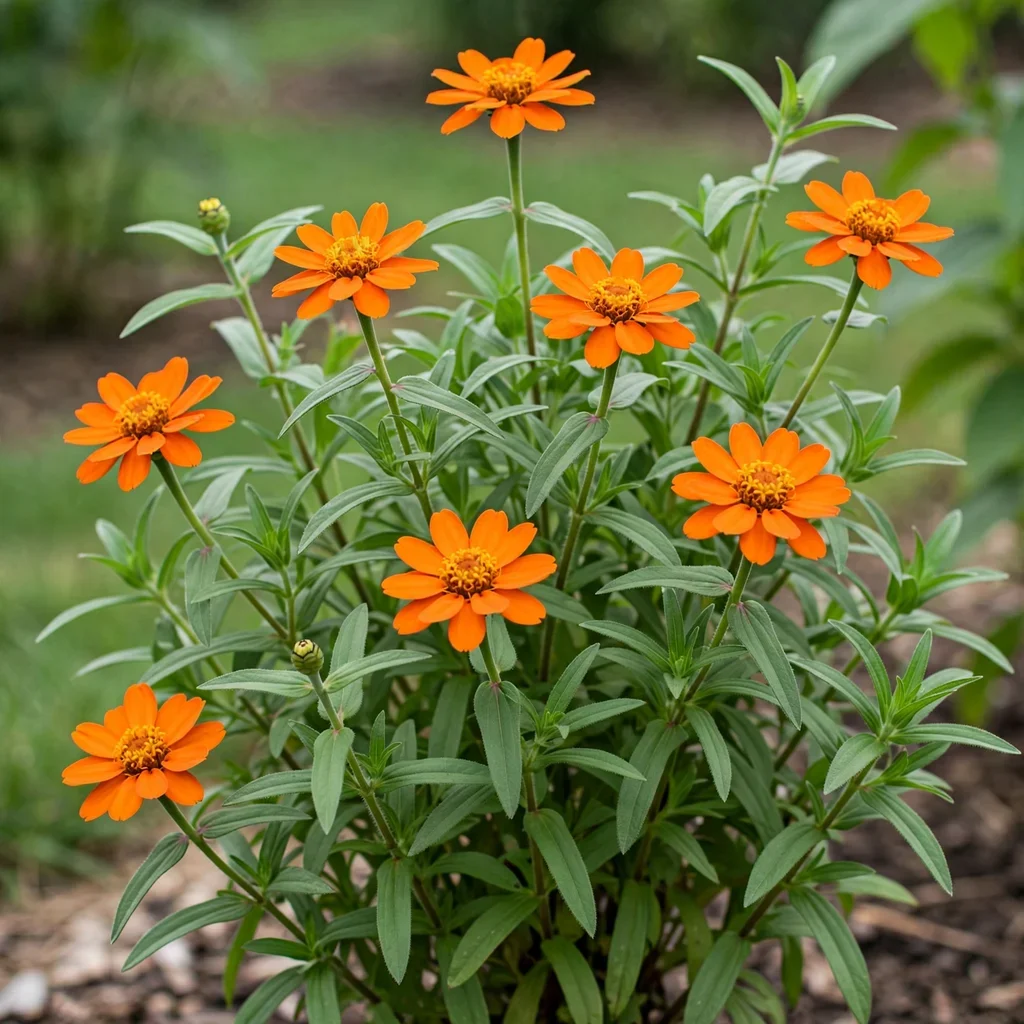
Profusion Zinnia
Zinnia elegans 'Profusion'
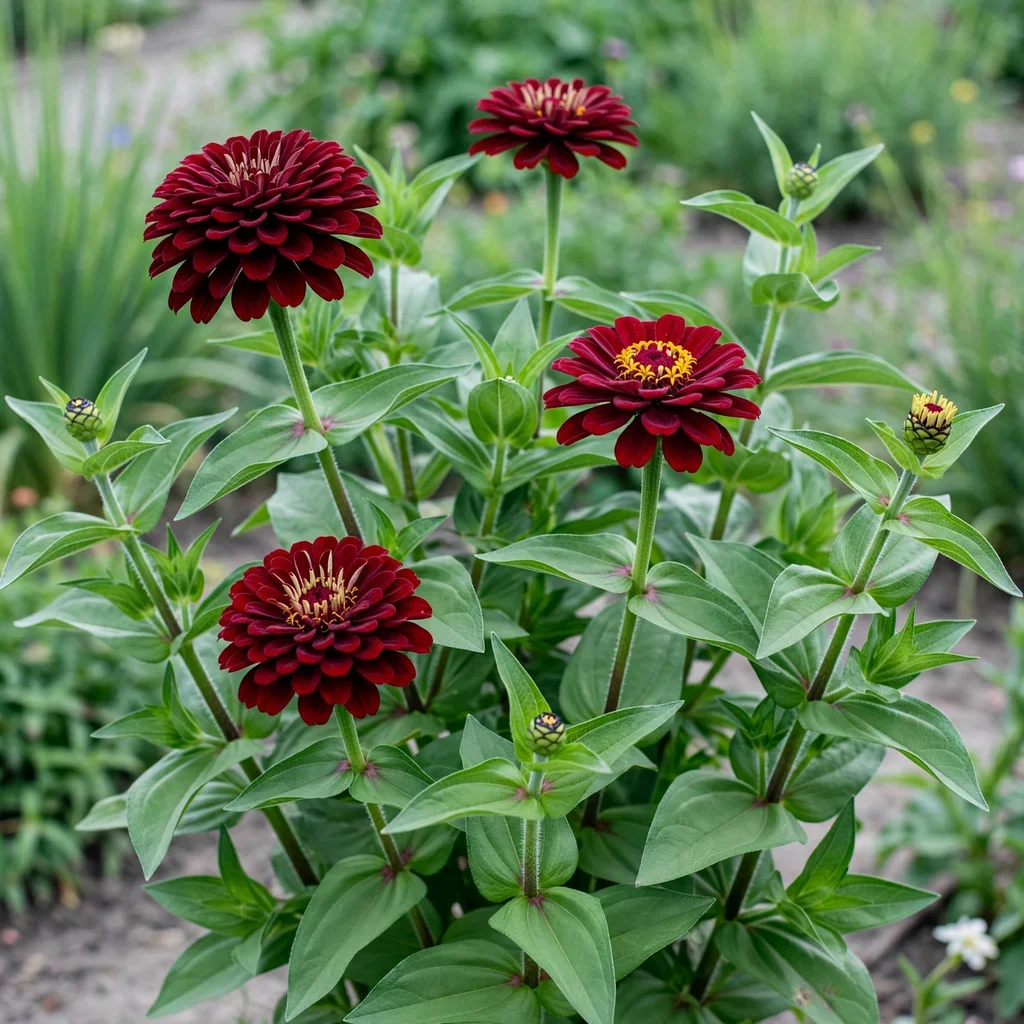
Benary's Giant Wine Zinnia
Zinnia elegans 'Benary's Giant Wine'
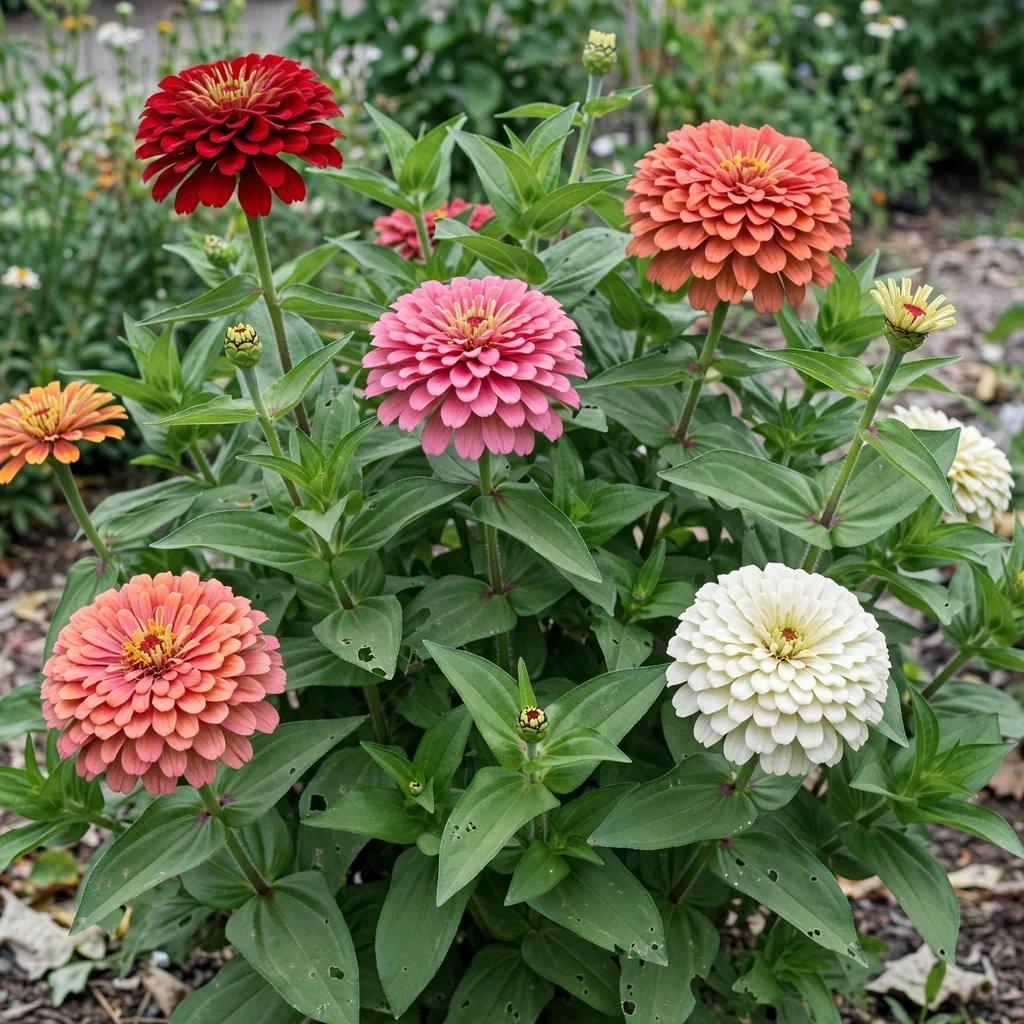
Benary's Giant Zinnia
Zinnia elegans 'Benary'
Keep exploring
Explore the genus
Grow Plains Zinnia with confidence
See it in a design of your actual yard, get zone-matched care reminders, and track it season by season in your garden journal.