

The Story
Plant Bio
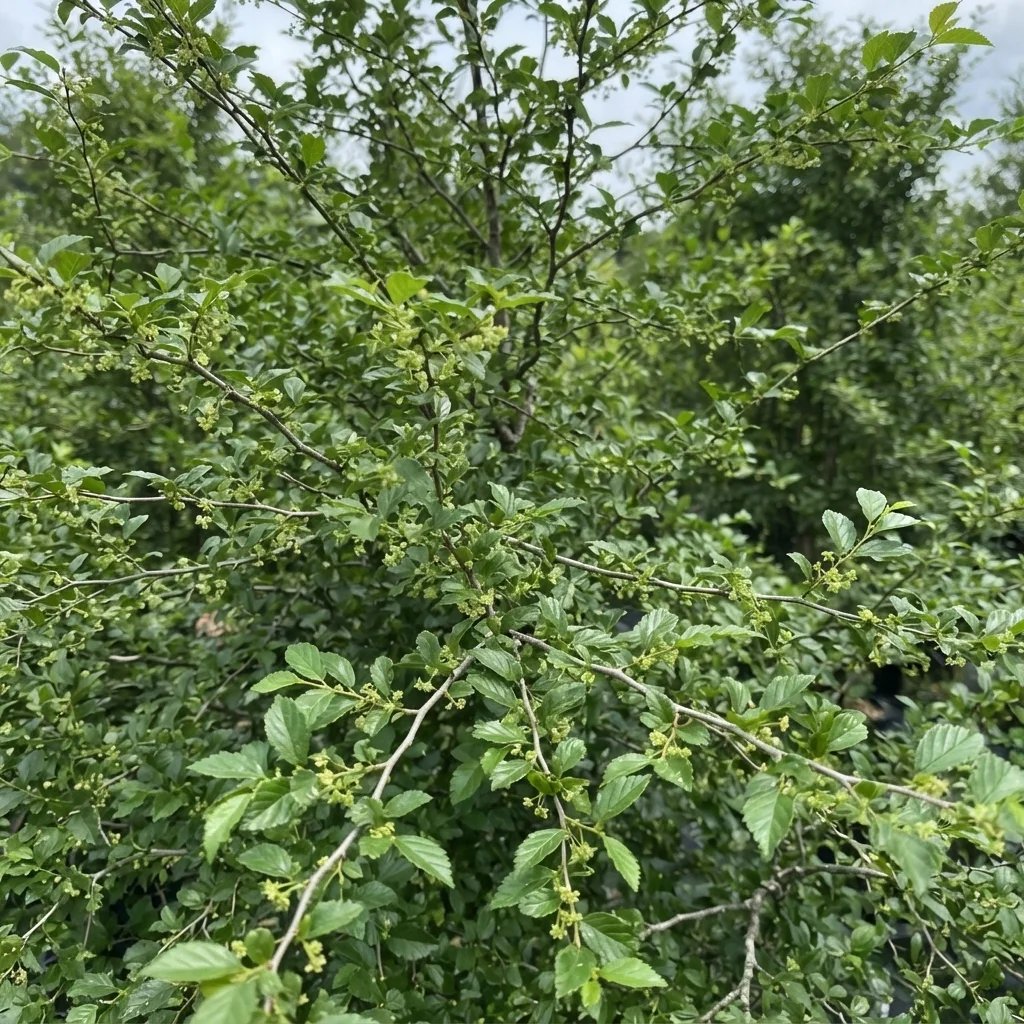
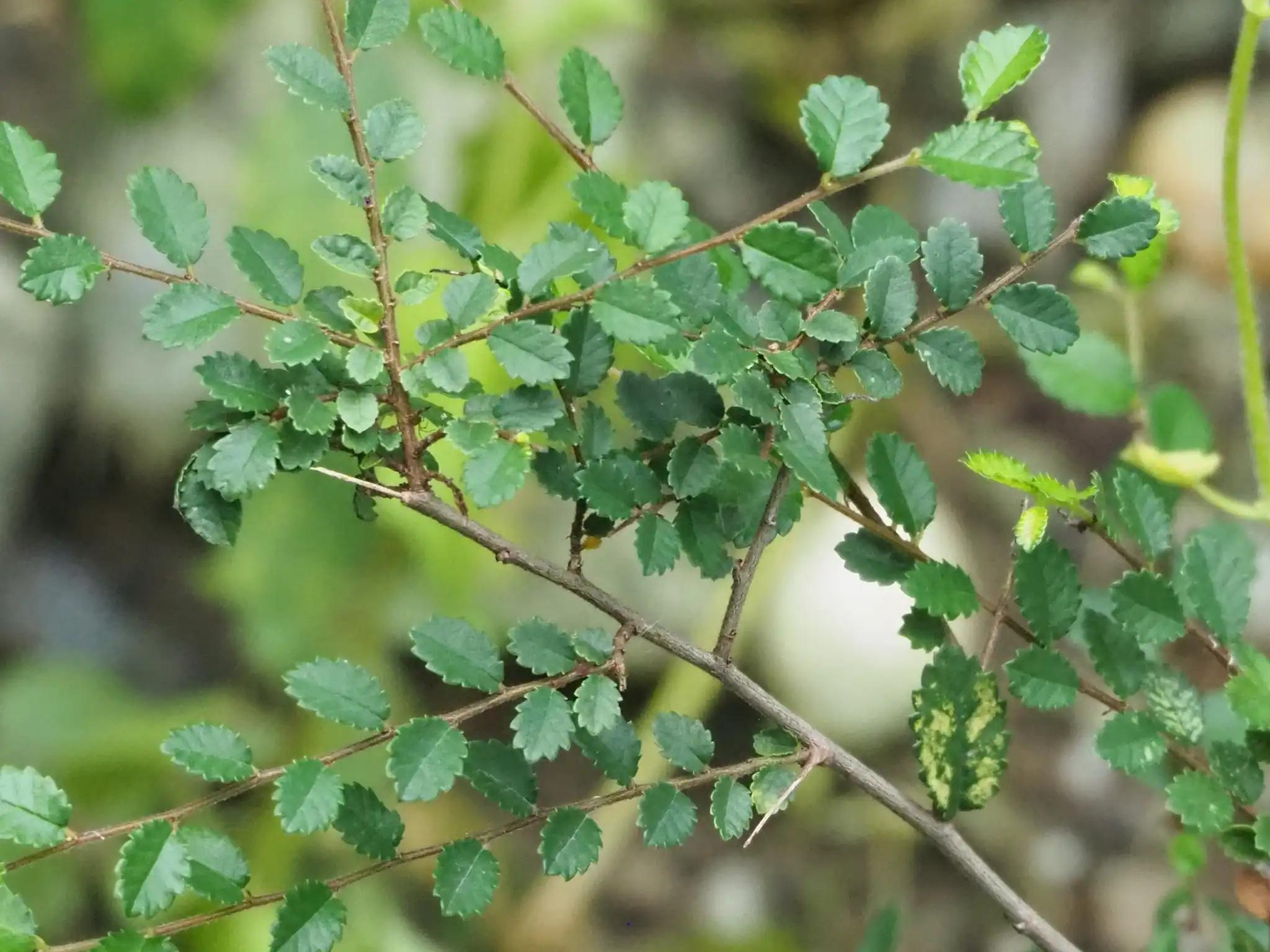
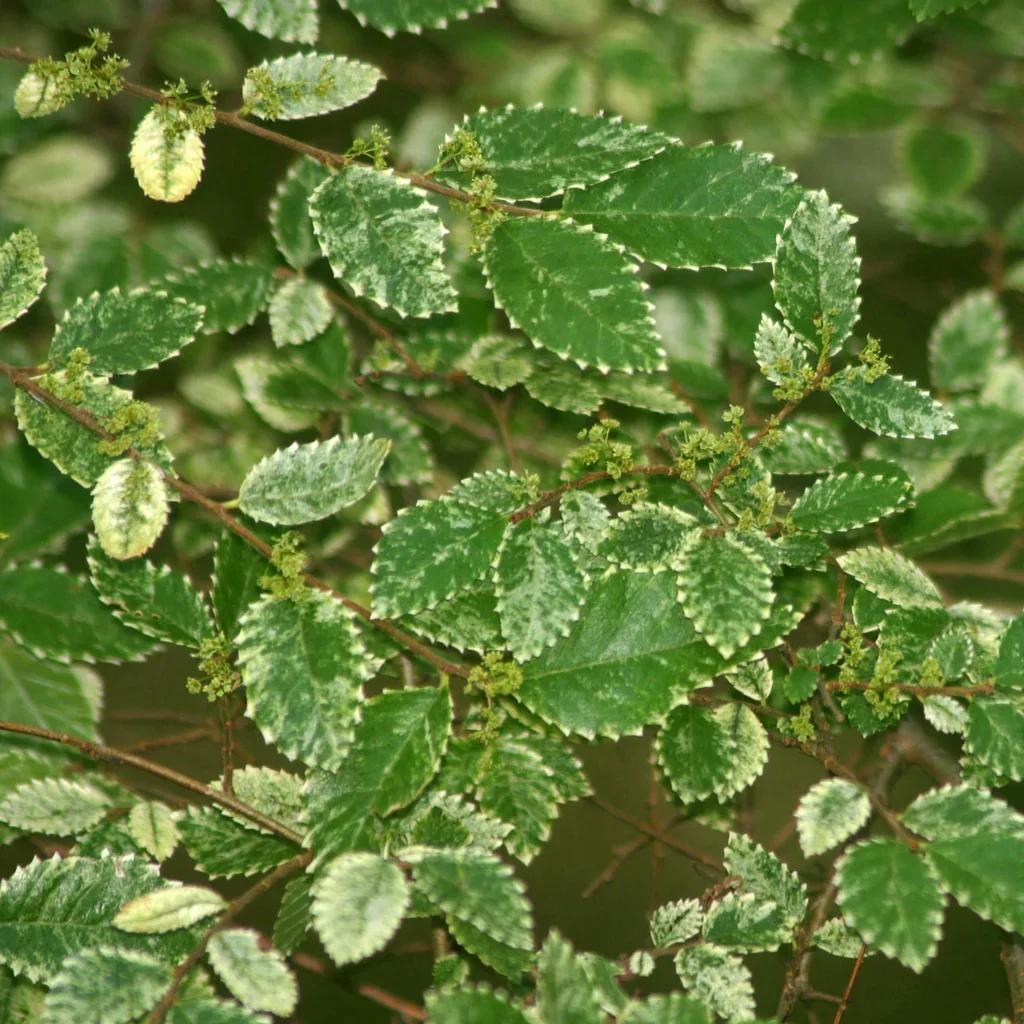
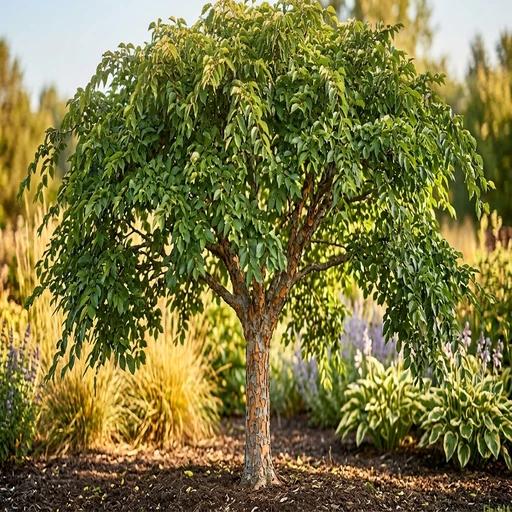
Ulmus parvifolia, commonly known as Chinese elm, is a tough, adaptable deciduous tree native to East Asia that develops a broad, rounded canopy and distinctive exfoliating bark in shades of gray, orange, and brown. The small, glossy green leaves turn shades of purple, yellow, and orange in fall before dropping, while inconspicuous flowers appear in late summer.
'Bosque' is a patented clonal selection distinguished by its highly uniform, upright-ascending branching and a strong central leader that forms a symmetrical, oval canopy. This cultivar is propagated asexually to guarantee these precise structural traits, which are absent in variable seed-grown specimens.
Uses & Benefits:
Essentials
At a Glance
Plant Type
Tree
Height
600"
Width
480"
Light
Full Sun
Zones
5, 6, 7, 8, 9
Water
Low to Moderate
Humidity
High
Lifespan
Long-lived
Native To
East Asia
Toxicity
Non-toxic
Bloom period
Late summer – Fall
In flower about 4 months of the year
Planting
How to Grow
- Plant in a full-sun location with well-drained soil, though the tree adapts to clay, sand, and varying pH levels.
- Water deeply and regularly during the first two growing seasons to establish a deep, drought-tolerant root system.
- Apply a layer of organic mulch around the root zone to conserve moisture, keeping it clear of the trunk.
- Prune in late winter to remove crossing branches and maintain the strong central leader.
Pro Tip
Prune in late winter to establish a clean trunk and clear crossing branches, taking care not to over-stake or use tight ties that can scar the delicate exfoliating bark.
Keep It Thriving
Care Guide
Do
- Mulch the root zone to retain moisture and protect the trunk from lawnmower damage.
- Prune in late winter to maintain a clean, upright structural framework.
Don't
- Do not use tight tree ties or stakes that can girdle and scar the delicate exfoliating bark.
- Do not prune heavily into old, thick wood that lacks visible growth buds.
Seasonal Care Calendar
| Task | Jan | Feb | Mar | Apr | May | Jun | Jul | Aug | Sep | Oct | Nov | Dec |
|---|---|---|---|---|---|---|---|---|---|---|---|---|
| Fertilize | ||||||||||||
| Mulch | ||||||||||||
| Pest Check | ||||||||||||
| Prune |
Watch Out For
Pests & Diseases
Common Pests
Common Diseases
In the Garden
Landscape Uses & Companions
Landscape Uses
Companion Plants
Multiply
Propagation Methods
Good to Know
Common Questions
Chinese Elm questions
What zones can Chinese Elm grow in?
Chinese Elm is hardy in USDA Zones 5–9. Inside that range it survives winter in the ground; outside it, grow it as an annual or a container plant you protect.
Is Chinese Elm deer resistant?
Not reliably. Deer may browse Chinese Elm, especially tender spring growth — plan on repellents or fencing where pressure is high.
When does Chinese Elm bloom?
Chinese Elm typically blooms in late summer through fall. Exact timing shifts a week or two with your zone — Sow's bloom calendar maps it to your garden.
Does Chinese Elm need full sun?
Chinese Elm does best in full sun (6+ hours).
Is Chinese Elm drought tolerant?
Yes — once established (usually after the first full season), Chinese Elm handles dry spells with minimal watering. Water deeply its first year to build the root system that makes that possible.
More Ulmus to compare
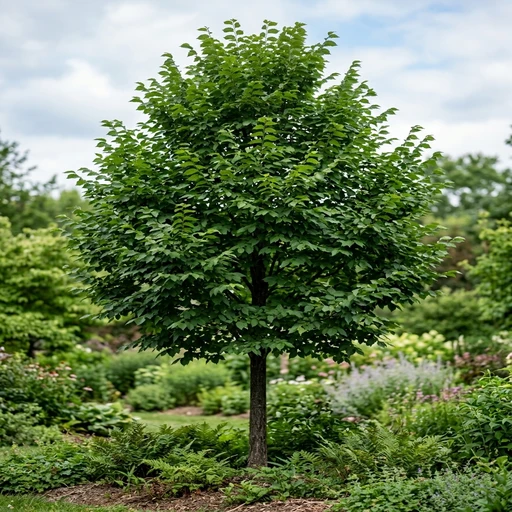
Princeton Elm
Ulmus americana 'Princeton'
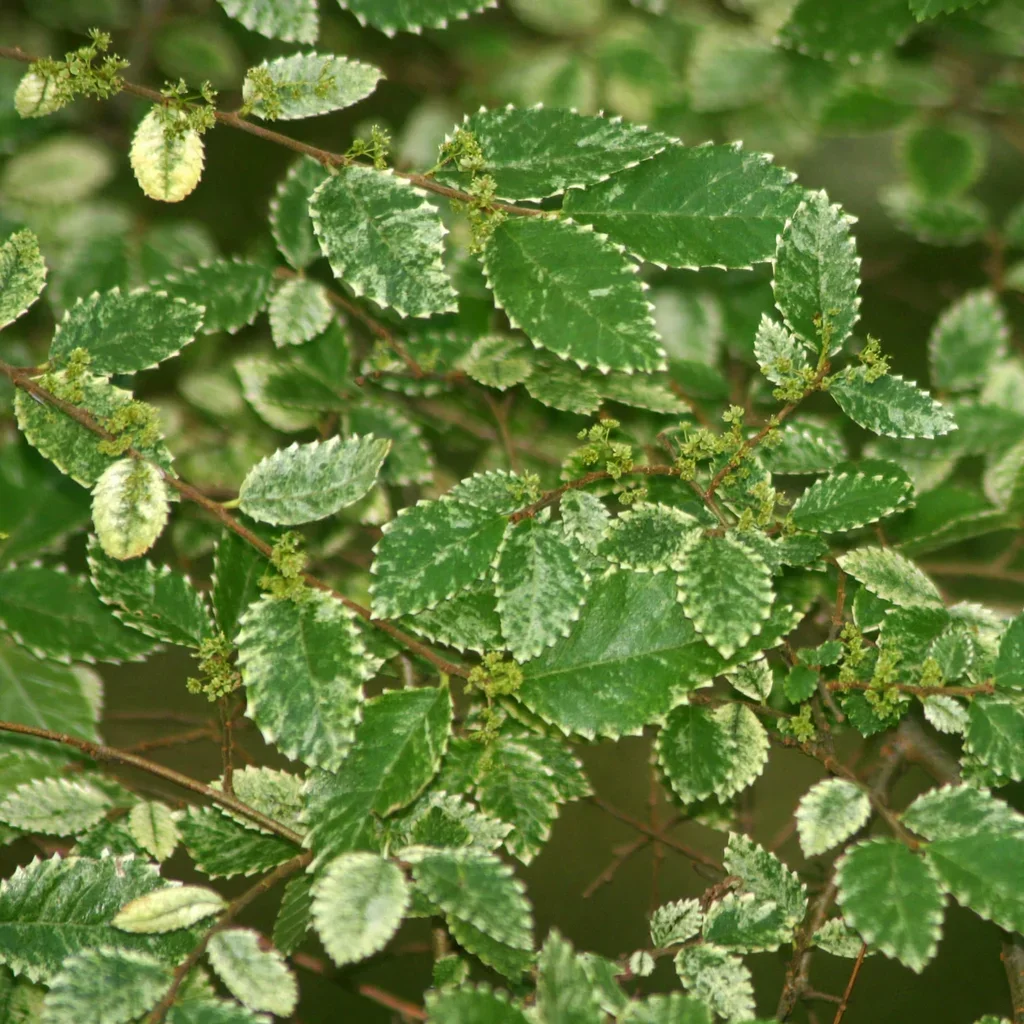
Variegated Chinese Elm
Ulmus parvifolia 'Variegata'
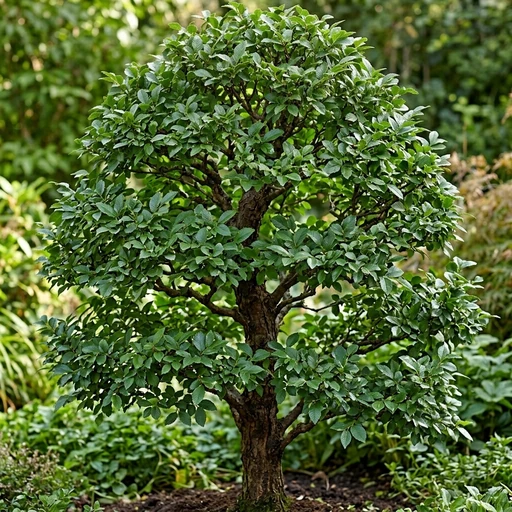
Cedar Elm
Ulmus crassifolia
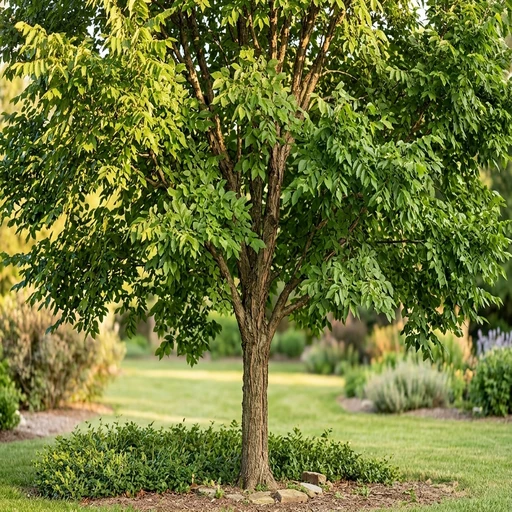
Winged Elm
Ulmus alata
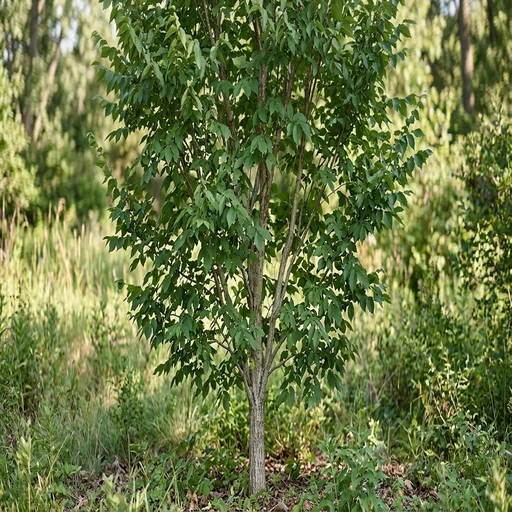
Colonial Spirit American Elm
Ulmus americana 'Colonial Spirit'
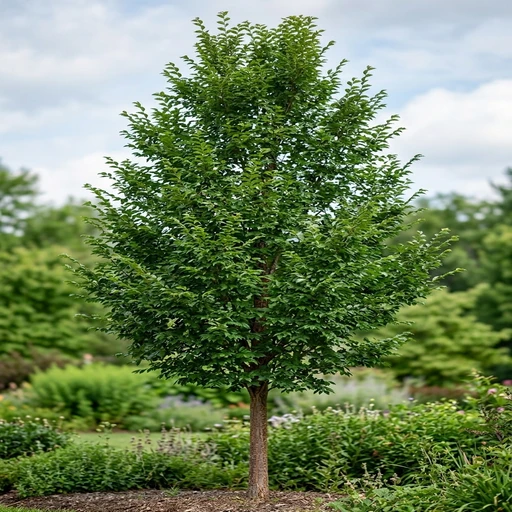
Everclear Lacebark Elm
Ulmus parvifolia 'Everclear'
Keep exploring
Explore the genus
Hardy in your zone?
Grow Chinese Elm with confidence
See it in a design of your actual yard, get zone-matched care reminders, and track it season by season in your garden journal.