The Story
Plant Bio
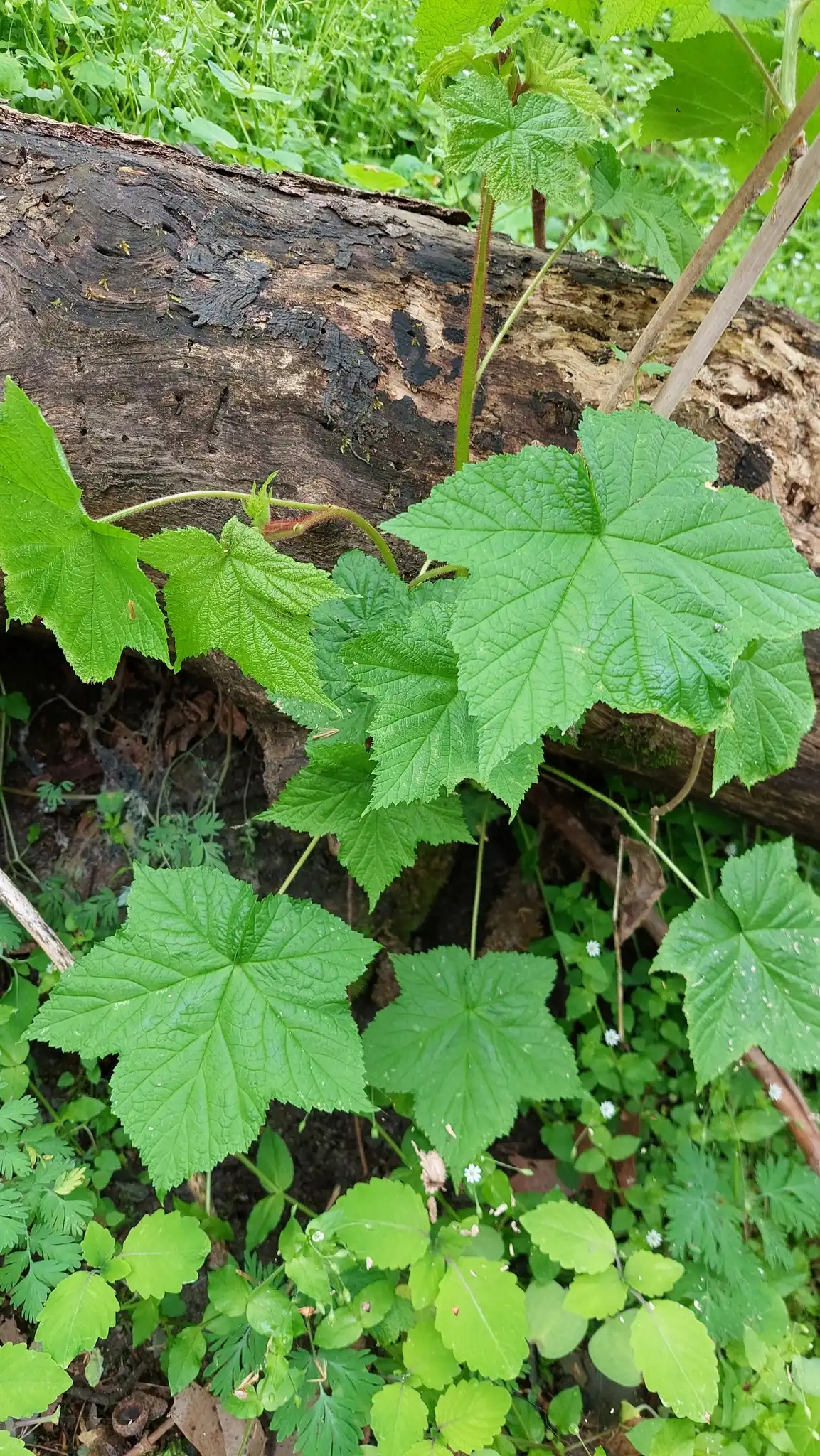
Rubus odoratus, the purple-flowering raspberry, is a coarse, deciduous, multi-stemmed shrub native to eastern North America that forms dense thickets via spreading rhizomes. Unlike most brambles, its upright-spreading stems are entirely thornless and carry large, velvety, maple-like leaves that turn pale yellow in fall.
The species is distinguished by its exceptionally high shade tolerance for a flowering shrub and its fragrant, rose-purple flowers that measure up to three inches across. These flat, rose-like blooms feature a prominent central cluster of yellow stamens and appear continuously from midsummer into early fall.
Uses & Benefits:
Essentials
At a Glance
Plant Type
Shrub
Height
96"
Width
144"
Light
Full Sun, Partial Sun, Shade
Zones
4, 5, 6, 7, 8
Water
Moderate
Humidity
Moderate
Lifespan
Perennial
Native To
Eastern North America
Toxicity
Non-toxic
Bloom period
Summer – Autumn
In flower about 6 months of the year
Planting
How to Grow
- Select a planting site in full sun to partial shade with moist, well-drained soil.
- Dig a hole twice the width of the root ball and set the plant at its original container depth.
- Water thoroughly after planting and apply a light layer of organic compost to retain moisture.
- Install physical root barriers if planting near delicate species to restrict aggressive suckering.
Pro Tip
Do not prune this shrub flat to the ground annually like a herbaceous perennial; this triggers aggressive underground runner suckering. Instead, allow the perennial canes to mature over multiple years, and use physical root barriers to contain the lateral spread in confined garden spaces.
Keep It Thriving
Care Guide
Do
- Provide consistent moisture during dry spells to prevent the large leaves from flagging.
- Prune out dead or weak wood selectively in late winter or immediately after summer fruiting.
- Use physical barriers to contain the spreading rhizomes in smaller garden beds.
Don't
- Do not cut the entire shrub to the ground in spring, as this stimulates excessive root suckering.
- Do not plant in areas with standing water or poorly drained, waterlogged soils.
- Do not over-fertilize; a light annual mulch of organic compost is sufficient.
Seasonal Care Calendar
| Task | Jan | Feb | Mar | Apr | May | Jun | Jul | Aug | Sep | Oct | Nov | Dec |
|---|---|---|---|---|---|---|---|---|---|---|---|---|
| Fertilize | ||||||||||||
| Mulch | ||||||||||||
| Pest Check | ||||||||||||
| Propagate | ||||||||||||
| Prune |
Watch Out For
Pests & Diseases
Common Pests
Common Diseases
In the Garden
Landscape Uses & Companions
Landscape Uses
Multiply
Propagation Methods
Good to Know
Common Questions
Purple-flowering raspberry questions
What zones can Purple-flowering raspberry grow in?
Purple-flowering raspberry is hardy in USDA Zones 4–8. Inside that range it survives winter in the ground; outside it, grow it as an annual or a container plant you protect.
Is Purple-flowering raspberry deer resistant?
Yes — Purple-flowering raspberry is rated deer-resistant. Deer typically pass it over, though extreme hunger can override any plant's defenses.
When does Purple-flowering raspberry bloom?
Purple-flowering raspberry typically blooms in summer through autumn. Exact timing shifts a week or two with your zone — Sow's bloom calendar maps it to your garden.
Does Purple-flowering raspberry need full sun?
Purple-flowering raspberry does best in full sun to part shade. In hot climates, afternoon shade keeps blooms fresher longer.
Is Purple-flowering raspberry drought tolerant?
Yes — once established (usually after the first full season), Purple-flowering raspberry handles dry spells with minimal watering. Water deeply its first year to build the root system that makes that possible.
More Rubus to compare
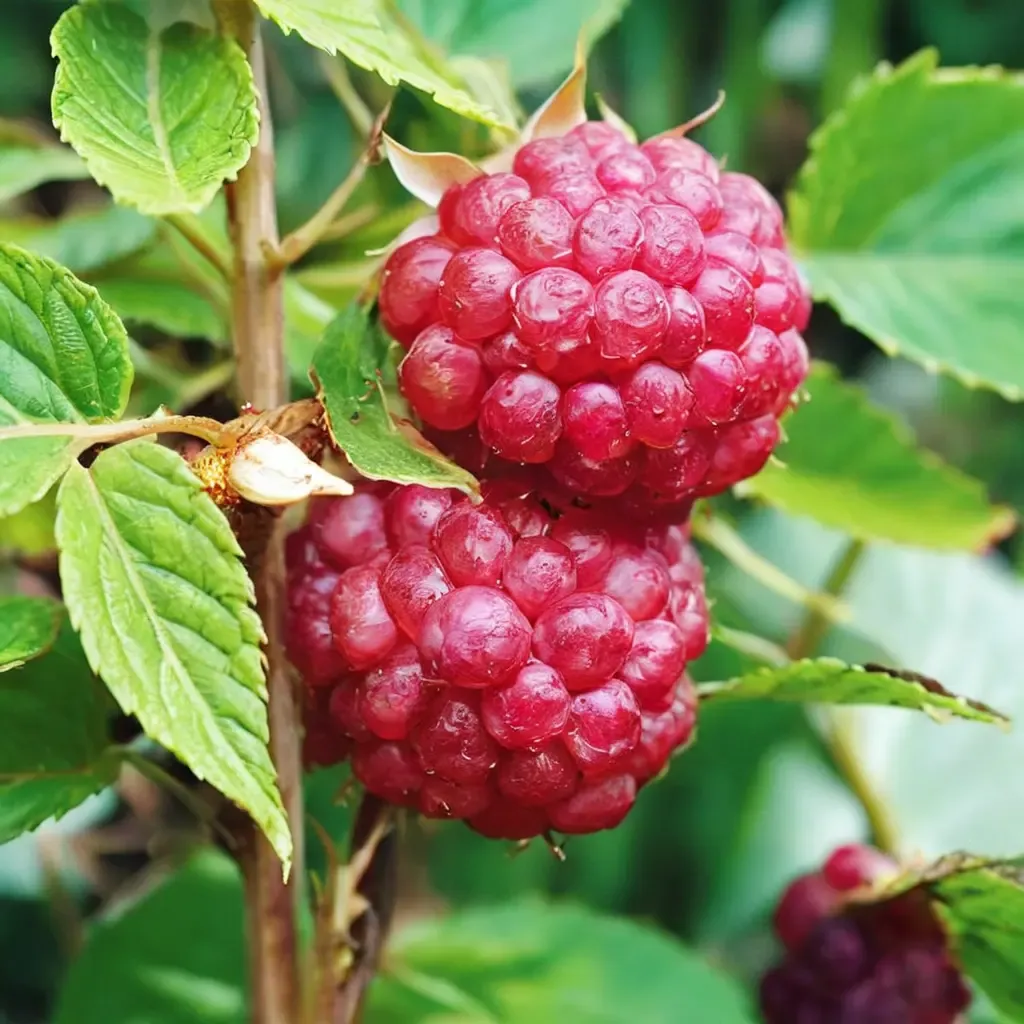
Mammoth Red Raspberry
Rubus idaeus 'Mammoth Red'
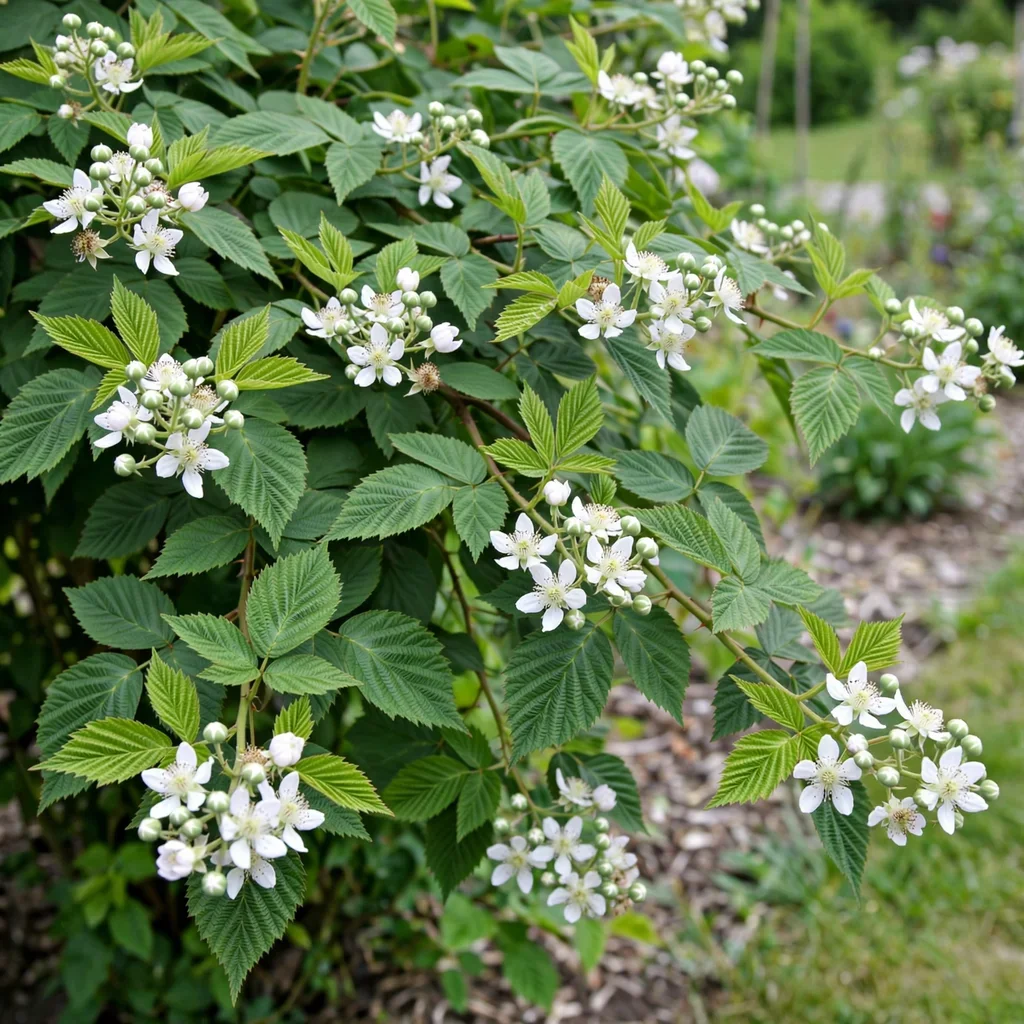
Triple Crown Blackberry
Rubus fruticosus 'Triple Crown'
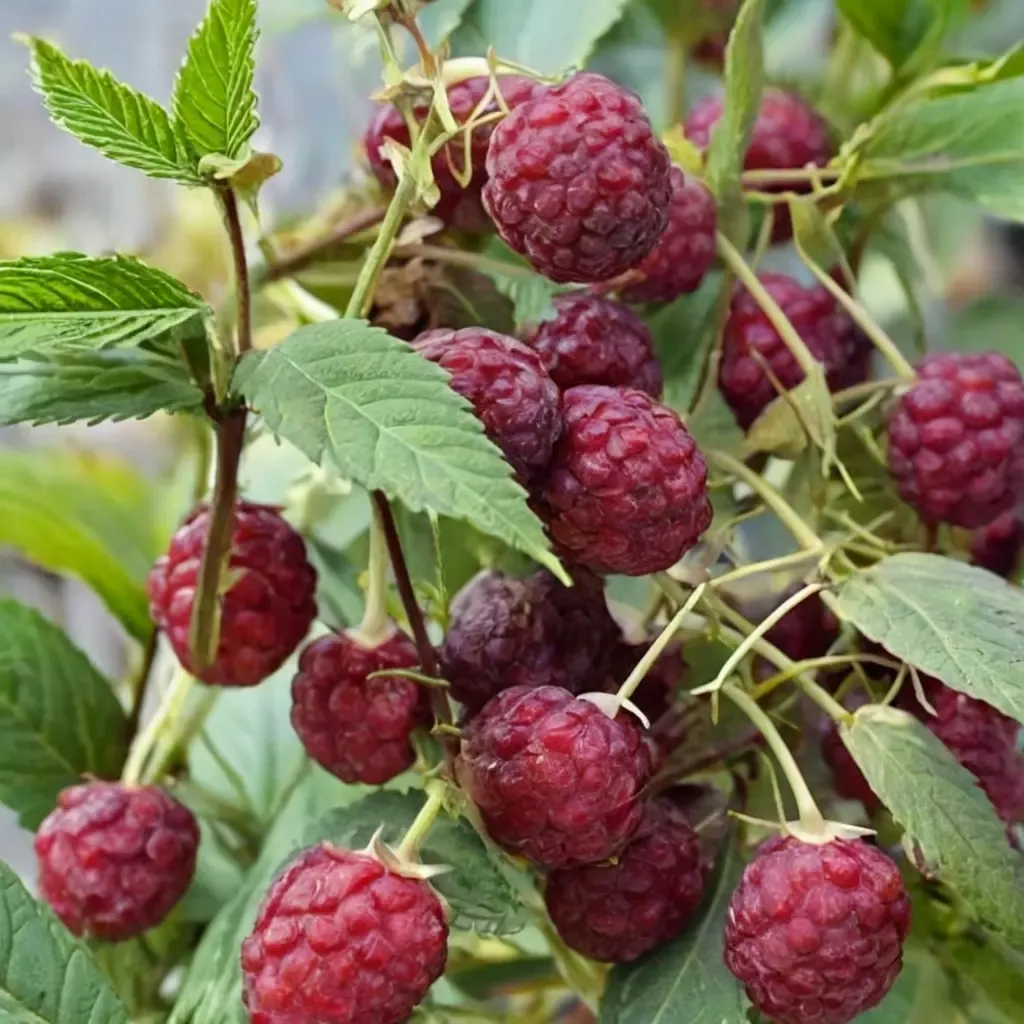
Crimson Night Raspberry
Rubus idaeus 'Crimson Night'
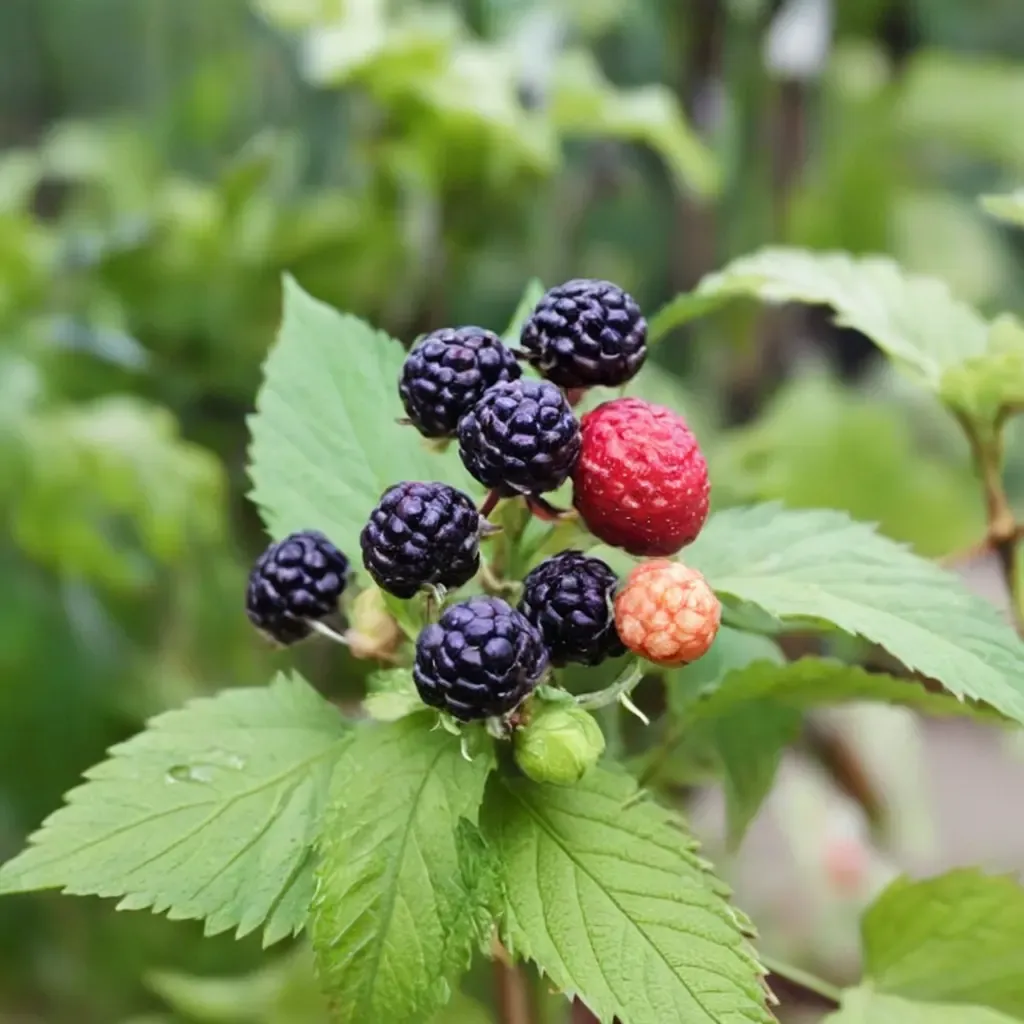
Jewel Black Raspberry
Rubus idaeus 'Jewel'
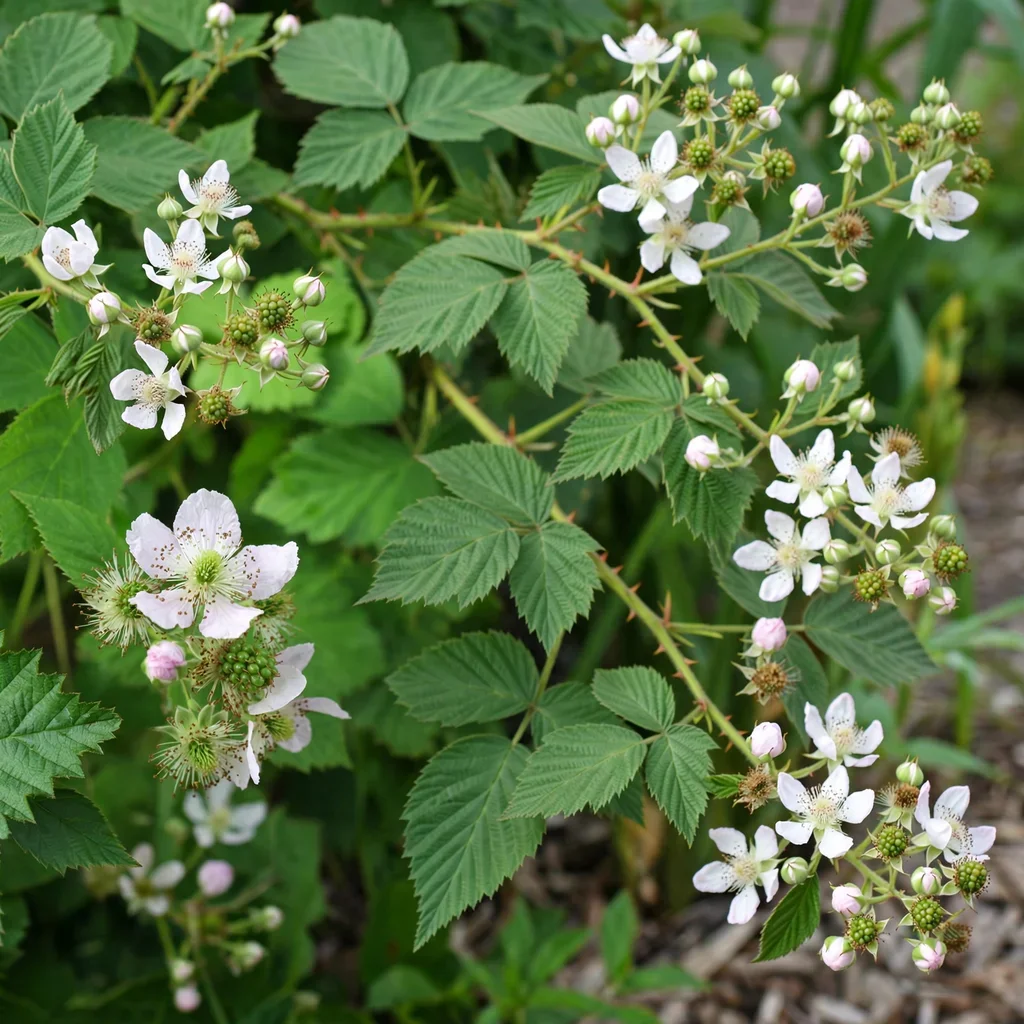
Apache Thornless Blackberry
Rubus fruticosus 'Apache Thornless'
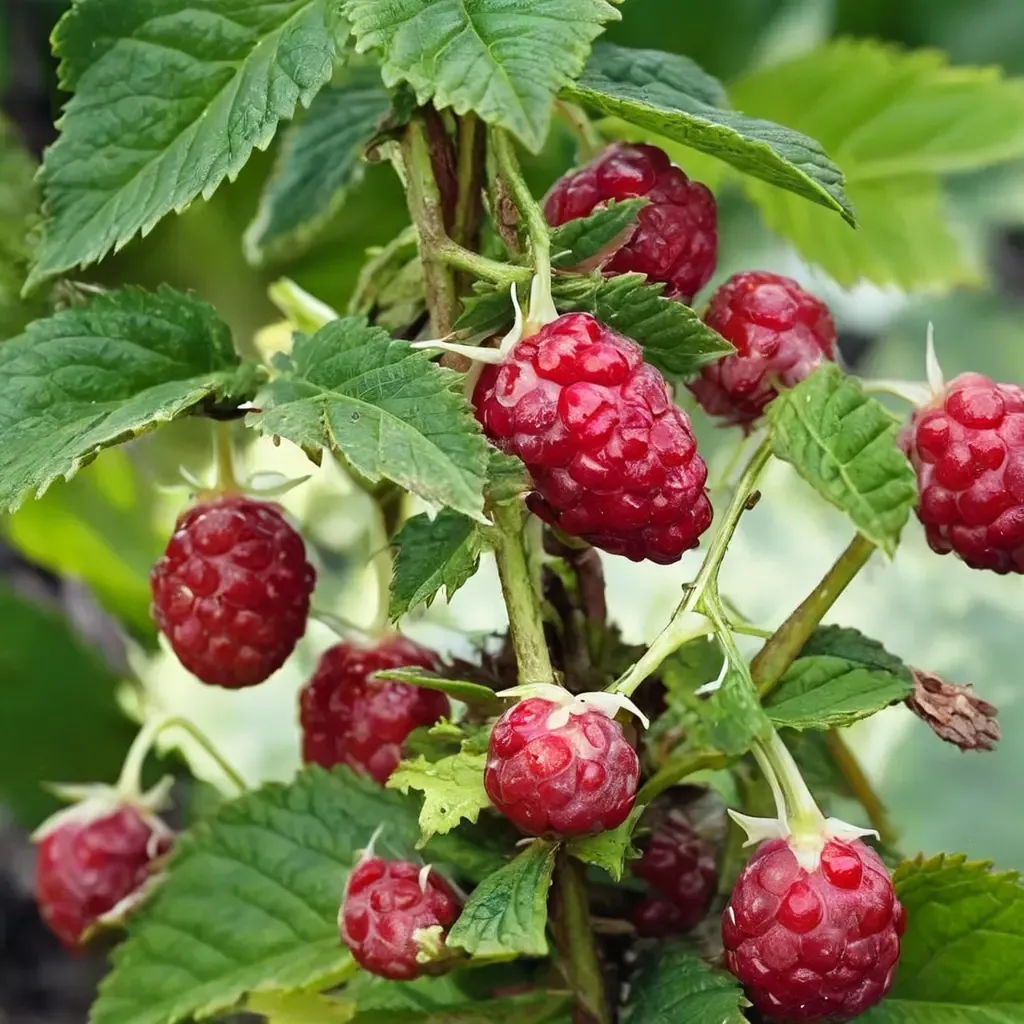
Canby raspberry
Rubus idaeus 'Canby'
Keep exploring
Explore the genus
Hardy in your zone?
Grow Purple-flowering raspberry with confidence
See it in a design of your actual yard, get zone-matched care reminders, and track it season by season in your garden journal.