The Story
Plant Bio
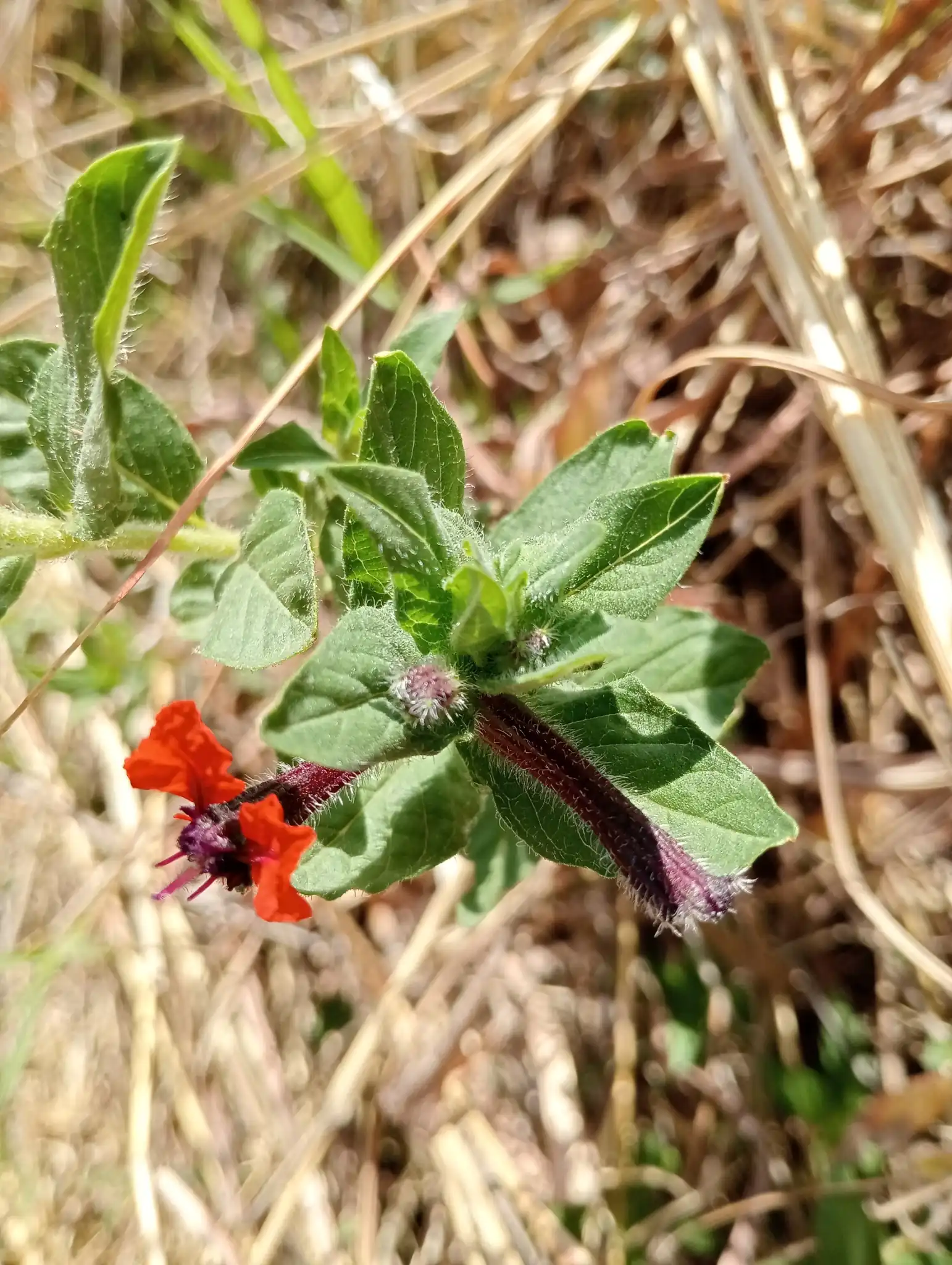
Cuphea llavea, commonly known as bat-faced cuphea, is a rounded, multi-stemmed evergreen sub-shrub native to Mexico that grows eighteen to thirty inches tall. The dark green, sandpapery leaves are arranged oppositely along flexible stems, providing a dense backdrop for tubular purple flowers tipped with two upward-facing, vivid red petals.
The distinctive flower structure resembles a bat's face, with a hairy purple calyx tube forming the head and the bright red petals acting as ears. These nectar-rich blooms emerge continuously from late spring until the first frost, drawing a steady stream of hummingbirds and bees.
Uses & Benefits:
Essentials
At a Glance
Plant Type
Shrub
Height
30"
Width
36"
Light
Full Sun, Partial Sun
Zones
9, 10
Water
Moderate
Humidity
High
Lifespan
Perennial (Annual in cold climates)
Native To
Mexico
Toxicity
Non-toxic
Bloom period
Late spring – Autumn
In flower about 7 months of the year
Planting
How to Grow
- Select a planting site in full sun with rich, exceptionally well-draining soil.
- Dig a hole twice the width of the root ball and set the plant at the same depth as its nursery container.
- Water deeply to settle the soil, maintaining consistent moisture until the root system is fully established.
- Pinch back the growing tips of young plants by one to two inches to stimulate dense, bushy lateral growth.
Pro Tip
Pinch back young stem tips by one to two inches when the plant reaches eight inches tall to prevent a floppy, sparse habit and force dense, floriferous branching.
Keep It Thriving
Care Guide
Do
- Pinch stem tips early in the season to encourage a compact, heavily branched form.
- Ensure the soil drains rapidly to prevent waterlogging and root rot.
- Water regularly during hot, dry spells to maintain optimal flower production.
Don't
- Do not allow the plant to sit in standing water or heavy, poorly drained clay.
- Do not skip early pinching, which results in a sparse, floppy growth habit.
- Do not fertilize heavily during the winter months when growth naturally slows.
Seasonal Care Calendar
| Task | Jan | Feb | Mar | Apr | May | Jun | Jul | Aug | Sep | Oct | Nov | Dec |
|---|---|---|---|---|---|---|---|---|---|---|---|---|
| Fertilize | ||||||||||||
| Pest Check | ||||||||||||
| Pinch | ||||||||||||
| Prune | ||||||||||||
| Winter Prep |
Watch Out For
Pests & Diseases
Common Pests
Common Diseases
In the Garden
Landscape Uses & Companions
Landscape Uses
Multiply
Propagation Methods
Good to Know
Common Questions
Bat-faced Cuphea questions
What zones can Bat-faced Cuphea grow in?
Bat-faced Cuphea is hardy in USDA Zones 9–10. Inside that range it survives winter in the ground; outside it, grow it as an annual or a container plant you protect.
Is Bat-faced Cuphea deer resistant?
Not reliably. Deer may browse Bat-faced Cuphea, especially tender spring growth — plan on repellents or fencing where pressure is high.
When does Bat-faced Cuphea bloom?
Bat-faced Cuphea typically blooms in late spring through autumn. Exact timing shifts a week or two with your zone — Sow's bloom calendar maps it to your garden.
Does Bat-faced Cuphea need full sun?
Bat-faced Cuphea does best in full sun to part shade. In hot climates, afternoon shade keeps blooms fresher longer.
Is Bat-faced Cuphea drought tolerant?
Yes — once established (usually after the first full season), Bat-faced Cuphea handles dry spells with minimal watering. Water deeply its first year to build the root system that makes that possible.
More Cuphea to compare
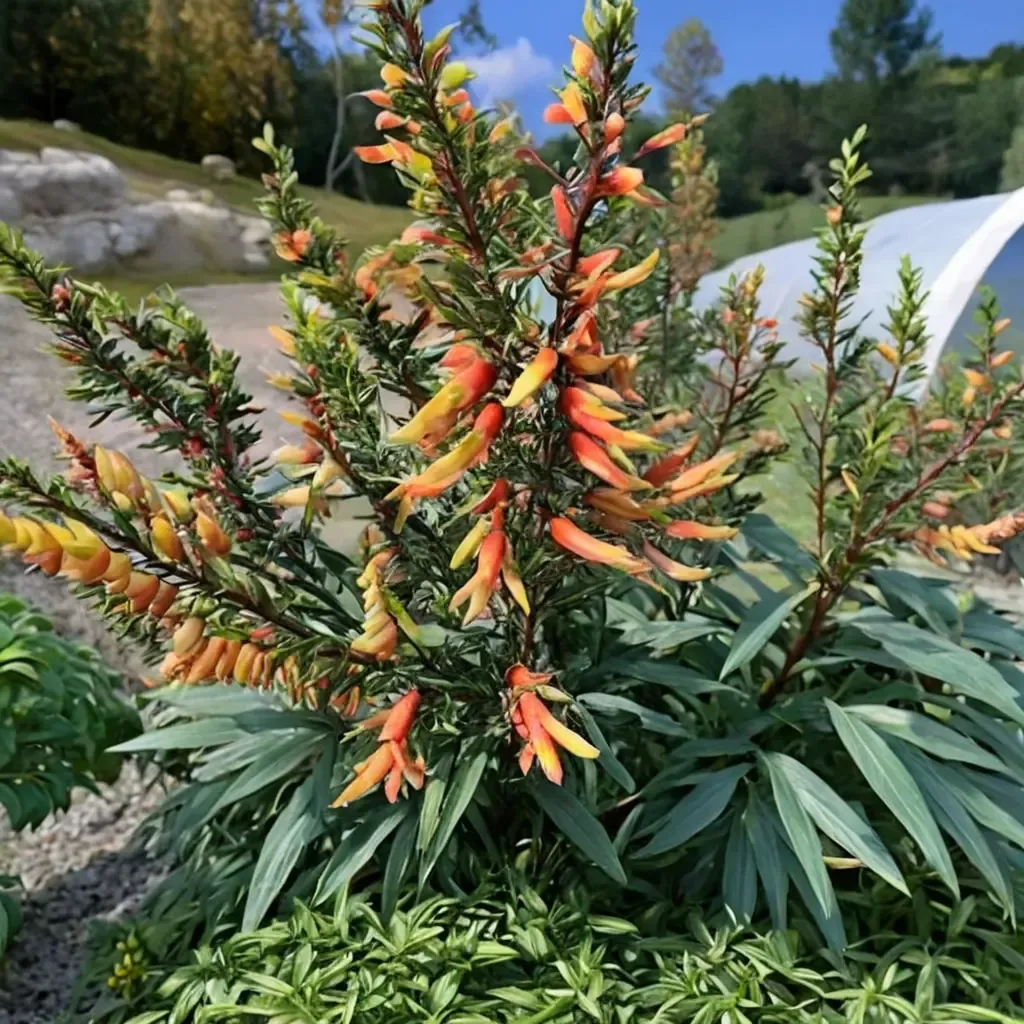
Candy Corn Plant
Cuphea micropetala
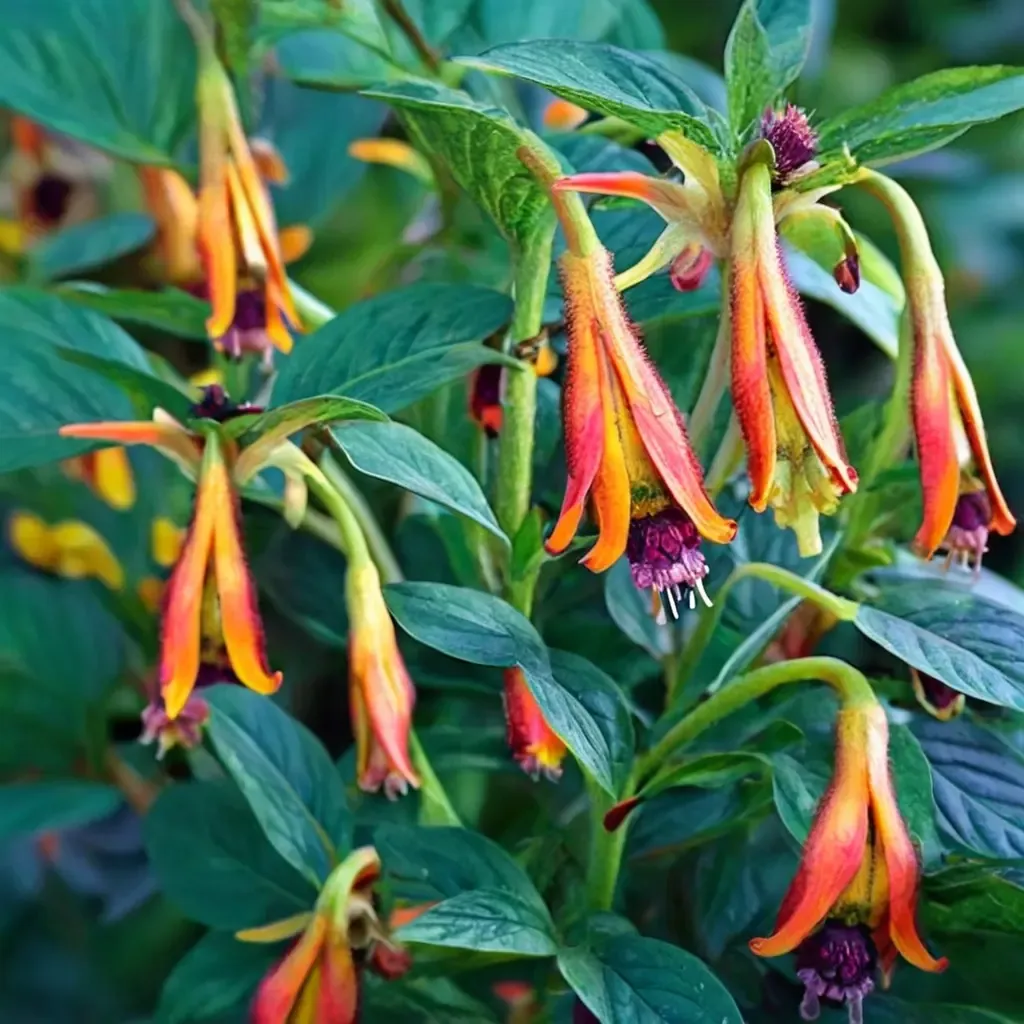
'Strybing Sunset' Cuphea
Cuphea purpurea 'Strybing Sunset'
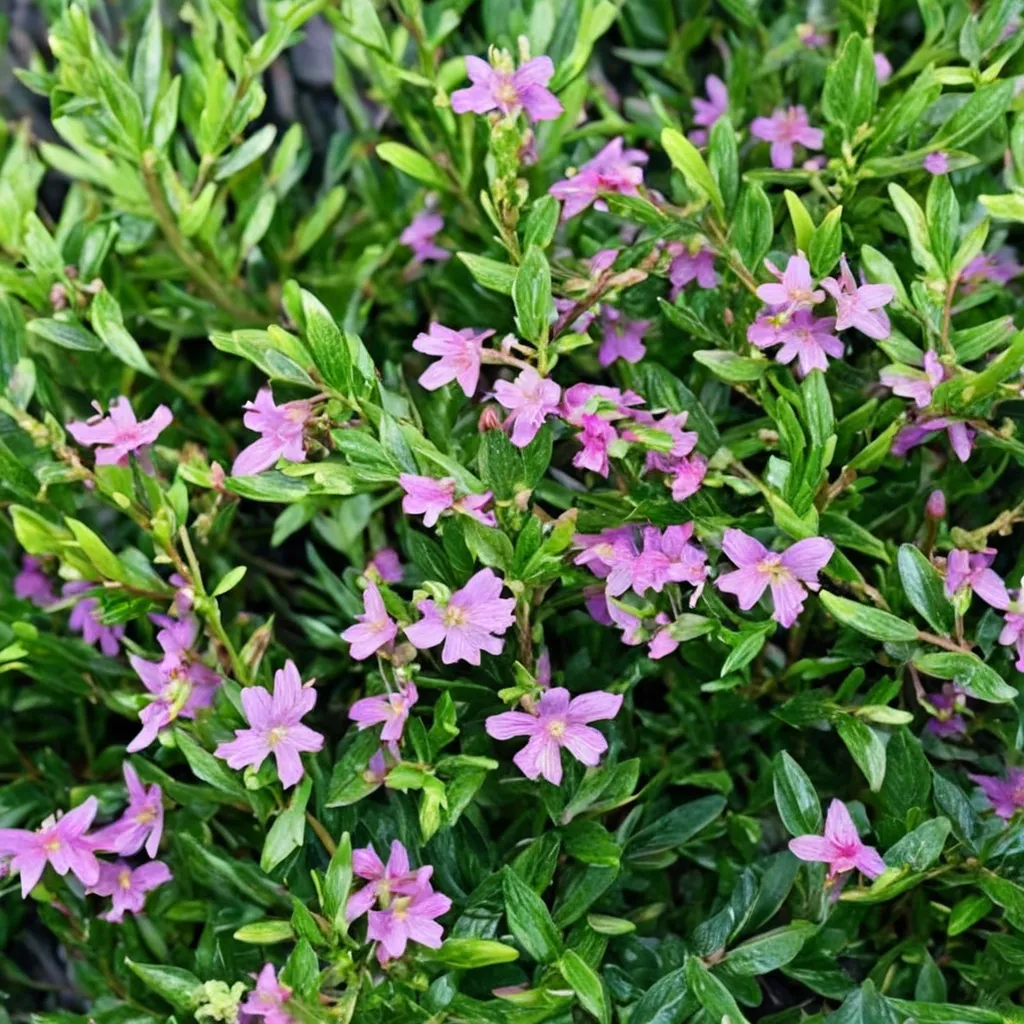
Lavender Lace Cuphea
Cuphea hyssopifolia 'Lavender Lace'
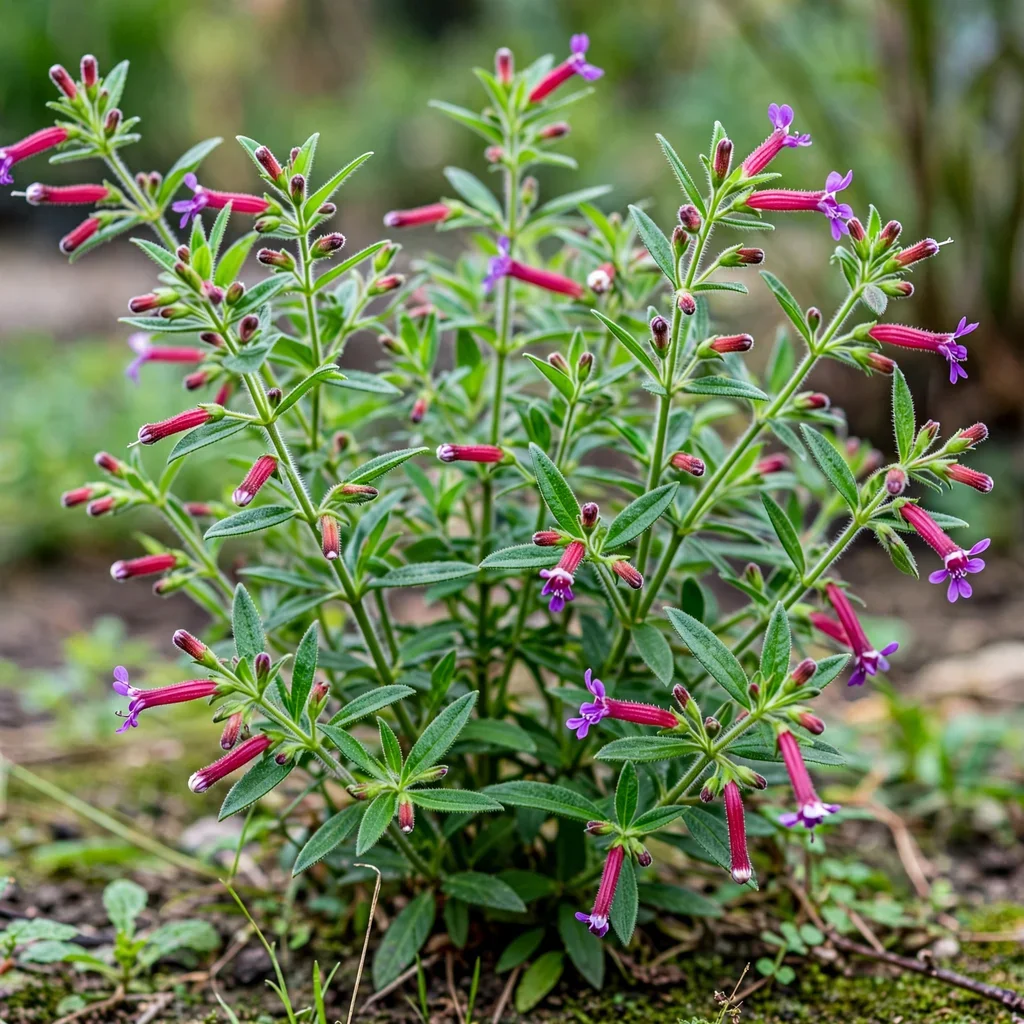
Cigar Plant
Cuphea aequipetala
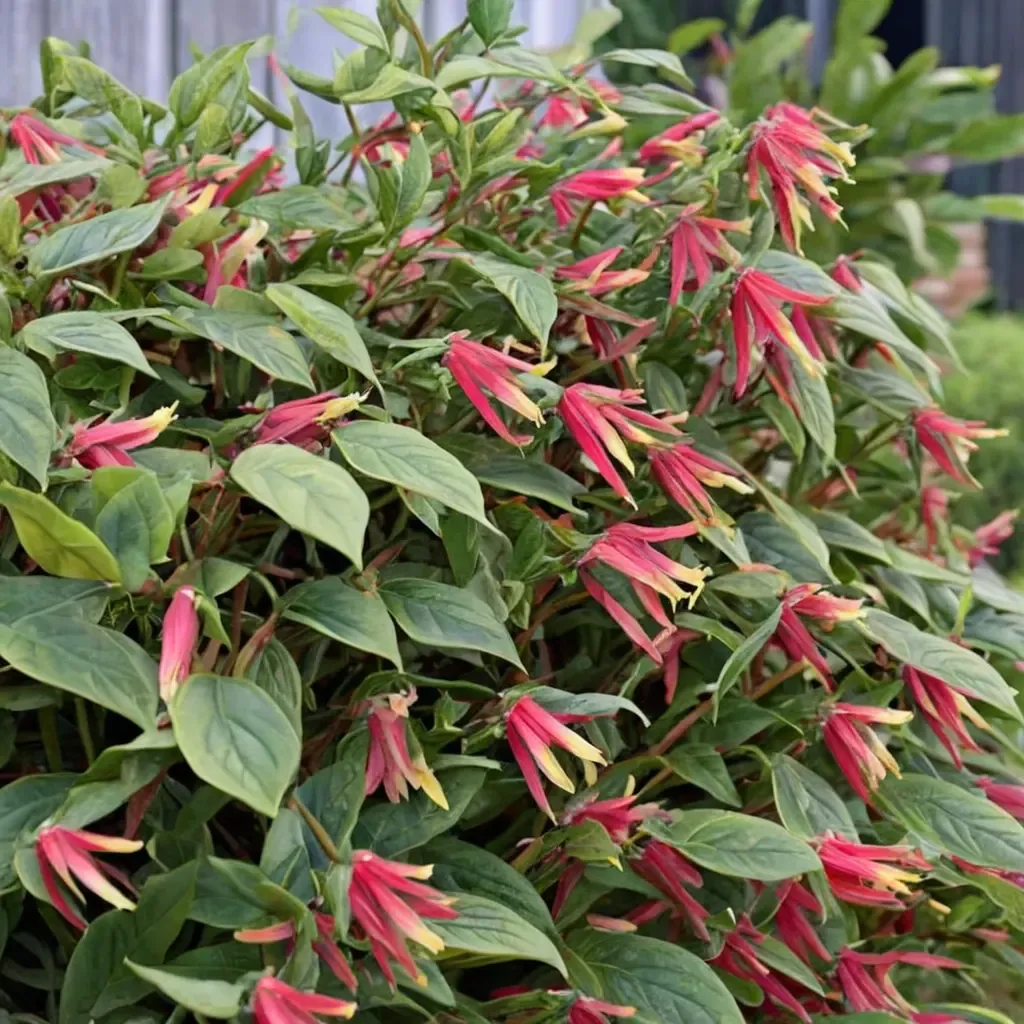
Hummingbird's Lunch Cuphea
Cuphea purpurea 'Hummingbird's Lunch'
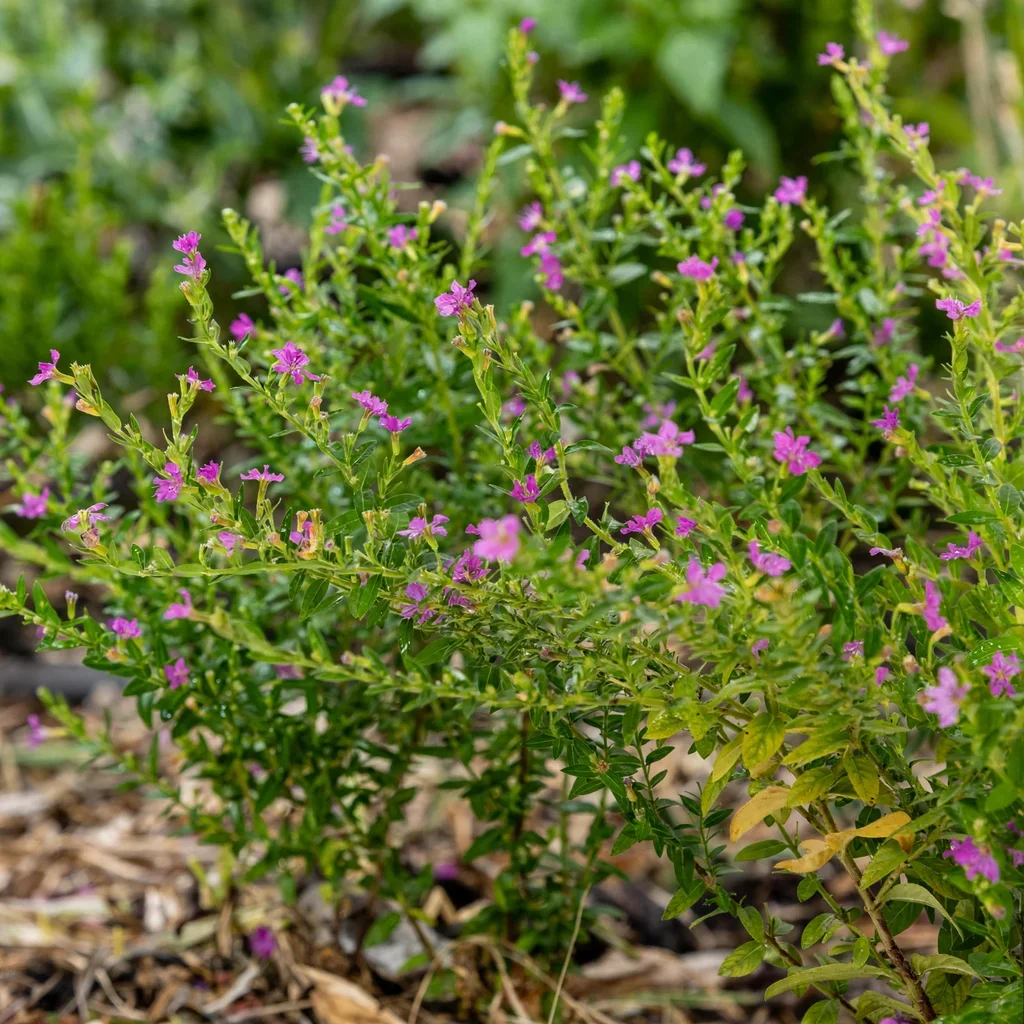
Diana False Heather
Cuphea hyssopifolia 'Diana'
Keep exploring
Explore the genus
Hardy in your zone?
Grow Bat-faced Cuphea with confidence
See it in a design of your actual yard, get zone-matched care reminders, and track it season by season in your garden journal.